The future of sustainable high-yield agriculture relies heavily on advanced precision farming equipment. By 2026, we will face a pivotal shift toward intelligent automation and enhanced climate resilience.
For farm owners and operators, investing in technology focused on data-driven decision-making now offers the highest return on investment, securing operational efficiency in an increasingly competitive global market.
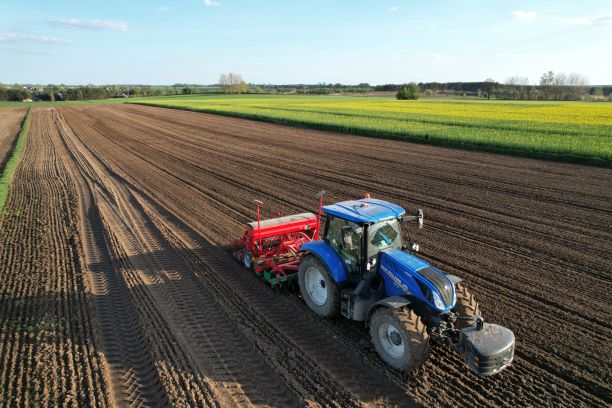
Top Precision Farming Equipment for Your 2026 Investment
1. High-Accuracy GNSS Guidance Systems
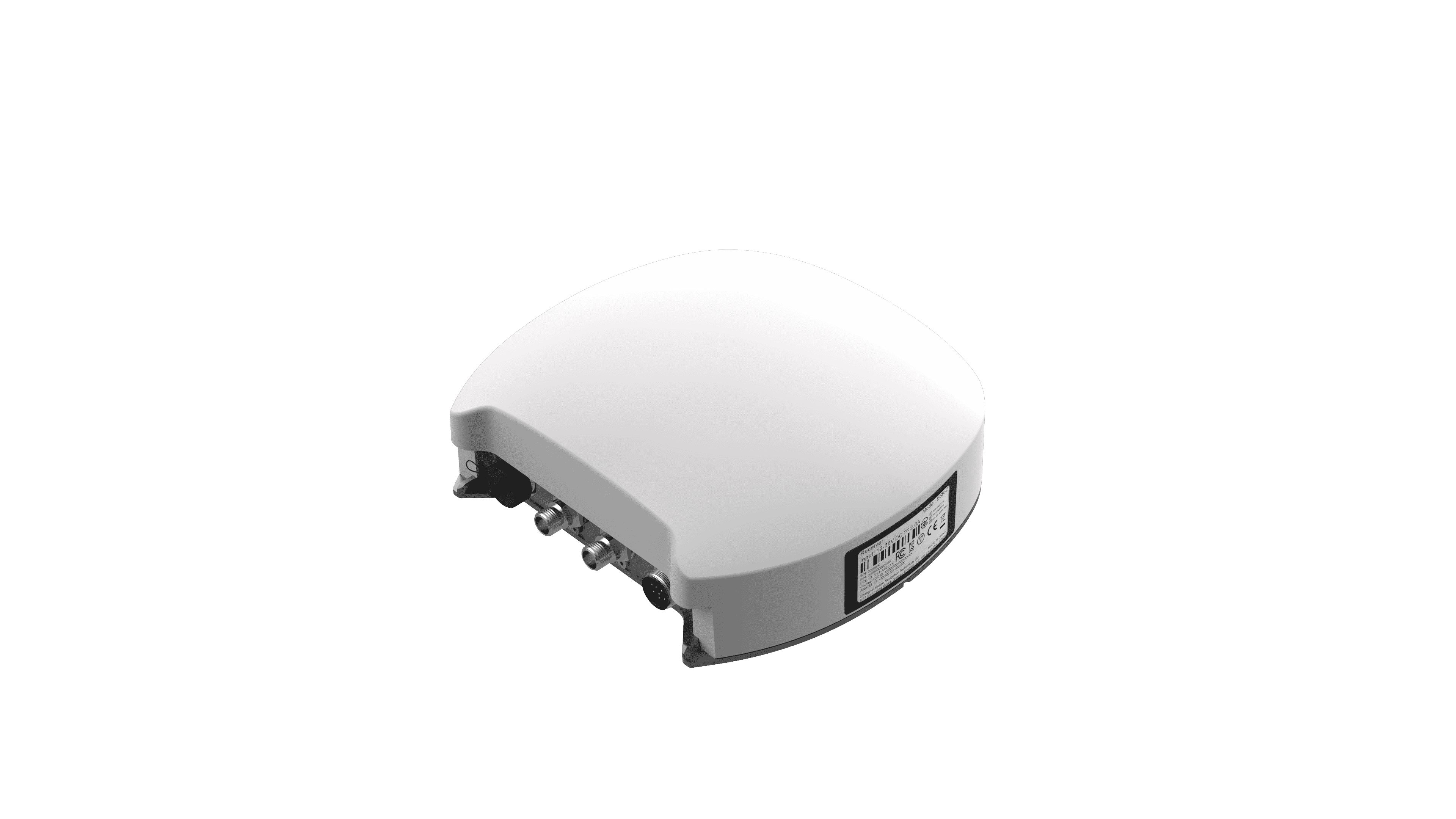
The cornerstone of all digital agriculture is the global navigation satellite system (GNSS). By 2026, high-precision GNSS technology is projected to dominate the sector, serving as the spatial framework for all digital interventions.
l Technology and Precision:
Standard systems for 2026 demand multi-constellation support—tracking GPS, GLONASS, Galileo, BeiDou, and QZSS simultaneously—to ensure redundancy in obstructed environments.
Multi-frequency signals (like L5 and L1C) are essential for faster signal acquisition and interference resistance. Furthermore, technologies like PPP-RTK (precise point positioning - real-time kinematic) now deliver centimeter-level accuracy (±2.5 cm) with rapid convergence, often reducing the dependency on complex local base stations.
l Challenges to Watch:
Users should monitor potential disruptions from solar activity or regional datum shifts (e.g., NATRF2022 in the US). Maintaining high operational accuracy requires up-to-date firmware and receivers equipped with advanced interference mitigation features.
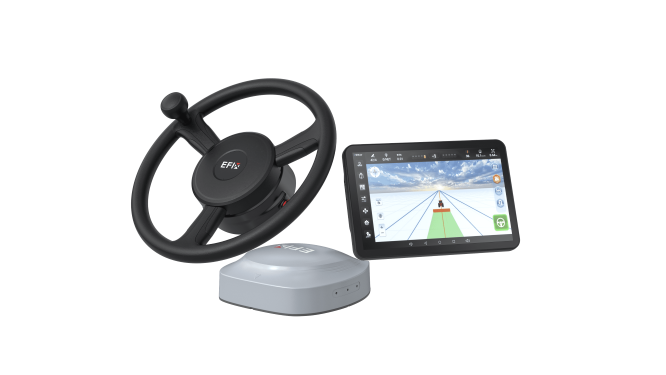
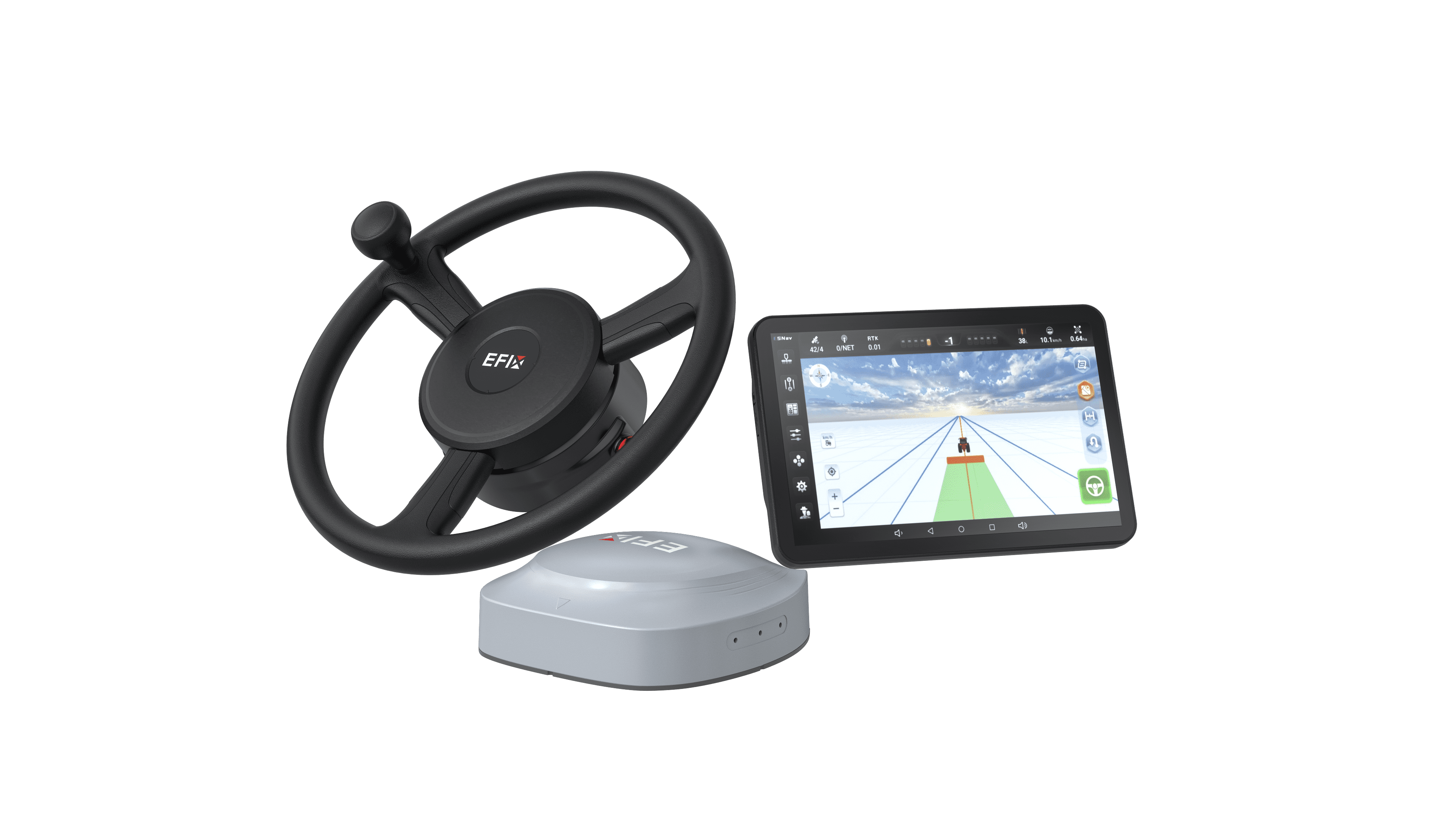
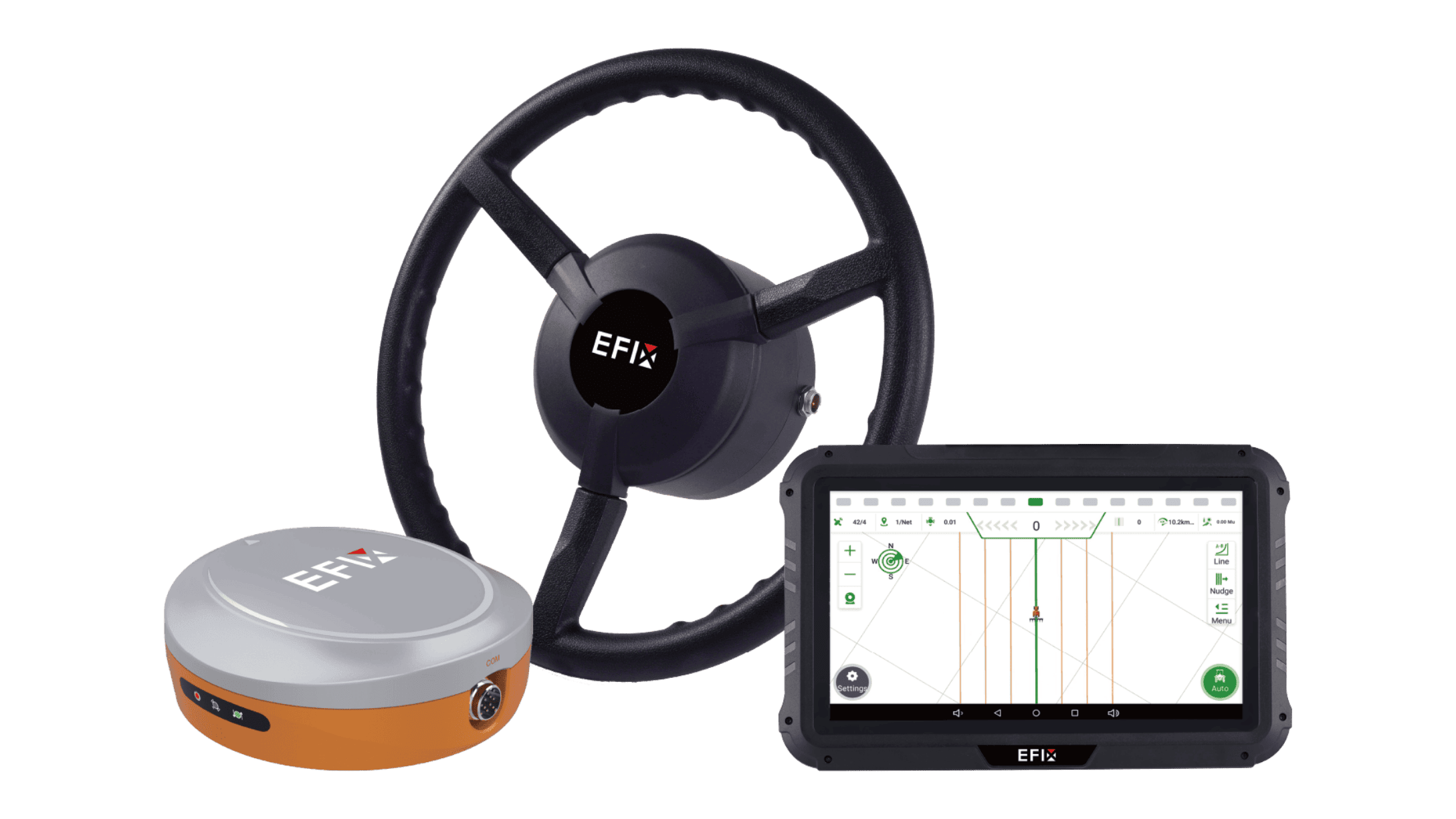
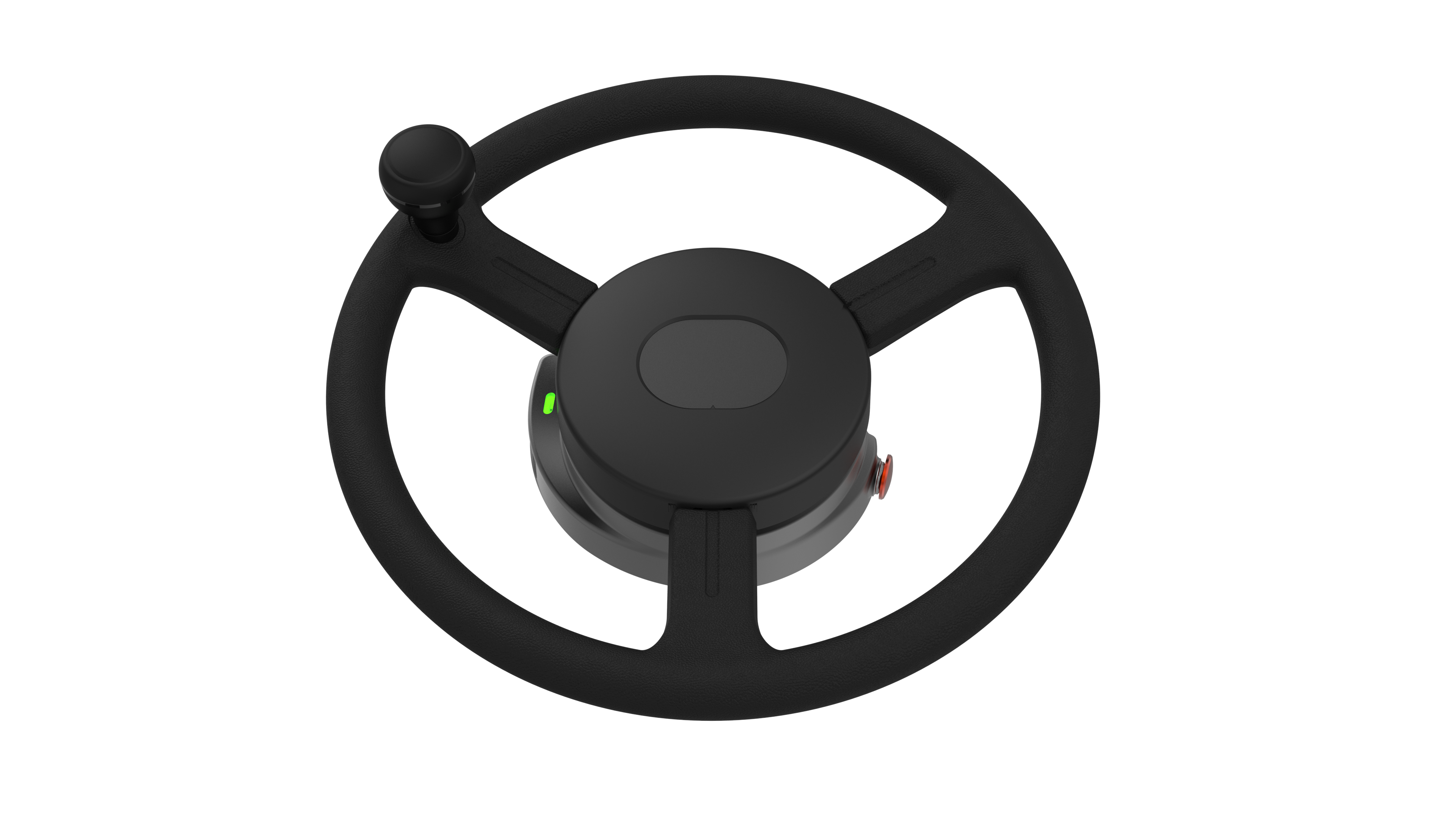
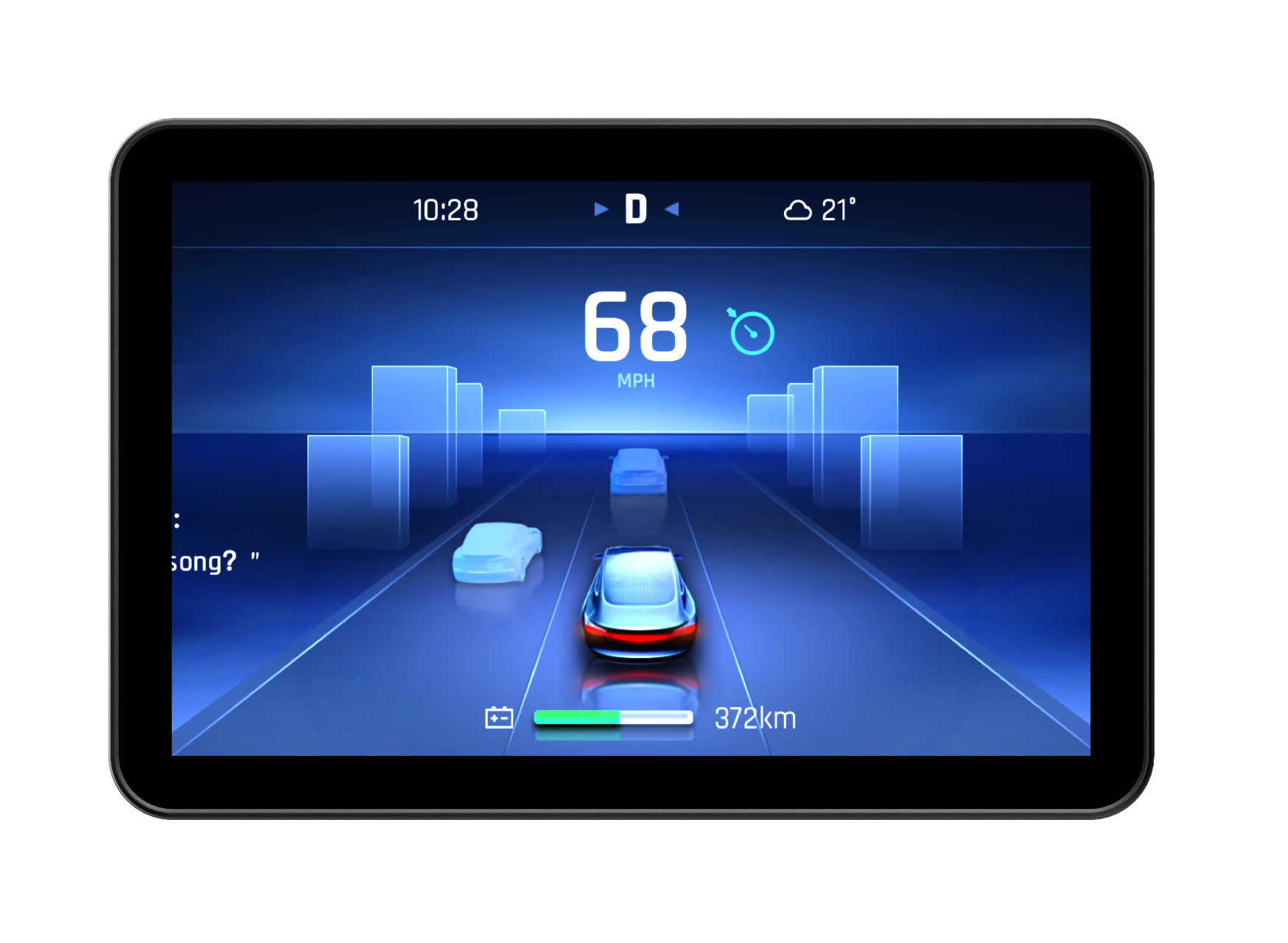
Picture shown: eSteer20 Max Auto Steering System with ISOBUS support
2. Variable Rate Technology (VRT) Controllers and Retrofits
As input costs for seeds and chemicals rise, VRT becomes a primary financial defense mechanism. These systems optimize resource allocation, potentially reducing input waste to 15%.
l Retrofit Solutions: Upgrading existing tractors with smart VRT controllers is often more cost-effective than fleet replacement. This "retrofit strategy" allows operators to preserve capital assets while integrating modern sensing capabilities.
l Functionality: VRT utilizes spatial data for non-uniform application across a field. Features like automatic section control (ASC) instantly shut off sprayer booms or planter rows over treated areas to prevent overlap.
l Interoperability: ISOBUS compliance is critical. This standard ensures seamless communication between controllers, tractors, and implements of different brands, preventing compatibility issues and securing data integrity in mixed fleets.
3. Fully Autonomous Tractors and Combines
The global market for autonomous farm machinery is accelerating, with a projected CAGR of over 16%. By 2026, a significant portion of high-end precision agriculture equipment will feature AI-driven autonomy.
l Applications: Autonomous units excel in high-repetition, large-scale tasks like tillage, grain cart operation, and seeding. Beyond labor reduction, they mitigate operator fatigue and allow continuous operation during critical planting windows, maximizing yield potential.
l Technological Leap: Key advancements include sophisticated obstacle detection using stereoscopic cameras and neural networks. Additionally, some autonomous combines now employ predictive automation to adjust parameters in real-time based on crop biomass density. While initial capital expenditure (CapEx) is high, the operational continuity offers significant logistical benefits.
4. Specialized Agricultural Robots
Specialized robots are revolutionizing high-value crops like vineyards and orchards, targeting labor-intensive tasks that have historically been difficult to mechanize.
l Key Technologies: These robots typically combine AI-driven computer vision with precise navigation. Examples include laser weeding robots that use thermal energy to eliminate weeds without soil disturbance, and intelligent spraying robots that utilize real-time foliage detection to significantly reduce chemical waste.
l Economic Models: To address high entry costs, "Robot-as-a-Service" (RaaS) models are gaining popularity. This allows farmers to lease capabilities per hectare or hour, converting heavy CapEx into manageable operating expenses (OpEx).
5. Agricultural Drones (UAVs)
Agricultural drones have evolved from simple monitoring tools to heavy-lift application platforms. The market is growing rapidly, driven by regulatory updates and improved payload capacities.
l Heavy-Lift Capabilities: Modern "farm drones" include models capable of carrying substantial payloads for precision spraying and seeding, particularly in terrain inaccessible to ground vehicles.
l Regulations: Compliance with local aviation laws (e.g., FAA Part 137 in the US) is essential. Operators must understand their regional legal frameworks before investment.
l Efficiency: Drones with multispectral sensors can identify crop stress and irrigation issues early. In application scenarios, rotor wash helps drive crop protection products deep into the canopy, improving efficacy compared to some traditional methods.
6. IoT Soil Health and Climate Sensors
By 2026, IoT is expected to transition to a central operational role, shifting from periodic sampling to continuous, real-time sensing.
l Sensor Capabilities: Advanced sensor arrays measure multiple parameters simultaneously, including soil moisture, temperature, salinity (EC), pH, and carbon sequestration markers.
l Connectivity: Depending on location and infrastructure, operations may utilize LoRaWAN for low-power sensors, private networks, or emerging satellite IoT services to ensure connectivity in remote fields.
l Durability: Prioritize "bury-and-forget" sensors designed for long-term deployment. These devices transmit data wirelessly through the soil, avoiding damage from machinery and weather elements.
7. AI-Powered Farm Advisory and Data Platforms
Artificial intelligence processes the massive data influx from precision equipment. Investment in AI-driven agriculture is expected to grow significantly through 2026.
l Predictive Analytics: AI platforms analyze historical yield data, weather patterns, and real-time conditions to forecast pest outbreaks or yield outcomes, enabling proactive management.
l Interoperability Standards: Data mobility is key. Initiatives like the Agricultural Interoperability Network (AgIN) promote data sharing between manufacturers. Standardization prevents data silos, ensuring that maps and insights are usable across devices regardless of the brand.
Strategic Considerations Before You Invest
Investing in precision farming equipment is a significant commitment. To ensure profitability, consider these strategic pillars.
1. Conduct a Full Cost-Benefit Analysis: Avoid buying technology for novelty. Calculate cost per hectare against potential savings (inputs) and yield increases. VRT, for example, is only viable if field variability justifies the investment.
2. Ensure Interoperability: Verify support for protocols like ISOBUS or open APIs. Aim for a mixed-fleet environment where data flows freely, avoiding proprietary systems that restrict vendor choice.
3. Start with a Pilot Program: Mitigate implementation risk by digitizing a single aspect—such as auto-steering—on a portion of your farm first. Validate the workflow before full-scale rollout.
4. Leverage Government and Industry Support: Research grants or tax incentives for sustainable technologies (e.g., reduced runoff, carbon sequestration) available in your region to subsidize upgrade costs.
EFIX Offers Industry-Leading GNSS Guidance Systems
When considering the foundational precision Ag equipment for 2026—high-accuracy guidance—EFIX stands out as a premier partner. EFIX specializes in democratizing access to professional-grade precision. We serve over 140 countries with a team of 1,000+ R&D engineers.
Core Competencies and Features:
l Versatile Precision: Delivers ±2.5 cm accuracy in any situation via RTK or the proprietary PointSky satellite service (<5 min convergence). Extended functions include visual guidance and row guidance for specialized crops.
l Operational Range: Supports speeds from 0.1 km/h to 30 km/h, covering every scenario from slow-speed trenching to high-speed spraying.
l Smart Automation: Features AEF-certified ISOBUS control (UT, SC, GEO, and AUX) and advanced auto U-turn capabilities (including curve, headland, and multi-line) to handle complex field geometries.
l OEM & Integration: Offers flexible cooperation models (hardware, software, and algorithms) for partners, backed by ISO9001 and IATF16949 quality certifications.
l Global Support: Users benefit from localized on-site service and a comprehensive digital knowledge base for immediate technical support.
Conclusion
The transition to precision agriculture equipment is a necessity for modern farming viability. Whether automating a tractor, deploying sensors, or utilizing drones, success in 2026 relies on choosing equipment that is accurate, interoperable, and scalable.
Solutions like those from EFIX provide the perfect entry point, offering high-end reliability to start your precision journey with confidence. You are more than welcome to reach out to our professional team for more advice on your specific operational needs.
Relevant information:
1. https://www.frontiersin.org/journals/plant-science/articles/10.3389/fpls.2025.1675657/full
2. https://www.fortunebusinessinsights.com/autonomous-farm-equipment-market-111895
3. https://www.researchgate.net/publication/379277971_Robot-as-a-Service_as_a_New_Paradigm_in_Precision_Farming
4. https://www.faa.gov/uas/advanced_operations/dispensing_chemicals
5. https://iotbusinessnews.com/2025/12/05/smart-agriculture-in-2026-soil-sensors-robotics-and-the-economics-of-connectivity/
6. https://www.farm-equipment.com/articles/24862-a-big-step-forward-for-interoperability-and-data-sharing