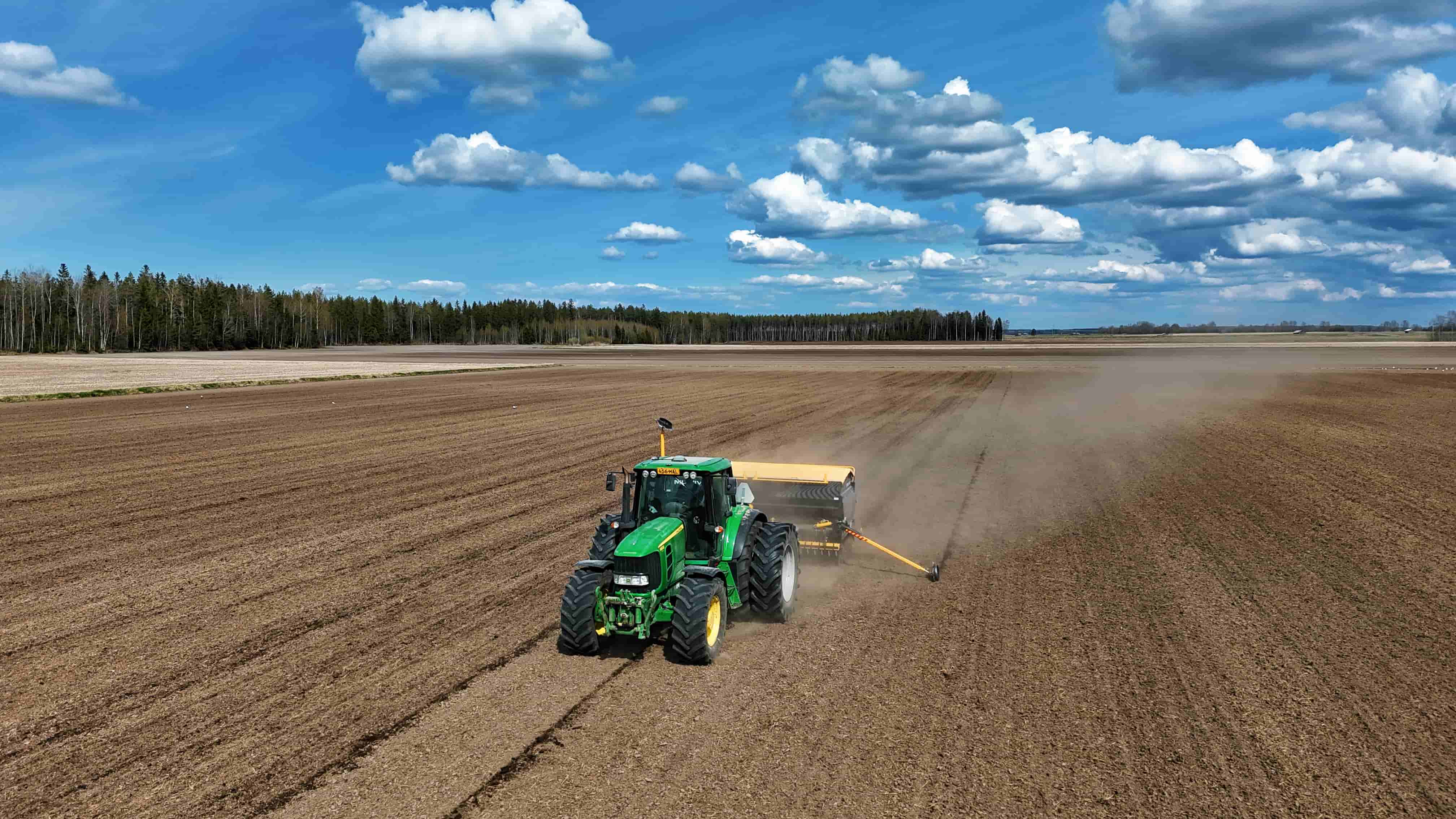
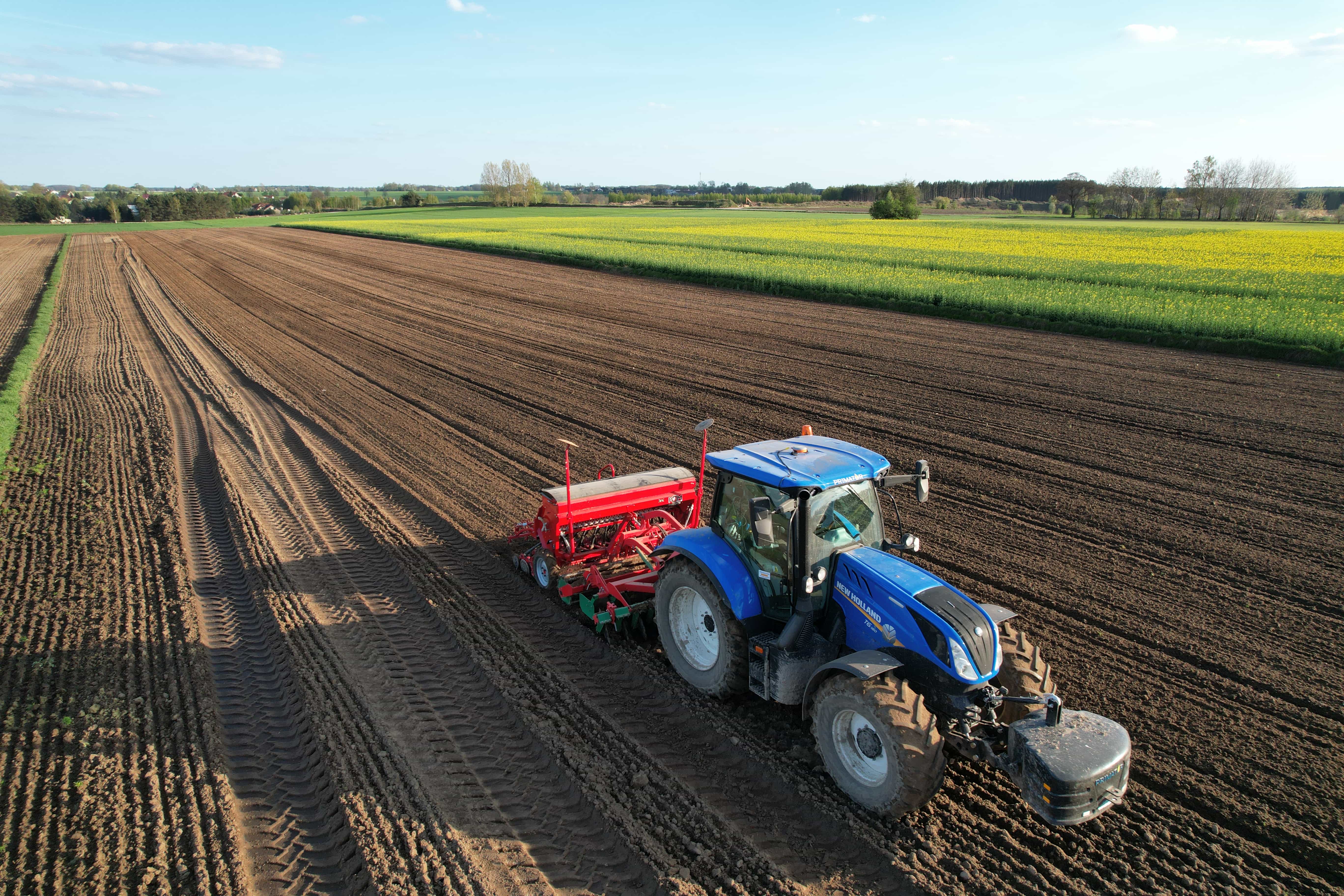
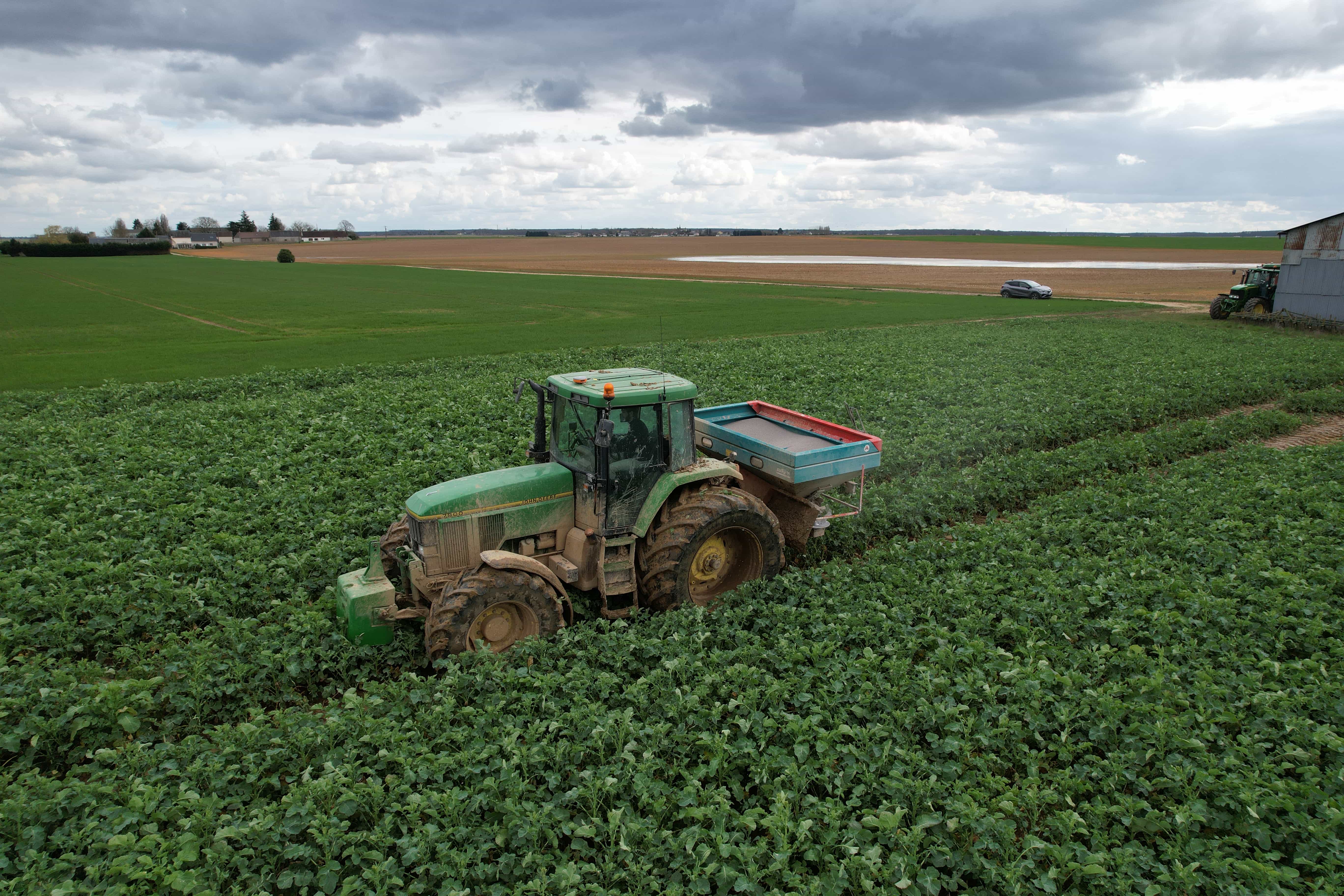
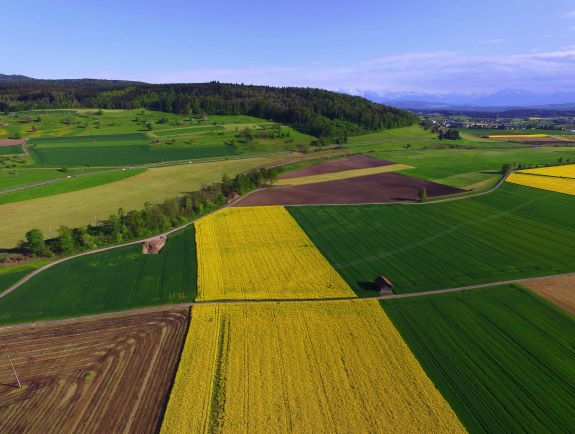
Traditional farming often involves applying inputs uniformly, ignoring field heterogeneity. This inefficiency leads to wasted resources and uneven yields. Variable rate application (VRA) solves this by using site-specific data to adjust seeds, fertilizers, and chemicals based on localized needs.
By shifting from a "one-size-fits-all" approach to precision management, VRA optimizes field productivity while significantly reducing overall operational waste.
What is VRA (Variable Rate Application)?
What is VRA in a practical, operational context? Variable rate application is a precision farming strategy that marks a transition from uniform field management to site-specific optimization.
It is defined as the automated application of agricultural inputs—such as seeds, fertilizers, and crop protection chemicals—at varying rates across a field based on spatially identified data.
While VRA refers to the practice itself, it is powered by variable rate technology (VRT). VRT encompasses the integrated hardware and software infrastructure that enables VRA.
This includes global navigation satellite systems (GNSS), geographic information systems (GIS), field sensors that measure soil and crop variability, and application equipment capable of dynamically adjusting flow rates on the fly.
The primary objective of VRT and VRA is to enhance operational efficiency, maximize crop yields, and minimize the environmental footprint of modern farming.
Types of Variable Rate Application in Precision Farming
The versatility of VRA allows it to be applied across several critical stages of the crop production cycle:
1. Variable Rate Fertilizer Application (VRFA)
VRFA adjusts nutrient application rates based on in-field heterogeneity, soil fertility, and specific crop requirements. For static nutrients like phosphorus (P), potassium (K), and lime, VRA typically relies on pre-generated "prescription maps."
For dynamic nutrients like nitrogen (N), VRA is often applied during the growing season. Nitrogen VRA frequently utilizes the "N-Rich Strip" algorithm, where sensors compare the nitrogen status of a saturated test strip against the rest of the field to calculate precise deficits and prevent over-application.
2. Variable Rate Seeding (VRS)
VRS involves adjusting seeding density and spacing based on soil characteristics, historical yield data, and topography. In highly fertile areas with high water-holding capacity, farmers can increase plant populations to maximize yield potential.
Conversely, in lower-productivity zones, reducing the seed count saves costs and prevents excessive competition for limited resources. Successful VRS requires robust agronomic modeling, such as correlating apparent electrical conductivity (ECa) and magnesium levels with optimal plant density.
3. Variable Rate Spraying (VRC)
Variable rate crop protection (VRC) ensures that pesticides and herbicides are only applied to areas where pests, diseases, or weeds have been detected.
Rather than "blanket spraying" an entire field, VRC utilizes various advanced technologies, including flow control, chemical direct injection, and pulse width modulation (PWM) nozzle control systems.
PWM systems are particularly effective, as they vary the flow rate by adjusting the "on-time" of the nozzle while maintaining constant spray characteristics and droplet size.
4. Variable Rate Irrigation (VRI)
VRI allows for the customized application of water based on specific field and plant conditions. This technology is essential for managing fields with varying soil textures or dramatic changes in elevation.
VRI can be implemented through speed control (adjusting the travel speed of a pivot), zone control (cycling groups of sprinklers), or individual sprinkler control, which offers the highest level of precision.
Benefits of Variable Rate Application
The transition to variable rate technology is supported by significant economic and environmental data:
1. Direct Cost Reduction: Matching inputs to actual demand prevents the over-application of high-cost materials. Global analyses of precision technologies indicate an average reduction of 12.8% in pesticide use. By optimizing fertilizer and seed volumes, farmers often see a Return on Investment (ROI) increase of approximately 22.3%.
2. Yield Optimization: Precision agriculture technologies, including VRA, ensure that every section of a field receives the precise balance of nutrients and water. This accuracy has been shown to increase net farm profits by an average of 18.5%. In specific cases like maize production, studies have recorded yield increases of up to 31% while simultaneously reducing nitrogen inputs.
3. Environmental Stewardship: Precise application minimizes chemical runoff into local water bodies and lowers greenhouse gas emissions. Improving Nitrogen Use Efficiency (NUE)—which has seen average gains of 15.1% via VRA—is crucial for preventing soil salinization and protecting fragile ecosystems from non-point source pollution.
How Does VRA Work? Key Components
A functional VRA system relies on the seamless integration of data collection, analysis, and mechanical execution.
1. Field Data Collection
Reliable data is the foundation of any VRA strategy. Farmers gather intelligence from multiple sources:
l Satellite and Drone Imagery: High-resolution multi-spectral imagery provides Normalized Difference Vegetation Index (NDVI) values, which serve as a proxy for crop health and biomass.
l Soil Mapping: Detailed soil analysis is performed using Electrical Conductivity (EC) sensors and grid soil sampling. Grid sampling divides the field into uniform units for laboratory analysis.
l Active Optical Sensors: Machinery-mounted sensors (such as GreenSeeker) provide real-time feedback on crop nutrition status, allowing for immediate rate adjustments during field operations.
2. Data Analysis & Prescription Map Creation
Raw data must be processed into actionable instructions. Using GIS software and AI-driven platforms, agronomists identify patterns and define "Management Zones" (MZ) based on soil and yield variability.
The result is a Prescription Map (RX). This electronic file acts as a spatial blueprint, assigning a specific application rate to every coordinate. These maps are loaded into the tractor's terminal, bridging the gap between agronomic theory and physical application.
3. Intelligent Farm Machinery & Control Systems
The execution layer involves machinery equipped with VRT control units. The rate controller is the system's brain; it interprets the RX map or sensor data and issues commands to the implement's actuators.
To ensure interoperability between different brands of tractors and implements, the ISOBUS (ISO 11783) standard is used. Essential ISOBUS components include:
l Universal Terminal (UT): A standardized display that allows the operator to control any compatible implement from a single interface.
l Task Controller (TC): Specifically, TC-GEO handles location-based VRA, while TC-SC (Section Control) minimizes overlap by automatically switching off sections in areas already treated.
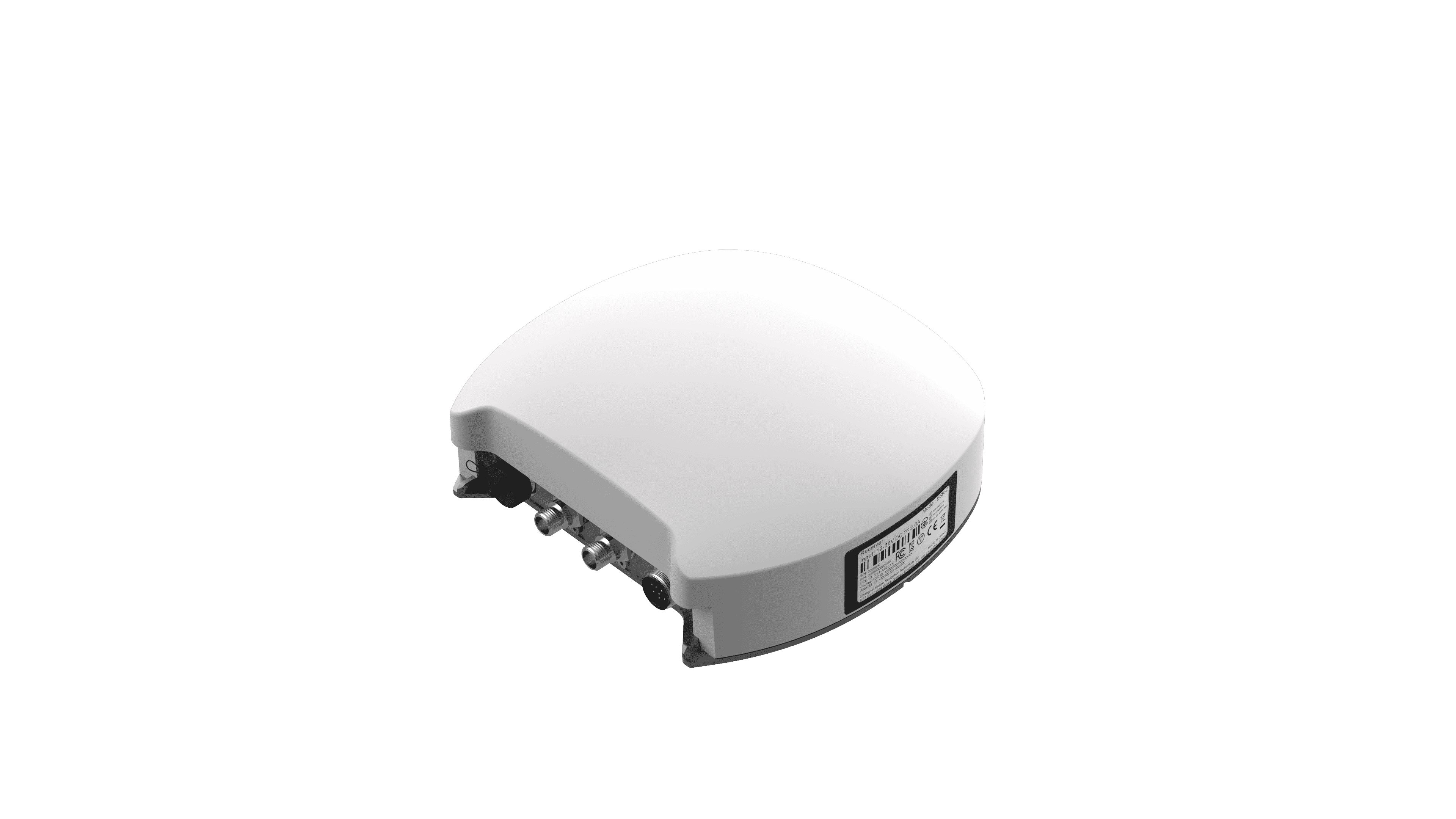
l GNSS Guidance: High-precision GNSS receivers provide the sub-decimeter accuracy needed to ensure the machine’s real-time position matches the coordinates in the prescription map.
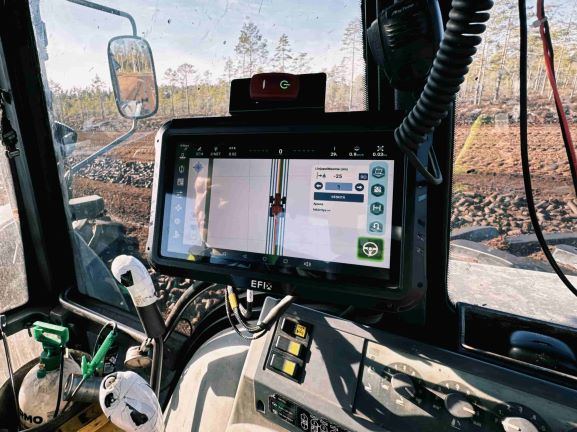
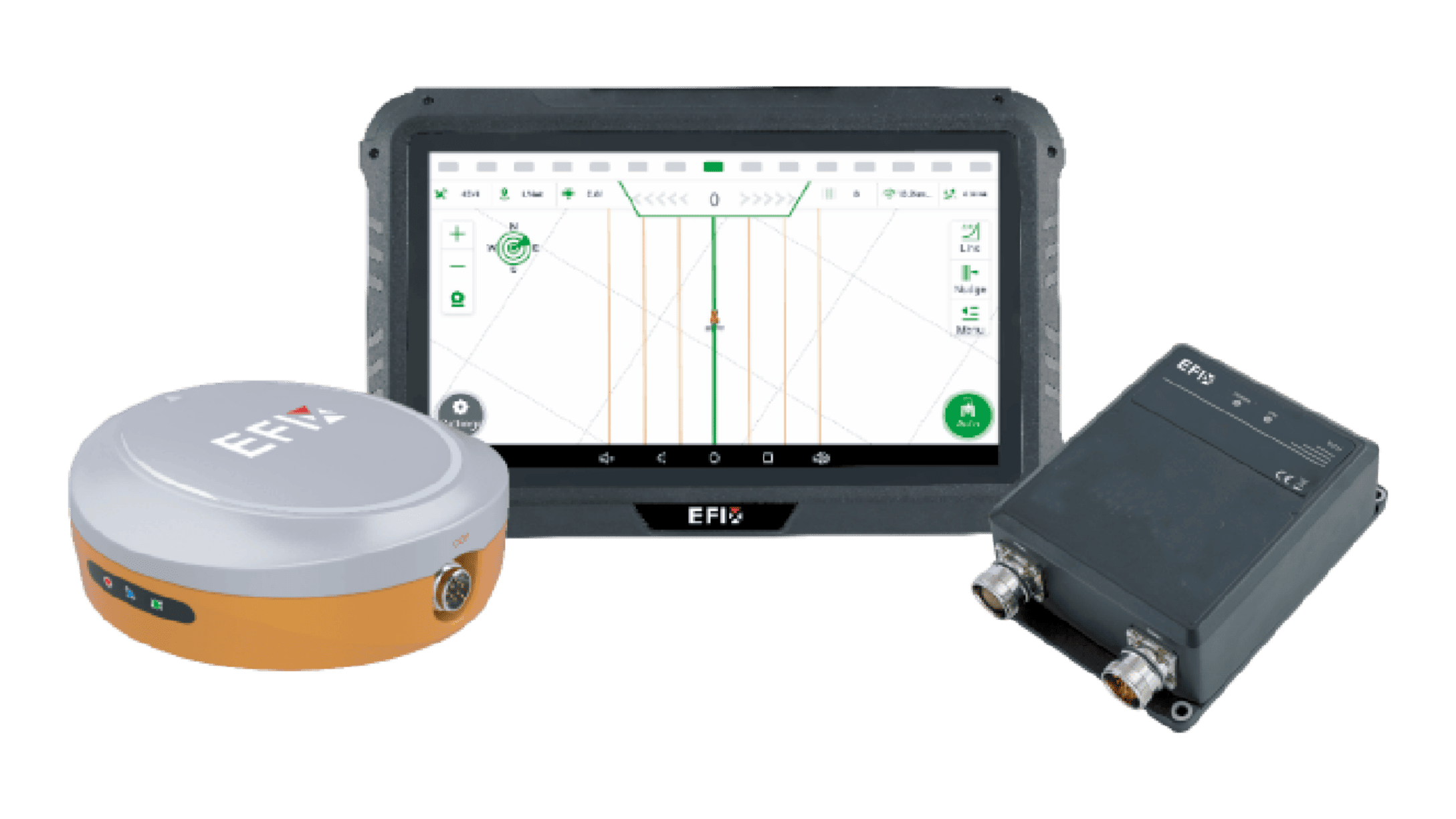
EFIX auto steering systems offer ±2.5 cm accuracy
Challenges of VRA Implementation
While the benefits of VRA are clear, adoption requires navigating several practical hurdles:
1. Initial Investment Costs: High-precision sensors, VRT-capable implements, and software subscriptions represent a significant capital expenditure. For mid-sized operations, the upfront cost of technology and detailed soil sampling can be a barrier to entry.
2. Technical Skills & Training: Operating a VRT ecosystem requires specialized knowledge. Farmers and staff must be trained to calibrate sensors, interpret data layers, and troubleshoot connectivity issues. Access to local technical support remains a critical factor for success.
3. Compatibility & Maintenance: "Mixed fleet" operations often face integration challenges. While ISOBUS has greatly improved compatibility, complex hardware-software handshakes can still require professional fine-tuning. Furthermore, equipment must be regularly calibrated to maintain application accuracy.
Despite these challenges, variable rate application is still the most effective pathway for managing resources in modern agriculture. The industry trajectory is undeniable: data-driven VRA provides a competitive edge that traditional "flat rate" operations cannot match in the long term.
EFIX: Advanced Solutions for VRA and Precision Navigation
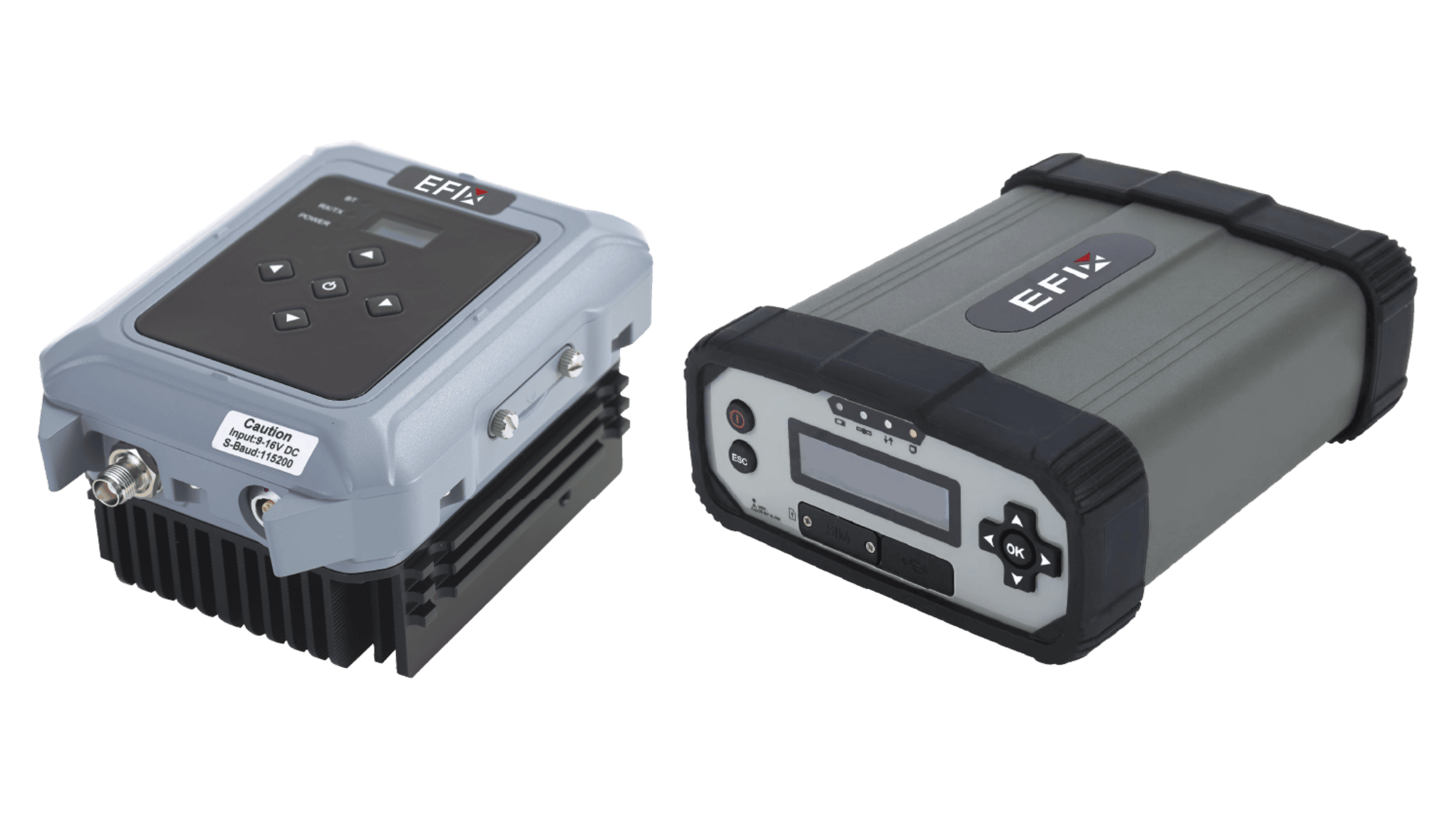
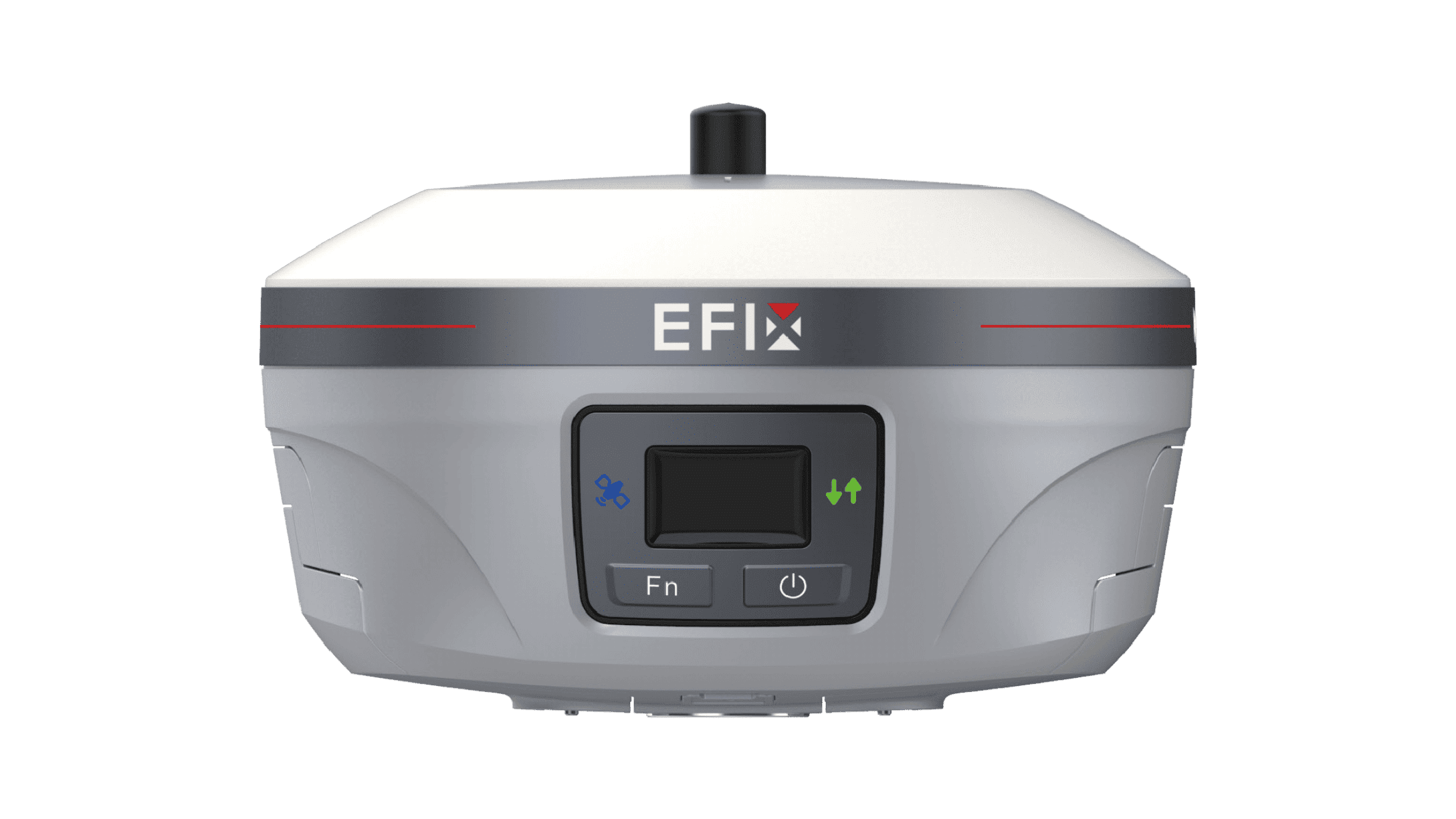
At EFIX, we are committed to helping farm owners and OEM partners integrate VRA without unnecessary complexity. We offer robust, high-precision navigation solutions with ISOBUS support, facilitating the VRA functions.
A centerpiece of our technology portfolio is the eSteer 20 Max auto steering system, which features:
l Full ISOBUS Integration: Support for UT and TC-GEO enables seamless communication between the tractor and VRT-compatible sprayers, spreaders, and seeders, ensuring accurate map-based application.
l Precision GNSS/RTK: Utilizing RTK technology, the system delivers 2.5 cm pass-to-pass accuracy, which is essential for executing precise prescription maps across varying terrain and crop types.
l Industrial-Grade Interface: A 12.1-inch high-brightness terminal simplifies the management of RX maps and provides the operator with clear, real-time feedback on application performance.
l Versatile Compatibility: Designed for easy installation, the system enables farmers to have cost-effective VRA upgrades for a wide range of tractor models, regardless of their age or brand.
Conclusion
Variable rate application is no longer a future concept—it is a practical, data-driven approach to improving efficiency, profitability, and sustainability in modern farming. With the right technology and guidance, adoption becomes far more accessible. If you’re exploring variable rate application for your operation, EFIX is ready to help you take the next step with confidence!
Relevant information:
1. https://www.mdpi.com/2071-1050/17/24/11223
2. https://www.mdpi.com/2071-1050/16/11/4431