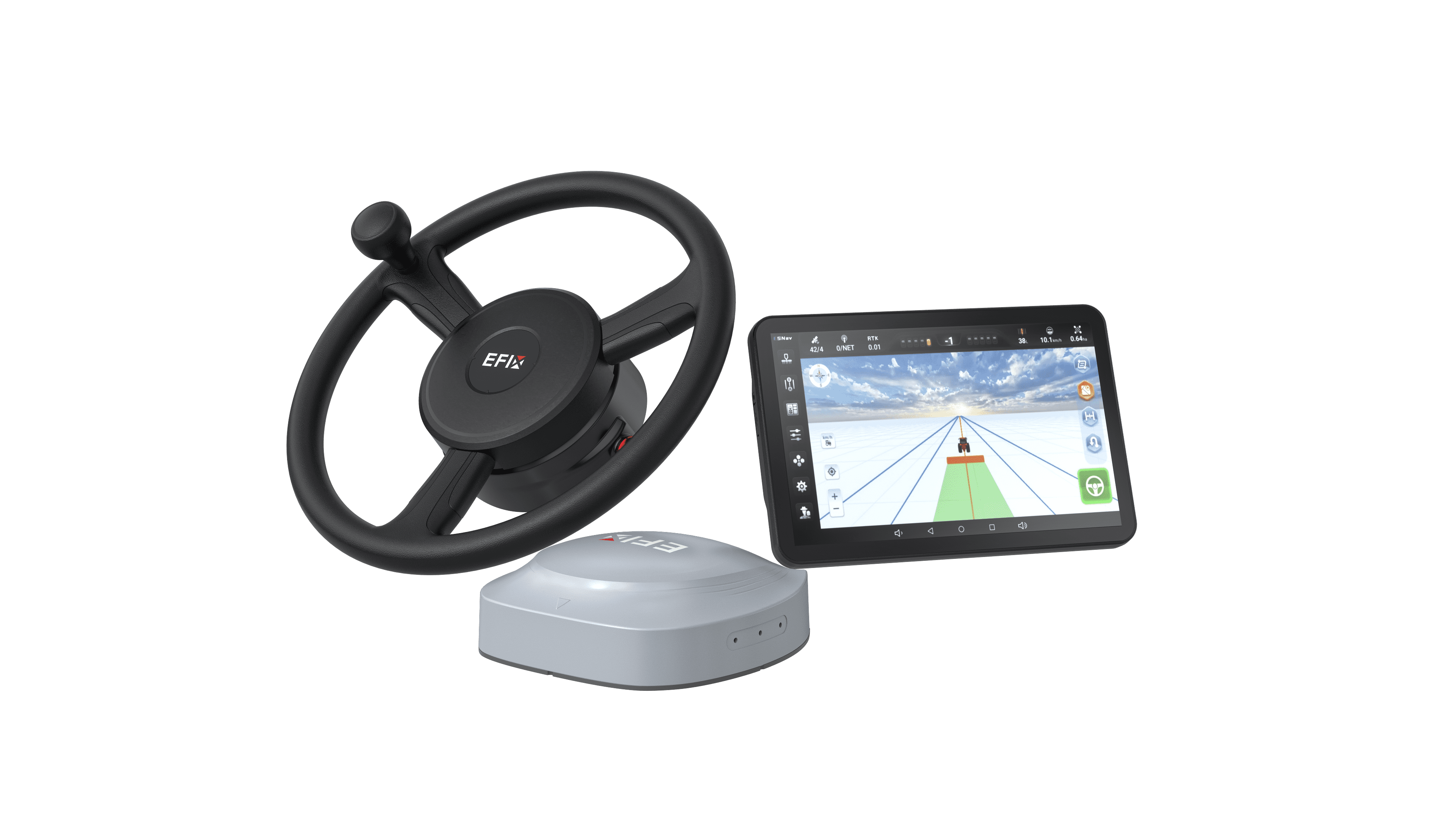
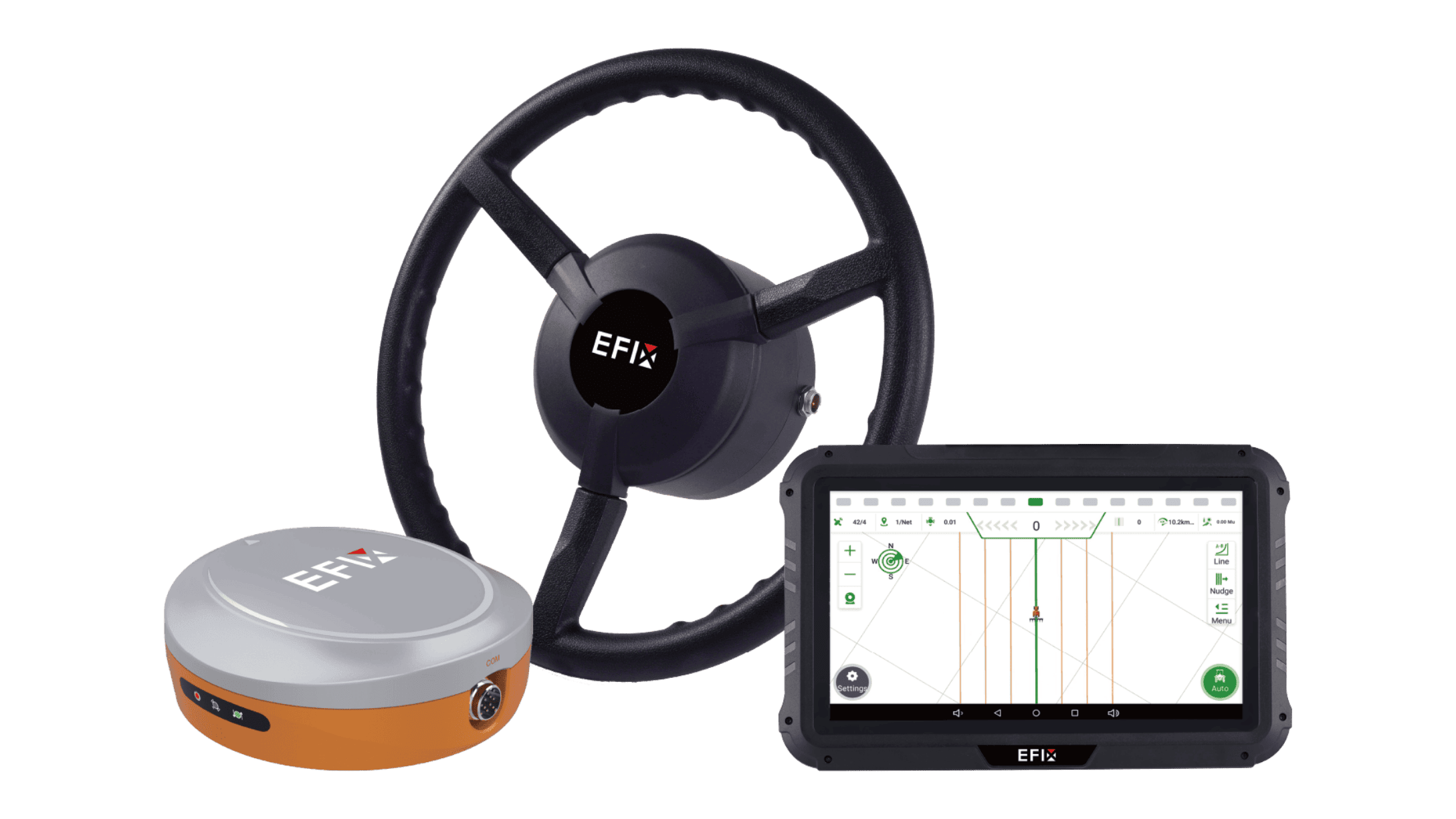
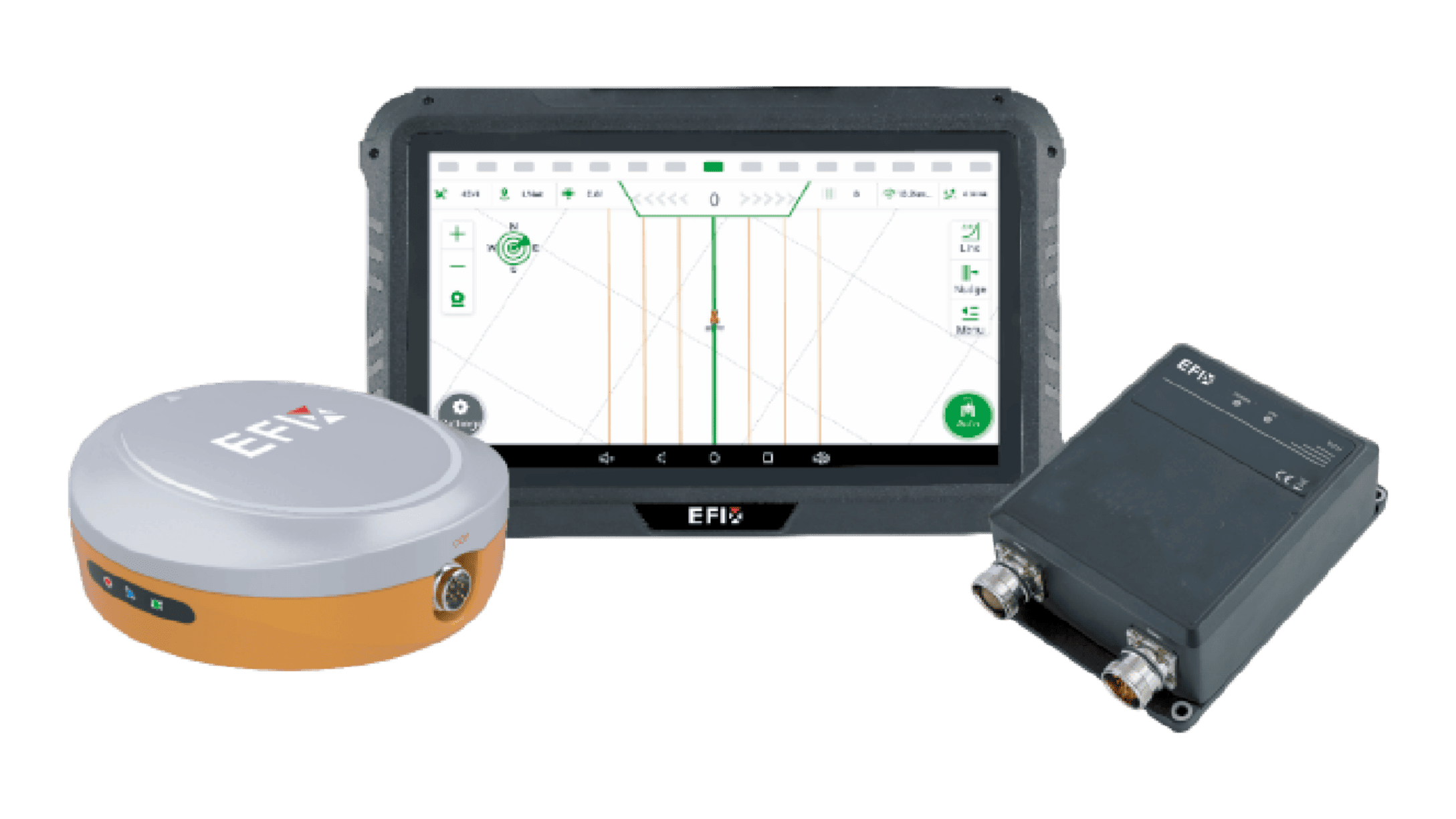
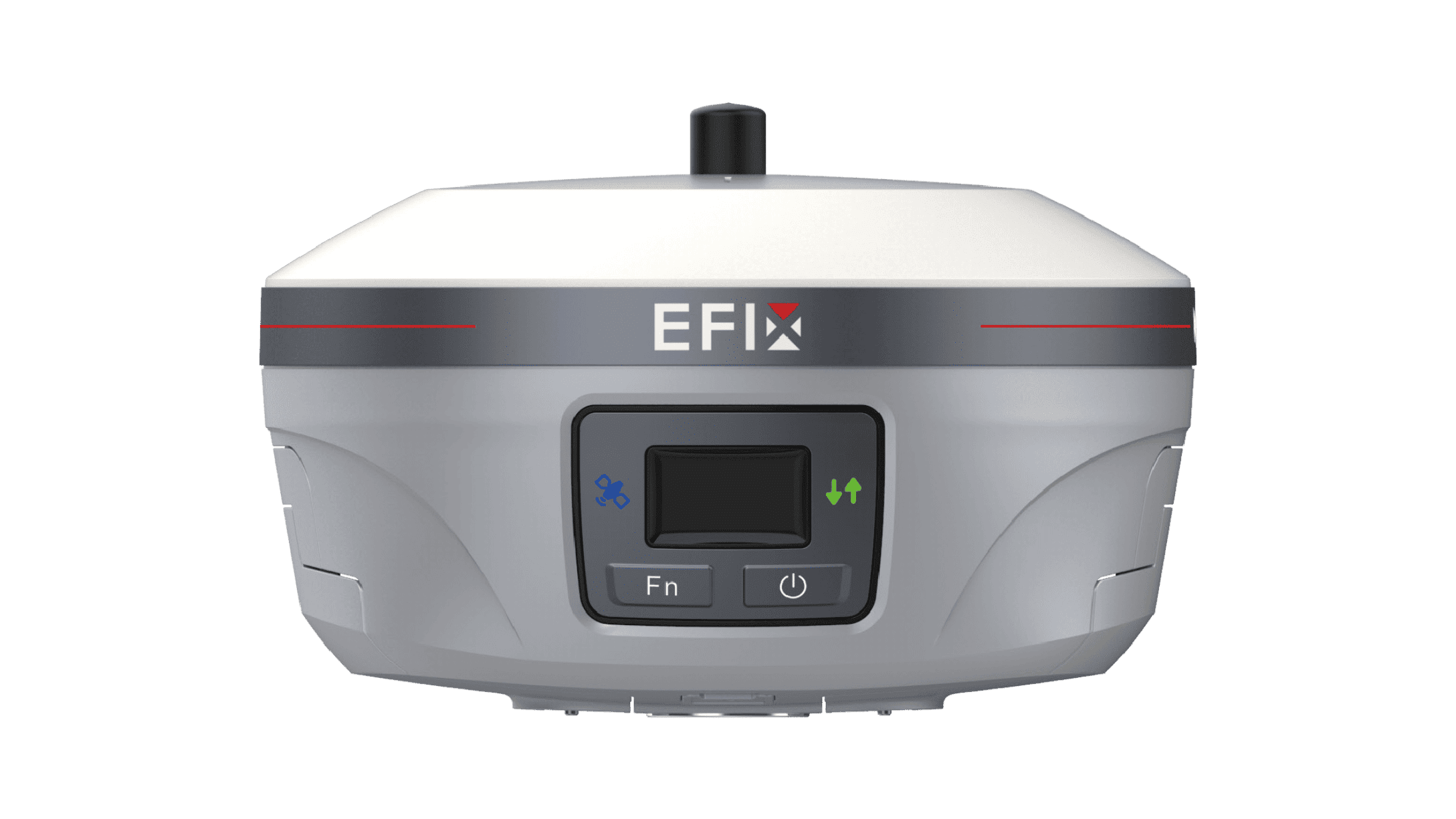
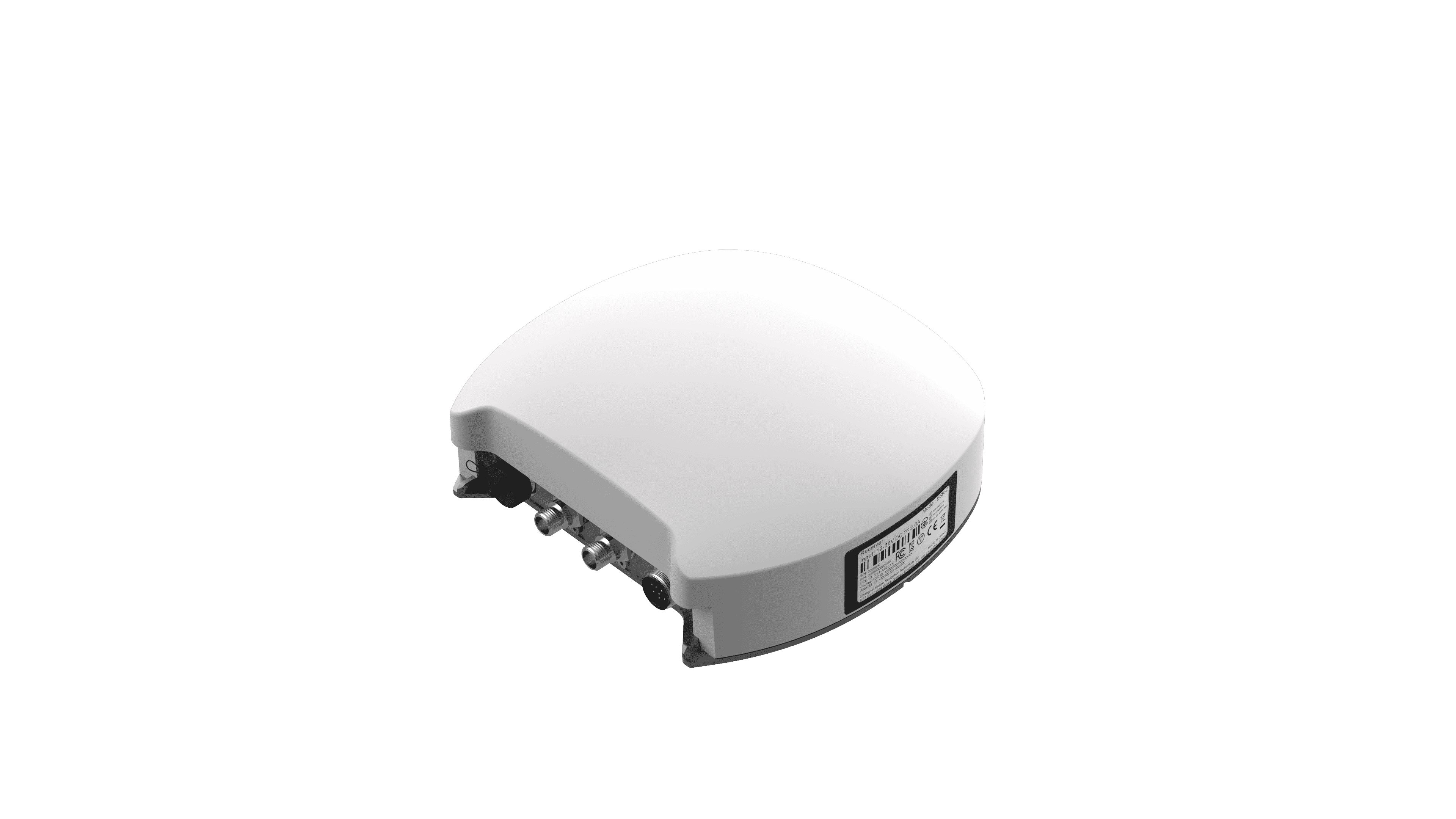
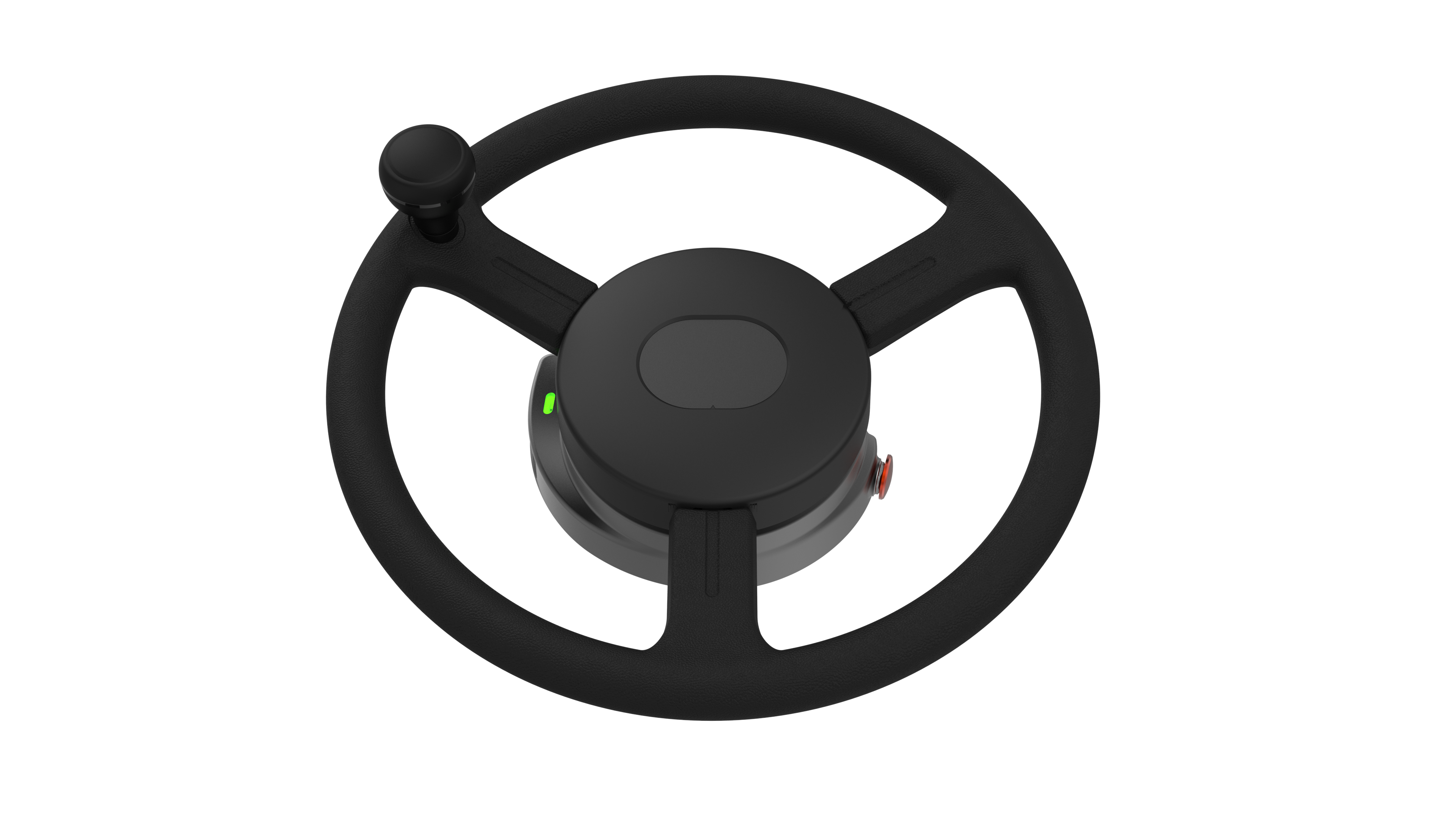
Across our years of working with farmers, we often get asked about the best way to keep a tractor on track without constant manual adjustments. When we discuss automated steering solutions like the eSteer20, the conversation usually shifts to how the system actually knows where it is. Most of our clients are deciding between Real-Time Kinematic (RTK) and Precise Point Positioning (PPP). While both technologies aim for high precision, they handle data differently. RTK relies on a local base station to provide corrections, while PPP uses satellite-delivered data to calculate position globally without needing that local hardware.

Accuracy Differences in the Field
We often see that RTK is the gold standard for immediate, high-stakes accuracy because it typically ensures errors stay within 2.5 cm (Santos et al., 2017). This is vital for tasks like row-cropping where even a small drift causes crop damage. On the other hand, PPP is a great alternative for those working in remote areas where setting up a base station is difficult. While standard PPP can provide high accuracy, it usually requires a much longer "convergence time"—sometimes tens of minutes—to reach its full precision compared to the nearly instant fix of an RTK system (An et al., 2023). If you are looking for a seamless experience with automated steering, knowing whether you can wait for that signal to settle is a big part of the decision.
Infrastructure and Setup Costs
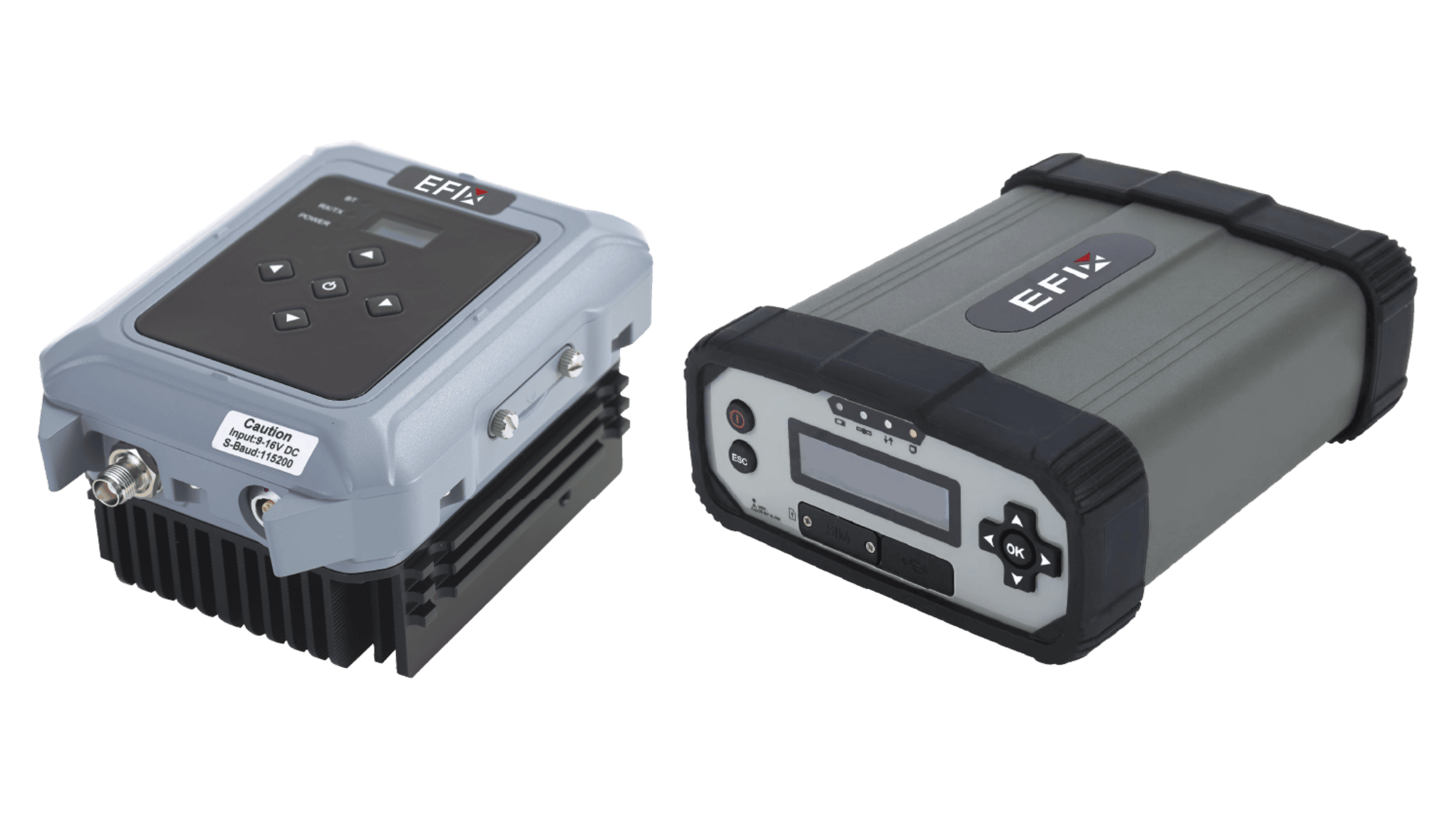
One thing we notice in daily operations is that RTK requires more "boots on the ground" infrastructure. You need a base station within roughly 10 km to maintain a stable signal, which can mean a higher initial investment in equipment (Santos et al., 2017). However, for many large-scale farms, this local control is worth it to avoid the subscription fees often associated with PPP satellite services. PPP is much simpler to deploy since it only requires a receiver on the machine, making it a flexible choice for fleet managers who move equipment between different regions where local base stations aren't available. When we help customers set up automated steering on their tractors, we always look at their specific field layout to see which setup saves them more in the long run.
Stability and Signal Reliability
We’ve found that environmental factors like tree lines or hilly terrain can impact these signals differently. RTK is generally considered very stable because the base station defines a local coordinate system, which helps cancel out many common GNSS errors (Kowalczyk & Hadas, 2024). However, if you lose the radio link to that base, your precision drops quickly. PPP doesn't have this "tether," but it can be more sensitive to atmospheric changes because it relies on complex global models to correct errors like ionospheric delay (Elsheikh et al., 2023). For a smooth day in the cab, the choice often comes down to whether you prefer managing your own local signal or relying on a global satellite correction service.
To wrap things up, we believe that neither technology is a "one size fits all" answer for every farm. If you need sub-inch accuracy the moment you turn the key, RTK is likely your go-to. If you value flexibility and don't want to manage base station hardware, PPP offers a powerful, streamlined path. At EFIX, we focus on making sure your equipment stays exactly where it needs to be, regardless of the signal source you prefer.