In 2026, the need for precision in agriculture has never been greater. Facing persistent labor shortages and pressure to optimize input costs, farm operators are turning to technology to reduce waste and improve efficiency.
Given this trend, guidance systems for tractors are increasingly becoming a foundational tool, enabling operators to minimize overlaps, cut fuel consumption, and work longer hours with reduced fatigue.
This guide focuses specifically on GNSS guidance and auto-steering systems, exploring how they transform modern farming practices by replacing guesswork with centimeter-level accuracy.
Core Components of a Tractor GNSS Guidance System
A modern guidance system for a tractor is more than just a satellite receiver; it is an integrated electro-hydraulic or electro-mechanical system designed for the rigors of agricultural fieldwork. Understanding its core components helps in selecting a system that balances precision, ease of installation, and durability.
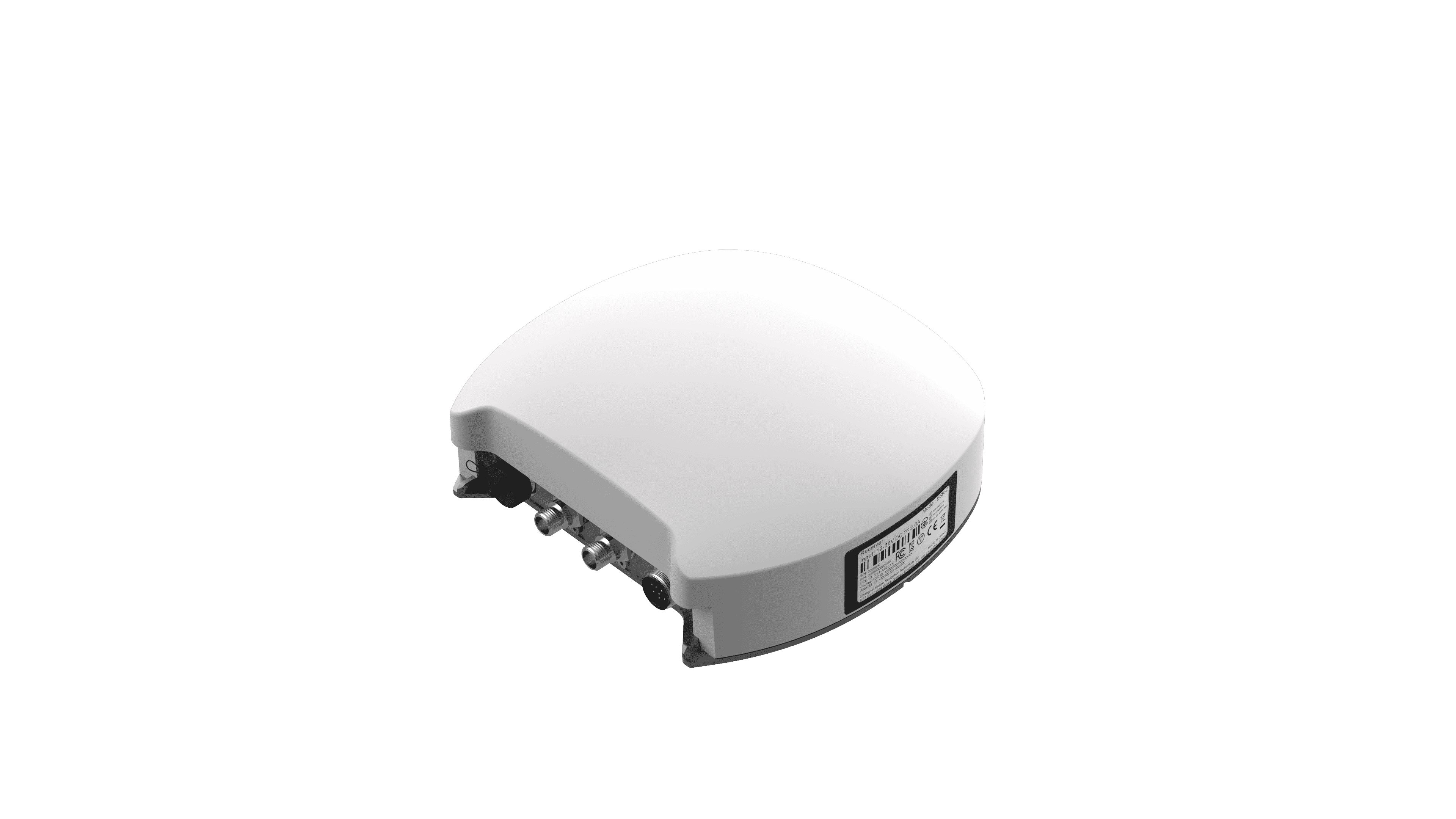
1. GNSS Receiver and Antenna
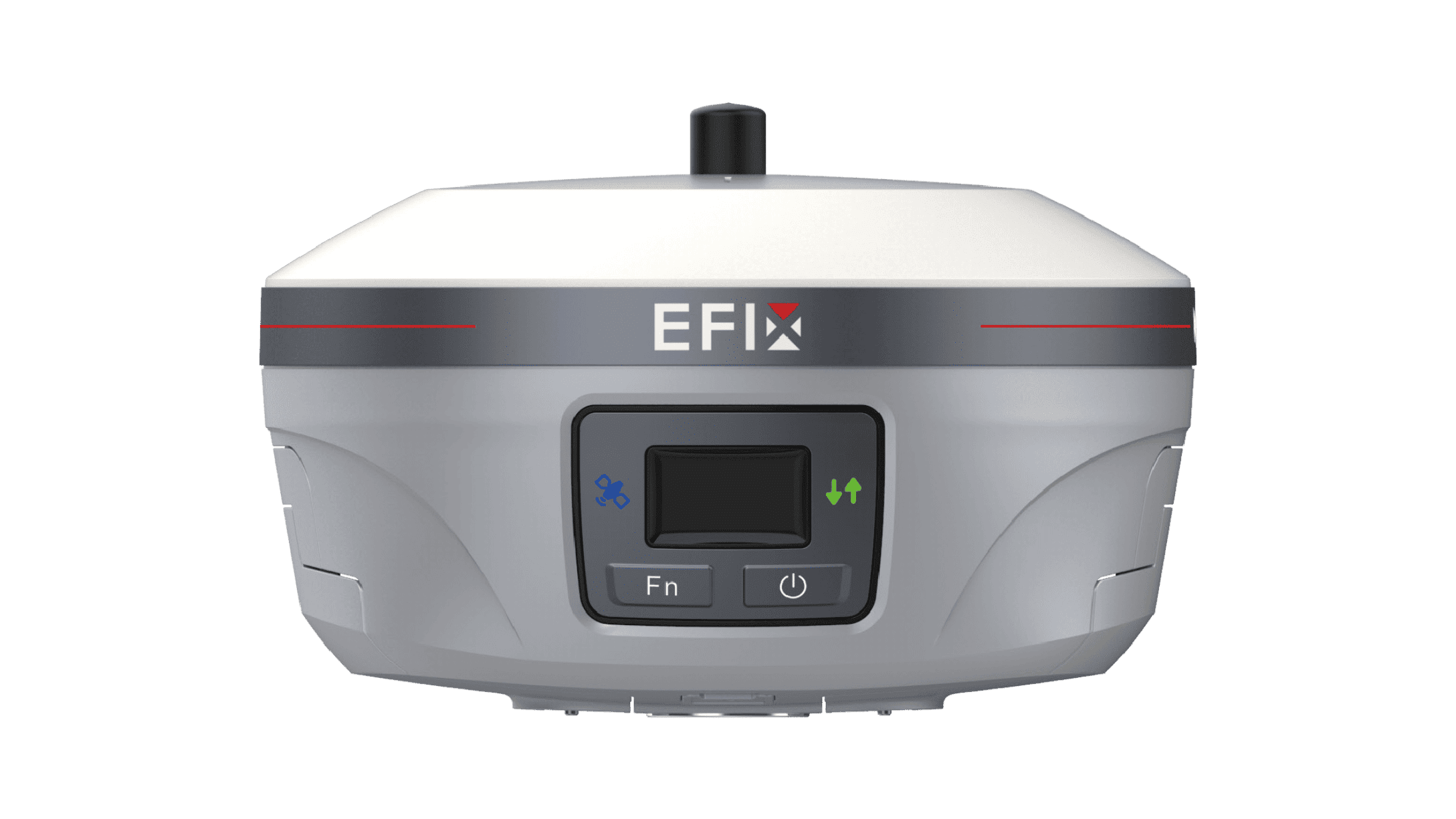
This is the sensory input of the system. The antenna captures signals from satellite constellations, while the receiver processes this data to calculate the vehicle’s real-time position.
Function: High-end receivers utilize multi-constellation (including GPS, GLONASS, Galileo, and BeiDou) and multi-frequency tracking to maintain signal lock even near tree lines or buildings.
Placement: Typically mounted on the cab roof via a magnetic mount to ensure an unobstructed view of the sky.
Precision: When paired with correction services, these components enable a high accuracy of ±2.5 cm, essential for row crops and controlled traffic farming.

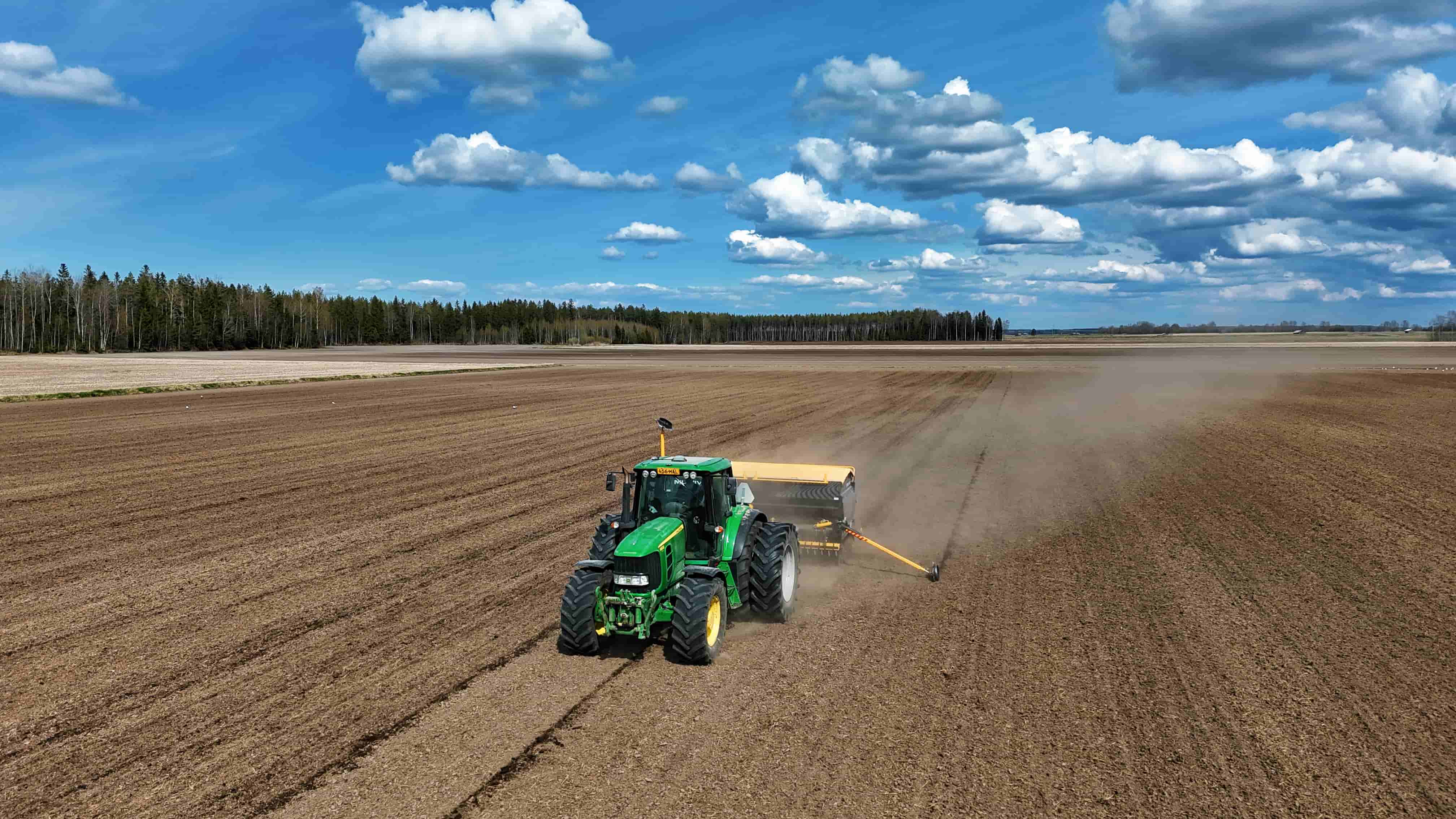
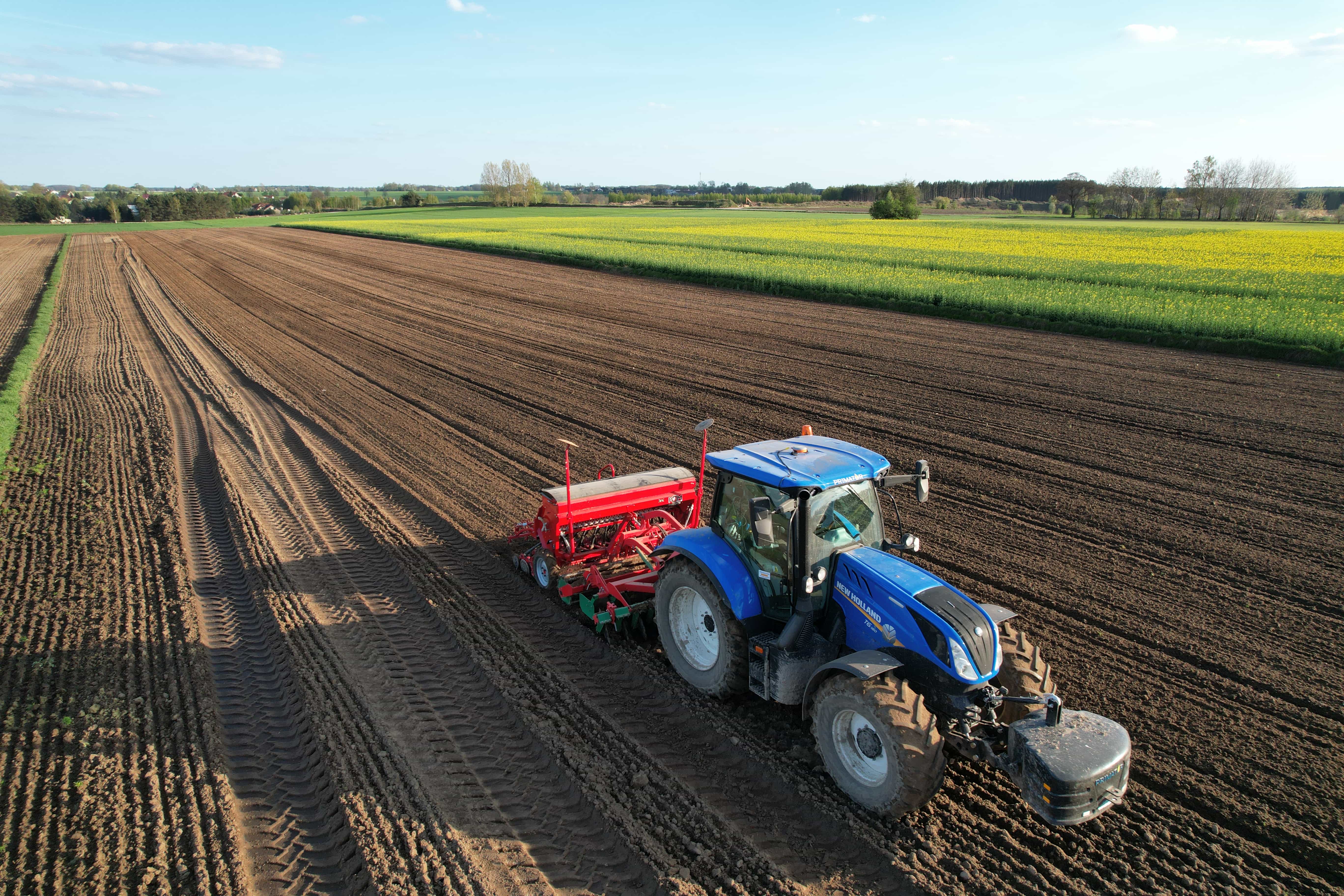
Picture shown: EFIX eSteer20 Max receiver on a VALTRA tractor
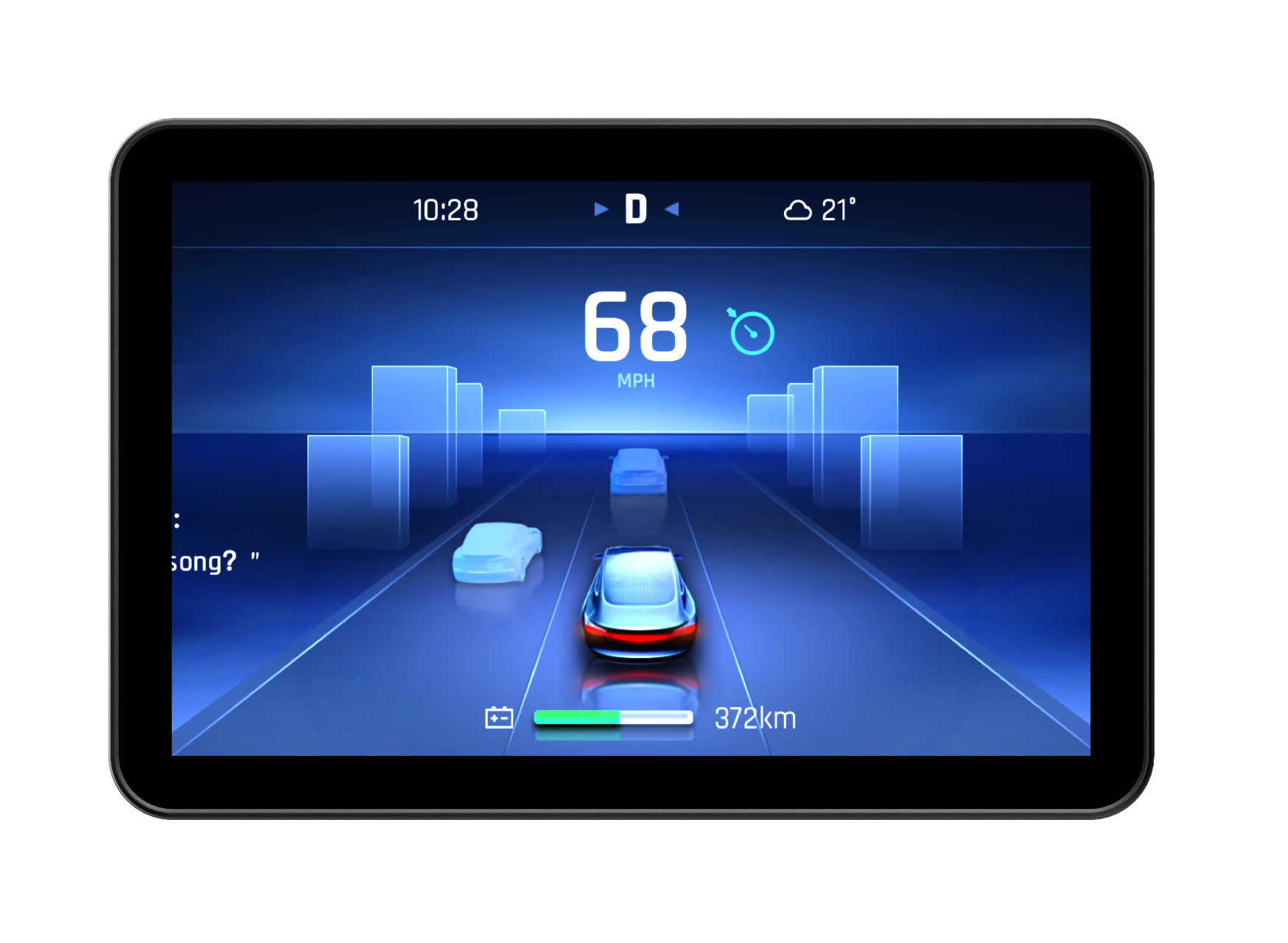
2. In-Cab Display and Terminal
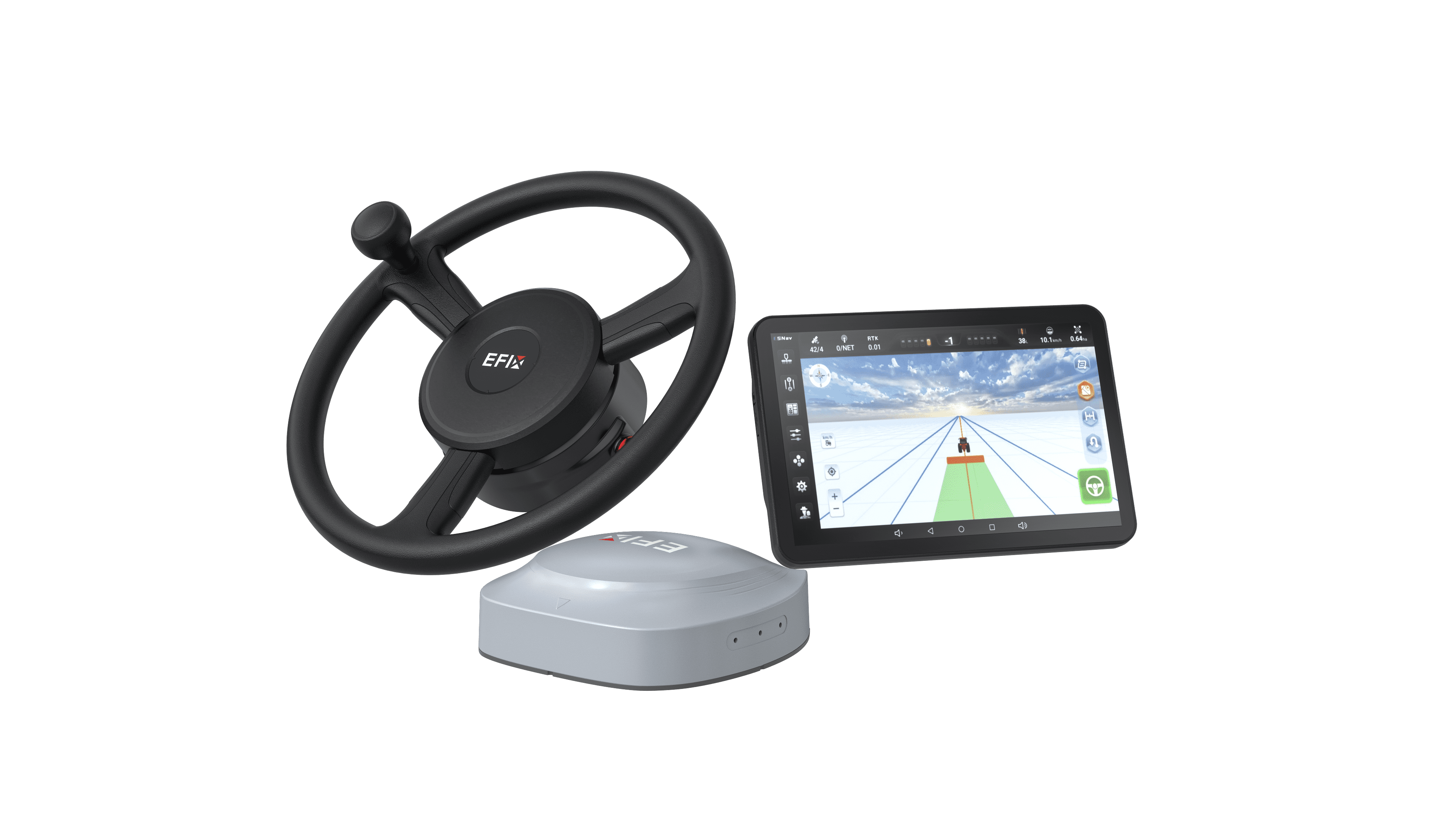
The display serves as the operator’s command center. It visualizes the guidance line, maps field boundaries, and records as-applied data.
Modern Features: High-brightness touchscreens (such as 12.1-inch displays with 750 nits) are crucial for visibility in direct sunlight.
Functionality: Operators use the terminal to set guidance patterns (such as straight A-B lines, curves, or contours) and monitor implement performance.
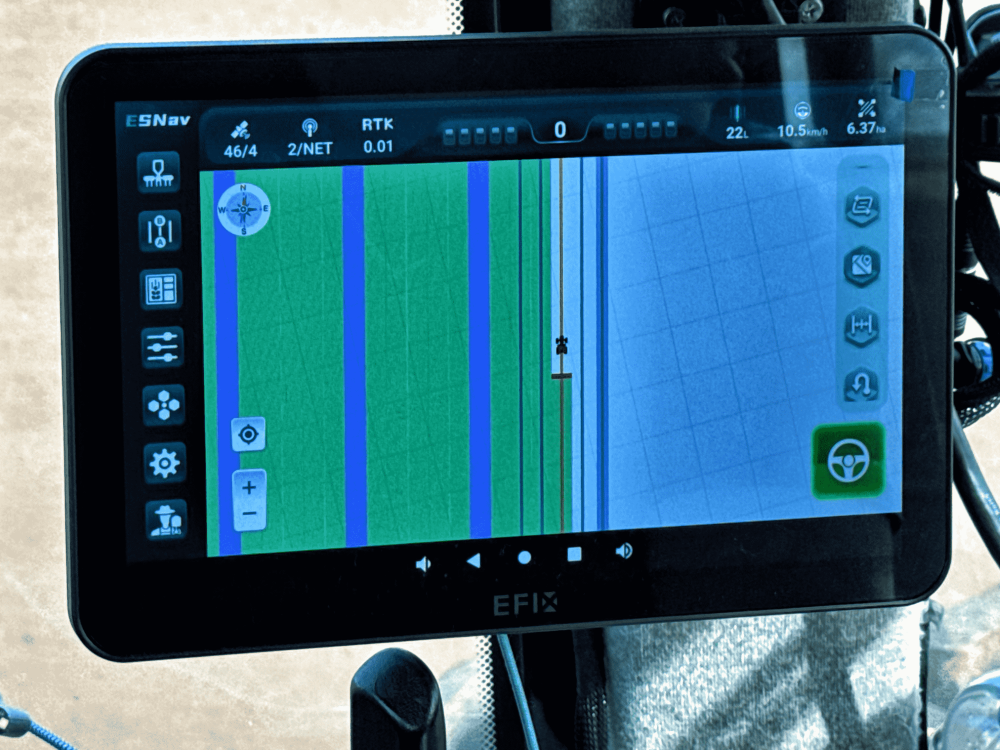
Picture shown: EFIX eSteer20 Max display terminal
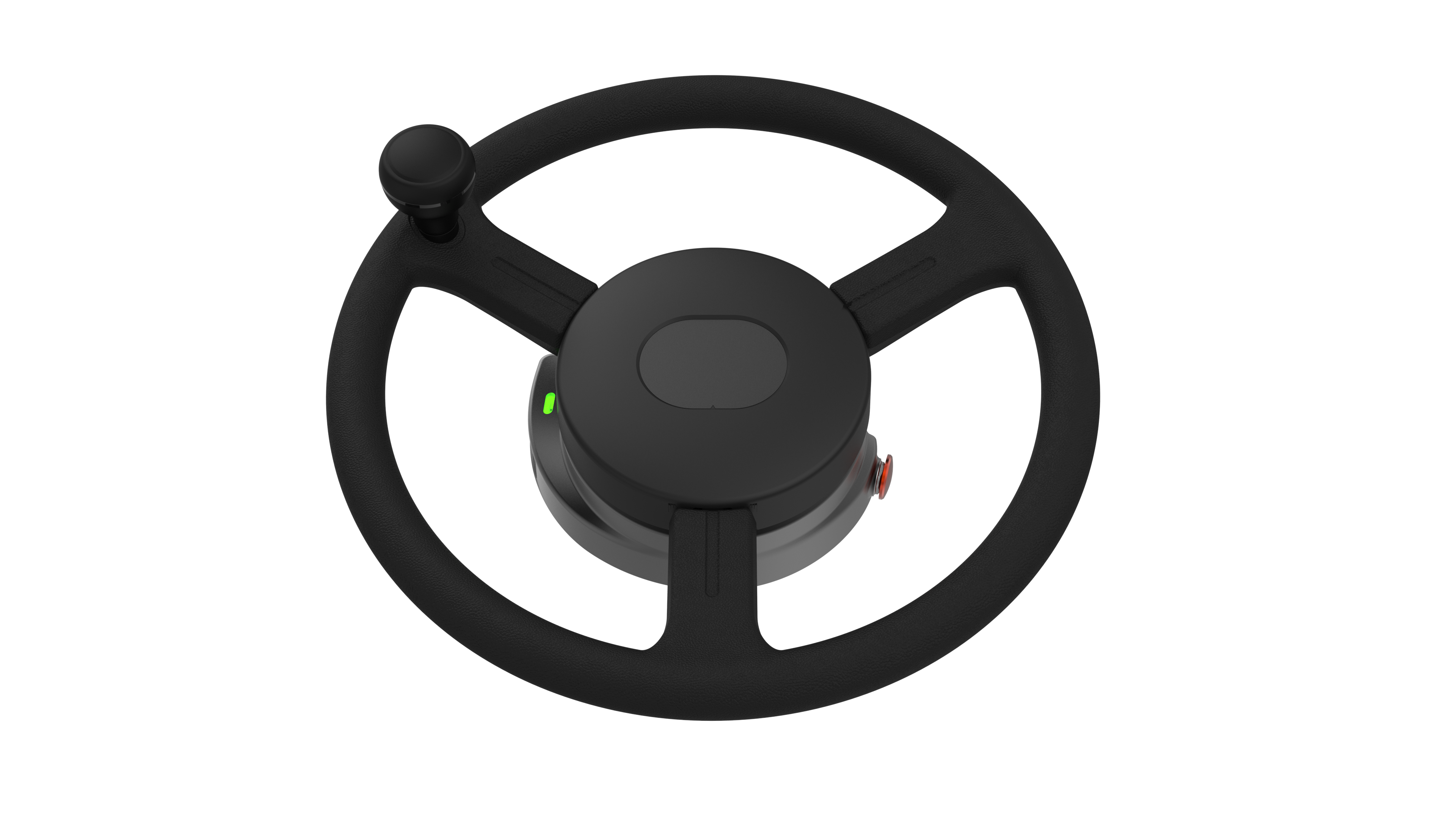
3. Steering Hardware
This is the physical actuator that executes the steering commands. The choice depends on the vehicle type, typical workload, and desired level of automation.
Assisted/Manual Guidance: This entry-level option uses a lightbar or visual cues on a screen. The operator still manually steers the wheel. While it reduces fatigue compared to unguided passes, it does not enable “hands-free” operation.
Motor-Driven Auto Steer (Electric Steering Wheel): This is currently the most common retrofit solution. A high-torque motor is attached to the steering column, physically turning the steering shaft.
Advantages: Installation is straightforward, often requiring no modifications to the vehicle’s hydraulics. It is cost-effective and suitable for a wide range of operations, from spraying to tillage.
Considerations: In heavy tillage or high-resistance conditions, an electric motor may reach its torque limits, potentially disengaging.
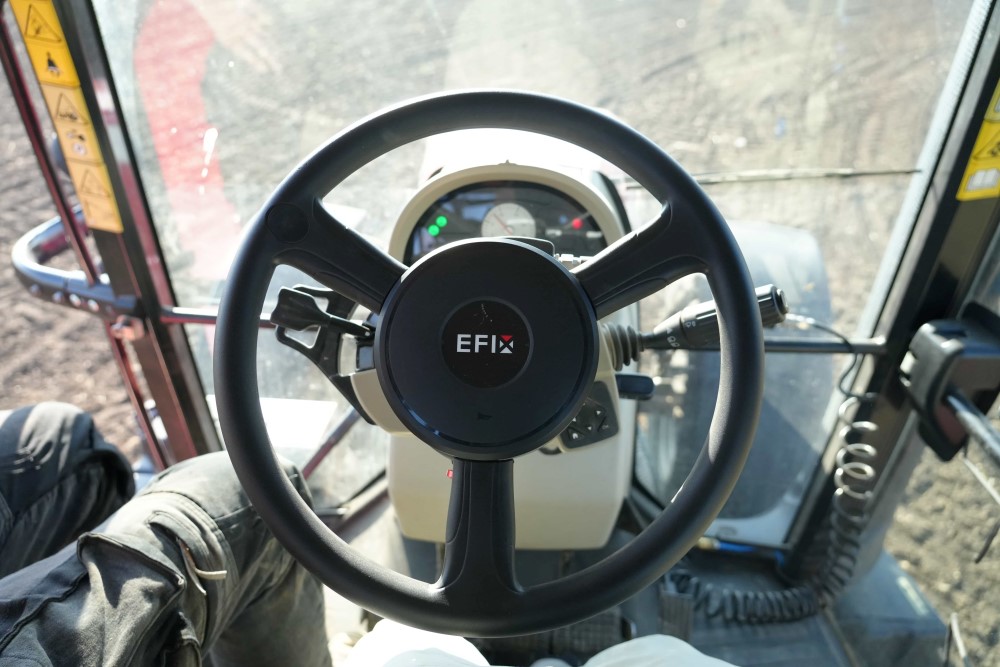
Picture shown: EFIX eSteer20 Max steering wheel
How do GNSS Guidance Systems for Tractors Work?
With all these components in place, how do they work together to deliver high-accuracy positioning?
The Workflow
Signal Reception: The receiver captures satellite signals and applies correction data.
Path Planning: The operator sets a guidance line (A-B line) or uploads a field boundary.
Deviation Calculation: As the tractor moves, the system compares the real-time position to the desired path. Inertial Measurement Units (IMUs) also compensate for roll and pitch on slopes.
Steering Command: If a deviation is detected, the controller sends a correction signal to the steering motor or hydraulic valve.
Closed-Loop Adjustment: This cycle repeats hundreds of times per second, ensuring smooth, continuous steering.
Correction Options: Choosing the Right Signal
Raw GNSS signals typically offer only meter-level accuracy. To achieve the precision required for farming, correction services are necessary. The right choice depends on your region and infrastructure.
| Correction Type | Accuracy | Best For | Key Consideration |
|---|
| RTK | ±2.5 cm | Precision planting, row crops, bed forming | Requires a local base station or cellular network connection. |
| PPP | cm-dm level | Remote areas, broad-acre farming | No local base needed, but convergence can take several minutes. |
| PPP-RTK | 2.5–10 cm | Users needing fast convergence without a local base | Faster convergence, typically within seconds to minutes. |
Note: It is advisable to check local service coverage before committing to an RTK network or a specific satellite-based correction plan.
Key Features to Look for in 2026
When evaluating GPS guidance systems for tractors this year, consider these technical features to ensure the system remains capable as your operation scales.
1. Multi-Constellation GNSS
Modern receivers should track all major constellations (including GPS, GLONASS, Galileo, and BeiDou) across multiple frequencies. This redundancy ensures faster signal lock and maintains accuracy even in challenging environments like orchards or valleys.
2. Intelligent Steering and Path Planning
Look for systems that support more than just straight A-B lines. Capabilities like curve tracking, spiral patterns for center pivots, and intelligent auto-turn functions reduce operator workload significantly. The ability to maintain path accuracy at speeds up to 30 km/h is also a benchmark for high-performance systems.
3. Comprehensive Expansion and Integration
A system’s value increases with its ability to integrate additional functions. In 2026, modern guidance systems for tractors offer flexible modularity, integrating with sensors (like IMU, radar, and cameras) and computer vision. They support multiple correction modes (like RTK, PPP, and PPP-RTK) for remote areas without network coverage. Their modern designs should also allow easy retrofitting across various tractor brands, models, and years.
4. ISOBUS and Variable Rate Control (VRA)
ISOBUS (ISO 11783) compatibility is critical for mixed-fleet operations. It allows a single display to control both the tractor and the implement, regardless of brand. Systems with task controller (TC-GEO/TC-SC) support can execute prescription maps, enabling variable rate applications that reduce input costs.
5. Advanced Terrain Compensation
Rolling hills can cause the implement to drift sideways even if the tractor is following the line. High-quality systems integrate 6-axis IMUs (gyroscopes and accelerometers) to measure the tractor’s pitch and roll, compensating for the antenna’s physical displacement to maintain implement accuracy on slopes.
6. Cloud Connectivity and Telematics
Wireless connectivity (4G and Wi-Fi) enables remote data transfer. Operators can share guidance lines between machines, upload prescription maps wirelessly, and allow remote support. For fleet managers, telematics provide insights into machine utilization and location.
7. High-Performance Hardware
The physical hardware must withstand dust, moisture, and vibration, making a high IP rating (IP65 or higher) essential. For the tablet, check its size and adjustable maximum brightness to ensure smooth daily use. Additionally, a robust processor guarantees smooth map rendering and quick response from the steering actuator.
Top GNSS Tractor Guidance System for 2026
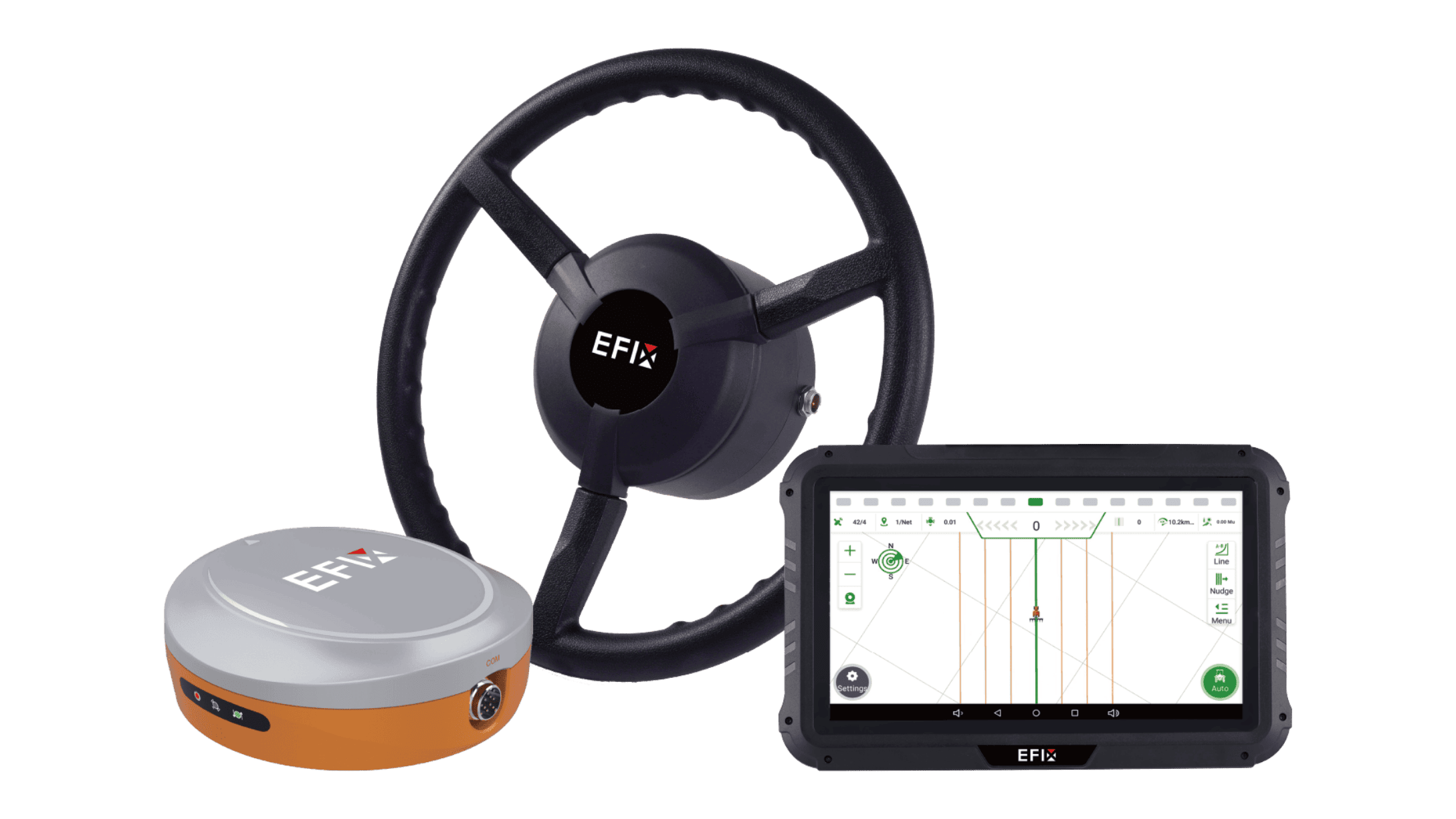
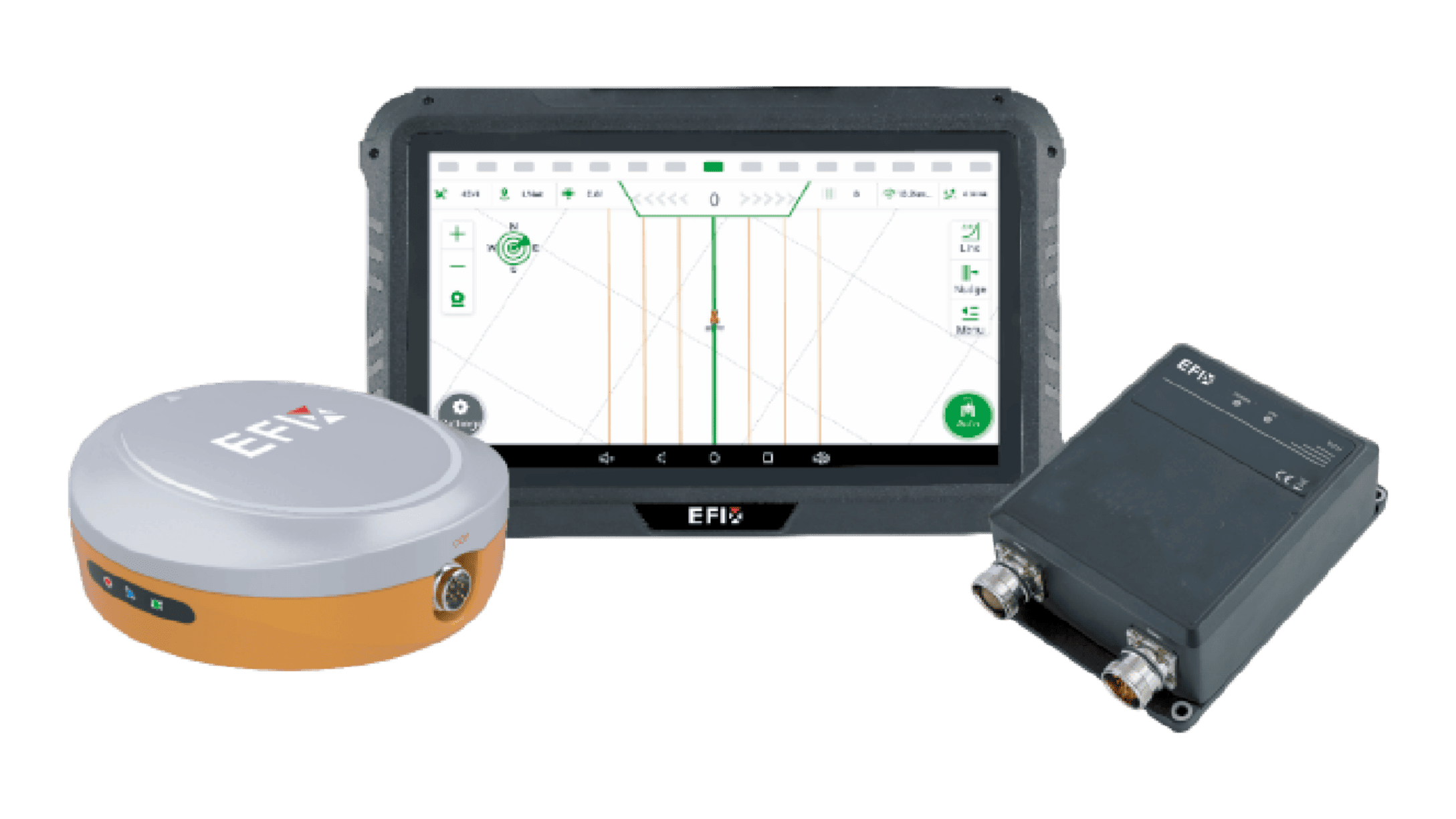
For operators seeking a system that features high-end performance and modular expandability, EFIX offers the eSteer20 Max auto steering system. It has the following advantages:
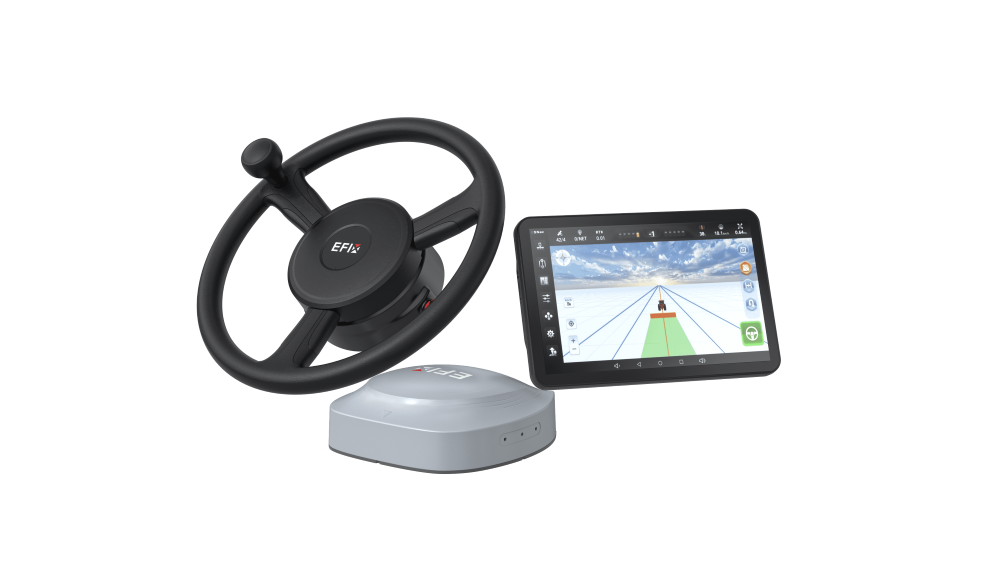
Hardware Excellence
The system is built around a 12.1-inch industrial-grade touchscreen with 750 nits of brightness, ensuring clear visibility in diverse daylight conditions. Additionally, the motor drive unit is designed to be lighter and slimmer than previous models, simplifying cab installation. Paired with a high-performance GNSS receiver that supports multiple positioning modes, the eSteer20 Max delivers consistent reliability.
Advanced Correction Flexibility
One of the system’s strengths is its support for a wide range of correction methods, from RTK to the proprietary PointSky satellite-based augmentation service. PointSky is designed to achieve convergence in less than five minutes, providing ±2.5 cm accuracy in regions where cellular networks for RTK are unavailable—a crucial feature for farms in remote areas.
Unmatched Expandability
Unlike closed systems that require hardware replacement to add functionality, the eSteer20 Max provides a modular ecosystem. Users can begin with core auto-steering and later add components like implement guidance, harvester guidance, sprayer control, or vision guidance—no full system replacement required. This modular approach allows operators to spread investment over time, reducing the upfront cost while ensuring the system can evolve with their operational needs.
ISOBUS and Precision Control
The system holds AEF ISOBUS certification, enabling full ISOBUS support, including UT (universal terminal) and TC-SC/TC-GEO. This enables seamless communication with a wide range of implements, allowing for tasks such as section control on sprayers and variable rate seeding directly from the eSteer20 Max terminal.
Conclusion
If you want to improve efficiency in your farming operations in 2026, GNSS guidance systems for tractors are a key investment. Whether you manage a family farm or a large contracting business, the right system delivers measurable returns through reduced input costs, lower operator fatigue, and the ability to work longer days with greater precision.
EFIX offers a compelling combination of global reach and localized support. With a focus on "Field-First Innovation," we provide comprehensive solutions—from core GNSS components to advanced auto-steering and application control—serving over 140 countries worldwide. For operators seeking a scalable, high-precision system that can grow with their business, the eSteer20 Max represents a practical and technically robust investment.
To explore the full range of solutions, you are more than welcome to reach out to us here!
Relevant information:
1. https://link.springer.com/article/10.1186/s43020-025-00169-6