Are you facing pressures on your farms? Today, farmers worldwide may contend with a combination of pressures — shifting weather patterns, declining soil quality, and steadily rising input costs — that make efficient production harder to sustain.
With global food demand continuing to grow alongside population increases, understanding how to increase crop yield is no longer just a competitive advantage; it is a practical necessity for farm profitability and long-term viability.

How to Increase Crop Yields: 9 Proven Ways
In 2026, the integration of technology and biology has created a roadmap for higher productivity. While local infrastructure and regional climates vary, these nine strategies represent the most effective agricultural practices that increase crop yields across diverse environments, ensuring that resources are utilized with maximum efficiency.
1. Adopt Precision Agriculture Technologies
Precision agriculture leverages GNSS-guided machinery, soil sampling, and advanced remote sensing to improve crop yields while reducing resource waste.
By integrating artificial intelligence, satellite imagery, and in-field sensors, these systems can generate variable rate application (VRA) maps. These maps precisely guide farm equipment to apply the exact amounts of water, fertilizers, and pesticides at specific locations within a field.
This not only optimizes input usage and ensures uniform crop growth but also minimizes environmental impact, potentially increasing yields by up to 20%.
For operations of all sizes, starting with guidance technology is often the most accessible entry point into precision agriculture.
For a deeper look, explore Best Precision Farming Equipment Worth Investing in for 2026.
2. Improve Soil Health Through Regenerative Practices
Healthy soil is the foundation of high-yield agriculture, and the following practices are well-known for maintaining or restoring soil health:
Conservation tillage methods, such as no-till or reduced-till, minimize soil disturbance, preserve organic matter, and reduce erosion.
Cover crops, particularly legumes like clover, naturally fix atmospheric nitrogen, enrich soil nutrients, and promote biodiversity.
Mulching helps retain soil moisture, suppress weeds, and regulate temperature, creating an optimal microenvironment for root development.
However, the success of these practices varies depending on the region and crop type. For instance, in arid and semi-arid systems, producers may face barriers such as yield loss during the transition period or the need for specialized equipment. Farmers should adopt these practices gradually, selecting methods suited to their specific climatic and economic conditions.
3. Use High-Yield and Climate-Resilient Seed Varieties
Seed selection is a critical determinant of yield potential. In 2026, a wide range of high-yield varieties are available that have been specifically bred for resistance to drought, heat, and prevalent diseases.
Advances in molecular breeding have accelerated the development of crops that perform reliably under stress. Choosing certified, regionally adapted seeds ensures optimal germination and early vigor, setting the stage for a robust harvest.
Farmers should consult local extension services or seed suppliers to identify varieties with proven performance in their specific area.
4. Optimize Nutrient Management
Effective nutrient management moves beyond simply applying fertilizer. It adheres to the “4R” principles: using the right source, at the right rate, at the right time, and in the right place. This requires regular soil and plant tissue testing to identify actual nutrient needs.
Integrating natural biological products, such as those containing mycorrhizal fungi or phosphate-solubilizing bacteria, can enhance nutrient availability and reduce dependence on synthetic inputs.
As for applying at the right rate and in the right place, variable-rate technology allows for precise application of nutrients, ensuring that areas with lower fertility receive more attention, which helps to increase crop yield uniformly across the field.
5. Leverage Smart Irrigation Systems
Water scarcity is a growing concern globally, making efficient irrigation essential. Smart irrigation systems combine IoT-based soil moisture sensors with automated controls to deliver water only when and where it is needed.
Instead of irrigating on a fixed schedule, sensors monitor real-time soil moisture levels and weather forecasts. When moisture drops below a threshold, the system activates.
Field tests of affordable IoT-based systems have demonstrated water savings of 25-35% compared to traditional timer-based irrigation. This precise management prevents both water stress and overwatering, optimizing root health and improving yield per unit of water applied.
6. Rotate and Diversify Crops Strategically
Strategic crop rotation involves alternating crop families across seasons to break pest and disease cycles. This includes:
Planting a deep-rooted crop after a shallow-rooted one helps capture nutrients from different soil layers.
Including legumes in the rotation adds natural nitrogen to the soil, reducing the need for synthetic fertilizers.
Diversifying crops not only improves soil structure and fertility but also spreads economic risk. While specific rotation schedules depend on local growing seasons and market demands, the underlying principle of avoiding continuous monoculture remains a cornerstone of sustainable yield improvement.
7. Strengthen Pest and Disease Management
When it comes to controlling pests and diseases, using an integrated pest management (IPM) strategy is always advised. This approach includes regular crop monitoring, such as disease diagnostic tests and pheromone traps, as well as biological control methods like introducing beneficial insects, for example, predatory mites or ladybugs, while using chemical pesticides only as a last resort.
Modern technologies enhance IPM efficiency: AI-based deep learning can automatically detect early disease symptoms from images, and drones can perform high-precision, targeted spraying on affected areas, significantly reducing overall chemical usage and crop damage.
8. Enhance Pollination Support
For many fruit and vegetable crops, adequate pollination is directly linked to yield. Farmers can support natural pollinators by establishing field margins with flowering plants that provide habitat for bees and other insects.
In situations where natural pollination is insufficient—due to weather or lack of wild pollinators—technology offers an alternative. Agricultural drones are now being used for artificial pollination.
In crops like almonds, this approach has been shown to significantly reduce labor costs while effectively improving fruit set. Whether through ecological management or technology, ensuring pollination is a critical step in realizing full yield potential.
9. Harness AI and Satellite Monitoring
Satellite imagery combined with artificial intelligence provides a powerful tool for monitoring crop health across large areas. Vegetation indices like NDVI (normalized difference vegetation index) can reveal variations in plant health, chlorophyll content, and water stress before these issues become visible to the naked eye.
AI algorithms analyze these images alongside weather data and historical yield maps to predict potential problems and recommend interventions. This proactive approach allows farmers to address nutrient deficiencies or pest hotspots early, preventing localized issues from becoming widespread yield losses.
EFIX: Delivering Precision Through Advanced Guidance Technology
Implementing many of these yield-boosting practices—such as precision planting, variable-rate application, and controlled traffic farming—requires one fundamental capability: accurate guidance. Without the ability to steer equipment consistently within centimeters, the benefits of variable-rate prescriptions and optimized input placement are difficult to achieve.
EFIX helps by offering reliable centimeter-level precision of ±2.5 cm—the highest accuracy currently achievable in the industry. Below are two of our flagship offerings:
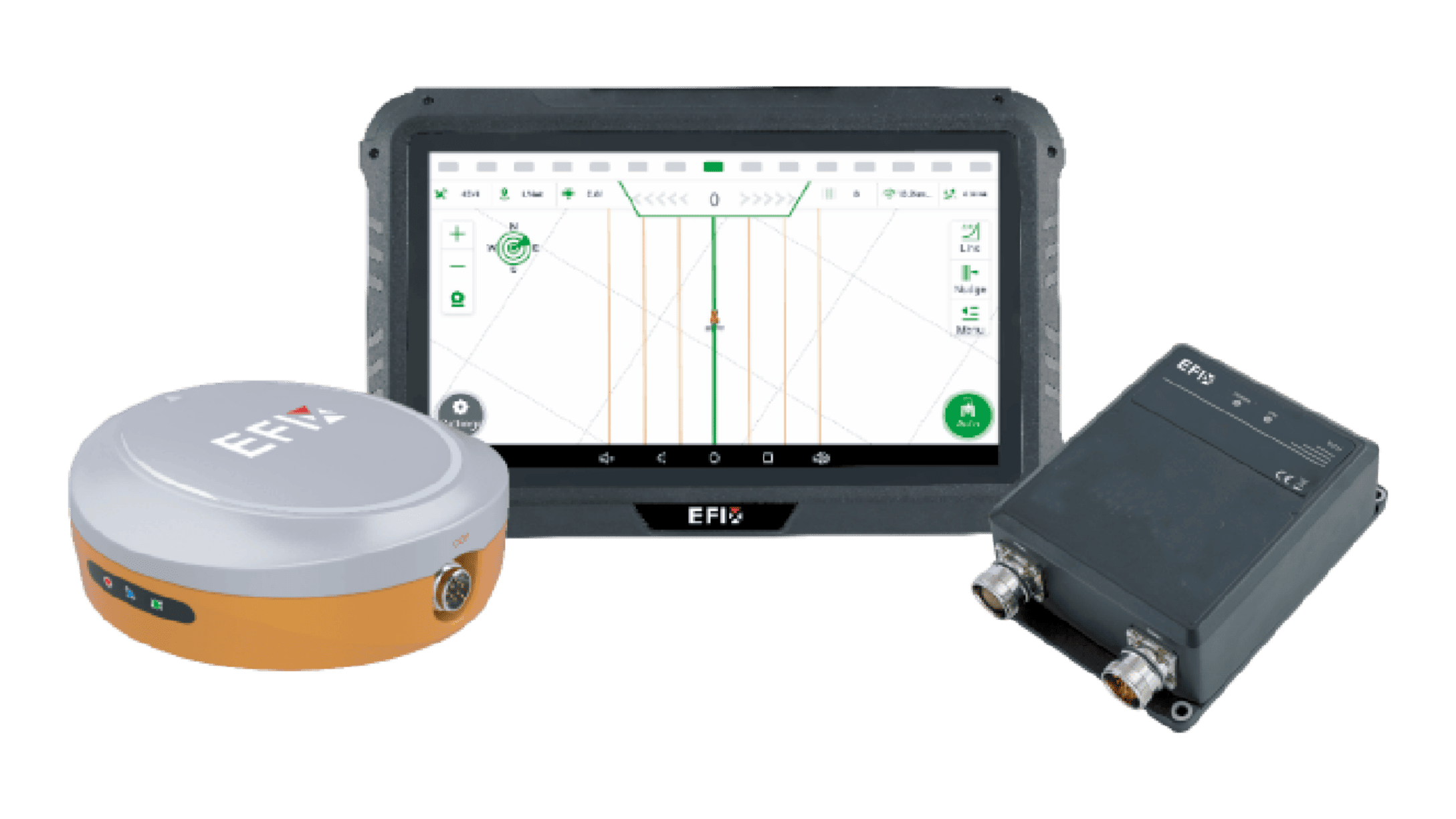
The eSteer 20 Max serves as a powerful central hub for precision operations. It features a robust processor and a large 12.1-inch industrial-grade high-definition touchscreen. This system integrates full-function ISOBUS control, enabling seamless management of both the tractor and connected implements.
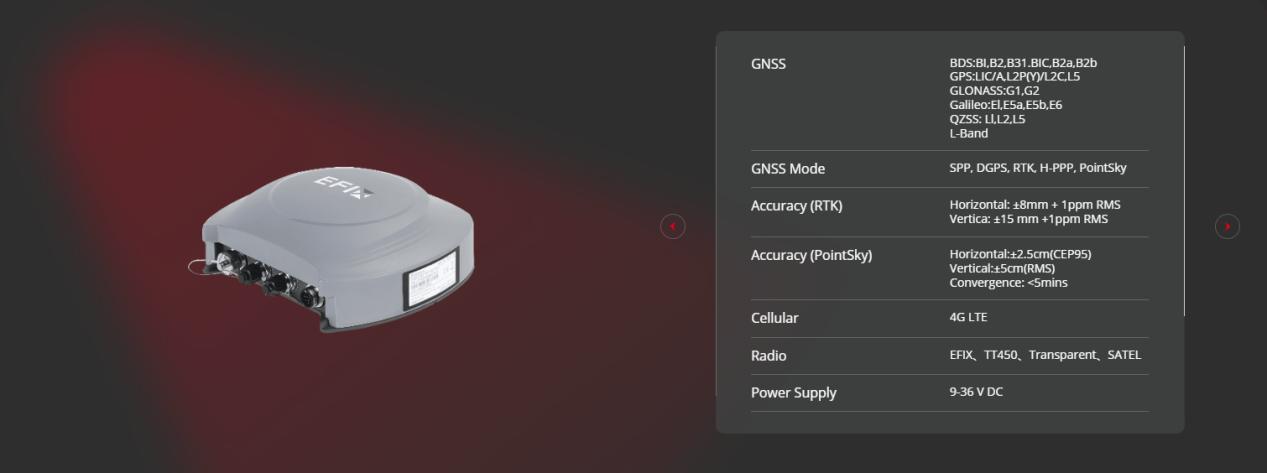
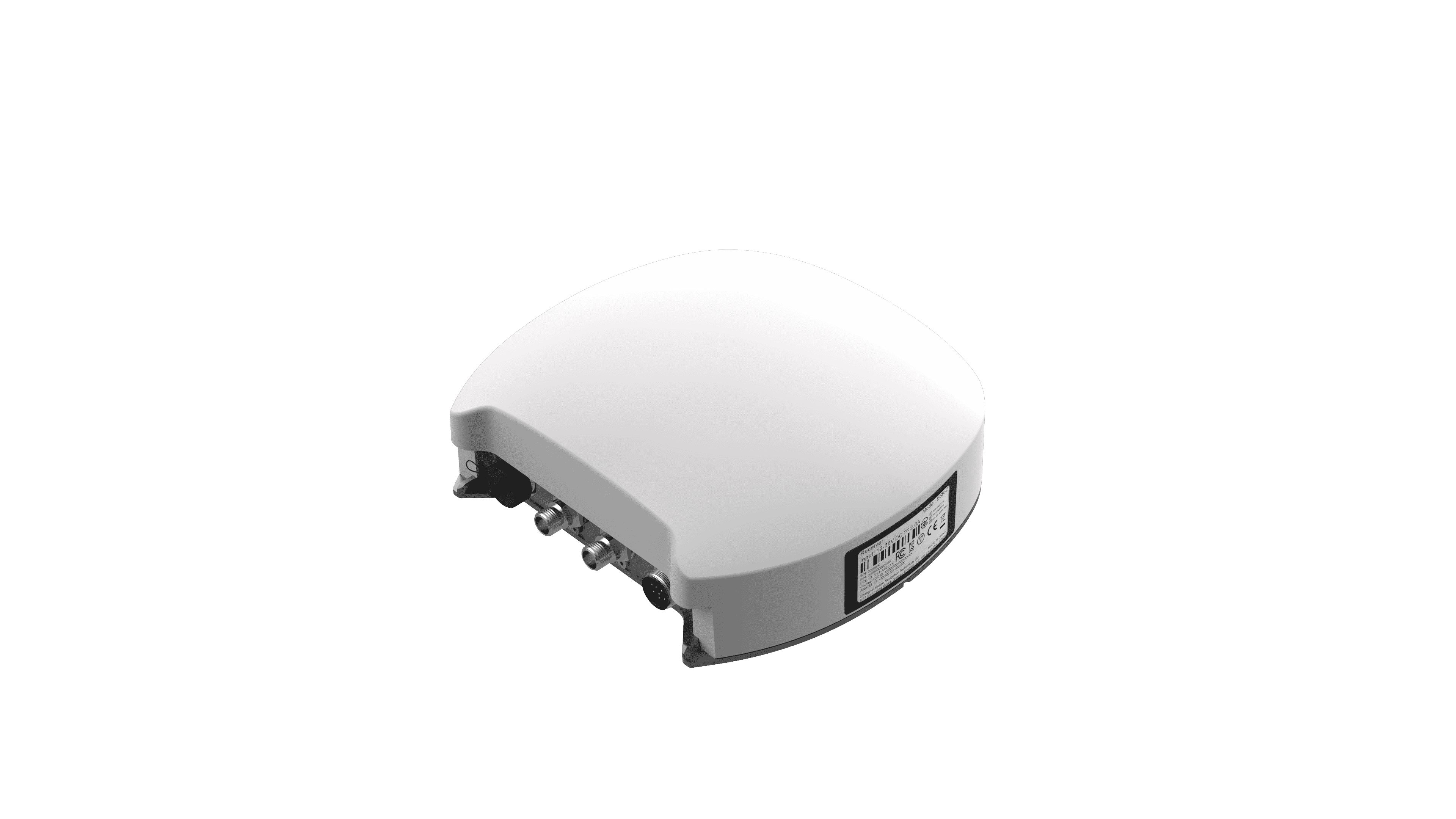
Picture shown: eSteer 20 Max receiver
With support for EFIX-PPP satellite correction and a comprehensive suite of guidance patterns—including advanced headland turn automation for irregularly shaped fields—the eSteer 20 Max ensures that every pass, from seeding to spraying to harvesting, is executed with the highest level of accuracy and efficiency.
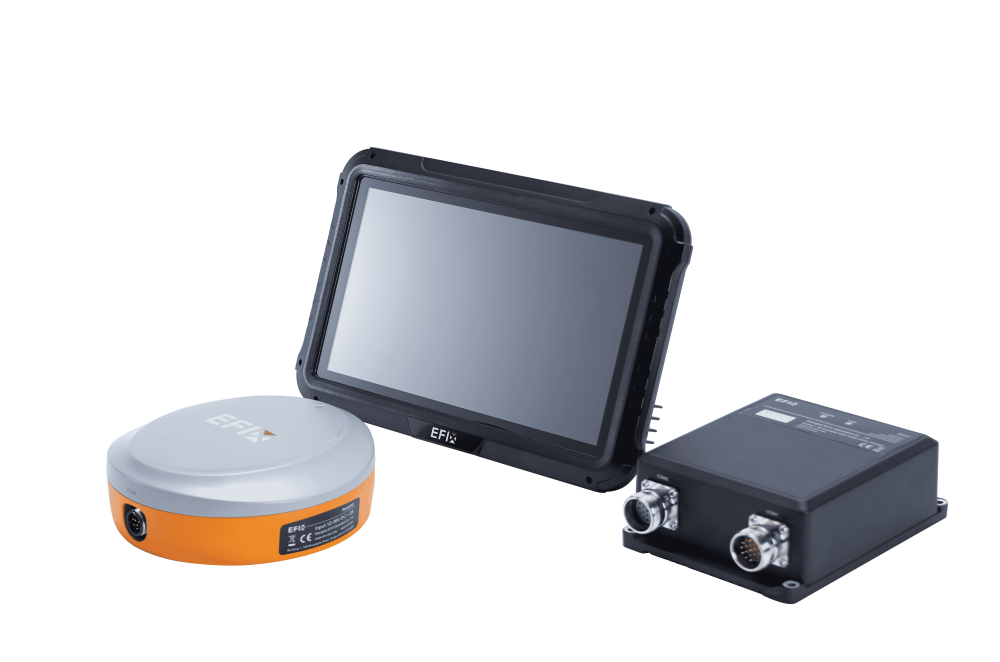
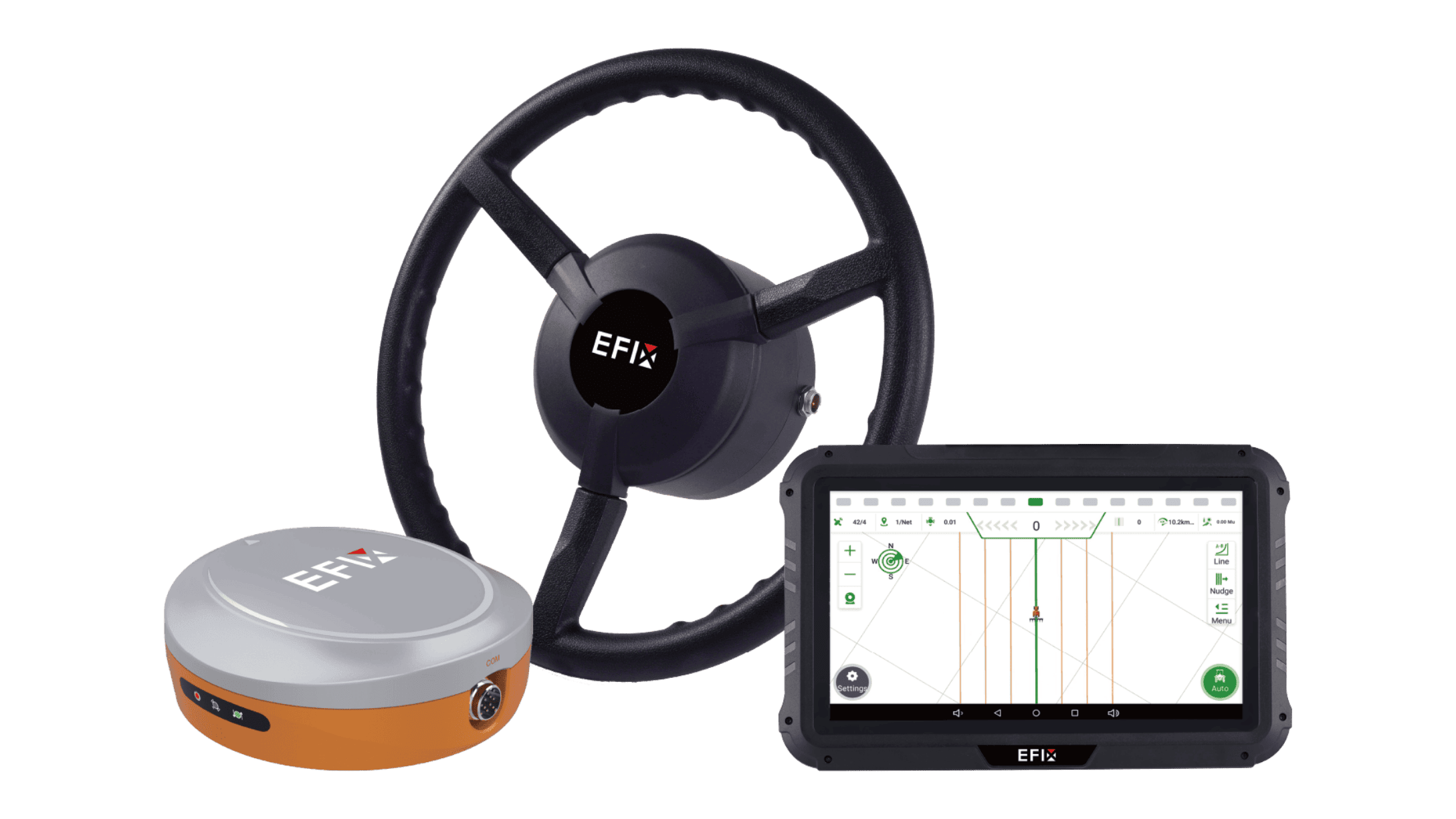
Picture shown: the whole set of eSteer Ready auto steering system
For farmers looking to upgrade existing equipment, the eSteer Ready offers a streamlined hydraulic auto-steering retrofit solution. Designed for modern machinery, it integrates with the vehicle’s existing steering valves, minimizing installation time and machine downtime.
The system boasts excellent connectivity, including multiple CAN ports, serial interfaces, WiFi, Bluetooth, and dual 4G modems. Its rugged, industrial design meets IP65 standards (and higher) for water and dust resistance, ensuring reliable operation in harsh environments with extreme temperatures and vibration.
Similar to the eSteer 20 Max, eSteer Ready is ISOBUS compliant and offers ±2.5 cm accuracy in diverse conditions.
Conclusion
The key to increasing crop yield in 2026 is integrating proven agronomic principles with advanced technology. From improving soil biology to leveraging AI-driven insights, each of the nine strategies discussed contributes to a more resilient and productive farming system.
Central to this evolution is the adoption of precision guidance technology, which ensures that every intervention is placed exactly where it will have the greatest impact. EFIX provides the reliable, high-accuracy steering solutions that enable farmers to implement these practices effectively.
If you are interested in integrating precision guidance technology in your farming operation, we are here to offer you more specific help!
Relevant information:
https://farmonaut.com/precision-farming/agricultural-practices-to-increase-crop-yield-fast
https://link.springer.com/article/10.1007/s13201-025-02727-4