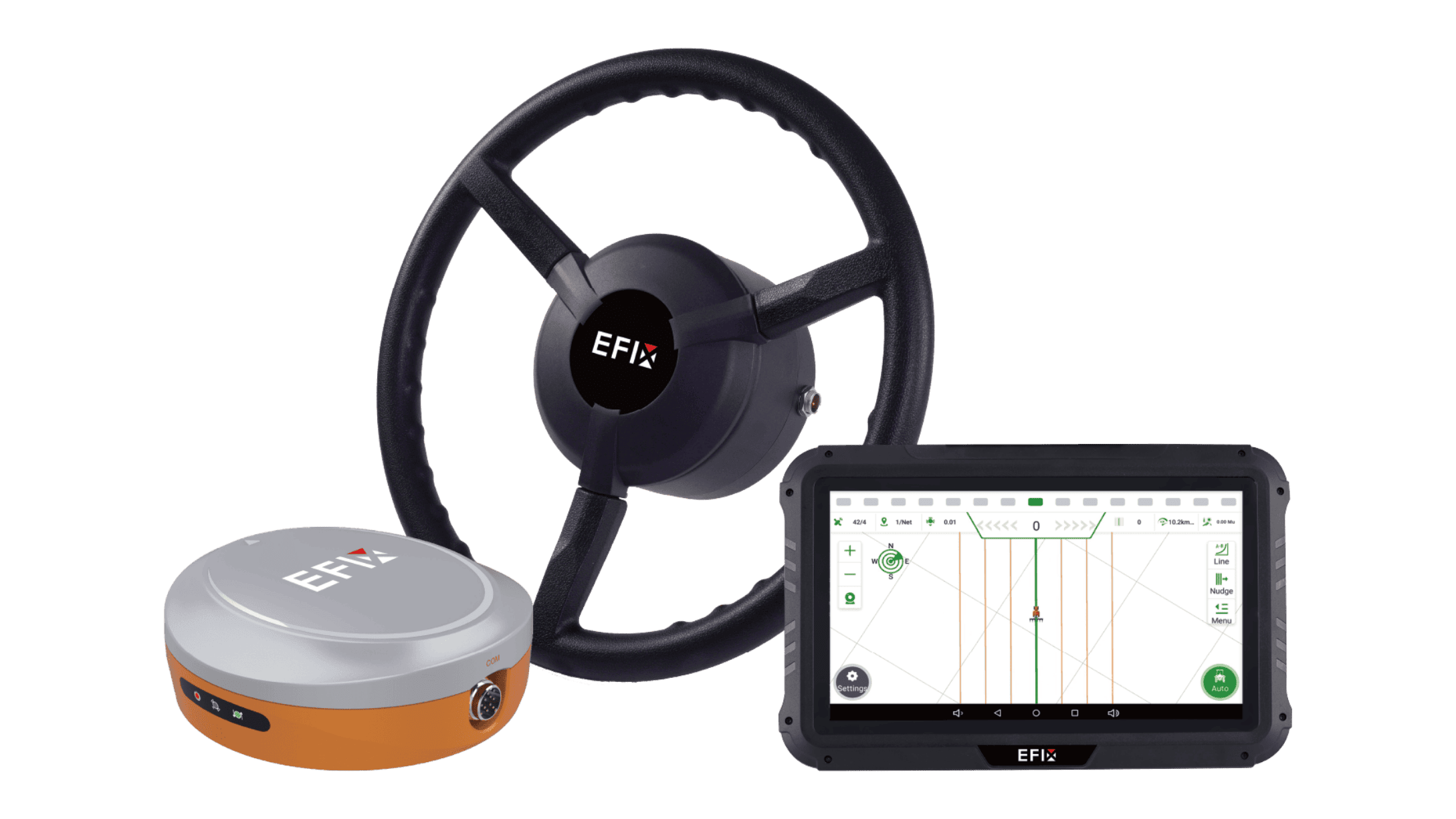
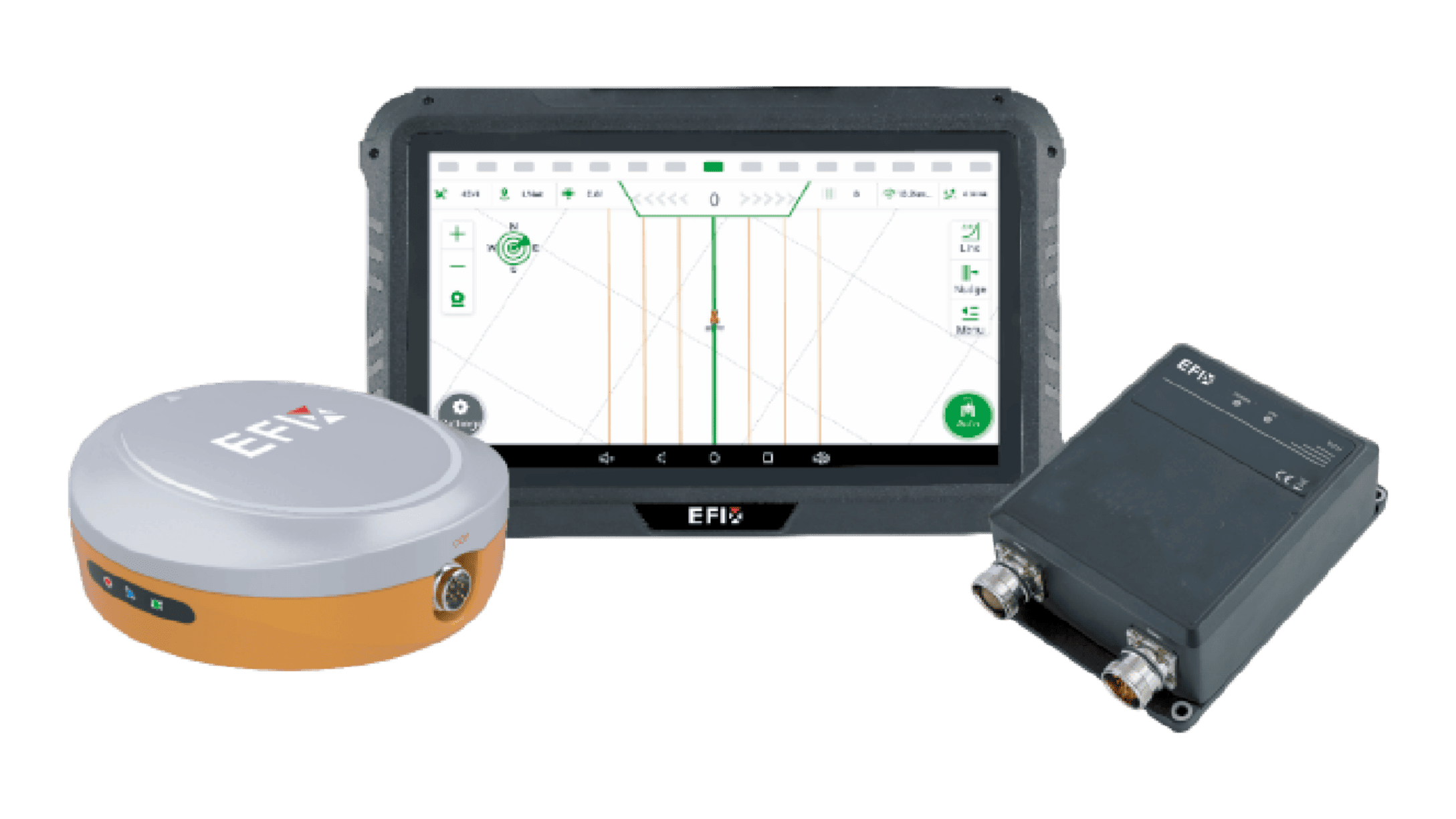
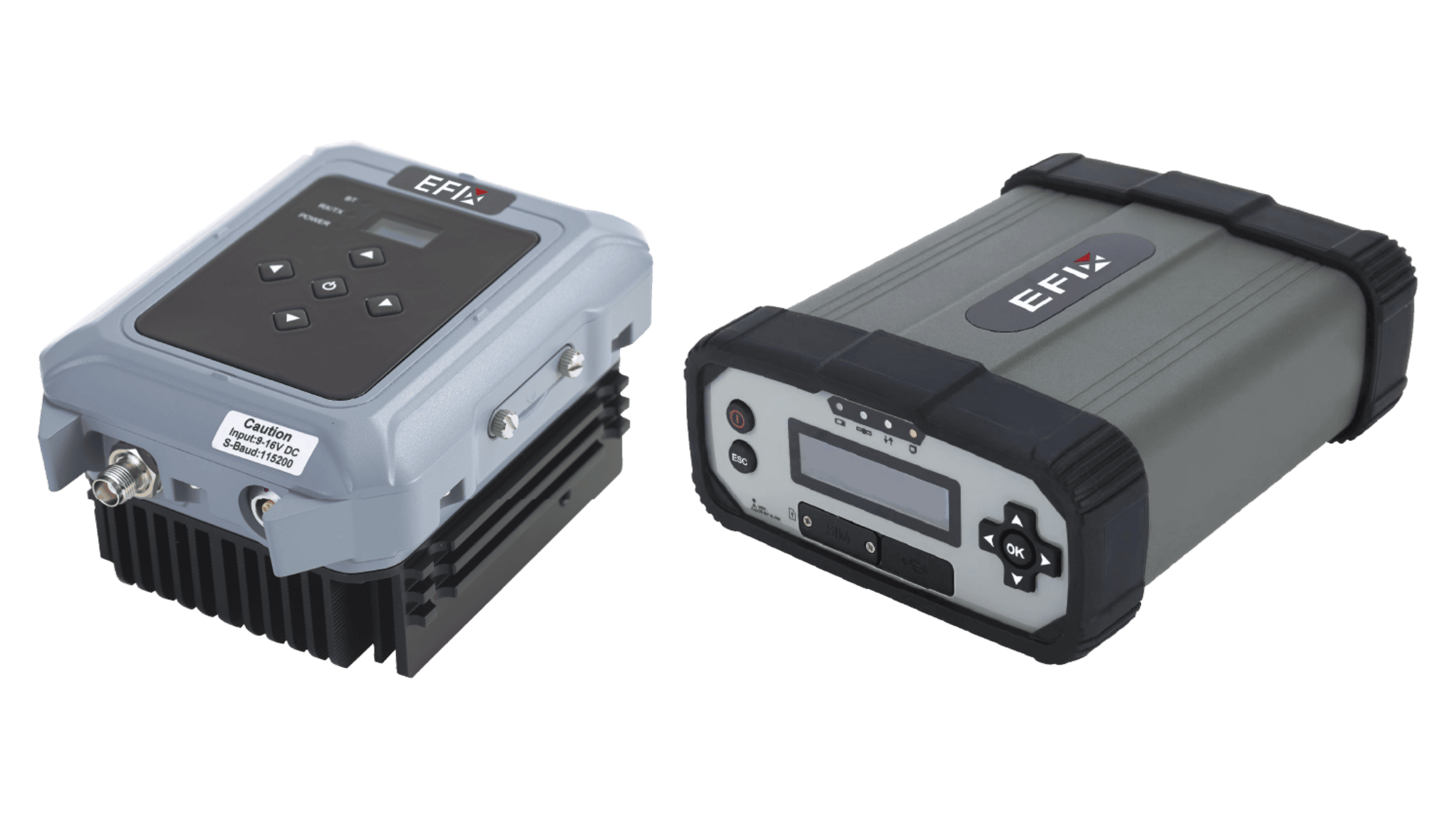
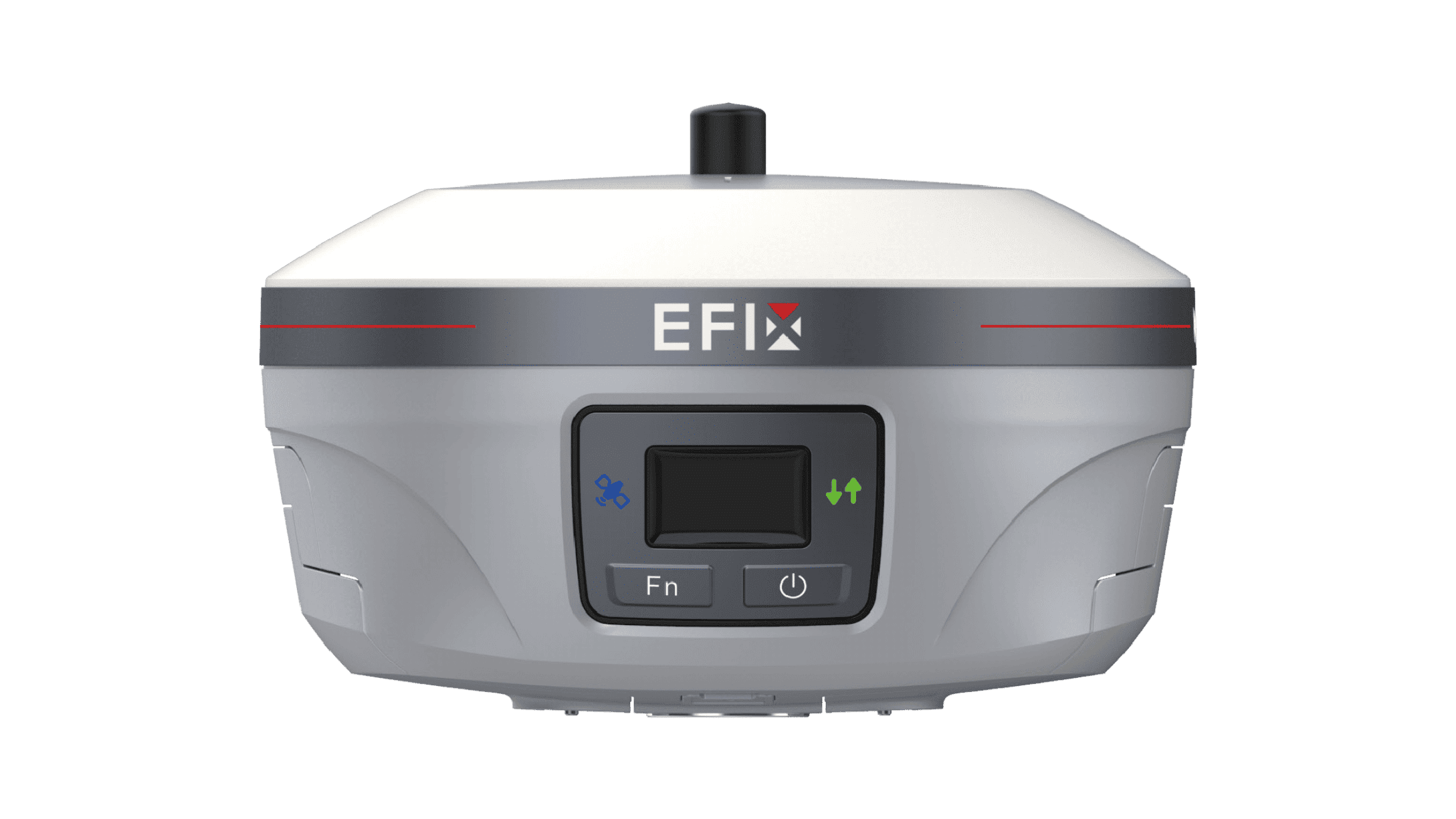
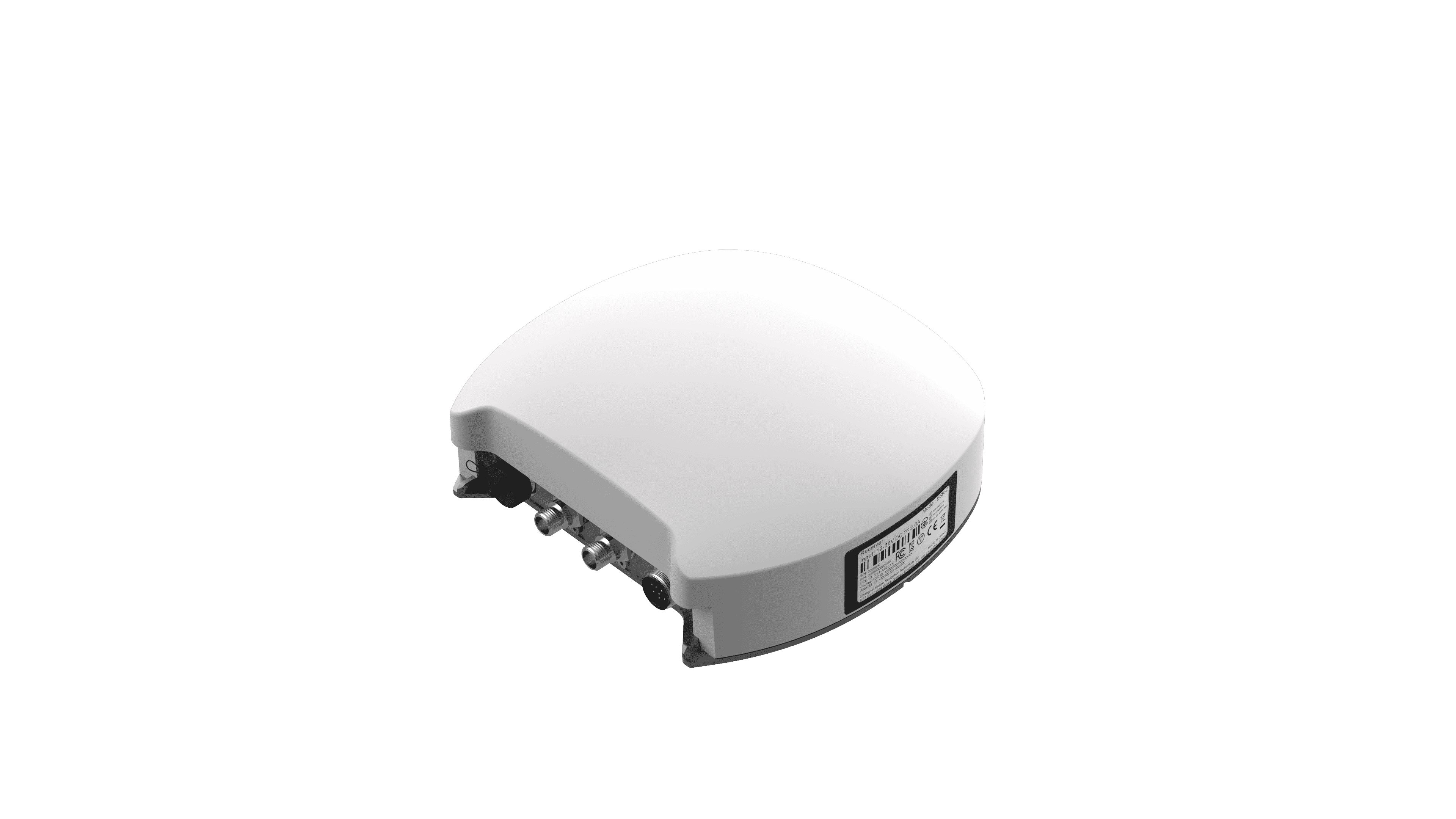
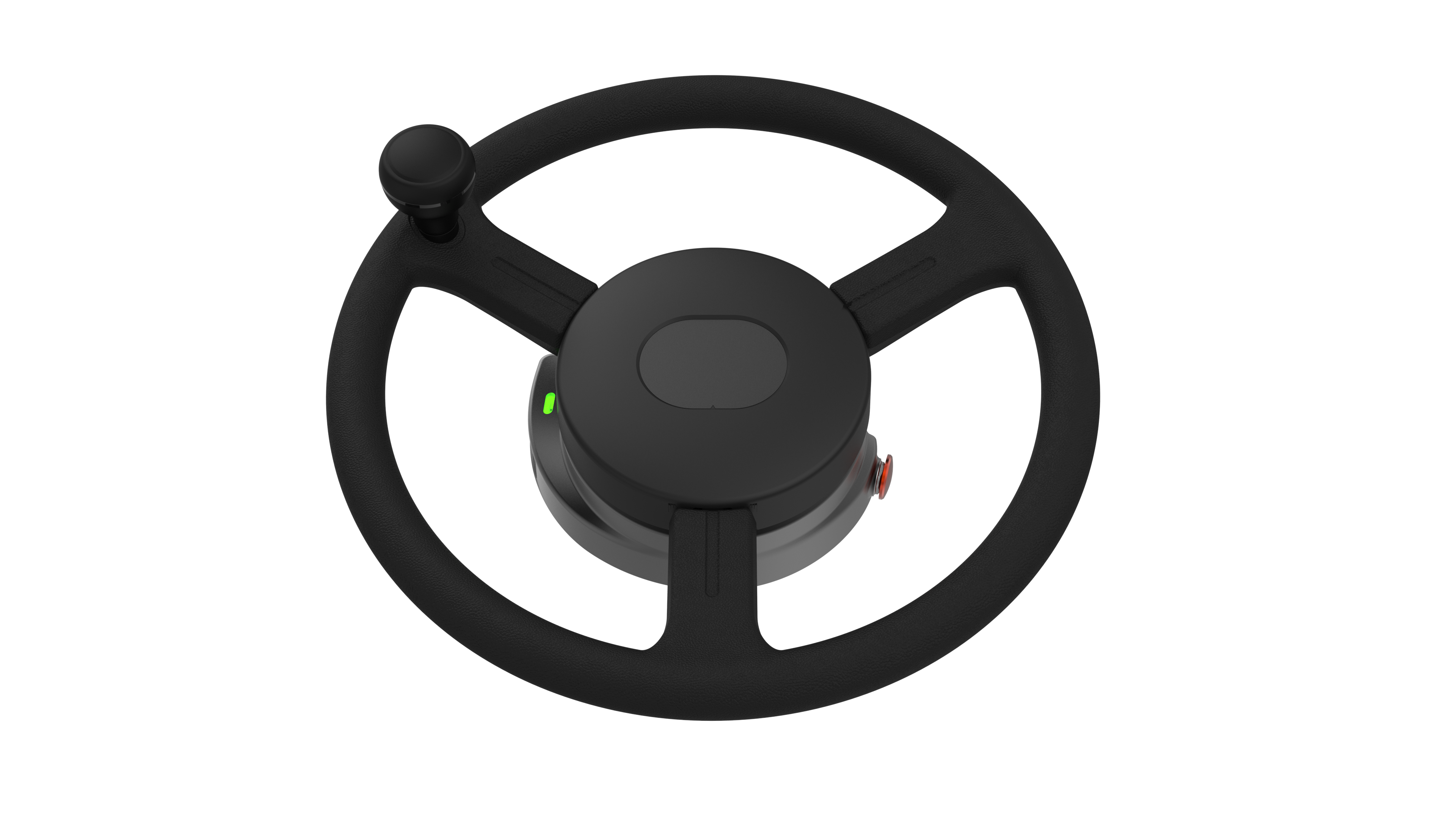
Efficiency in the field isn't just about driving in a straight line; it’s about how we handle the tricky corners and odd shapes that define real-world farming. We know that every acre counts, and when you are staring at a jagged boundary or a tight headland, the pressure to maintain accuracy is high. At EFIX, we’ve spent plenty of time in the cab watching how tractor autosteer systems tackle these challenges, moving beyond simple A-B lines to ensure total coverage without the headache of manual steering corrections.
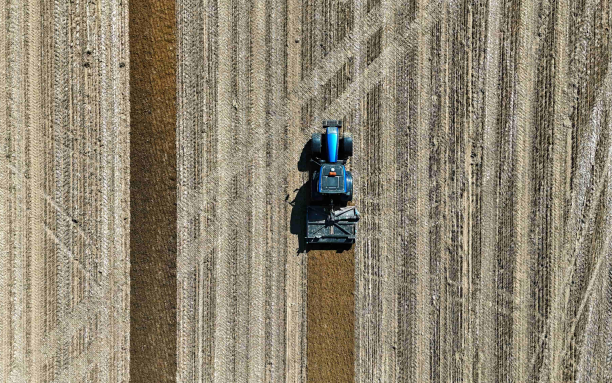
Managing the Curves of Irregular Boundaries
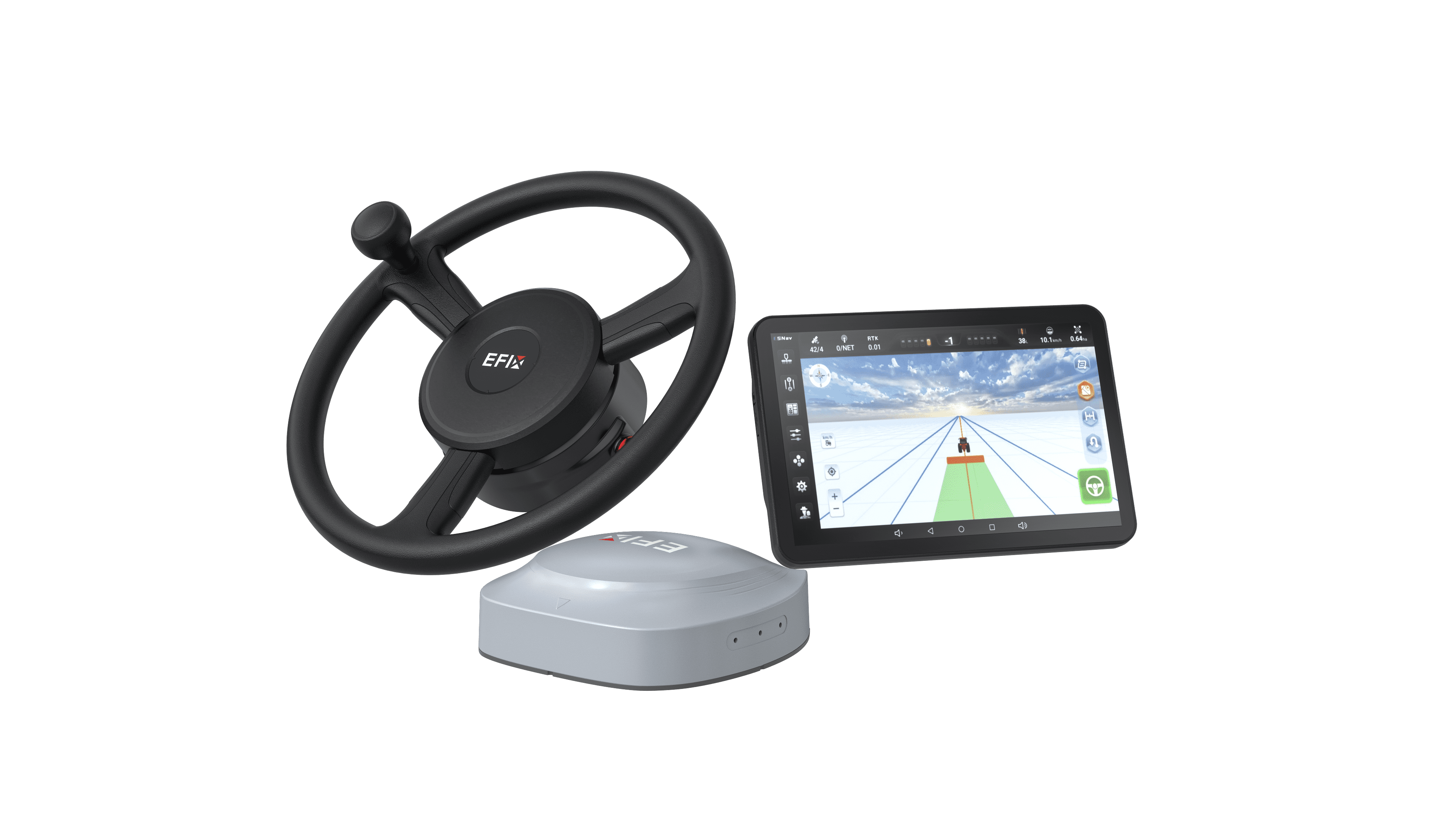
Most fields aren't perfect rectangles, and that is where the real work begins. When we use tractor autosteer systems, the software calculates the most efficient path by mapping the perimeter first. Instead of struggling to keep the implement from skipping sections along a curved fence line, the system uses high-precision sensors to adjust the wheel angle in real-time. We’ve seen this drastically reduce the fatigue of a long day because the machine handles the constant micro-adjustments needed to hug a contour. It means we can focus on the equipment performance rather than white-knuckling the steering wheel to stay on track.
Maximizing Coverage in Tight Corners
Turning in a tight spot used to mean a lot of wasted fuel and overlapped soil, but modern tech has changed that. We integrate advanced path planning so that tractor autosteer systems can predict the turn radius before the tractor even reaches the end of the row. By calculating the geometry of the field shape, the system ensures the implement enters the next pass at the perfect angle. We find that this level of precision is especially useful when working around obstacles like utility poles or water features. It allows for a seamless transition between passes, keeping the workspace organized even when the terrain is anything but.
Reducing Overlap on the Headlands
The headland is often where the most mistakes happen, usually leading to over-application of seed or fertilizer. We rely on the way tractor autosteer systems manage section control and automated turning to mitigate this issue. By recognizing exactly where the machine has already traveled, the system can shut down specific rows or adjust the path to avoid doubling back over finished ground. We’ve noticed that when the hardware handles the complex geometry of a headland turn, the transition back into a straight run is much smoother. This keeps the field looking professional and ensures every drop of input is placed exactly where it needs to go.
Dealing with complex field shapes is a standard part of the job, and having the right tools makes those "difficult" acres feel like any other part of the day. We believe that the real value of tractor autosteer systems lies in their ability to simplify the complicated parts of farming, like navigating around a creek or managing a triangular plot. By letting the technology handle the spatial math, we can keep our eyes on the bigger picture of crop health and farm productivity. It’s about making sure that no matter the shape of the land, the quality of the work remains consistent.