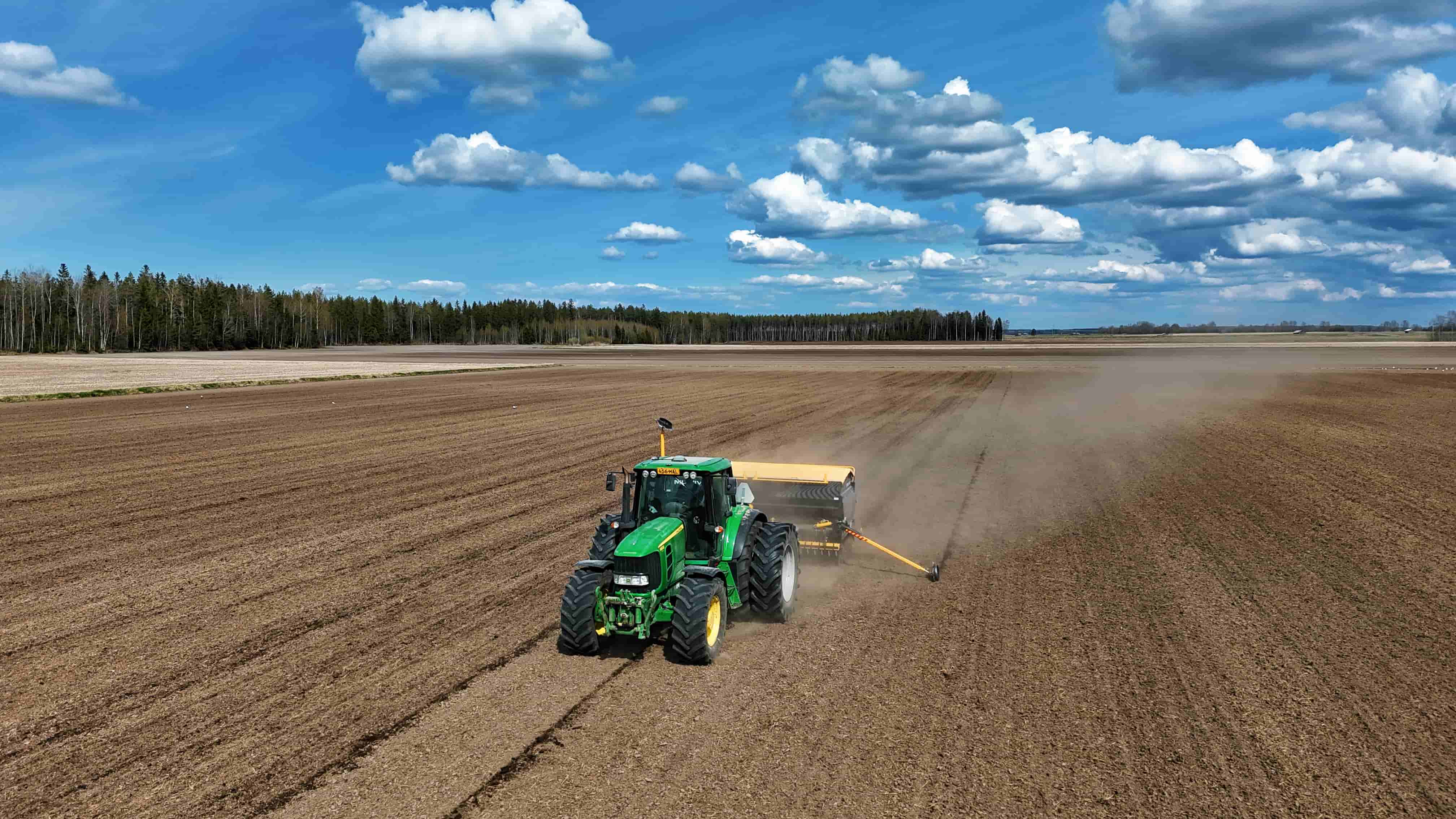
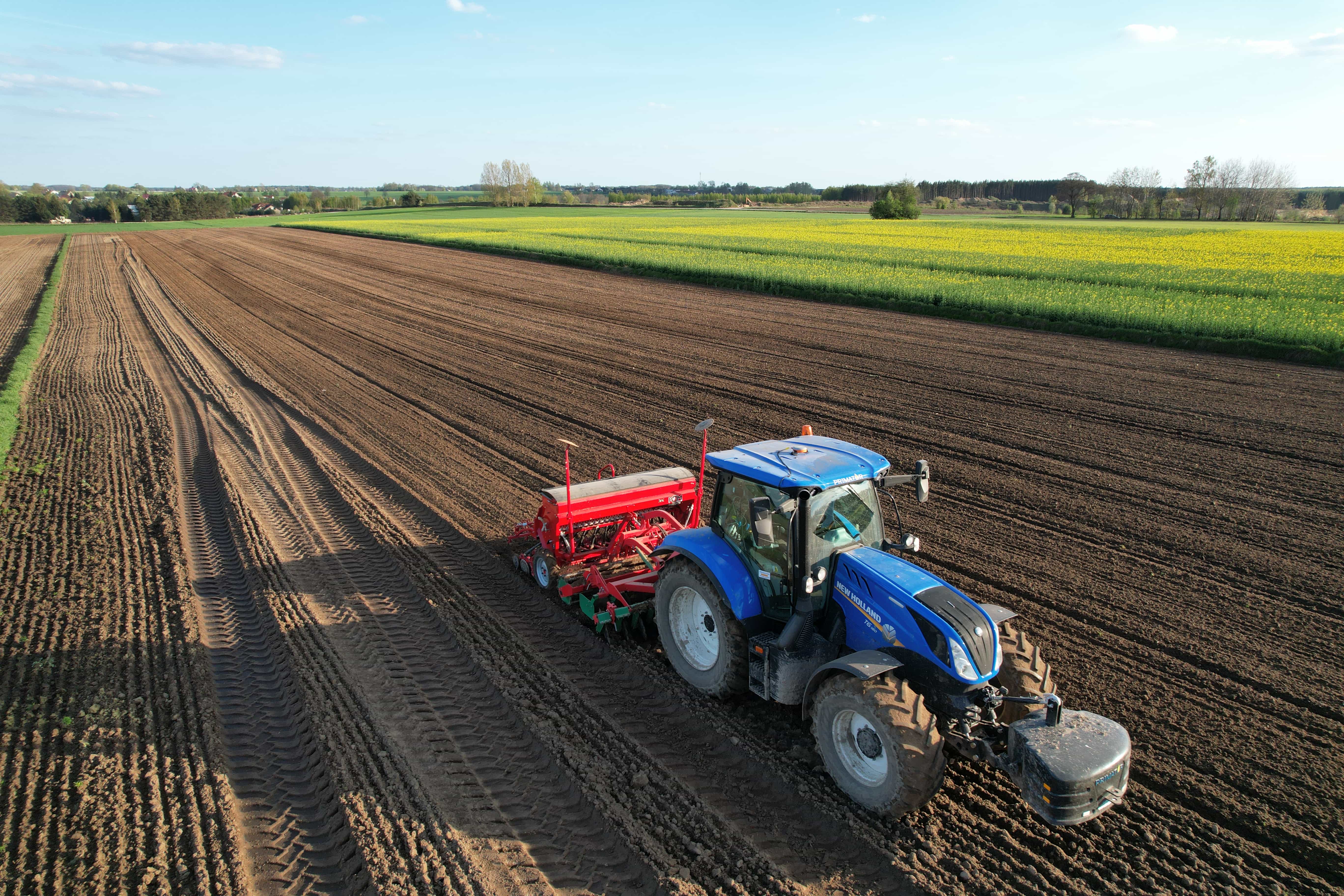
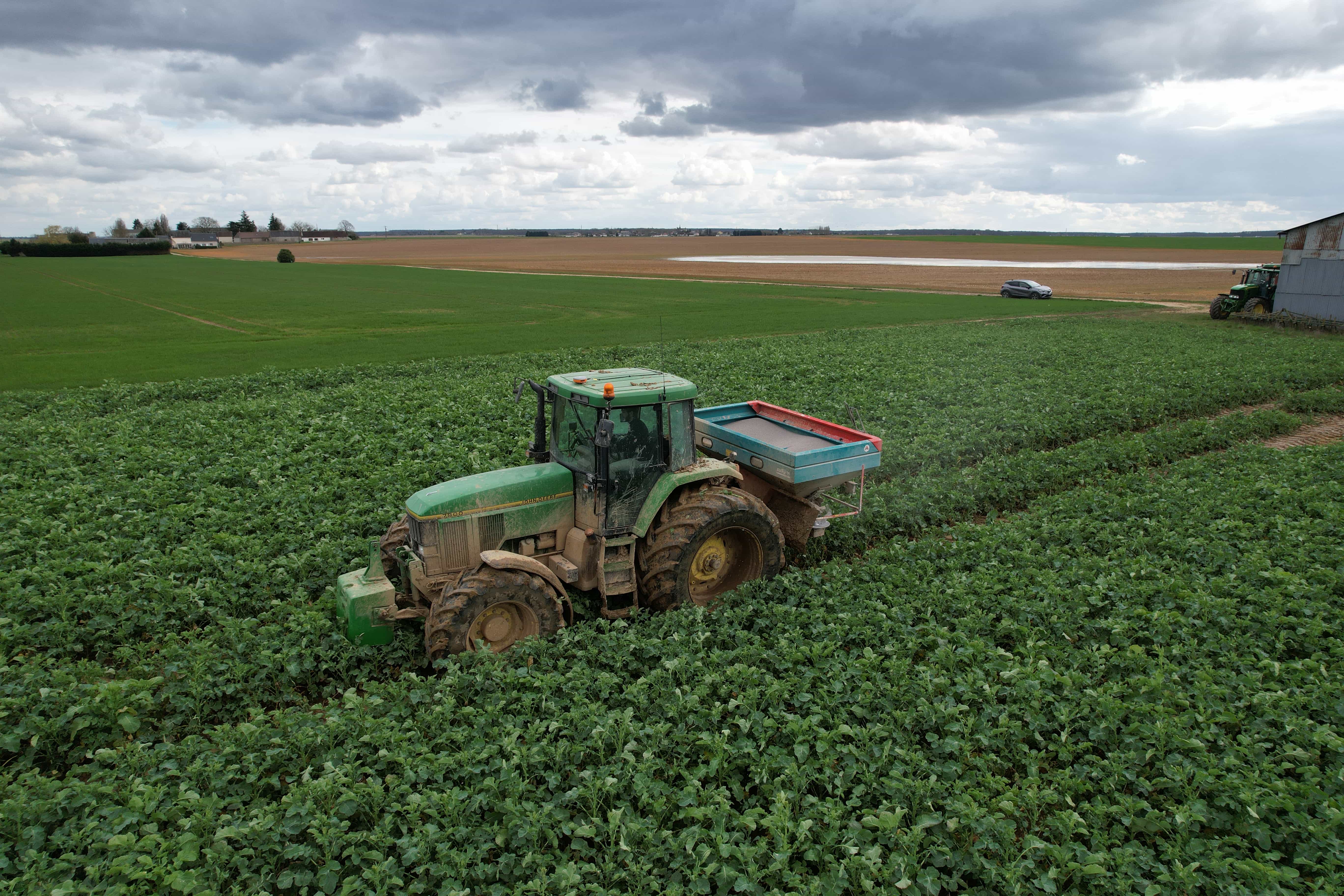
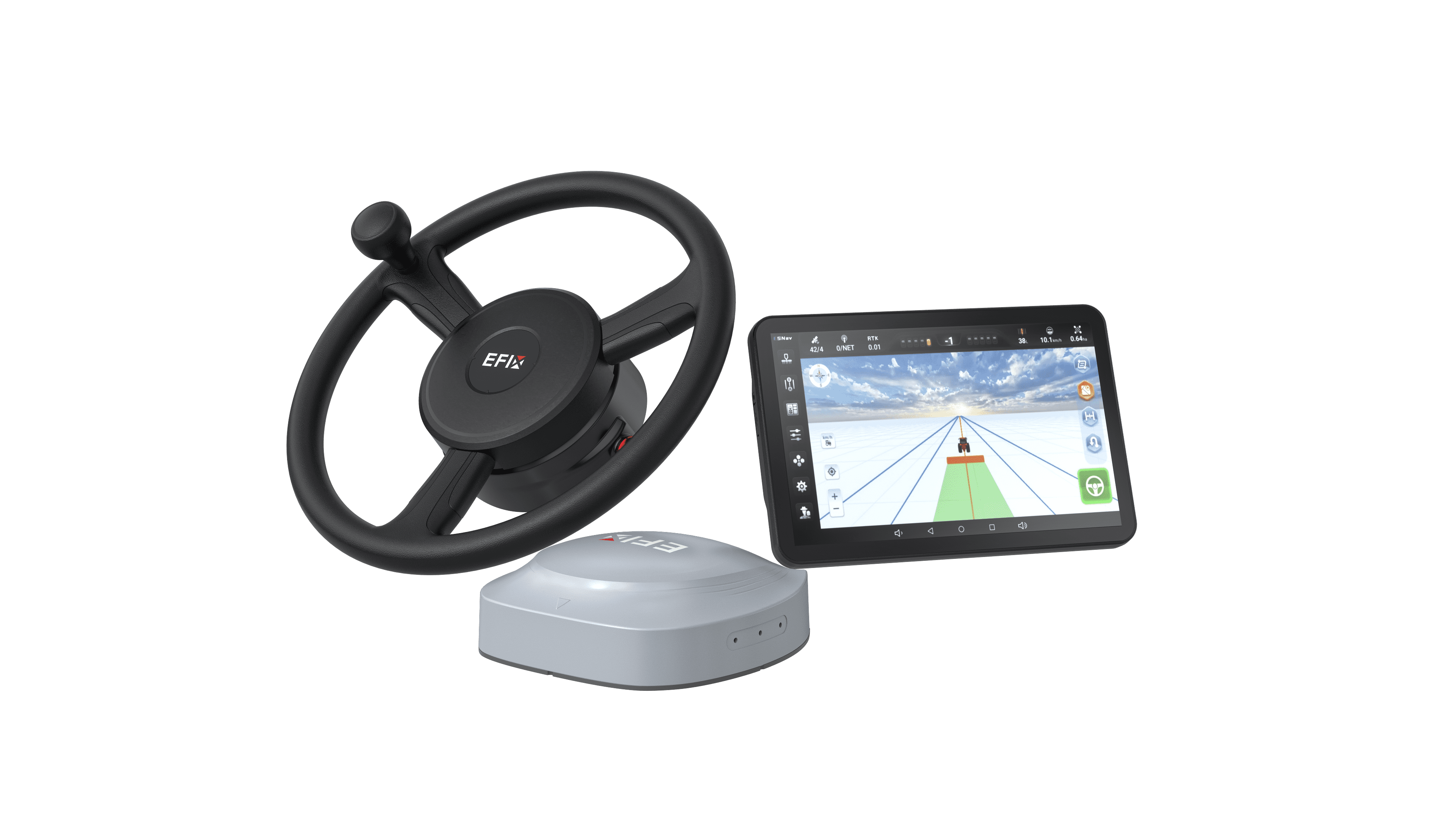
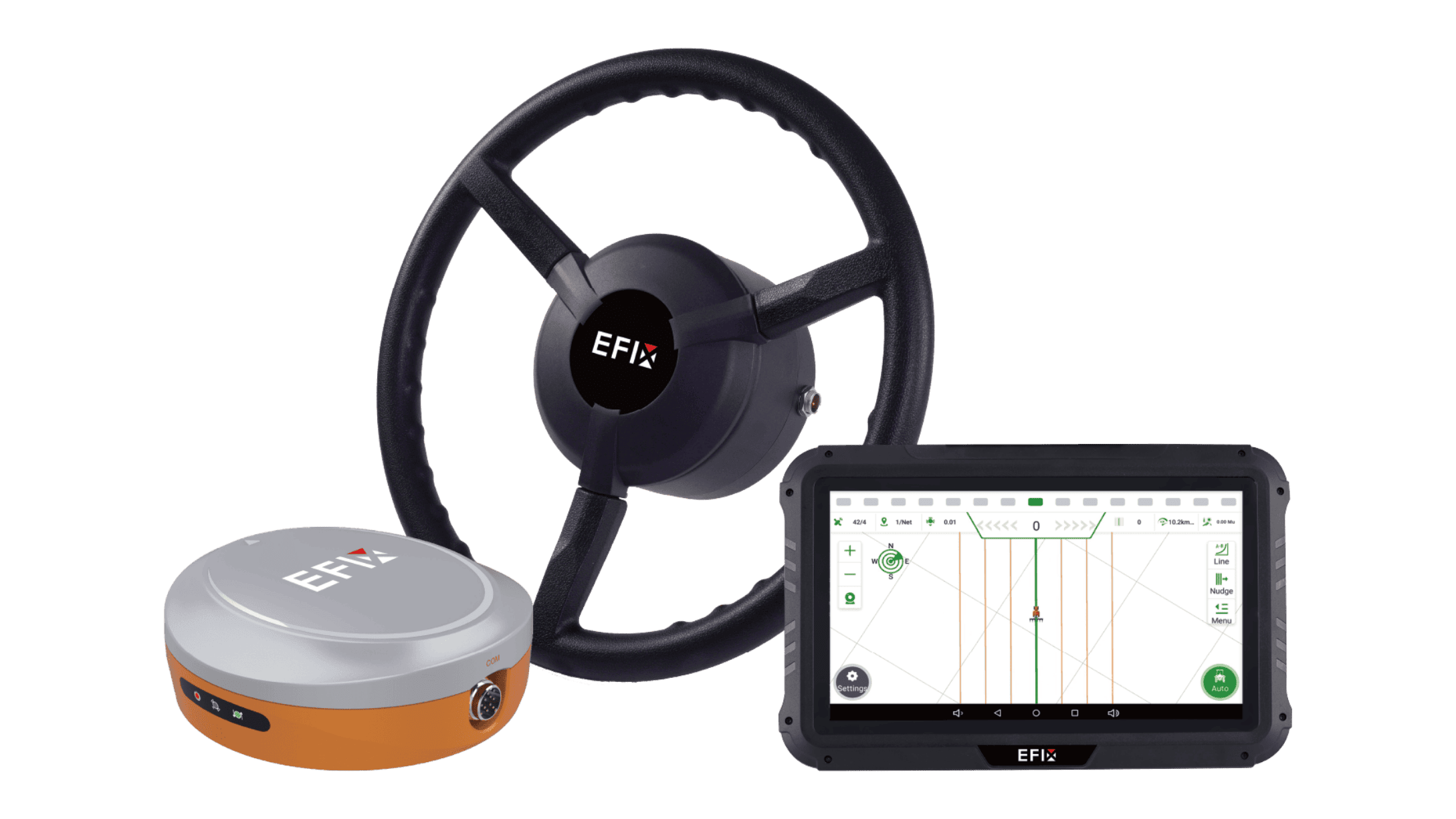
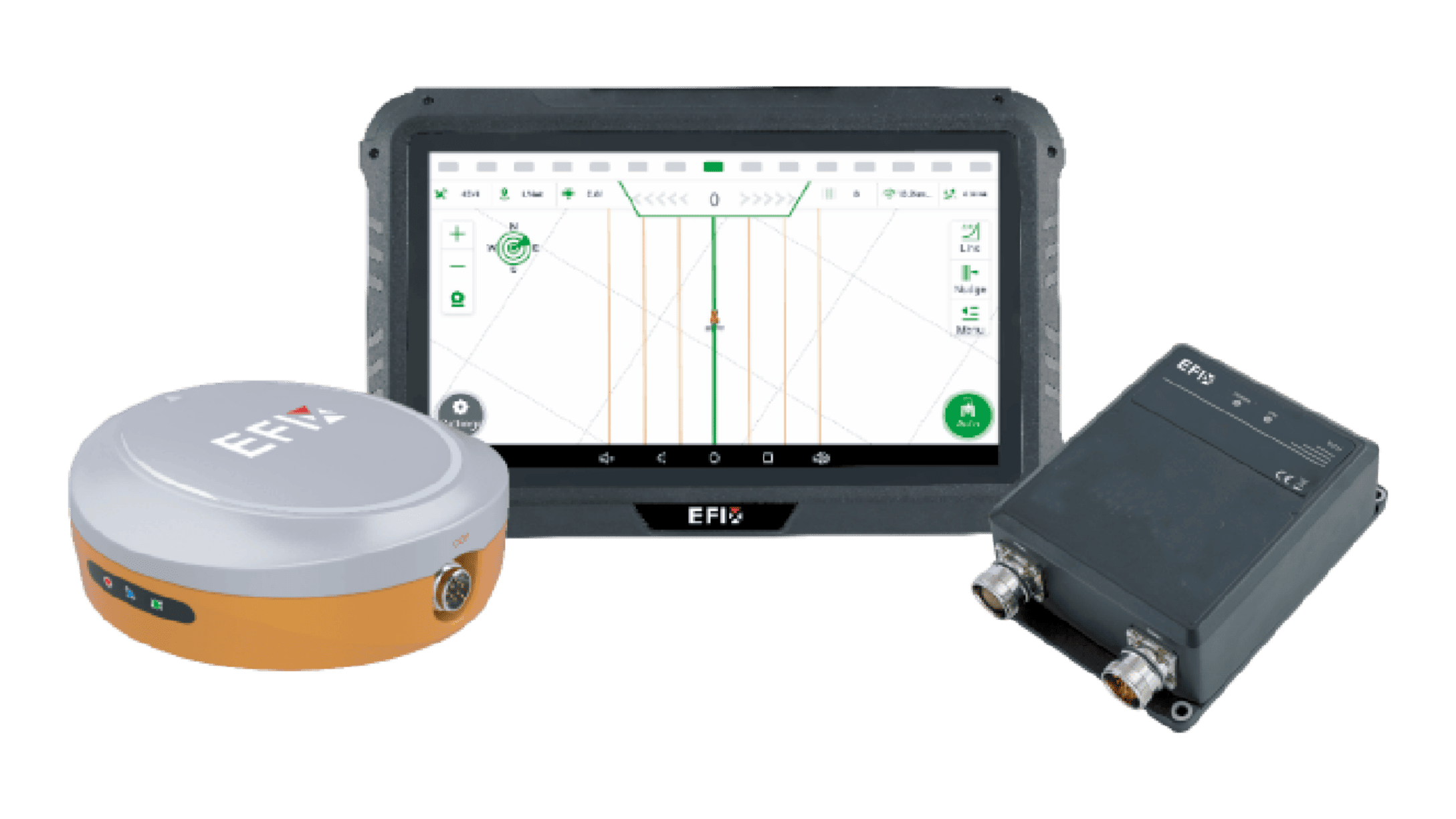
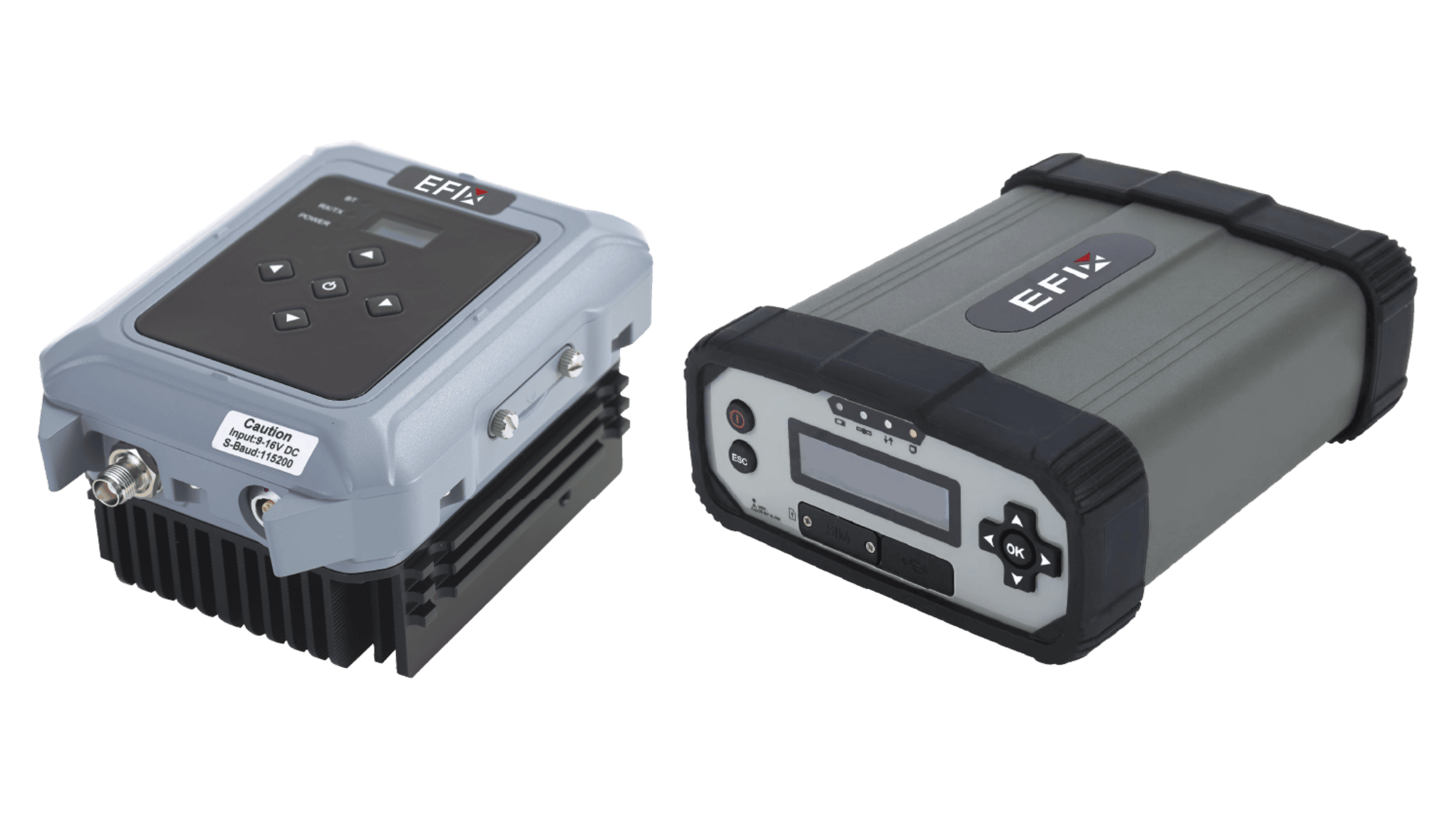
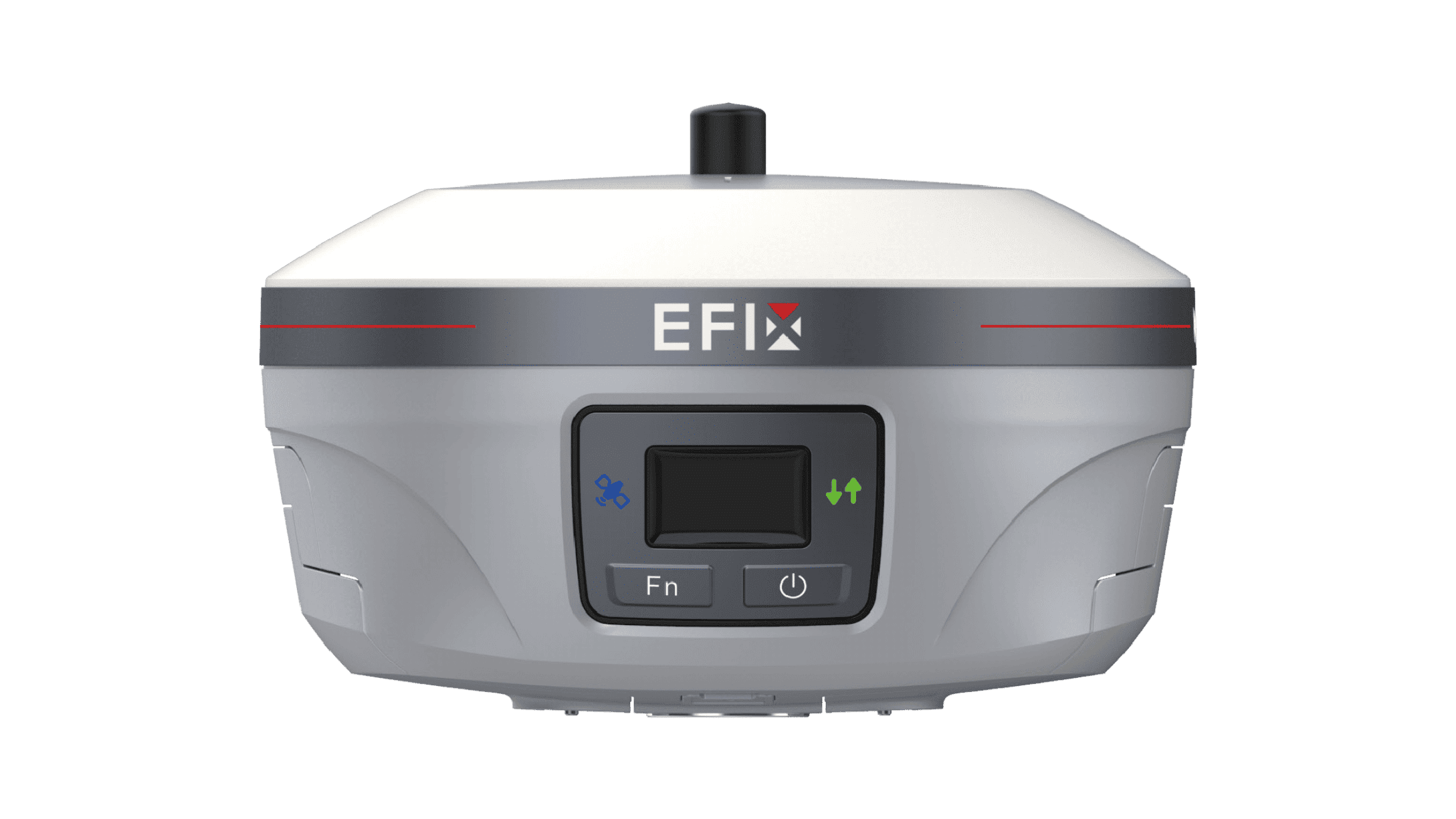
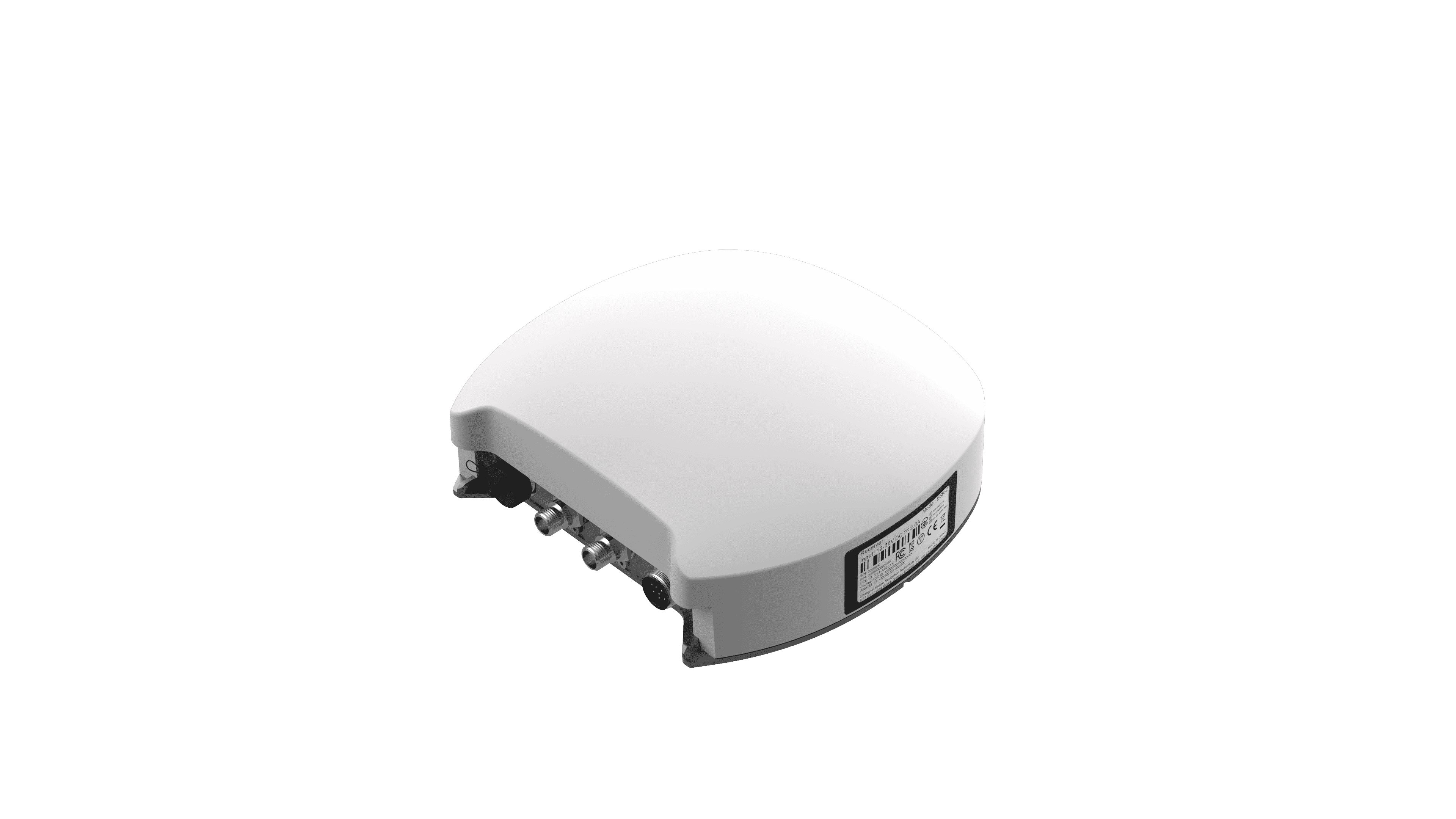
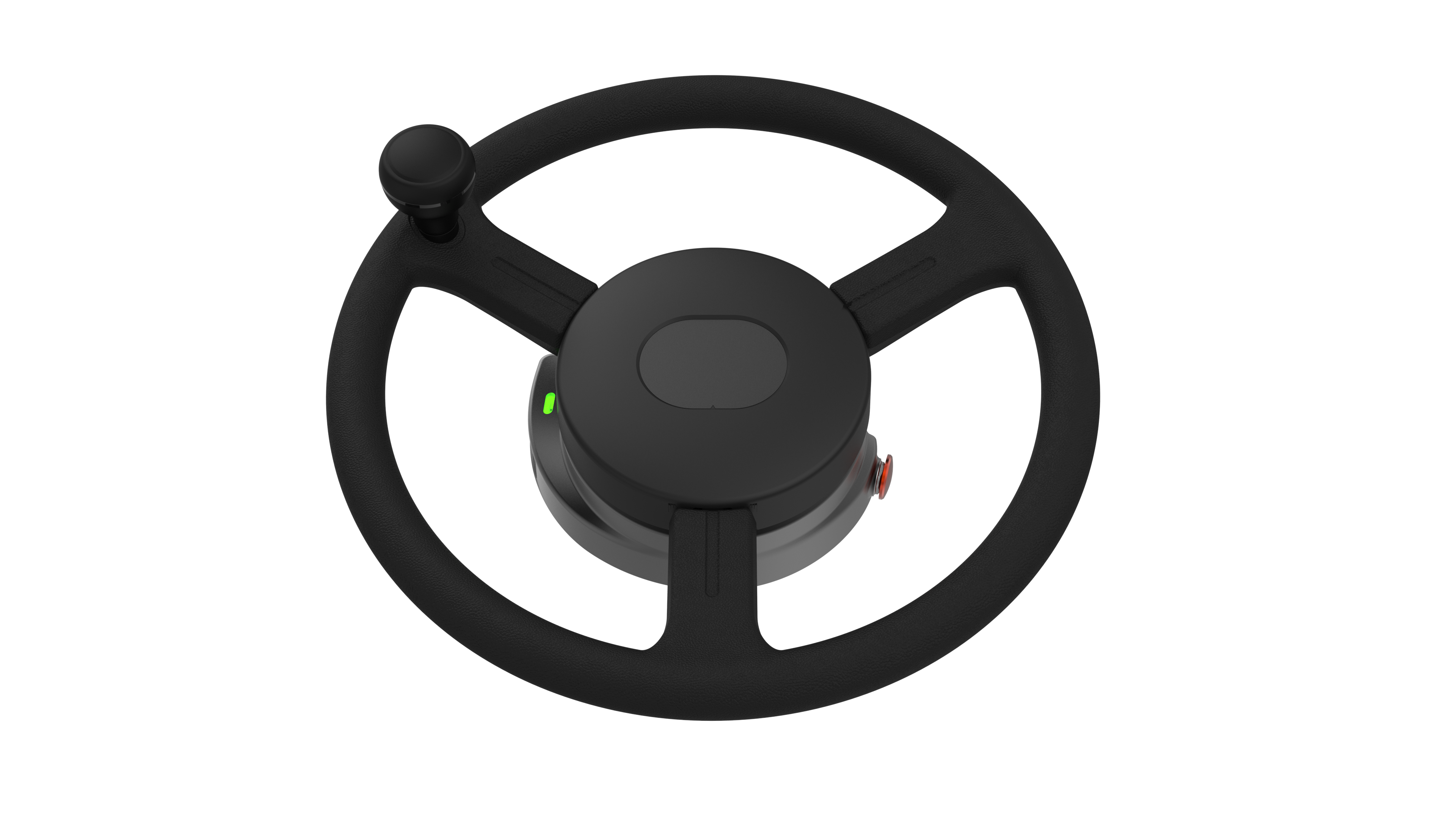
Reliability in the field often comes down to the quality of the signal reaching your tractor's receiver. We know that standard satellite signals carry inherent errors caused by atmospheric interference, which can throw off your path by several meters—a gap far too wide for planting or strip-tilling. By utilizing a gnss base station, we effectively cancel out those errors by providing a local, stationary reference point that knows its exact position. This setup allows us to send RTK (Real-Time Kinematic) corrections directly to the fleet, ensuring that every pass is consistent and every seed is placed with surgical intent.
Overcoming Signal Drift During Long Workdays
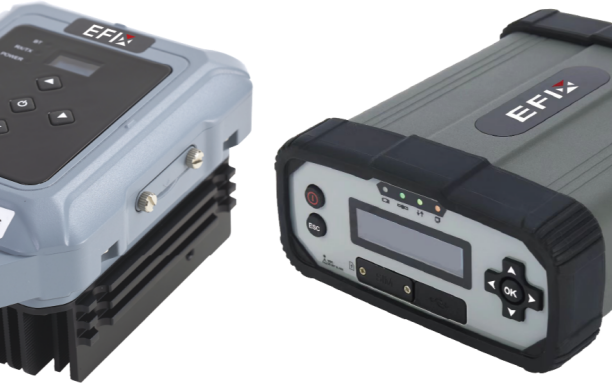
Farmers often face the frustration of "signal drift," where the tractor's perceived position shifts slightly over a few hours. We tackle this by establishing a permanent gnss base station that remains unmoved, regardless of the time of day or satellite constellation changes. When the base stays put, it continuously compares its known coordinates with the satellite data it receives, calculating the difference instantly. We then broadcast these tiny adjustments to your machines, allowing for repeatable accuracy that lets you return to the exact same tracks months later for harvest or spraying without manual re-alignment.
Enhancing Connectivity Across Varying Terrains
Operating in hilly areas or fields with heavy tree lines can often break the link between the machine and the correction source. We focus on high-gain radio transmissions and robust network protocols within our gnss base station systems to maintain a stable handshake even in challenging environments. We've found that a strong, localized signal is much more resilient than relying on distant, cellular-based correction services that might drop out in rural "dead zones." This steady connection means fewer stops to recalibrate and more time spent moving forward, keeping the workflow steady from sunrise to sunset.
Simplifying High-Precision Field Management
Getting to centimeter-level results doesn't have to mean dealing with a complex IT project every morning. We design our gnss base station hardware to be "set and forget," allowing it to power up and start broadcasting corrections with minimal human input. Once the base is initialized, the integration with the rest of the autosteer hardware is seamless, providing the high-resolution data needed for automated section control and variable rate applications. This practical approach removes the guesswork from precision farming, making it easier to manage large-scale operations where every centimeter of overlap saved translates to a direct reduction in input costs.
Consistency is the backbone of a productive season, and having a dedicated correction source is the most direct way to achieve it. We at EFIX see the difference it makes when a farm stops guessing and starts measuring, moving from "close enough" to total precision across every acre. Using a localized correction source ensures that your equipment performs at its peak potential, regardless of the weather or the complexity of the field layout. It is a straightforward investment in stability that pays off every time the planter hits the soil and follows a perfectly straight line.