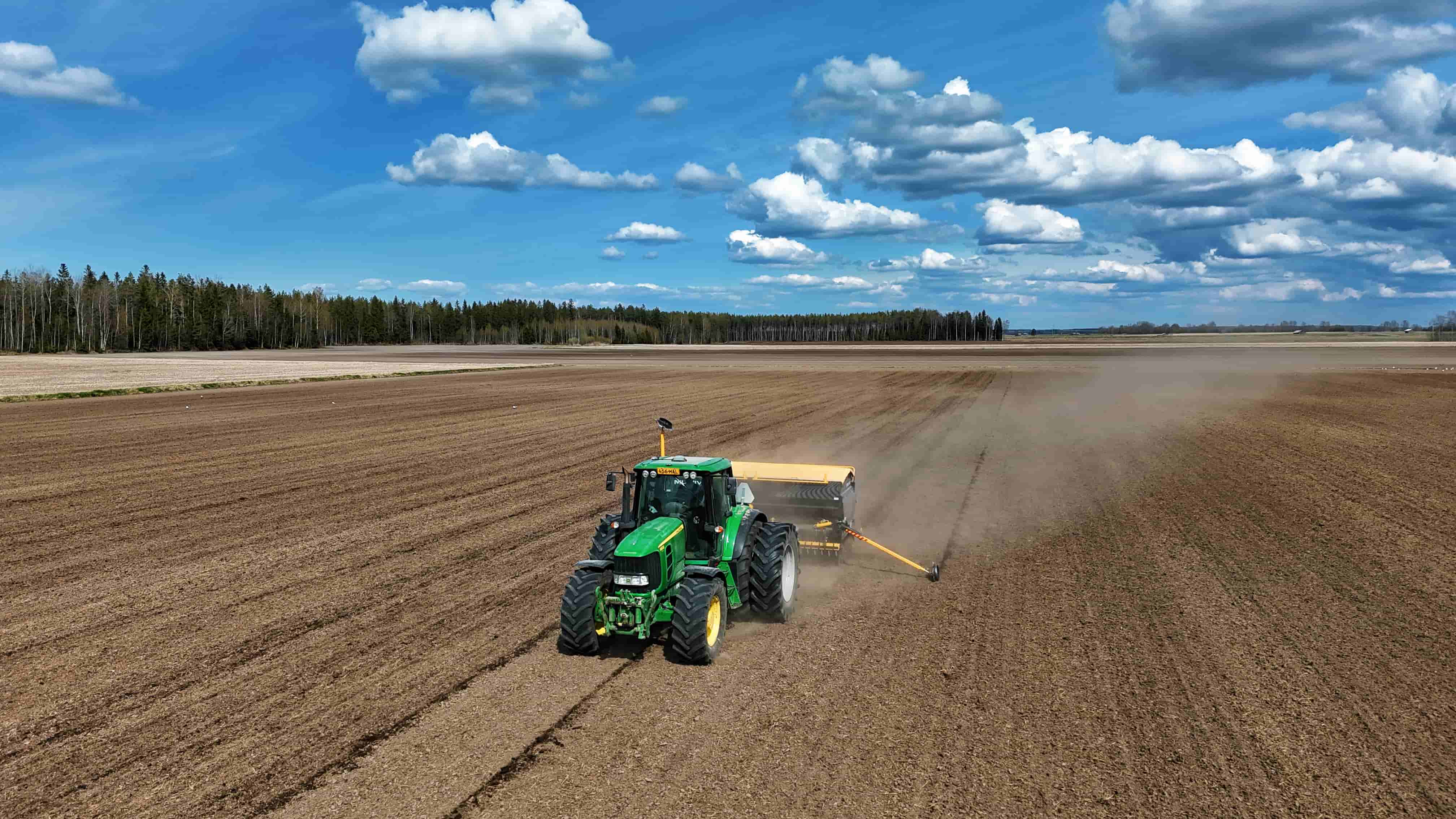
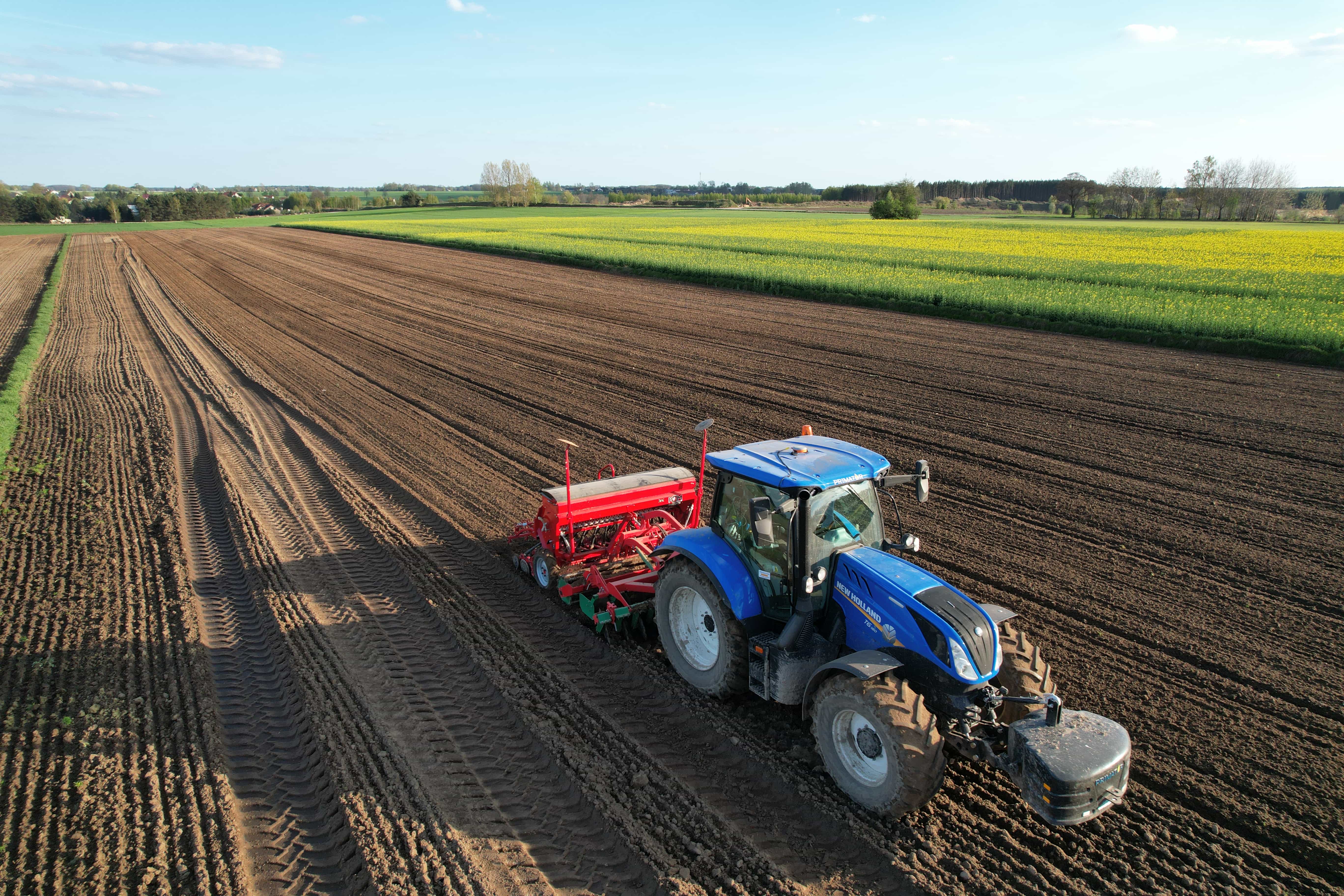
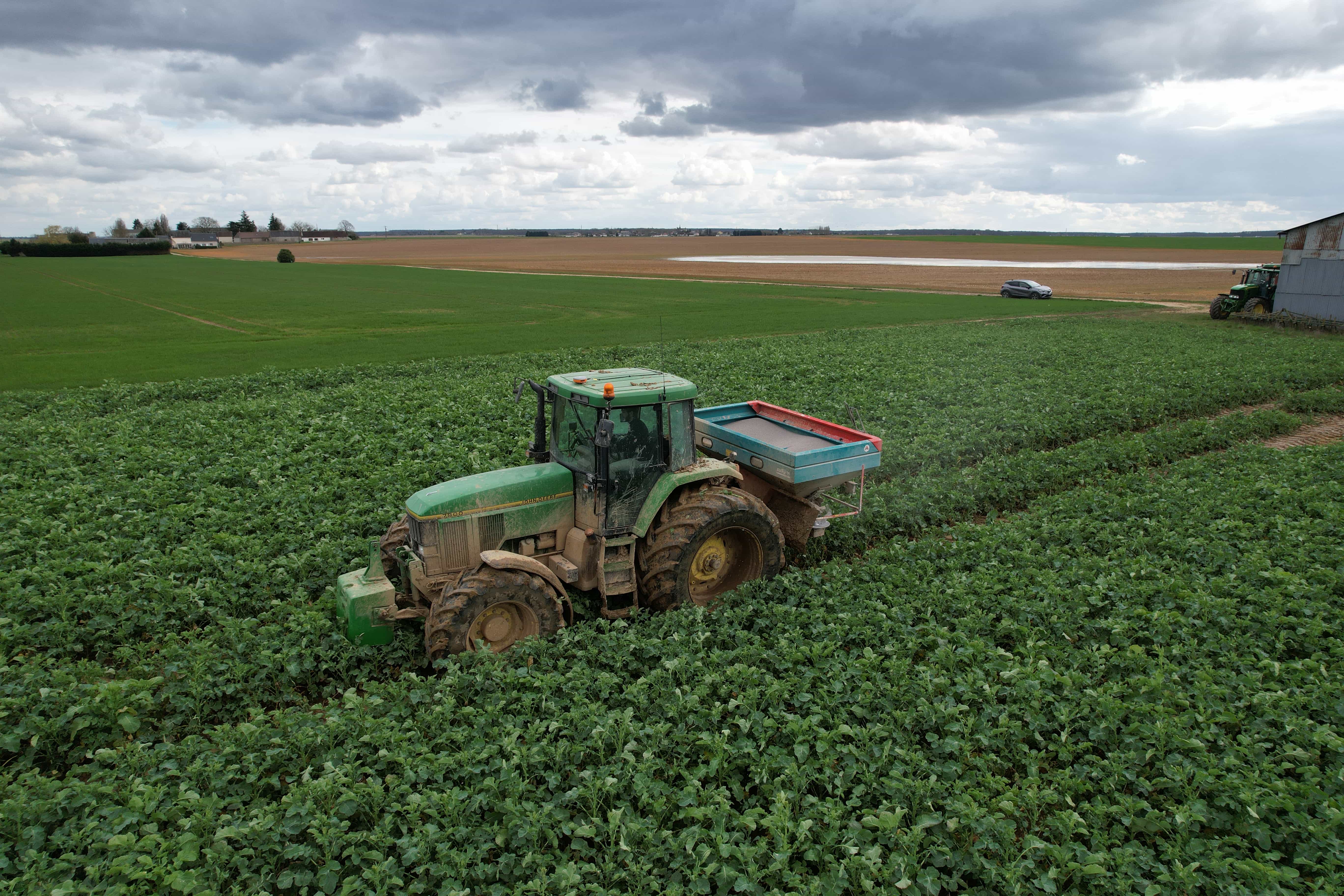
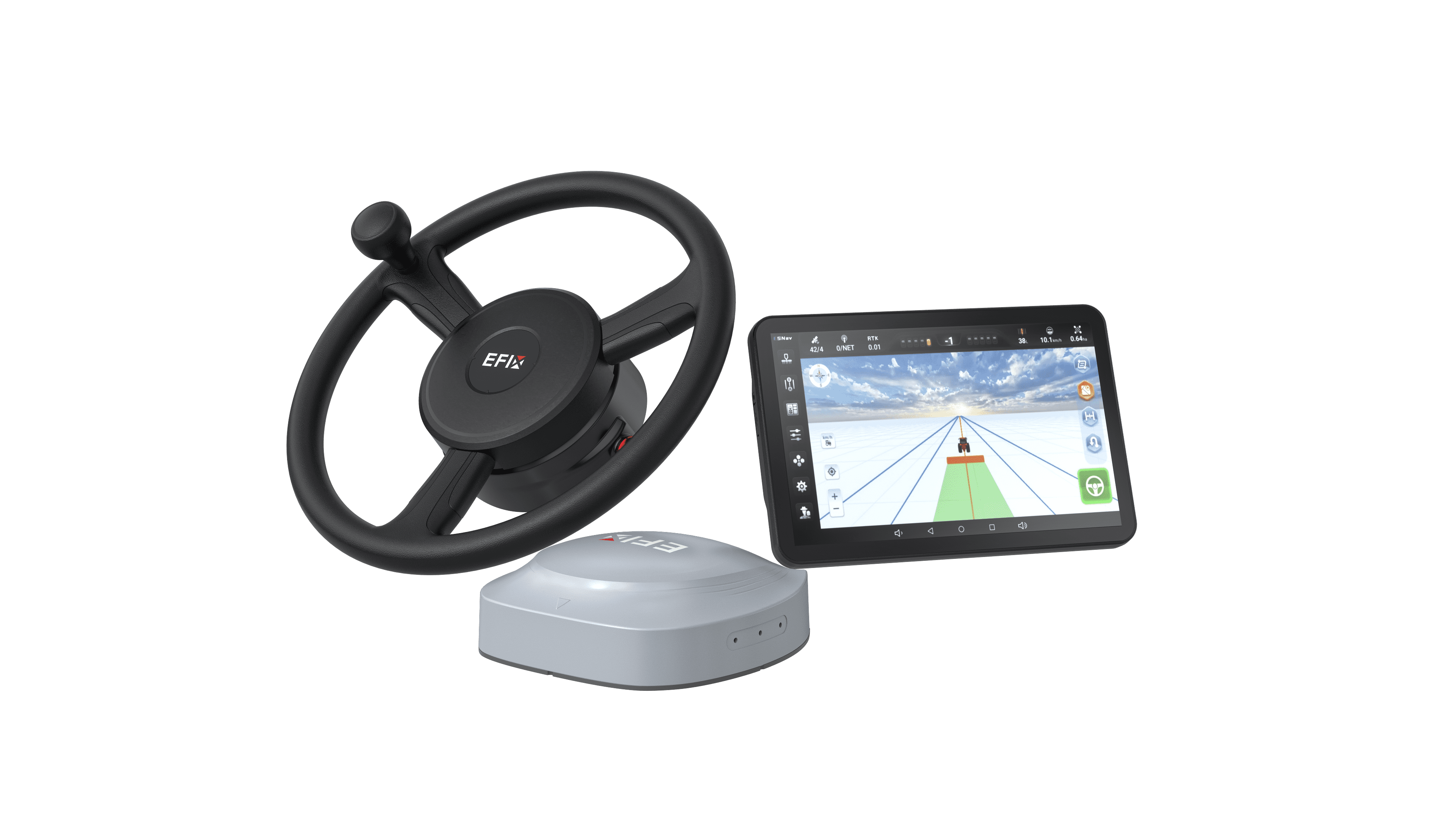
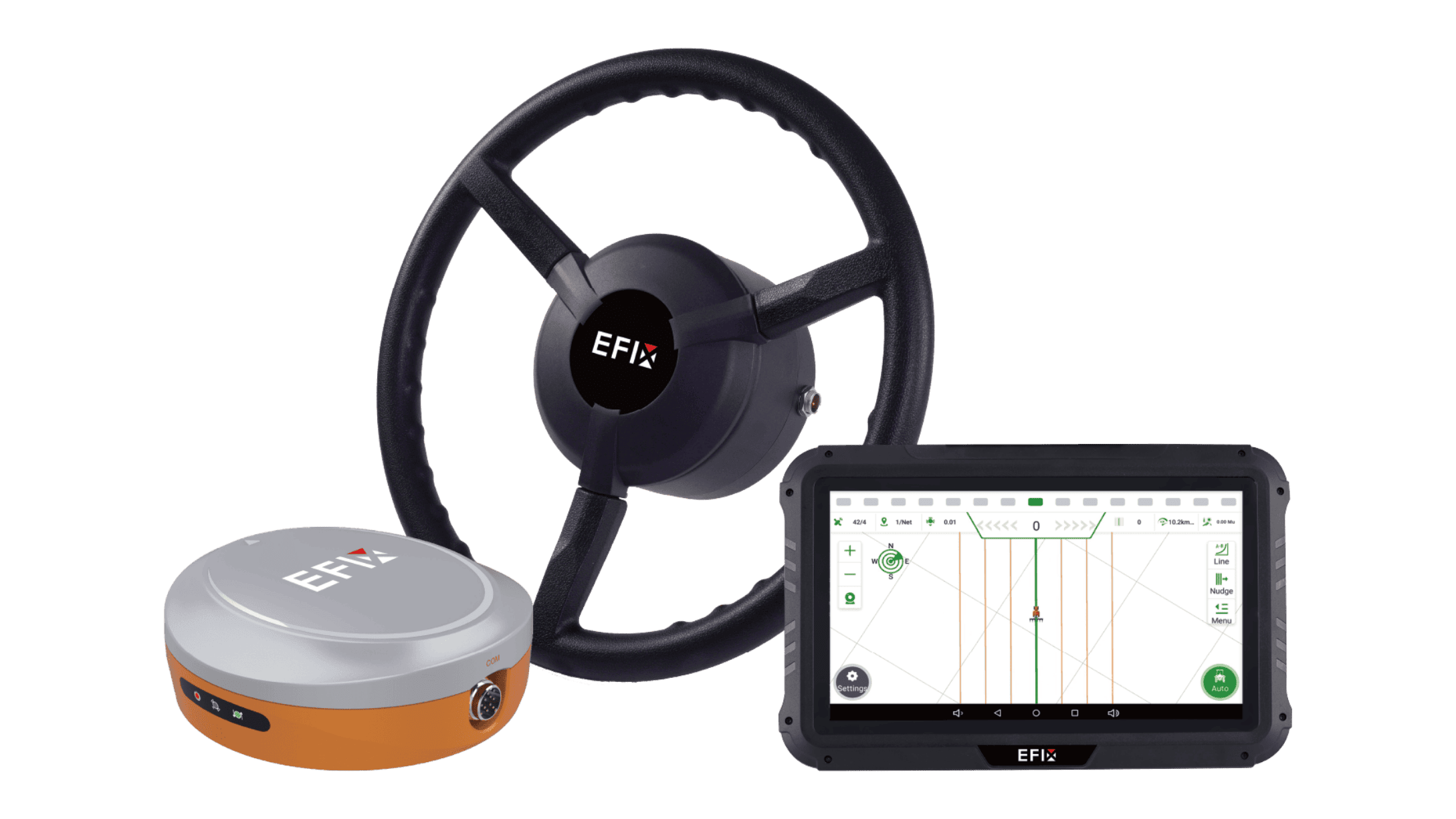
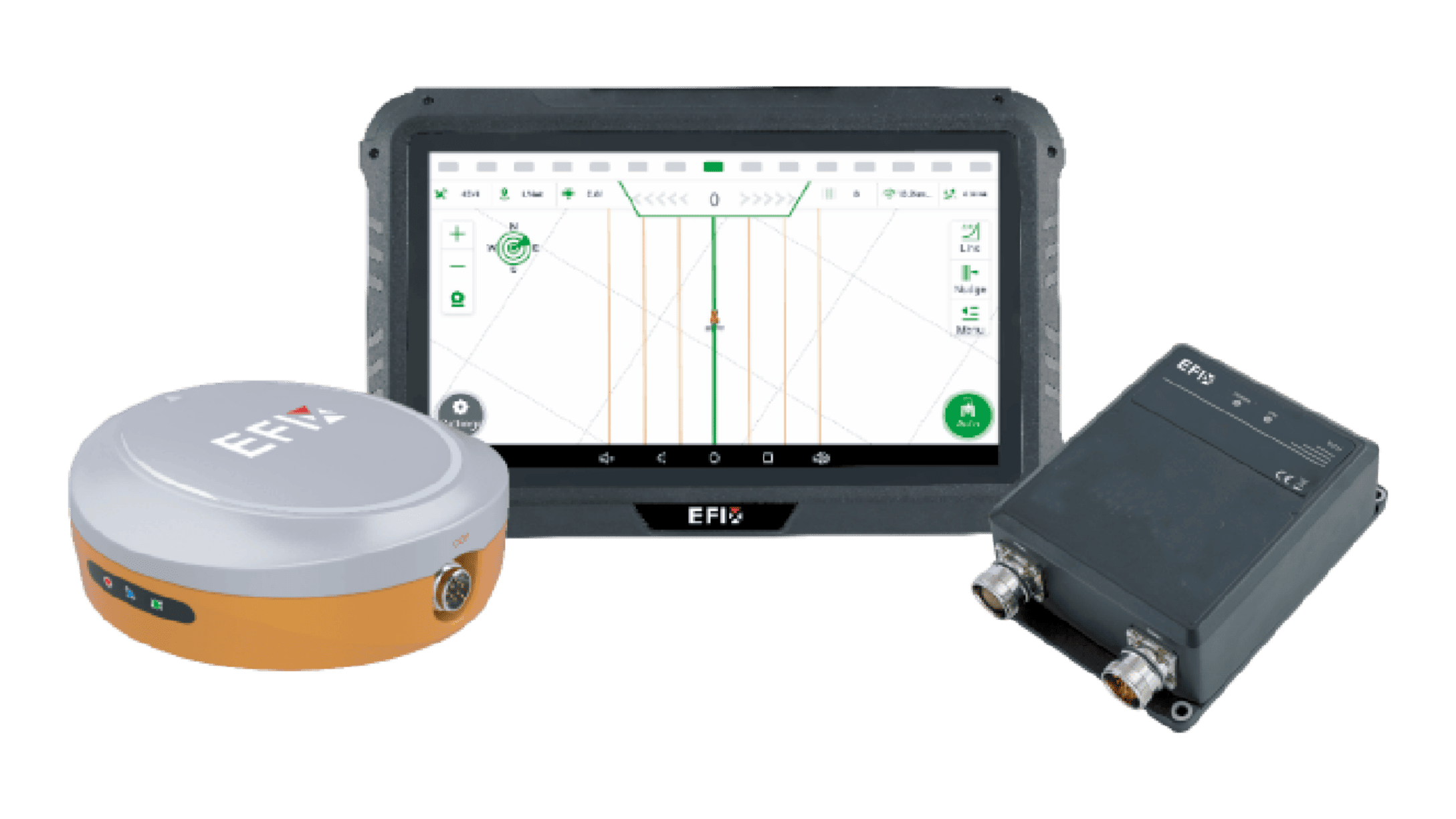
Getting down to a 2.5 cm accuracy level isn't just a luxury for modern farming; it is the backbone of efficient field management. When we talk to operators about their setup, the conversation often centers on how a high precision gnss receiver can pinpoint a tractor's location so accurately across hundreds of acres. The secret lies in the relationship between a stationary base and a mobile rover. While a standard GPS might put you within a few meters, we use a fixed base station to calculate the tiny errors caused by the Earth’s atmosphere and satellite clock drifts, sending those corrections instantly to the machine in the field.

Fixed Foundations for Absolute Stability
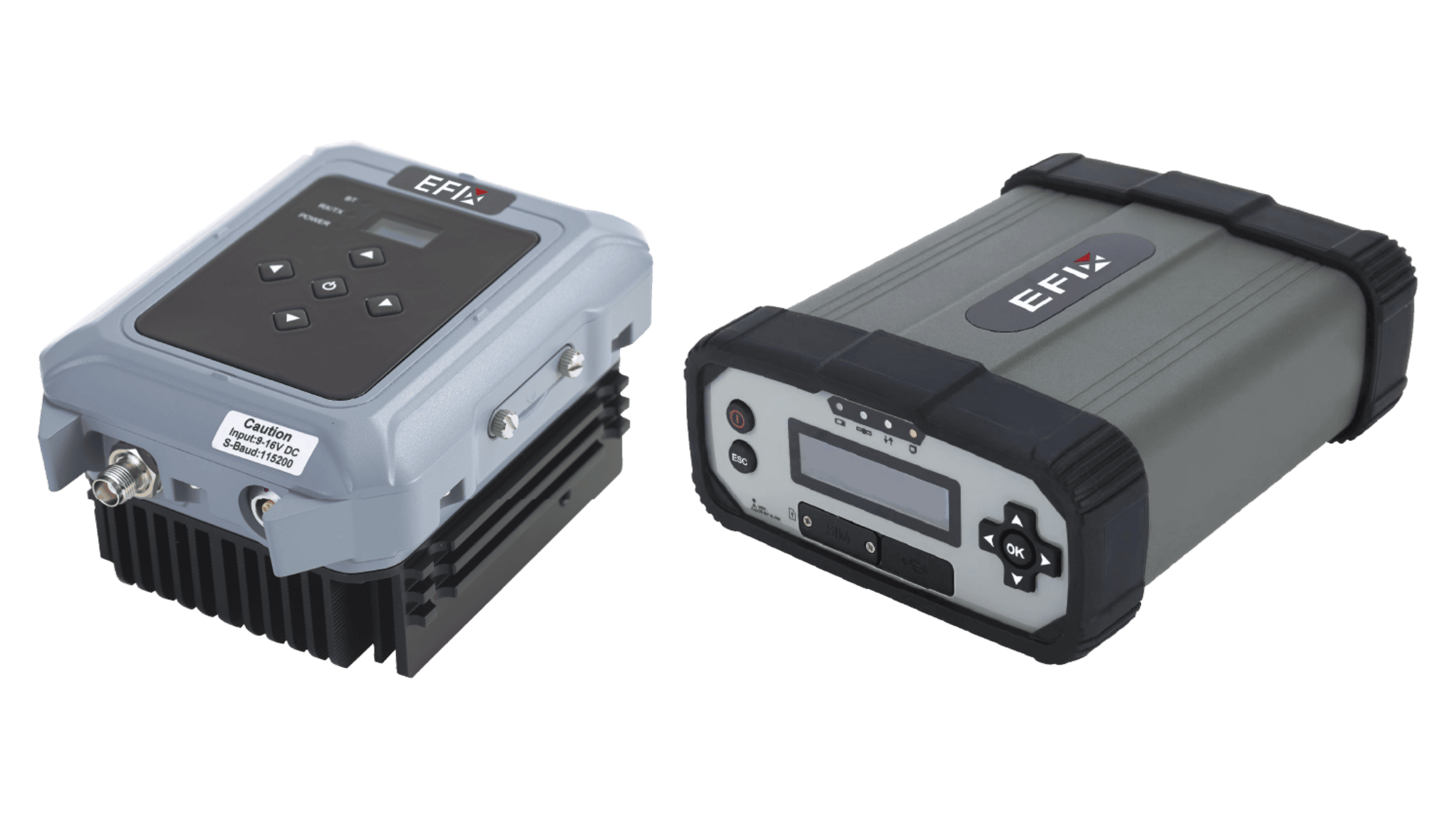
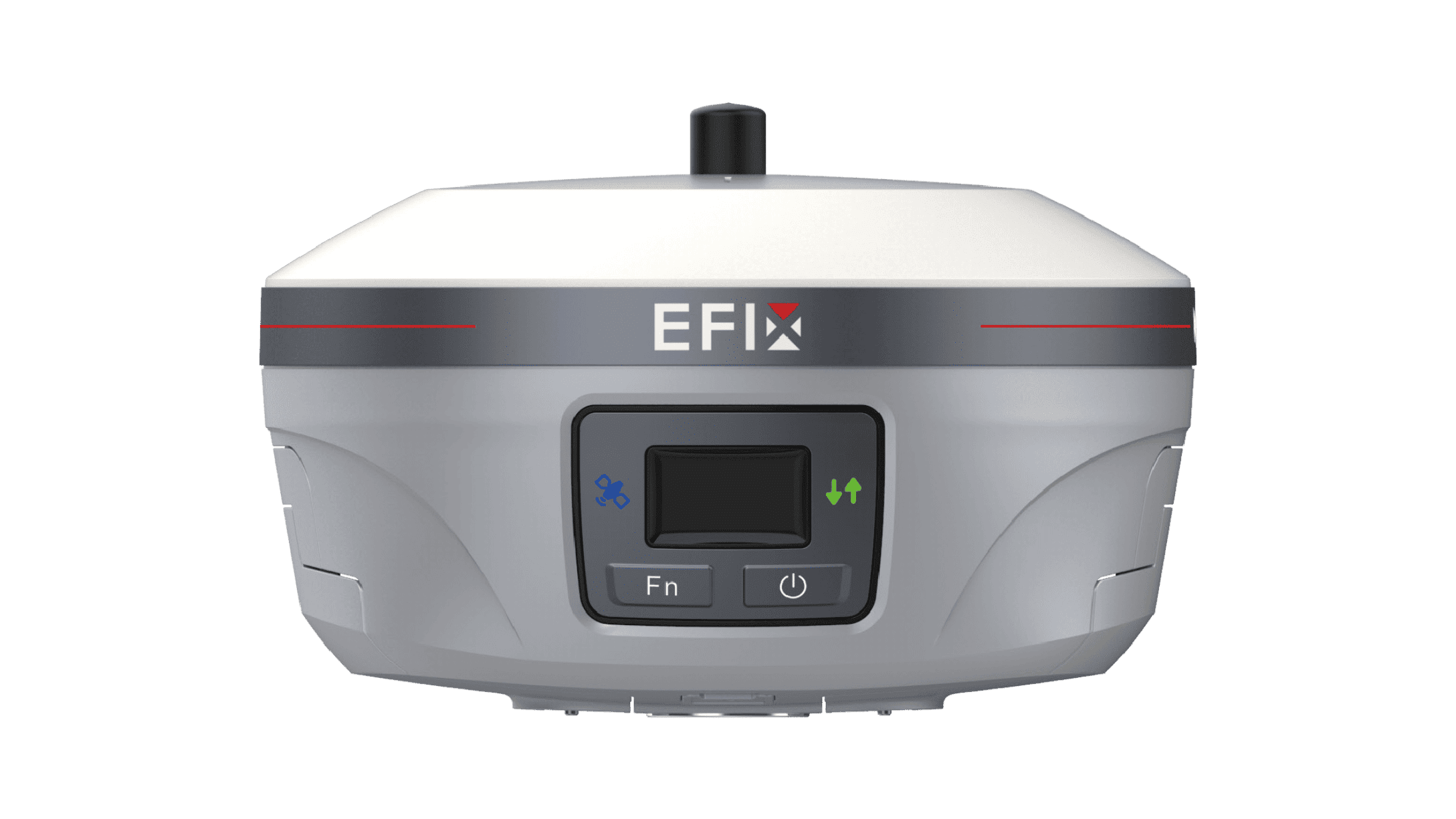
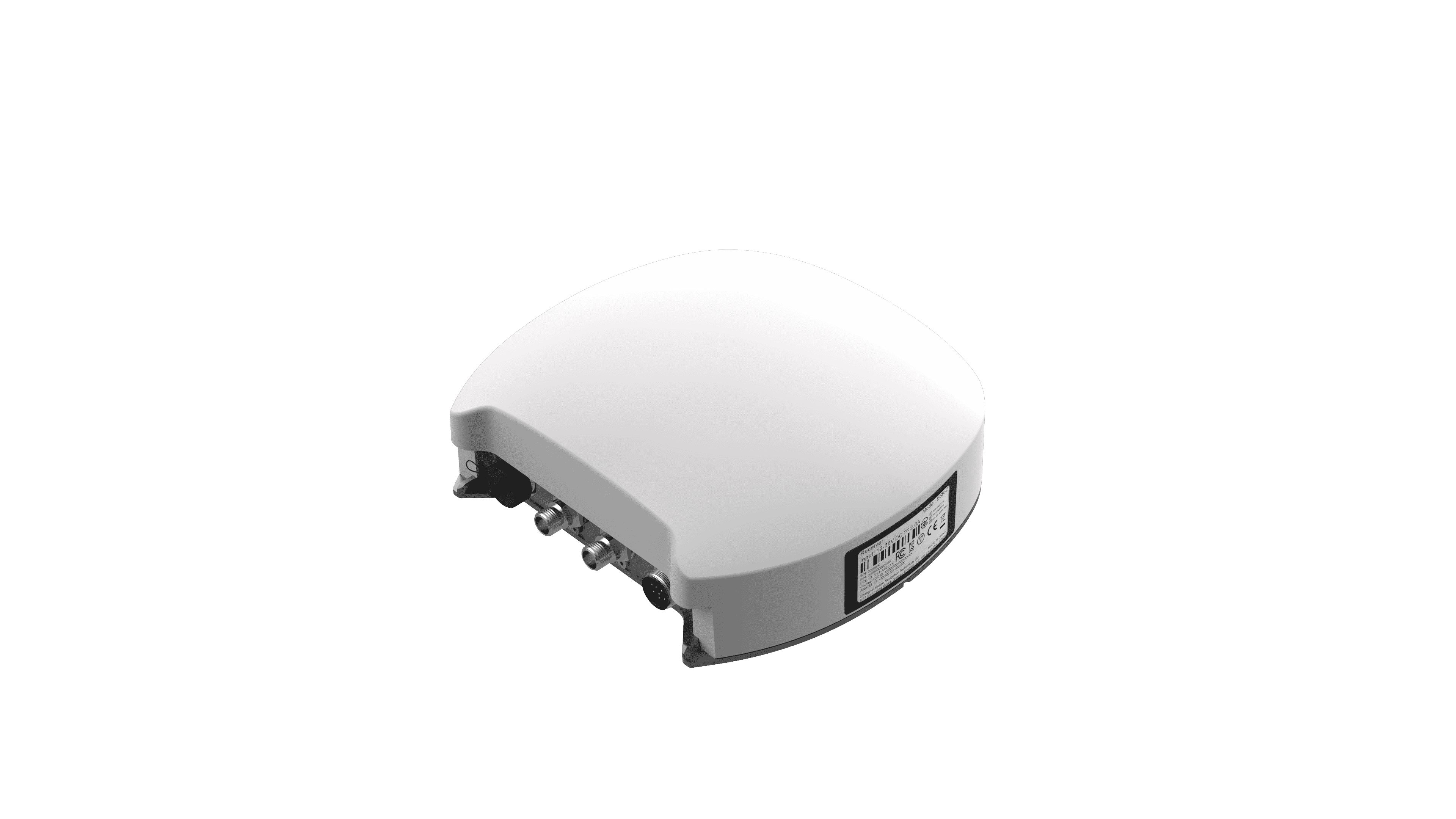
Establishing a reliable reference point is the first step toward getting those perfect rows. When we set up a device like the eBase, we are essentially creating a local anchor that knows exactly where it is on the planet. This high precision gnss receiver stays put, constantly comparing its known coordinates with the signals it receives from GPS, Glonass, Galileo, and BeiDou satellites. By identifying the exact "noise" in the signal at that specific moment, the base creates a correction profile. We find that having this physical hardware on the edge of your field provides a much more stable result than relying on distant public networks, especially in areas with spotty cellular coverage.
Real-Time Correction Streams
Data transmission is where the magic of centimeter-level accuracy actually happens during a busy workday. The base station doesn't just sit there; it broadcasts a stream of data via internal UHF radio or internet protocols to the tractor. This allows the mobile high precision gnss receiver on the cab to subtract the errors identified by the base station from its own reading. We’ve seen this work wonders during high-dust planting seasons where visibility is low but the digital signal remains crisp. It’s a continuous loop of communication that ensures the steering system reacts to the true position of the vehicle rather than a delayed or drifted estimate.
Overcoming Environmental Interference
Farmers often deal with challenges like rolling hills or thick tree lines that can bounce satellite signals around, a problem known as multipath interference. We focus on using advanced signal tracking technology to filter out these "fake" signals that lead to steering wobbles. A robust base station setup uses a 1608-channel architecture to lock onto every available satellite, even those low on the horizon. This density of data means that even if a few signals are blocked by a grain bin or a row of oaks, the system has enough redundant information to maintain that tight 2.5 cm pass-to-pass accuracy without skipping a beat.
Achieving this level of detail in the field comes down to having the right hardware talking to the right satellites at the right time. We at EFIX have seen time and again that once a farm moves to a dedicated base station model, the reduction in overlaps and skipped areas pays for the equipment in just a few seasons. By taking control of your own correction signal, you ensure that your equipment performs with the exactness required for high-yield agriculture. It isn't about complex theories; it is about having a solid, local source of truth for every move your tractor makes.