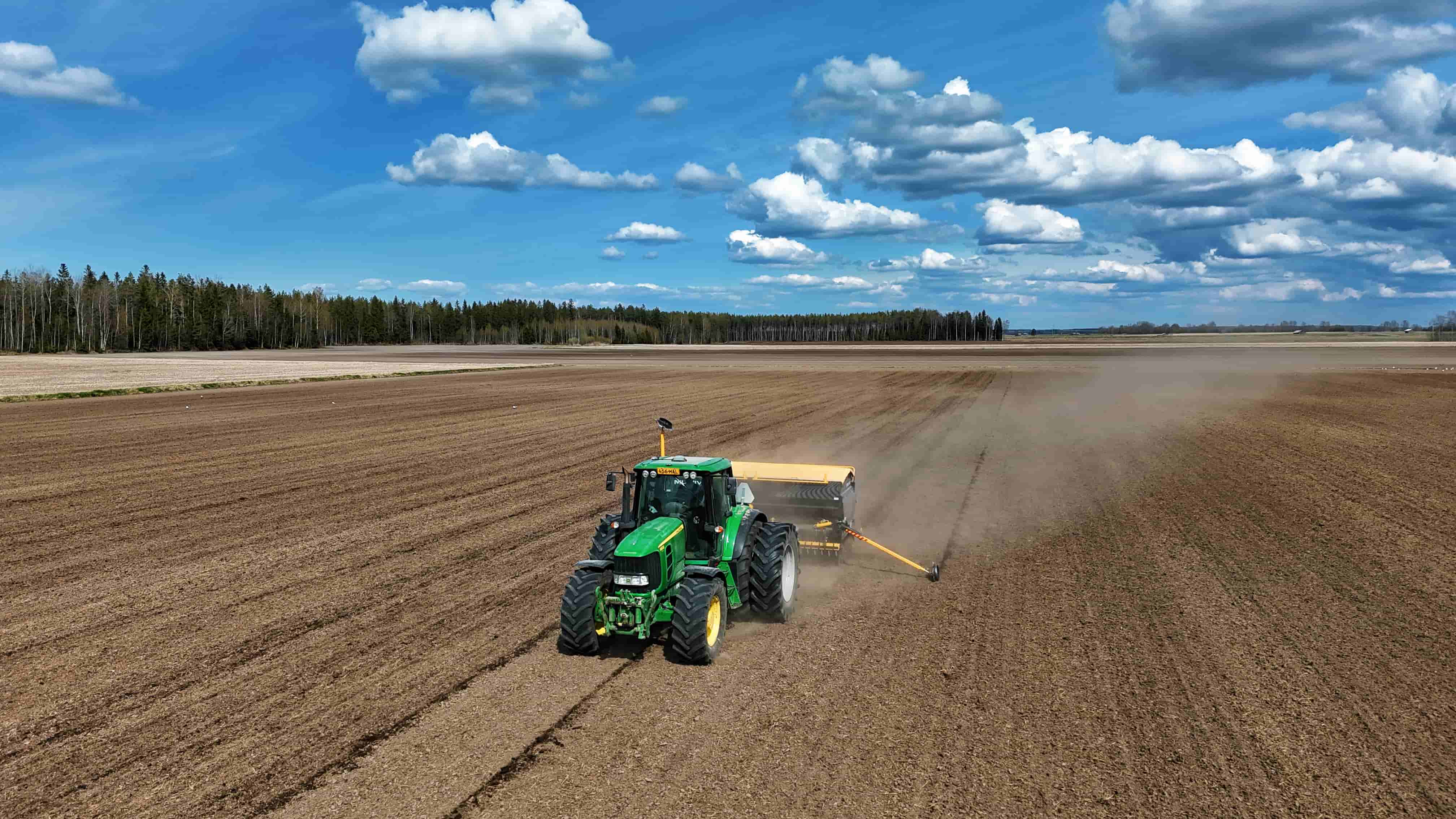
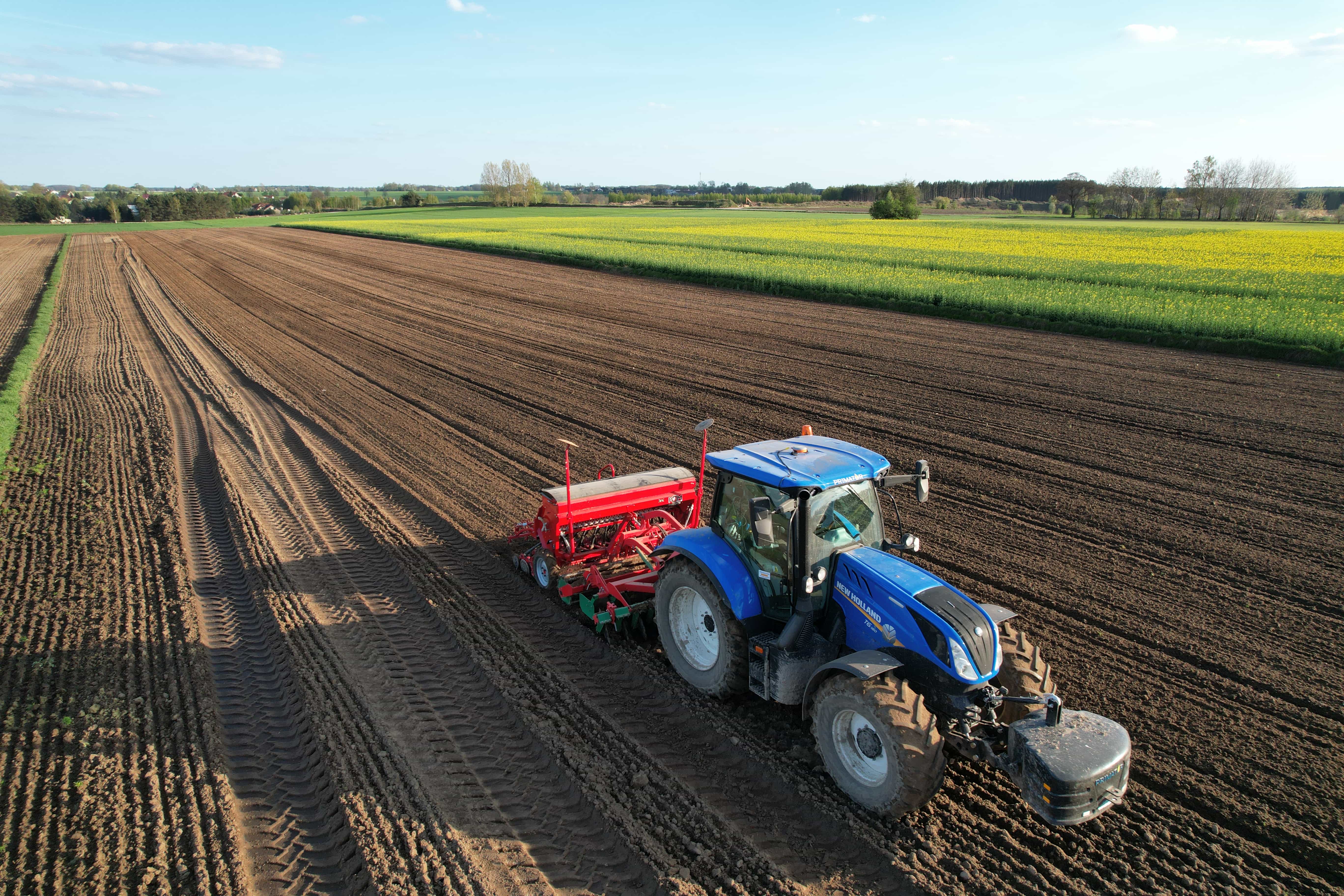
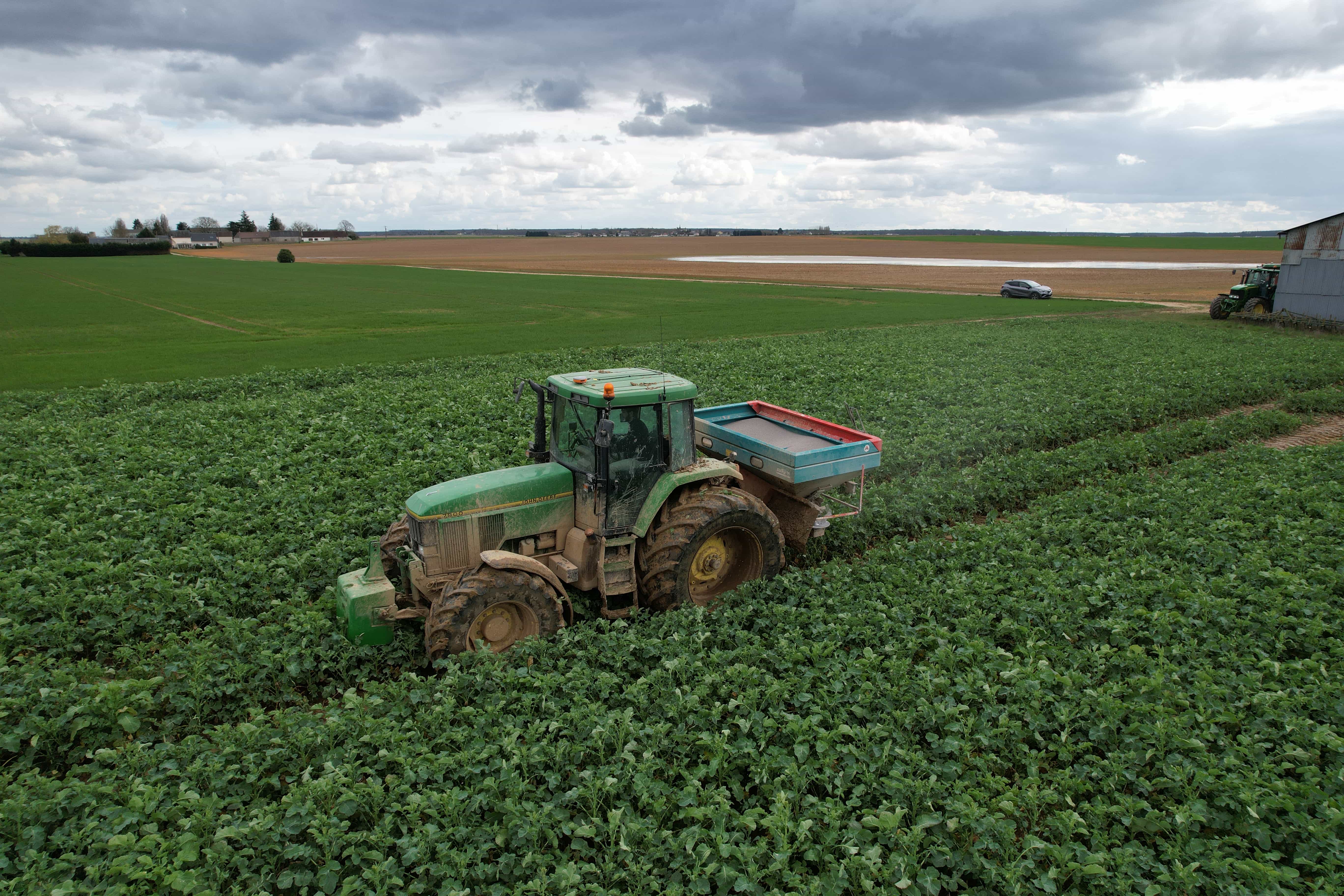
Farmers often have to complete planting, spraying, tillage, and other field work within narrow operating windows while managing labor, fuel, and input costs. Tractor auto steer can help by guiding machinery along consistent paths with less manual steering.
Rather than replacing the operator, it automates one repetitive part of field work. This article explains what the tractor auto steer is, how it works, and where it can improve day-to-day farming efficiency.

What Is Tractor Auto Steer?
Tractor auto steer is a guidance technology that uses satellite positioning and an onboard control system to keep a tractor precisely on a pre-set path, without the operator having to hold the wheel. Rather than relying on the driver's eye to judge straight lines and pass-to-pass spacing, the system continuously compares the tractor's real-time position to a planned line and adjusts the steering to match it.
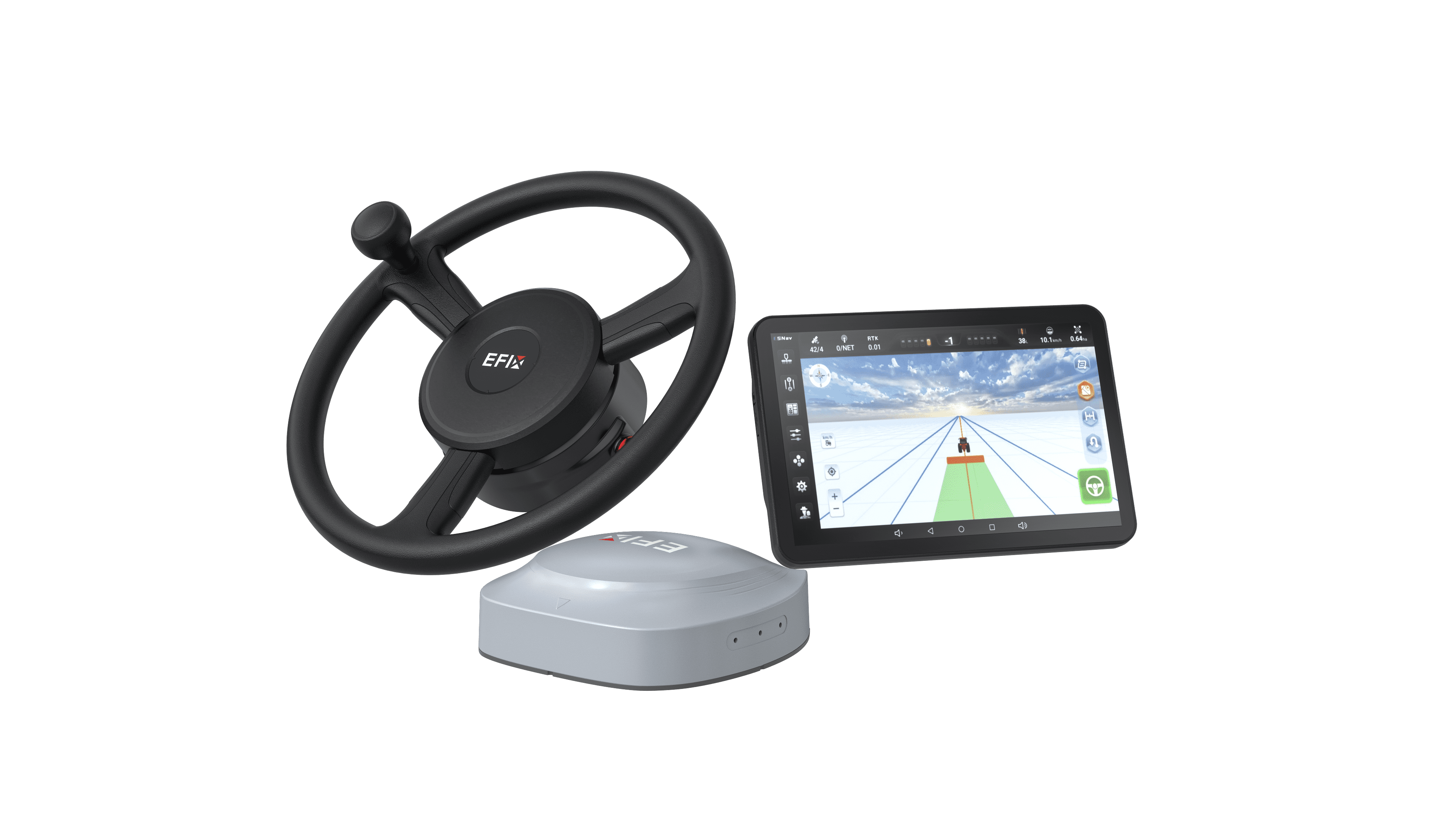
A typical auto steer system for tractors includes a few core components:
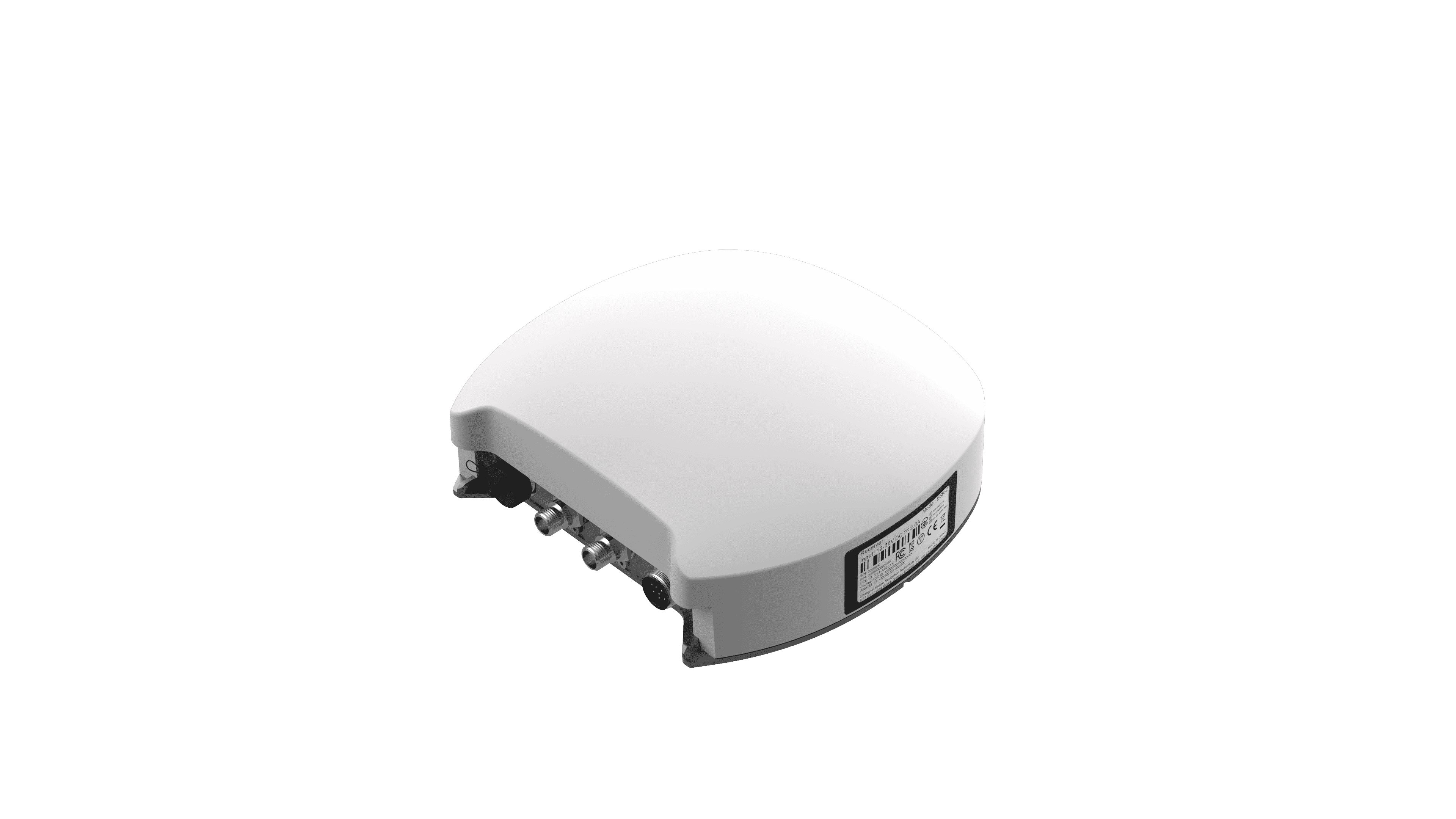
l GNSS/RTK antenna and receiver: Receives satellite signals and determines the vehicle’s position, with RTK correction enabling centimeter-level positioning accuracy.
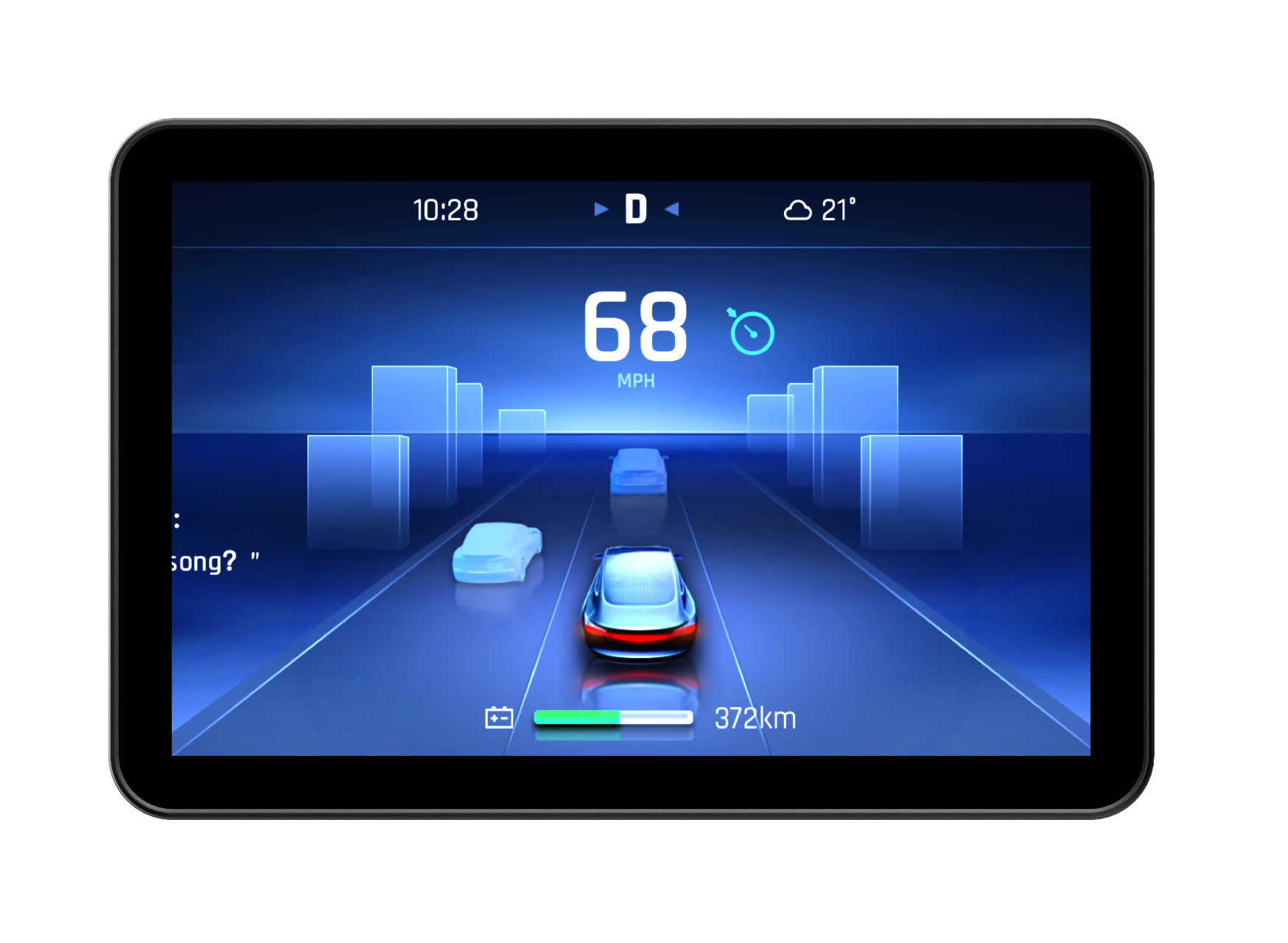
l Controller and display terminal: Processes positioning data, allows the operator to set guidance lines, and displays real-time field and steering information.
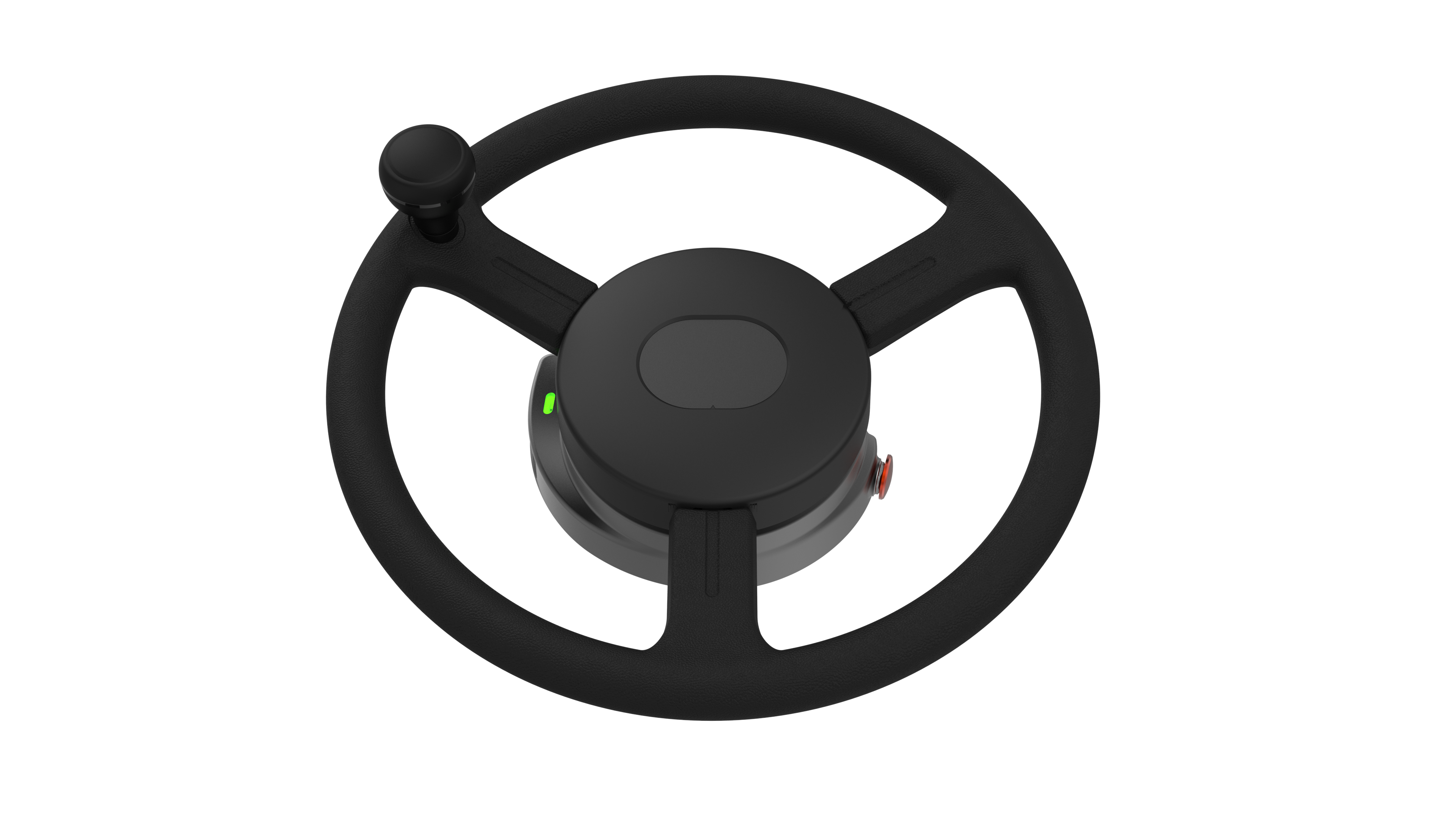
l Steering actuator: Executes steering commands through either an electric motor-driven steering wheel or a hydraulic steering system.
l Supporting sensors: Provide additional motion and steering feedback, such as terrain compensation from an inertial measurement unit (IMU) and wheel-angle feedback from an angle sensor.
Note: Auto Steer ≠ Full Autonomy
Tractor auto steer does not mean that no operator is required. While it significantly reduces manual steering effort and helps minimize operator fatigue during long hours in the field, it still requires a qualified operator to remain in the cab at all times.
The operator's responsibilities include:
l Monitoring the implement and overall system performance to ensure everything is functioning correctly;
l Avoiding obstacles that the system may not detect, such as rocks, trees, animals, or unexpected objects;
l Responding to emergencies or system malfunctions that require immediate human intervention;
l Adjusting settings on the fly, such as speed, implement depth, or application rates, based on changing field conditions.
In short, auto steer is a powerful driver-assist tool that automates steering along a predefined path, but the human operator remains the ultimate decision-maker and supervisor. Full autonomy, by contrast, would allow the machine to operate without anyone in the cab—handling turns, obstacle detection, and decision-making entirely on its own.
How Does Tractor Auto Steer Work in the Field?
1. Setting Up Boundaries and Guidance Lines
Before work begins, the operator maps the field boundary —either by driving the tractor around the perimeter or using a handheld receiver —and then chooses a guidance line type, commonly an AB line, but curved or contour lines are also supported depending on the field shape and crop.
2. Positioning Via GNSS/RTK
The GNSS antenna on the tractor roof receives satellite signals. Where RTK correction is available, the system narrows positioning accuracy from meter-level down to ±2.5 cm of the intended line.
3. Continuous Steering Adjustment
As the tractor moves, the controller compares its real-time position against the planned line, calculates any lateral or angular deviation, and sends correction commands to the steering actuator.
Feedback from the angle sensor helps the system fine-tune each adjustment so the tractor tracks the line smoothly rather than overcorrecting.
One practical advantage worth noting: Saved guidance lines can be reused across seasons and field operations. For example, planting, spraying, and harvesting can follow the same reference lines, helping maintain consistent machine paths and row alignment.
How Does Tractor Auto Steer Improve Farming Efficiency?
1. Reduced Overlap and Missed Strips
Manual steering can cause tractors to overlap previous passes or leave untreated gaps. Auto steer keeps the tractor on a planned path, helping each pass cover the right area. This reduces repeated work and missed sections, allowing field operations to be completed more efficiently.
4. Better Use of Inputs and Lower Operating Costs
By reducing overlap, tractor auto steer helps apply seed, fertilizer, fuel, and crop protection products only where they are needed. Less duplication means fewer wasted inputs and lower operating costs per hectare, improving the overall efficiency of each field operation.
5. More Field Work in the Available Time
Because auto steer keeps the tractor on a consistent line, operators can spend less time correcting direction and maintain a steadier working speed. It can also support accurate operation in dust, low light, or even at night, helping farmers make better use of limited planting, spraying, and harvesting windows.
6. More Accurate Field Operations and Better Crop Performance
Straighter rows and more consistent spacing make planting, spraying, fertilizing, and other field operations more precise. This reduces crop damage and uneven treatment while helping crops receive more consistent growing conditions. As a result, farmers can make better use of the same field area and potentially improve yield.
7. Reduced Operator Fatigue and Easier Machine Operation
Constantly steering a tractor for long hours requires concentration and can cause fatigue. Tractor auto steer handles much of the steering work, allowing operators to focus on implement settings, field conditions, and machine performance. This helps maintain consistent work quality for longer periods and makes precise operation easier for less experienced operators.
8. Data, Precision, and Future-Ready Farming
Auto steer systems can also save field boundaries, guidance lines, and coverage data for future operations. When combined with technologies such as section control, prescription maps, or implement guidance, this information helps coordinate field work more accurately and reduces unnecessary passes, input use, and repeated setup.
Practical Considerations: Cost, Setup, and Suitability
Not every farm needs the same tractor auto steer setup, and choosing the right one depends on the fleet, budget, and operations involved. The two main factors to consider are system compatibility and the level of positioning accuracy your operation requires.
1. Factory-Integrated Steering vs. Aftermarket Add-On Kits
Depending on the integration method, tractor auto steer systems can generally be divided into two types: factory-integrated steering systems and aftermarket add-on kits.
| Comparison Factor | Factory-Integrated Steering | Aftermarket Add-On / Retrofit Kits |
| Definition | Steering hardware and control components are installed during tractor manufacturing or supplied as an OEM-integrated solution. | Third-party auto-steering systems installed on an existing tractor. These may include electric motor-based kits and some hydraulic retrofit systems. |
| Installation Timing | Relevant steering hardware is pre-installed at the factory before the tractor is delivered. | Installed after the tractor has been purchased, usually by a dealer, technician, or the user. |
| Typical Suppliers | Usually tractor OEMs such as John Deere, CNH, and AGCO. | Mainly third-party precision agriculture suppliers, such as EFIX, Trimble, and Hexagon/Ag Leader. |
| Cost | Generally higher because the steering system is purchased as an OEM option or integrated technology package. | Generally lower. Entry-level electric steering kits may cost only a few thousand dollars, depending on configuration and accuracy requirements. |
| Flexibility | Lower. Systems are typically designed for specific tractor brands, models, or vehicle platforms. | High. Many systems can support multiple tractor brands and models, and some components can be transferred between machines. |
| Compatibility & Integration | Typically offers deeper integration with the tractor's steering, electronic, and control systems because the hardware is designed around the vehicle platform. | Depends on tractor compatibility, system configuration, and installation quality. Hydraulic and electronic interfaces must be matched correctly to the vehicle. |
| Performance Considerations | Generally provides consistent integration and operation because the steering system is configured as part of the tractor's original design. | Performance can be very good when the system is properly selected, calibrated, and installed, but results may vary by tractor and installation. |
| After-Sales Service | Usually handled through the tractor manufacturer's dealer and service network. | Usually provided by the kit manufacturer, distributor, or authorized dealer network. |
| Best Suited For | Buyers purchasing new tractors who prioritize OEM integration and centralized dealer support. | Farmers who want to upgrade existing tractors, operate mixed-brand fleets, or need a more flexible and cost-conscious solution. |
EFIX offers both retrofit tractor auto steer systems and customized auto steer services for tractor manufacturers. Below are two of our tractor auto steer systems.
eSteer20 Max vs. eSteer Ready
| Comparison | eSteer20 Max | eSteer Ready |
| System Type | Motor-driven steering wheel system | Hydraulic steering integration system |
| Installation Approach | Adds a motor-driven steering wheel without modifying the tractor's hydraulic steering system | Works through the existing hydraulic steering system with minimal modification |
| GNSS Correction Support | SPP, DGPS, RTK, H-PPP, and PointSky | All industry-standard DGPS and GNSS RTK correction services |
| ISOBUS Support | Full ISOBUS support, including UT, SC, and GEO supported | ISOBUS compliant |
| Key Advantage | Broader functionality and greater expandability for precision farming | Faster integration with the existing steering system and simpler installation |
| Best Suited For | Best when versatility and advanced guidance modes matter more than hydraulic torque — ideal for lighter tillage, seeding, and year-round multi-purpose use. | Best when raw steering power and ultimate pass-to-pass accuracy are non-negotiable — designed for heavy tillage and harsh soil conditions where electric motors may struggle. |
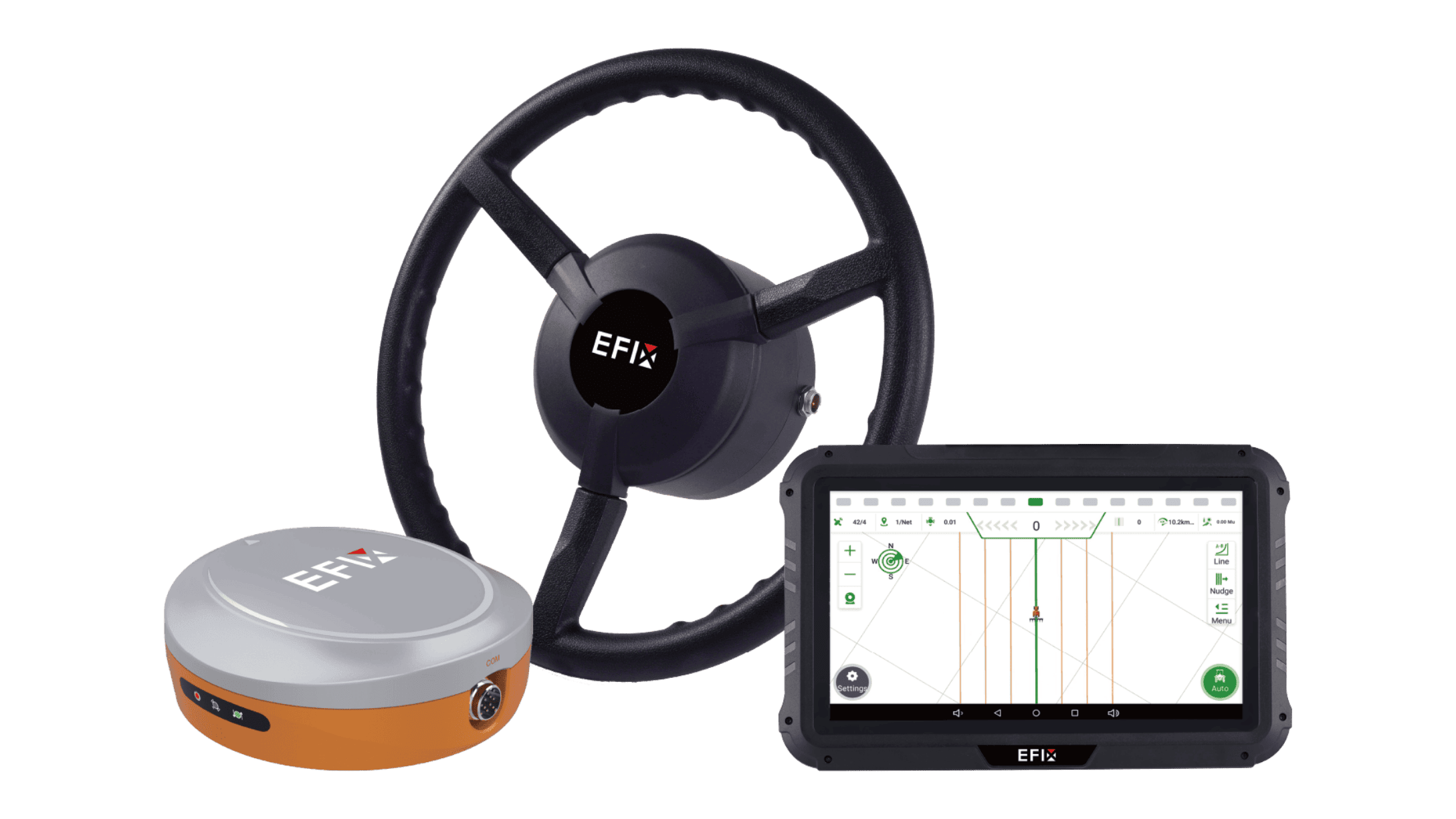
EFIX eSteer20 Max is a motor-driven auto steering system for flexible retrofit and precision farming. It delivers ±2.5 cm accuracy, supports multiple GNSS modes, ISOBUS control, and expandable guidance functions, making it suitable for versatile field operations.
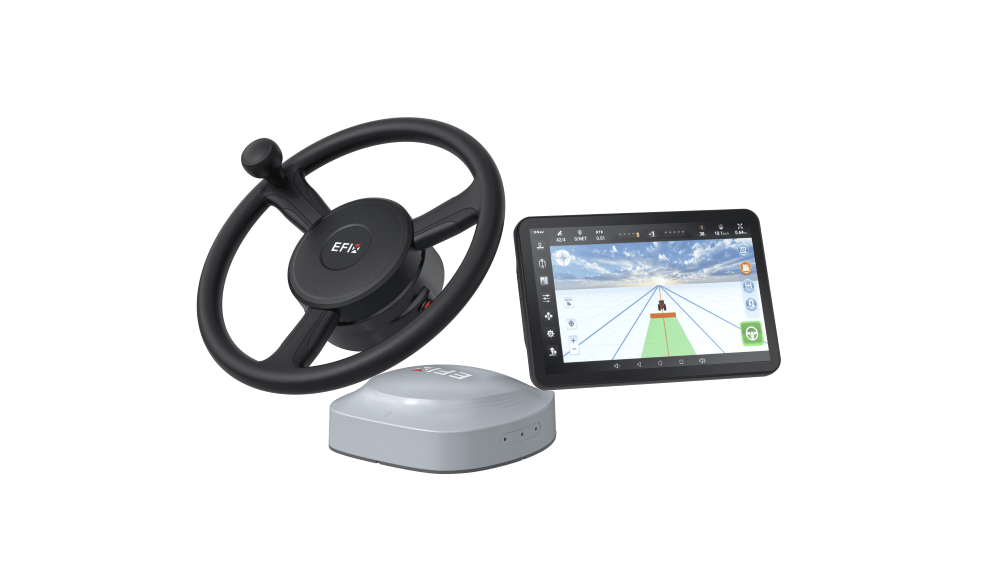
Picture shown: EFIX eSteer20 Max
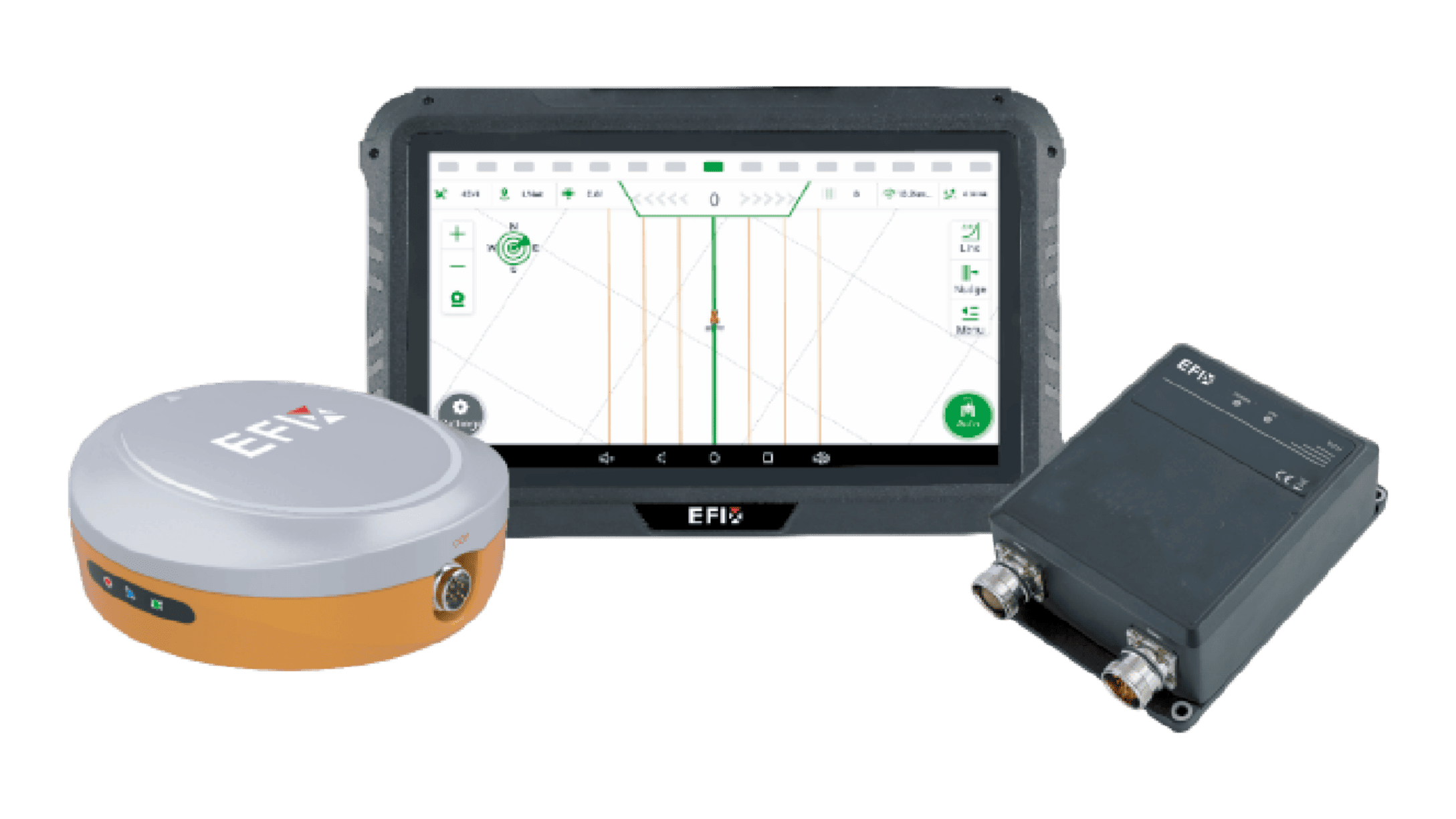
EFIX eSteer Ready is a hydraulic auto steering solution that interfaces with the tractor's existing hydraulic steering circuit. It supports PWM/CANBUS, offers ±2.5 cm accuracy, and is designed for easy installation on steer-ready tractors with minimal modification.
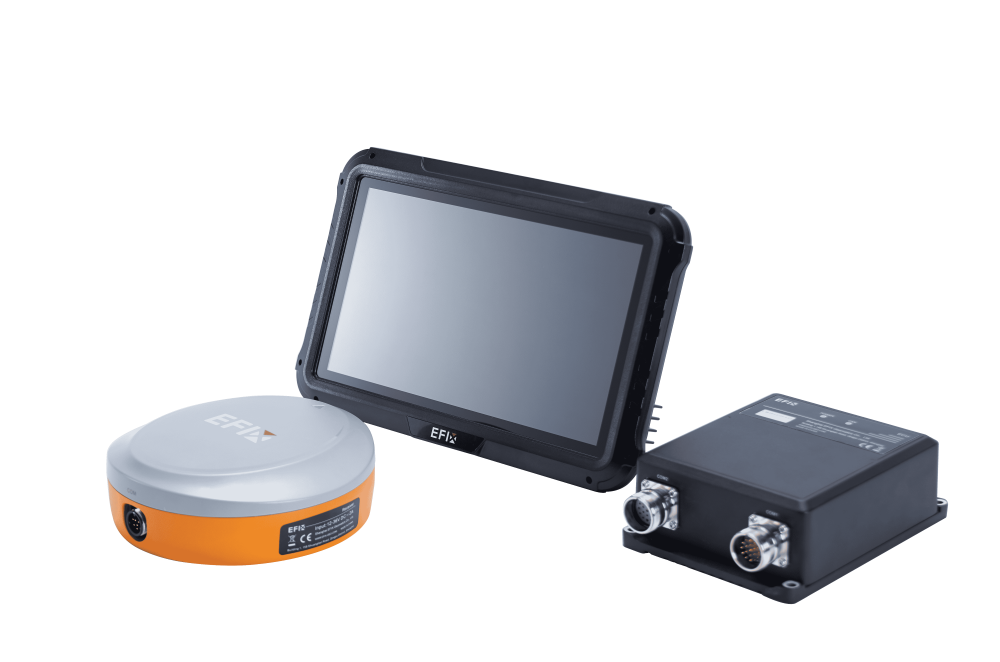
Picture shown: EFIX eSteer Ready
2. How to Choose the Right Positioning Accuracy for Farming Operations
| Accuracy Level | Typical Value | Core Technology | Best Suited For |
| Decimeter-to-meter-level | / | SBAS | Operations where precise pass-to-pass accuracy is less critical, such as spreading or rough tillage. |
| Centimeter-to-decimeter-level | / | PPP | A wide range of tasks, providing a good balance of cost and performance for many farming needs. |
| Centimeter-level (top-tier) | ±2.5 cm | RTK correction signals from a base station or network | The most demanding and value-adding tasks, such as planting, seeding, strip-tilling, and precise spraying. This is the standard “high accuracy” benchmark in the industry. |
Conclusion
Tractor auto steer improves farming efficiency mainly by making machine travel more consistent. It can reduce overlaps and missed strips, support more disciplined input use, decrease steering workload, and establish repeatable guidance for multiple field operations.
For farms, dealers, or OEM teams considering an auto-steering upgrade, EFIX offers different system architectures and positioning options that can be evaluated against the tractor platform, local correction environment, working conditions, and required precision. Contact EFIX to explore an auto-steering solution suited to your operation or machinery platform.