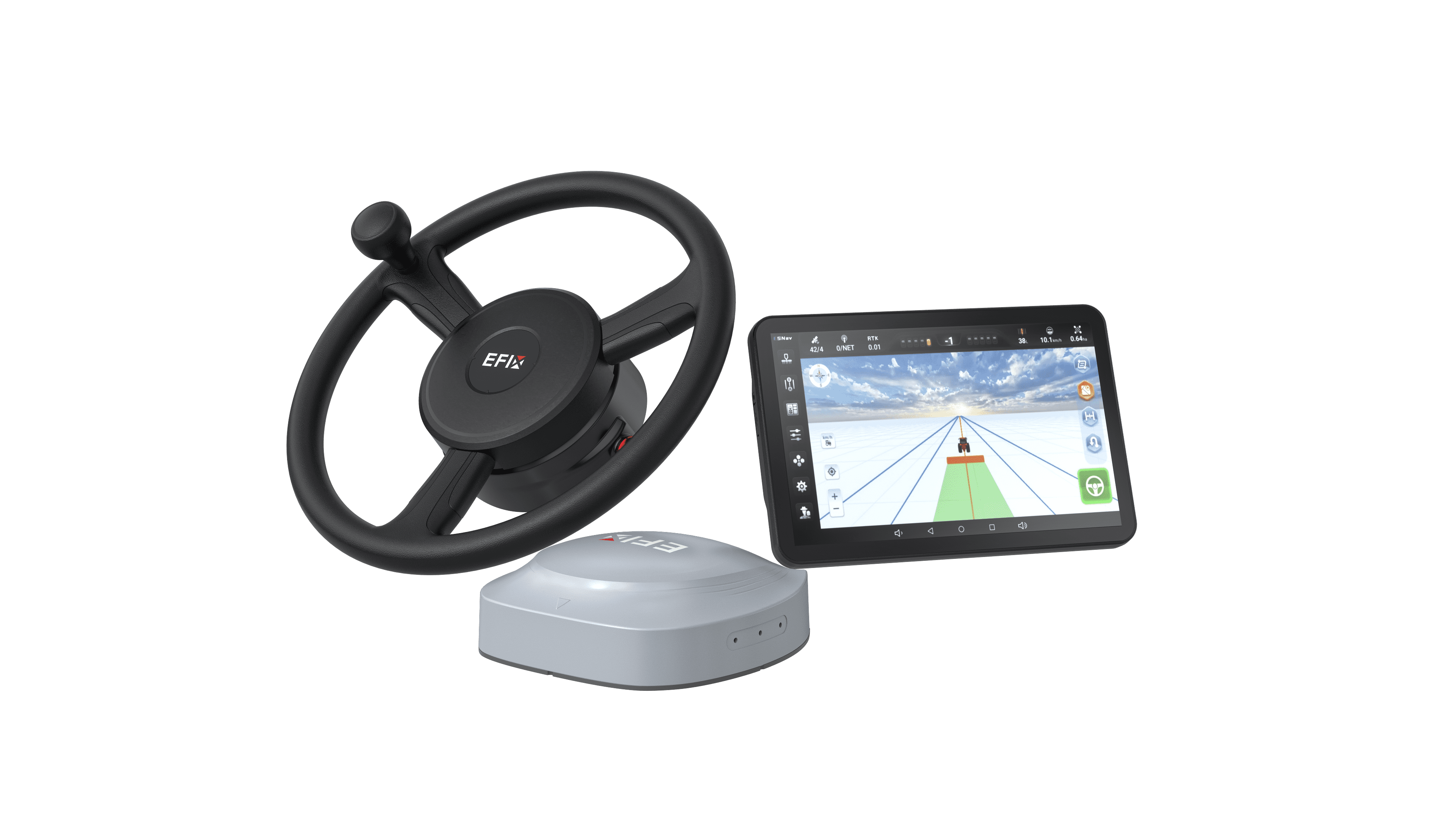
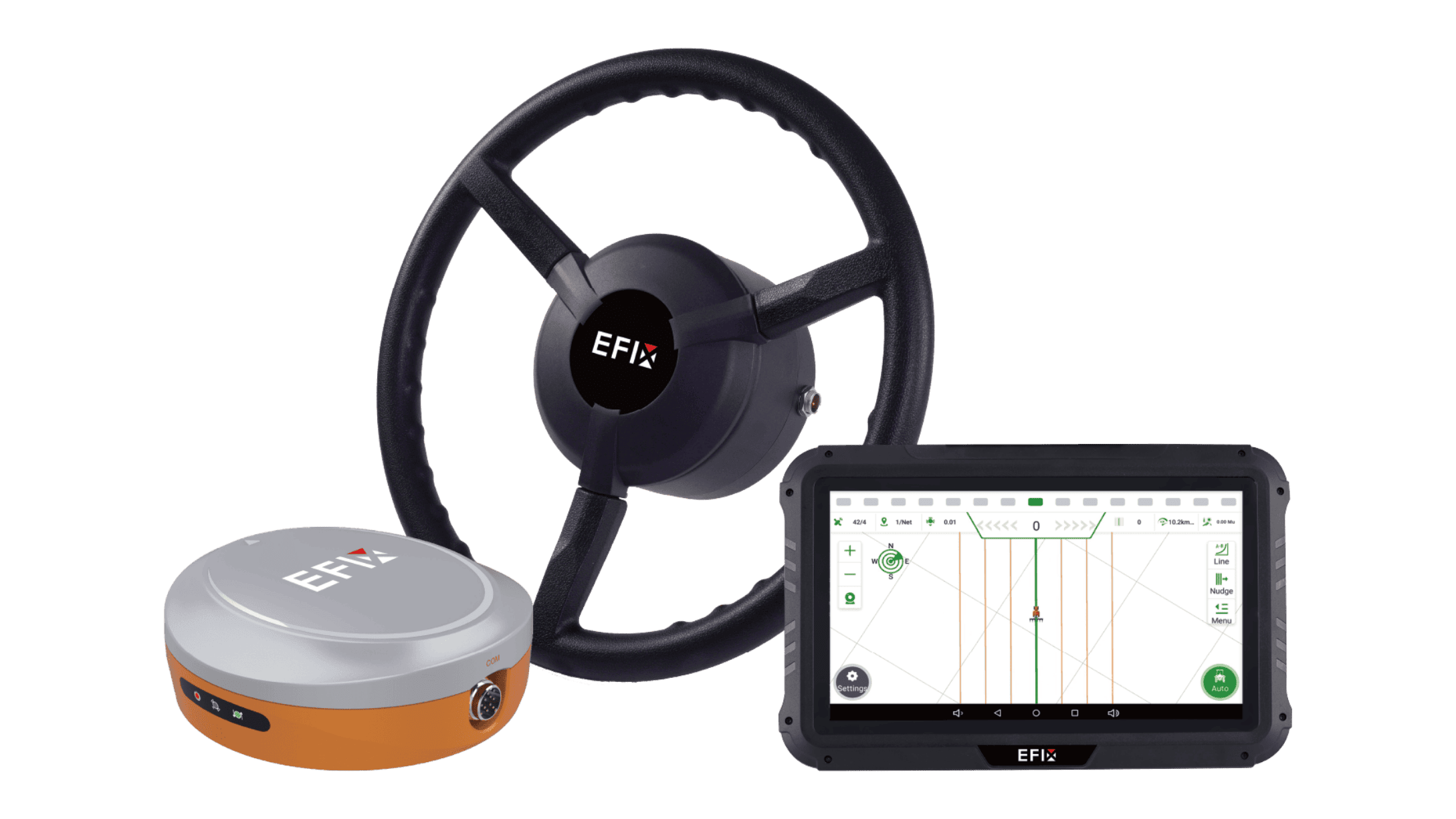
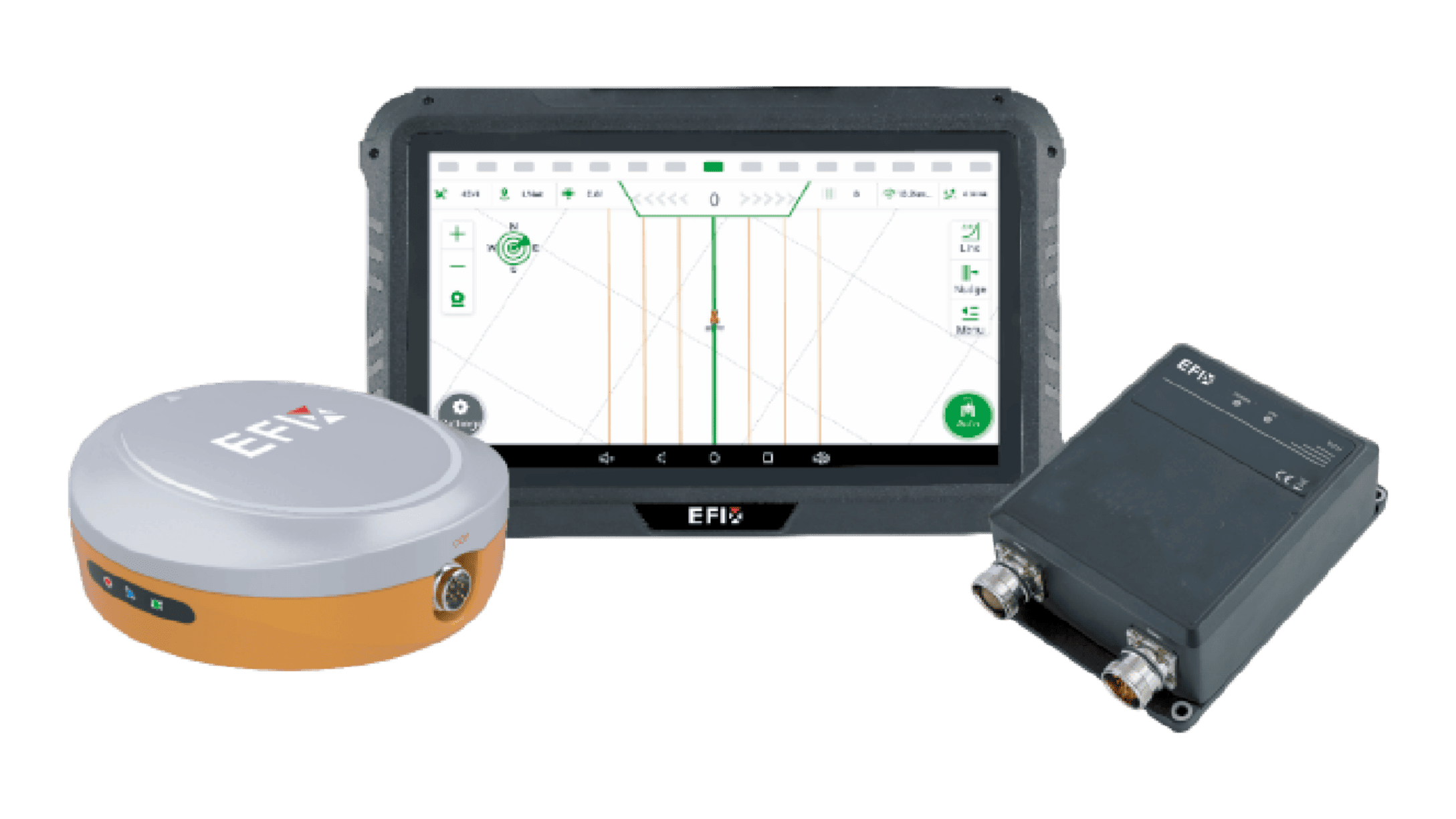
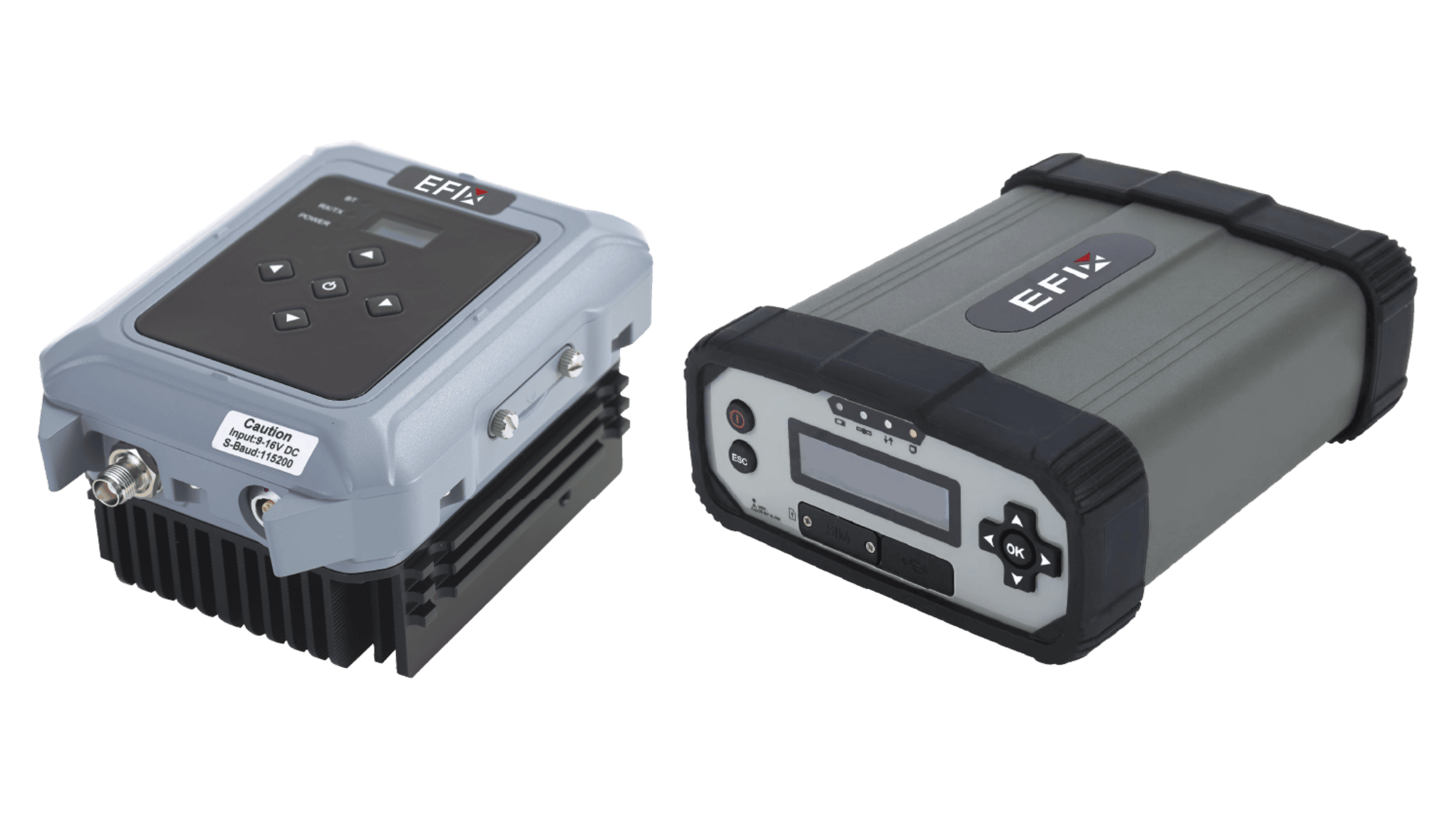
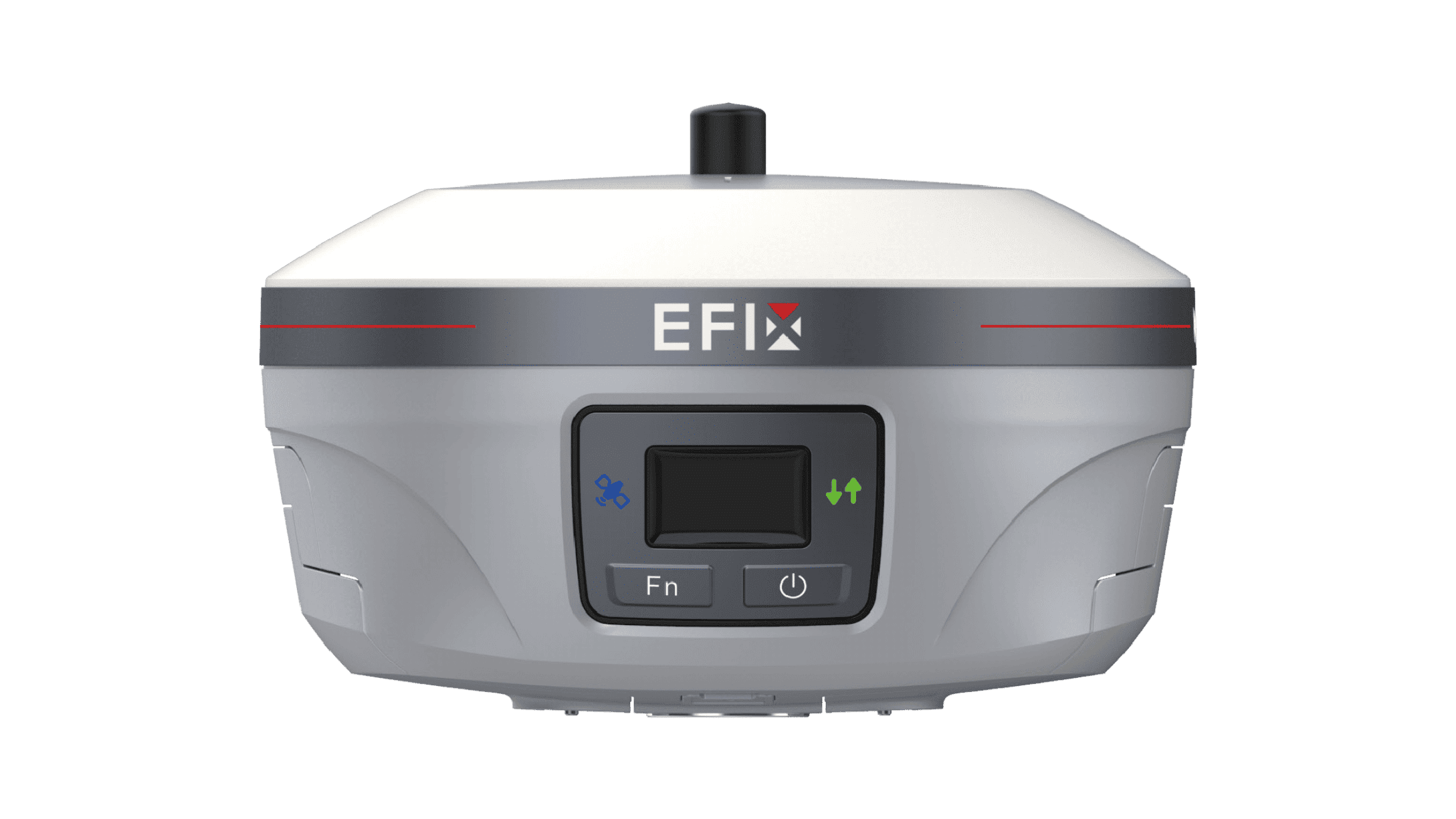
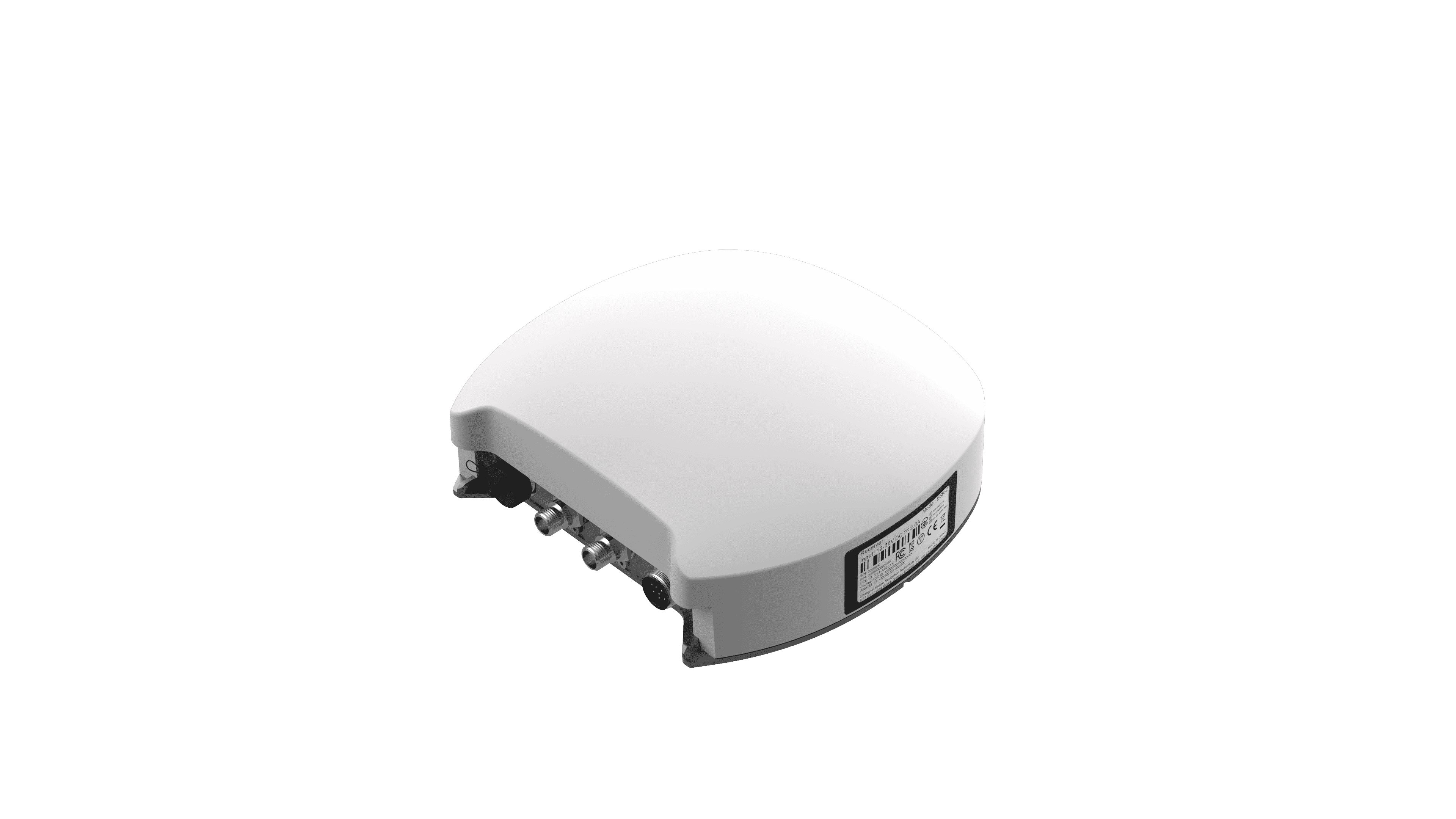
Exploring the available agricultural GPS guidance systems for sale involves evaluating their concrete contributions to a farm’s operational framework. At Efix, we consider these systems for their layered impact, which extends well beyond automated steering. The benefits interconnect, creating a cumulative effect that influences efficiency, data management, and future capability. Here, we detail ten distinct advantages that these systems deliver.

One: Direct Reduction in Input Overlap and Waste
A primary benefit is the immediate conservation of valuable inputs. During seeding, spraying, and fertilizing, the system's precise parallel passes eliminate overlap. This directly saves seeds, chemicals, and fertilizers, ensuring each input is placed only where intended. The financial savings on materials can be substantial over a single season, providing a clear return on investment. This precise application is a foundational reason to examine the agricultural GPS guidance systems for sale today.
Two: Lowered Fuel Consumption and Engine Hours
By creating the most efficient path across a field, the guidance system significantly reduces the total distance traveled to complete an operation. Fewer unnecessary turns and corrected overlaps mean less fuel burned and fewer engine hours accumulated on machinery. This not only lowers operating costs but also contributes to better machinery longevity and reduced emissions from equipment.
Three: Decreased Operator Fatigue and Increased Focus
Automated steering relieves the physical and mental demand of manually holding a perfect line for hours. The operator's role shifts from constant steering correction to monitoring implement performance, machine settings, and field conditions. This leads to higher-quality work, especially during long days, and can improve job satisfaction and safety by reducing fatigue-related errors.
Four: Extended Operational Windows into Low-Visibility Conditions
Guidance technology enables productive work to continue in conditions that would otherwise halt operations. This includes early morning fog, dusk, nighttime, or intense dust from tillage. The system relies on satellite signals, not human sight, allowing critical tasks to proceed and helping farms stay on schedule during compressed planting or harvest seasons.
Five: Creation of Accurate, Georeferenced Field Records
Every pass with an activated system creates a digital record tied to specific geographic coordinates. This generates precise as-applied maps for planting, spraying, and spreading. These records are necessary for verifying practices, analyzing outcomes, and building a permanent field history that informs future decisions, adding a layer of accountability and insight to every operation.
Six: Foundation for Variable-Rate Technology (VRT) Implementation
The accuracy provided by a guidance system is a prerequisite for effective variable-rate application. To tailor input rates to different soil zones or yield potentials, equipment must first travel a consistent, repeatable path. A reliable guidance system provides this foundational layer of precision, enabling the full potential of VRT to maximize input efficiency and crop response.
Seven: Improved Soil Health Through Controlled Traffic Farming
By confining all heavy machinery to the same wheel tracks season after season, guidance systems facilitate controlled traffic farming. This practice limits soil compaction to less than 50% of the field area, leaving the crop root zones undisturbed. Improved soil structure enhances water infiltration, root development, and overall crop resilience, leading to better long-term yield stability.
Eight: Support for Succession Planning and Workforce Development
Consistent, repeatable results become less dependent on a single operator's skill level. A guidance system helps standardize field operations, making it easier to train new or seasonal employees. This captured expertise within the technology supports smoother succession planning and operational consistency, which is valuable for multi-generational farms or those scaling their workforce.
Nine: Enhanced Equipment Utilization and Longevity
Reduced overlap and more efficient paths mean implements cover the intended area without extra, unproductive work. This decreases wear on tires, drivetrains, and implement components. Furthermore, by avoiding guess-row errors and minimizing corrective maneuvers, there is less stress on hydraulic systems and frames, contributing to lower long-term repair costs and higher trade-in values.
Ten: Future-Proofing the Farm's Technological Infrastructure
Investing in a modern, compatible system integrates the farm into a broader ecosystem of precision agriculture. This infrastructure is necessary for adopting future innovations, such as deeper data analytics, machine-to-machine communication, or further automation features. It ensures the farm's technological layer can evolve, protecting the long-term relevance and value of the investment in agricultural GPS guidance systems for sale.
The collective advantages of a guidance system touch nearly every aspect of farm management, from immediate cost savings and operator well-being to long-term soil health and strategic planning. These benefits build upon one another, creating a robust case for integration. At Efix, we focus on the practical application of this technology. Our process involves aligning a system’s specific capabilities with your operational goals to ensure it functions as a cohesive, valuable, and enduring component of your management strategy.