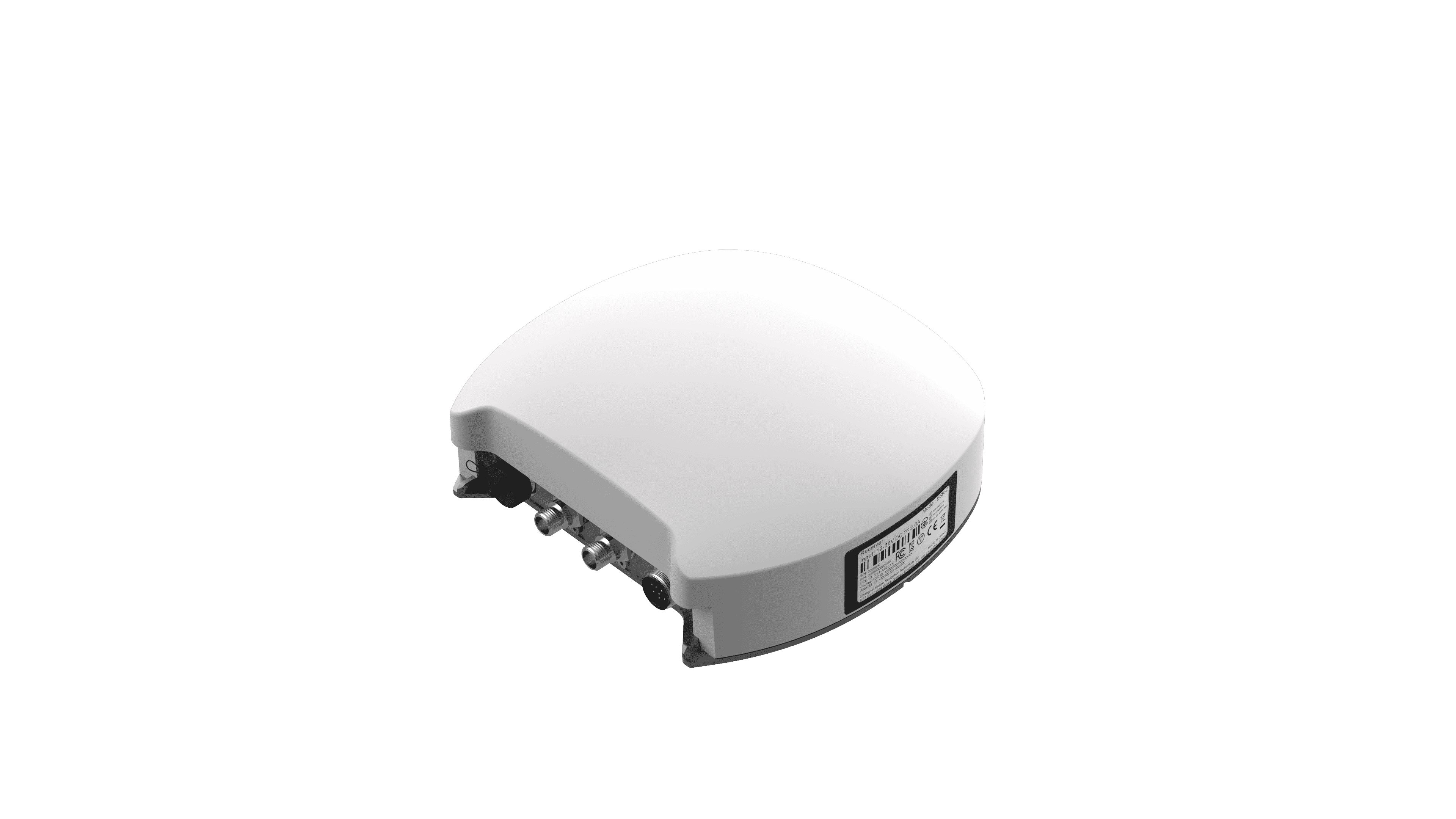
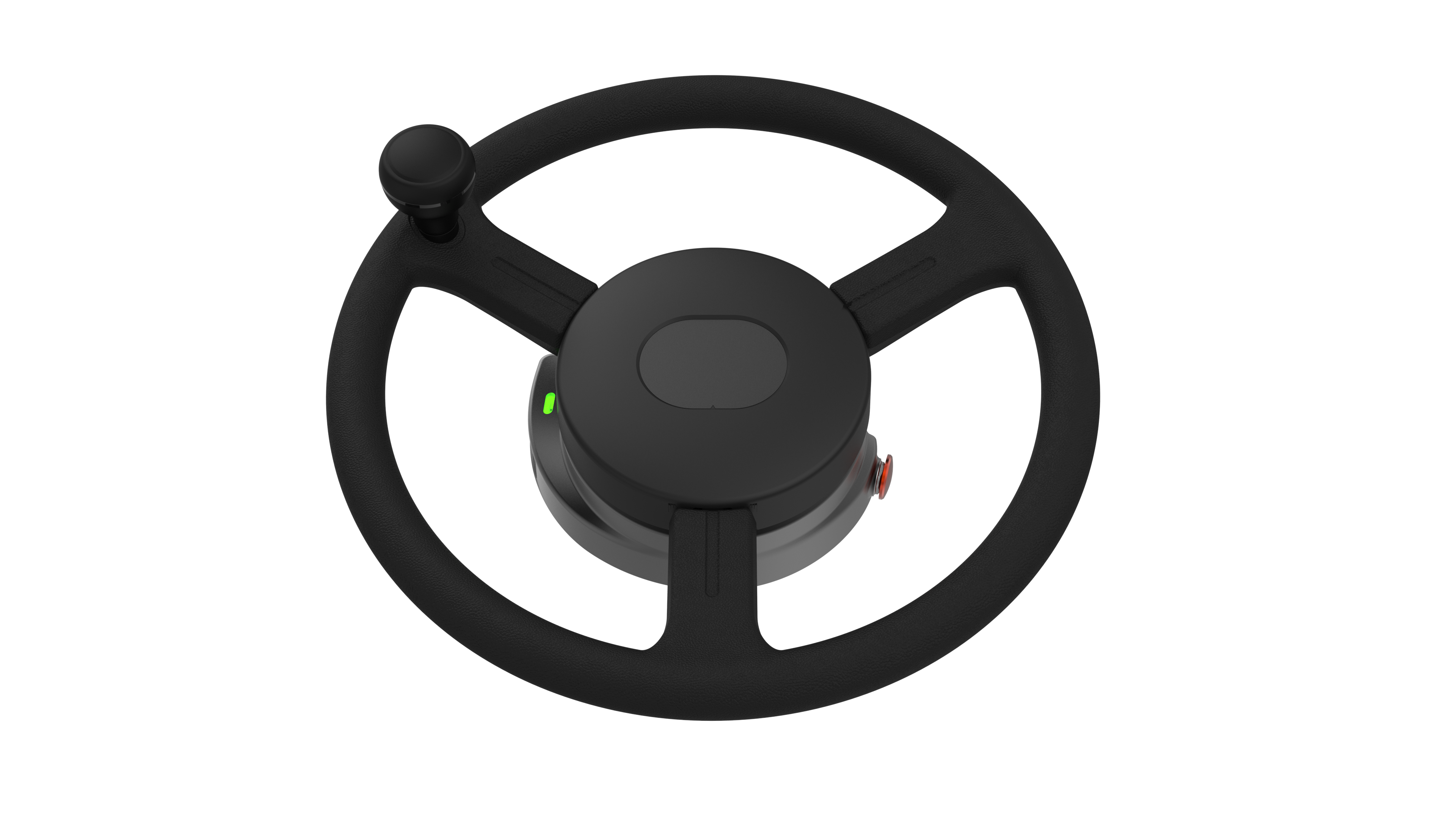
Deciding to incorporate automated guidance into your machinery involves several technical and operational considerations. Selecting an appropriate tractor autosteer kit requires aligning the system's capabilities with the specific demands of your equipment and fieldwork. We at Efix view this process as a series of logical assessments, where the correct match between technology and task yields functional benefits.
Evaluating Operational Scale and Primary Tasks
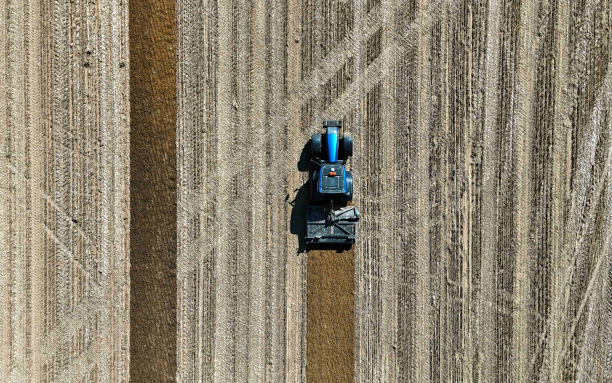
The scope of your farming activities directly informs the necessary features of a tractor autosteer kit. The size and shape of your fields, along with the primary crops you manage, create distinct requirements. An operation focusing on extensive broadcast applications may prioritize reliable straight-line guidance, while a farm managing high-value row crops might need sub-inch repeatability for intricate planting and nutrient placement. Identifying the single most critical task for the system—whether it is reducing fatigue during long hours or enabling precise inter-row cultivation—helps narrow the focus toward kits designed for that specific operational intensity.
Understanding System Architecture and Integration
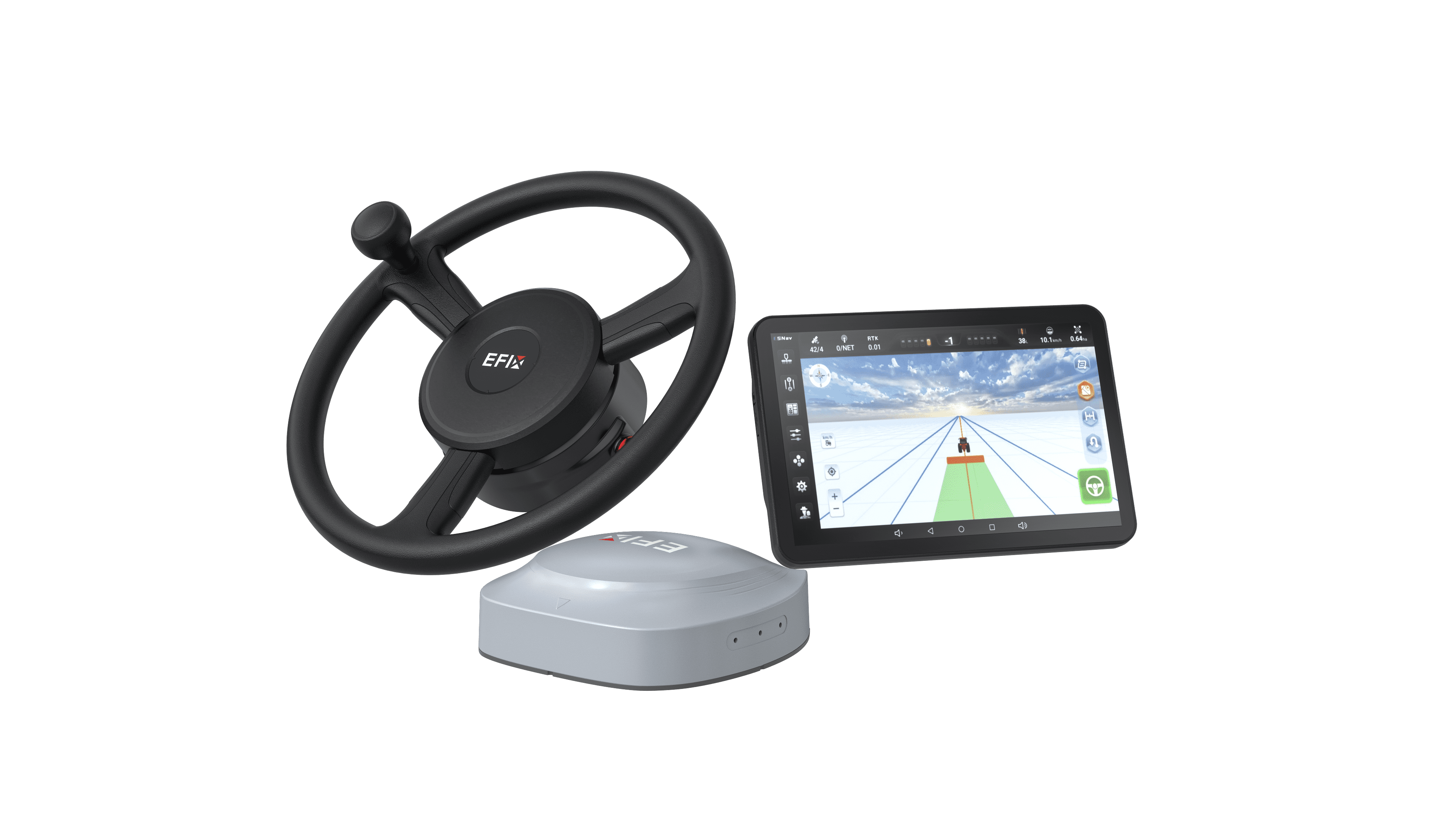
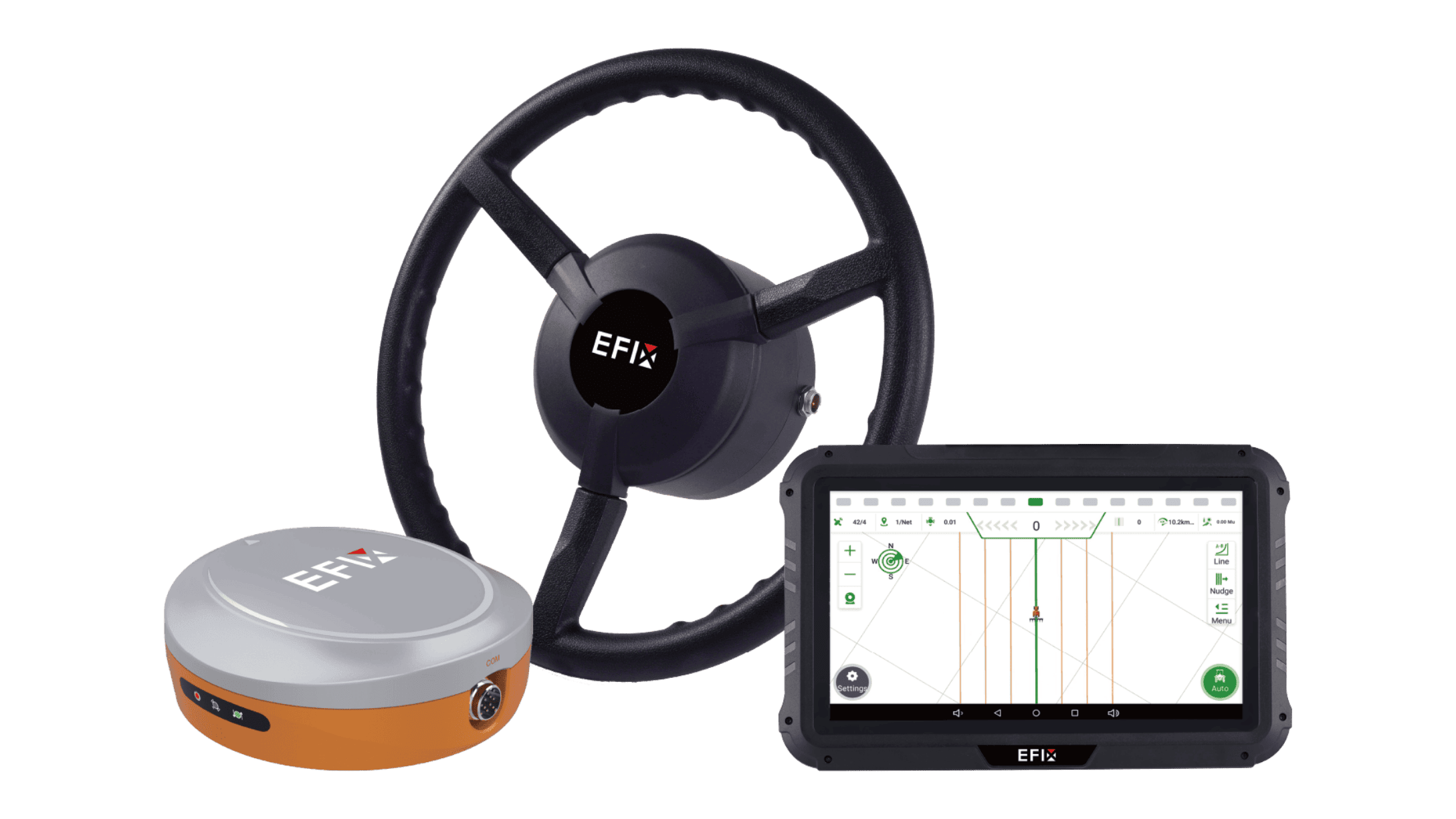
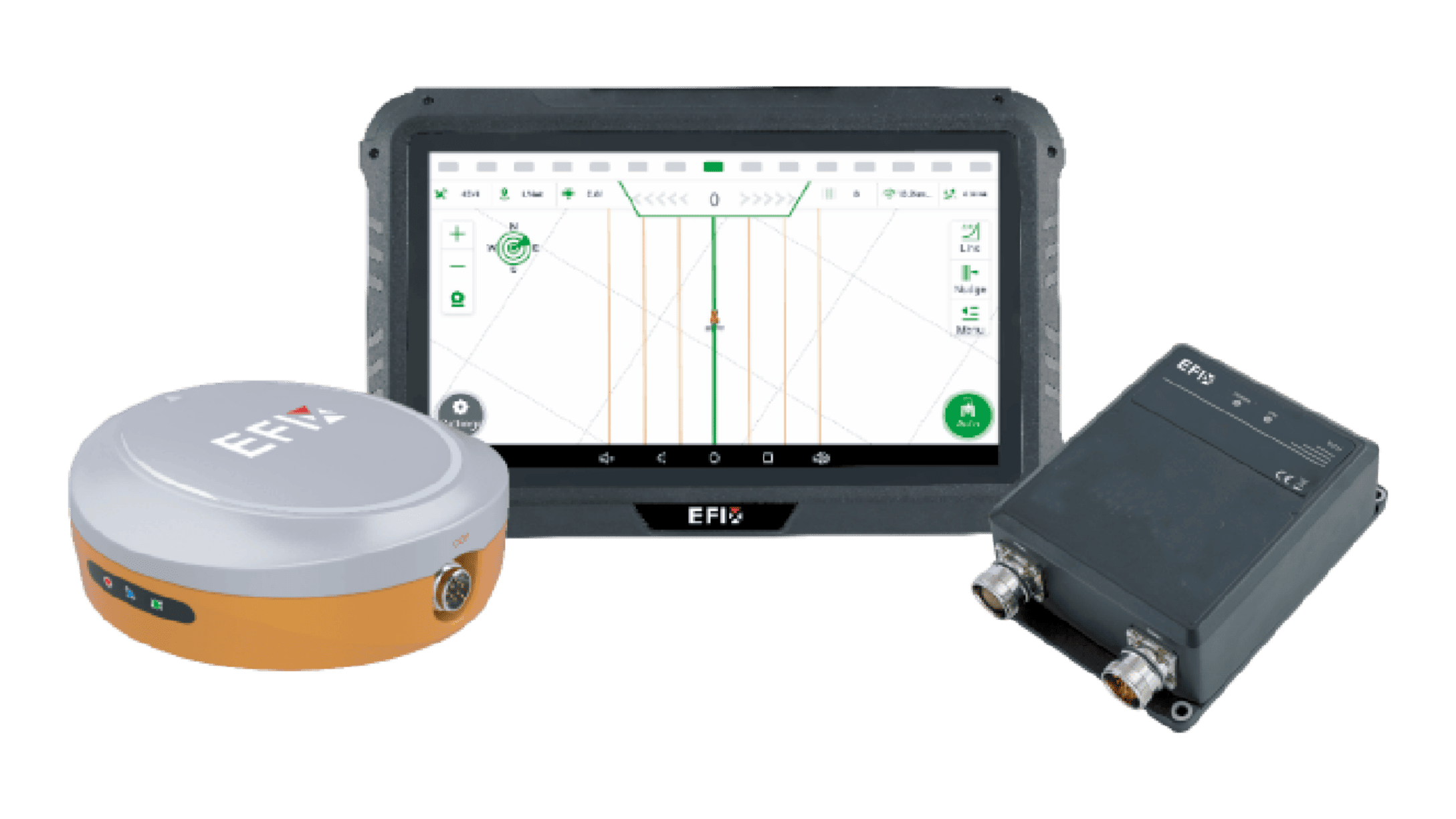
A tractor autosteer kit is not a standalone unit; it becomes an integrated component of your machine's control systems. Therefore, examining its architecture is crucial. This involves the type of steering actuator (hydraulic valve vs. electric motor), the method of receiving and processing correction signals for accuracy, and the compatibility of the display console with other implements and data management platforms. A system that uses an open or widely compatible communication protocol can offer greater long-term flexibility. The goal is seamless integration where the autosteer functions as a natural extension of the tractor's existing controls, not as a separate, complex layer.
Analyzing the Workflow from Setup to Season-Long Use
The practical impact of the technology is measured through its daily usability and consistency. Consider the initialization process: how quickly can the system achieve a fixed accuracy level at the start of each work session? Assess the user interface for creating and managing AB lines, contour paths, and field boundaries—these should be intuitive under field conditions. Furthermore, the system’s performance in varying terrain, such as on slopes or in areas with potential signal interference, affects its reliability. The chosen tractor autosteer kit should demonstrate stability, minimizing the need for manual correction and allowing the operator to dedicate attention to implement performance and monitor adjustments.
Integrating an autosteer system shifts the operator's role from continuous steering to management and oversight. This transition can influence input efficiency, application uniformity, and data collection practices. The tangible return materializes when the kit's design logic complements the existing workflow, creating a more controlled and repeatable field operation.
Our role at Efix is to facilitate a detailed review of technical specifications and integration pathways. We provide the information needed to compare how different system architectures address the challenges presented by your machinery and fields, supporting a decision grounded in operational requirements.