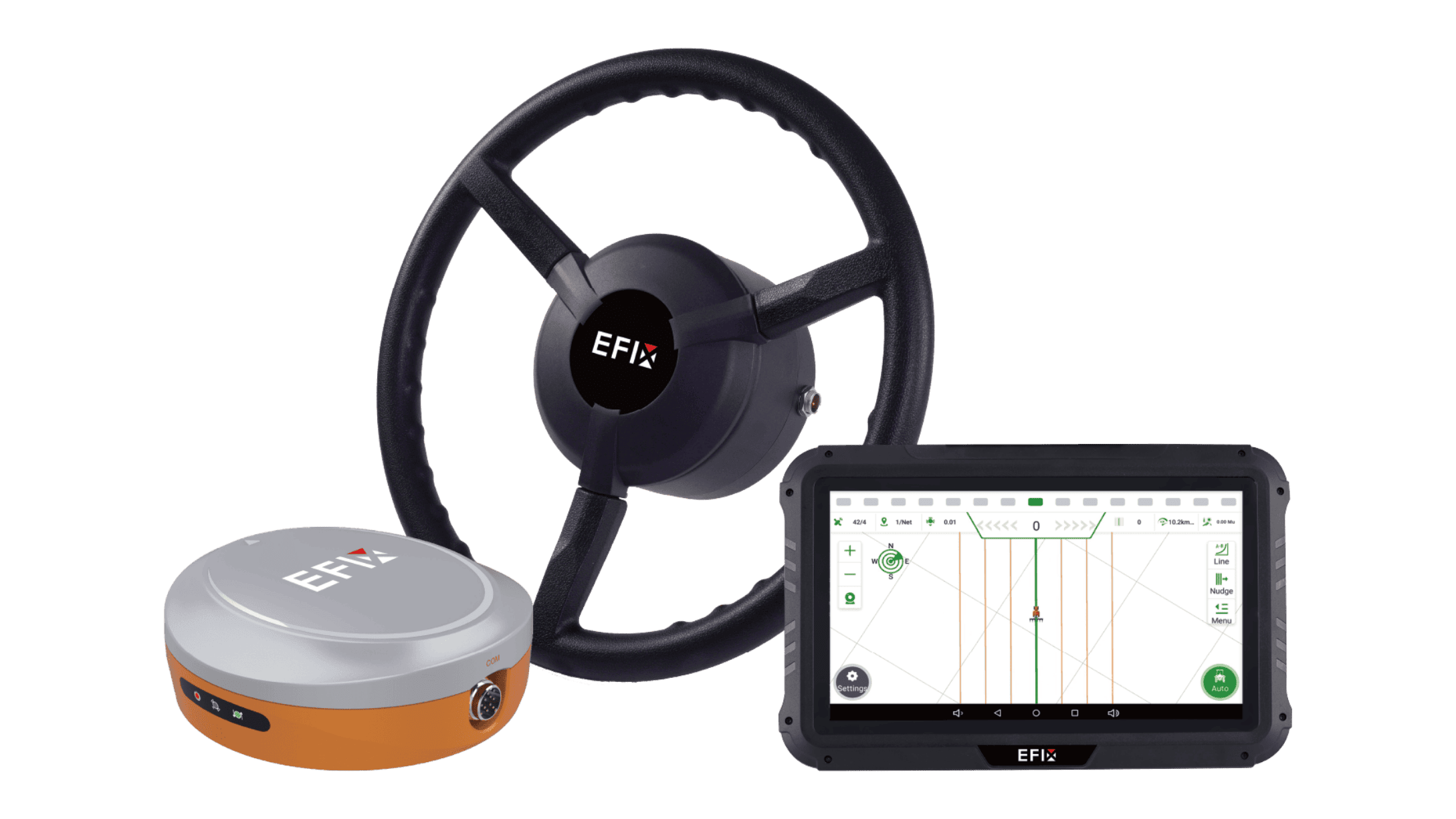
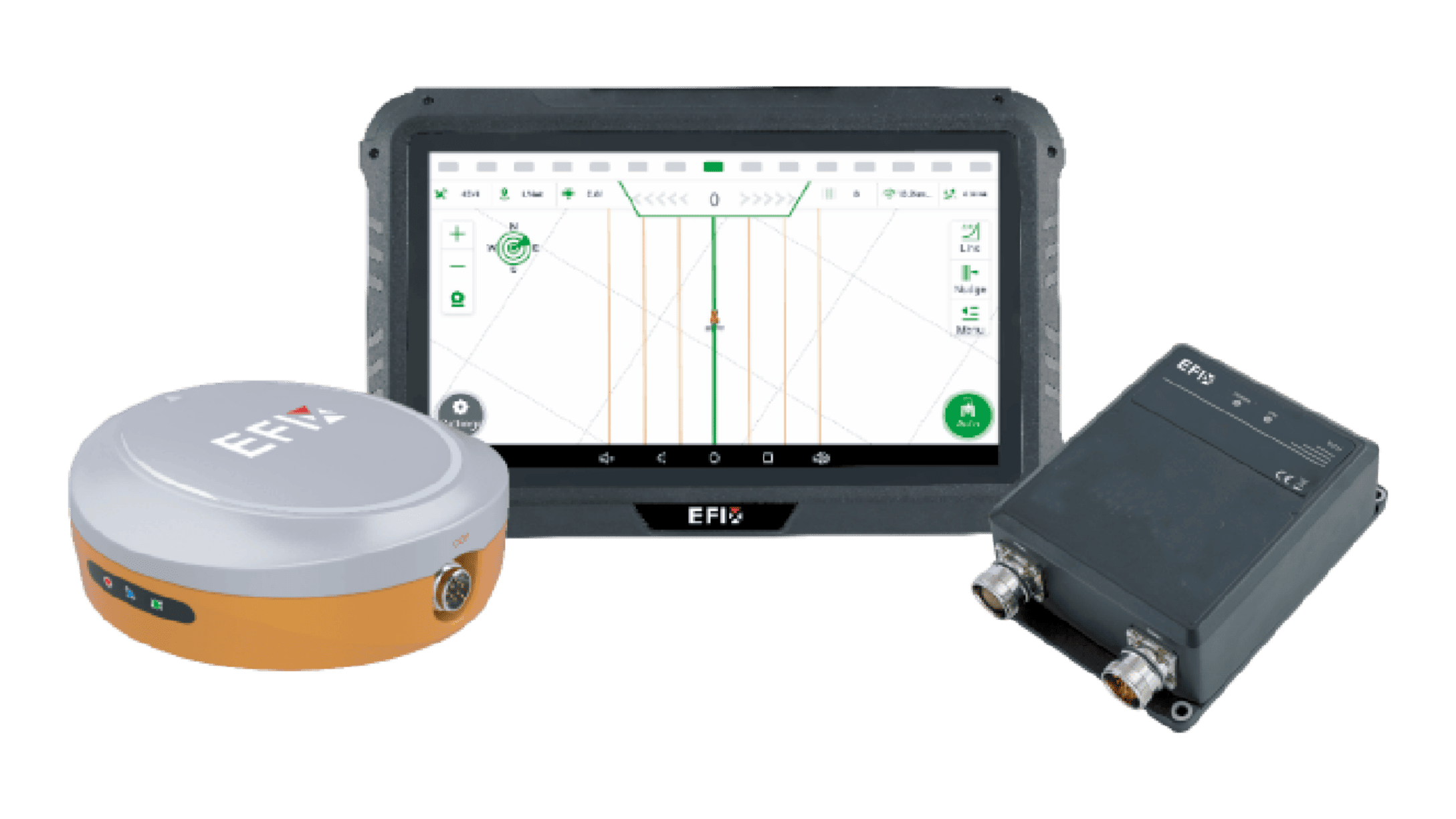
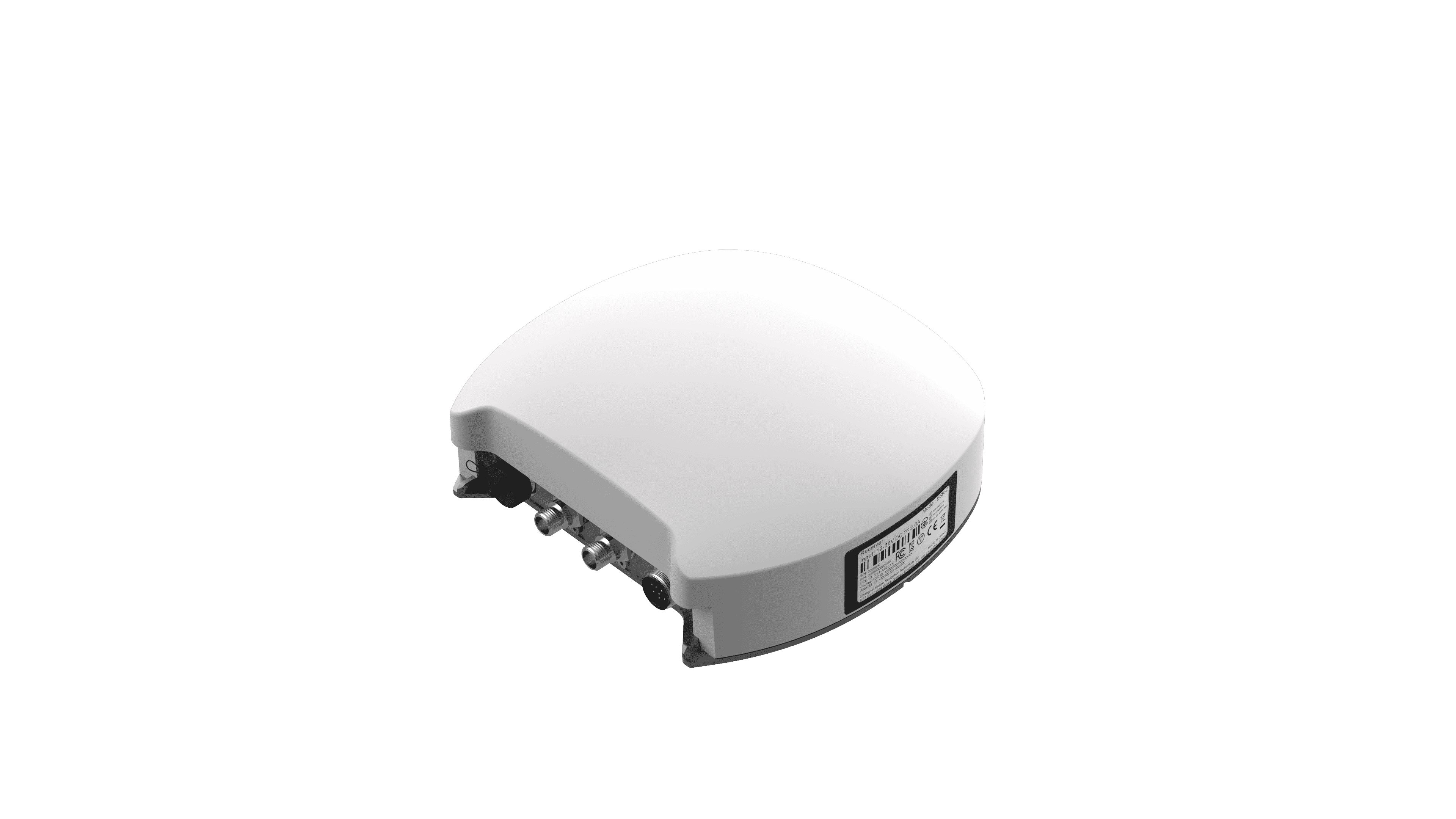
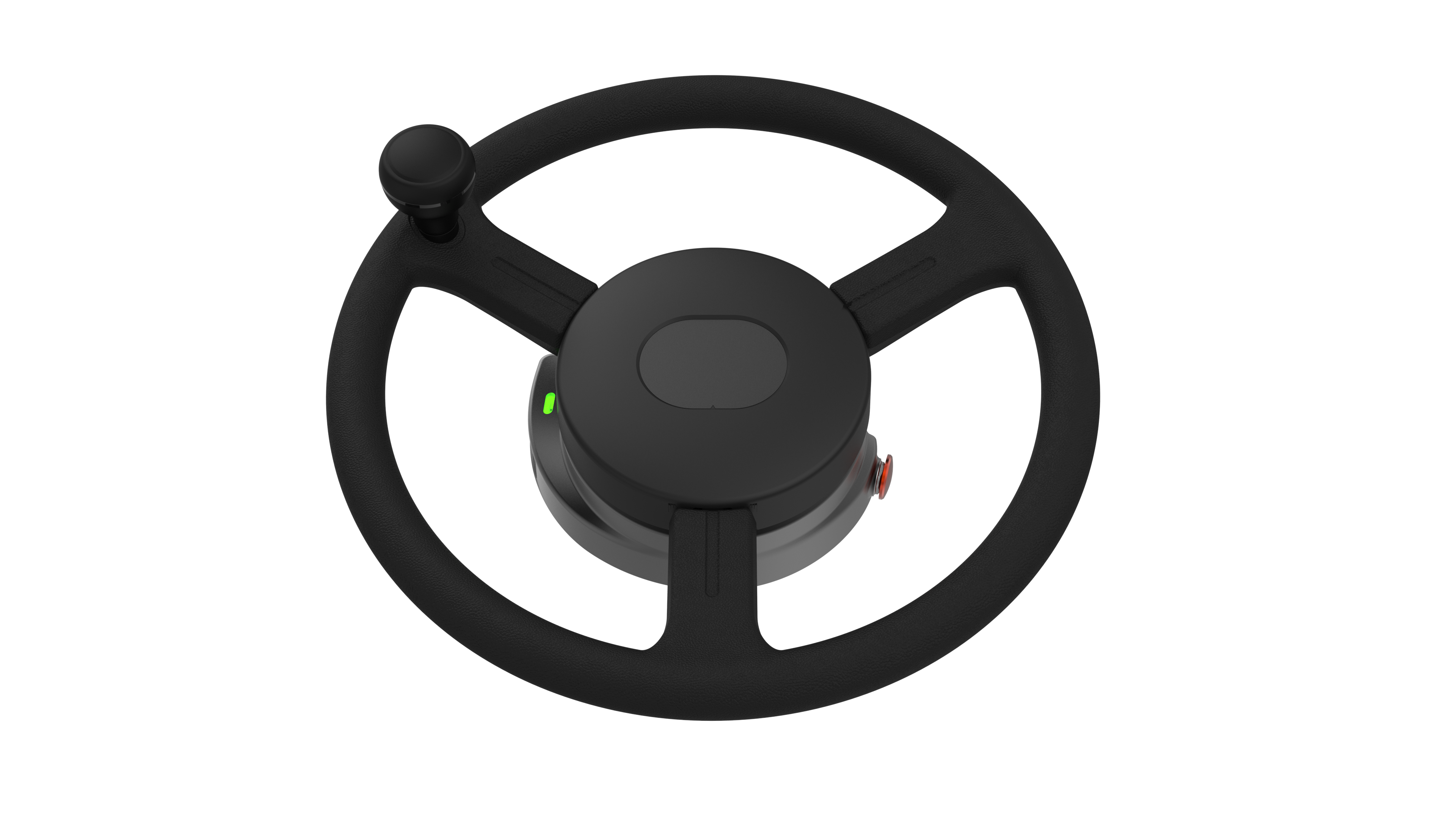
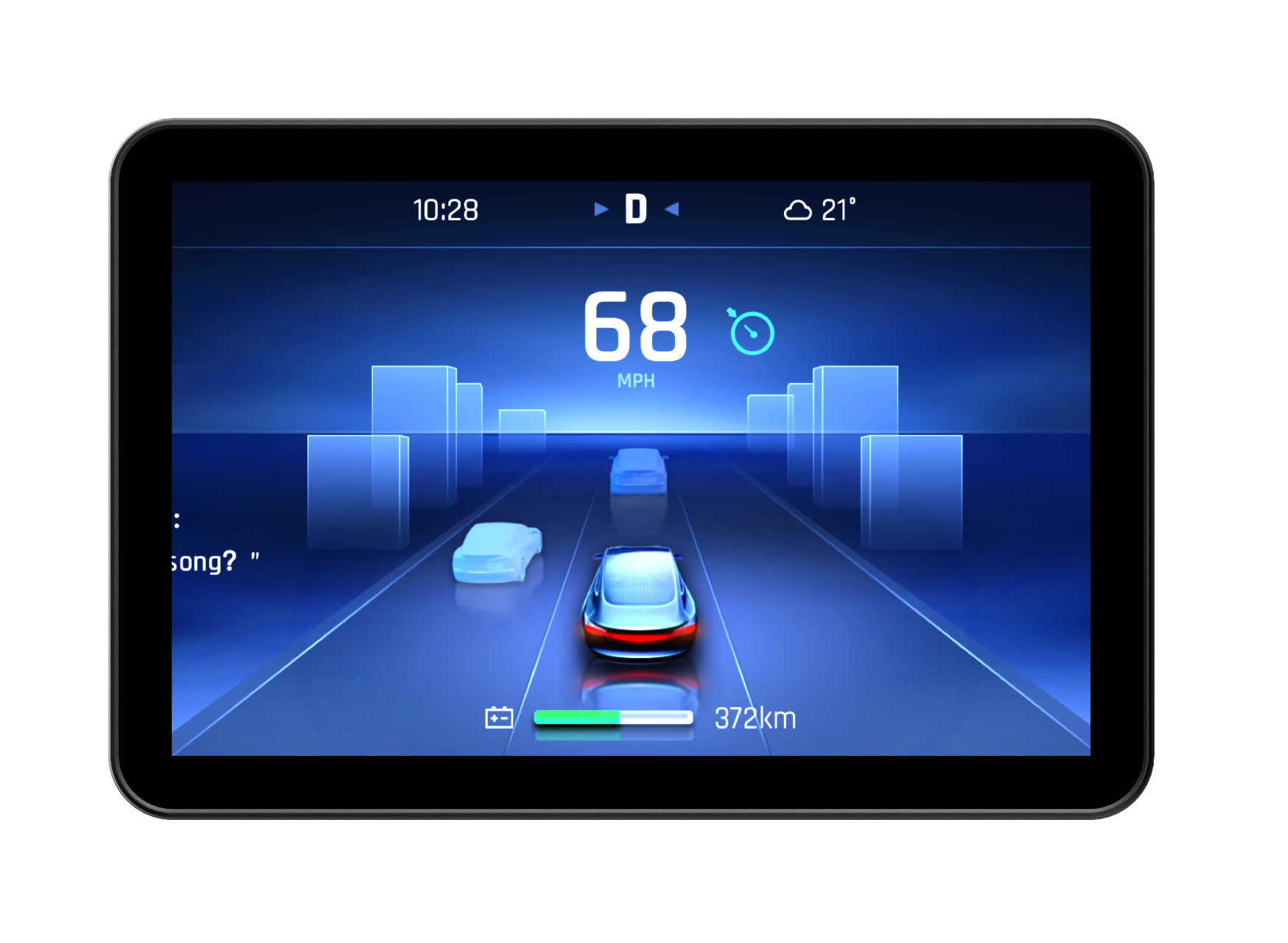
When operators consider upgrading their equipment, a central decision often involves guidance technology. The choice between traditional manual methods and an auto steering system for tractor operations represents more than a convenience; it reflects a shift in how field work is approached. We will examine the principal distinctions across several key areas.

Precision and Consistency in Path Following
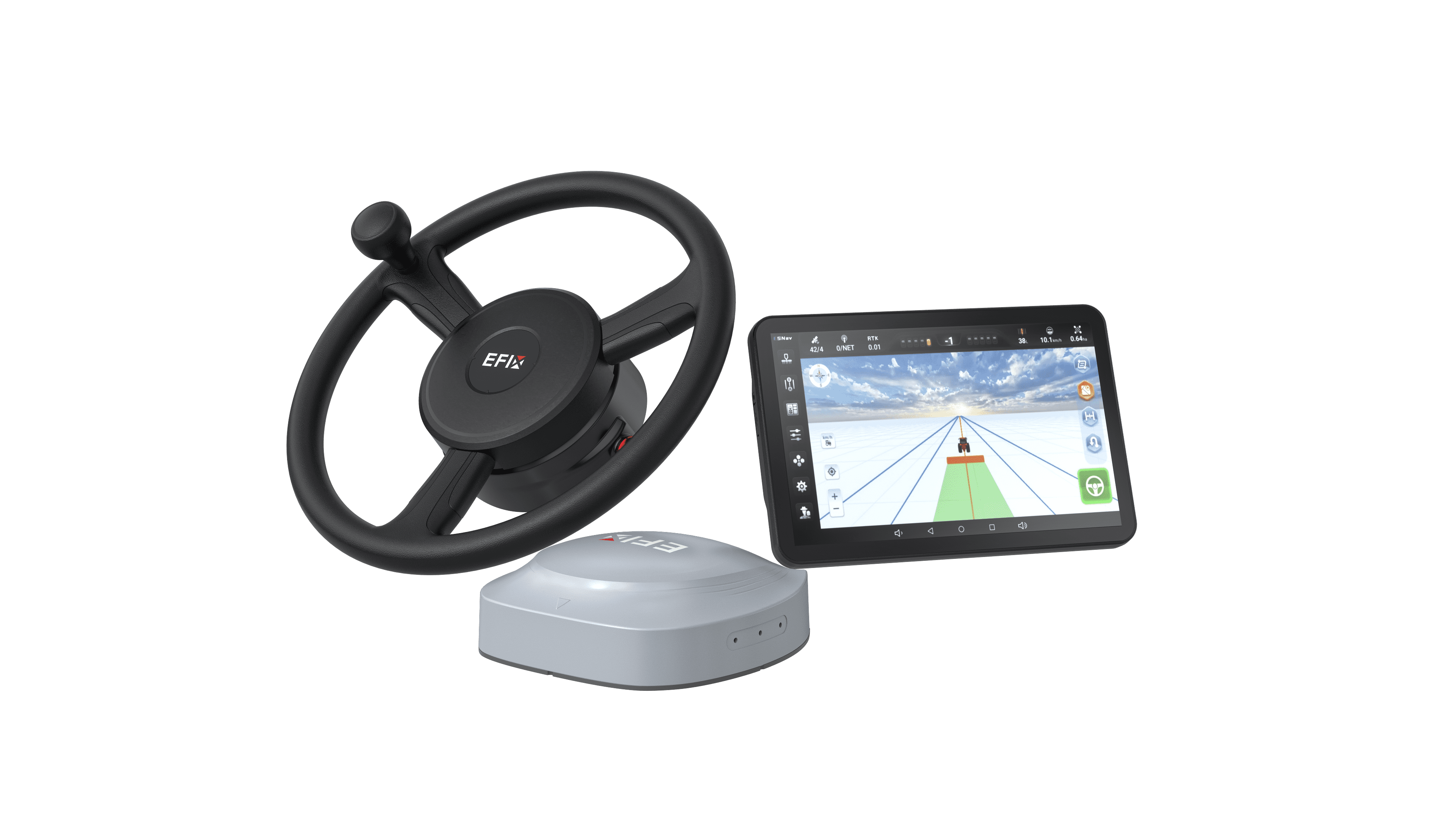
The most immediate difference lies in the quality of the steering output. Manual guidance relies entirely on the operator's skill, visual markers, and concentration. Even the most experienced operator can experience drift, leading to pass-to-pass inconsistencies, overlap, and gaps. In contrast, an auto steering system for tractor use relies on satellite correction signals to maintain a predetermined path with centimeter-level accuracy. This mechanical consistency eliminates human error from the steering equation. The result is uniform application patterns, optimal spacing, and a significant reduction in wasted inputs due to overlap, which manual steering cannot reliably achieve across long hours or challenging conditions.
The Evolving Role of the Operator
This technological shift fundamentally changes the operator's role and workload. With manual guidance, the driver's primary task is continuous steering, a repetitive and fatiguing activity that demands constant attention to maintain line. The introduction of an auto steering system for tractor functions redefines this role. The operator transitions from a direct steering controller to a system manager and monitor. Their focus can shift to overseeing implement performance, adjusting settings, and observing field conditions. This reduction in cognitive and physical fatigue not only improves well-being but also enhances overall situational awareness and safety during complex operations.
Operational Scale and Data Foundation
The long-term implications for farm management form another key distinction. Manual guidance offers little beyond the completed work itself; there is no digital record of the exact paths taken. Automated guidance, however, inherently creates a data log. Each field pass is recorded, creating an as-applied map that serves as a verifiable record. This data becomes a critical asset for analysis, reporting, and planning future variable rate applications. While manual methods get the job done, automated systems build a digital foundation for more data-driven decisions, supporting a scalable and documented approach to land management that grows in value over time.
The divergence between these methods is clear. Manual guidance is a direct, skill-dependent tool, while automated steering provides a consistent, precision-driven platform that also alleviates operator strain. The latter method additionally generates valuable field data as a natural byproduct of its operation. Each farm must weigh these functional differences against their specific operational goals and scale. At Efix, we focus on the tangible improvements that technology can deliver. Our approach to guidance solutions is designed to provide that measurable step forward in precision, efficiency, and data-supported management for your fields.