A reliable correction signal forms the foundation of any high-accuracy guidance system. When an RTK GPS base station encounters signal issues, the resulting inaccuracies can affect all connected equipment in the field. We at Efix understand that diagnosing these problems involves a systematic check of several key areas. A functional RTK GPS base station requires a clear view of the sky, stable hardware, and correct configuration to broadcast its precise location data consistently.

Reviewing Physical Obstructions and Site Location
The most common source of signal problems originates from the physical environment surrounding the RTK GPS base station. The antenna requires a completely unobstructed view of the horizon to maintain lock on the necessary satellites. Over time, new structures, growing trees, or even accumulated debris on the antenna itself can create interference. Seasonal foliage growth is a frequent culprit. The station's location should also be assessed for potential ground interference, such as large metal objects or reflective surfaces within close proximity. Relocating the antenna to a higher elevation or clearing obstructions often restores full signal strength and satellite count.
Checking Equipment Power and Cable Connections
Intermittent signals or complete failures can often be traced to the power supply and data cables. Consistent, clean power is non-negotiable for stable operation. Voltage fluctuations or a weakening battery can cause the receiver to reset or operate erratically. All cable connections, from the power source to the antenna and any radio modem, must be inspected for corrosion, physical damage, or looseness. Environmental factors like moisture, rodents, or temperature extremes can degrade these components over several seasons. A methodical inspection and replacement of suspect cables and power supplies can eliminate these hardware-related points of failure.
Verifying Network Configuration and Radio Health
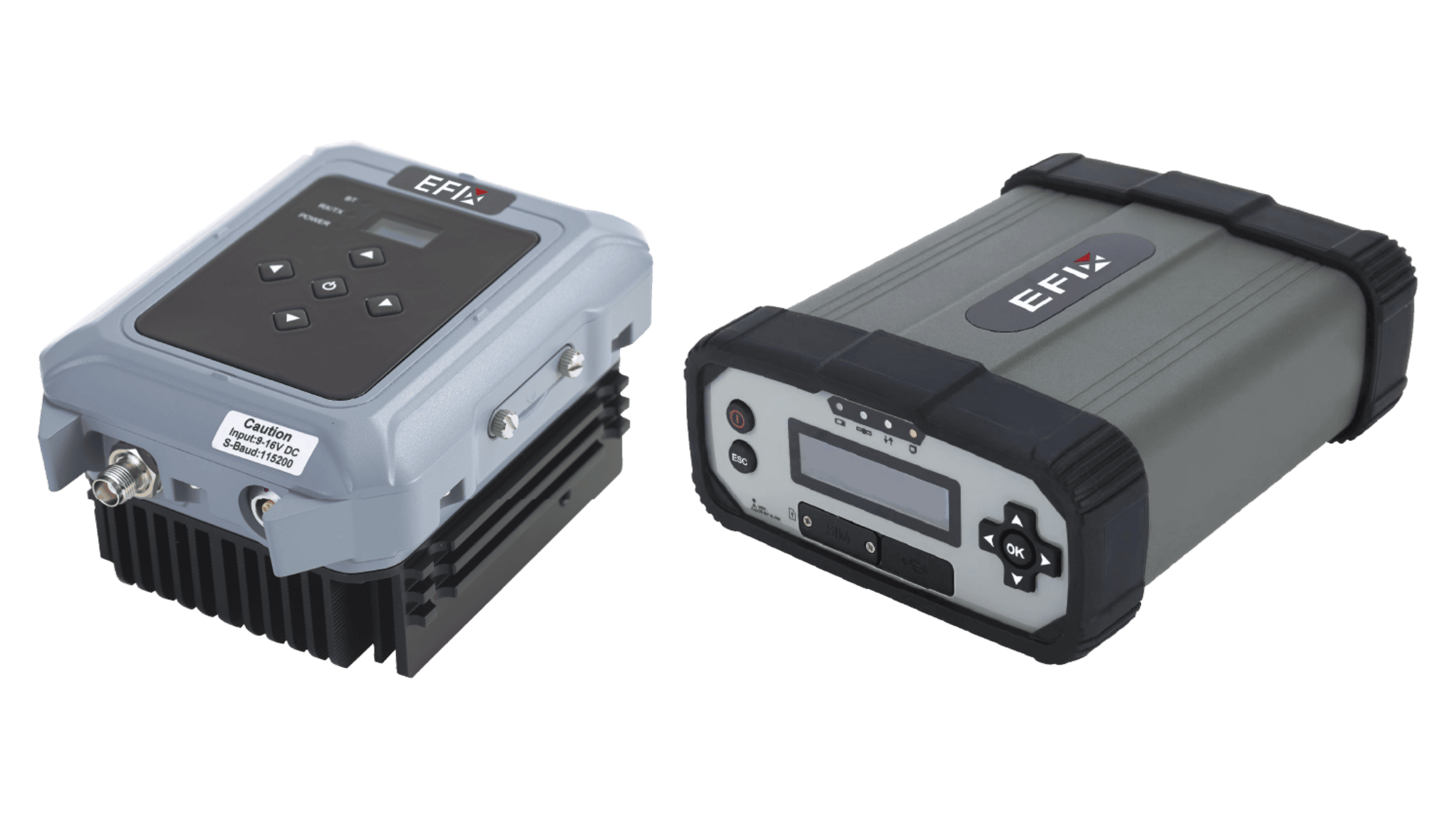
If the physical setup is sound, the issue may lie in the data transmission path. For networks using a radio link, the health and configuration of the radio modem are critical. Check that the correct frequency and protocol are set on both the base radio and the rover units. Radio range can be diminished by low batteries, improper antenna placement on the rover, or challenging topography. For cellular-network systems, verify the SIM card has active service and that the data plan has not been exhausted. The internet connection at the base station's location must also be stable to facilitate correction data streaming. Confirming each step in this data chain is essential.
Addressing signal interruptions is a process of elimination, moving from the most common environmental factors to more specific equipment and configuration checks. Consistent accuracy depends on every component in the chain—from the satellite signal received by the antenna to the correction data received by the vehicle—functioning without interruption.
For operations utilizing this technology, our support at Efix includes guidance on optimal base station setup and diagnostic procedures. We provide resources to help systematically identify and resolve the physical or technical issues that can disrupt the signal from your correction source.