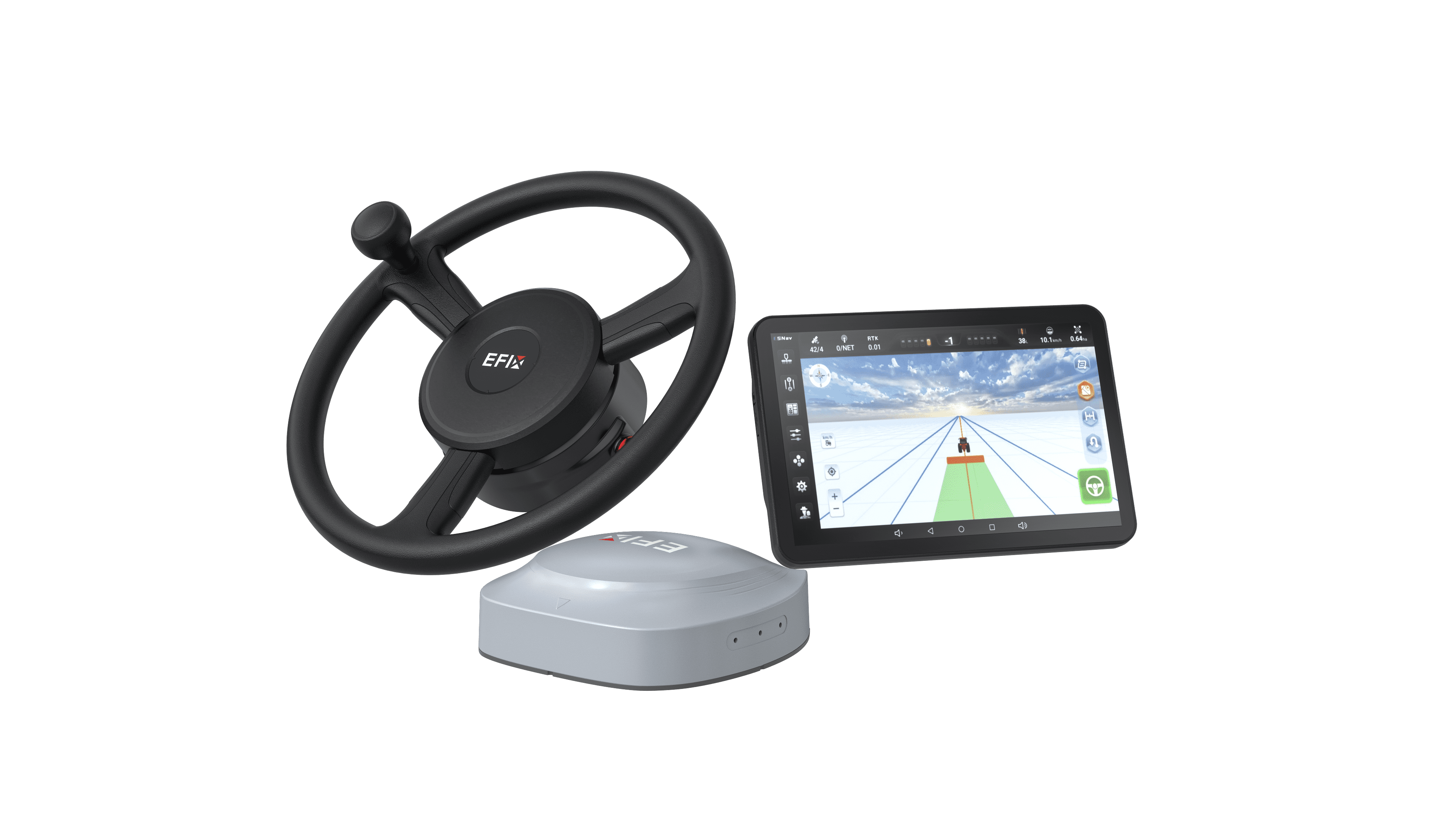
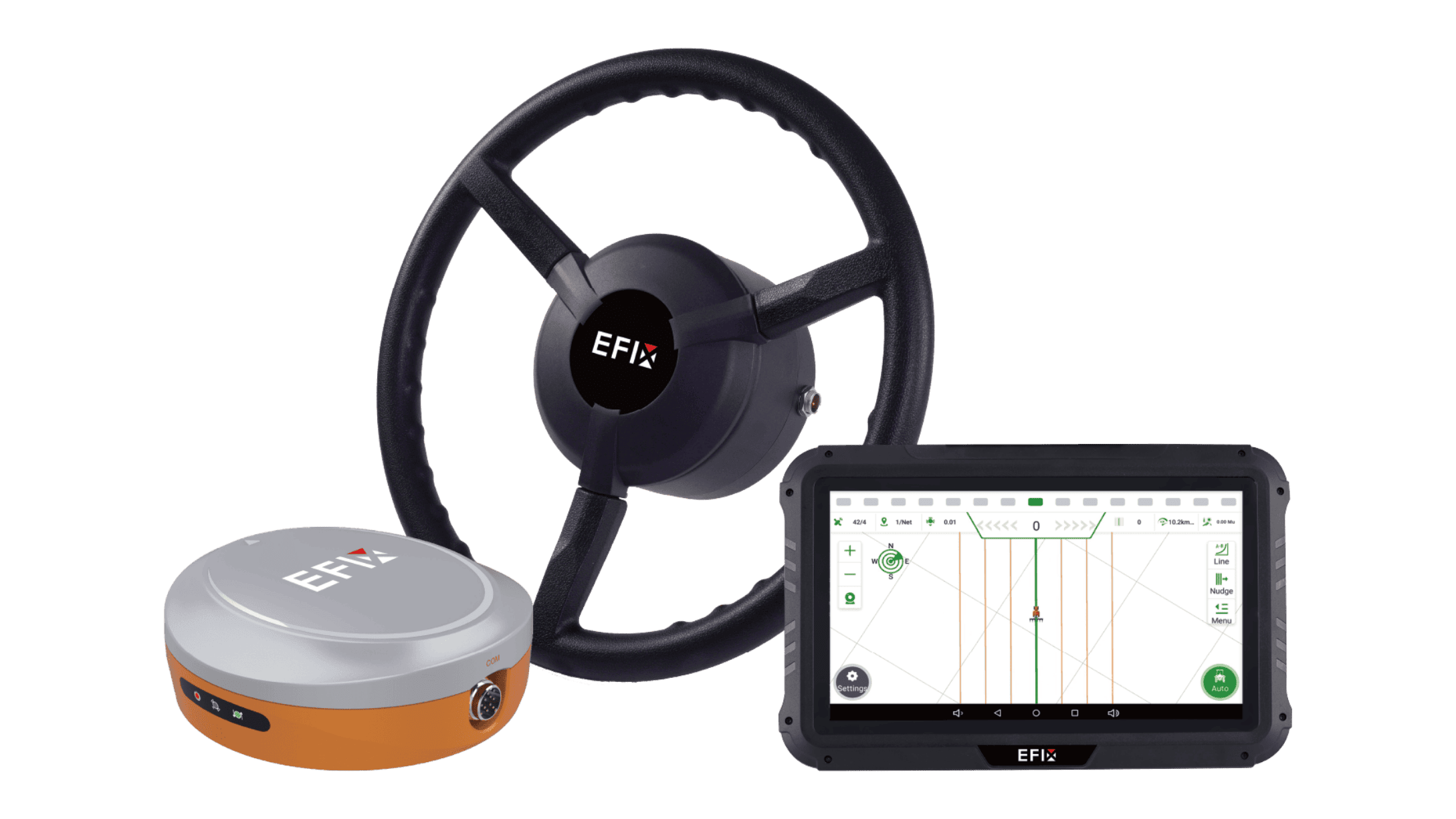
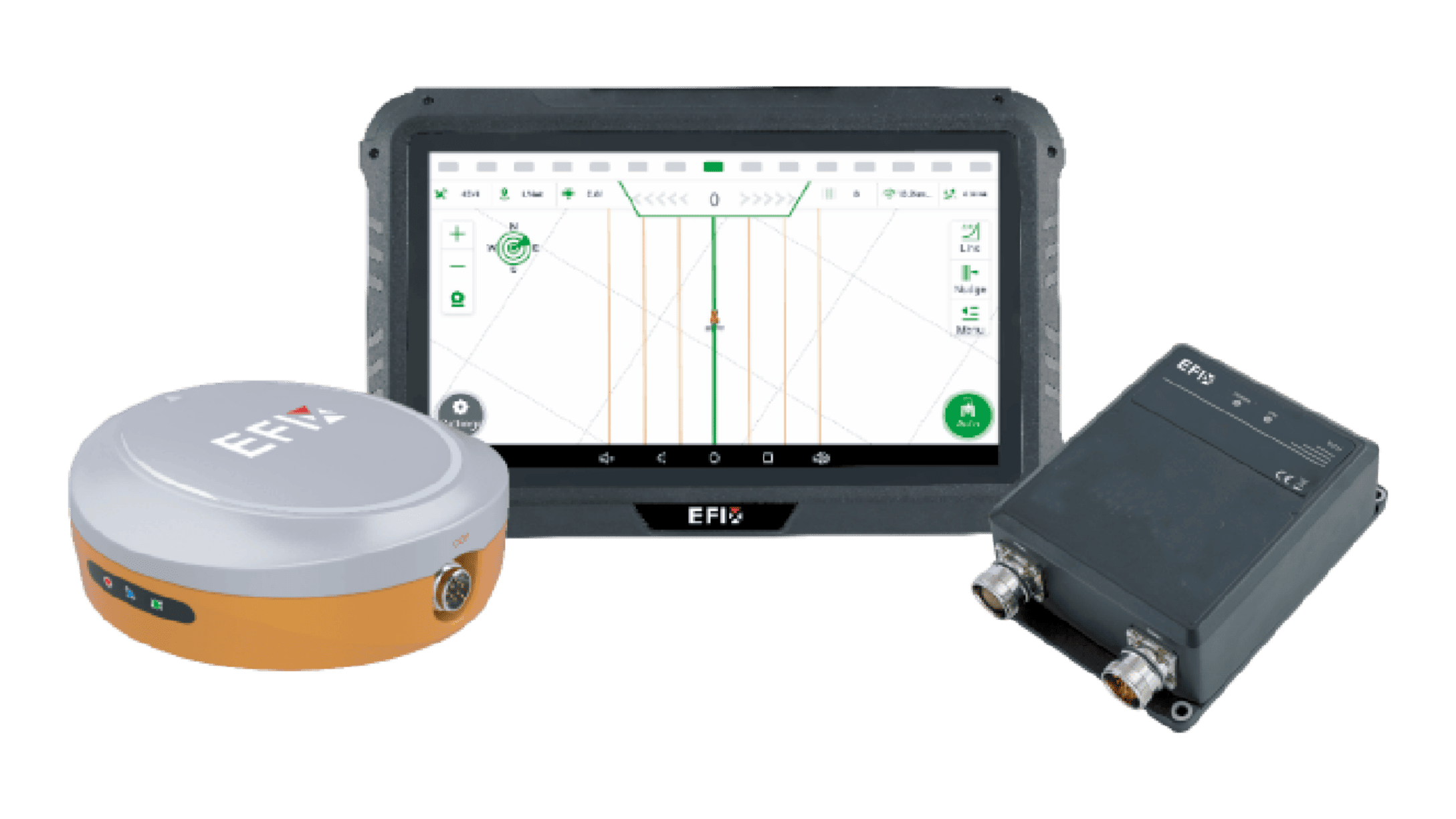
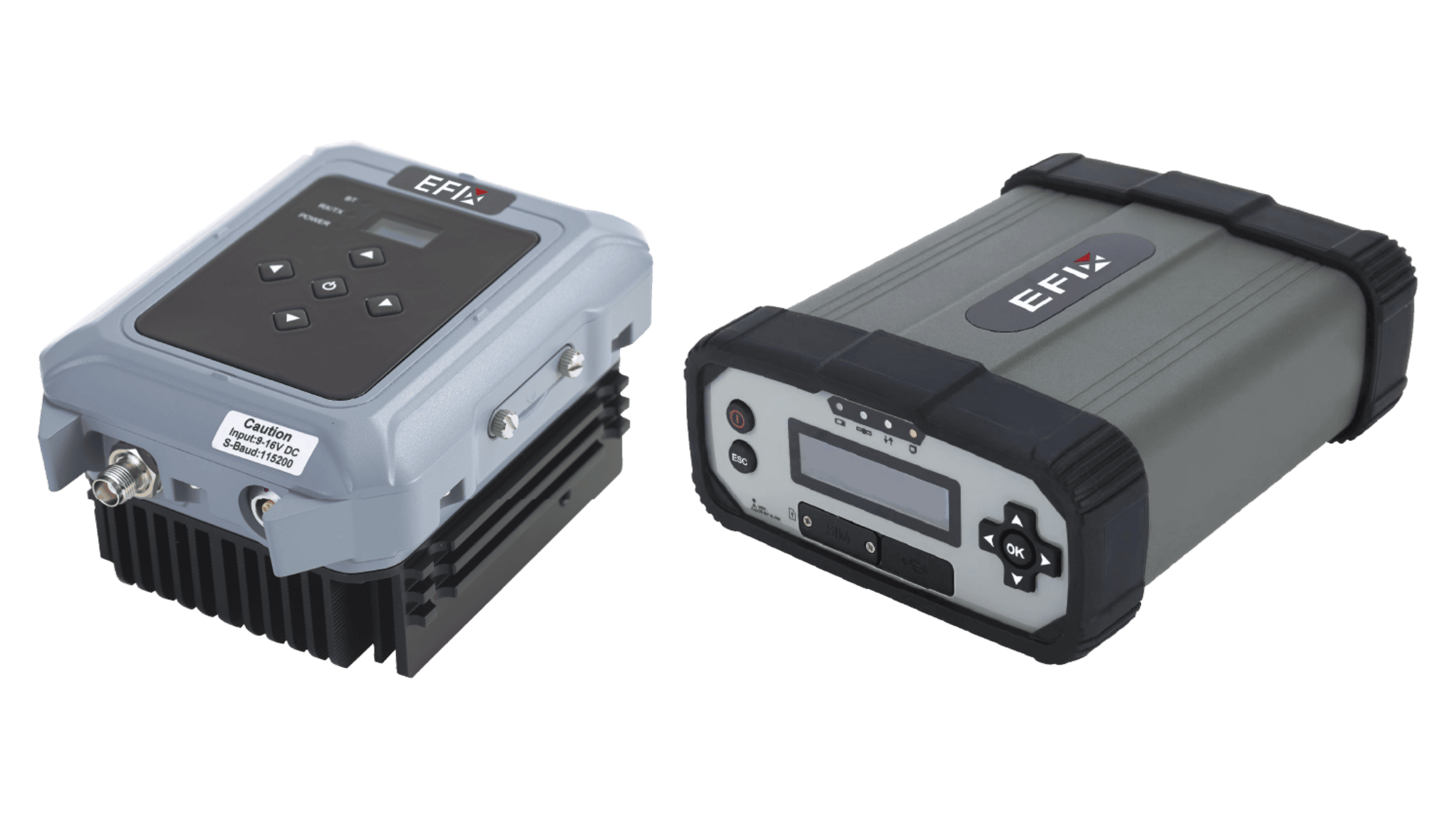
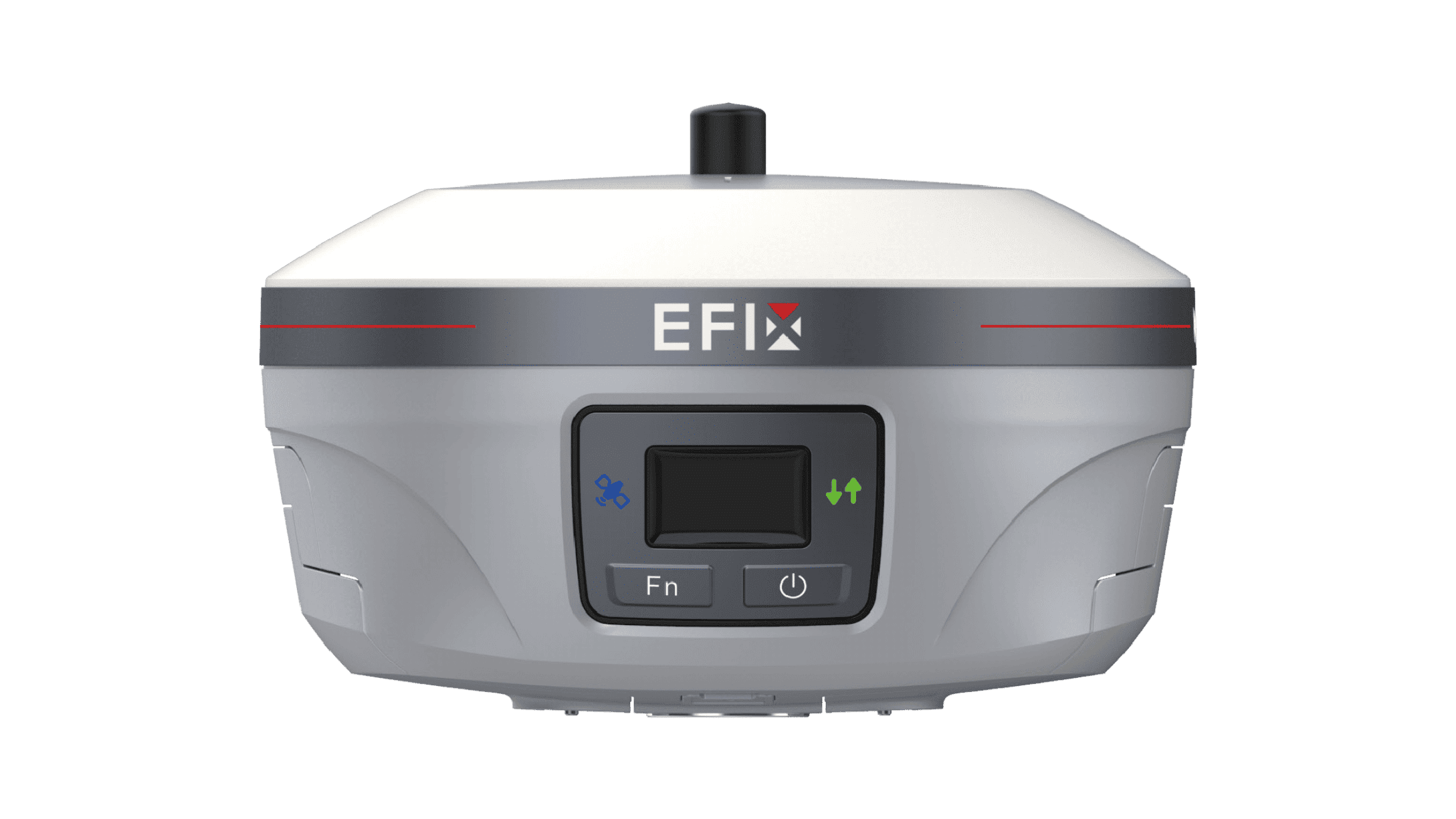
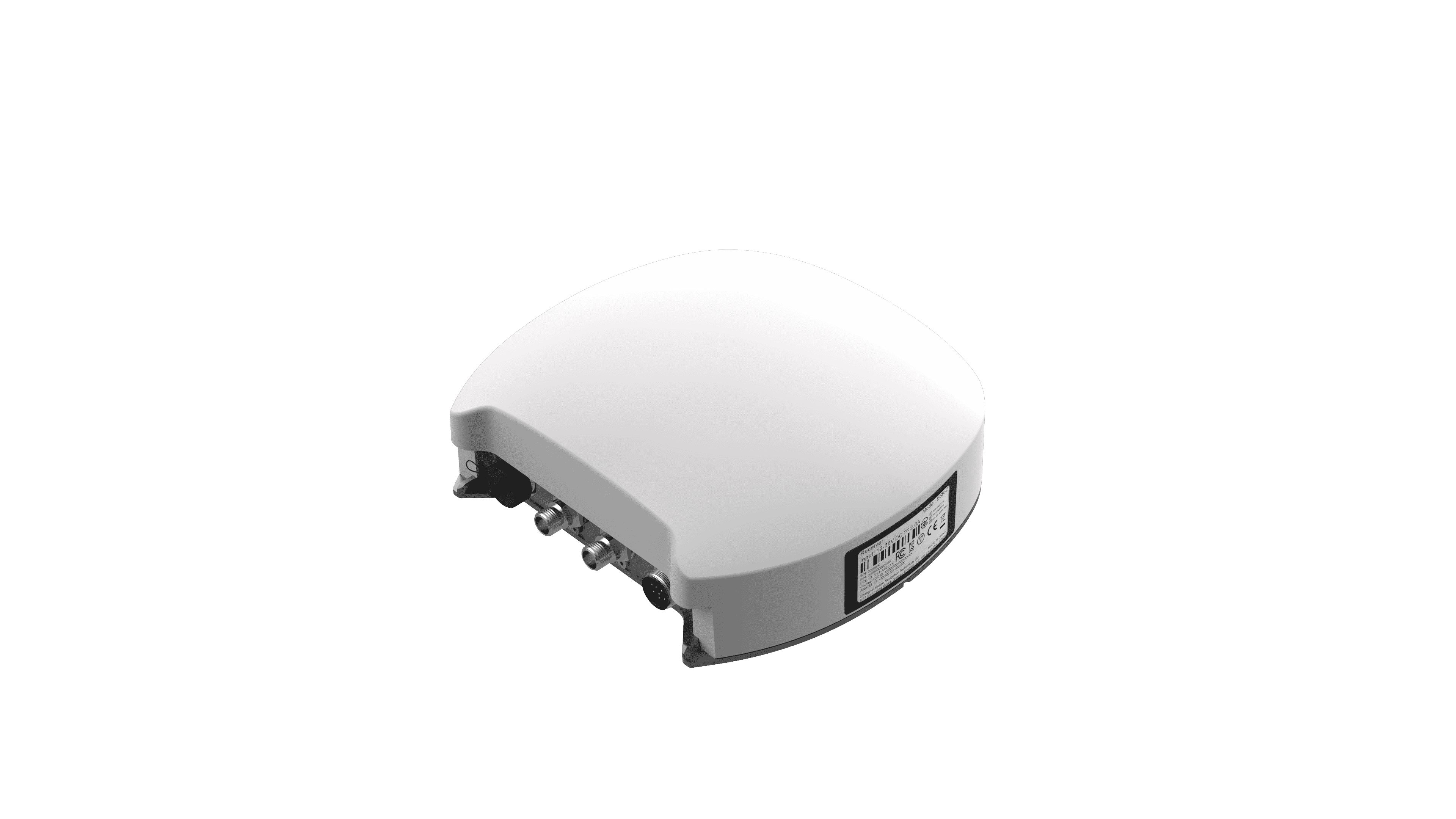
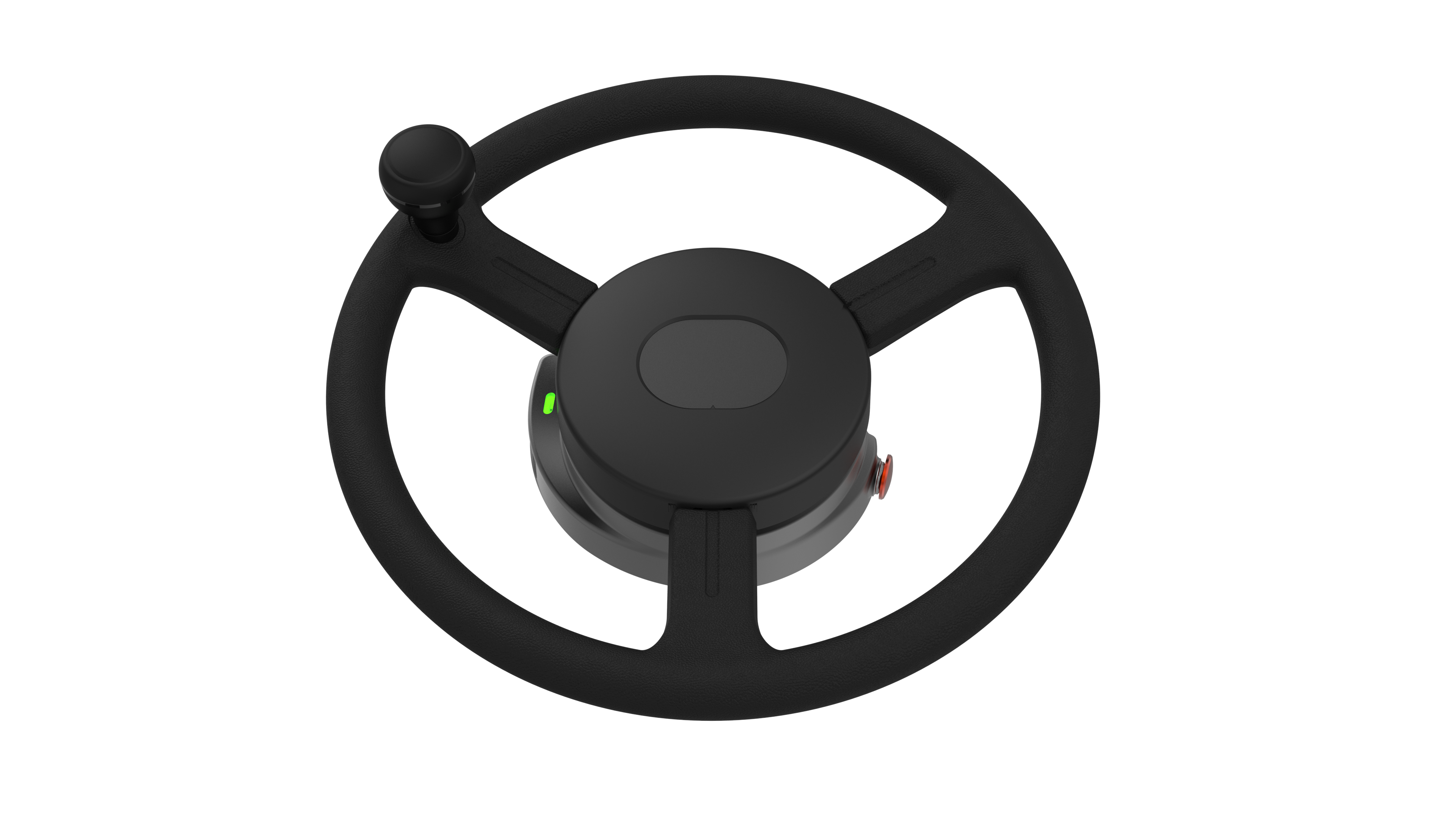
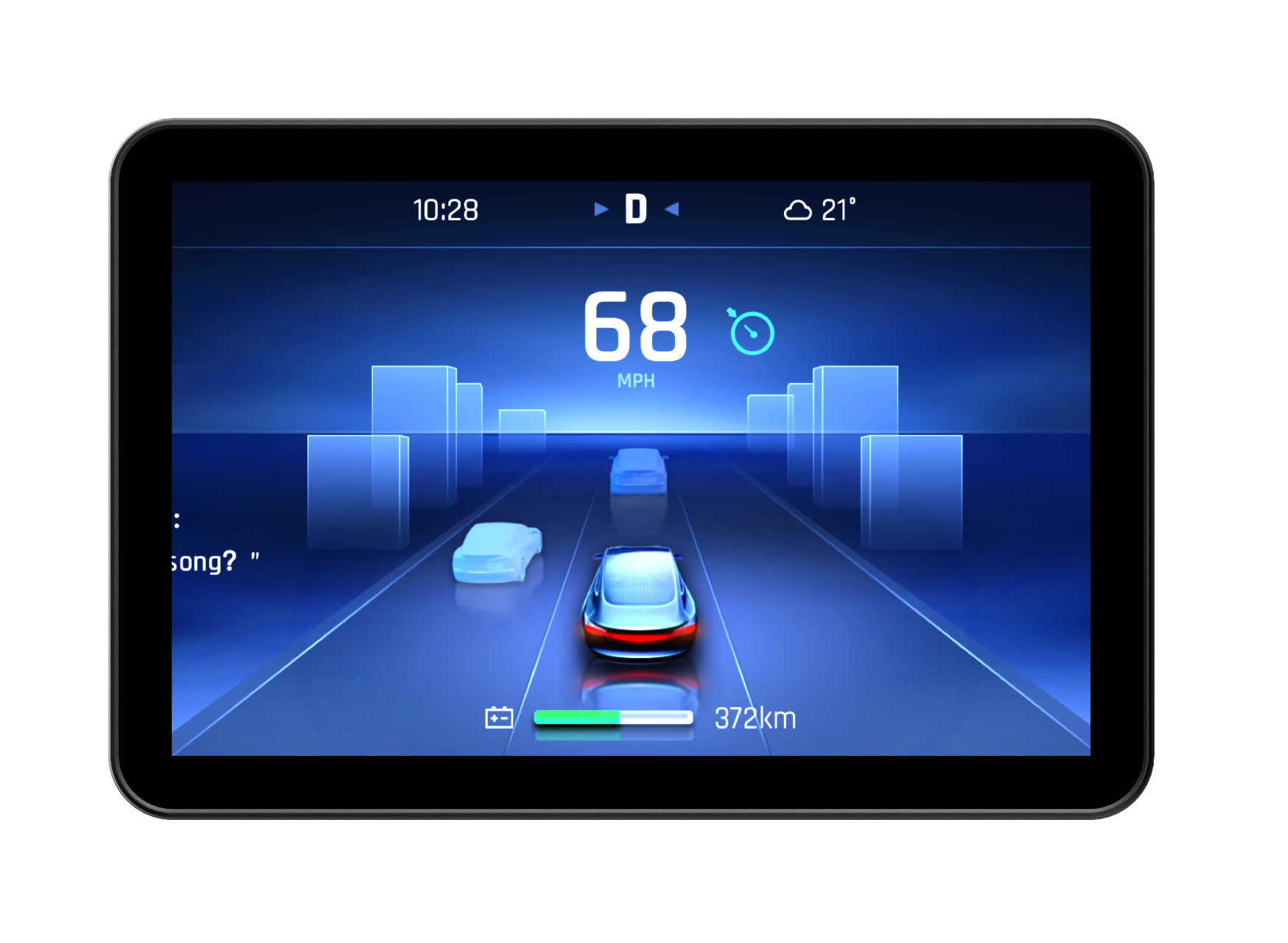
There are several misconceptions that can create hesitation when considering an upgrade to field technology. We aim to address some of these beliefs directly, providing clarity on how a steer ready auto steer system functions. Understanding the actual capabilities and requirements of this technology allows for more informed decisions regarding its integration into existing machinery and workflows.

Addressing Concerns Over Complexity and Compatibility
A frequent assumption is that installing a steer ready auto steer system demands extensive mechanical expertise or is only feasible on brand-new machinery. In reality, the "steer ready" designation indicates a design philosophy centered on streamlined integration. These systems are engineered to connect with a tractor's existing hydraulic and electrical interfaces, often following a logical, documented procedure. Another related belief is that these systems cannot function accurately across varied terrain or older fields. The foundational technology relies on satellite-based correction signals and inertial measurement units that account for pitch and roll, maintaining accuracy on slopes and uneven ground. This design approach means the capability to guide equipment precisely is not limited by the age of the tractor or the contour of the land.
Clarifying Functional Role and Operational Realities
Some hold the view that once engaged, the operator's attention is no longer required. This interpretation overlooks the system's true function. The technology manages steering along a pre-set line, but the operator remains essential for monitoring overall machine performance, implement operation, and environmental conditions. The system is a tool for enhancing control, not replacing the operator. Additionally, the idea persists that these systems are only valuable for straight-line row crops. Modern guidance software supports a wide array of field patterns, including contour farming, circle irrigation, and headland management. This versatility makes a steer ready auto steer system applicable in diverse cropping situations, from traditional rows to permanent beds and irregular field shapes.
Evaluating Cost Perception and Long-Term Value
A prevailing myth frames the technology solely as a large, upfront cost. A more complete analysis considers its role as a method for managing operational inputs. The primary financial return is realized through the reduction of overlap in seeding, spraying, and fertilizing, which conserves those inputs directly. Further value is found in reduced operator fatigue, which supports better decision-making during long hours and can extend the effective working window. When viewed through the lens of input savings and asset optimization, the financial perspective shifts from an isolated expense to a strategic investment in process control. The system's function is to bring repeatable accuracy to every pass, which in turn influences the efficiency of input use.
Examining these points helps separate practical function from common fiction. The technology offers a method for achieving consistent mechanical accuracy, which supports broader goals of input management and operational efficiency. Its design prioritizes integration and adaptability to various field scenarios. At Efix, our development of a steer ready auto steer system focuses on this reliable, functional integration. We provide the components and support that translate this capability into a practical field tool, allowing operators to execute their work with a higher degree of control and consistency.