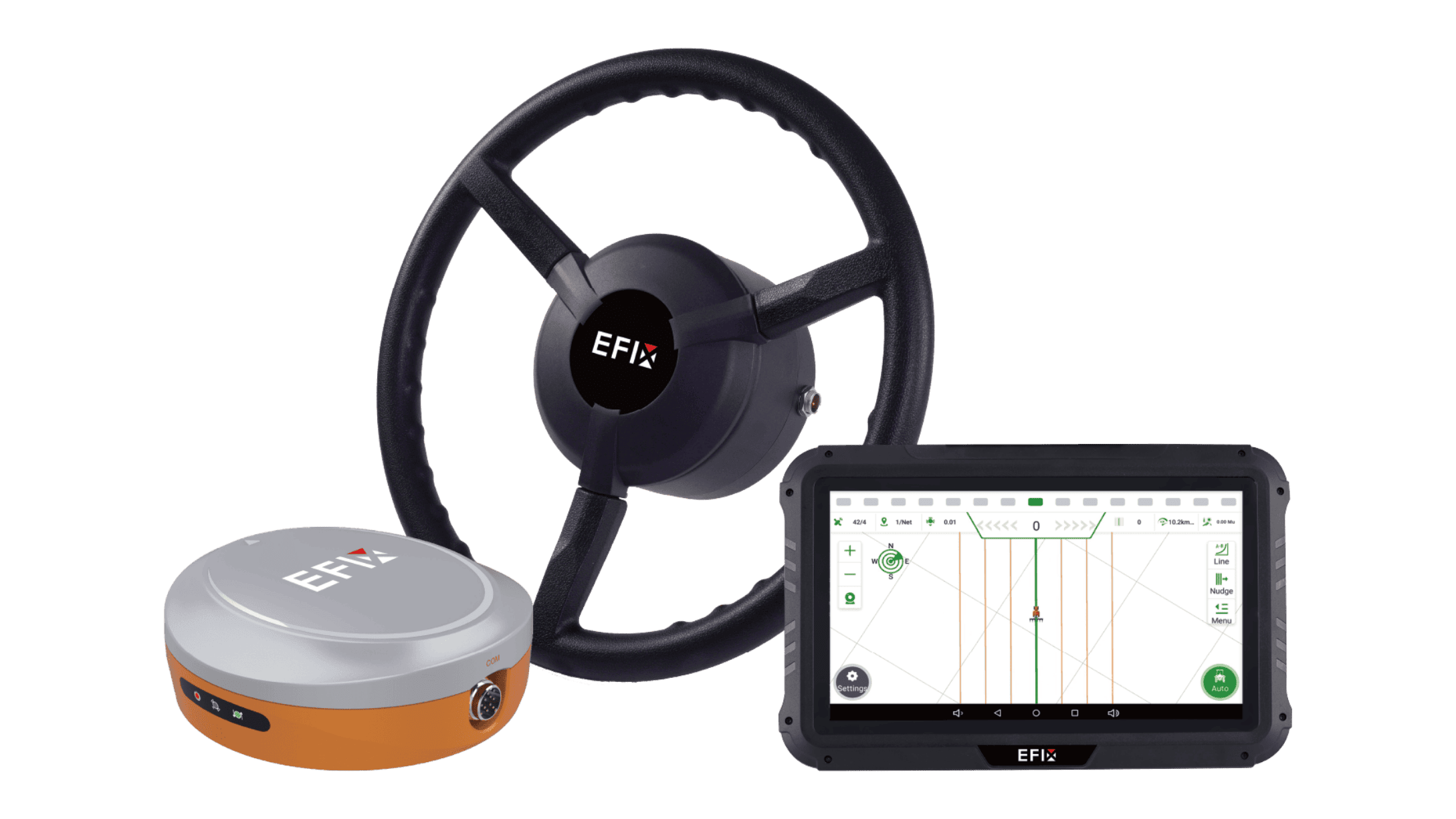
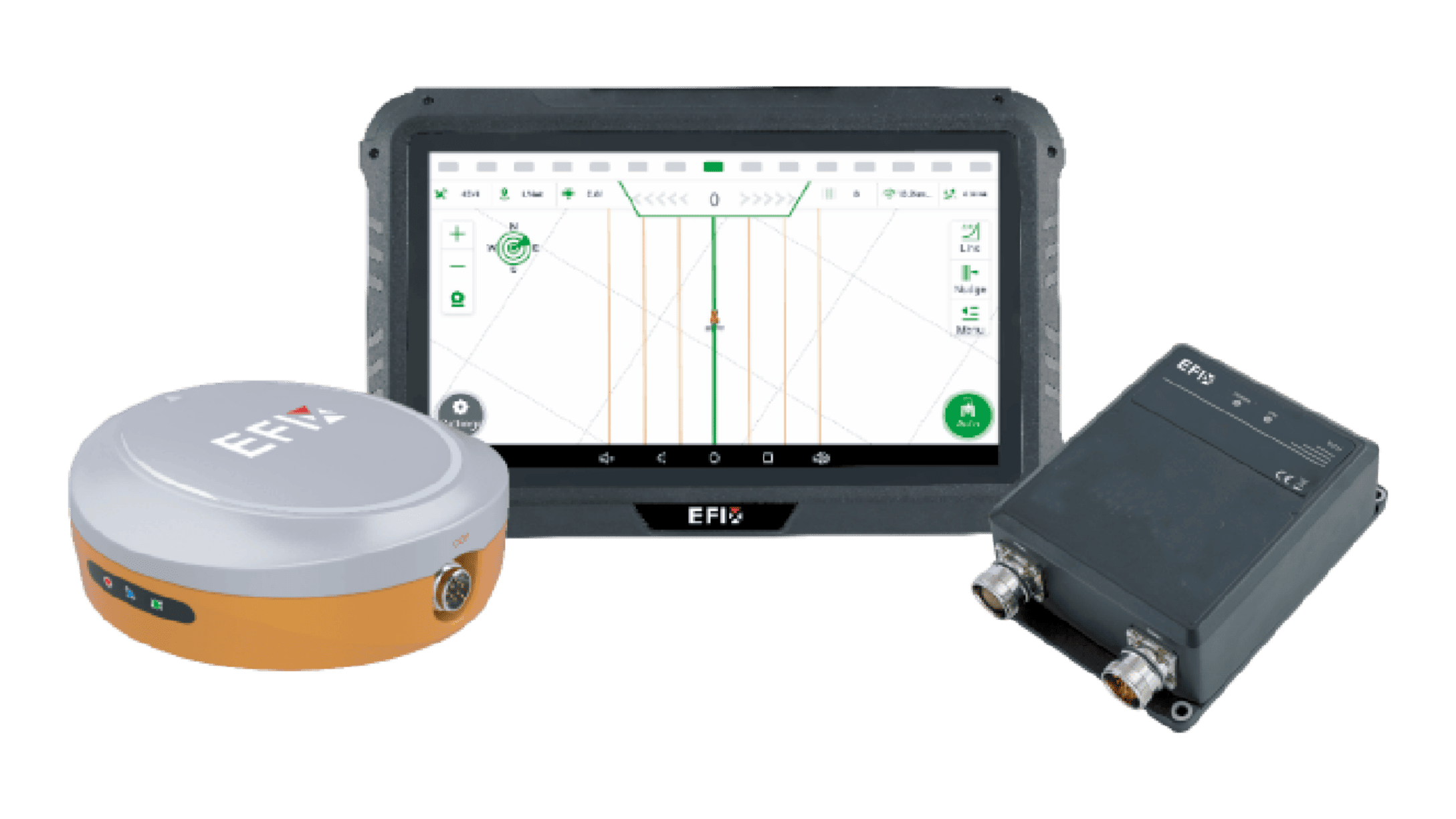
Adding new technology to established machinery requires a structured process. Integrating a steer ready kit for tractors into a current fleet is a methodical upgrade, not a wholesale replacement. We at Efix view this as a logical step towards enhancing operational precision across multiple machines. The procedure involves assessment, physical installation, and system calibration to ensure consistent performance. Successfully implementing a steer ready kit for tractors hinges on careful planning and attention to technical details at each phase.

Fleet Assessment and Component Selection
The initial stage involves a thorough review of your existing equipment. Not all tractors have identical hydraulic systems or electrical architectures. A pre-purchase evaluation should verify hydraulic flow rates, valve types, and the availability of electrical power sources at the desired console location. Matching the correct steer ready kit for tractors model to each specific tractor make and model is fundamental. This step often involves consulting compatibility charts or speaking with technical support. Identifying the right components beforehand prevents installation delays and ensures the kit interfaces correctly with the vehicle's existing systems, forming a solid foundation for the upgrade.
The Physical Installation Process
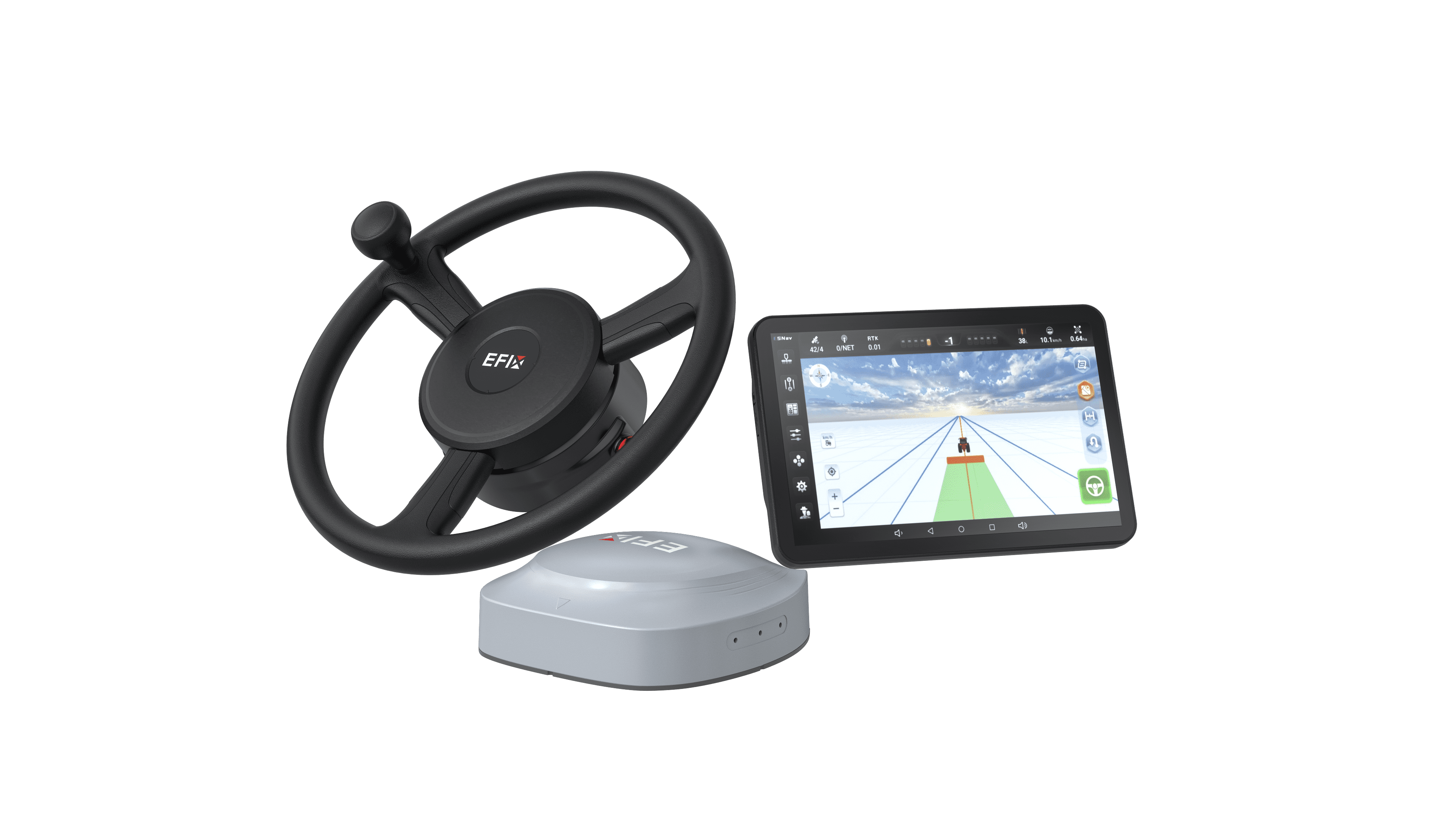
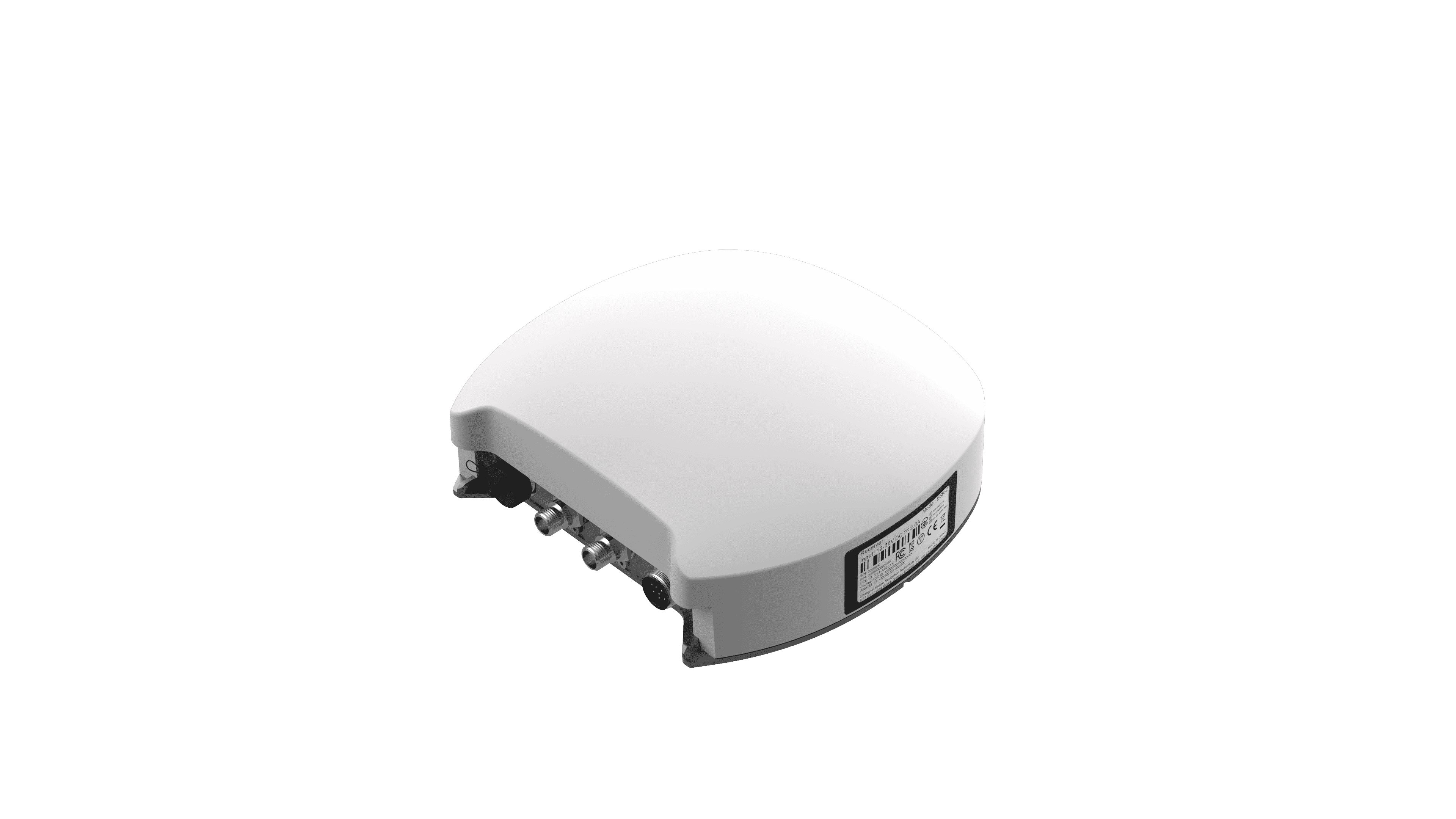
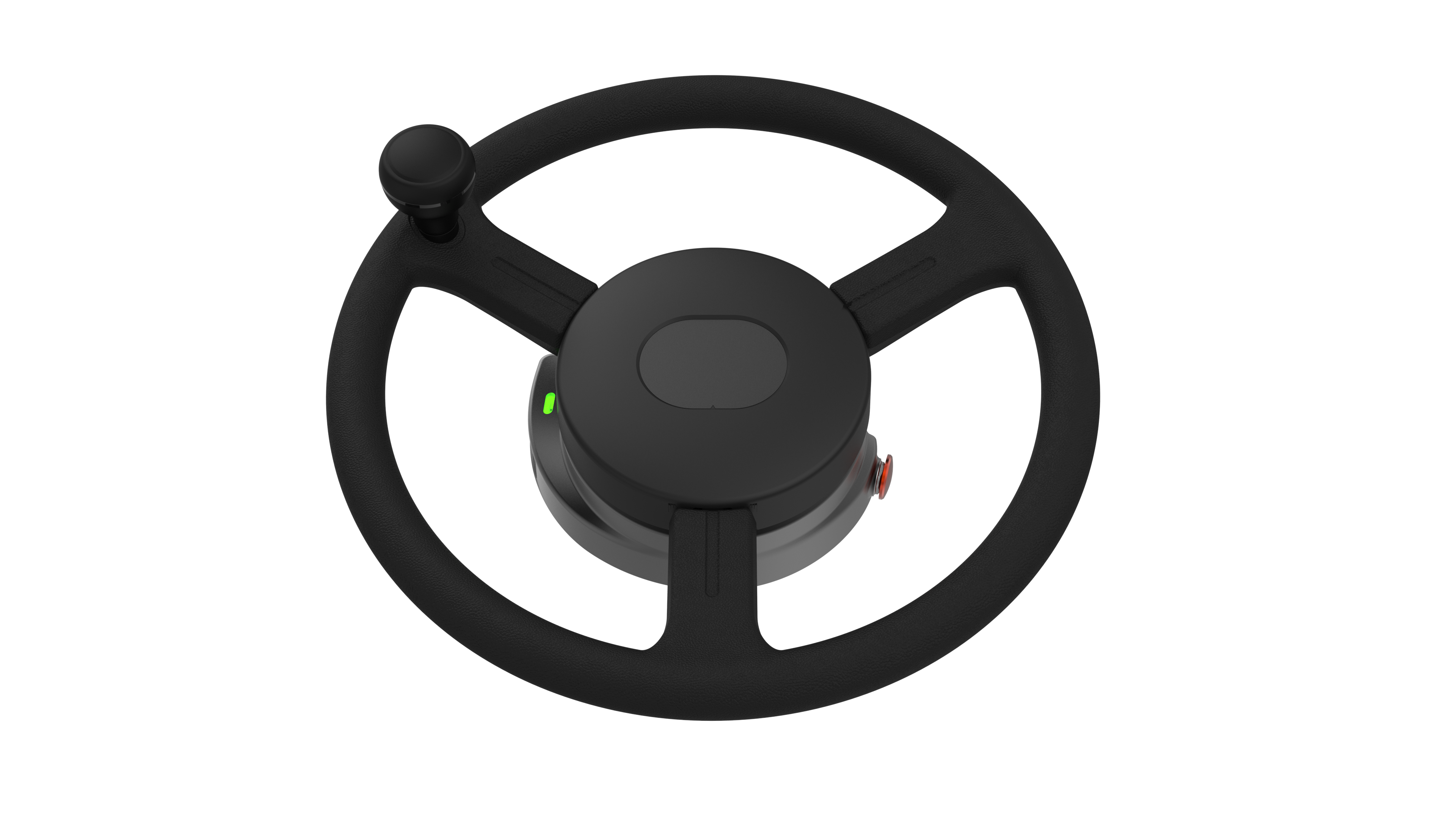
The second phase is the hands-on integration of hardware. This typically involves mounting the GNSS receiver mast, installing the hydraulic valve block into the steering circuit, and routing wiring from the cab to the valve and roof. The in-cab control unit and display are securely fitted in a position that allows for clear visibility and operator interaction. It is a process that follows a detailed technical manual, where each connection—whether hydraulic hose or electrical connector—must be precisely completed. The goal is a clean, professional installation where components are protected from the elements and physical damage, ensuring long-term reliability and minimal maintenance issues once the system is active.
System Calibration and Field Verification
Following installation, the system requires precise electronic and hydraulic calibration. This is not merely activation; it is a tuning process. The control unit must be taught the specific steering characteristics of that tractor, such as how many degrees the wheel turns lock-to-lock and the responsiveness of the hydraulic valves. This calibration directly impacts the accuracy and smoothness of the automated steering. After calibration, initial field verification is necessary. Operating the system on a known headland or path allows the operator to confirm its accuracy and make fine-tuning adjustments. This step transforms an installed kit into a fully functional guidance tool.
Adopting this technology across a fleet is therefore a sequential project of evaluation, mechanical integration, and electronic tuning. It extends the capabilities of existing assets through a standardized upgrade path. The outcome is a more uniform level of precision across different machines, aiding in task consistency. For us at Efix, providing clear guidance and compatible components for this integration is a key part of our support, helping operations modernize their equipment in a manageable, phased manner.