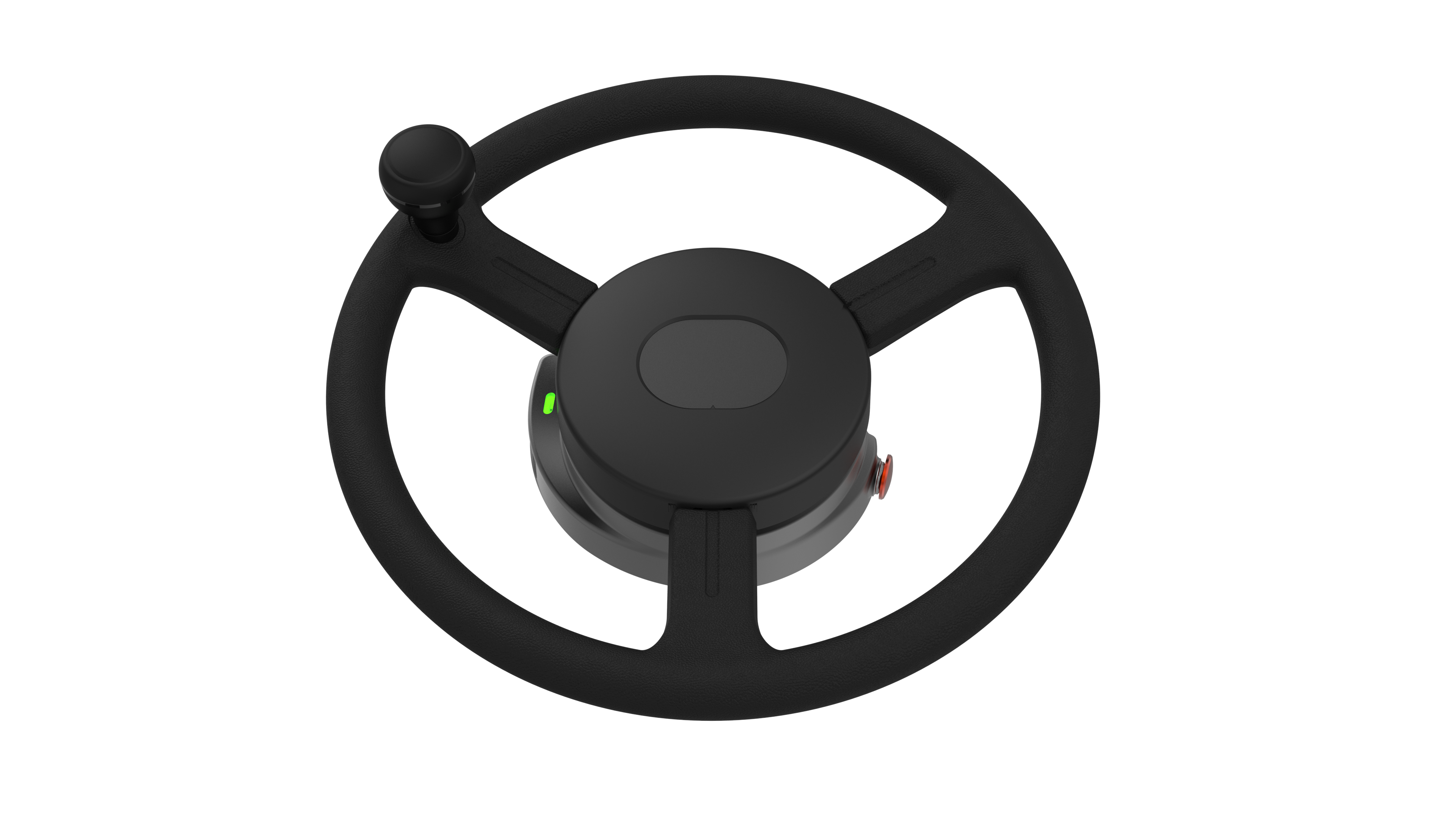
For manufacturers developing the next generation of agricultural machinery, integrating advanced guidance requires a thoughtful foundation. A steer ready autosteering system represents a specific design philosophy, where core steering control components are pre-installed during the initial build on the factory floor. We see this approach as a method to streamline the final integration process, offering a clear path for both the OEM and the end-user. This preparation focuses on embedding essential hardware and wiring harnesses, creating a platform that can be activated with specified guidance components at a later point.
Defining the Factory-Installed Core Architecture
The principle behind a steer ready autosteering system is the separation of the foundational control layer from the operator interface and positioning modules. From an engineering perspective, this typically involves the permanent installation of a certified steering valve, the necessary hydraulic plumbing, a central electronic control unit (ECU), and a standardized wiring loom throughout the vehicle's cabin and roof. This architecture establishes a direct, reliable communication link between where steering commands are generated and where they are physically executed. The vehicle leaves the assembly line not as a guided machine, but as a platform where guidance can be efficiently and reliably enabled, avoiding extensive aftermarket retrofitting that requires cutting, drilling, or custom fabrication.
The Integration Pathway for Technology Partners
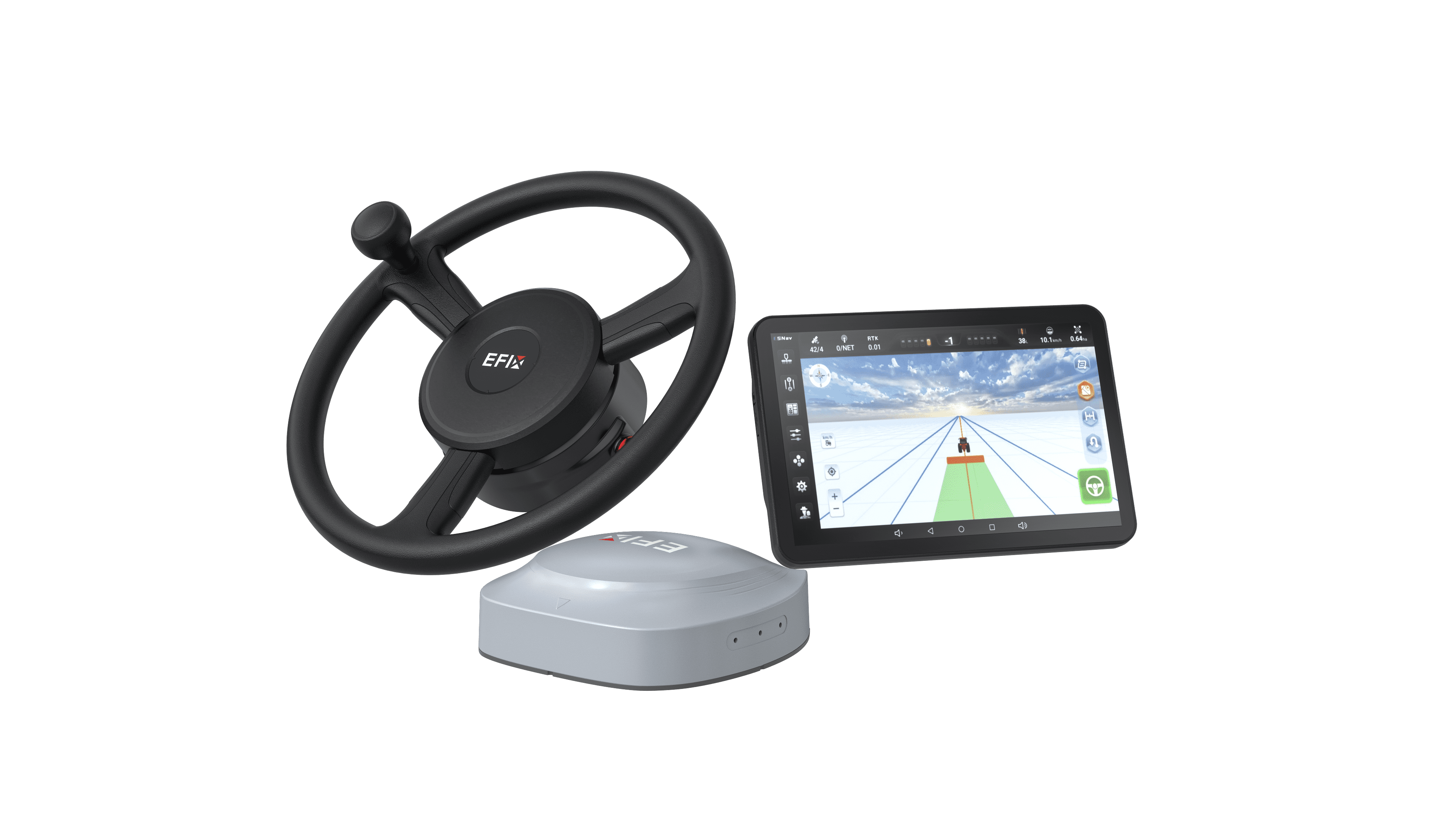
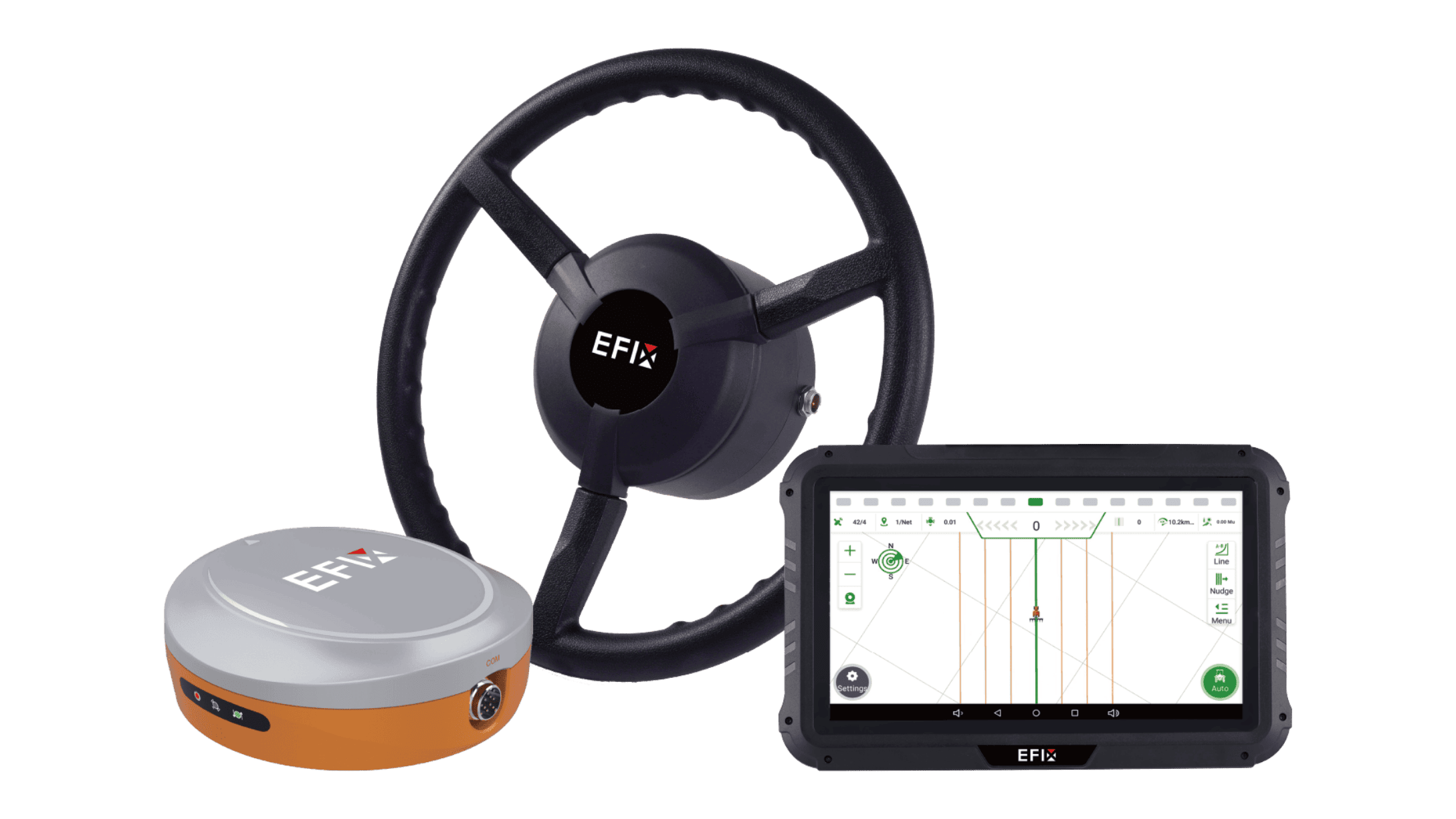
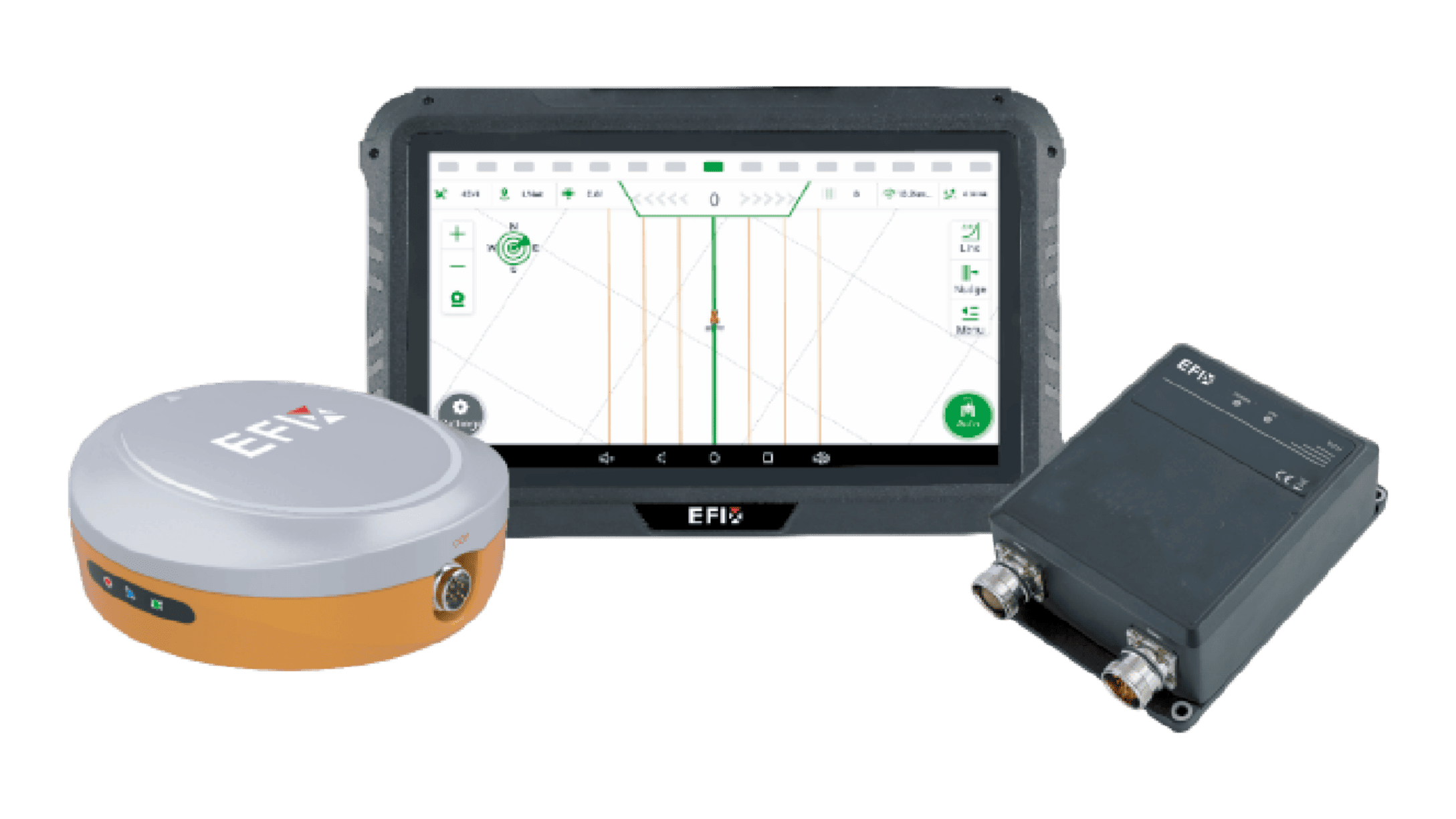
This prepared architecture creates a standardized interface for technology providers. When a complementary guidance package—comprising the display, GPS receiver, and activation software—is introduced, the integration process is significantly more efficient. The steer ready autosteering system is designed to recognize these components through plug-and-play connectivity, minimizing calibration time and potential installation errors. For the OEM, this model supports a build-to-order flexibility, allowing a single base machine model to be easily configured for different technology tiers or regional preferences post-manufacture. It represents a modular strategy, separating the complex vehicle integration from the selection of the user-facing technology brand.
Functional and Service Advantages in the Field
From a functional standpoint, a factory-integrated control foundation offers inherent benefits. The wiring and hydraulics are routed for optimal performance and protection during the initial build, adhering to the manufacturer's own durability and safety standards. This can lead to more consistent system performance and reduced electrical interference. For dealerships and service technicians, troubleshooting is simplified because the core steering control pathways are standardized and documented in the vehicle's original schematics. Furthermore, for the farmer, it preserves the integrity of the machine's warranty and provides the confidence that the steering automation is a validated part of the original equipment design, not an afterthought.
This approach reflects a shift toward viewing automation not as an accessory but as an integral vehicle subsystem. It prioritizes long-term serviceability, clean integration, and user flexibility, moving the complexity of integration upstream into the controlled factory environment.
At Efix, we engage with this architectural philosophy through our collaborative work with manufacturing partners. Our focus is on ensuring our guidance solutions interface seamlessly with such prepared platforms, supporting a reliable and efficient path from factory floor to field operation.