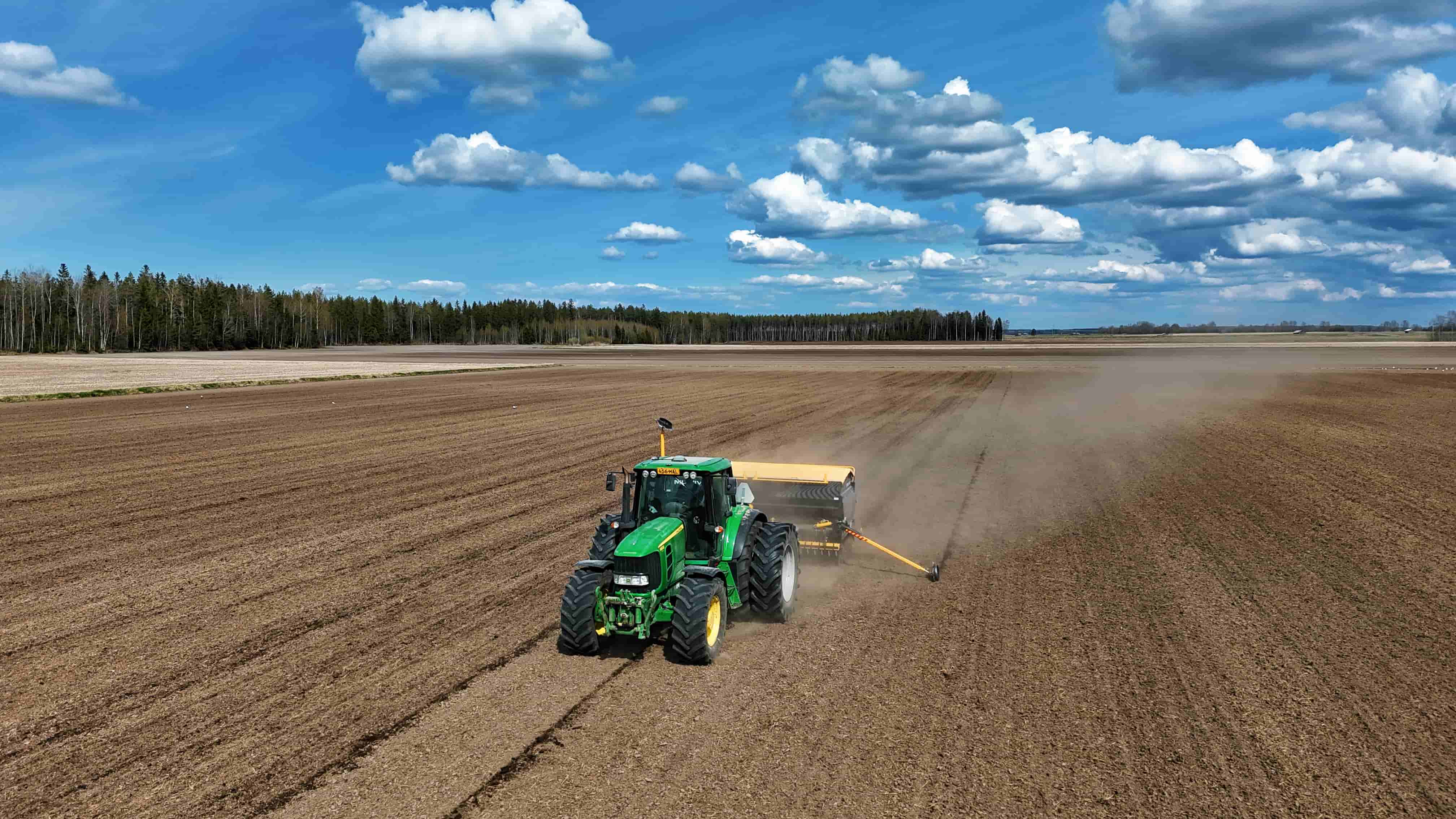
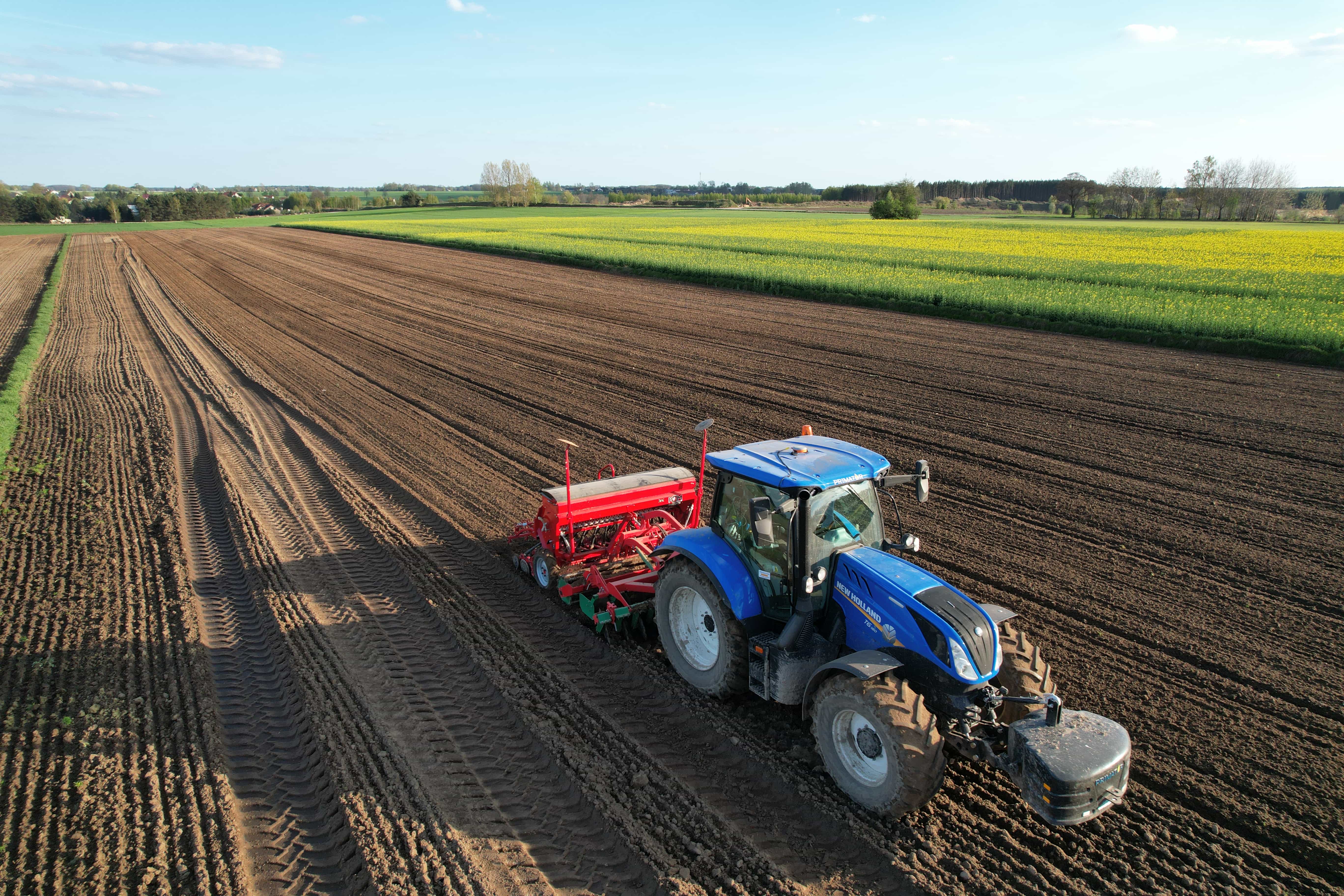
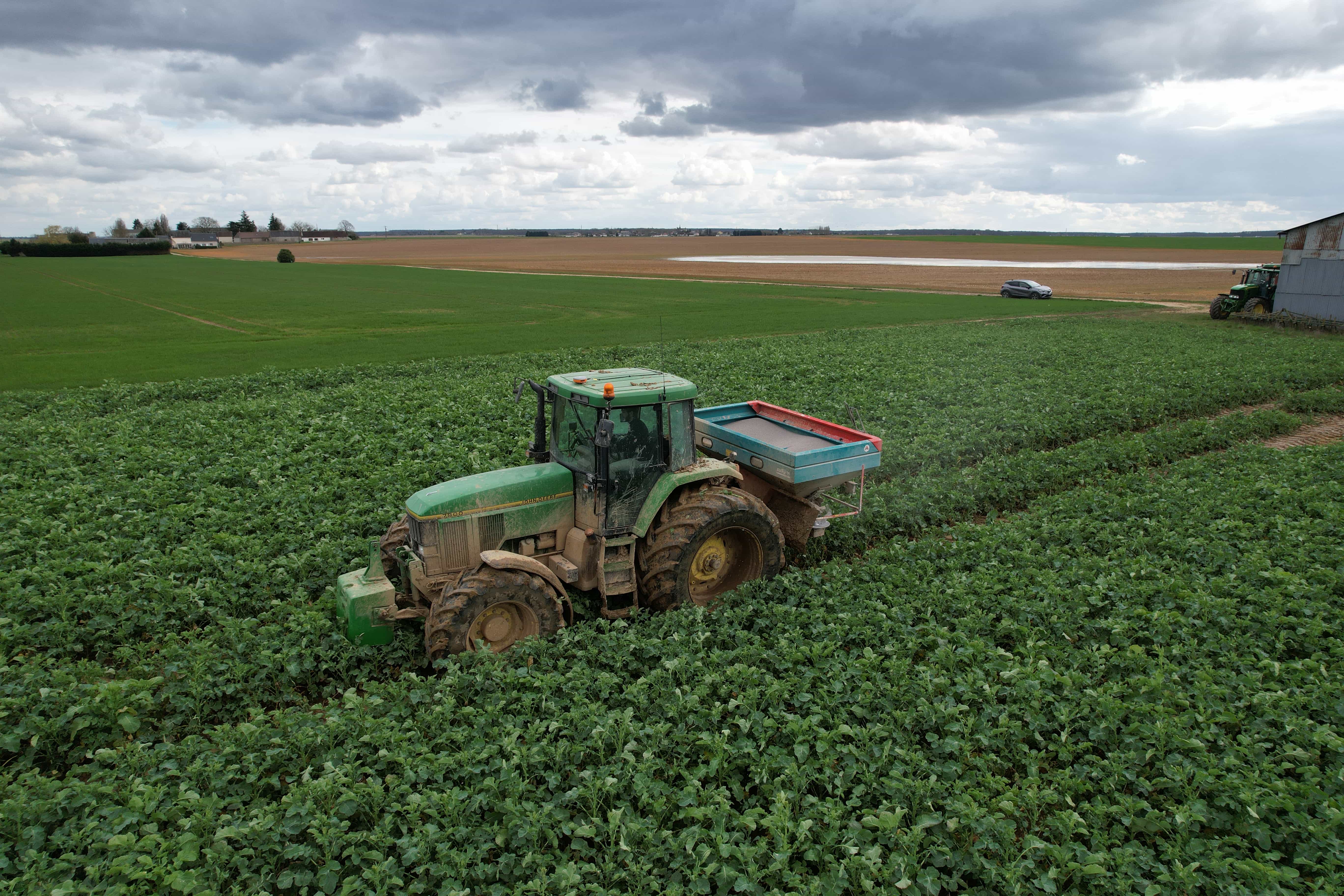
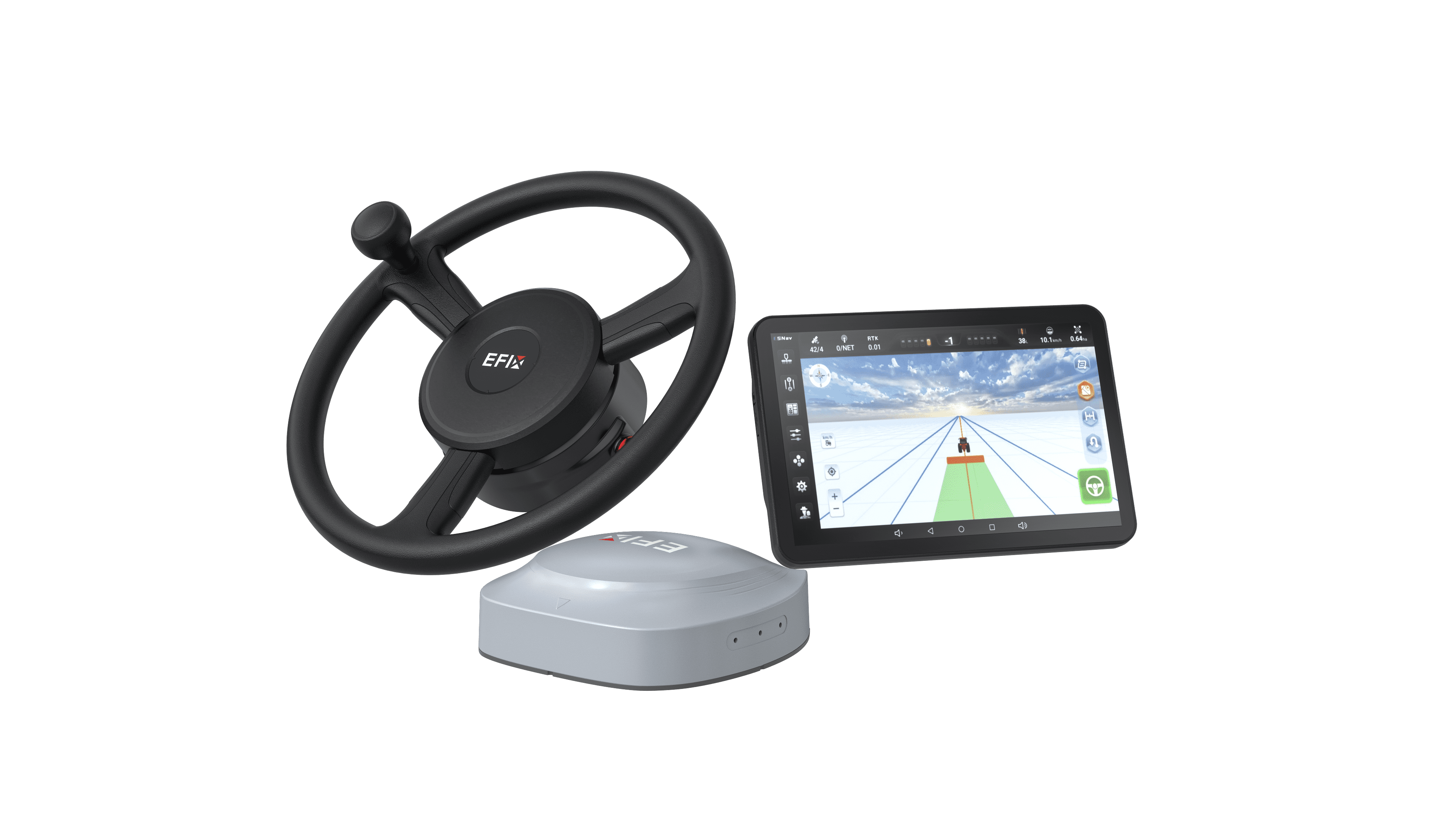
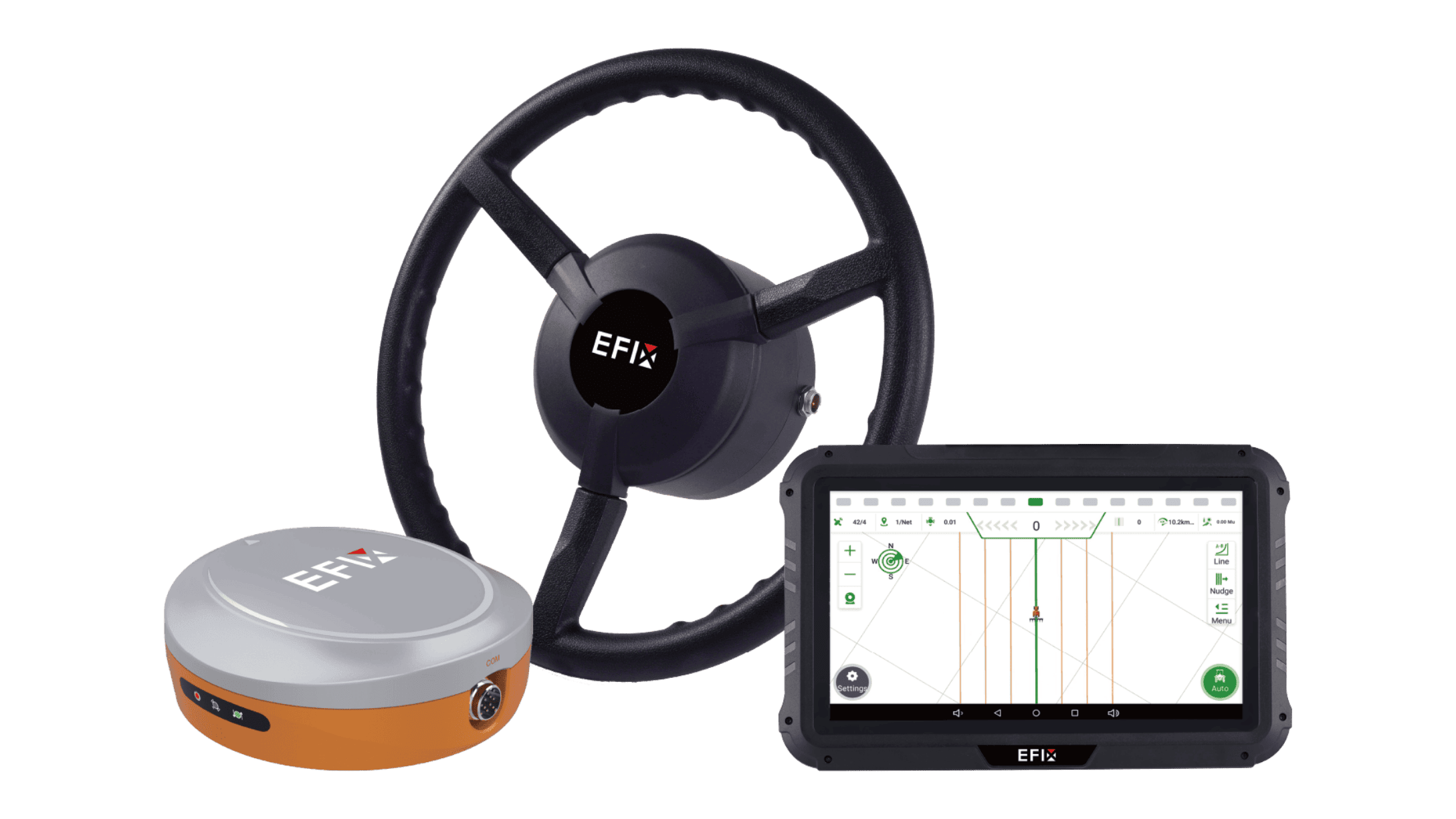
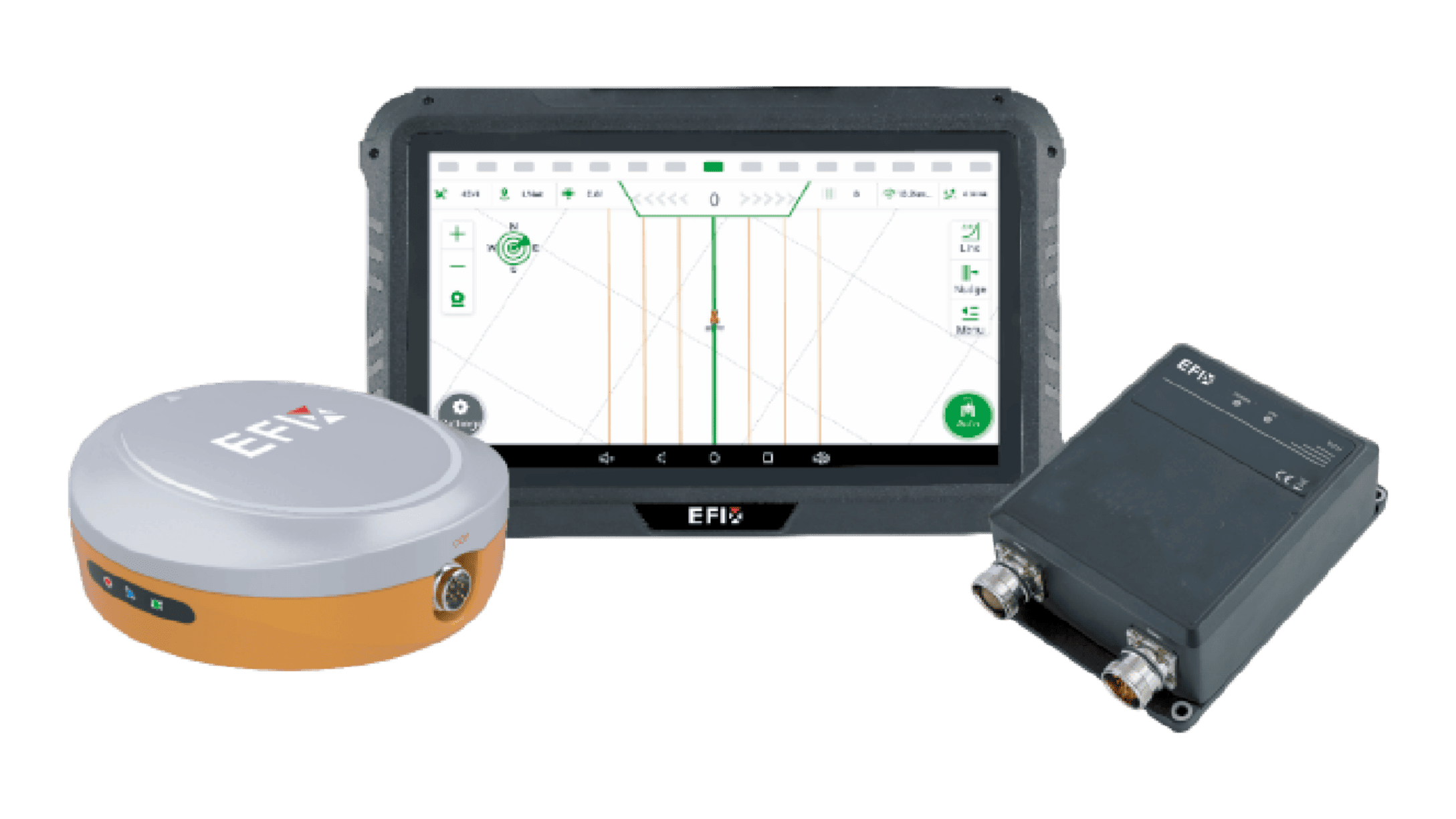
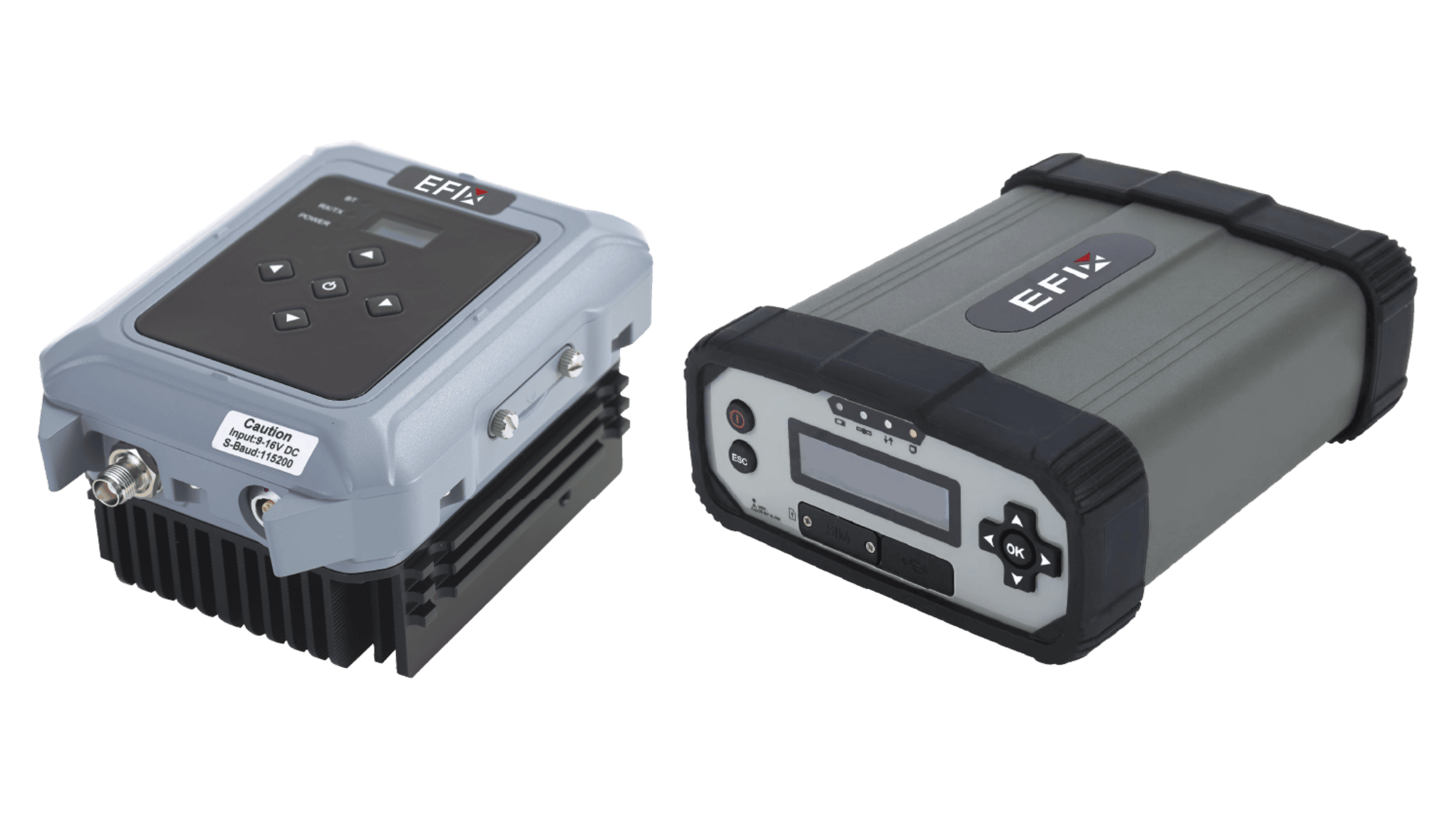
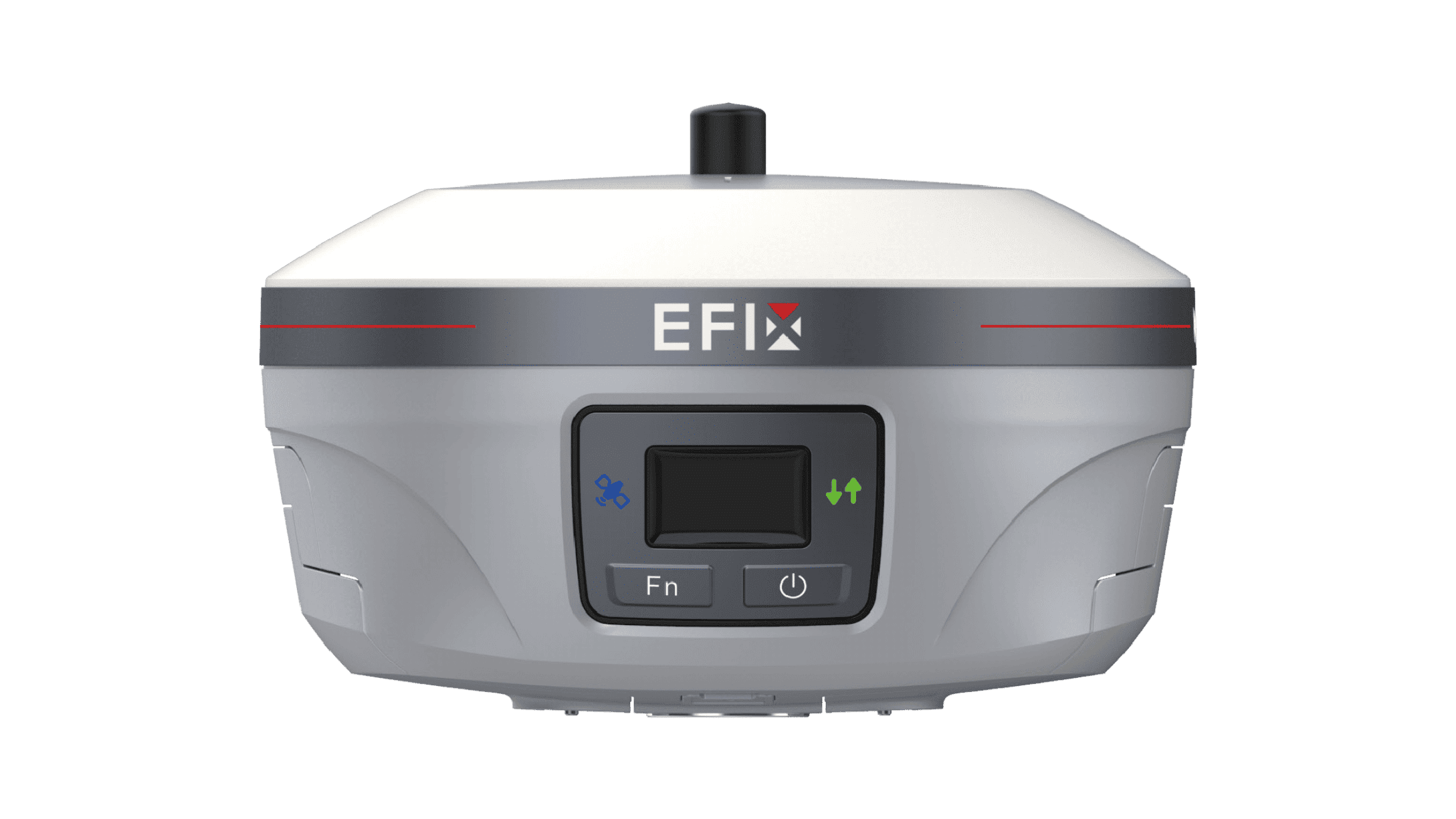
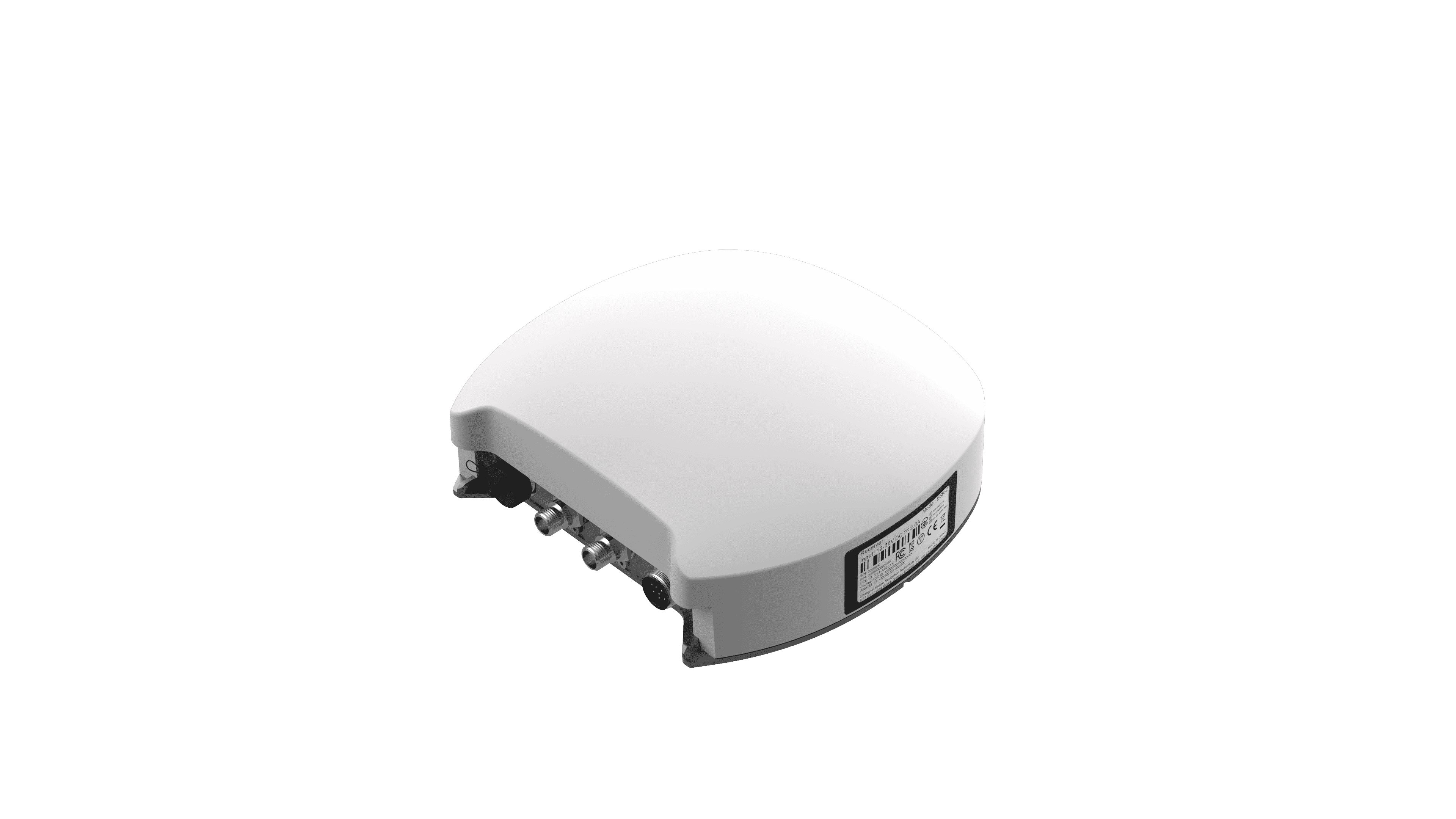
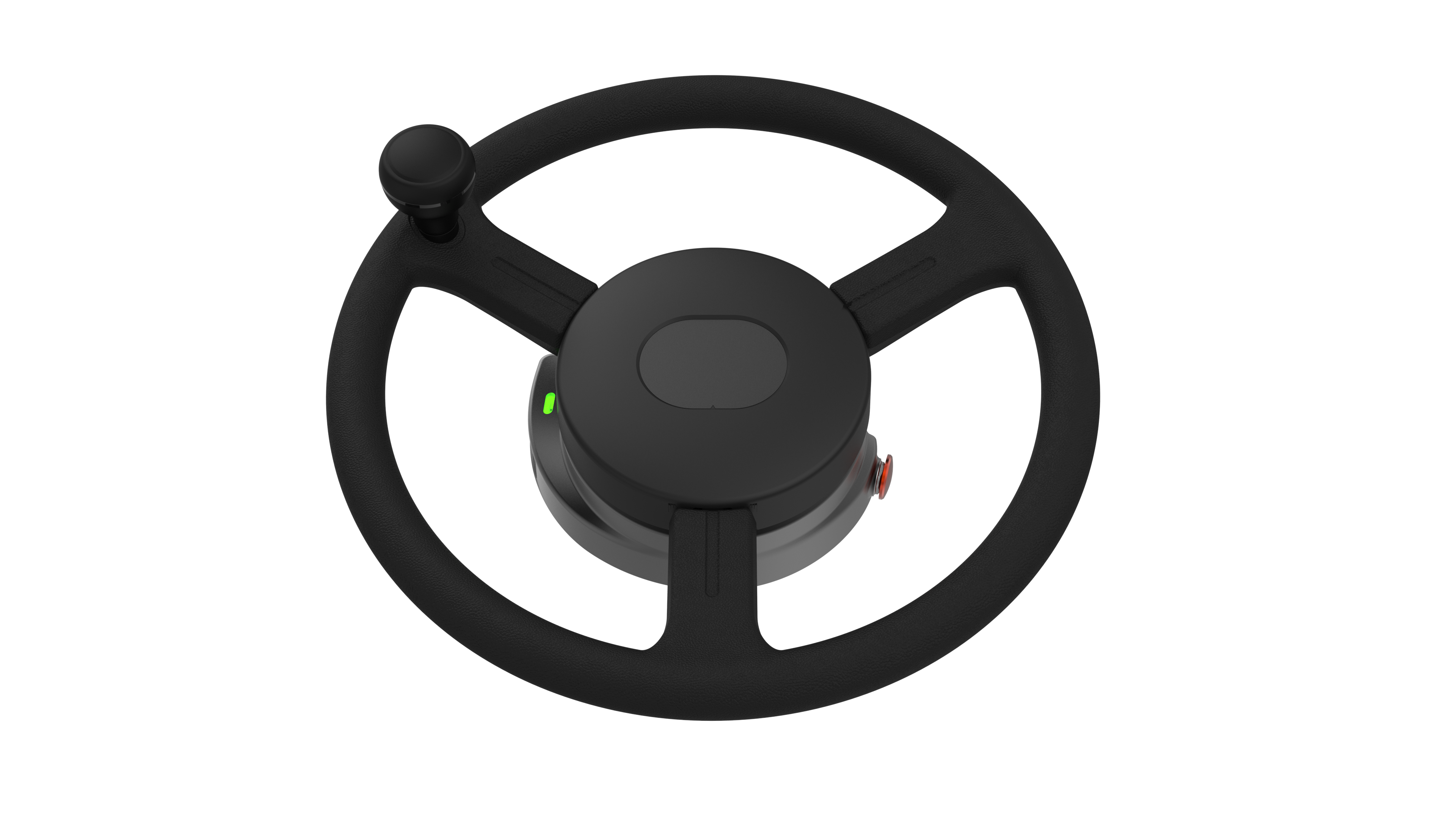
Modern farming increasingly relies on data and automation, and a precision agriculture guidance system has become a key tool in this transformation. At EFIX, we see this system as a combination of satellite positioning, onboard control units, and user interfaces that help machinery follow accurate paths across fields. Instead of relying on manual steering, farmers can maintain consistent spacing and reduce overlaps. By using a precision agriculture guidance system at the start of field operations, we help ensure that each pass is planned with clarity and efficiency in mind.
How Guidance Systems Work in Daily Farming Operations
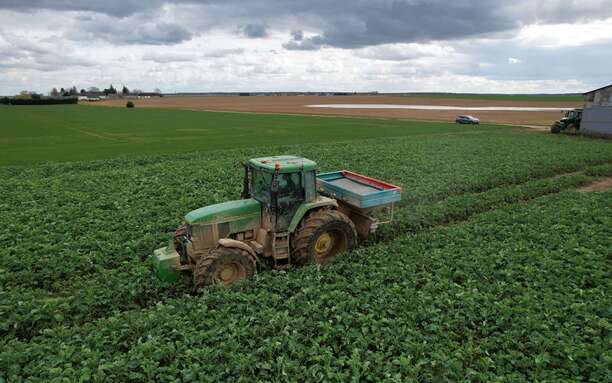
A precision agriculture guidance system works by integrating GNSS positioning data with steering mechanisms installed on tractors or other machinery. The system continuously calculates position and direction, allowing equipment to stay on predefined lines even in low visibility conditions. This improves consistency in tasks such as seeding, fertilizing, and spraying. In our experience, this level of control reduces operator fatigue while maintaining stable working patterns. Over time, repeated use of a precision agriculture guidance system supports better field mapping and more predictable crop management outcomes.
Practical Efficiency Gains in the Field
Farm efficiency improves when resources are used more carefully, and this is where guidance systems make a measurable difference. By minimizing overlaps and missed areas, fuel consumption and input waste can be reduced. A precision agriculture guidance system also allows farmers to operate for longer hours with stable accuracy, which is especially useful during peak seasons. From our perspective, the value is not only in saving time but also in improving decision-making. When combined with digital records, the system contributes to a clearer understanding of field performance and long-term planning.
Flexible Integration and OEM Possibilities
Beyond standalone solutions, we also focus on flexibility in how these systems are deployed. At EFIX, we provide not only auto steering solutions but also OEM and integration options covering components, software, and algorithms. This allows partners to develop tailored systems that match their equipment and operational needs. Our approach includes electric steering and hydraulic configurations, along with adaptable cooperation models such as pre-installation and algorithm integration. Rather than offering a fixed setup, we aim to support scalable development paths that align with different agricultural scenarios while maintaining consistent system reliability.
Conclusion: A Practical Tool for Smarter Farming
In summary, a precision agriculture guidance system plays an important role in improving farm efficiency by combining positioning technology with automated control. It helps reduce waste, improve operational consistency, and support better use of resources over time. At EFIX, we integrate these capabilities into flexible solutions that can adapt to various farming environments. As agriculture continues to evolve, systems like these provide a practical foundation for more precise and sustainable field operations.