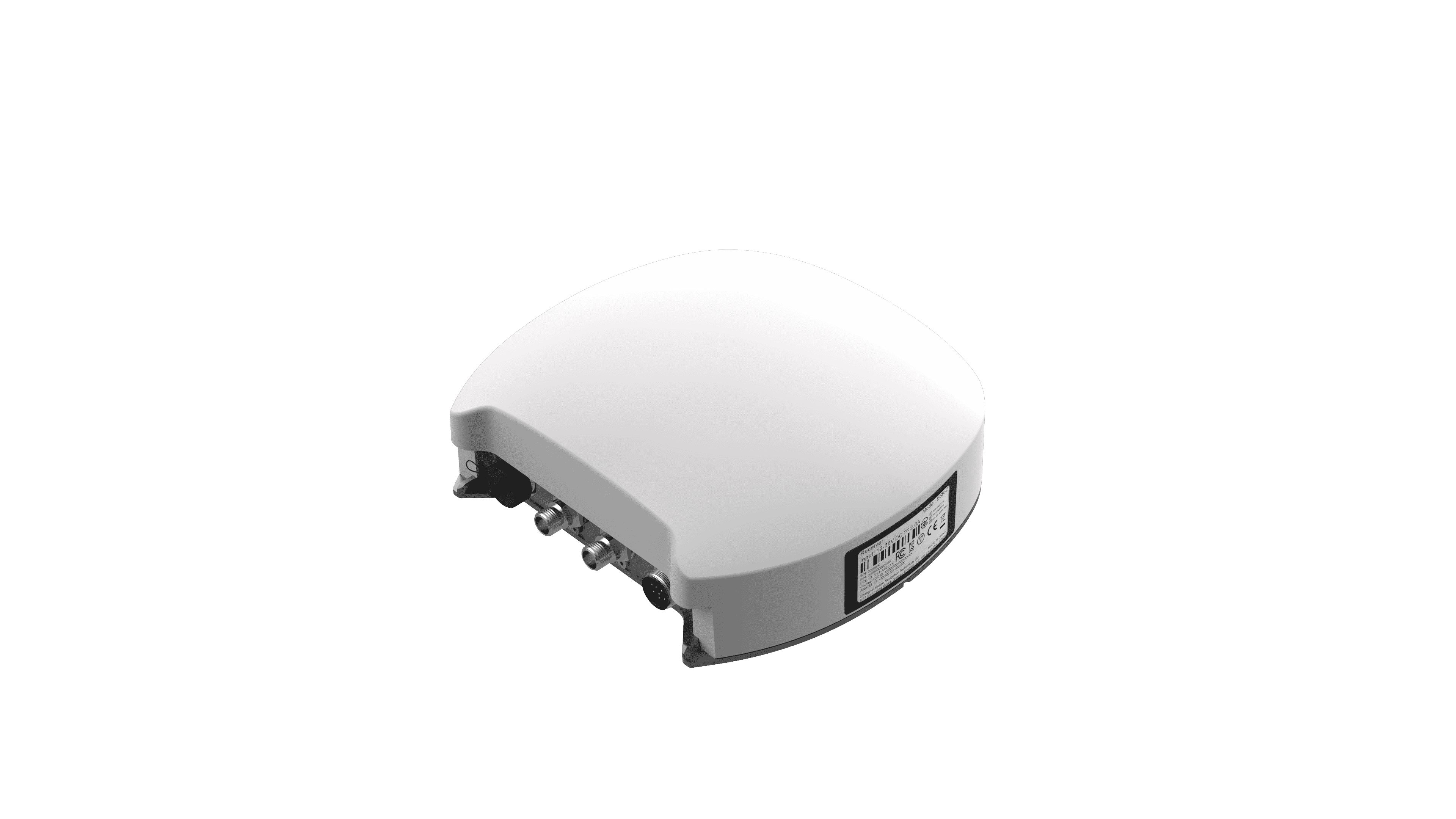
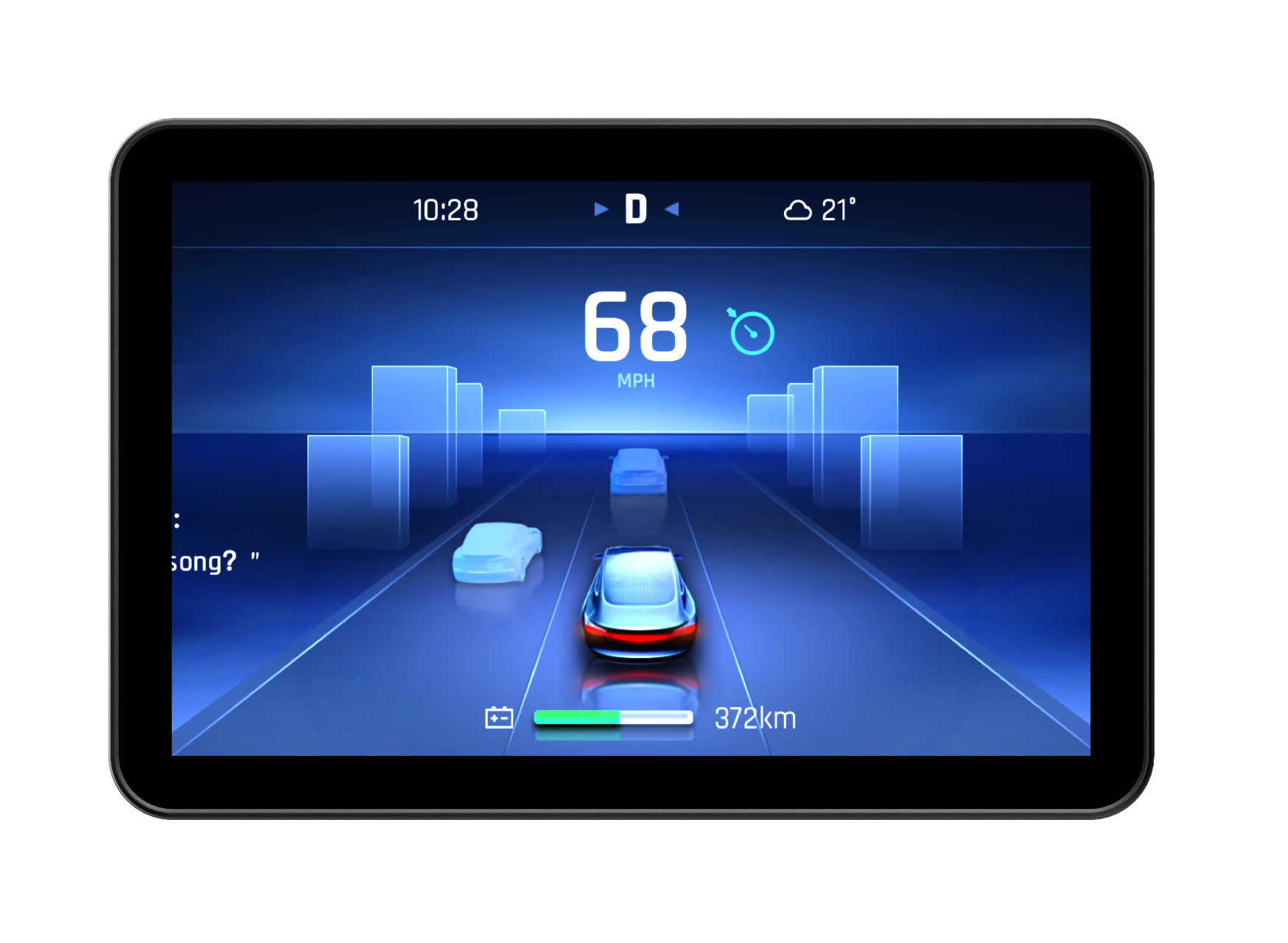
Farming practices are evolving as technology becomes more integrated into daily operations. Tasks that once depended heavily on manual judgment are now supported by digital tools that improve consistency and control. At EFIX, we recognize how agricultural GPS guidance systems are helping farmers navigate fields with greater precision while adapting to different operational needs. By combining positioning technology with practical field applications, agricultural GPS guidance systems are becoming an essential part of modern agricultural workflows.

Understanding Precision Through Agricultural GPS Guidance Systems
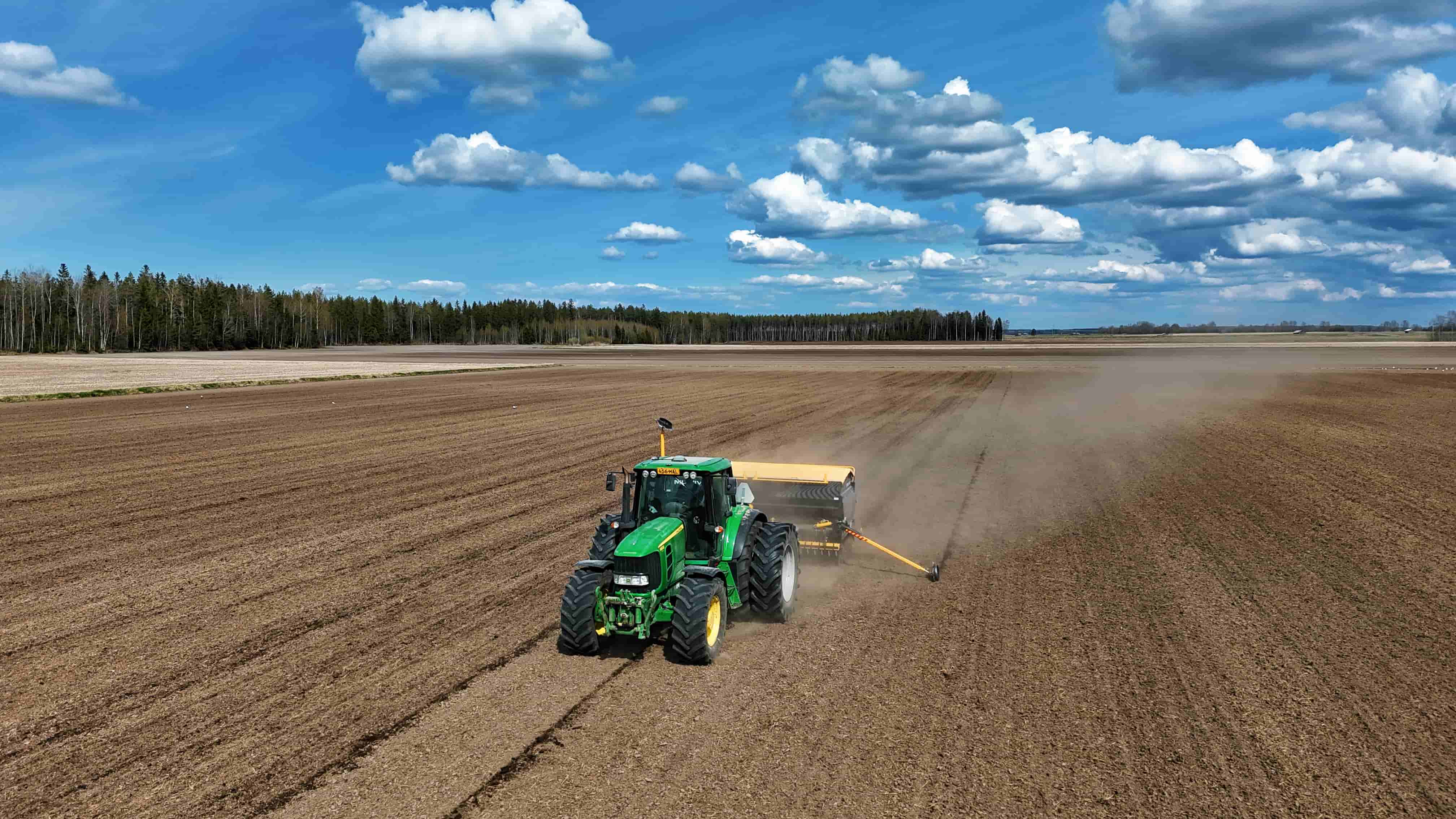
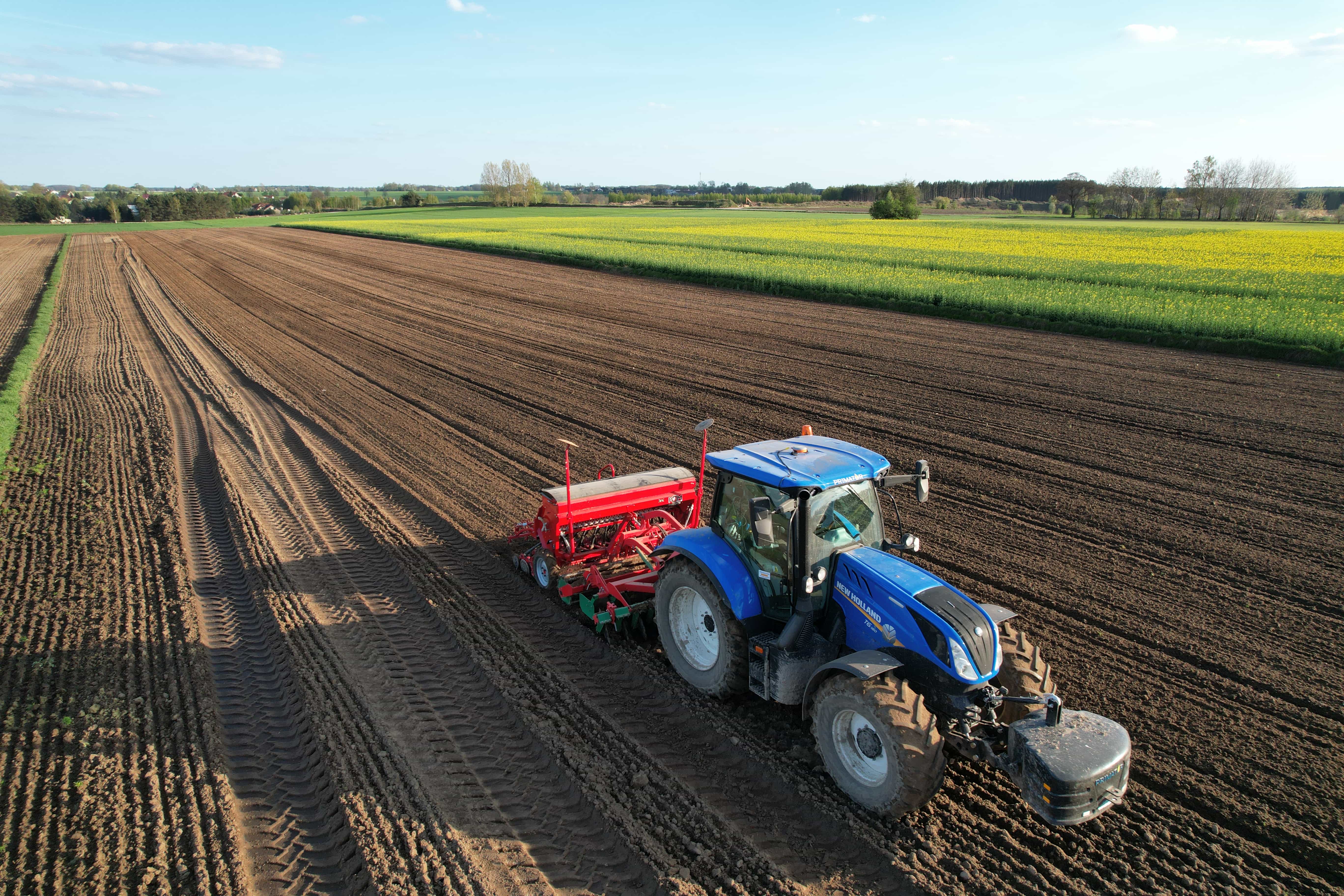
Precision is at the core of modern farming practices. With agricultural GPS guidance systems, farmers can maintain straight and repeatable paths across fields, which directly reduces input waste such as seeds, fertilizers, and fuel. Instead of relying on visual markers or manual steering, these systems provide real-time positioning data that supports consistent decision-making.
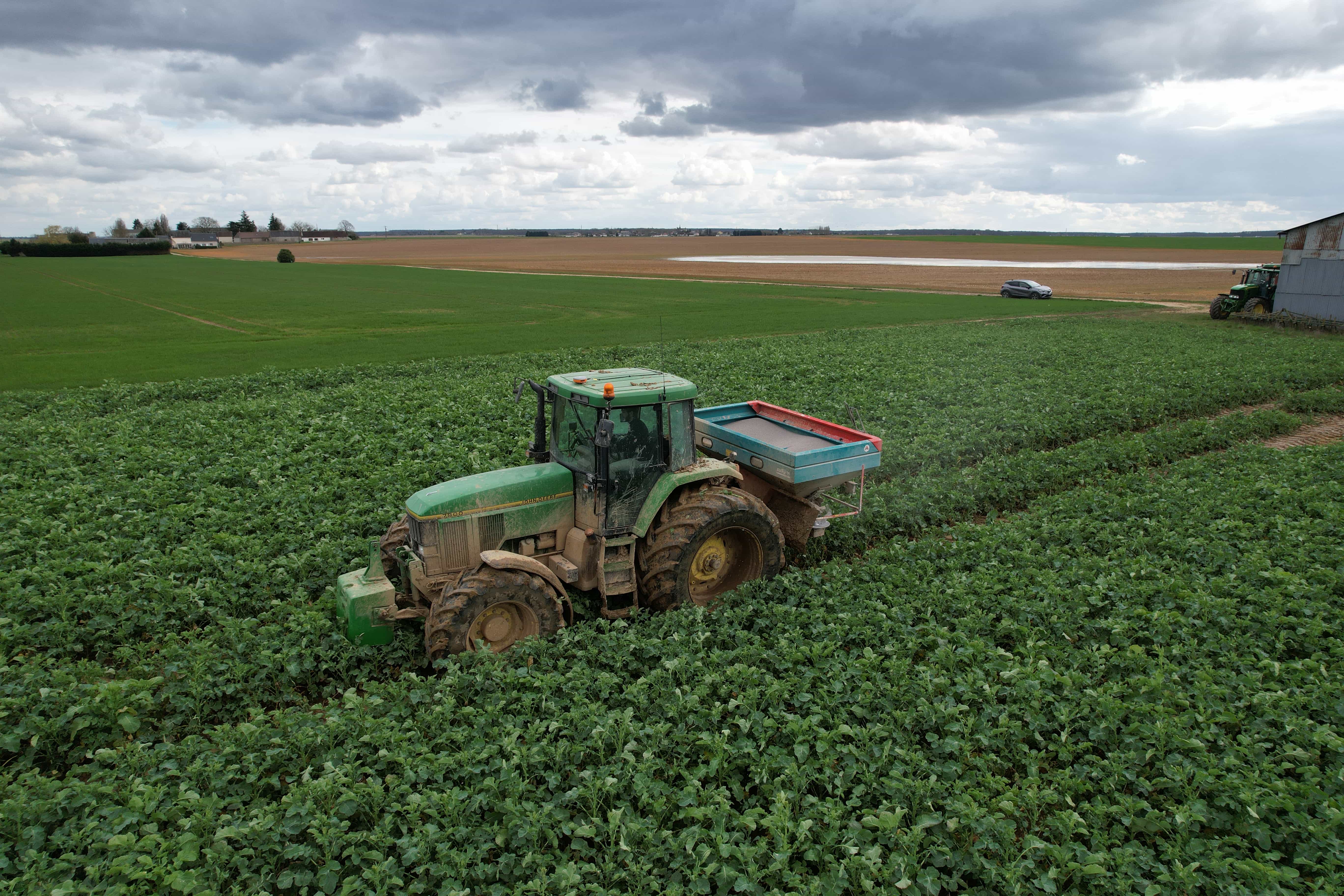
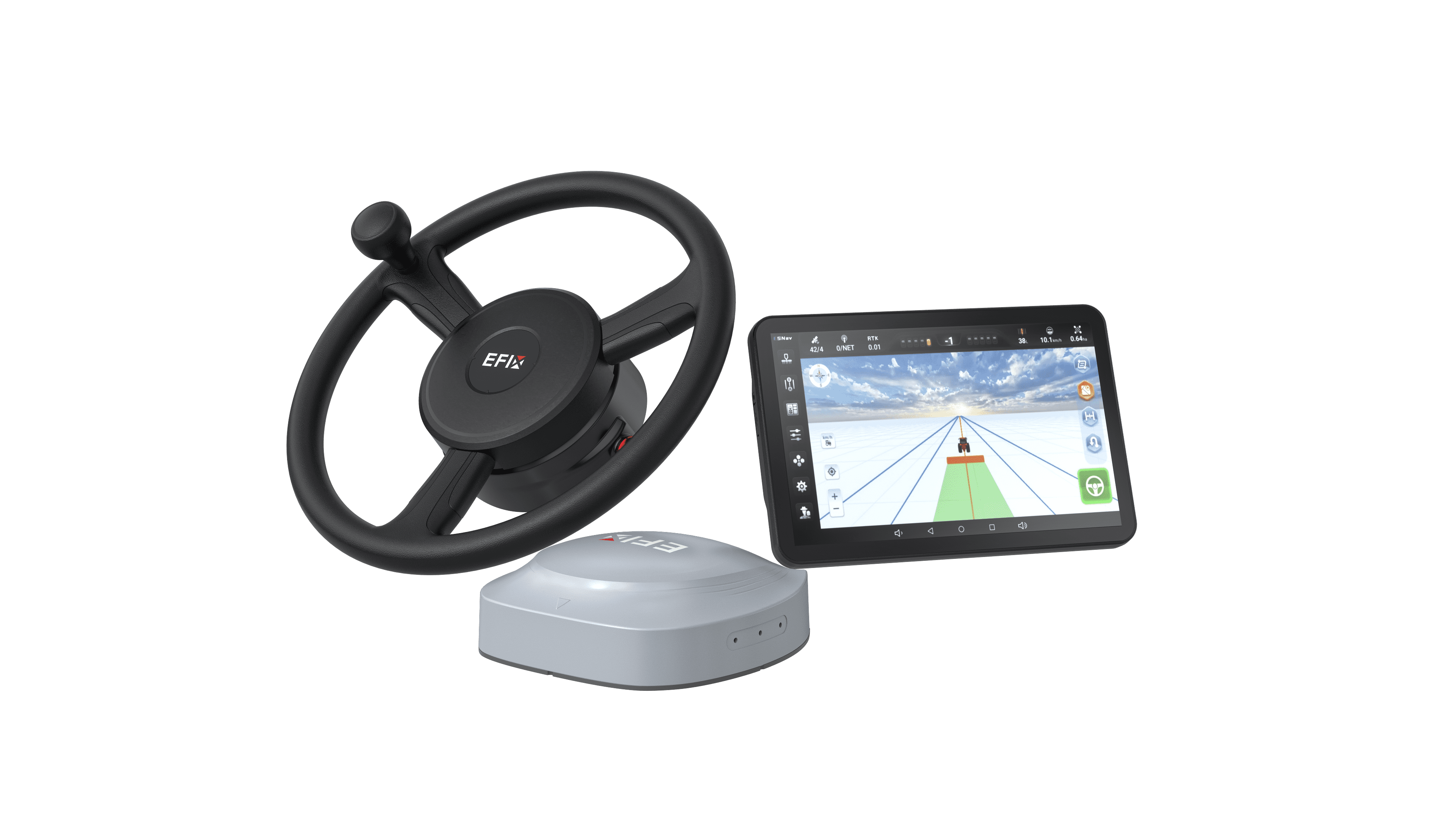
In our experience, integrating EFIX solutions into field operations allows users to adapt to different terrains and crop patterns without constantly recalibrating their workflow. By combining GNSS positioning with intuitive control interfaces, we enable smoother transitions between tasks like planting, spraying, and harvesting. This approach ensures that agricultural GPS guidance systems are not only tools for navigation but also practical aids for everyday efficiency.
Adapting to Diverse Field Conditions with Smart Guidance
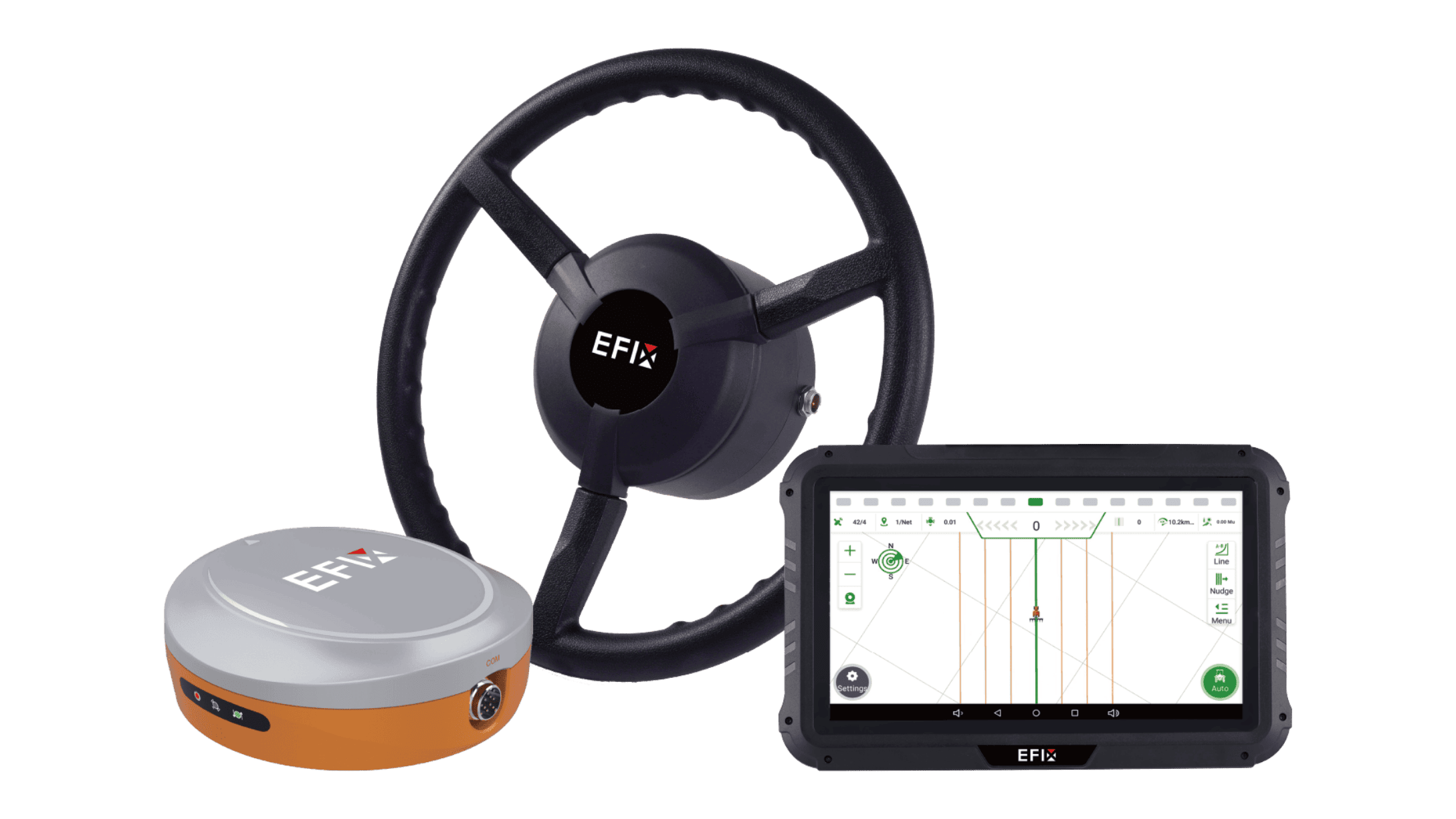
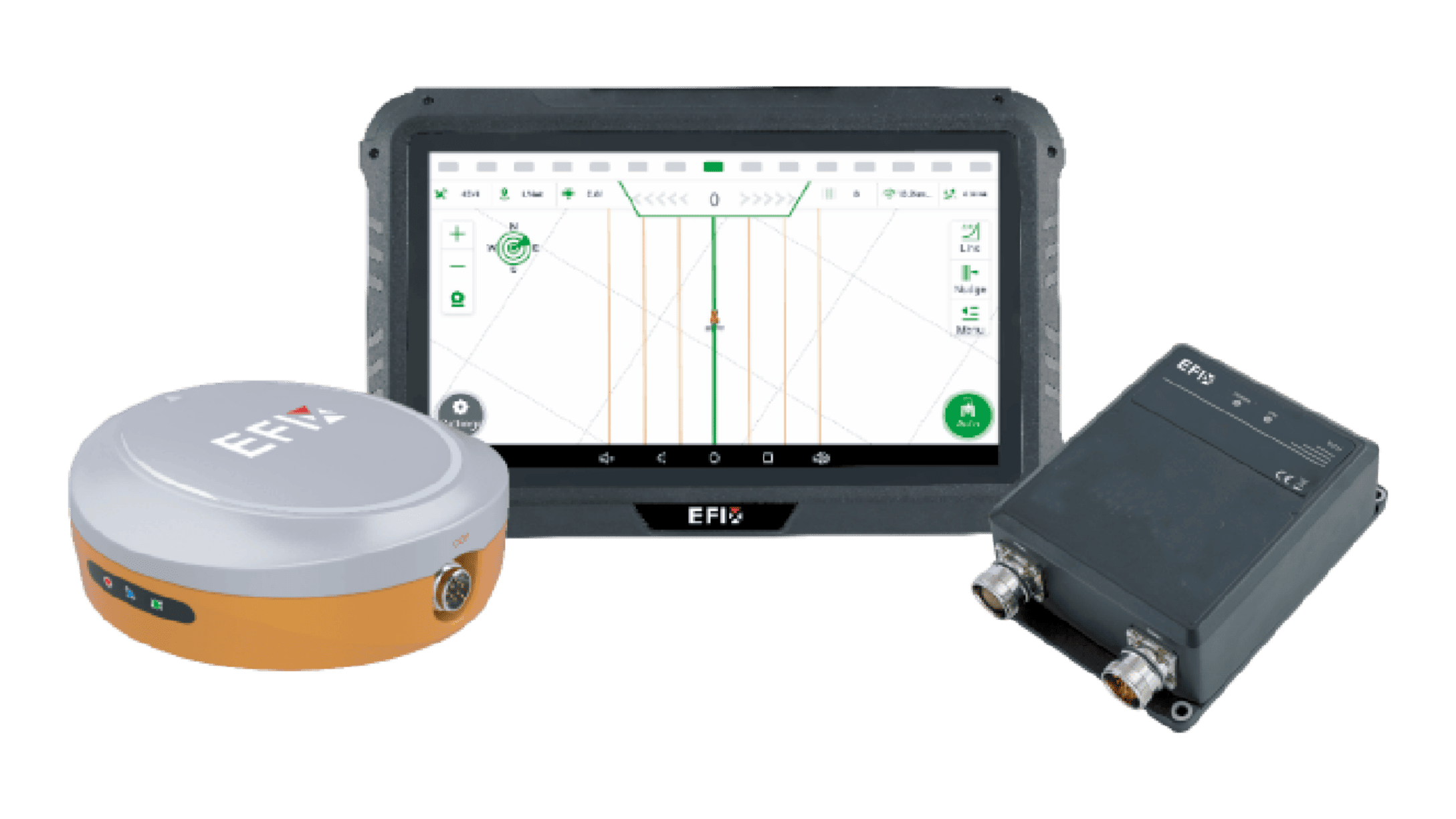
Farms rarely follow uniform shapes, and this is where flexibility becomes essential. Our eSteer20 Max system reflects this need by offering versatile guideline modes suitable for various working conditions. With support for AB lines, A+ lines, curves, circular curves, irregular rake lines, 90-degree lines, boxed lines, all-path lines, and path-planning lines, operators can handle irregular fields without compromising accuracy.
Such adaptability demonstrates how agricultural GPS guidance systems can respond to real-world challenges rather than ideal scenarios. Within EFIX, we focus on making these features accessible so that operators can switch between guidance modes without interrupting their workflow. This ensures that even complex field layouts can be managed efficiently, helping users fully utilize the potential of agricultural GPS guidance systems in daily operations.
Enhancing Long-Term Farm Management and Sustainability
Beyond immediate operational benefits, agricultural GPS guidance systems contribute to long-term farm management. Accurate field data collected during operations can be used to analyze productivity trends, optimize input allocation, and reduce environmental impact. This data-driven approach supports more informed planning over multiple growing seasons.
At EFIX, we view technology as a bridge between efficiency and sustainability. By minimizing overlaps and improving route planning, our solutions help reduce fuel consumption and input waste. Over time, consistent use of agricultural GPS guidance systems allows farms to build reliable datasets that support better agronomic decisions without increasing operational complexity.
Conclusion: A Practical Step Toward Smarter Farming
The evolution of farming technology highlights the importance of precision and adaptability. From improving daily operations to supporting long-term planning, agricultural GPS guidance systems play a meaningful role in modern agriculture. Through solutions like those developed by EFIX, farmers can manage diverse field conditions while maintaining consistent accuracy.
In summary, the integration of agricultural GPS guidance systems represents a practical step toward more efficient and sustainable farming. By combining reliable positioning, flexible guidance modes, and user-oriented design, these systems continue to support the changing needs of agriculture without overcomplicating the work on the ground.