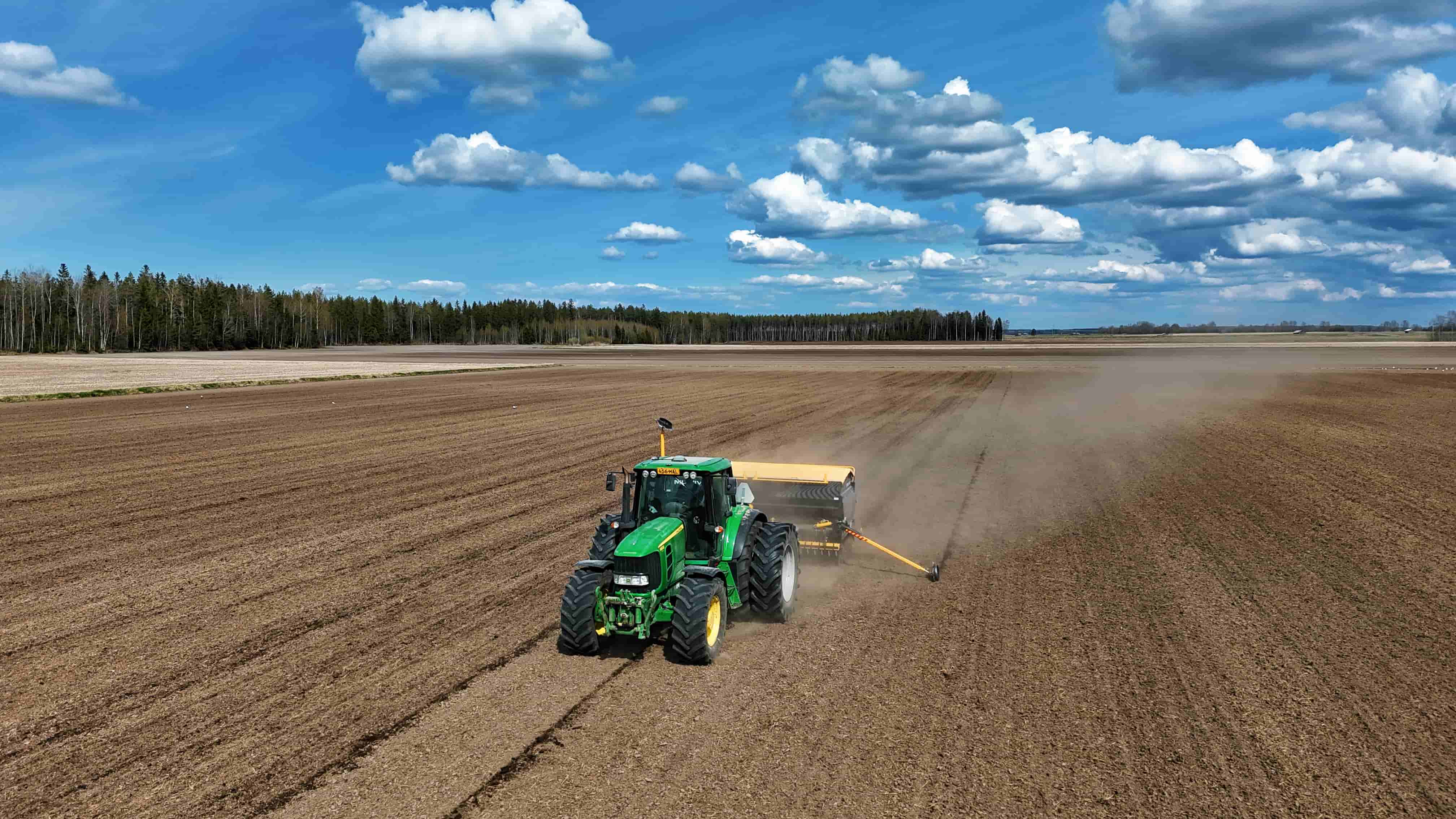
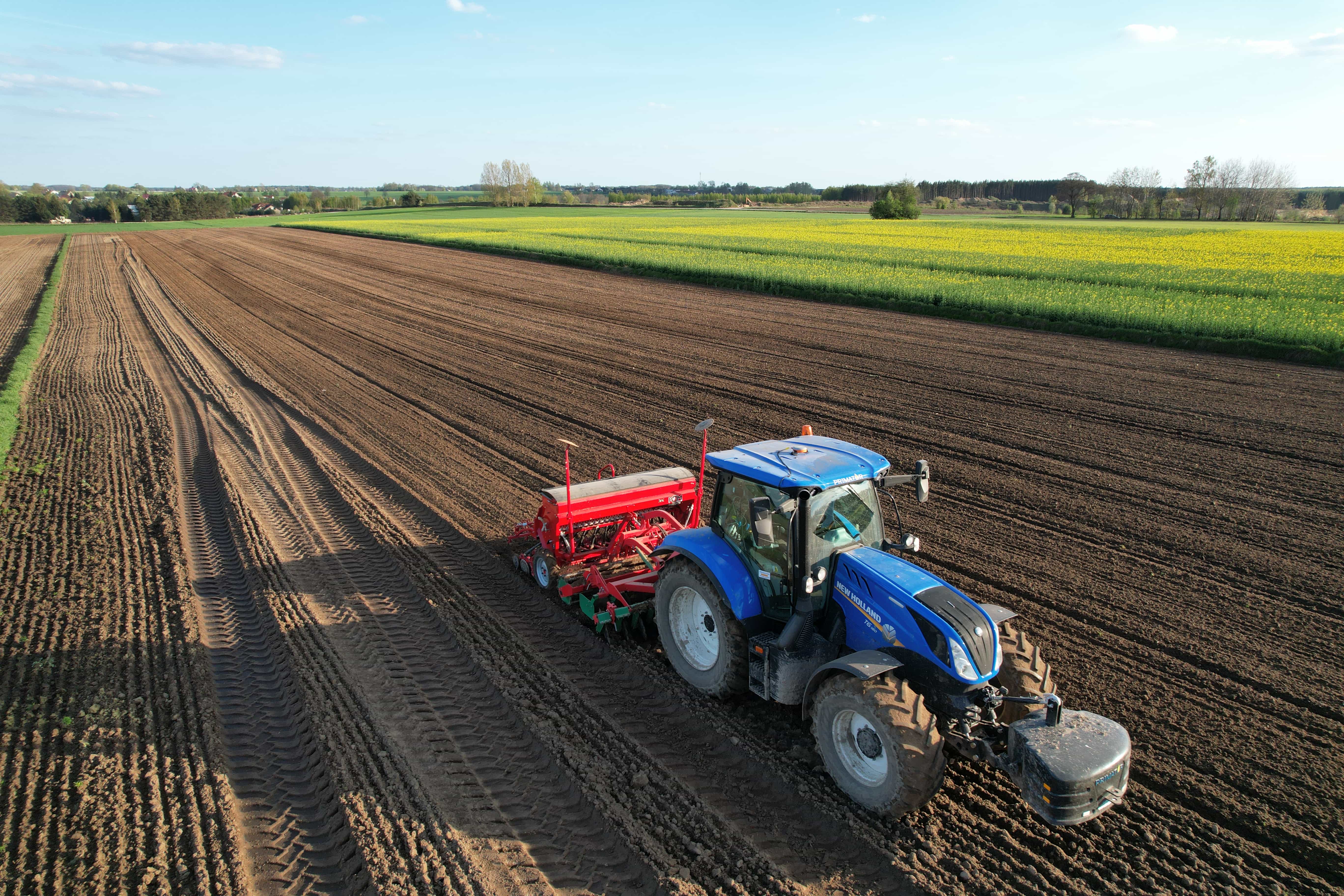
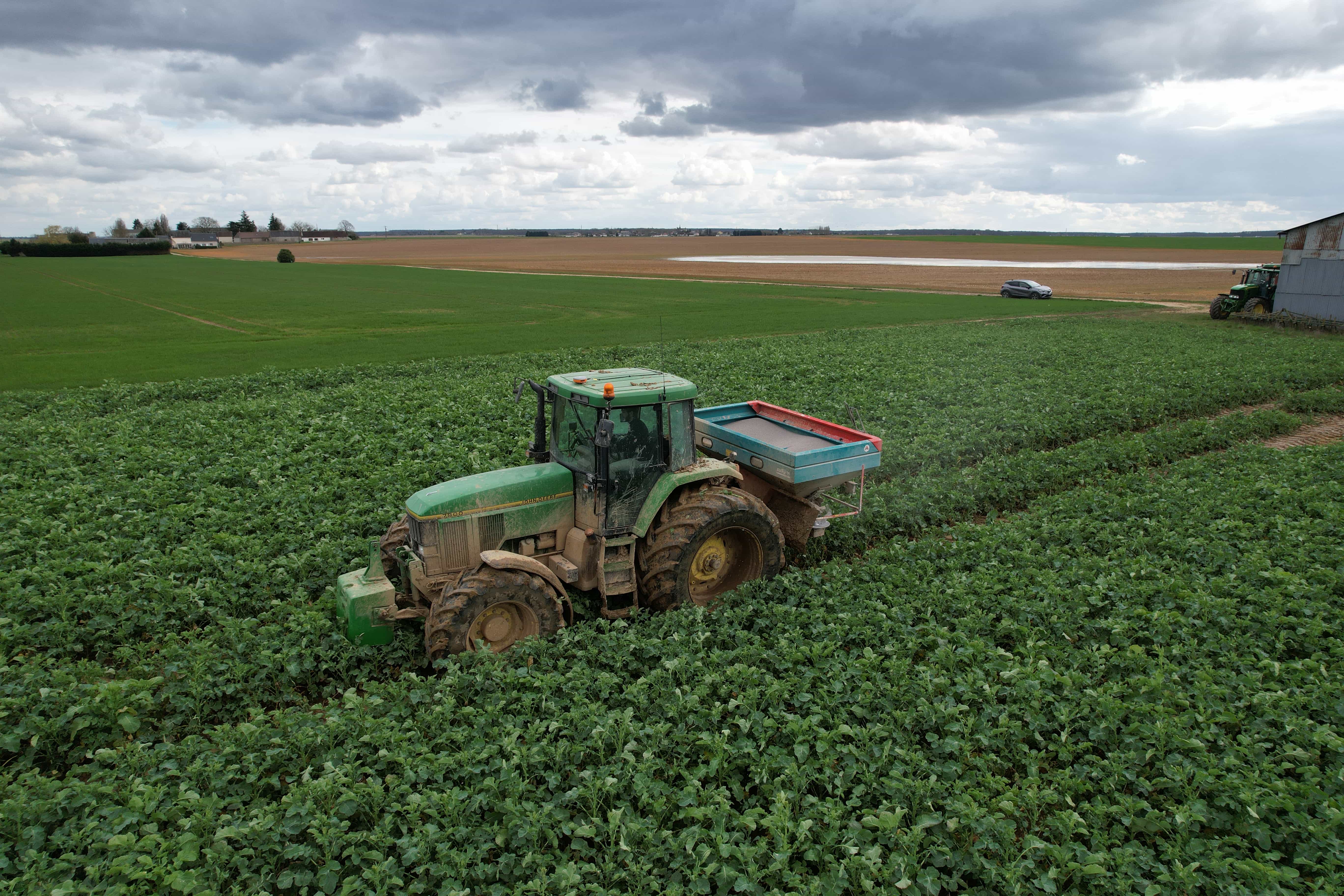
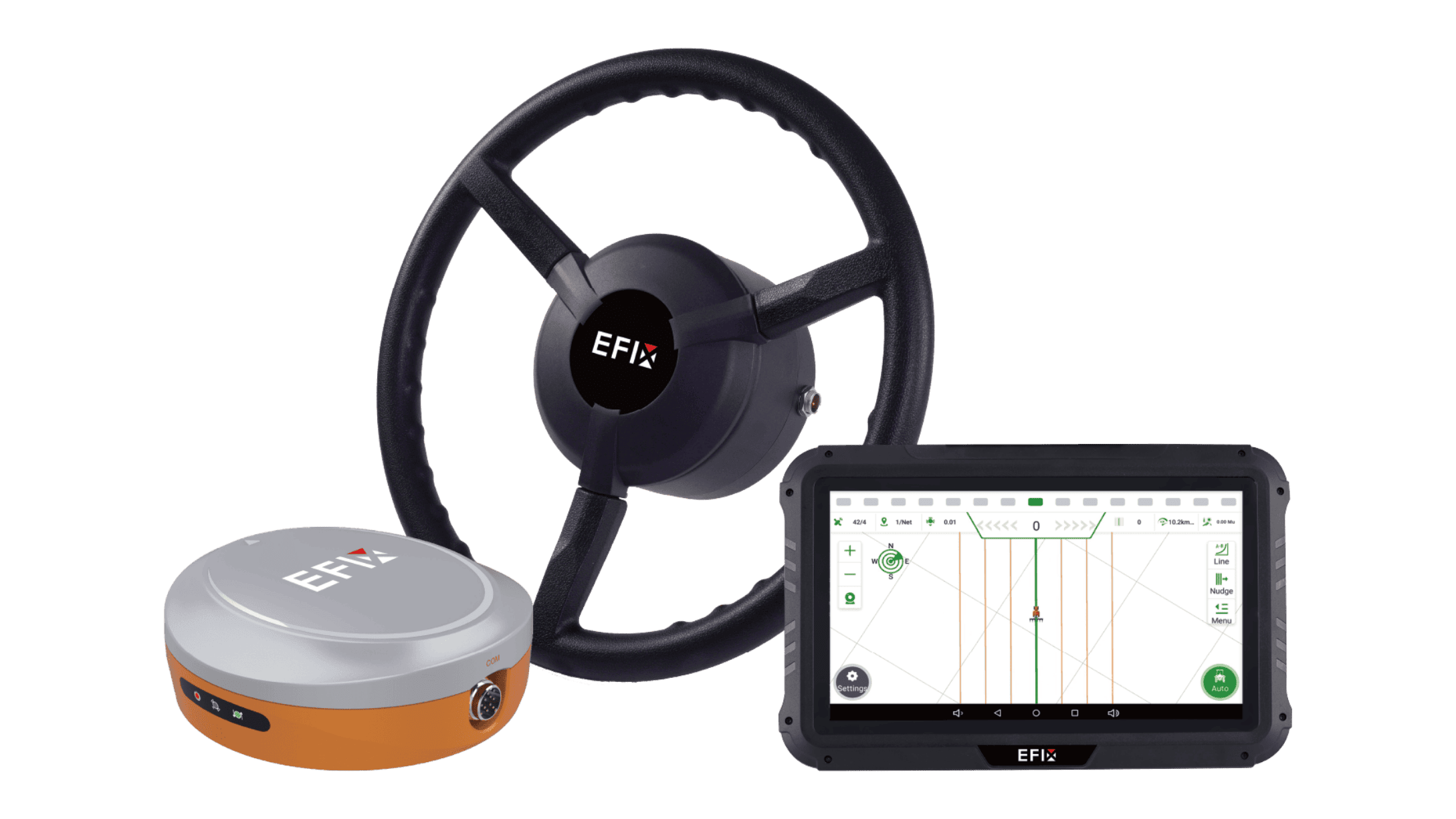
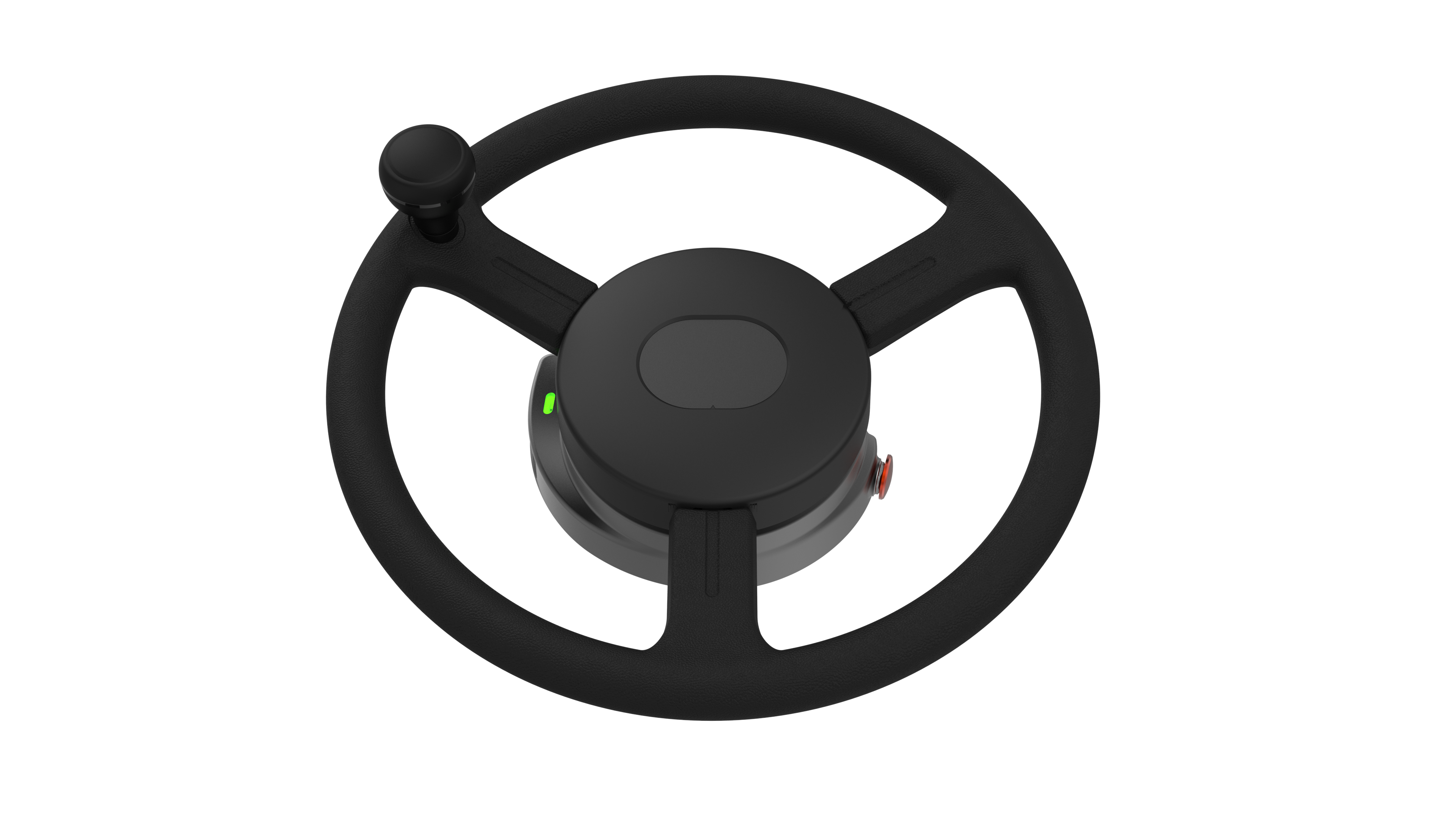
In today’s precision farming environment, the auto steering system has become an essential tool for improving field operations. At EFIX, we see how an auto steering system helps farmers maintain consistent paths during tasks like planting, spraying, and harvesting. By guiding machinery automatically using GNSS positioning, this technology reduces overlap and missed areas. As agriculture continues to adopt digital tools, the auto steering system plays a practical role in making fieldwork more predictable and easier to manage.
How an Auto Steering System Works in Practice
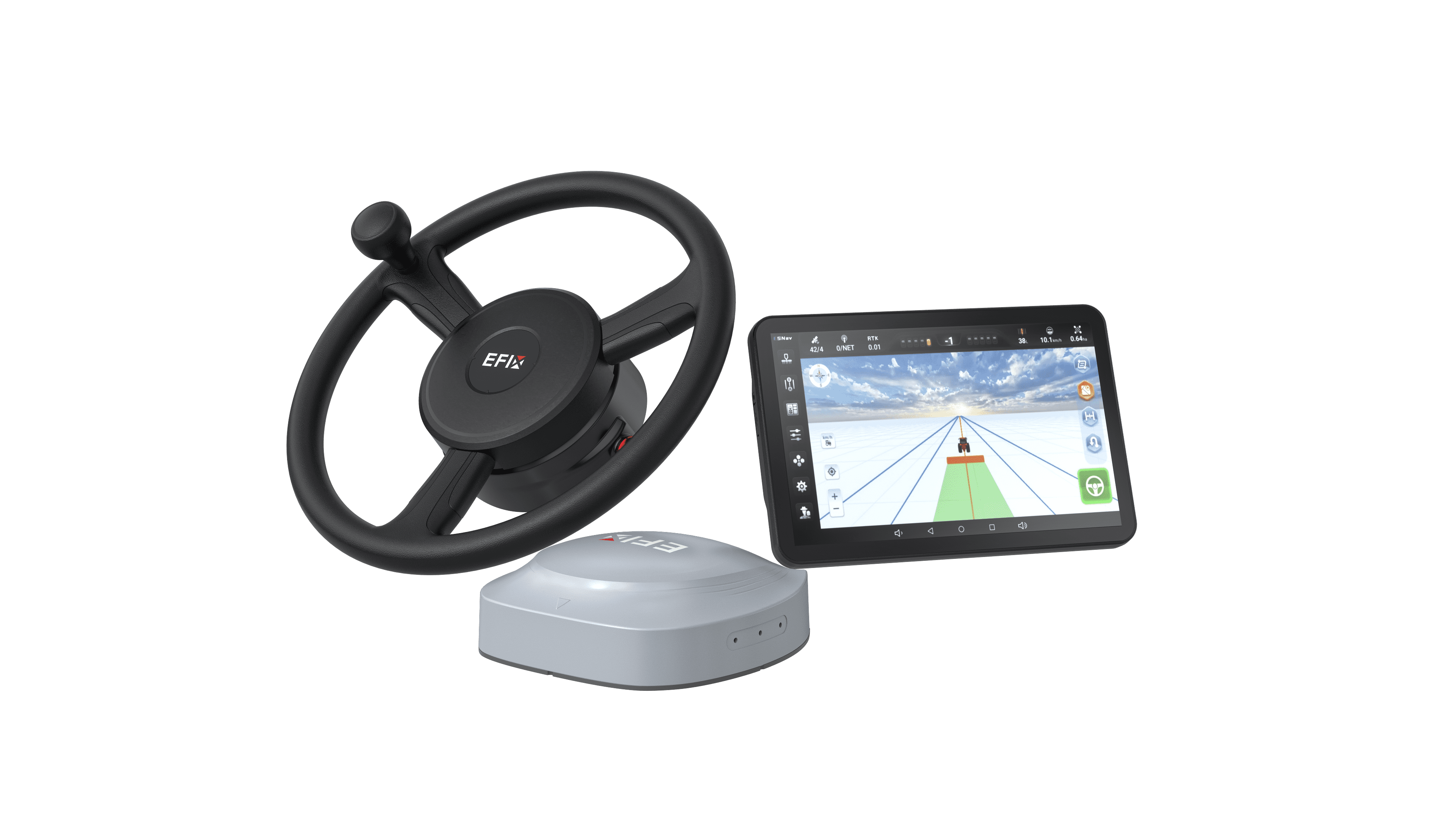
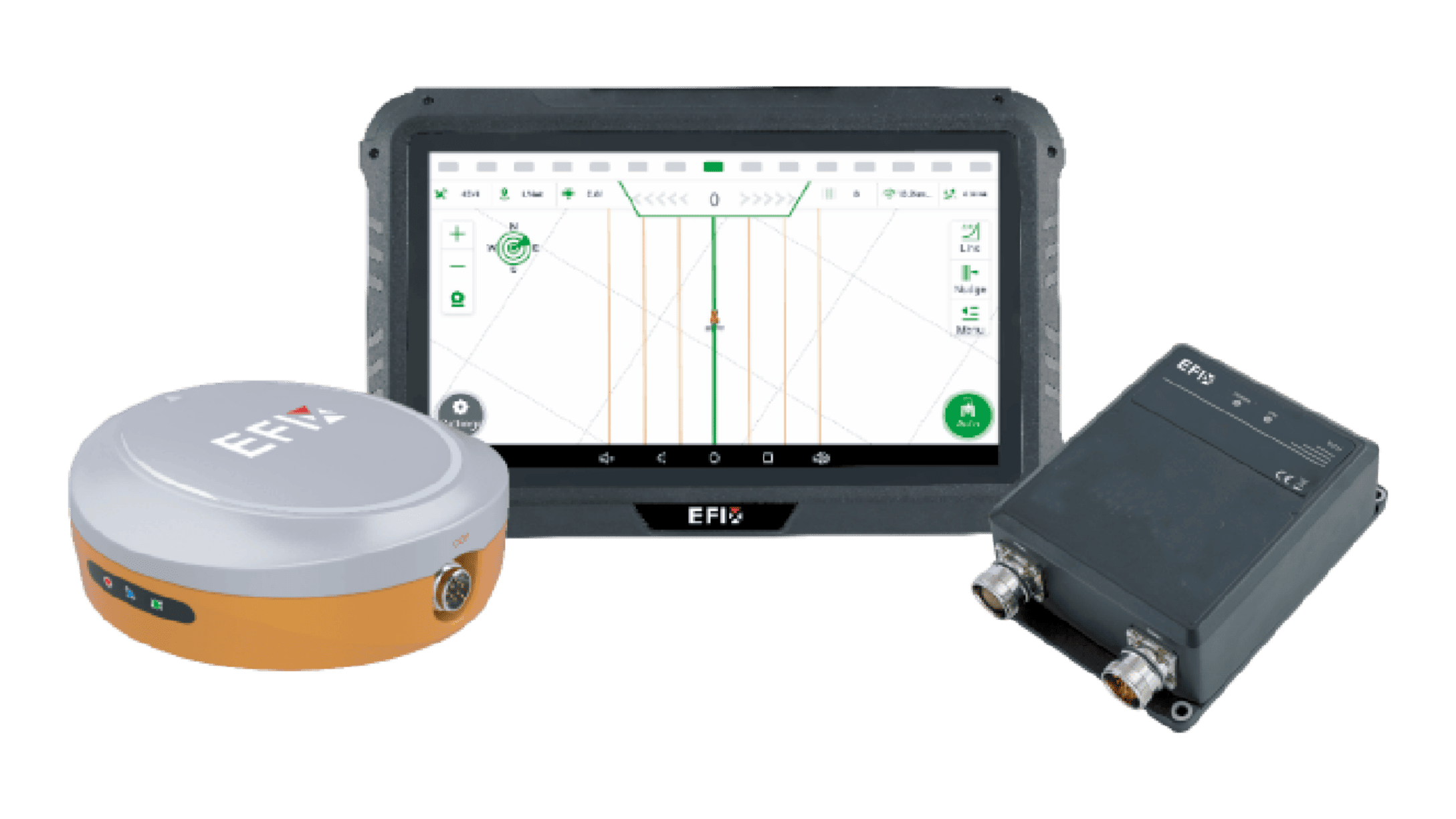
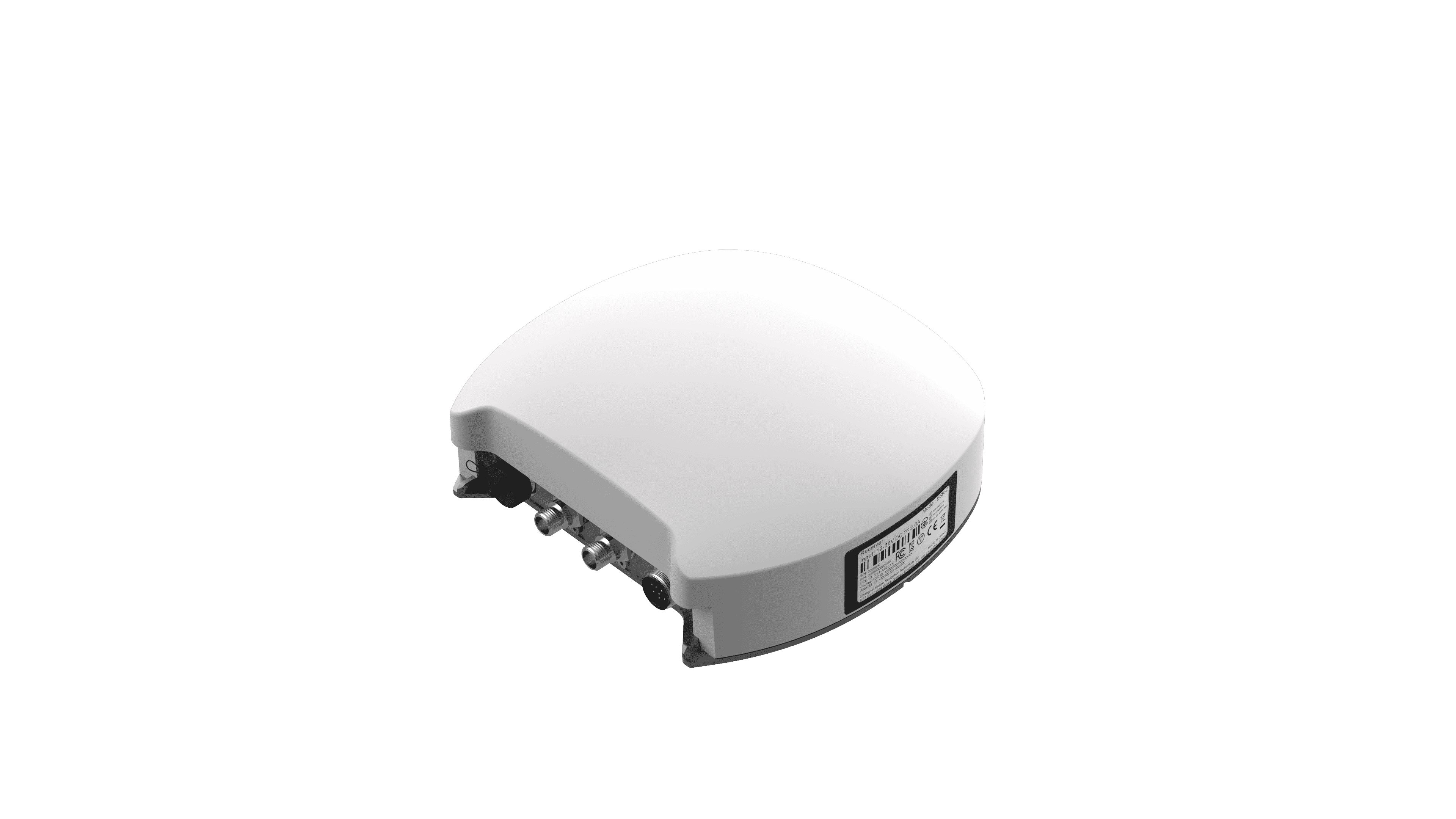
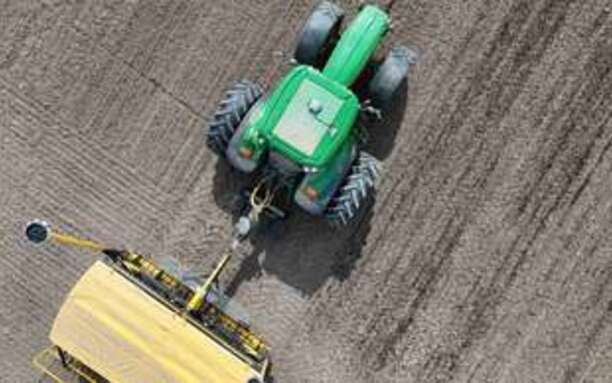
An auto steering system relies on high-precision positioning data to guide tractors along predefined routes. Instead of manual steering, operators set guidance lines, and the system adjusts the vehicle’s direction in real time. At EFIX, we design solutions that integrate GNSS receivers, control units, and displays to ensure smooth operation across different terrains. The auto steering system processes correction signals to maintain accuracy, which is particularly useful in large-scale farming. By reducing human error, the system allows operators to focus on monitoring equipment and field conditions rather than constantly adjusting steering.
Why Auto Steering Matters for Efficiency and Resource Use
The importance of an auto steering system goes beyond convenience. It directly affects input efficiency, such as seeds, fertilizers, and fuel. With consistent path tracking, farmers can avoid overlapping applications and reduce unnecessary input use. At EFIX, we observe that a well-implemented auto steering system supports better field planning and long-term soil management. It also helps reduce operator fatigue during long working hours. These practical benefits make the auto steering system a valuable part of precision agriculture, especially when farms aim to balance productivity with responsible resource use.
Integrating Smart Controls with eSteer20 Max
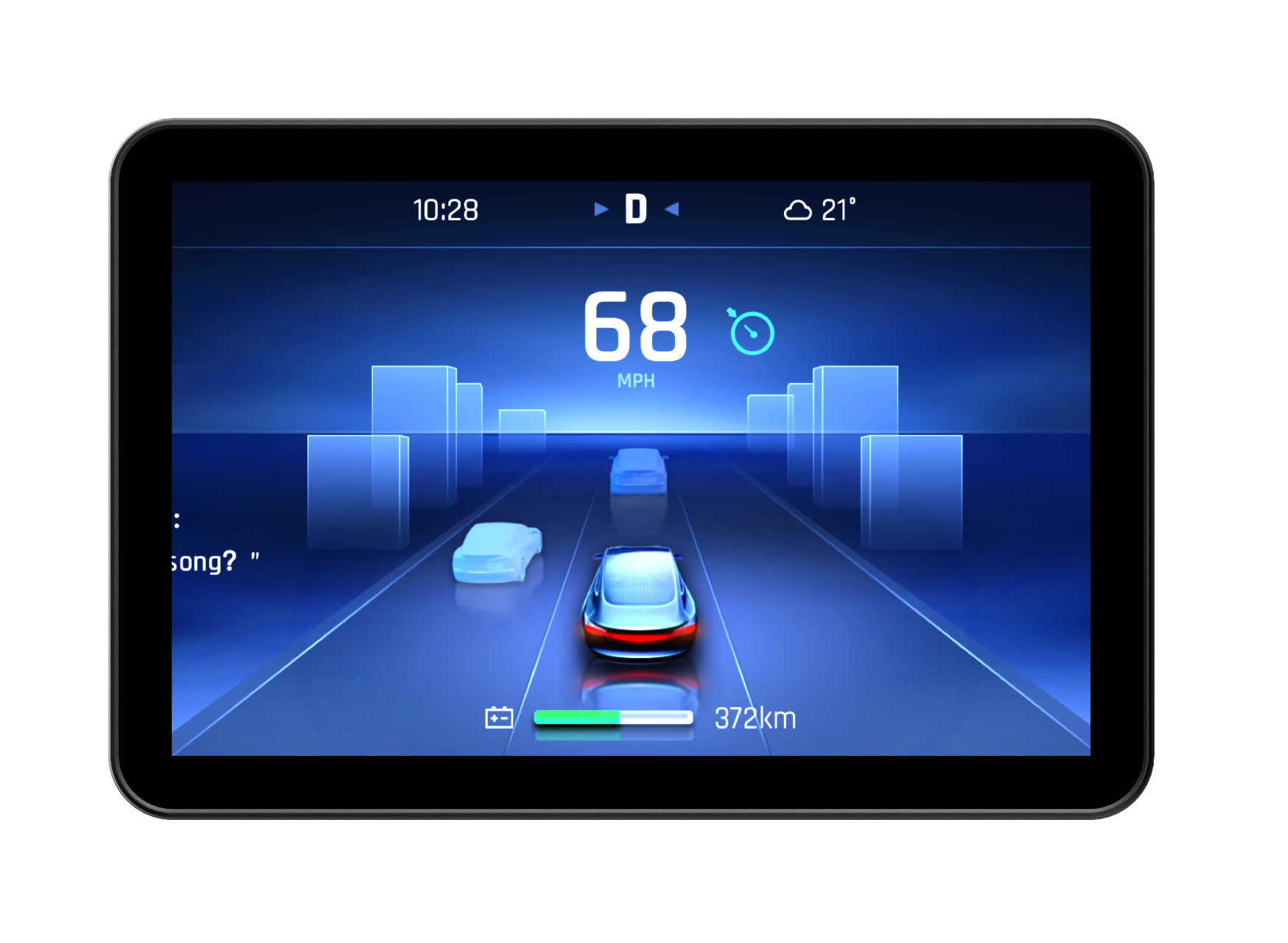
To support evolving agricultural needs, we have developed solutions like the eSteer20 Max within the EFIX ecosystem. This system combines the auto steering system with a new display equipped with a stronger chip, enabling full functions of ISOBUS, including UT, SC, and GEO. With the ability to control implements in one single terminal, operators can manage multiple tasks through a unified interface. The integration of ISOBUS functions allows the auto steering system to work seamlessly with various agricultural implements, improving coordination and simplifying workflows in the field.
Conclusion: The Role of Auto Steering in Modern Farming
The auto steering system has become a practical component of modern agriculture, supporting accuracy, efficiency, and ease of operation. At EFIX, we focus on combining positioning technology with user-friendly design to make the auto steering system accessible for different farming scenarios. From reducing overlap to enabling integrated implementation control, this technology continues to shape how fieldwork is performed. As precision agriculture develops further, the auto steering system will remain an important tool for improving consistency and supporting informed decision-making in daily operations.