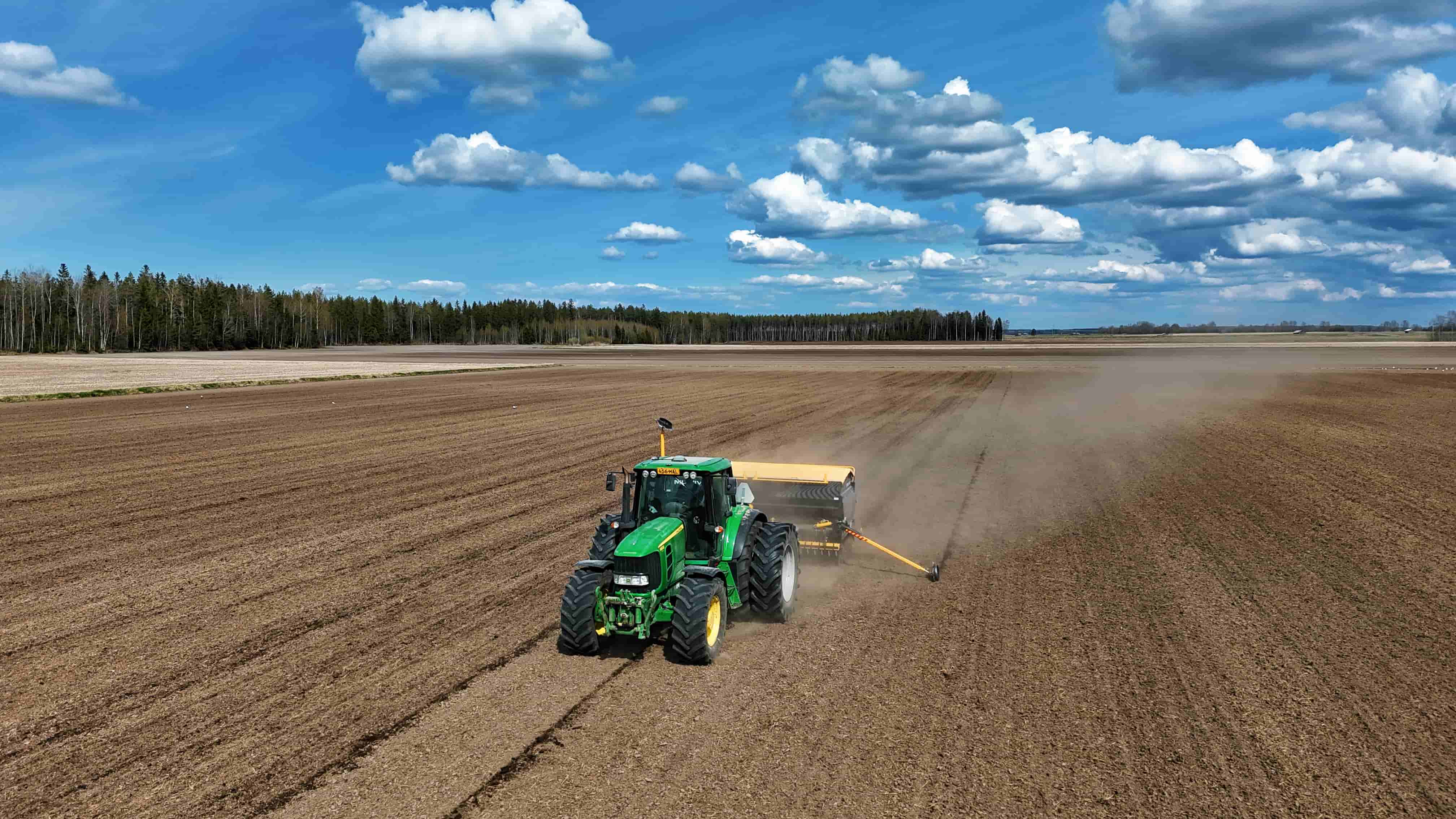
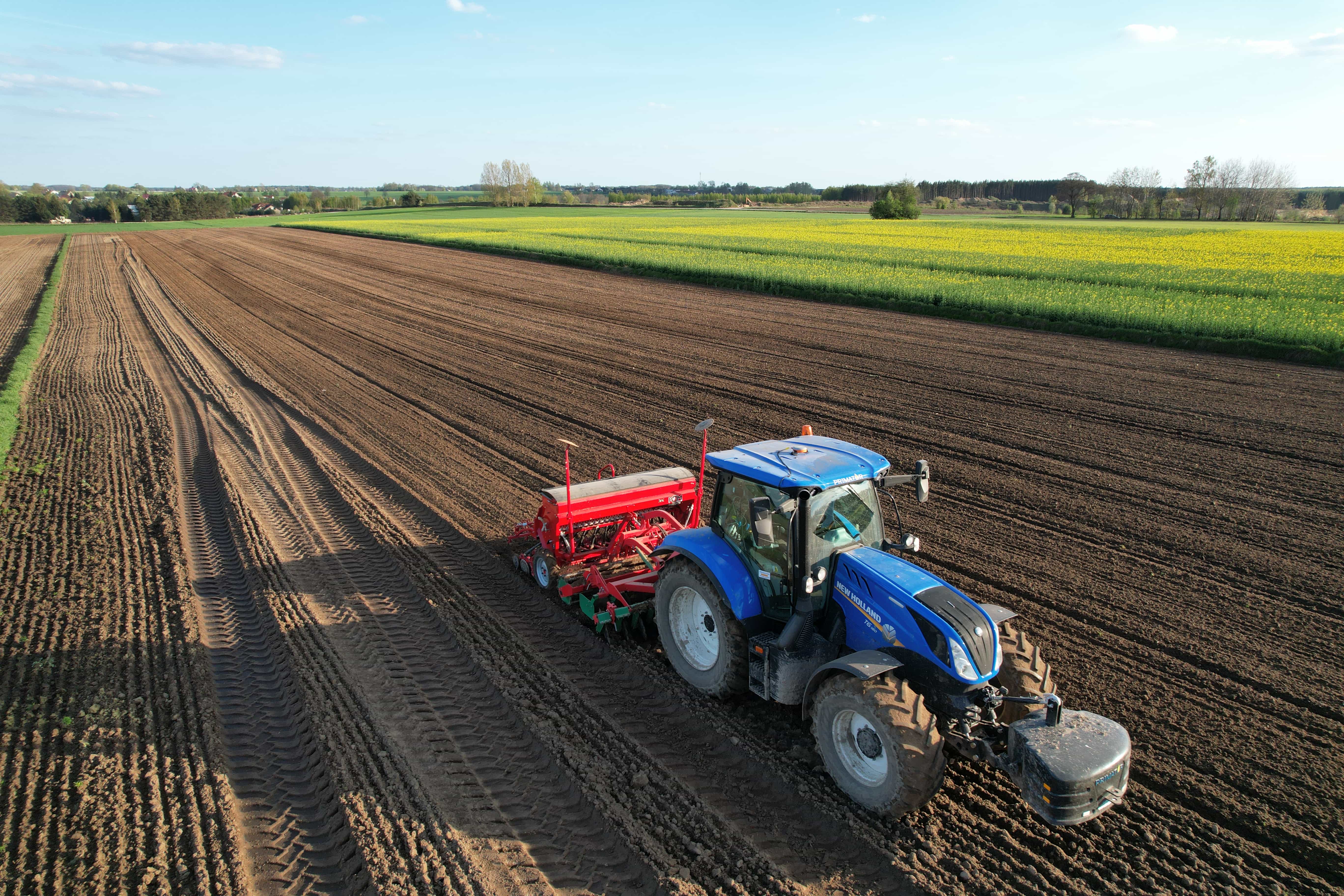
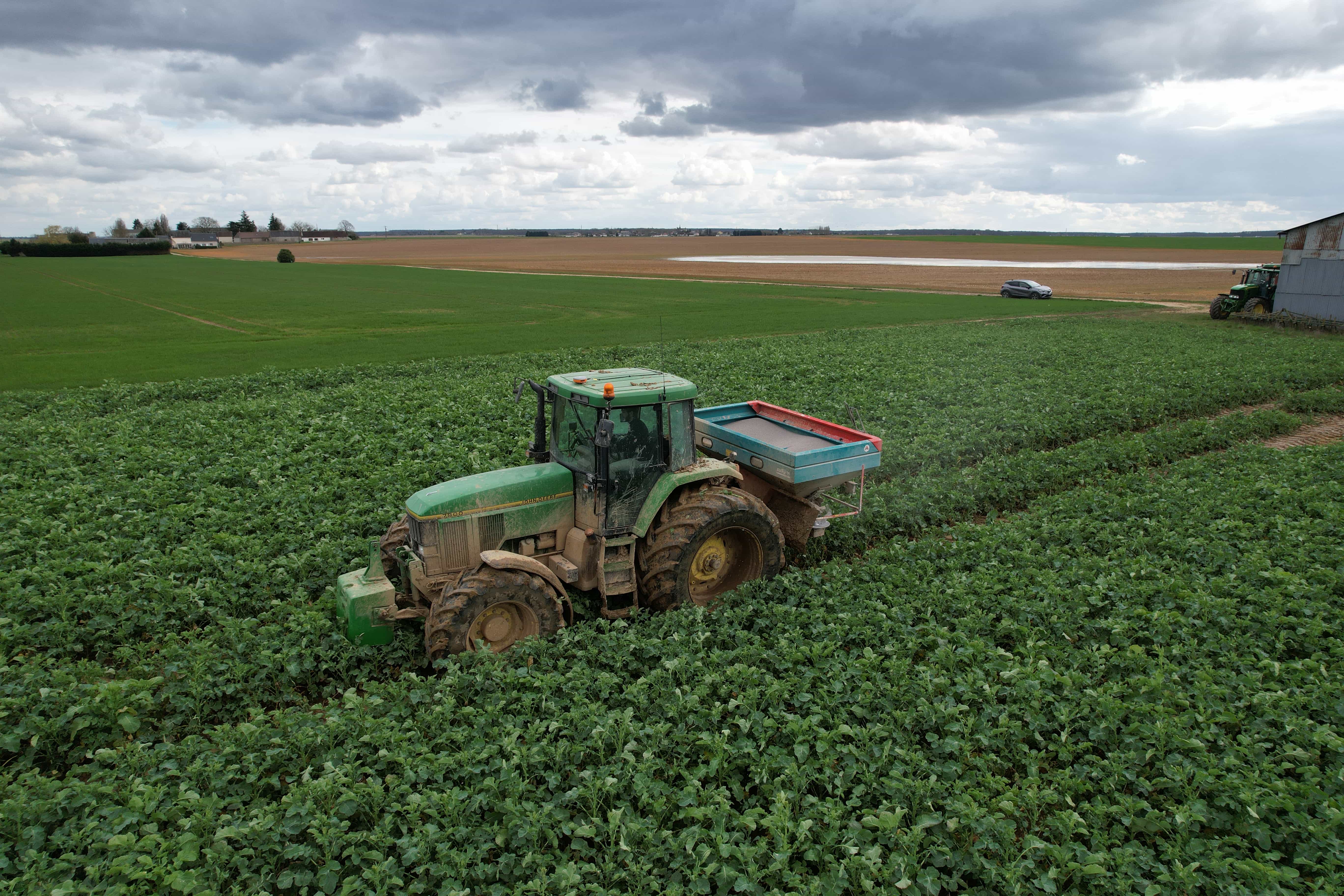
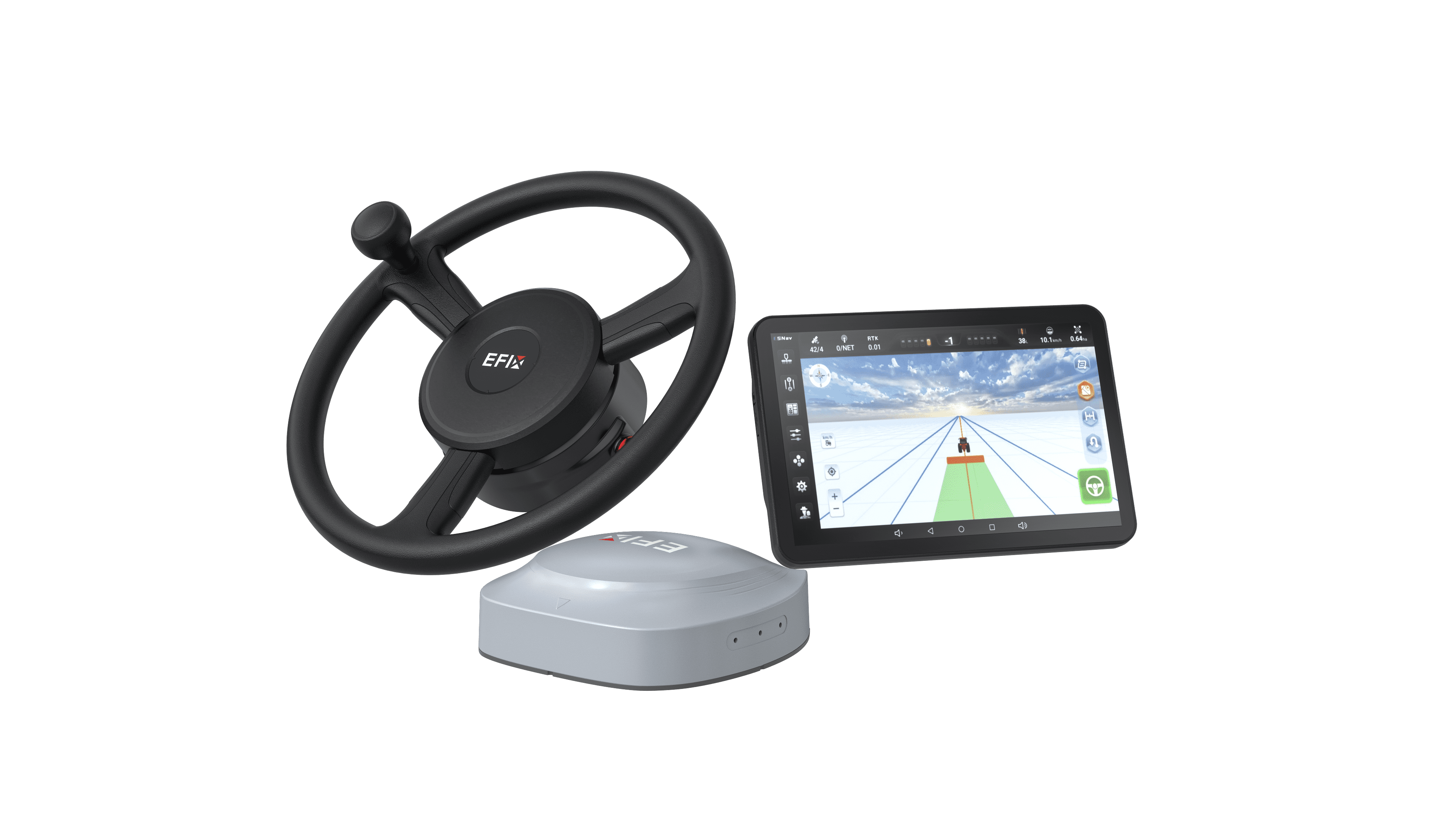
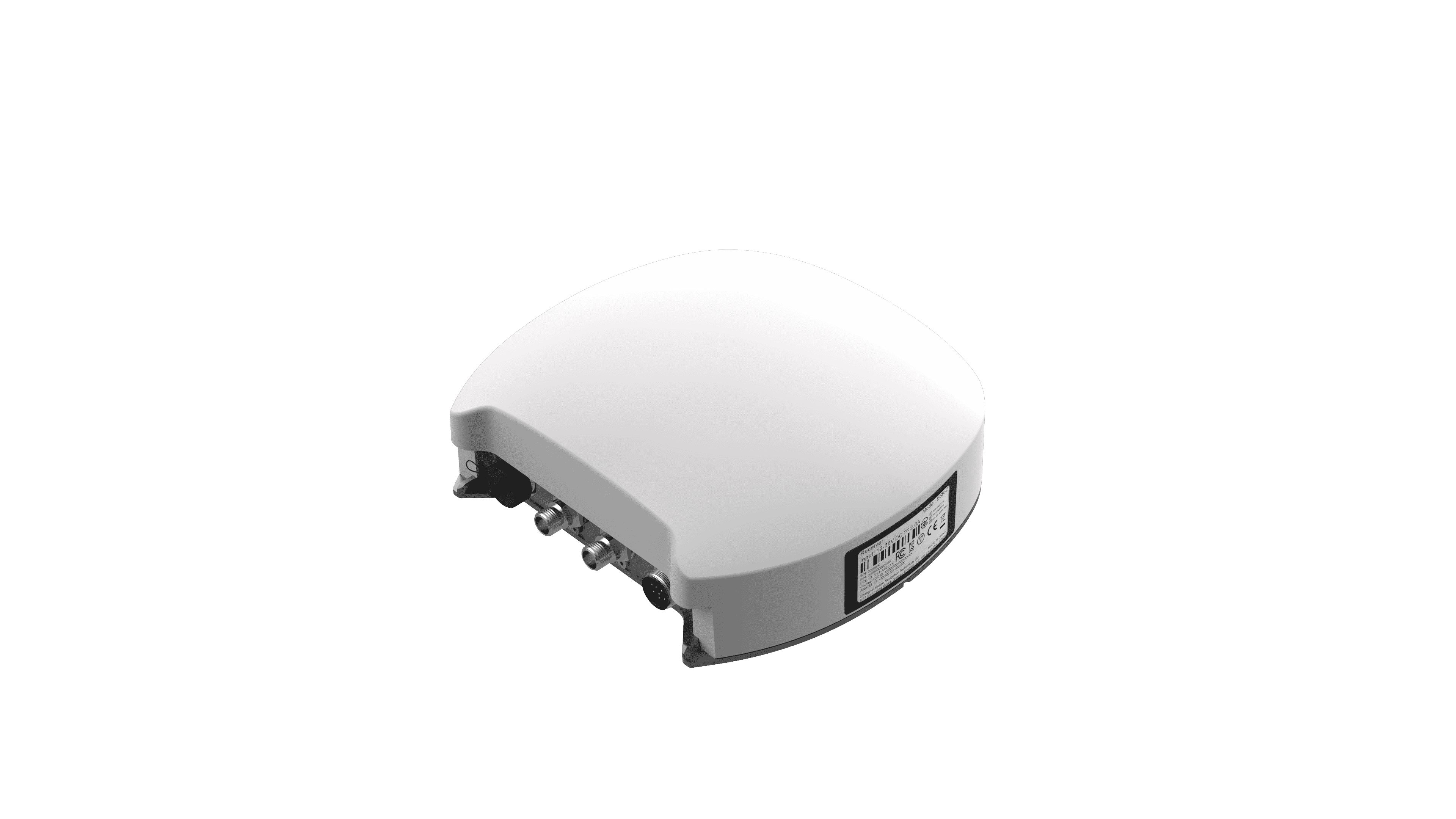
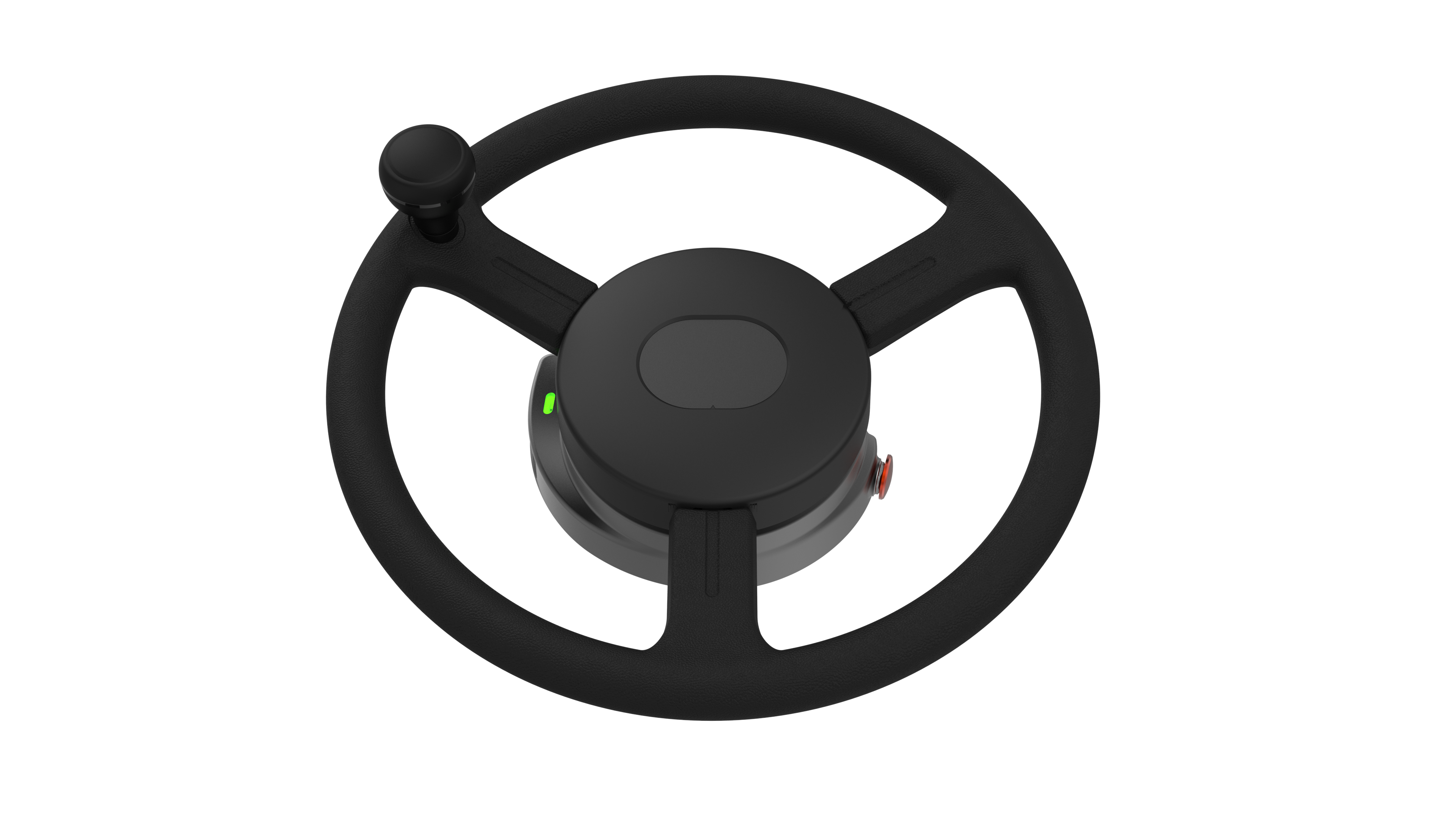
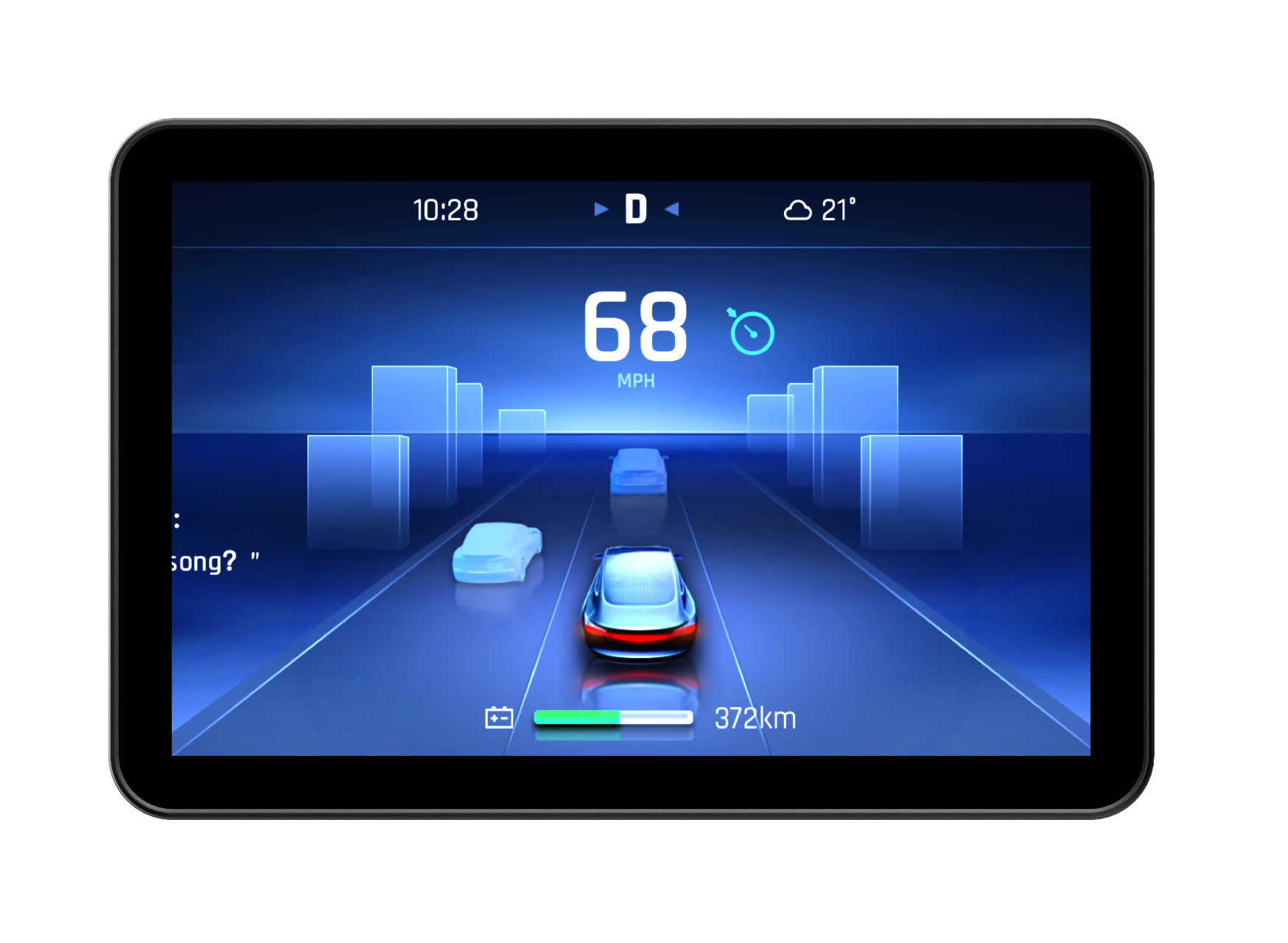
Imagine trying to plant seeds with centimeter-level accuracy while your tractor relies on a satellite signal thousands of miles away. Because those signals travel through a messy atmosphere, they naturally drift, making it nearly impossible to maintain a perfectly straight line without help. We at EFIX know that to get the most out of your land, you need a local reference point to fix those errors in real-time. This is exactly why an rtk base station exists. It acts as a stationary anchor on your farm, constantly comparing its known, fixed position with the satellite data it receives. By calculating the difference, it creates a correction signal that keeps your machinery exactly where it needs to be, down to the last inch.

The Science of Local Positioning
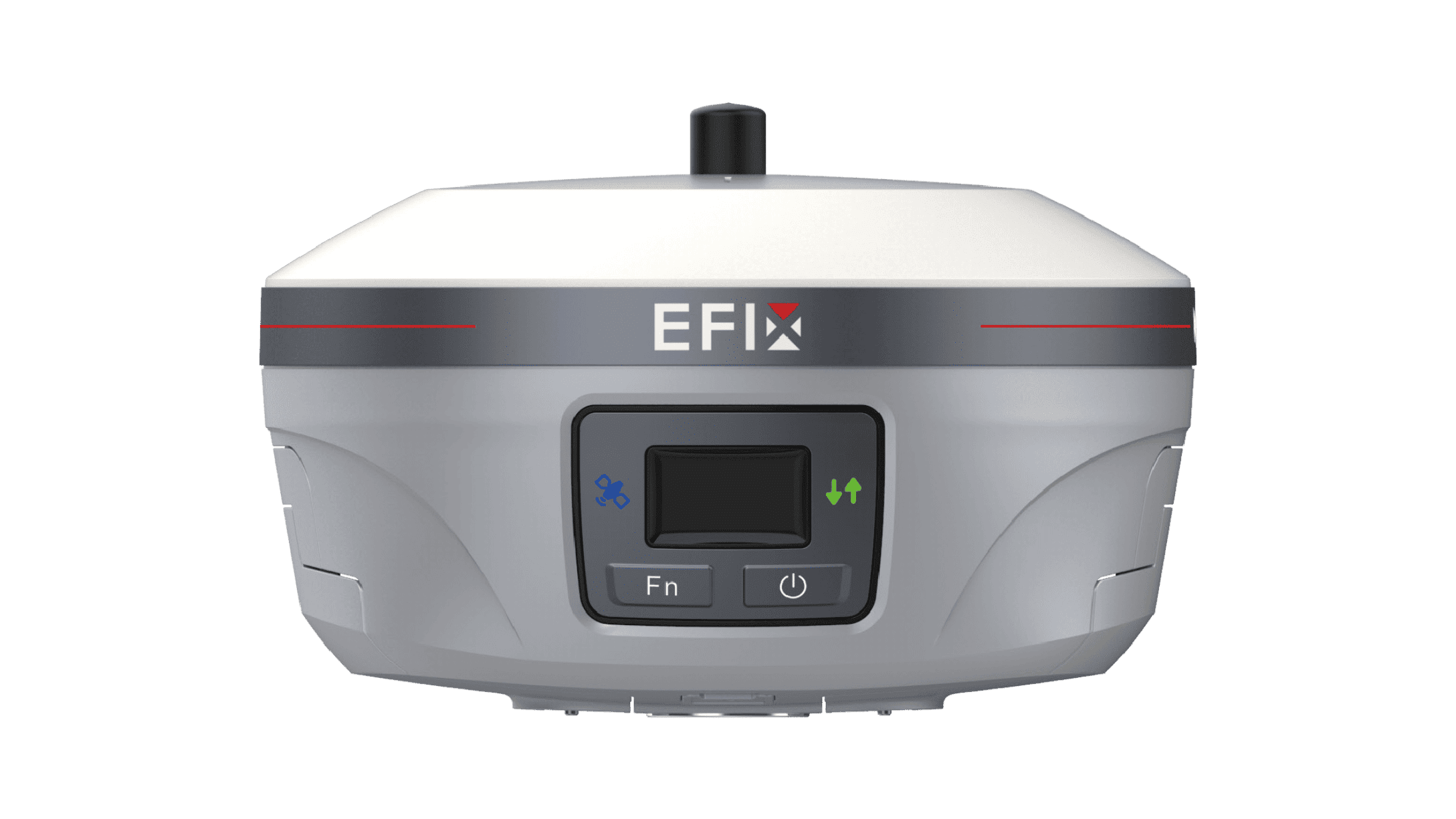
At its core, the process starts with a high-precision receiver sitting perfectly still on a tripod or a permanent pillar. This rtk base station listens to the same Global Navigation Satellite System (GNSS) signals that your tractor's mobile receiver picks up. Since the station knows its own coordinates with absolute certainty, it can spot the tiny timing delays and atmospheric interference that throw off satellite accuracy. We designed the F-NET Pro to handle these calculations instantly, sending out a correction "fix" every second. When your tractor receives this data, it subtracts the errors, allowing for the sub-inch precision required for high-stakes tasks like strip-tilling or specialized vegetable planting.
Hardware Built for the Field
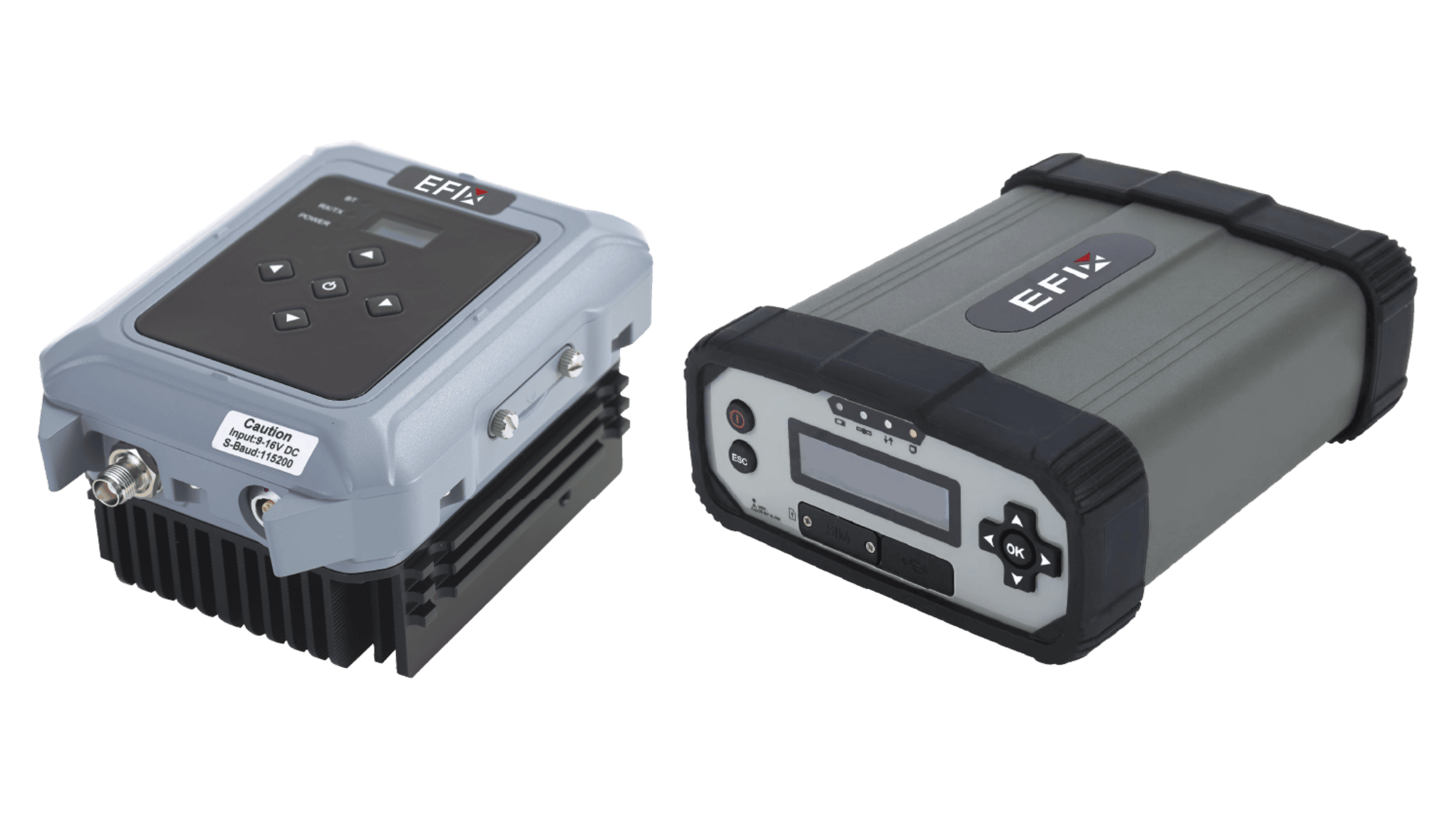
We realize that a tool is only as good as its ability to survive a grueling harvest season. A reliable rtk base station needs to be more than just smart; it has to be tough enough to sit out in the wind, dust, and rain without dropping the signal. The F-NET Pro features a rugged IP67-rated housing and a built-in high-capacity battery that ensures it stays powered even when the sun goes down or the weather turns sour. We also integrated a clear OLED display so you can check your status at a glance without fumbling through a manual. By focusing on durability, we make sure that once you set up your reference point, you can trust it to provide a steady "heartbeat" for your entire fleet throughout the day.
Bridging the Gap with Radio and Internet
Communication is the final piece of the puzzle, as that correction data has to reach your moving vehicles somehow. Most operators rely on an internal radio within the unit to broadcast the signal directly to the rovers across the field. However, we also added NTRIP capabilities to the F-NET Pro, allowing it to send corrections over the internet for even greater flexibility. This dual-link approach means that whether you are working in a deep valley where radio might struggle or on a wide-open plain, your equipment stays connected. We find that giving farmers multiple ways to transmit their data ensures that the work never stops just because a signal gets blocked by a barn or a thick row of trees.
Bringing this level of precision to your operation changes how you look at your rows and your inputs. At EFIX, our goal is to take the guesswork out of positioning so you can focus on the health of your crops. By installing your own correction source, you eliminate the need for expensive third-party subscriptions and gain total control over your signal quality. The system essentially pays for itself by reducing overlap, saving fuel, and protecting your soil from unnecessary compaction. Having a dedicated reference point on your farm is a practical, long-term move that ensures every pass is as efficient as the first one.