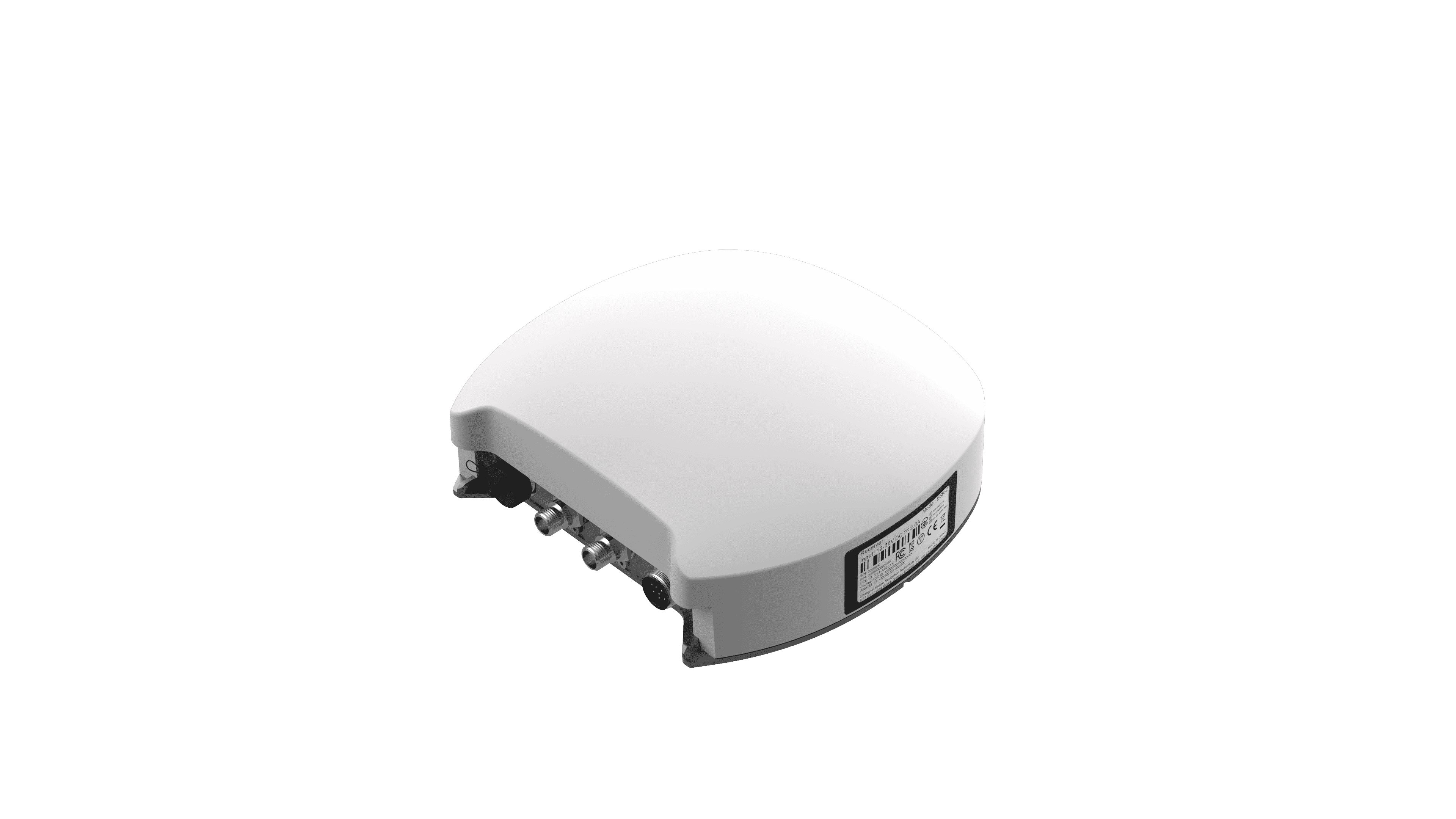
The agricultural landscape is undergoing significant transformation with the emergence of precision farming equipment. Farmers today have access to advanced technologies that enhance crop yields, improve resource efficiency, and reduce environmental impact. Understanding how to implement these tools effectively is pivotal for maximizing their benefits. In this article, practical insights will be shared for utilizing precision farming equipment, ensuring that farmers can adapt to this new age of agriculture with confidence.

Understanding Precision Farming Tools
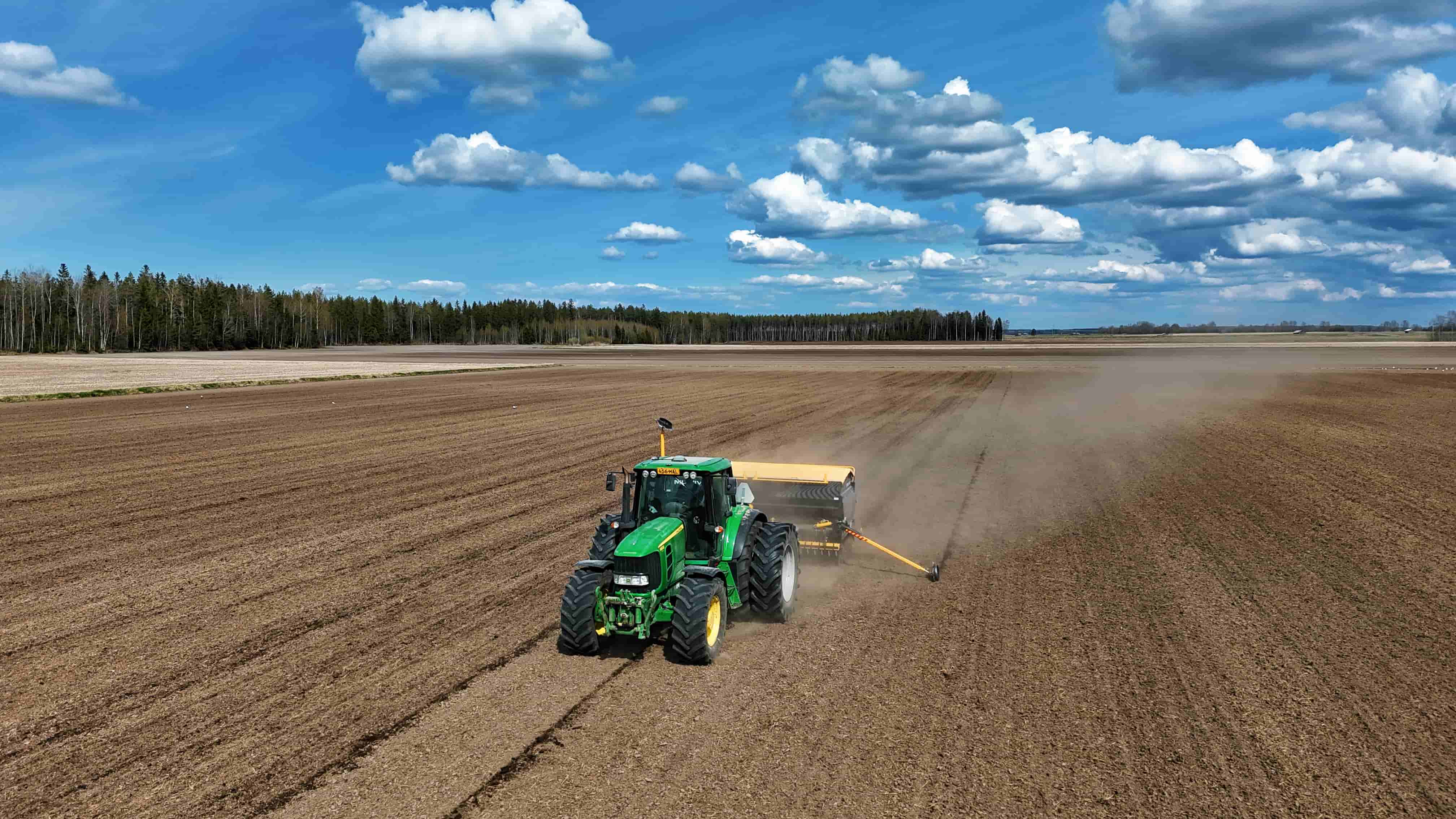
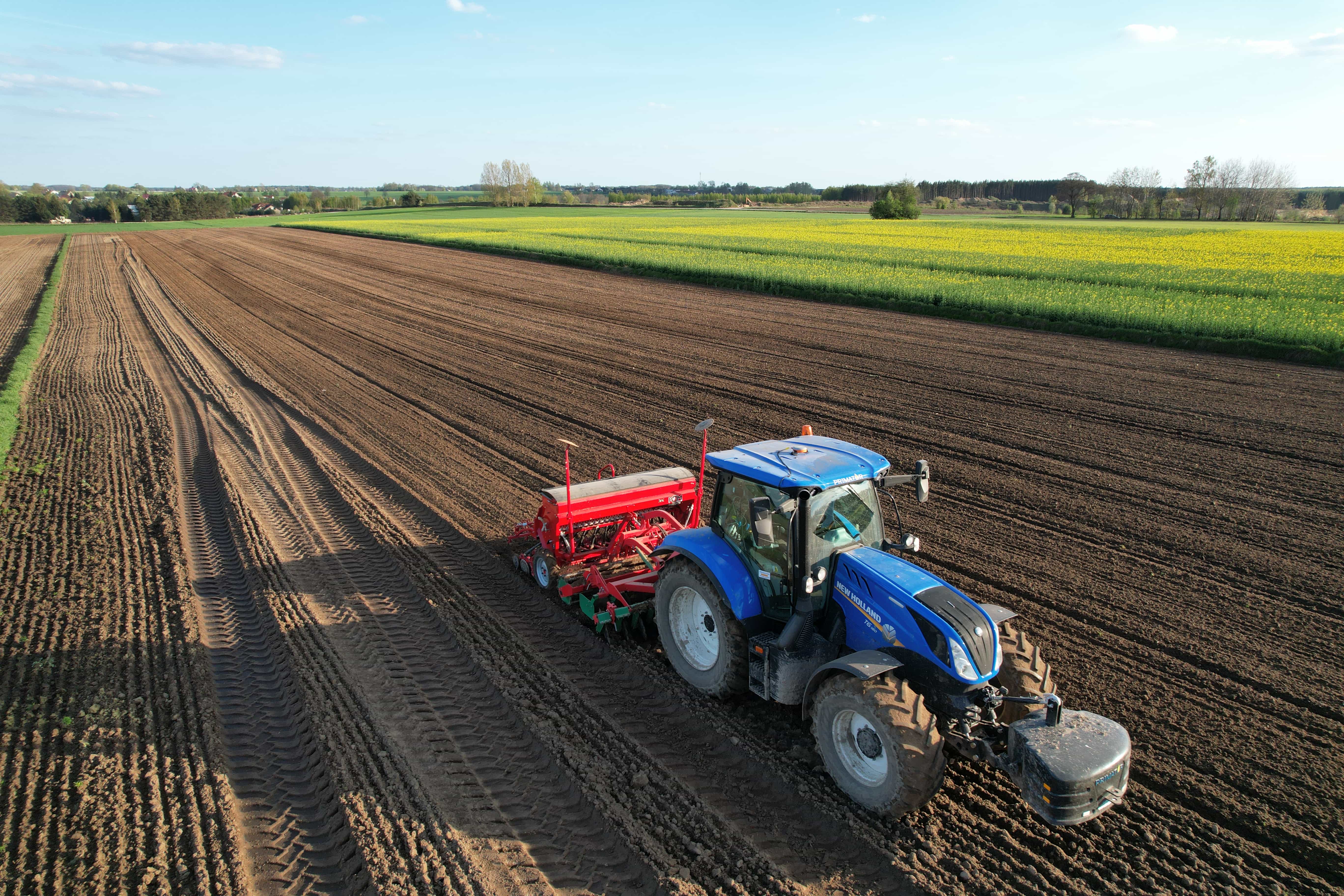
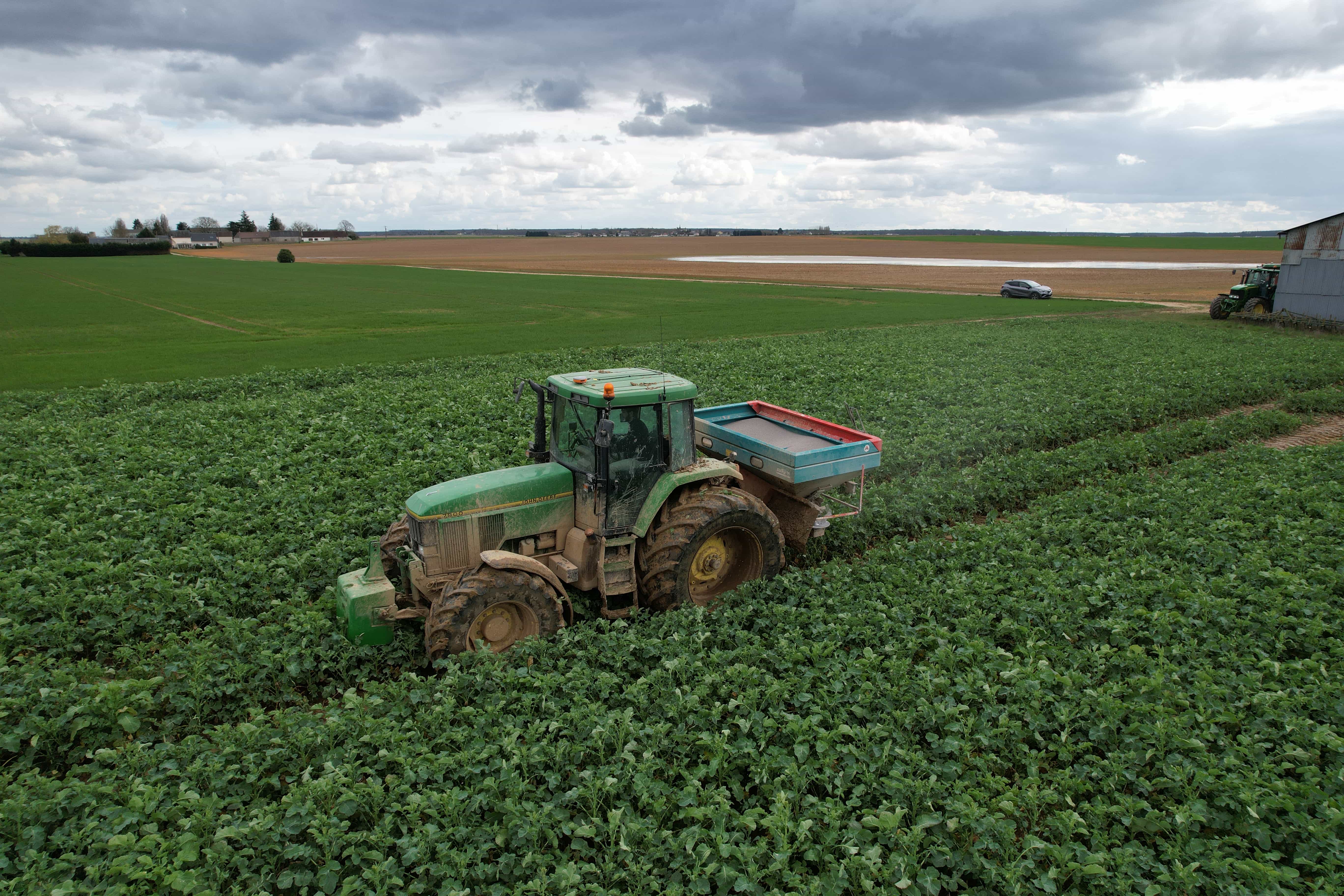
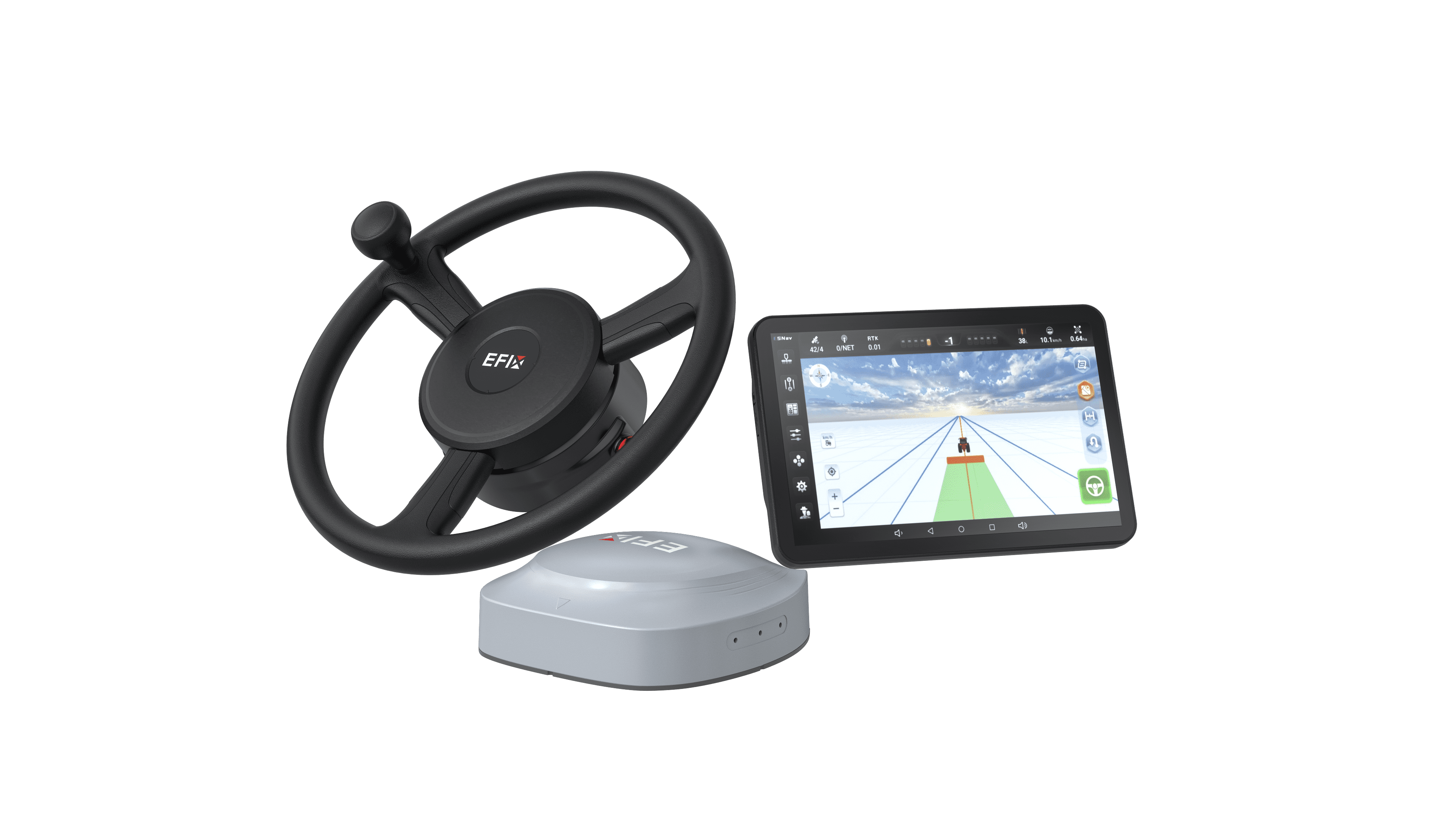
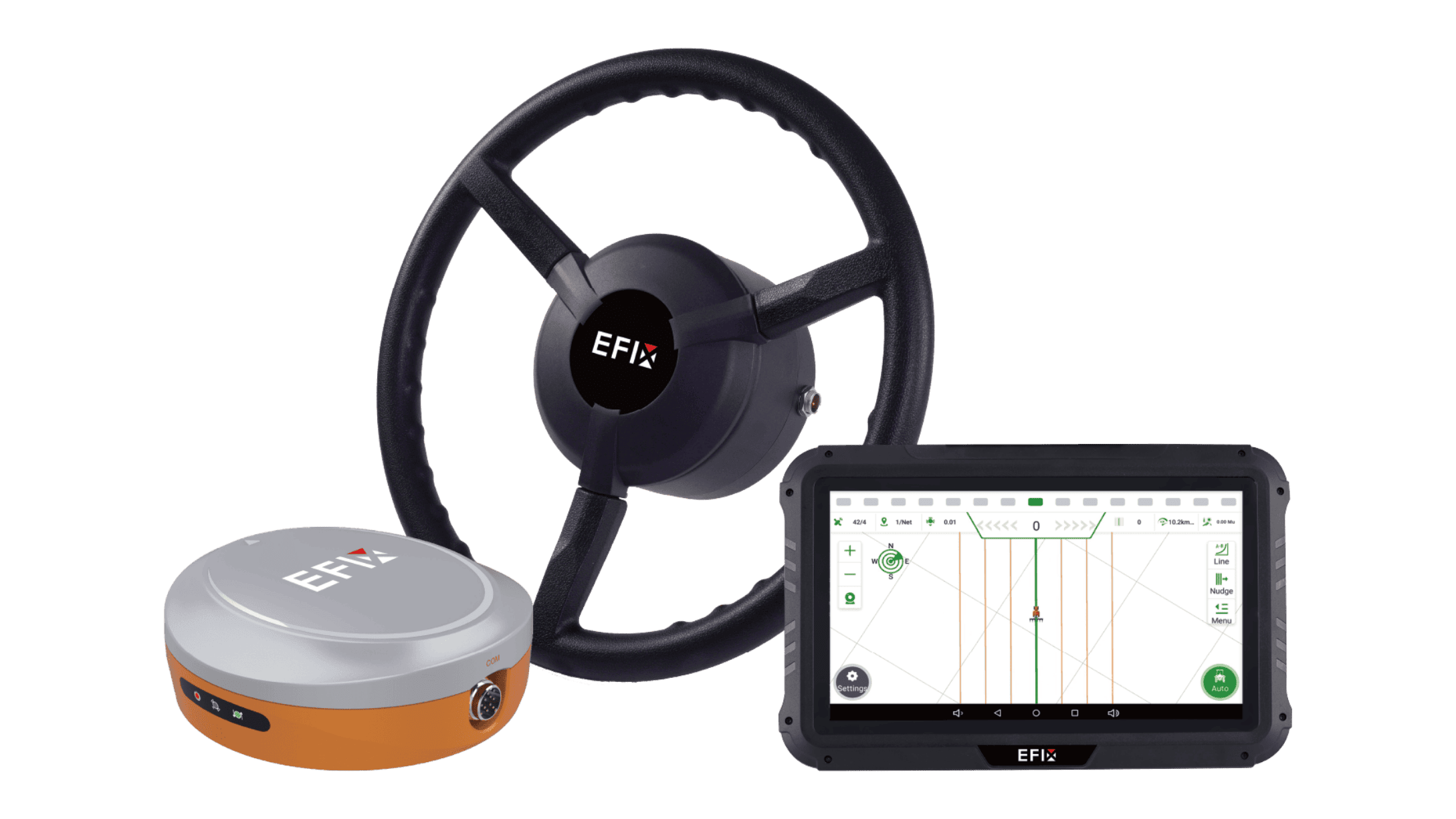
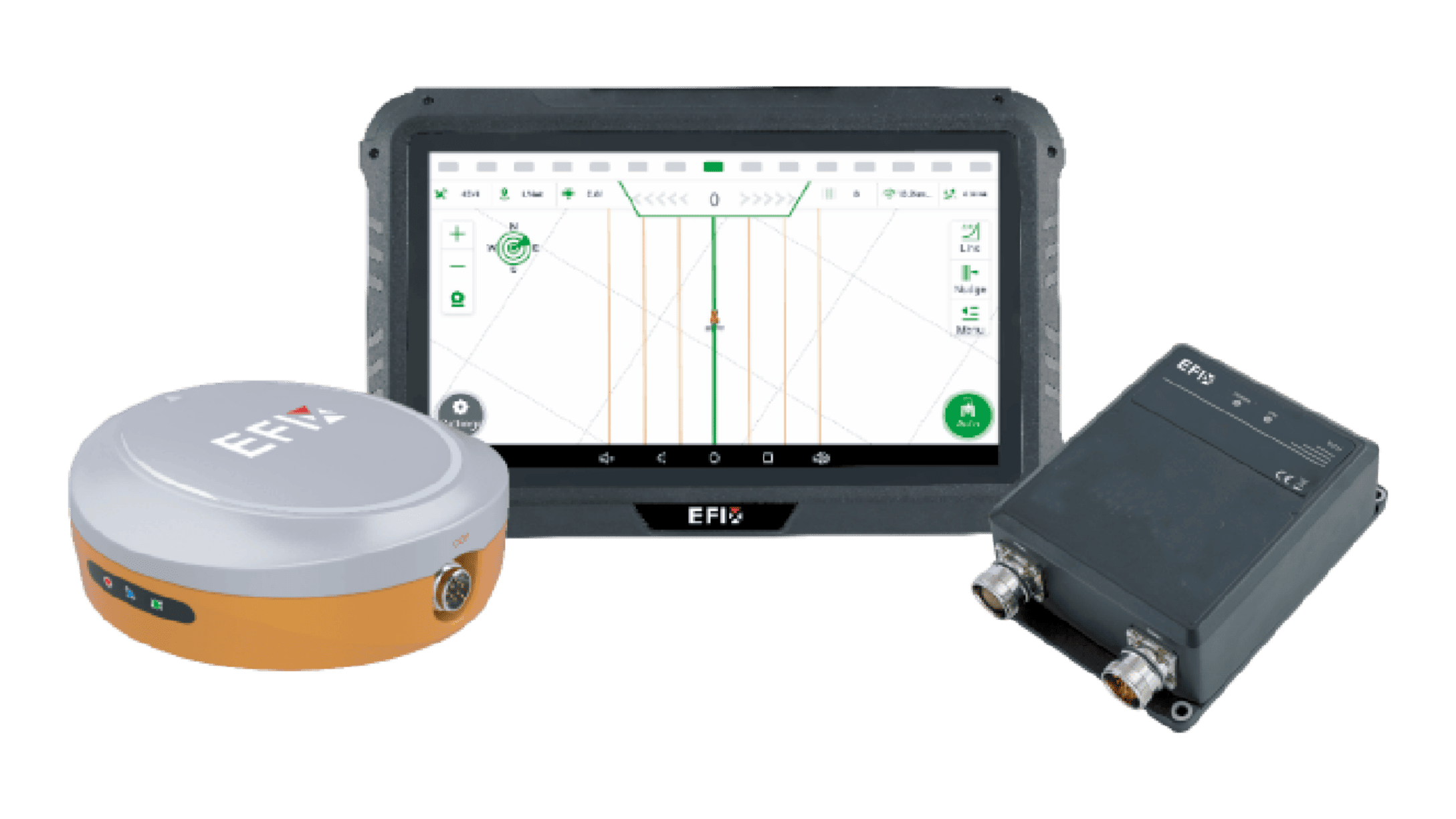
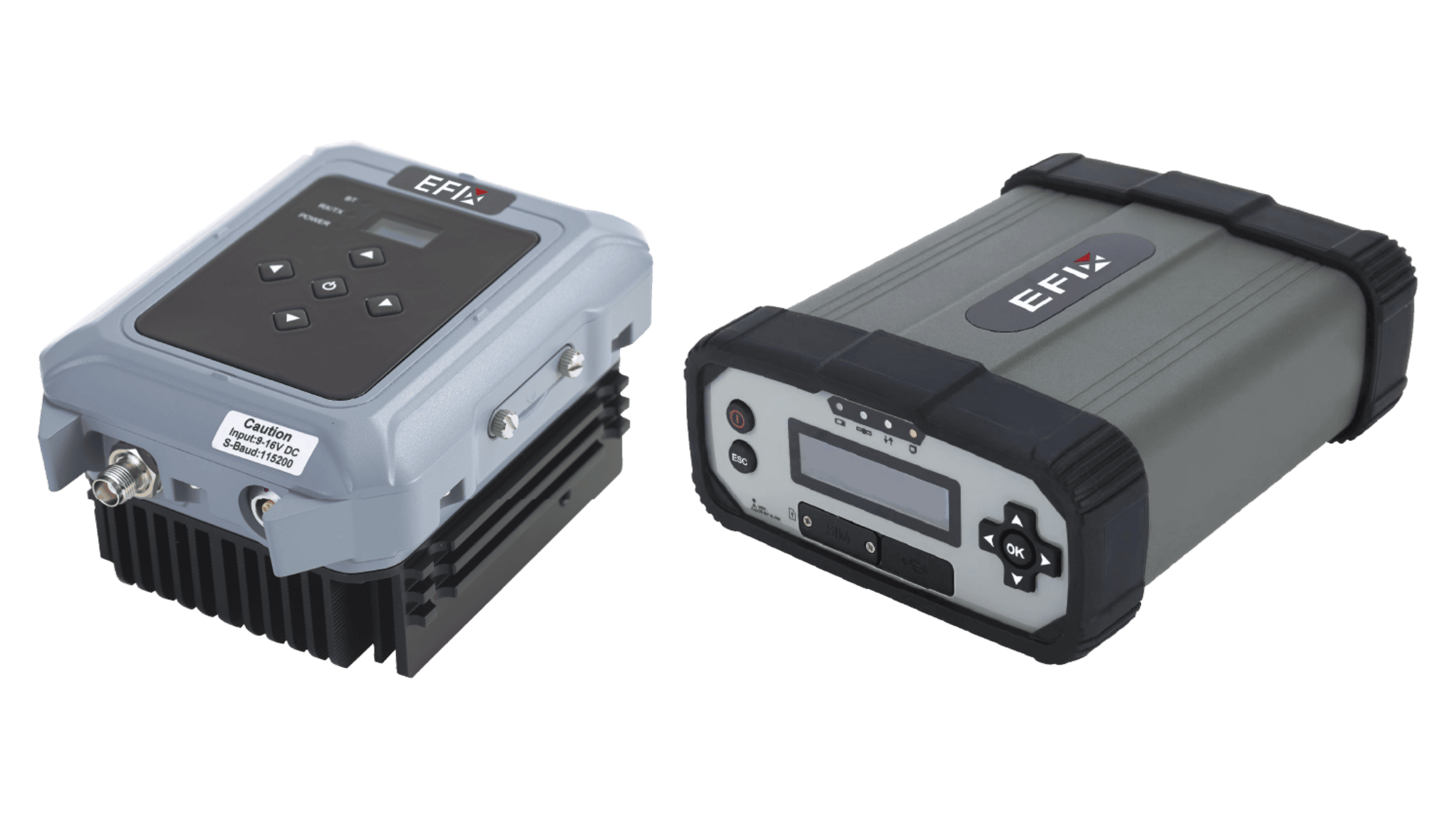
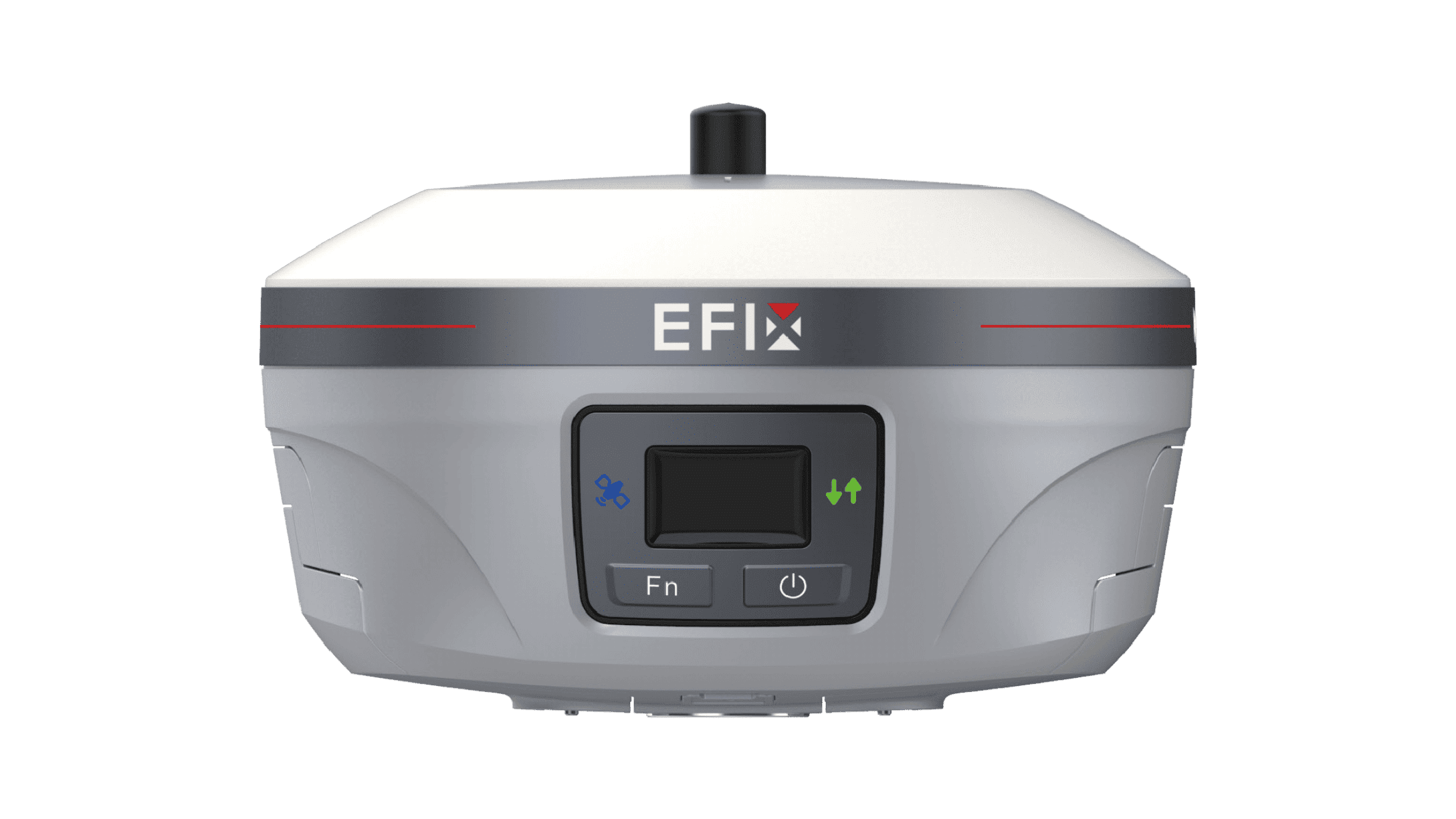
Precision farming tools encompass a wide range of technologies designed to assist farmers in making data-driven decisions. These tools include GPS-guided tractors, drones for crop monitoring, and soil sensors that provide real-time data on soil conditions. By employing these technologies, farmers can optimize their operations based on specific field conditions, leading to better use of resources. It’s important to invest time in understanding how each tool functions and how they can be integrated into existing farming practices. Hands-on training or virtual demonstrations can provide farmers with practical knowledge, making it easier to adopt these innovations.
Integrating Data Analysis for Better Decision Making
A crucial aspect of implementing precision farming equipment is the integration of data analysis into daily operations. The data collected from various sources—including GPS devices, yield monitors, and weather stations—can be processed using software tools that help interpret trends and patterns. Farmers can leverage this data to make informed decisions regarding planting schedules, irrigation needs, and fertilizer application rates. For instance, predictive analytics can indicate the best time to plant based on historical weather patterns and soil moisture levels. Emphasizing a data-driven approach allows farms to not only enhance productivity but also to minimize waste and costs, thereby increasing overall efficiency.
Collaborating with Experts and Local Resources
Engaging with agronomists, agricultural extension services, and local farming communities can significantly enhance the implementation of precision farming equipment. These collaborations can provide farmers with valuable insights and practical advice tailored to their specific regions and crop types. Furthermore, attending workshops and conferences focused on precision agriculture will allow farmers to stay informed about the latest advancements and best practices in the field. Networking with other farmers can also foster a community of shared knowledge, where experiences can be exchanged, and collective problem-solving can take place.
Conclusion
The implementation of innovative precision farming equipment is a game-changer in modern agriculture, enabling farmers to make smarter, data-driven decisions. Understanding the technologies, integrating data analysis, and collaborating with experts are key steps in realizing the full potential of these tools. As the agricultural industry continues to evolve, it is essential to stay informed and adaptable. At EFIX, we are committed to helping farmers navigate this transition to achieve sustainable and productive farming practices.