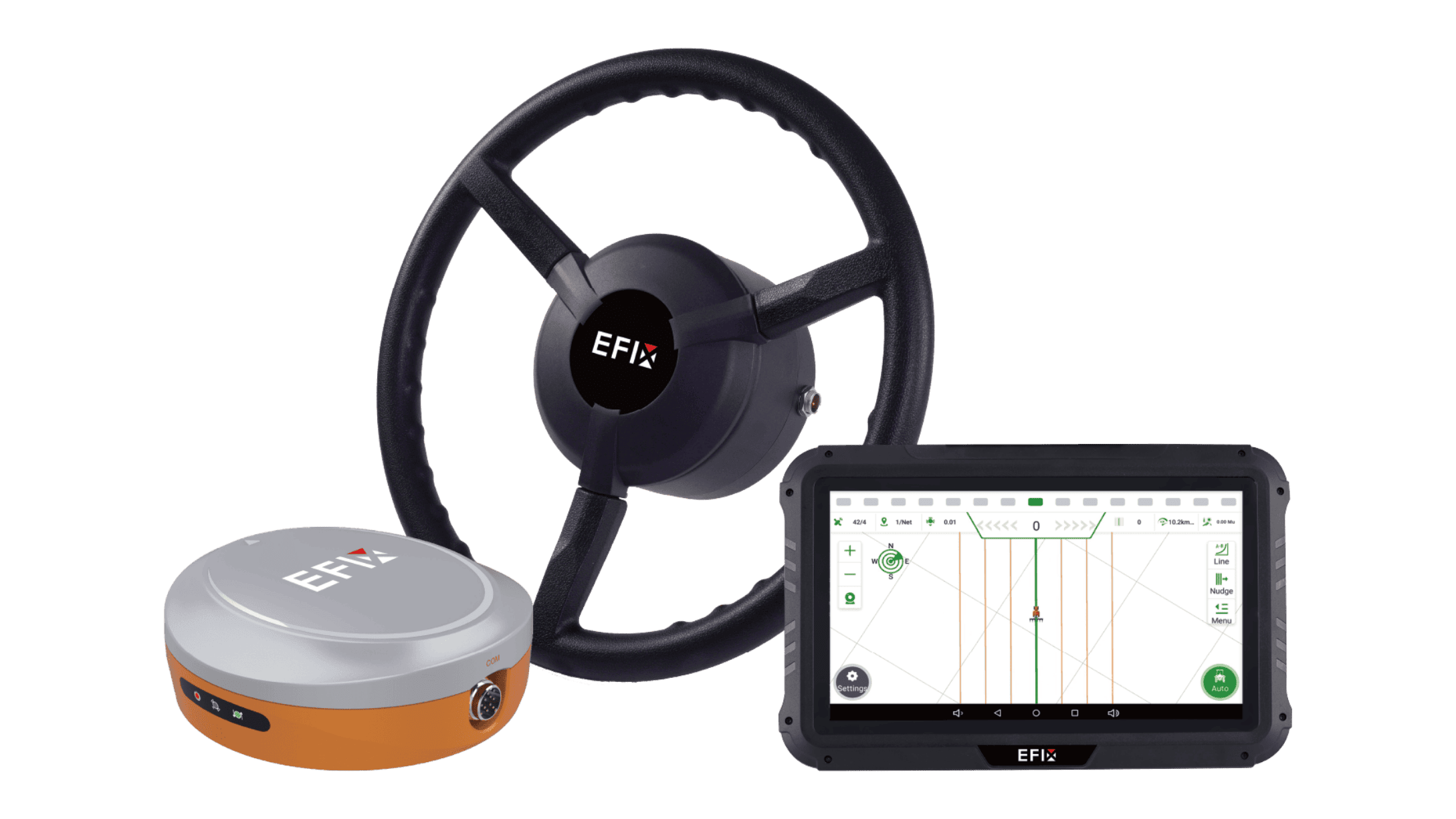
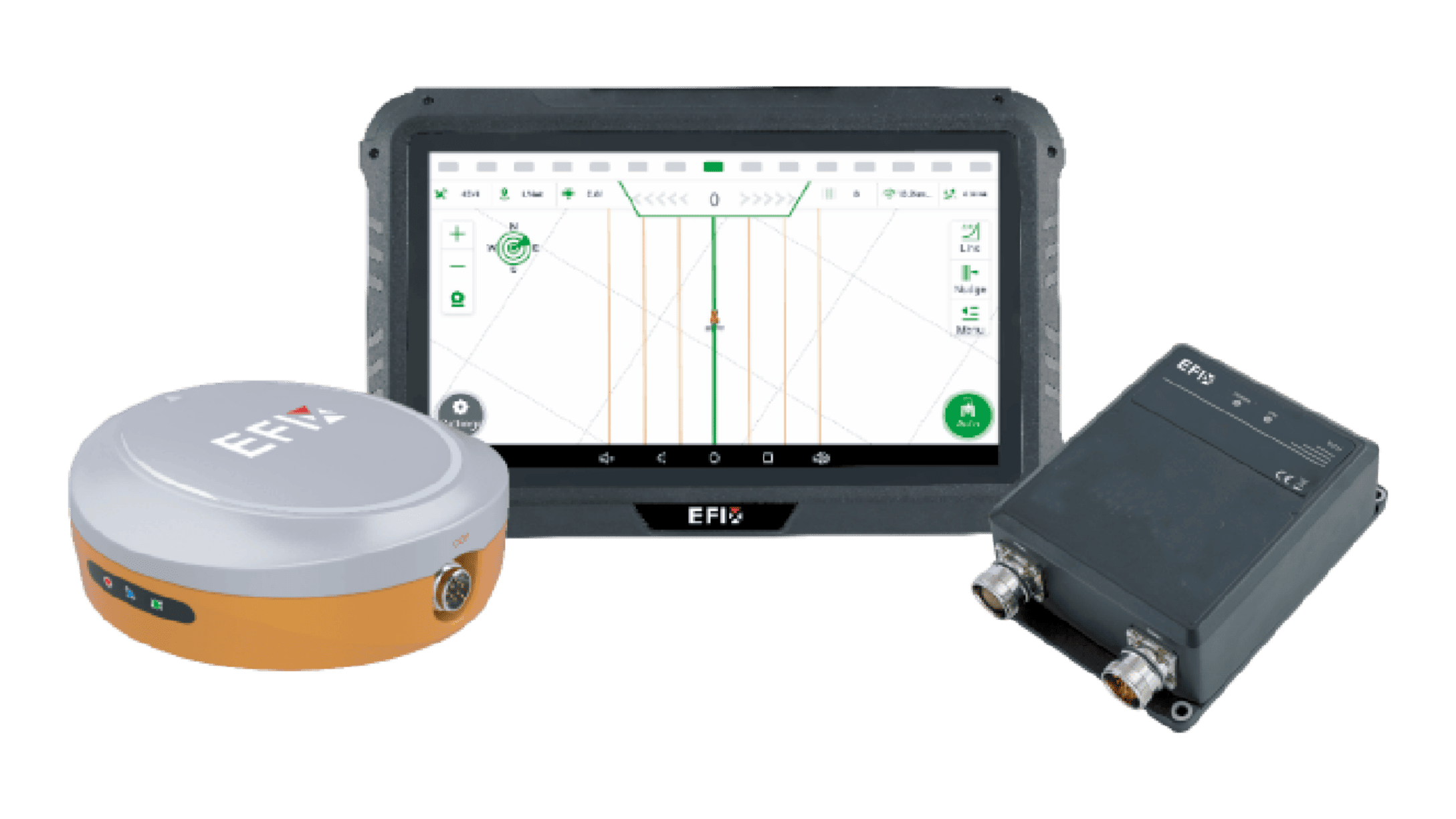
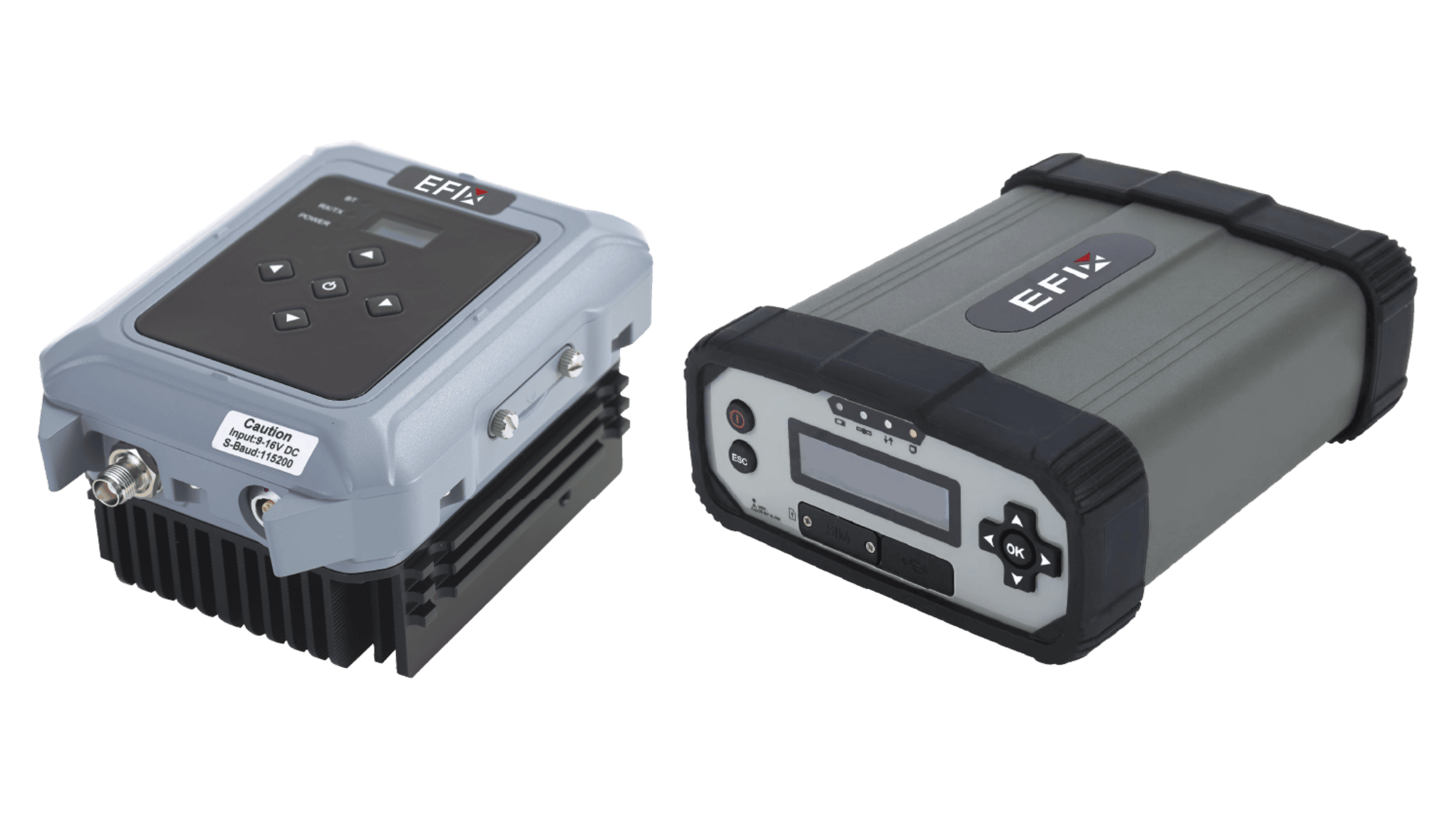
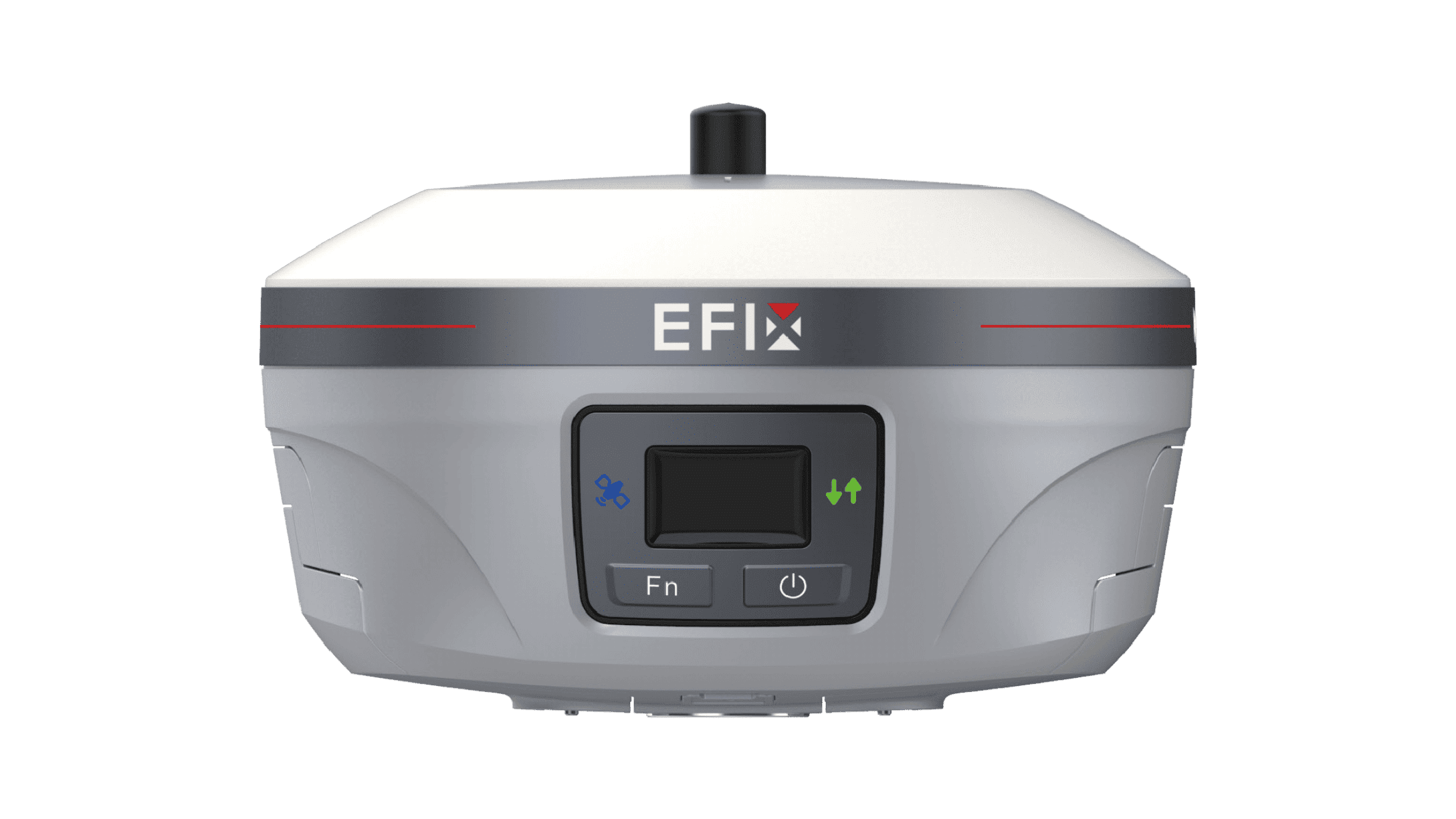
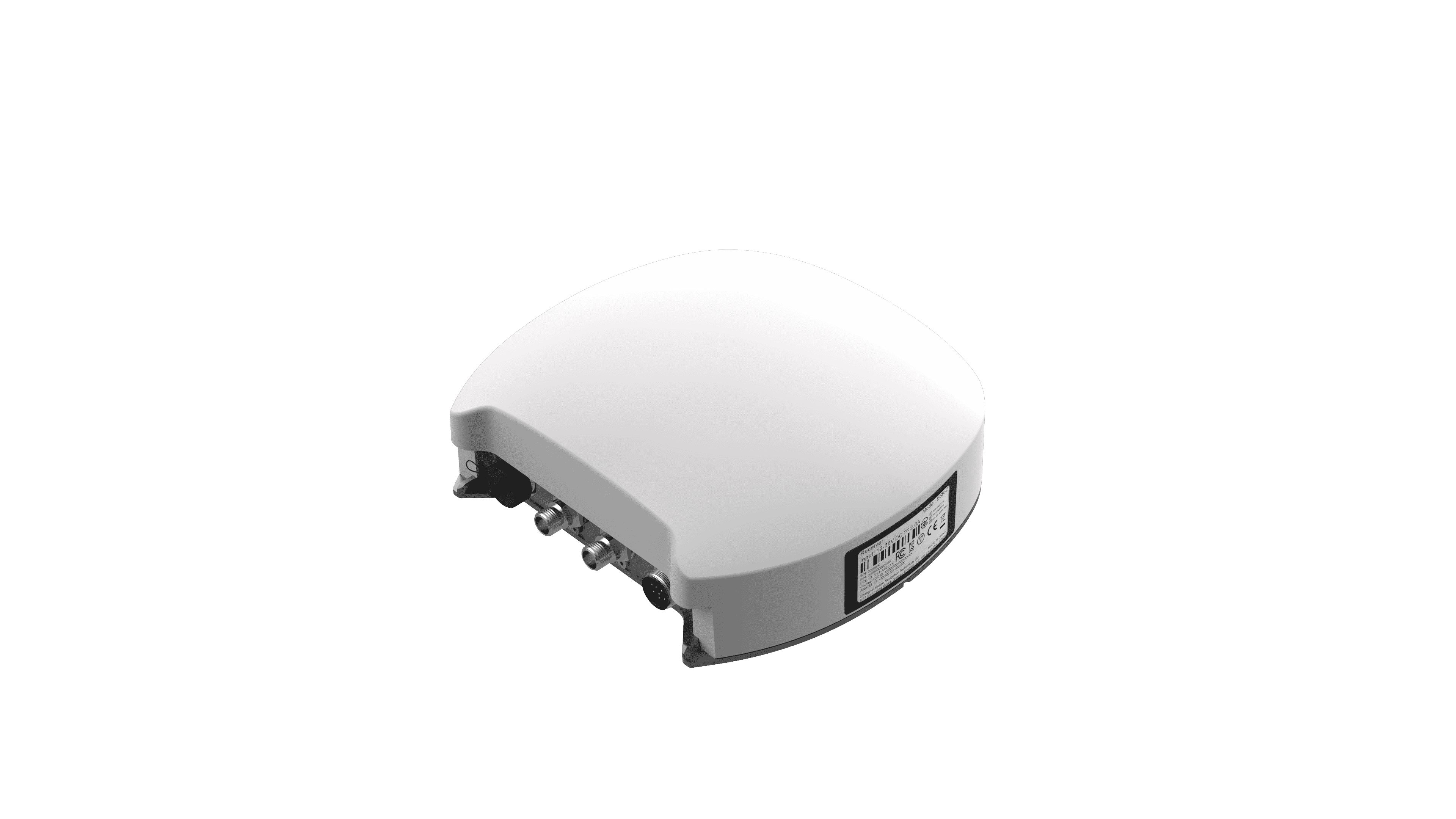
Selecting an effective farm guidance system can significantly impact productivity and efficiency in modern agriculture. With an array of technologies available, making the right choice for your farm can feel overwhelming. Understanding the available options and how they align with your farming practices is crucial. This article delves into key considerations that can guide you in selecting the best farm guidance system for your agricultural needs.

Understanding Your Farming Needs
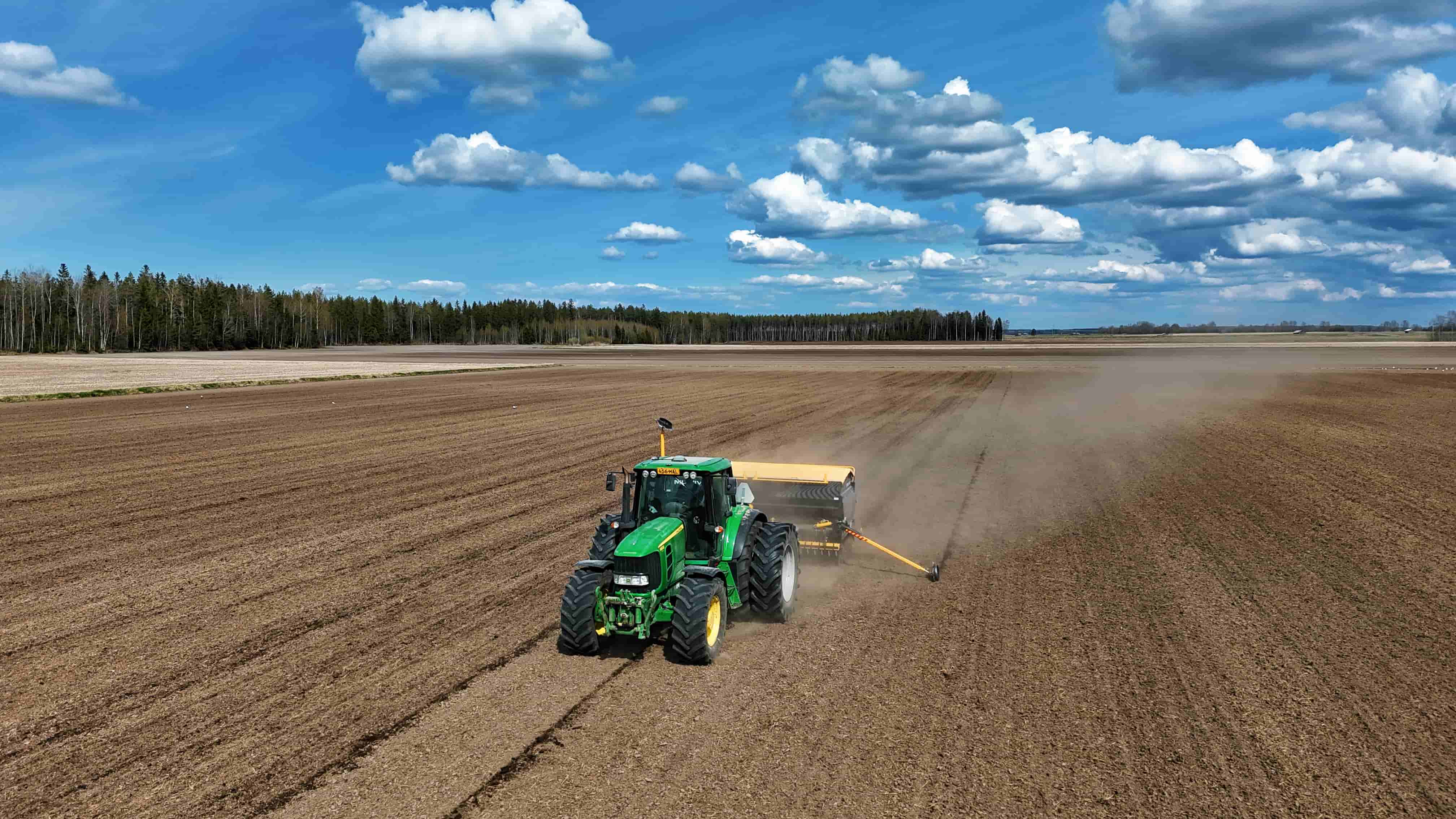
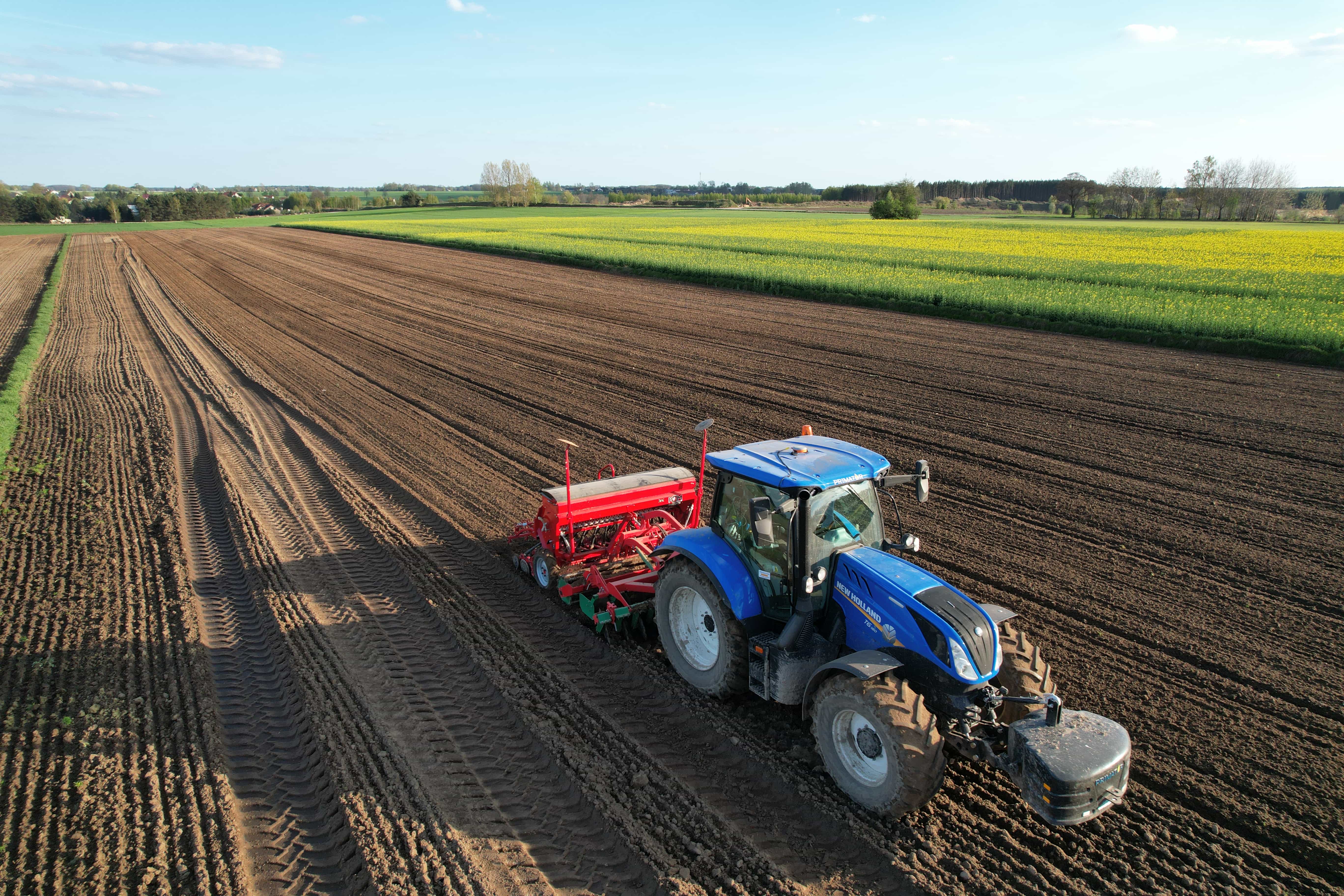
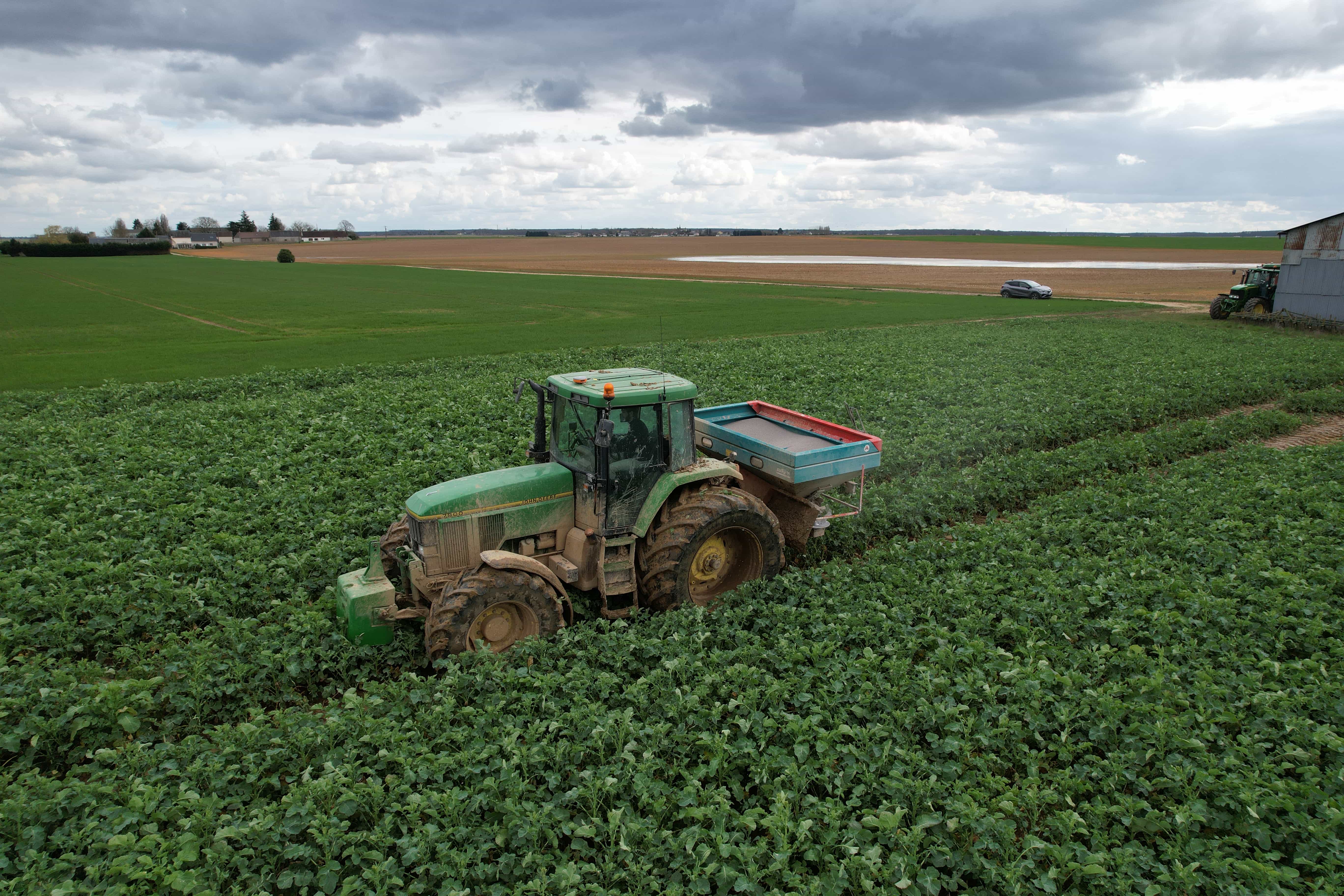
Every farm is unique, with specific challenges and opportunities. To start the selection process, it is essential to assess your farming practices, the scale of operations, and the types of crops or livestock you manage. Understanding whether you need a simple field mapping solution or a sophisticated system that integrates with other technology is crucial. For instance, if your farm spans large acres, a GPS-based farm guidance system could enhance accuracy and productivity during planting, spraying, and harvesting. A clear grasp of your operational needs will yield a more suitable system.
Evaluating Technology Compatibility
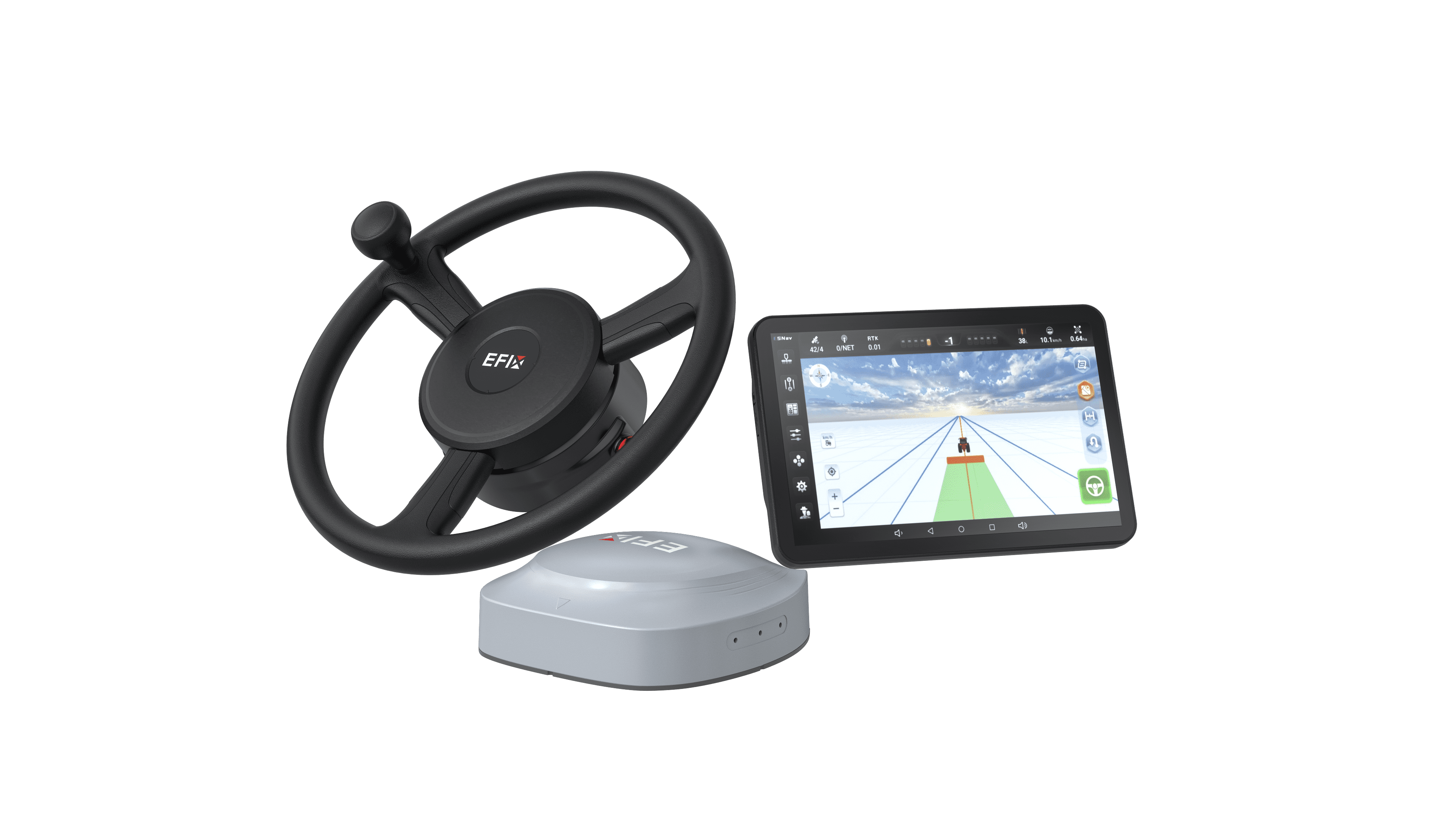
Compatibility with existing equipment and technology is another vital consideration. Many farmers utilize various machinery for planting, harvesting, and soil management. It's important to choose a farm guidance system that works seamlessly with your current equipment or offers easy integration. For example, systems that employ agricultural software for efficiency can simplify data collection and operational management. Exploring options for telematics that provide insights and connect seamlessly with your fleet can enhance your farming operations. Proper technology integration can save both time and costs, ultimately leading to better-informed decisions in the field.
Cost versus Value Analysis
Budget constraints are a reality for many farmers, yet evaluating the cost against the potential value is essential. While initial costs may be significant, the long-term return on investment offered by an effective farm guidance system can be substantial. Consider factors such as labor savings, increased yield, reduced waste, and improved accuracy when making your decision. Understanding what your chosen system will provide in terms of data analytics and potential productivity enhancements can help you justify the costs involved. Performing a thorough cost-benefit analysis ensures that you make an informed choice.
Conclusion
Investing in a farm guidance system is a smart step towards enhancing productivity and efficiency in your agricultural operations. By carefully evaluating your farming needs, assessing technology compatibility, and conducting a comprehensive cost versus value analysis, you can select a system that aligns perfectly with your operational goals. At EFIX, we understand the importance of these elements and offer various solutions tailored to meet the specific requirements of your farming practices.