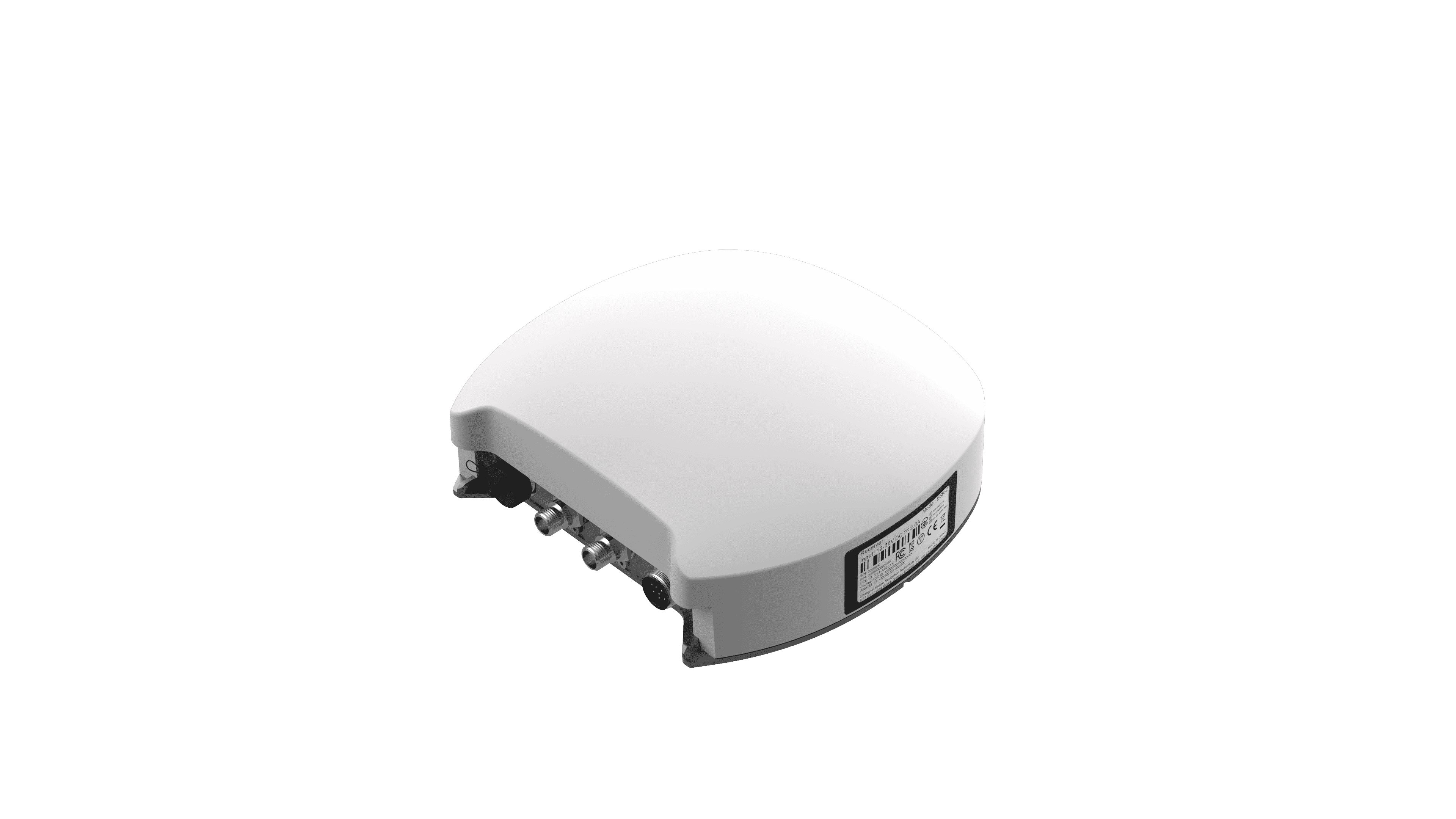
The landscape of agriculture is undergoing a radical transformation propelled by technology, specifically through the use of precision agriculture guidance systems. These systems are engineered to optimize farming practices, increasing yields while reducing waste and labor costs. The integration of advanced technology into farming techniques enables farmers to utilize resources more efficiently than ever before.
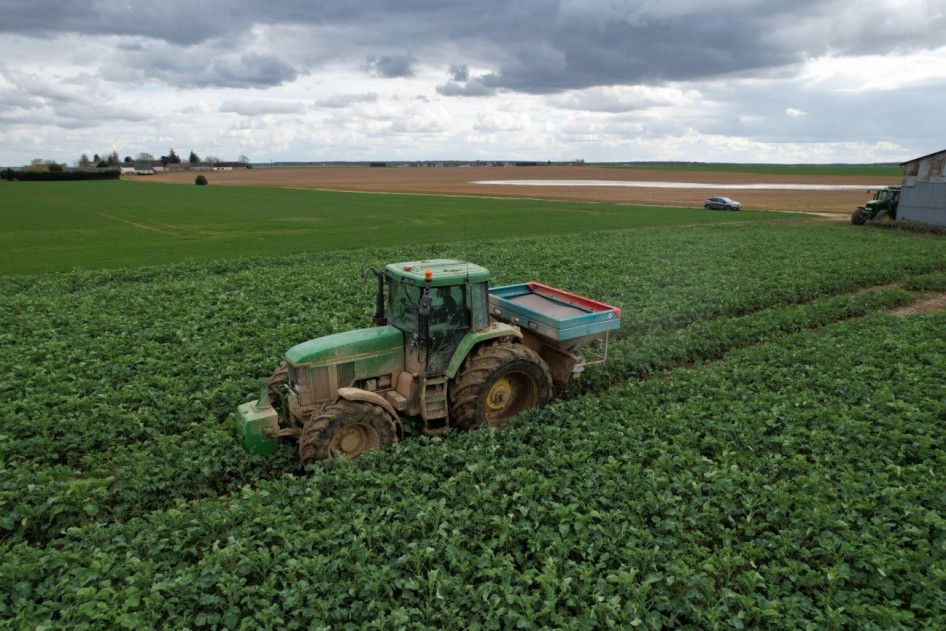
How Precision Agriculture Guidance Systems Operate
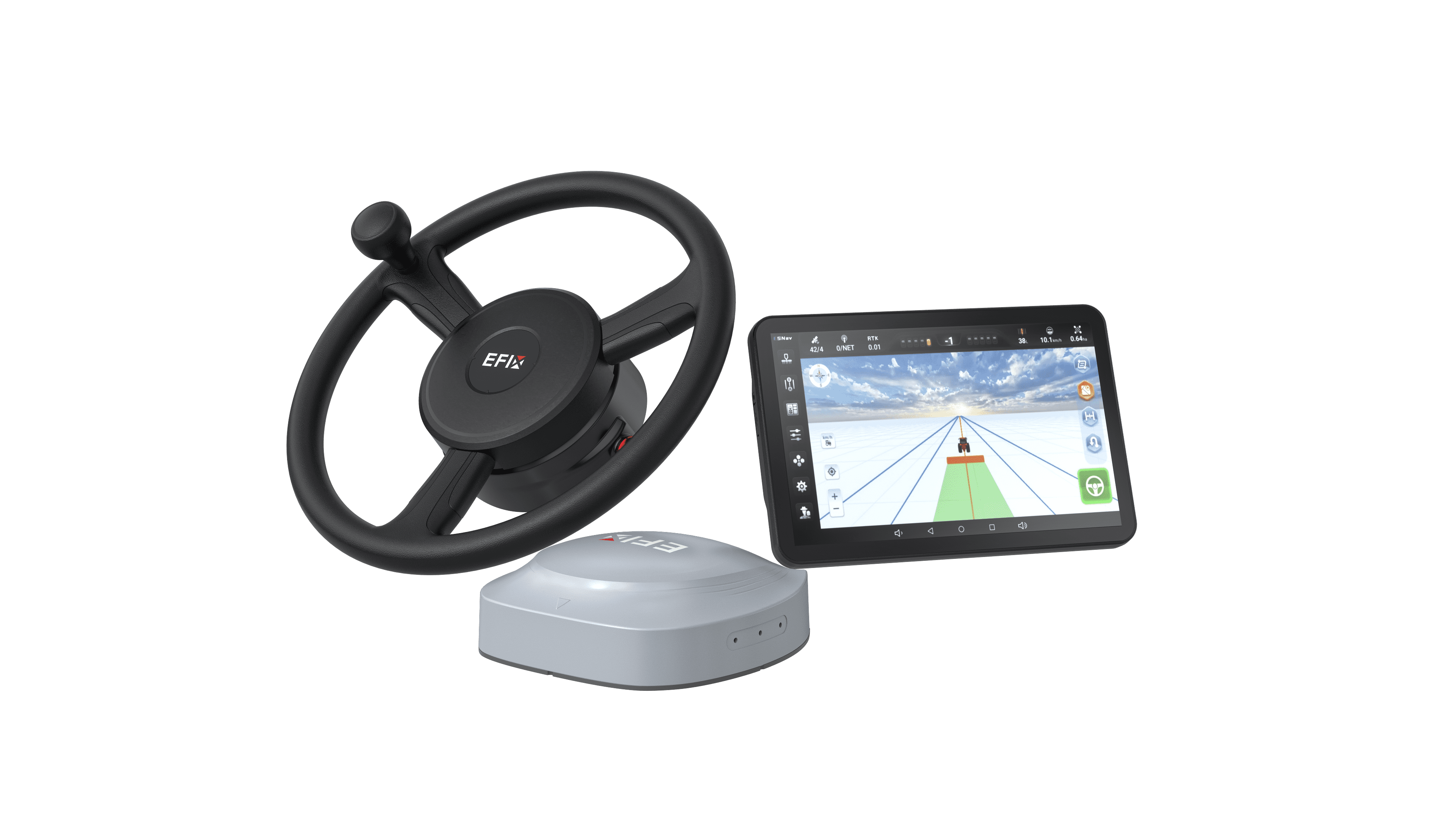
The core function of a precision agriculture guidance system revolves around data collection and analysis. Using GPS technology, these systems offer real-time tracking of equipment and crop performance. By harnessing satellite imagery and geographical information systems (GIS), farmers can develop detailed maps that depict soil quality variations and crop health across different areas of their fields. This information is crucial for making informed decisions about planting, fertilizing, and harvesting.
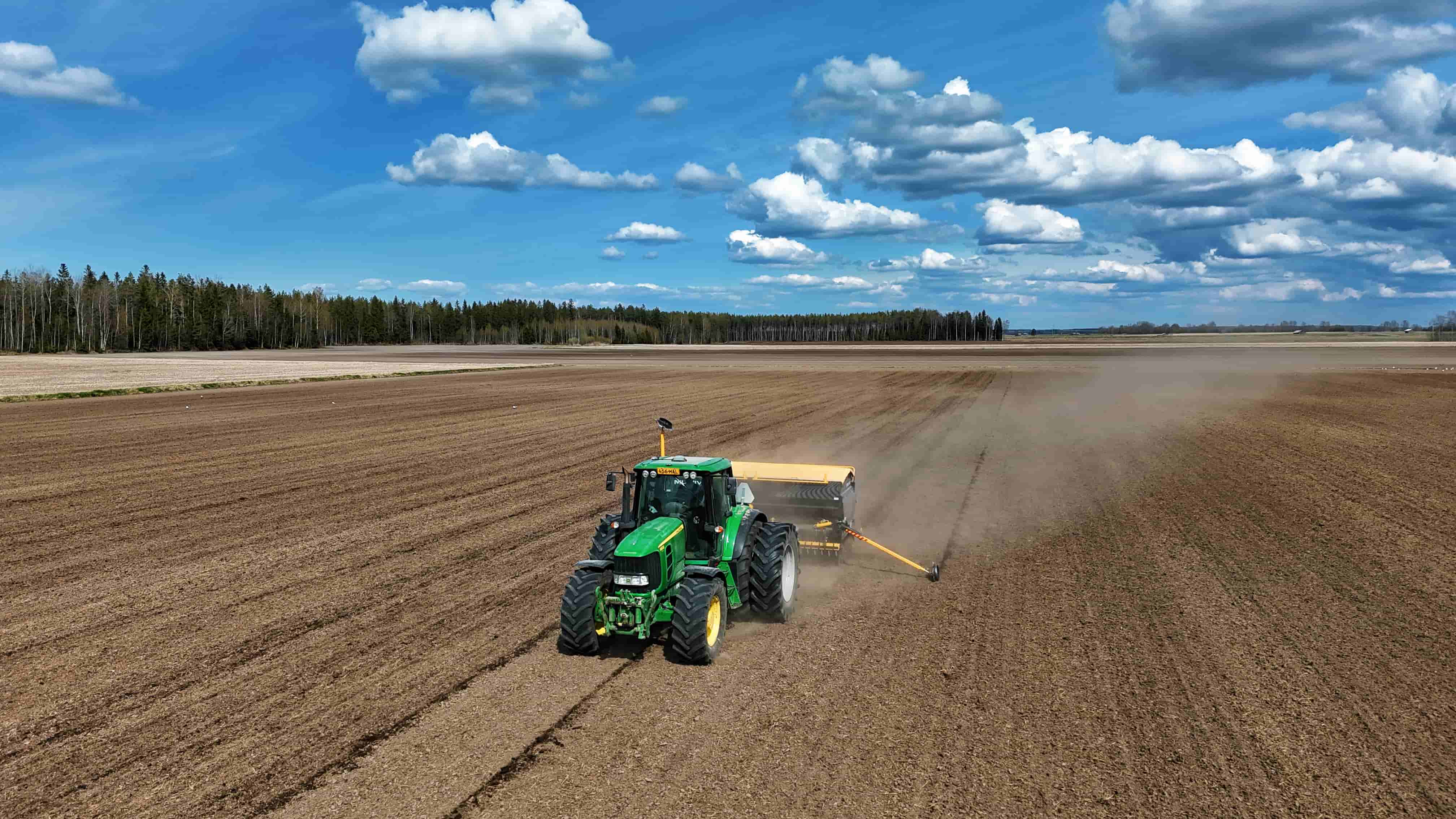
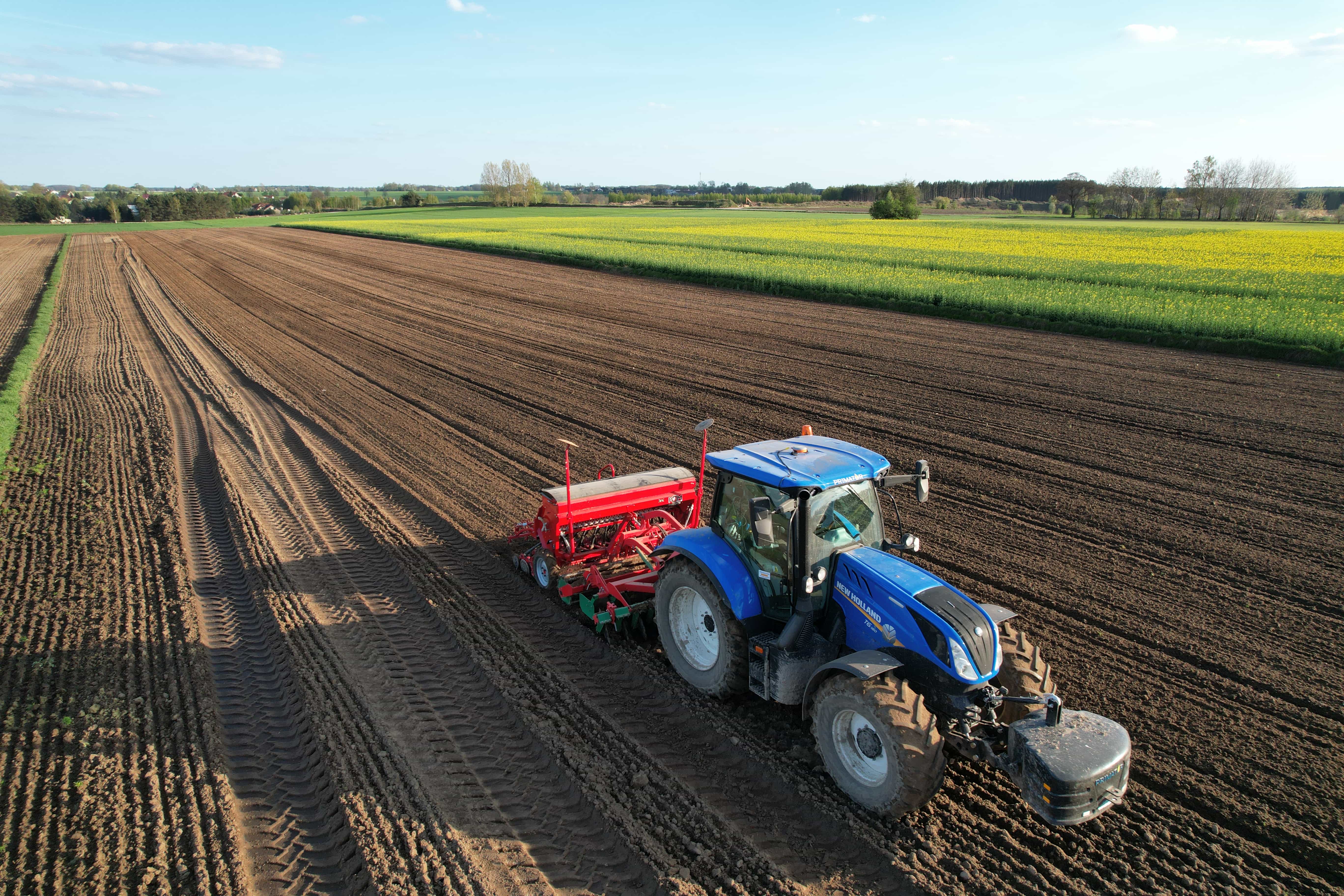
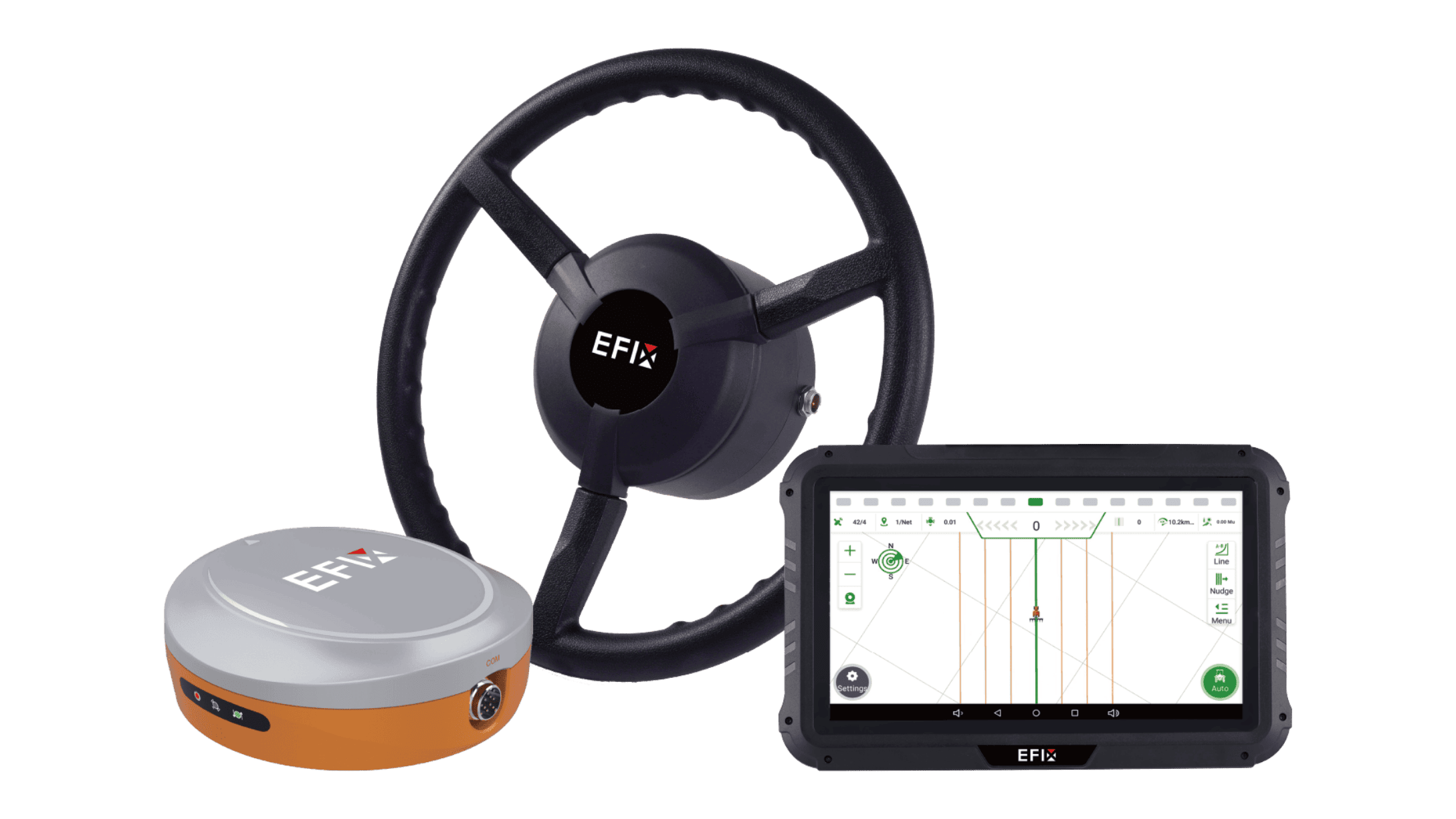
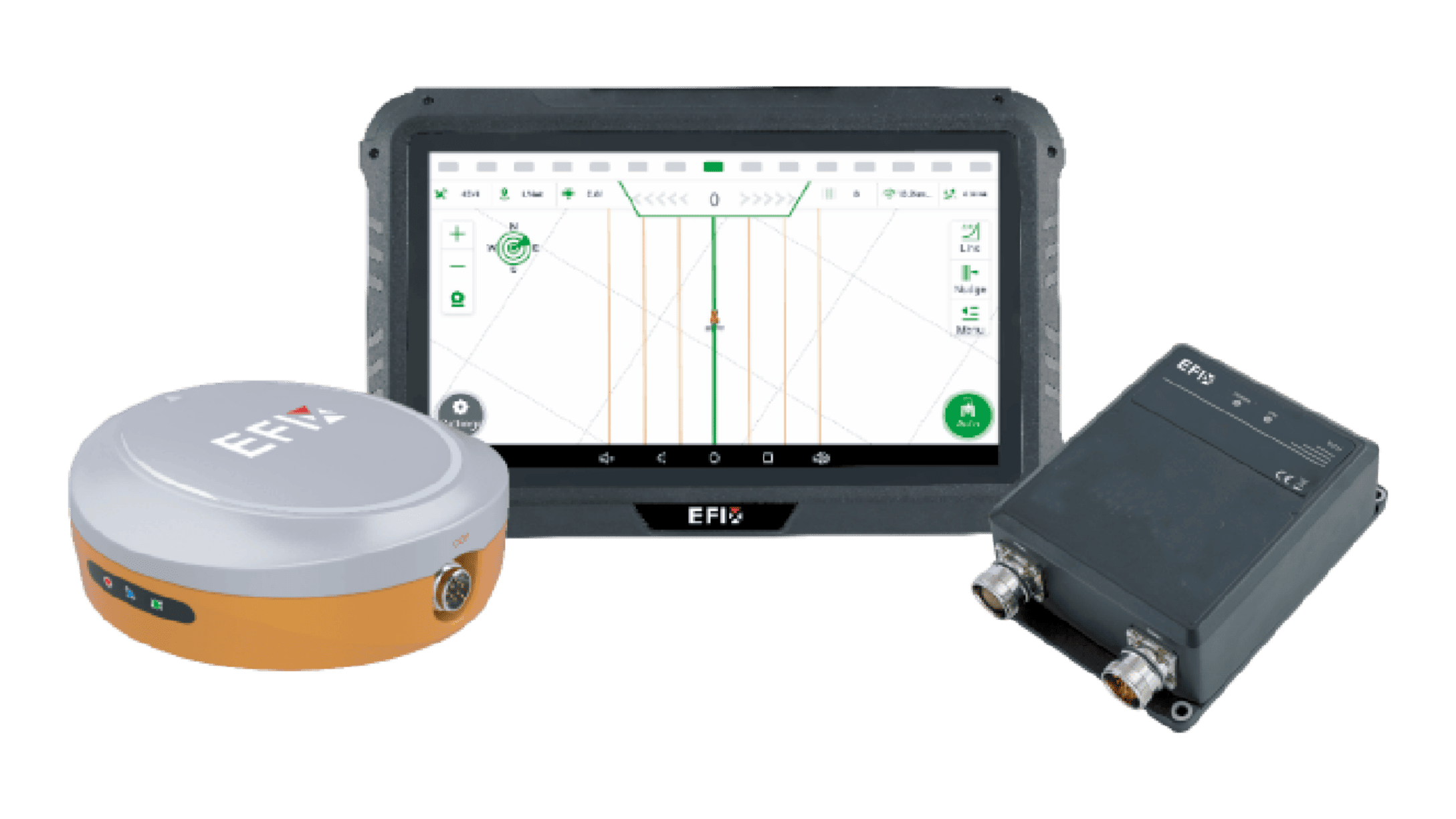
Moreover, modern systems are equipped to provide automated steering, allowing tractors and other equipment to maintain optimal paths with minimal overlap. This automatic guidance not only conserves resources by ensuring precise application of chemicals but also reduces compaction on the soil, ultimately leading to healthier crops and improved yield potential.
Benefits of Implementing These Systems
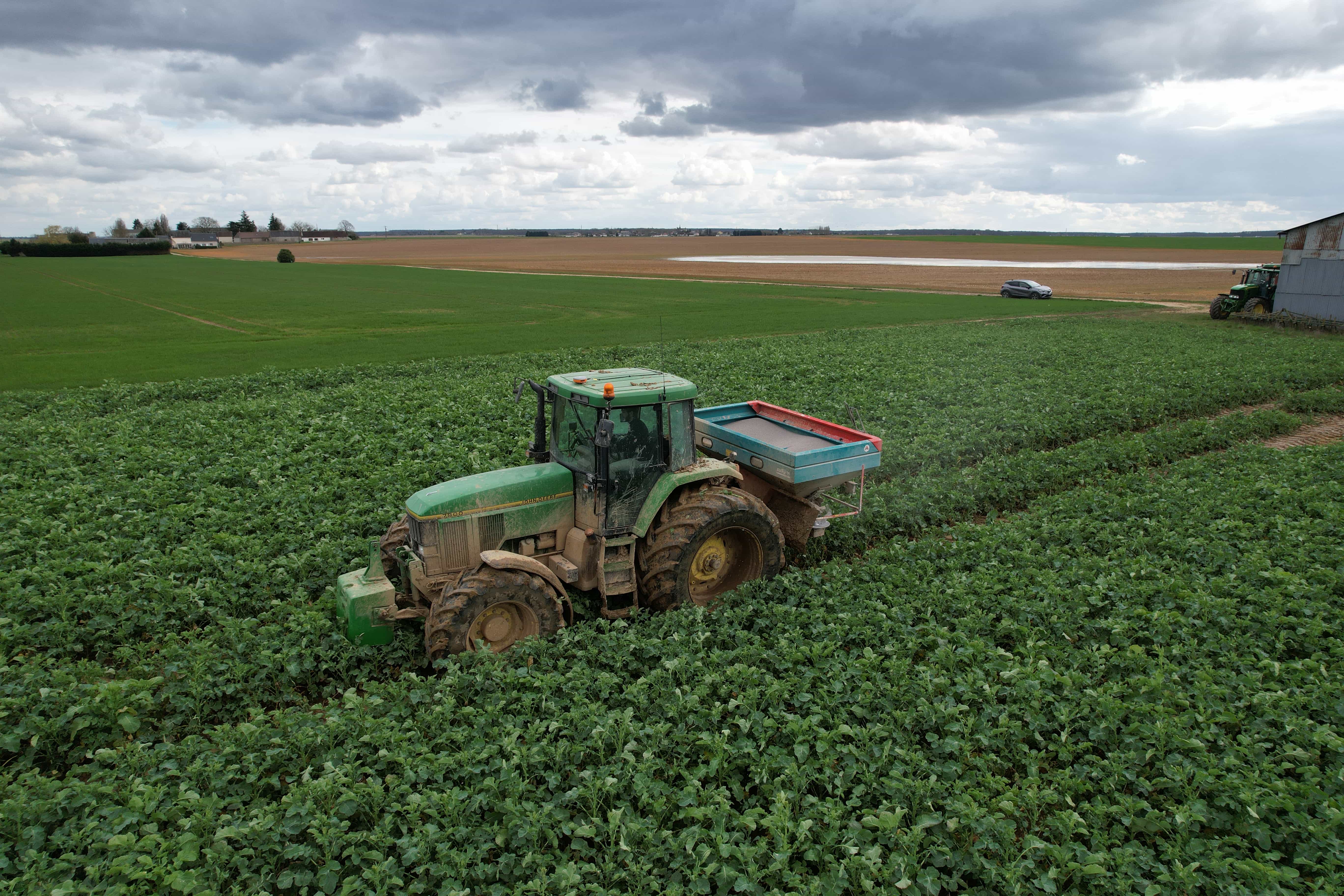
One of the primary benefits of employing a precision agriculture guidance system is the significant reduction in resource input. For instance, by accurately targeting the use of fertilizers, water, and pesticides, farmers can achieve both cost savings and environmental sustainability. This efficiency translates into lower operational costs, as less product is wasted and resources are used more strategically.
Additionally, these systems contribute to enhanced crop monitoring and analysis. Farmers gain in-depth insight into their operational performance, allowing for timely interventions that can prevent minor issues from escalating into major problems. Improved data analytics pave the way for predictive modeling, aiding in future planning and crop management strategies.
The Future of Farming with Precision Technology
As agriculture continues to evolve, the role of precision agriculture guidance systems is set to expand further. We are witnessing the emergence of artificial intelligence and machine learning capabilities that can process vast amounts of data to gain even more precise insights into farming patterns. These innovations are paving the way for autonomous farming equipment, promising to revolutionize traditional practices and create a new standard for efficiency.
Emerging technologies, including drone and sensor usage, offer additional layers of monitoring that can integrate seamlessly with existing guidance systems. This convergence allows farmers to make data-driven decisions that can yield exceptional results, both in productivity and sustainability. The future of farming is undoubtedly intertwined with these cutting-edge technologies.
Conclusion
In conclusion, the insights gained from precision agriculture guidance systems are invaluable in modern agriculture. They empower farmers to manage their resources more adeptly, improve crop health, and ultimately increase yields while promoting sustainability. As a player in this field, we at EFIX are committed to advancing precision agricultural technologies, facilitating smarter farming practices designed for the future.