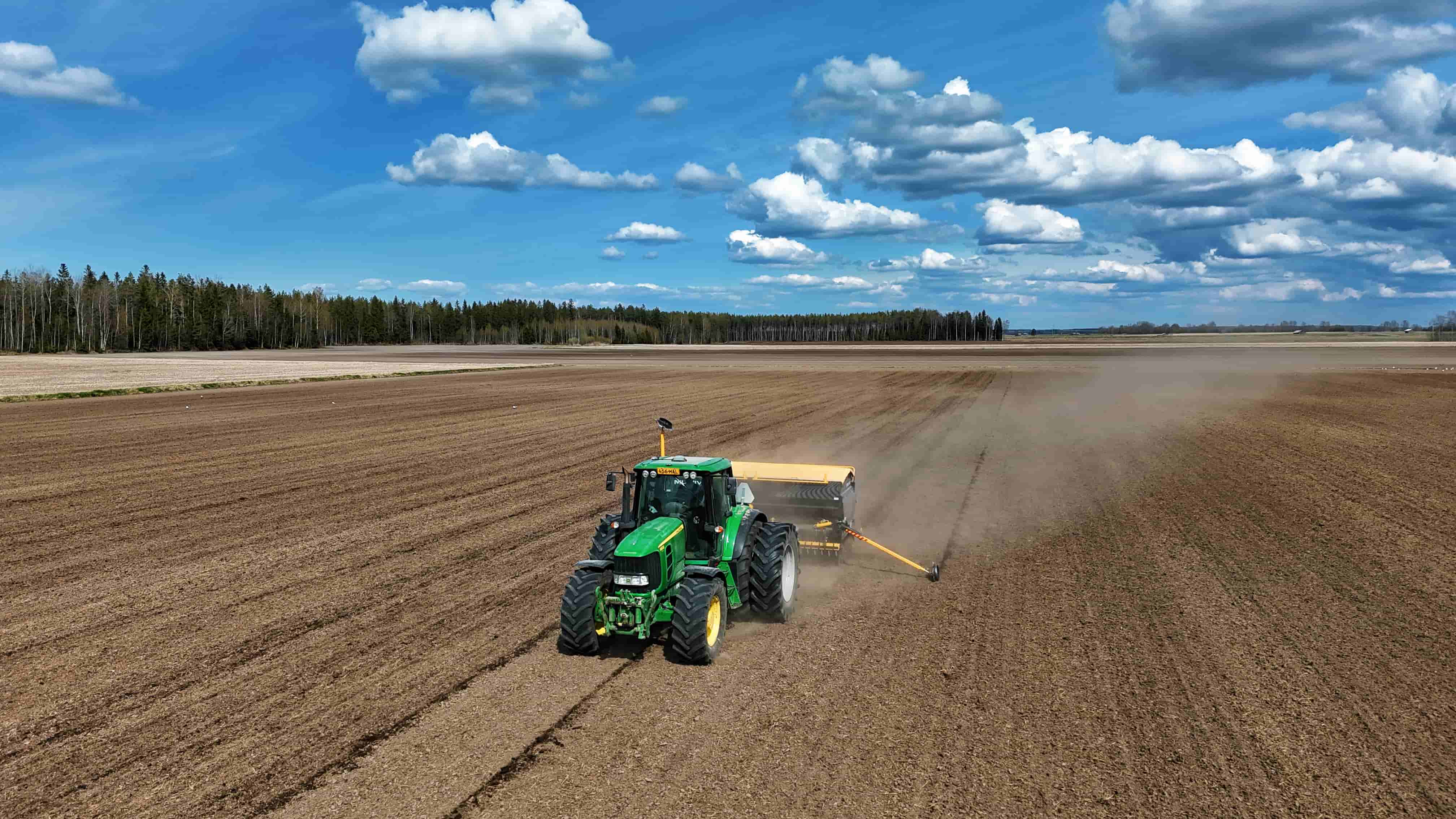
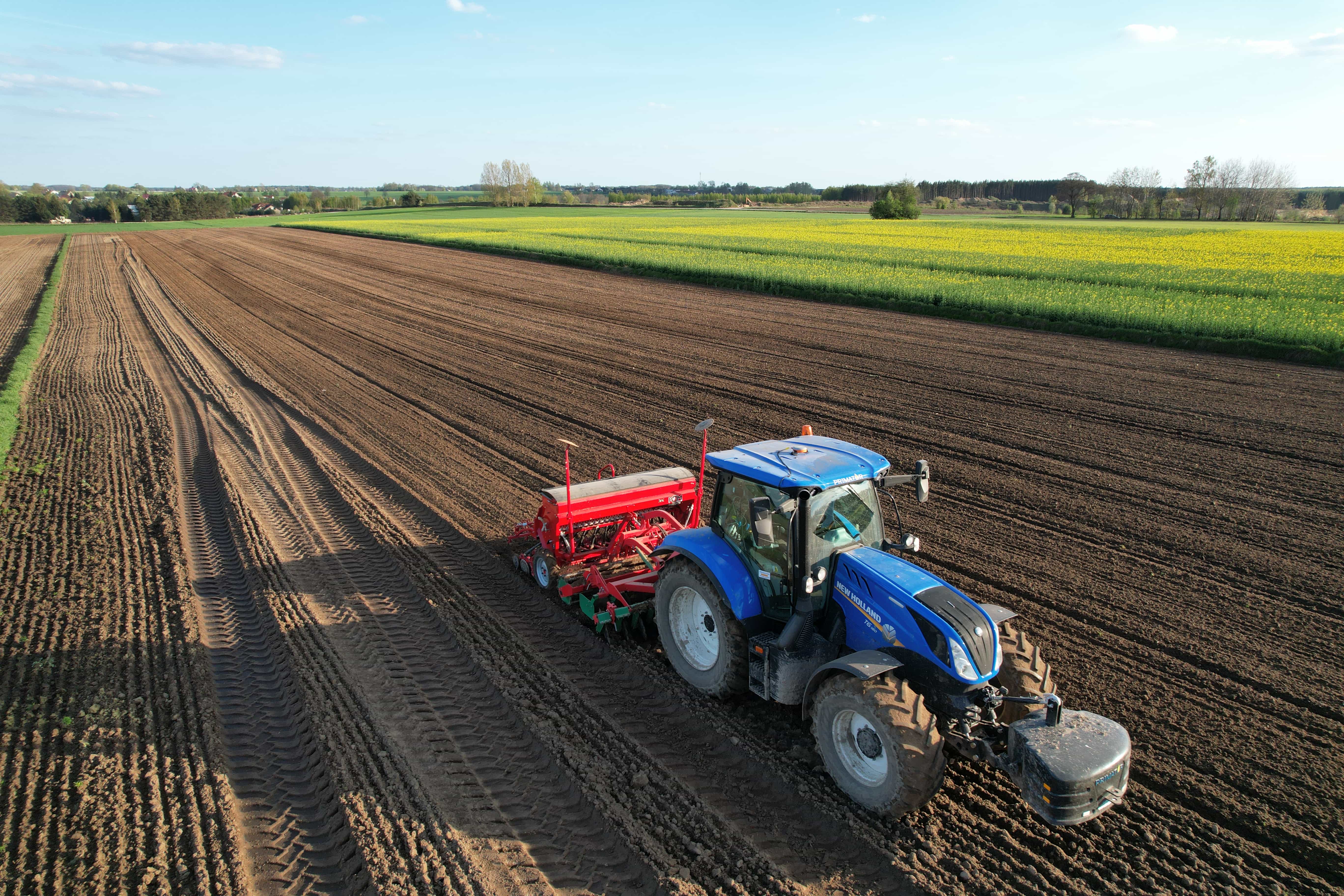
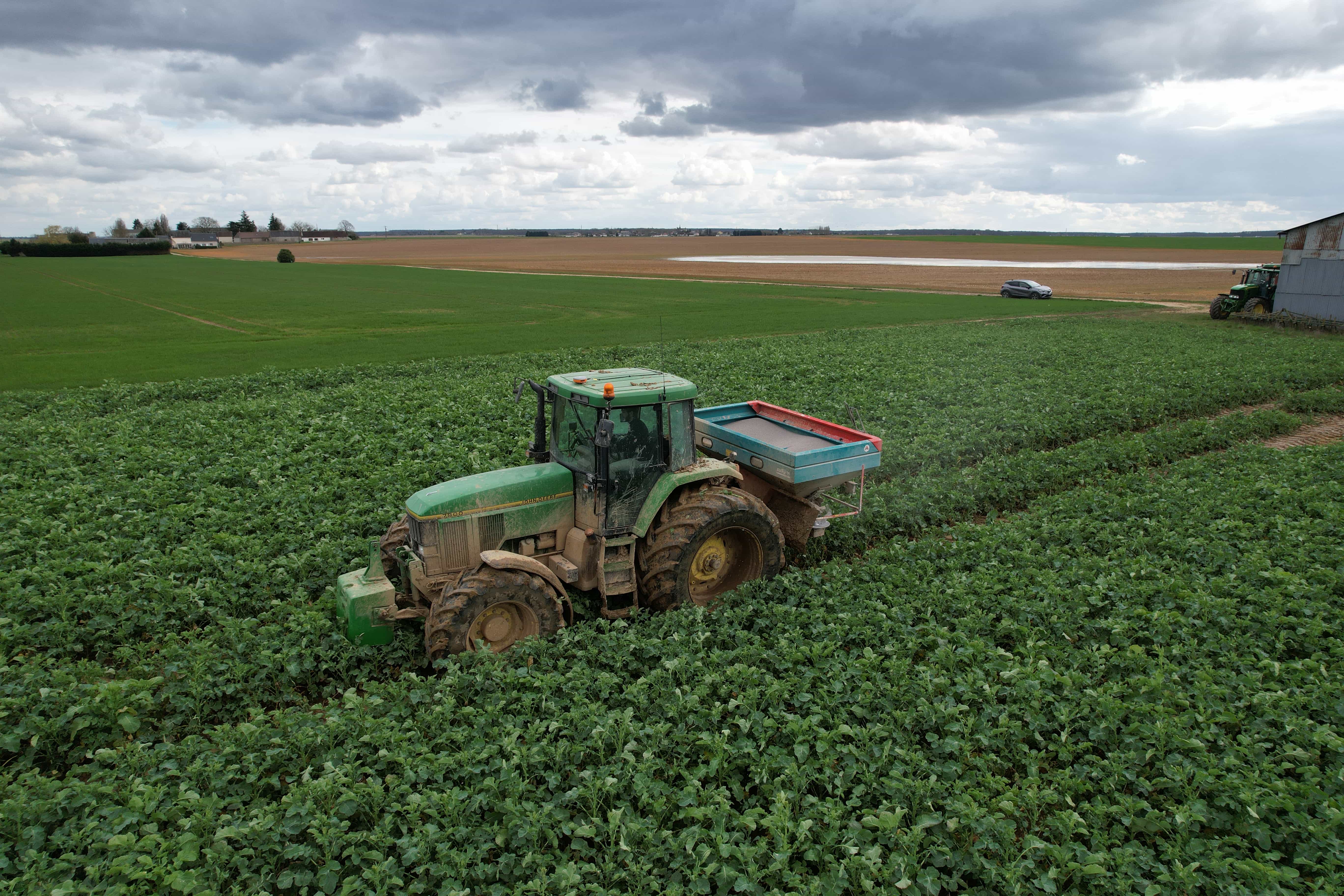
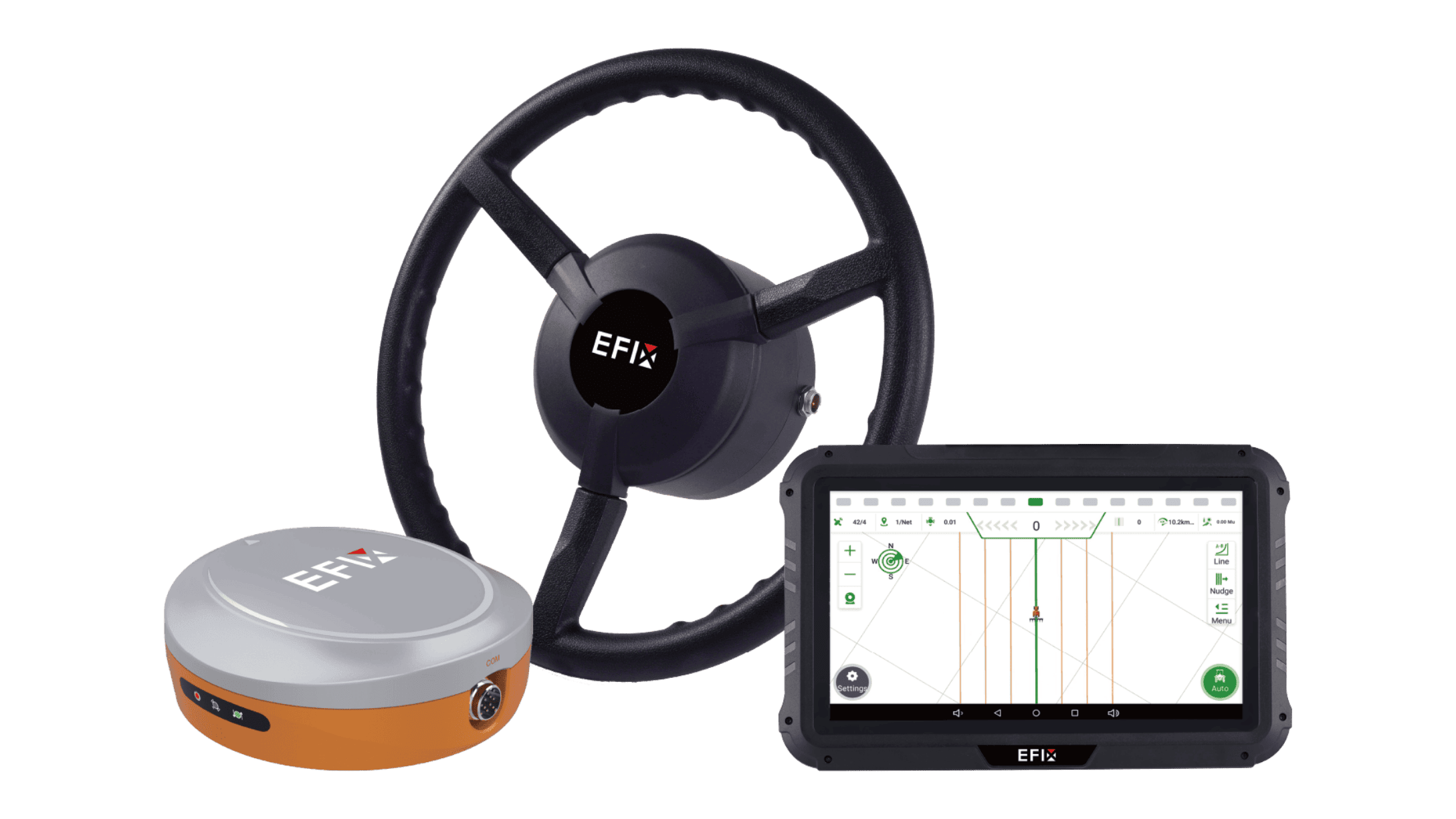
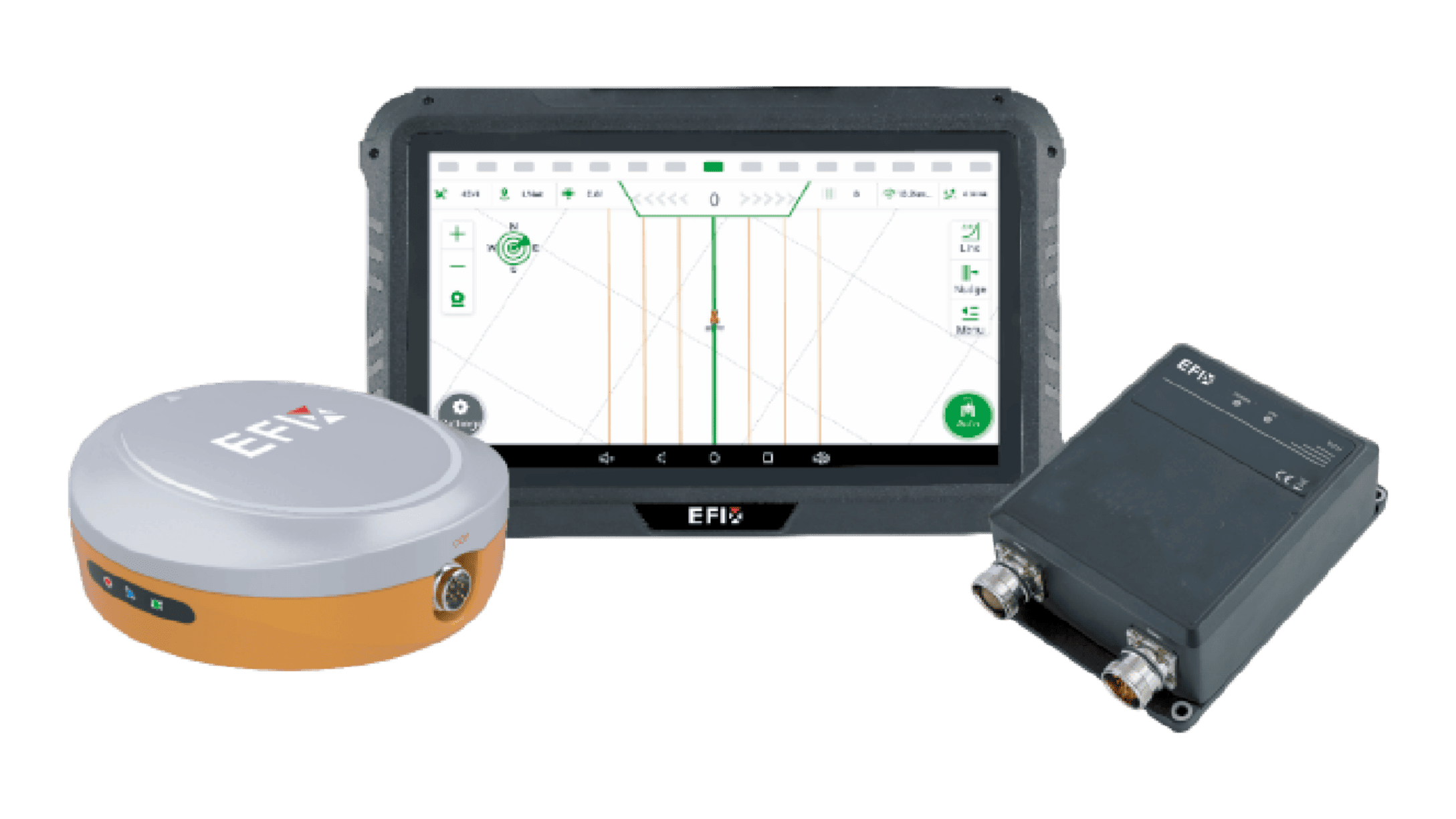
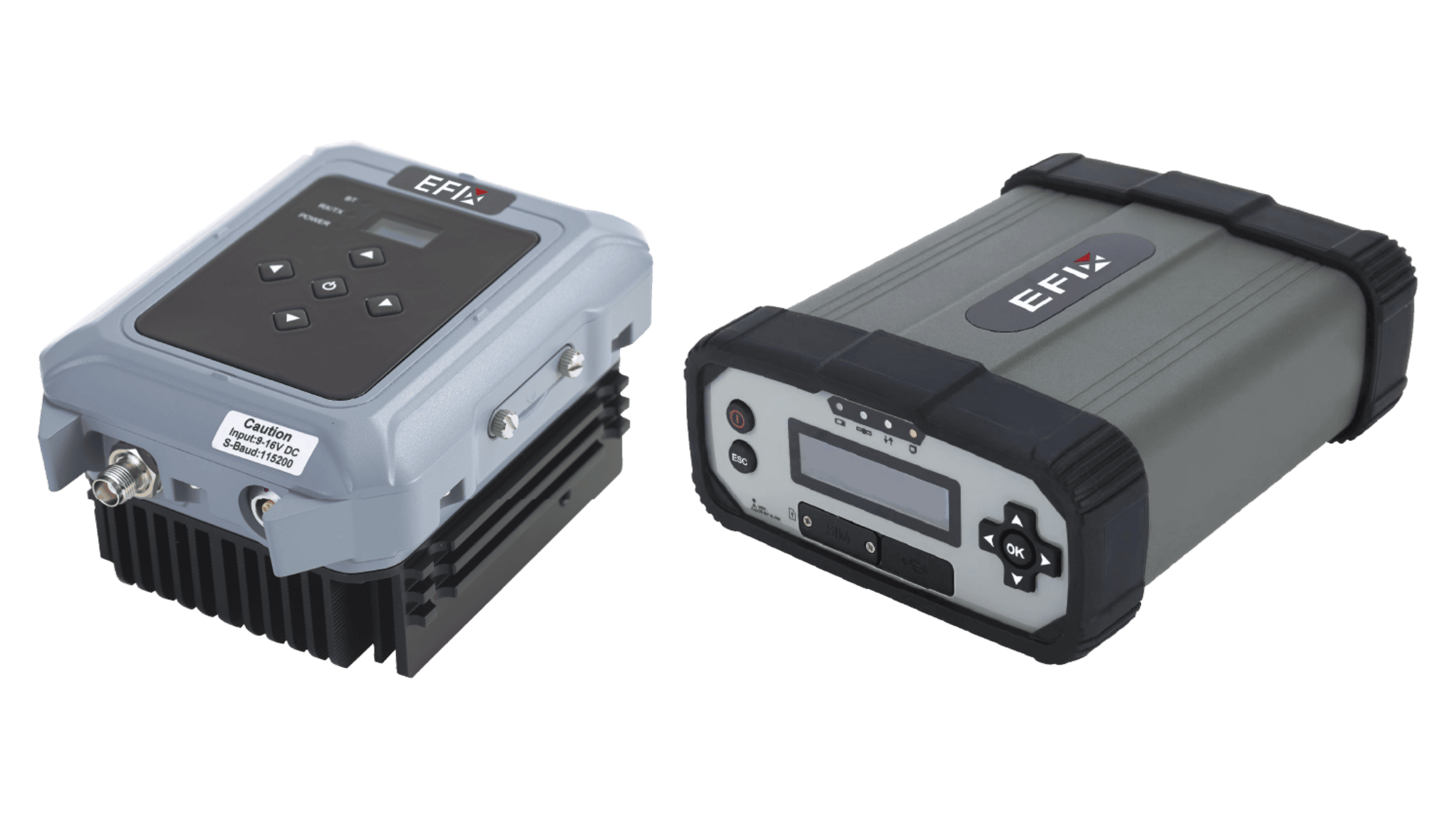
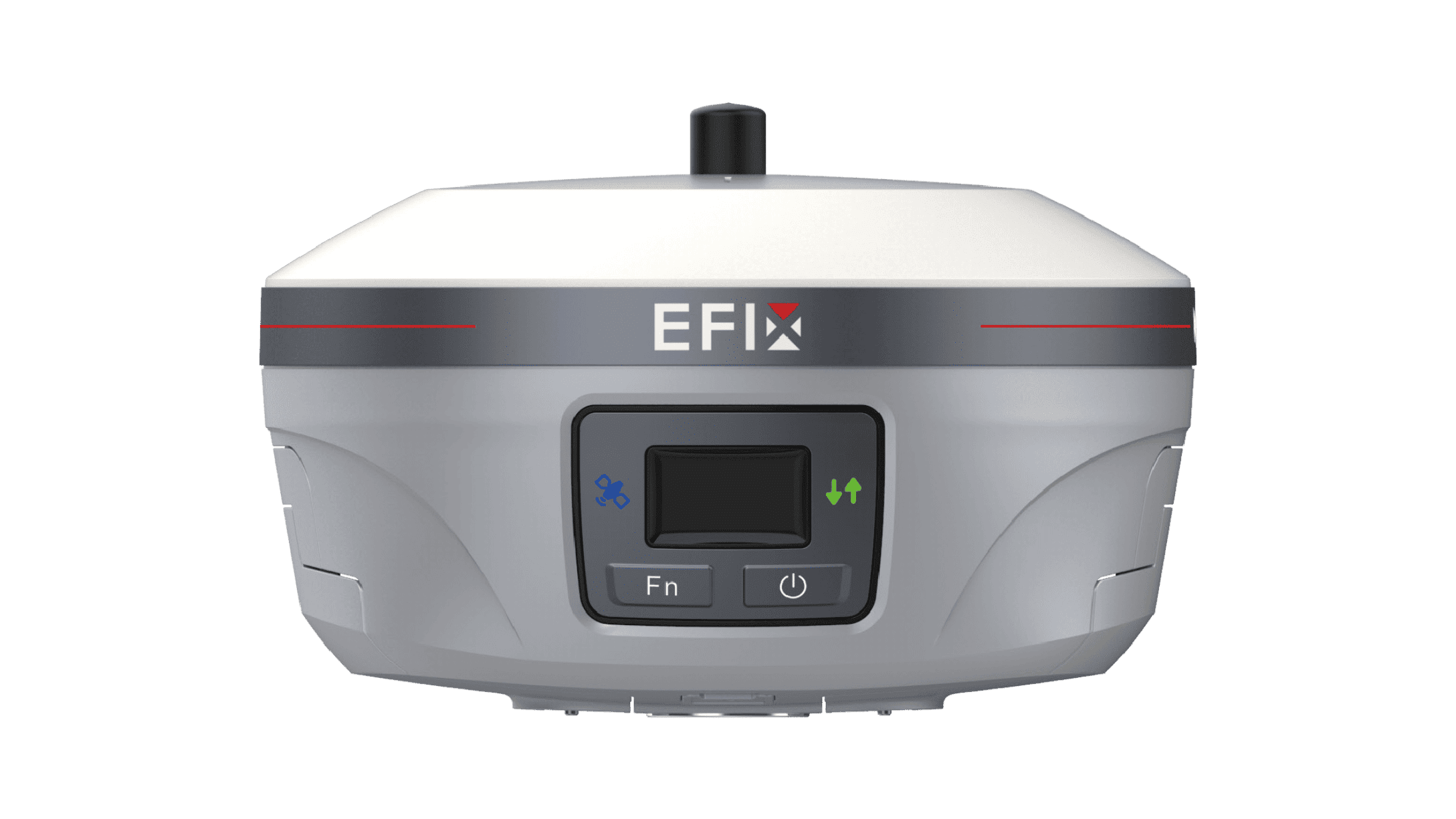
Advancements in agricultural technology have revolutionized farming practices, enabling farmers to achieve higher levels of precision and efficiency. One of the most impactful innovations in this field is the automated steering system, which has become essential for modern farming operations. By integrating advanced navigation technologies, these systems help optimize fieldwork and ensure that every inch of land is utilized effectively.

The Role of GNSS in Automated Steering Systems
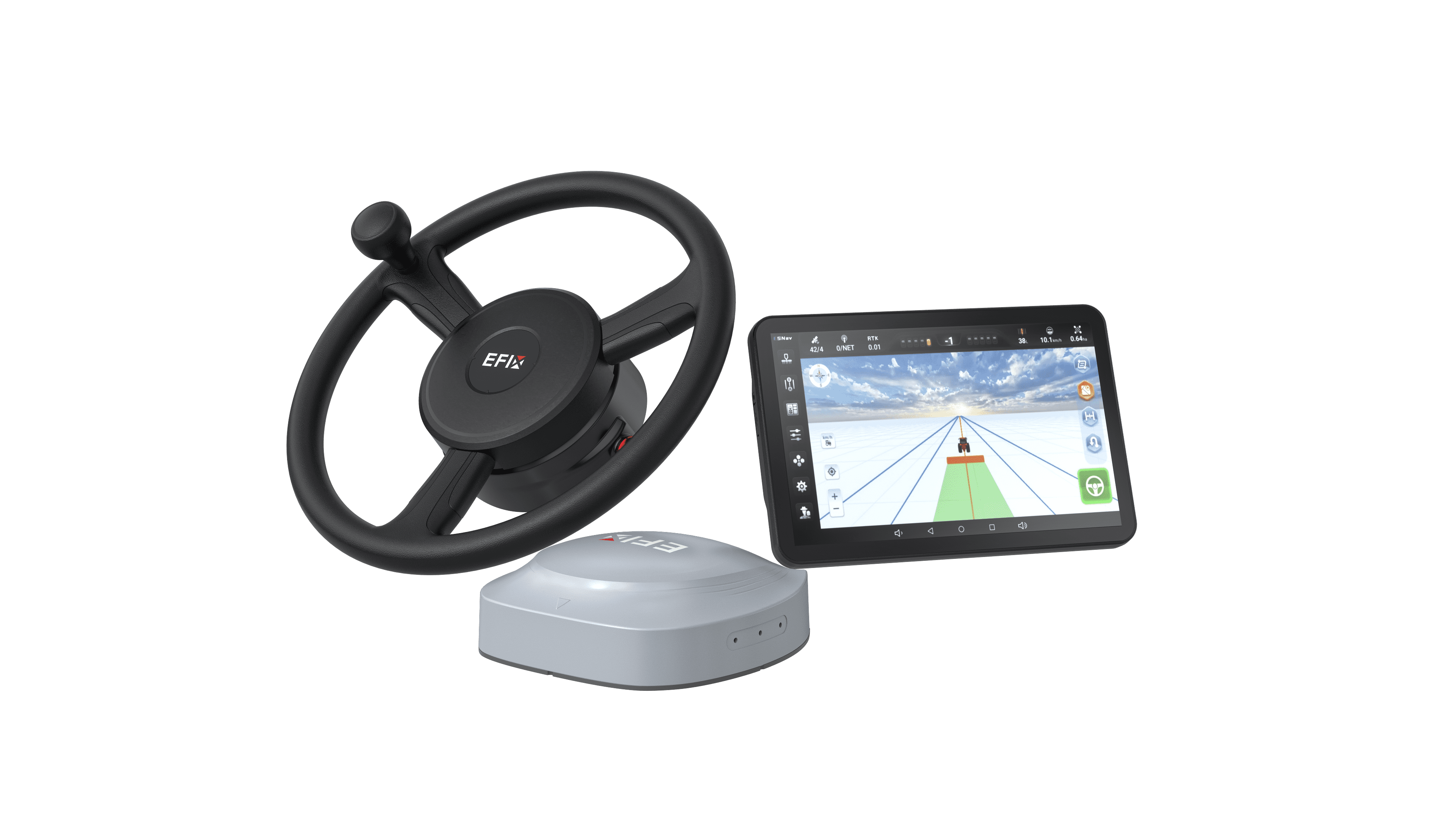
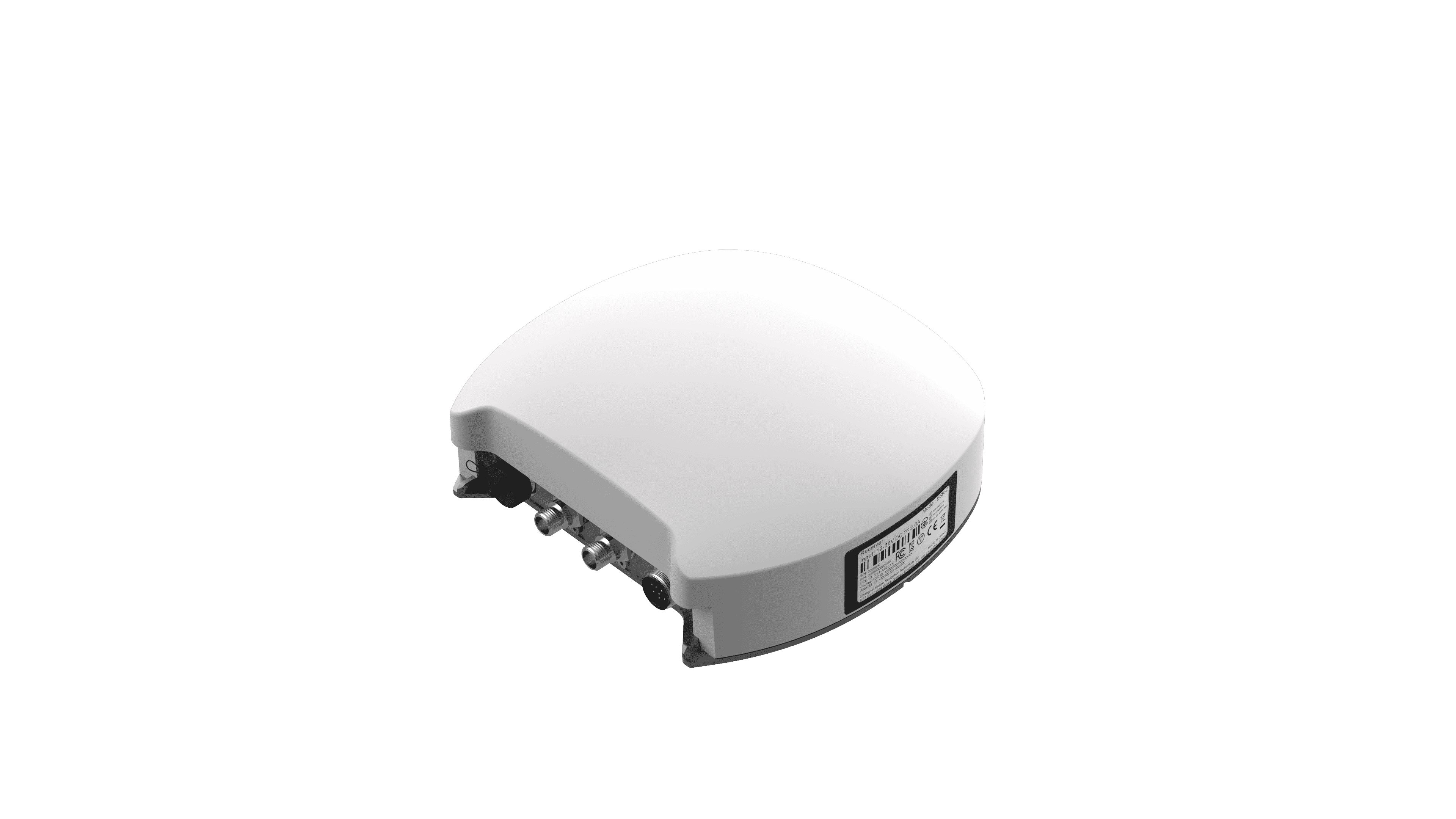
A critical component of any automated steering system is the integration of Global Navigation Satellite System (GNSS) technologies. With devices like the eSteer20 Max, which is equipped to function under various GNSS modes, farmers can achieve precise positioning abilities regardless of environmental conditions. This capability is crucial during tasks such as planting, spraying, and harvesting, where accuracy can significantly affect crop yield. By minimizing overlaps and ensuring even coverage, GNSS-equipped automated systems help mitigate wastage and enhance resource utilization.
Enhancing Crop Management Through Accuracy
The deployment of an automated steering system in agriculture has a direct correlation with improved crop management. These systems facilitate consistent row spacing and maintain proper alignment across fields. Farmers can rely on the precision of automated steering to reduce the risk of damaging crops during mechanized operations. By ensuring that machinery operates in straight lines and adheres to the planned field layout, the likelihood of blind spots and missed areas is significantly reduced. Additionally, this consistency aids in data collection for variable rate applications, contributing to more tailored and effective farming practices.
Efficiency in Resources and Labor
Implementing an automated steering system not only enhances accuracy but also optimizes resource allocation and labor management. Farmers can complete tasks more swiftly and with fewer errors, which translates to reduced operational costs. Reduced overlap means that seed, fertilizers, and pesticides are applied more efficiently, leading to lower input costs and a smaller environmental footprint. Furthermore, operators can work longer hours with less fatigue due to decreased manual steering requirements, allowing for extended operational windows and maximized productivity.
Conclusion
The benefits of utilizing an automated steering system in agriculture are undeniable, with improved accuracy, resource management, and operational efficiency being just a few of the advantages. The eSteer20 Max, equipped with versatile GNSS modes, stands as a testament to how technology can be leveraged to elevate farming practices. By integrating such advancements, we at EFIX are committed to helping farmers enhance their productivity and sustainability, ultimately contributing to a more efficient agricultural industry.