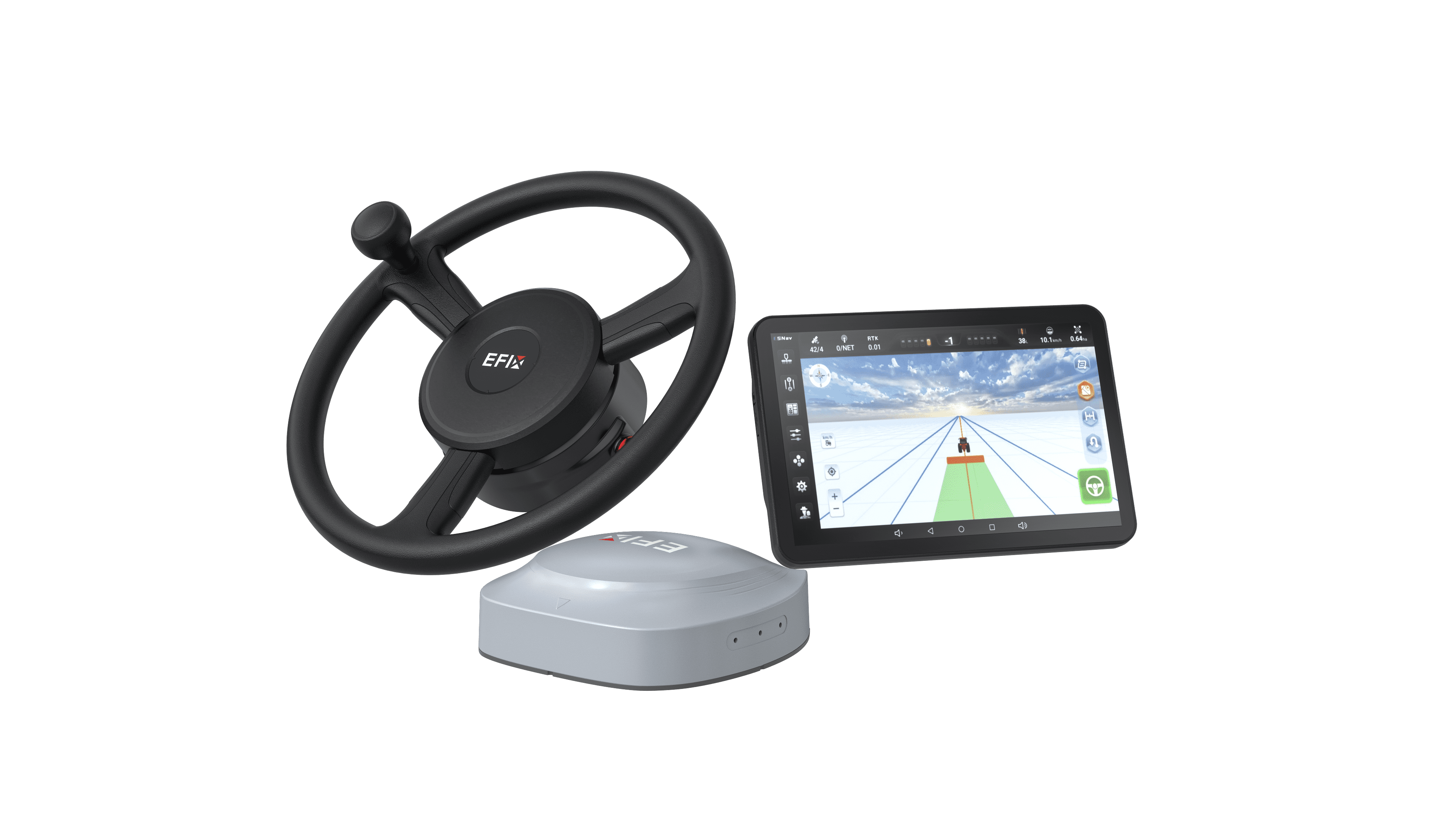
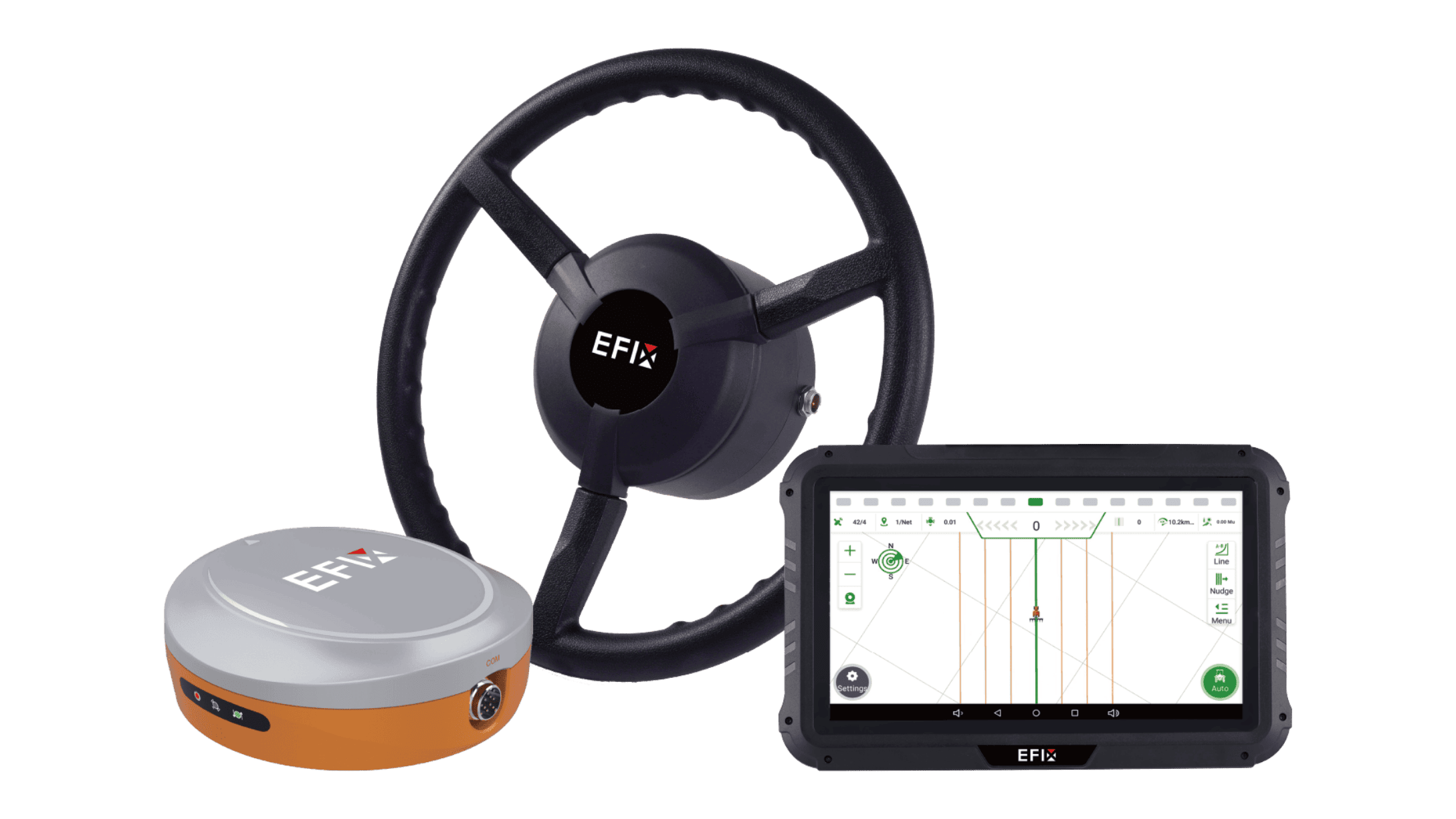
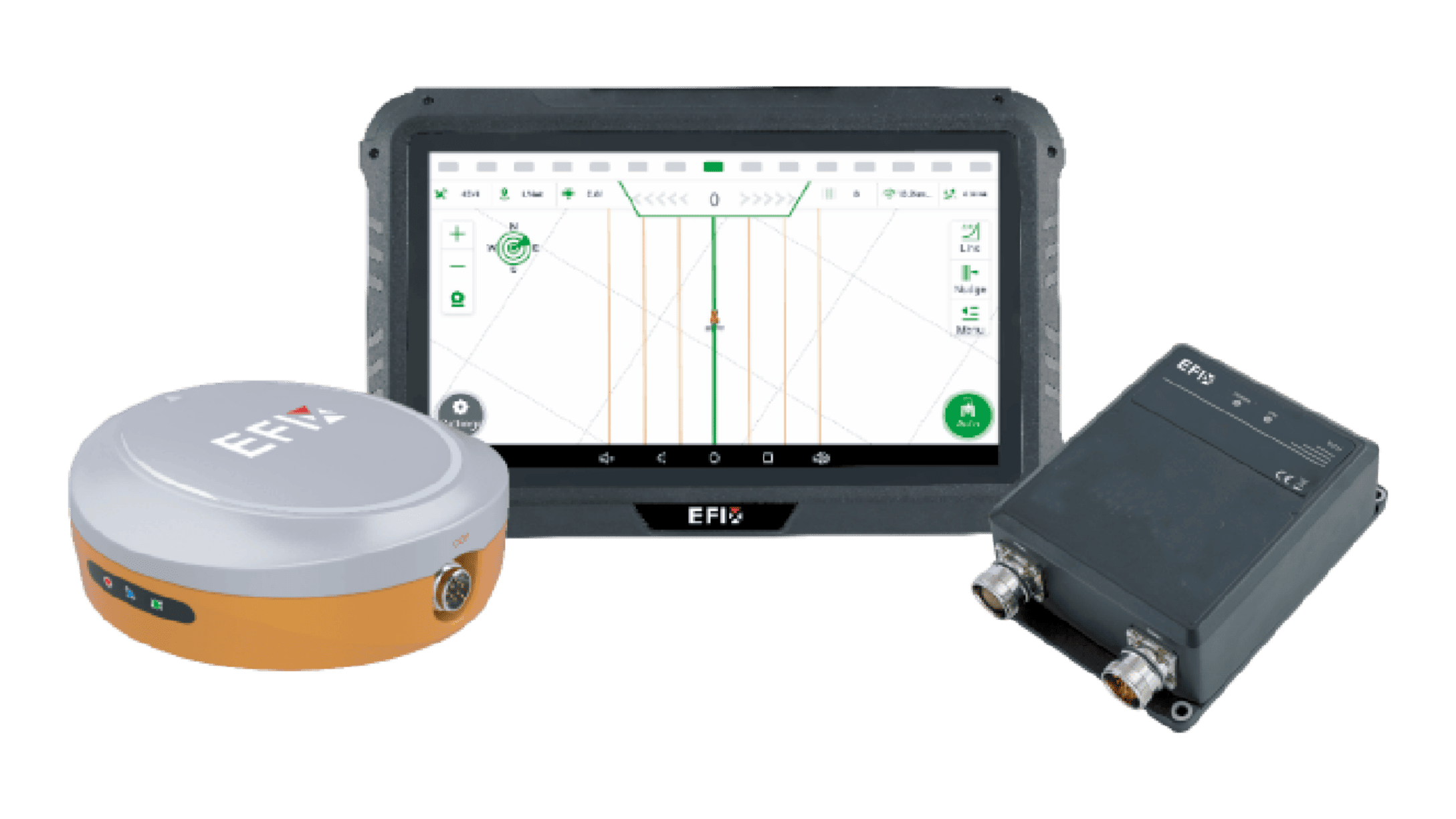
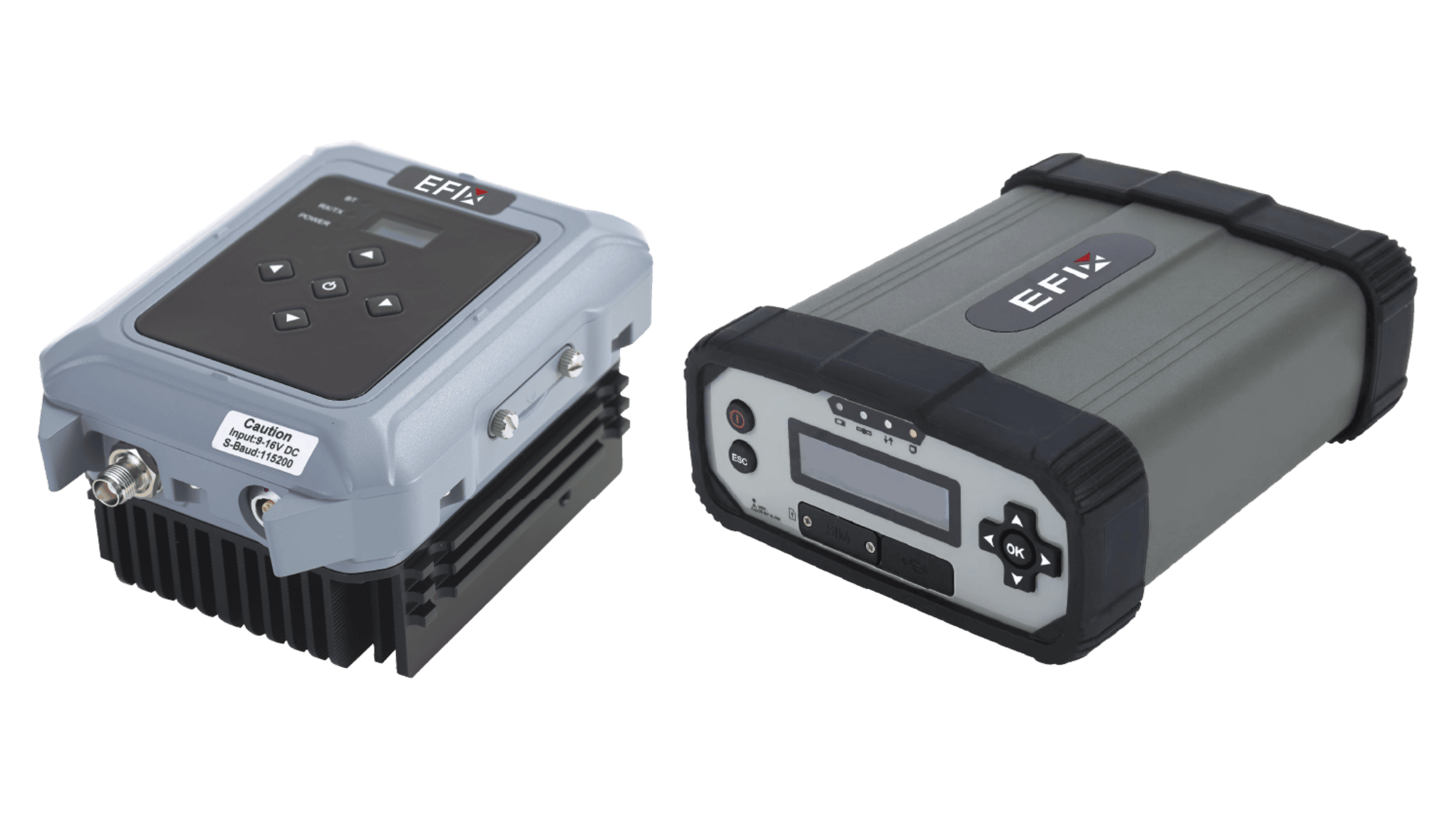
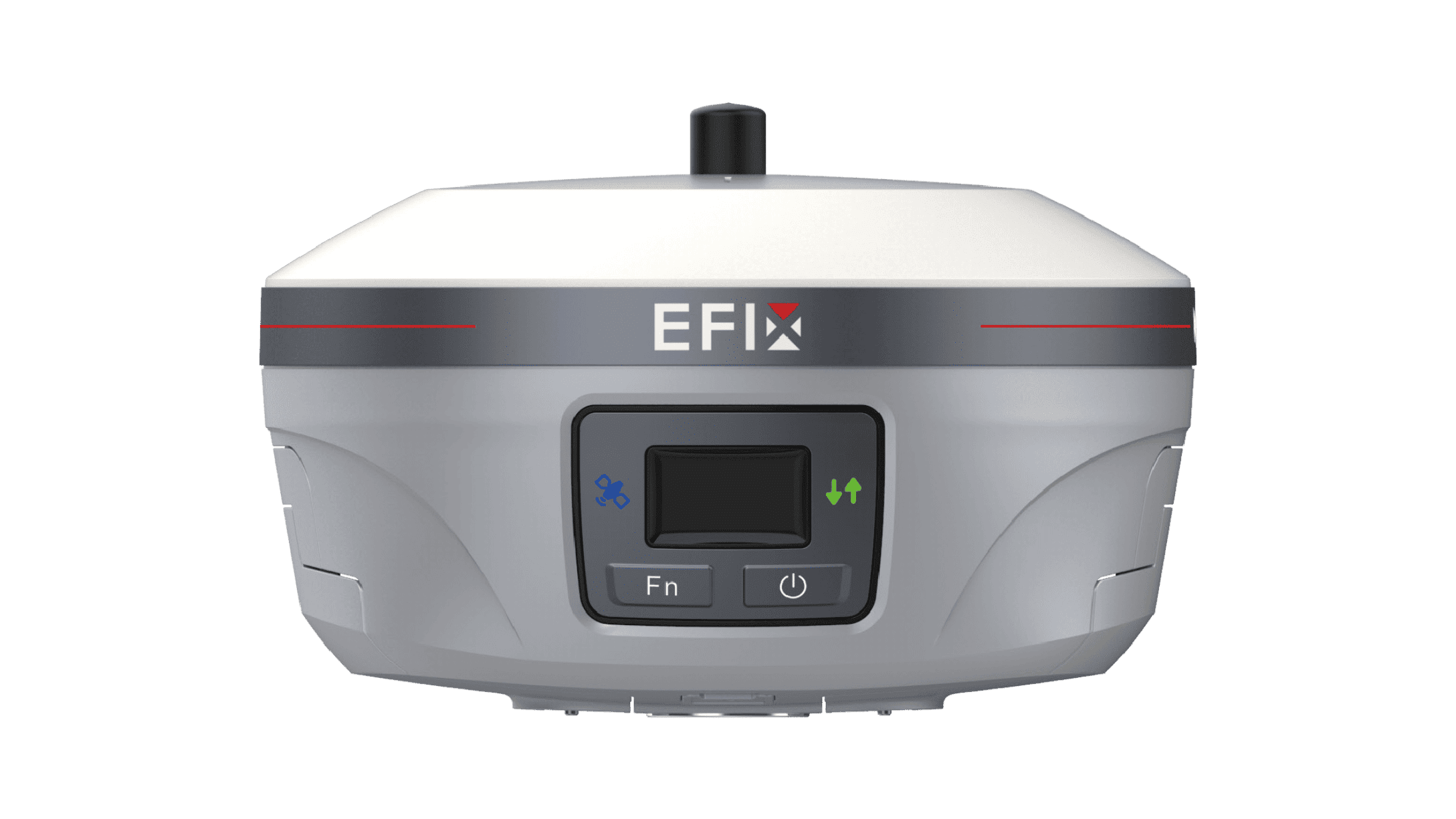
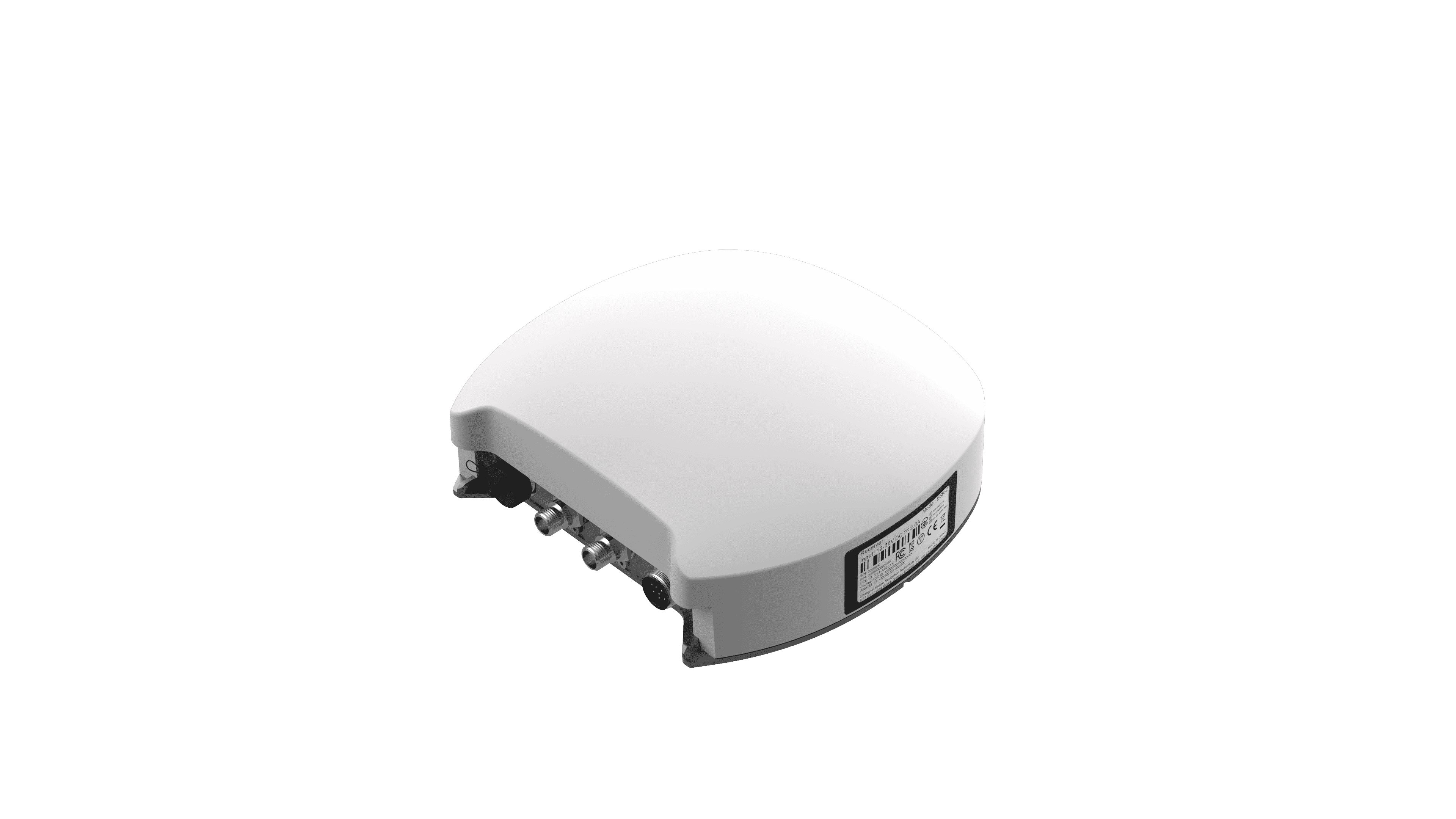
Tractor auto steering systems have revolutionized the way agricultural practices are conducted, particularly when it comes to tasks like spraying and seeding. Utilizing tractor auto steering allows farmers to maximize efficiency and precision, minimizing the overlaps and gaps that often occur with manual steering methods. This advancement not only improves productivity but also contributes to better resource management, especially when dealing with chemicals or fertilizers.

Enhancing Precision in Spraying
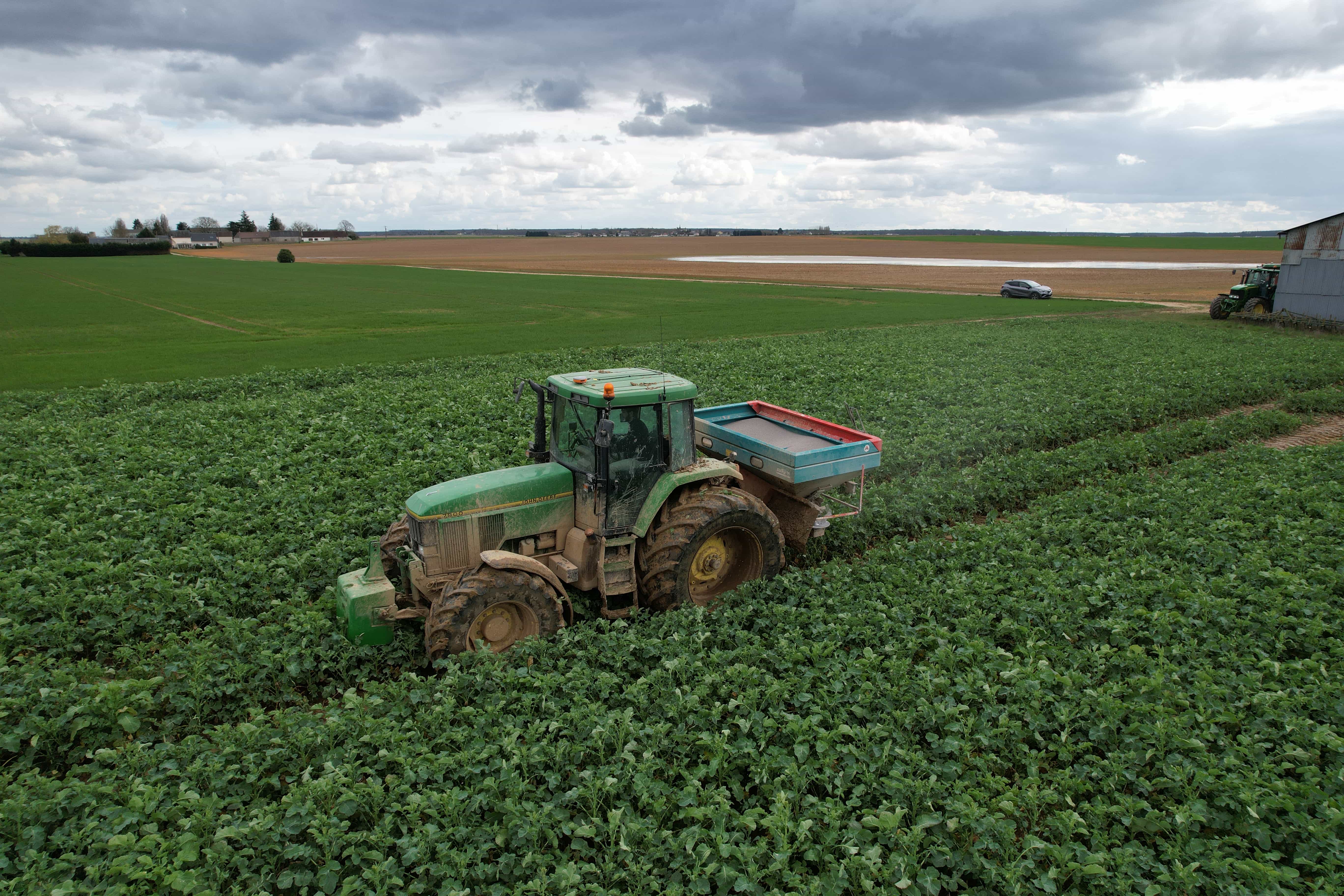
Utilizing tractor auto steering technology is crucial for accurate application during spraying activities. With the capability of maintaining a straight line on uneven terrain, auto steering systems ensure that sprays are applied uniformly across the field. This precision reduces the risk of over-application or under-application, which can lead to adverse environmental effects and increased costs. Moreover, automated steering allows operators to focus on other vital aspects of the operation, such as monitoring the health of crops or adjusting the spray mixture for different sections of the field.
Efficiency in Seeding Operations
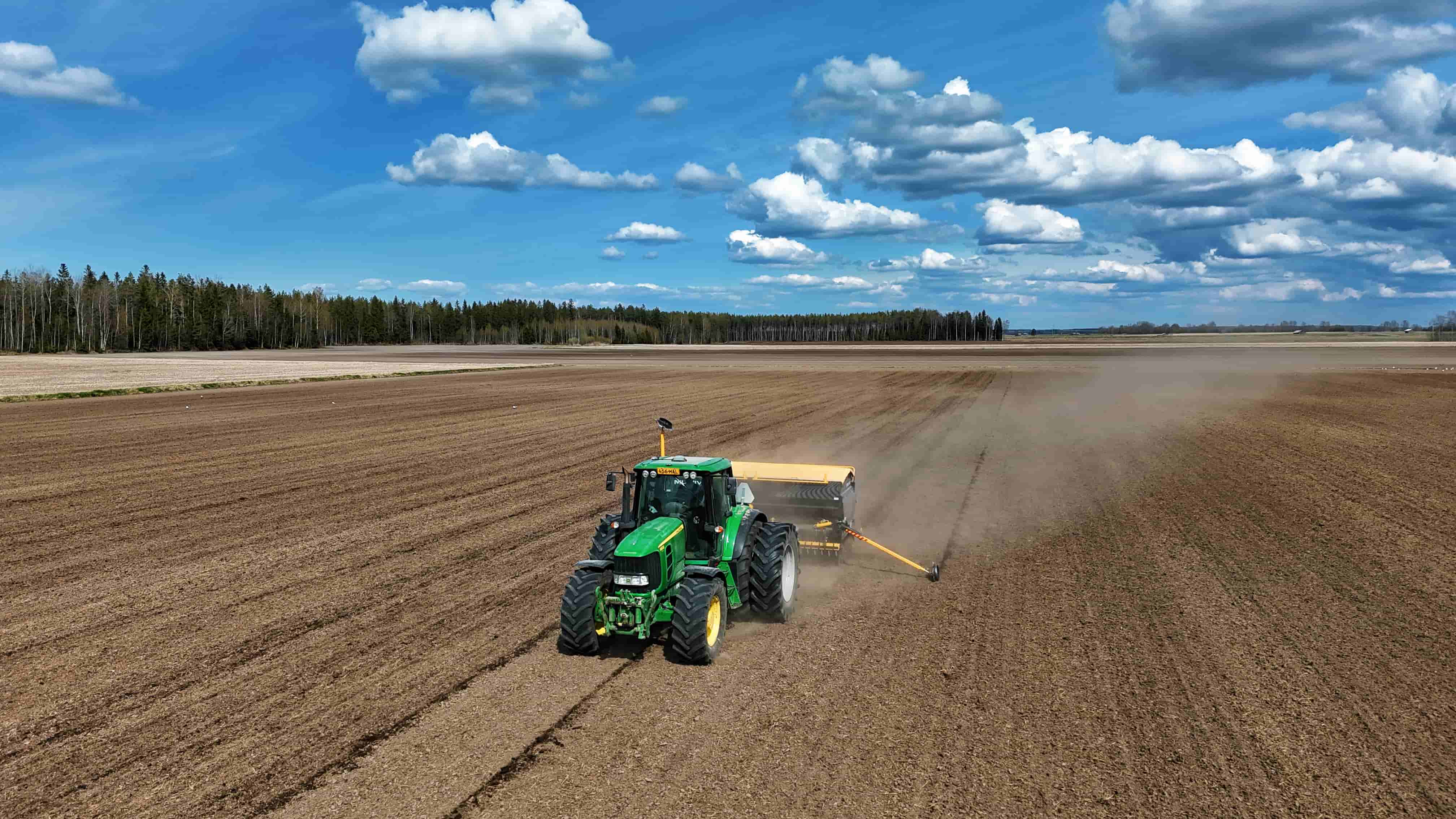
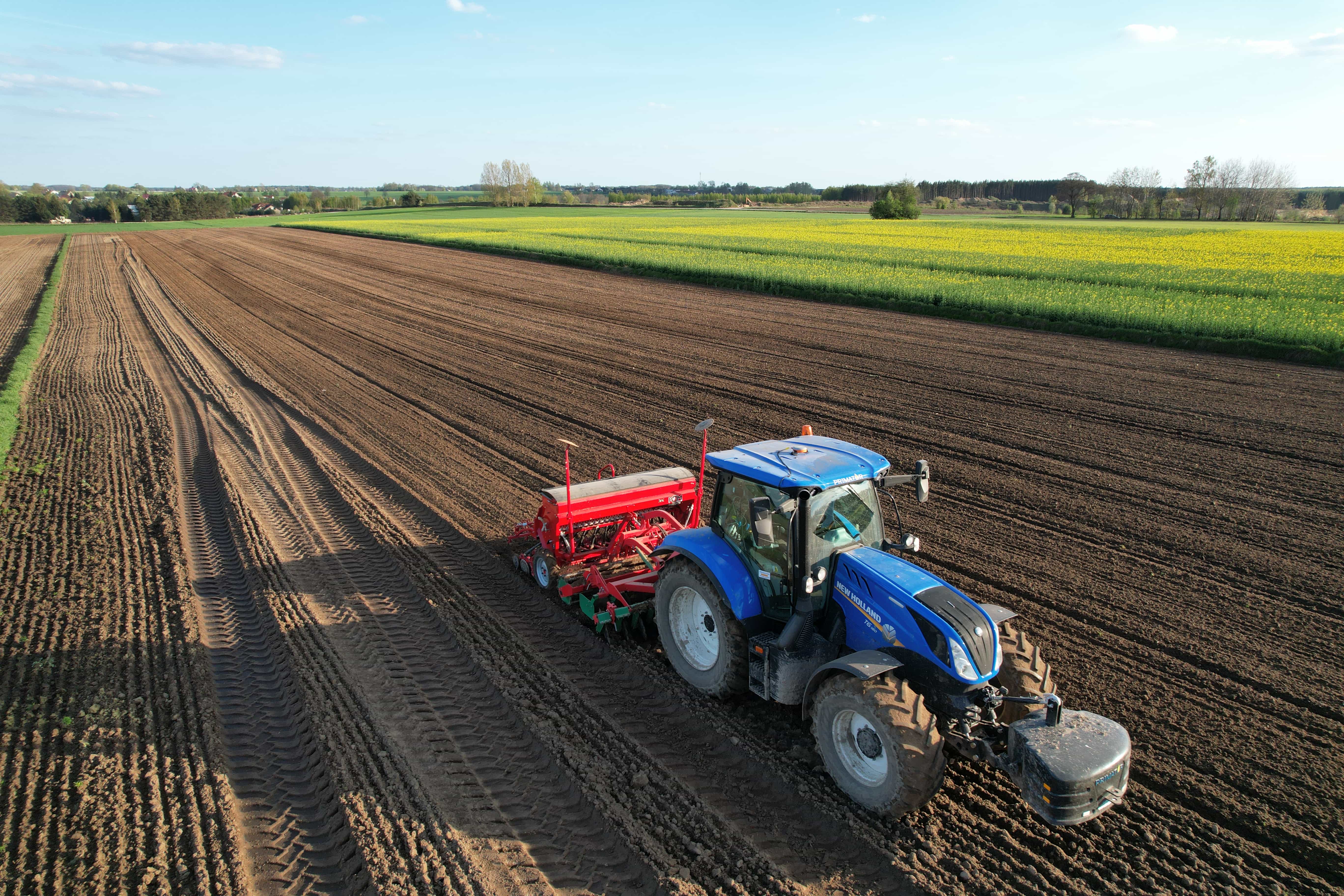
When it comes to seeding, tractor auto steering plays a similar role in enhancing efficiency. With the system automatically adjusting to the terrain and maintaining consistent row spacing, farmers can achieve optimal seed placement, which directly impacts crop yield. Manual steering often leads to inconsistencies, such as variations in seed depth or spacing, which can jeopardize plant health and diminish overall productivity. By employing auto steering, we gain peace of mind knowing that each seed is placed exactly where it needs to be for optimal growth.
Time and Resource Management
The practical benefits of implementing tractor auto steering extend beyond just precision and accuracy. Over time, these systems contribute to significant savings in both time and resources. For instance, farmers can accomplish tasks much faster than with traditional methods, which translates to more fields being treated in less time. By reducing the amount of chemical used—due to better coverage and avoidance of overlaps—farmers can also cut down on costs and contribute to sustainability efforts in agriculture.
Conclusion
In the ever-evolving world of agriculture, leveraging technology can lead to marked improvements in productivity and efficiency. The integration of tractor auto steering systems into standard farming practices is driving the industry toward more sustainable and economically viable operations. At EFIX, we believe that the future of agriculture lies in marrying traditional farming wisdom with modern technology, ultimately ensuring that farmers can continuously meet the demands of food production while safeguarding the environment.