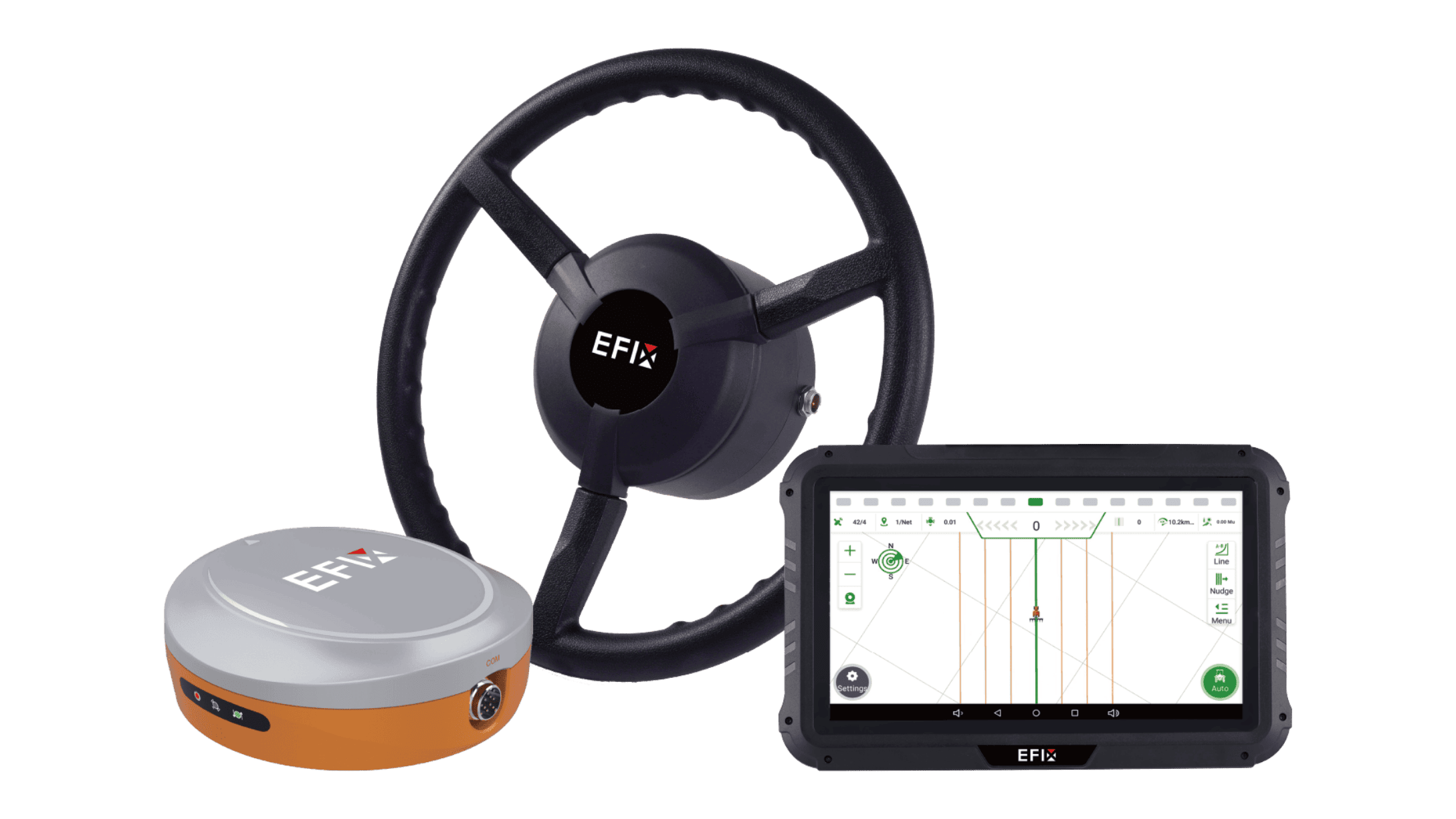
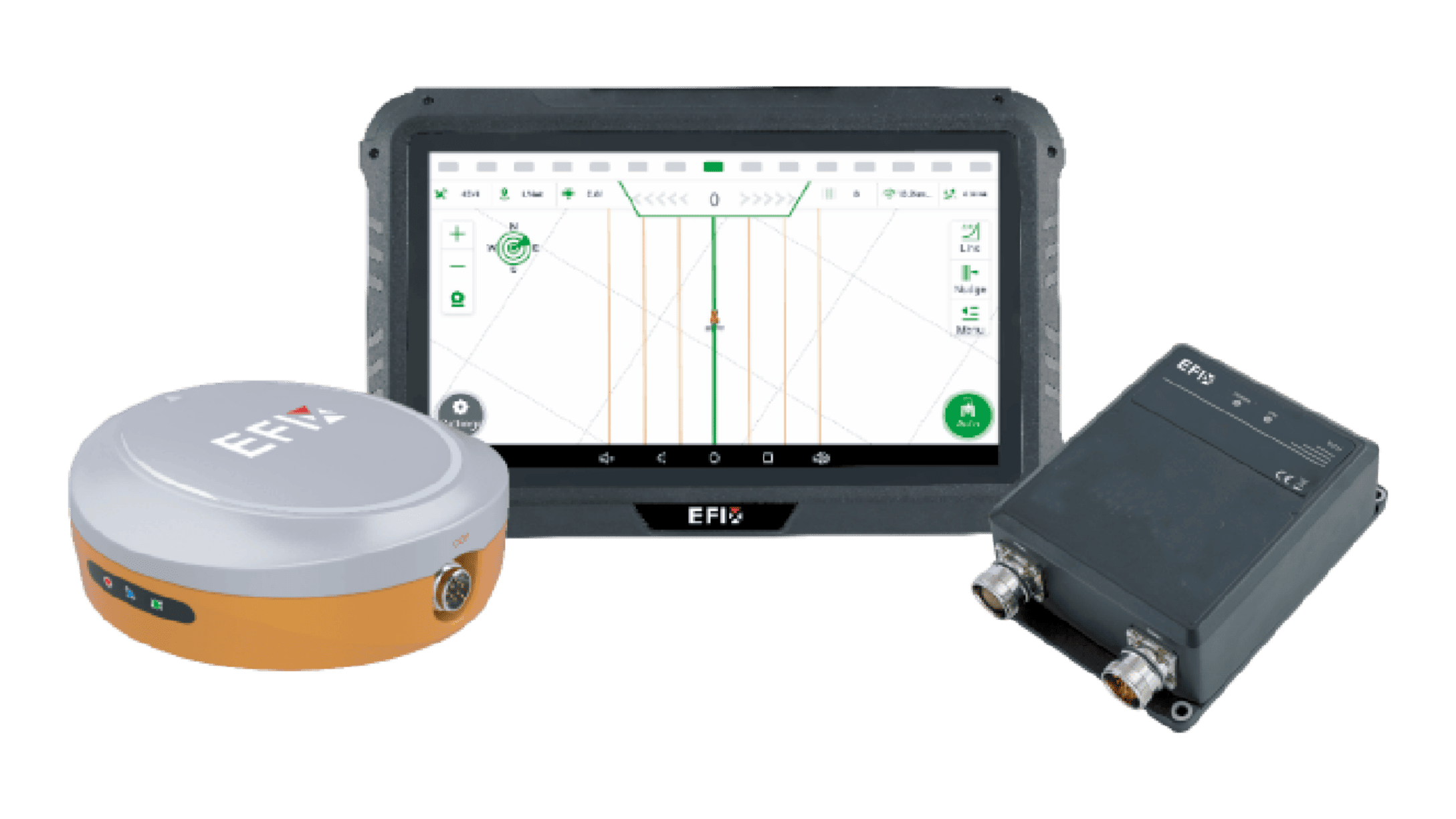
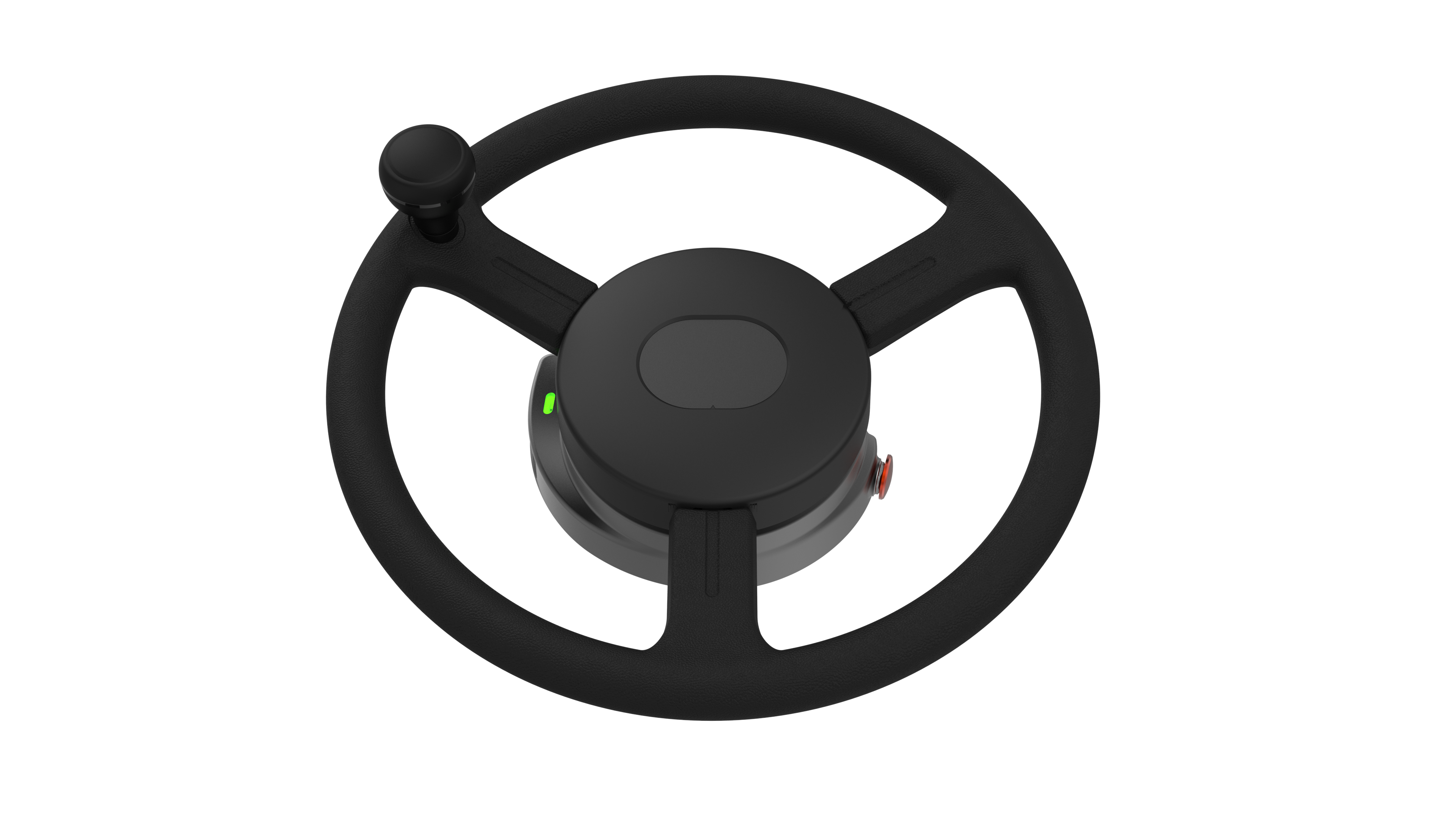
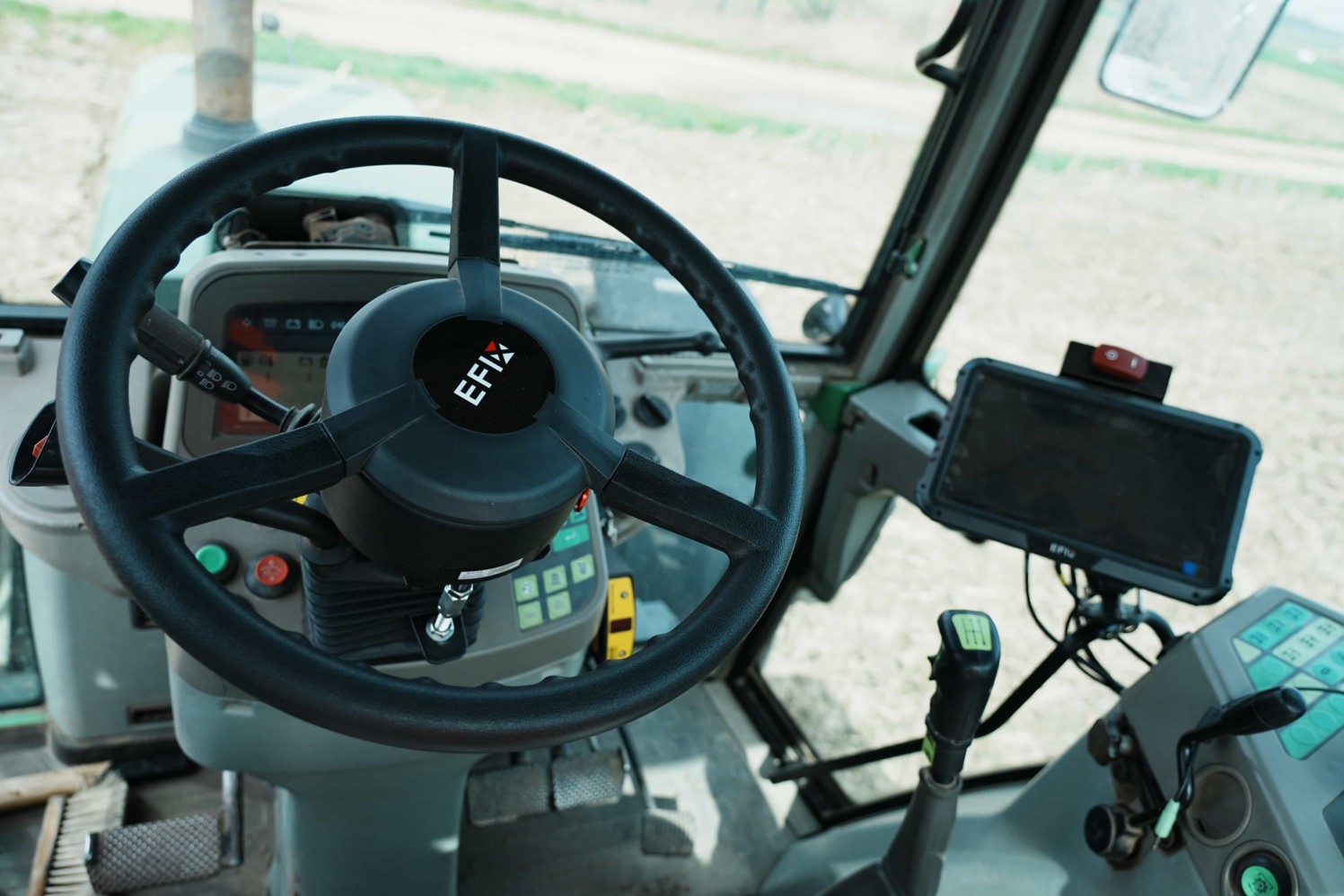
The agricultural industry has increasingly recognized the importance of technology in maximizing productivity and sustainability. One of the pivotal advancements in recent years is the use of autosteer for tractors. This technology provides farmers with critical efficiency gains, allowing for more precise control during field operations. By integrating autosteer, tractors can perform tasks with greater accuracy, reduce operator fatigue, and enhance overall productivity.
Understanding the Benefits of Autosteer Technology
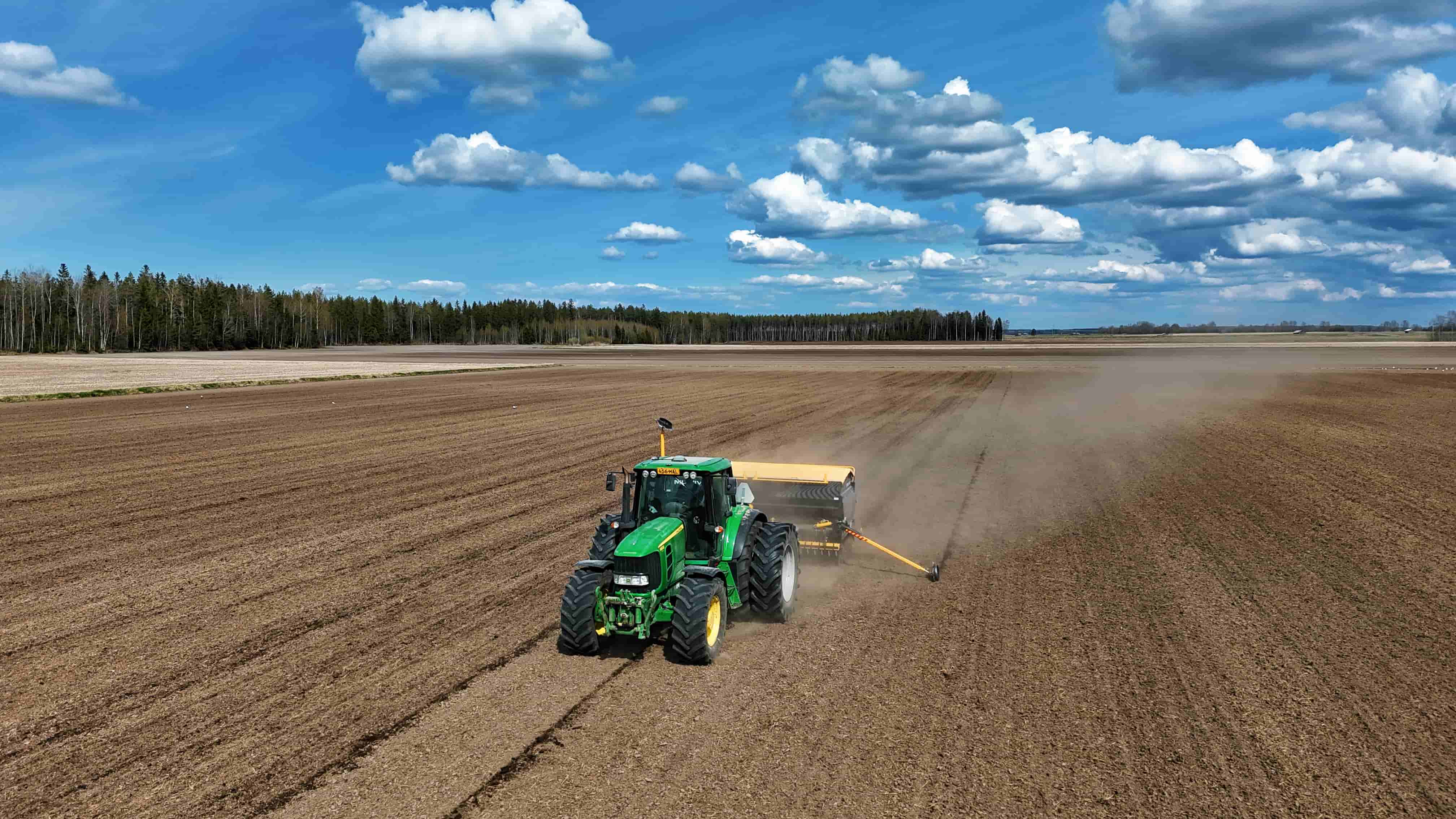
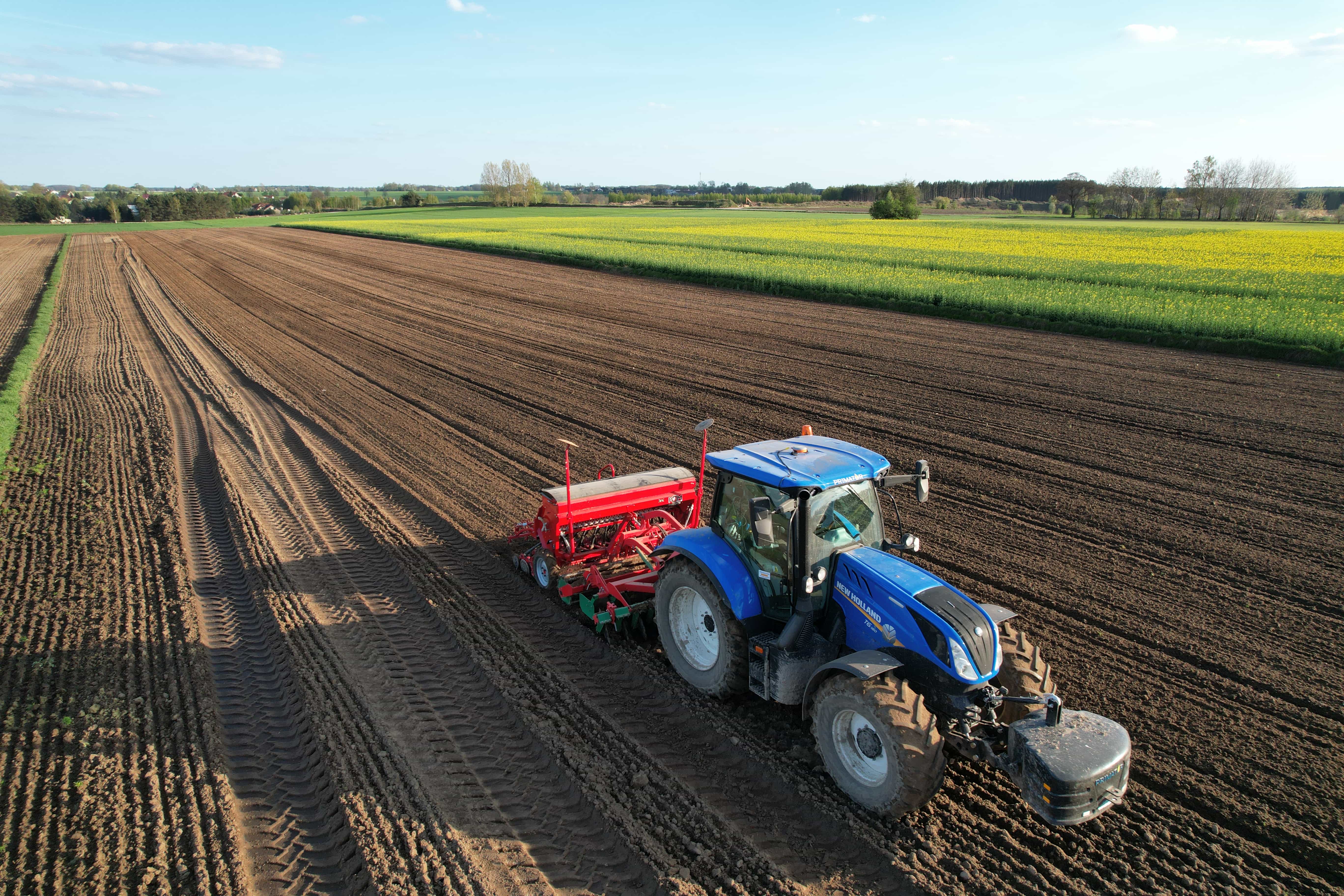
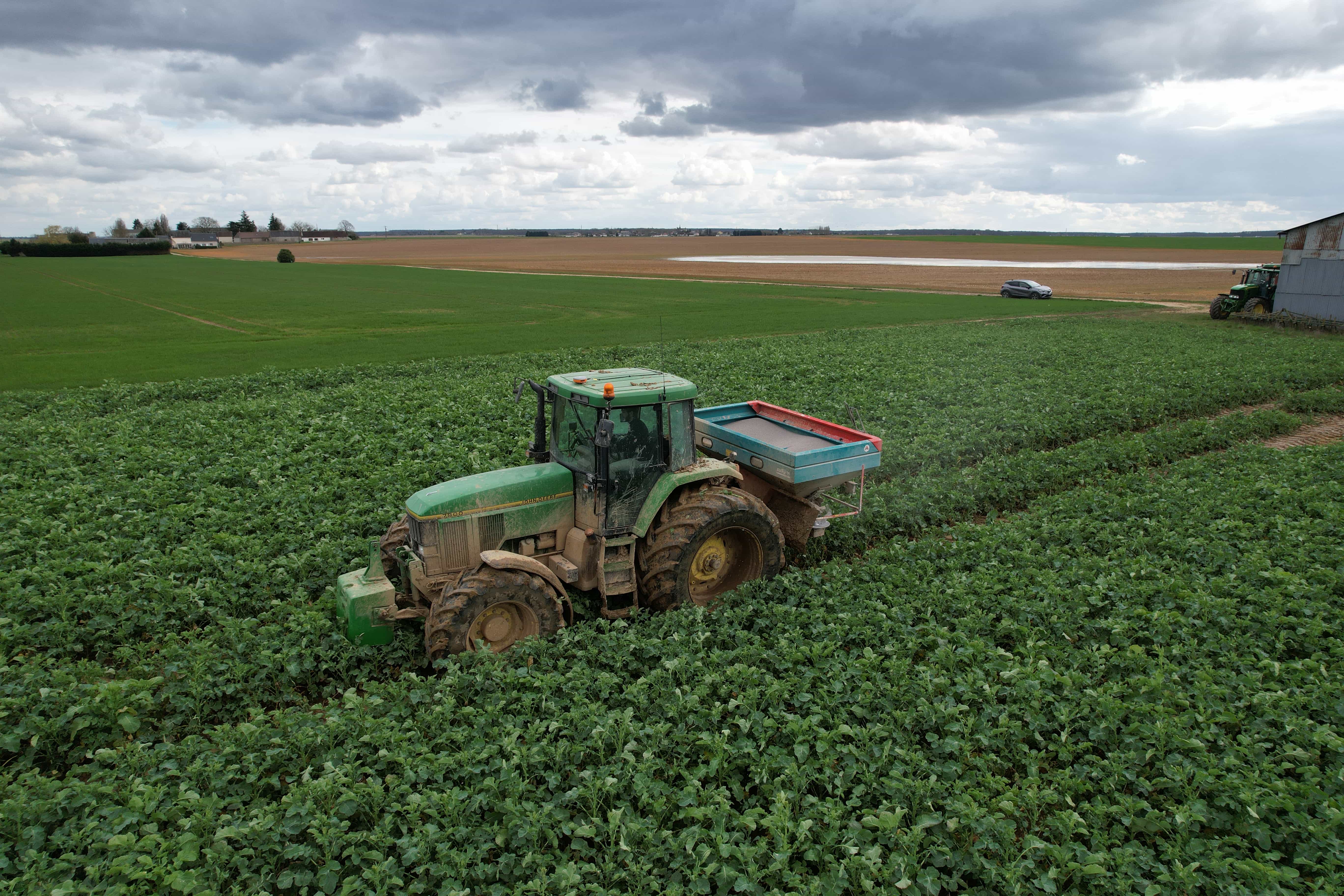
Integrating autosteer for tractors can significantly streamline farming practices. The major advantage lies in its ability to maintain straight and accurate driving paths, which is particularly beneficial during tasks like planting, fertilizing, and harvesting. This precision minimizes overlap, reducing input costs and waste. Additionally, while operating tools with precise GPS guidance, farmers can achieve consistent results, aiding in both crop yield and quality. Over time, these benefits contribute not just to short-term efficiency, but to sustainable farming practices that preserve resources for future harvests.
Key Features to Look for in Autosteer Systems
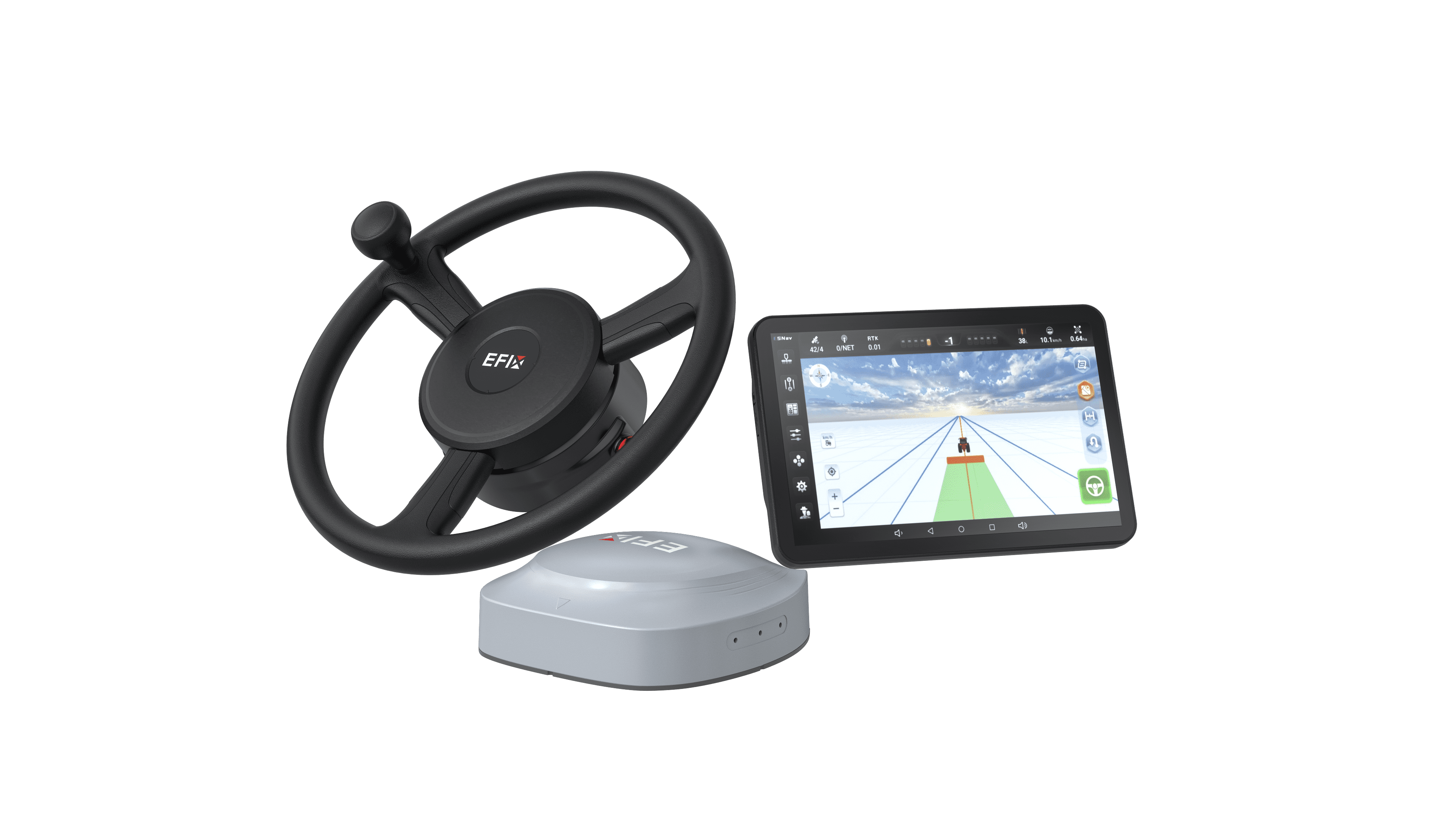
When selecting an autosteer for tractors, certain features can greatly impact its operational efficiency. Look for systems that include field mapping capabilities, allowing for pre-planned routes to optimize each field's layout. Enhanced technology, such as integration with the ISOBUS protocol, enables seamless communication between the tractor and implements. Furthermore, systems equipped with both ISOBUS UT and SC functionalities, like the eSteer 10, allow for controlling implements through a single terminal. Such features simplify the user experience while maximizing productivity and reducing errors during operation.
Best Practices for Autosteer Setup and Calibration
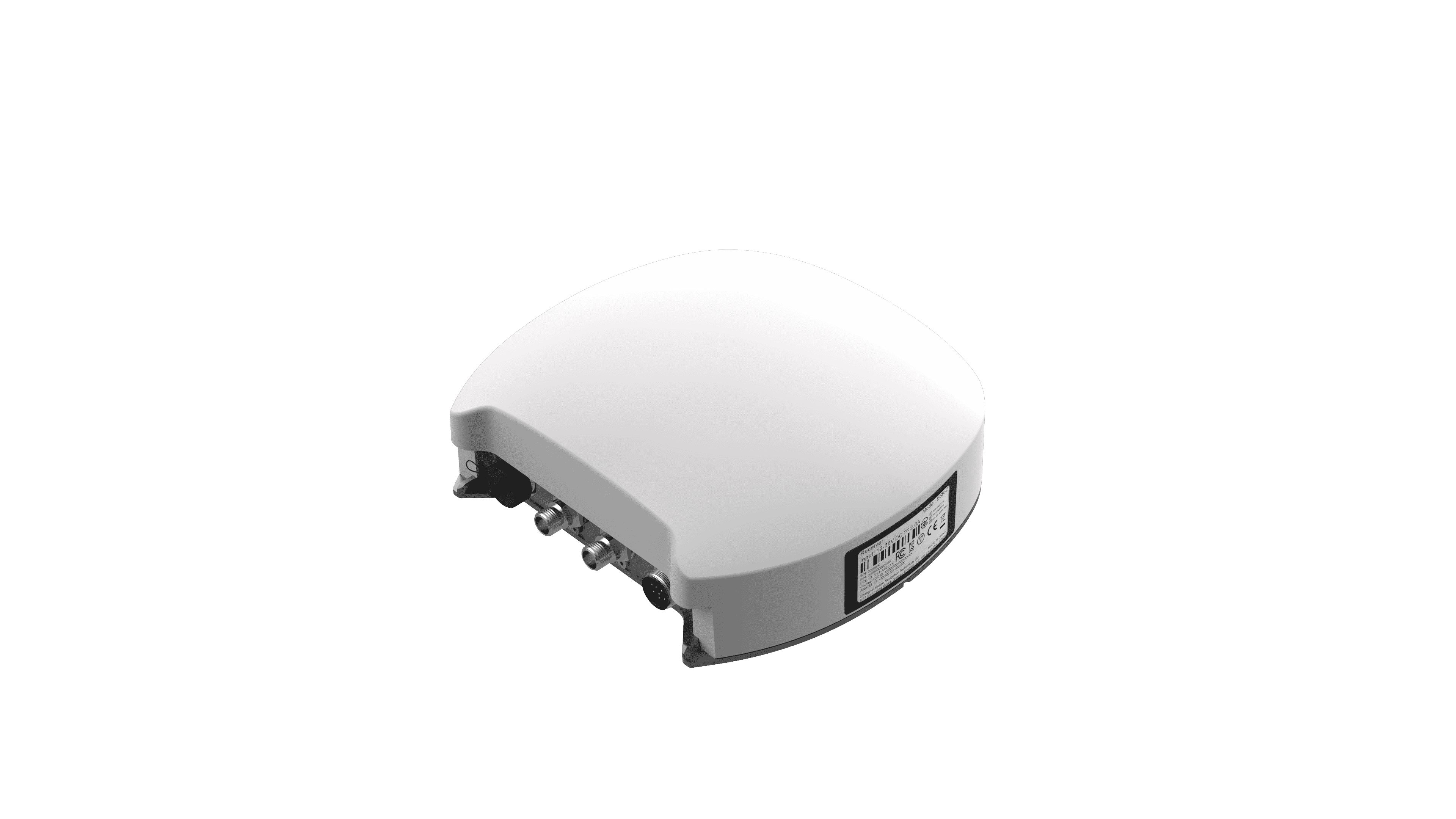
To achieve the best results with autosteer for tractors, proper setup and calibration are essential. Start by ensuring that the GPS receiver is mounted correctly to minimize signal loss and interference. Calibrating the steering settings according to the specific implement or task will also enhance performance. Regularly update the steering system’s software to incorporate any improvements or fixes introduced by the manufacturer. Moreover, maintaining clear communication with fellow operators and team members in the field helps in troubleshooting and optimizing the equipment's use in real-time.
Safety Considerations When Using Autosteer Technology
While autosteer for tractors boosts efficiency, safety should always remain a priority. Implement operators should be trained to understand the limitations of the technology; no system replaces the need for human oversight. Using the autosteer feature responsibly includes monitoring surrounding activities and maintaining awareness of potential hazards, such as other equipment or obstacles in the field. Regular maintenance of both the tractor and the autosteer equipment is critical to ensure safe and effective performance, allowing farmers to focus on their operations without undue risk.
Conclusion
The integration of autosteer for tractors is reshaping the landscape of modern agriculture, offering numerous benefits that cannot be overlooked. Understanding the technology's advantages, selecting the appropriate features, following best setup practices, and prioritizing safety collectively contribute to a successful implementation. At EFIX, we are committed to providing innovative solutions, such as the eSteer 10, which features AEF certified ISOBUS UT and SC functions, enabling effective control over implements through a unified terminal. Through our dedication to excellence, we aim to empower farmers to harness the full potential of autosteer technology in their operations.