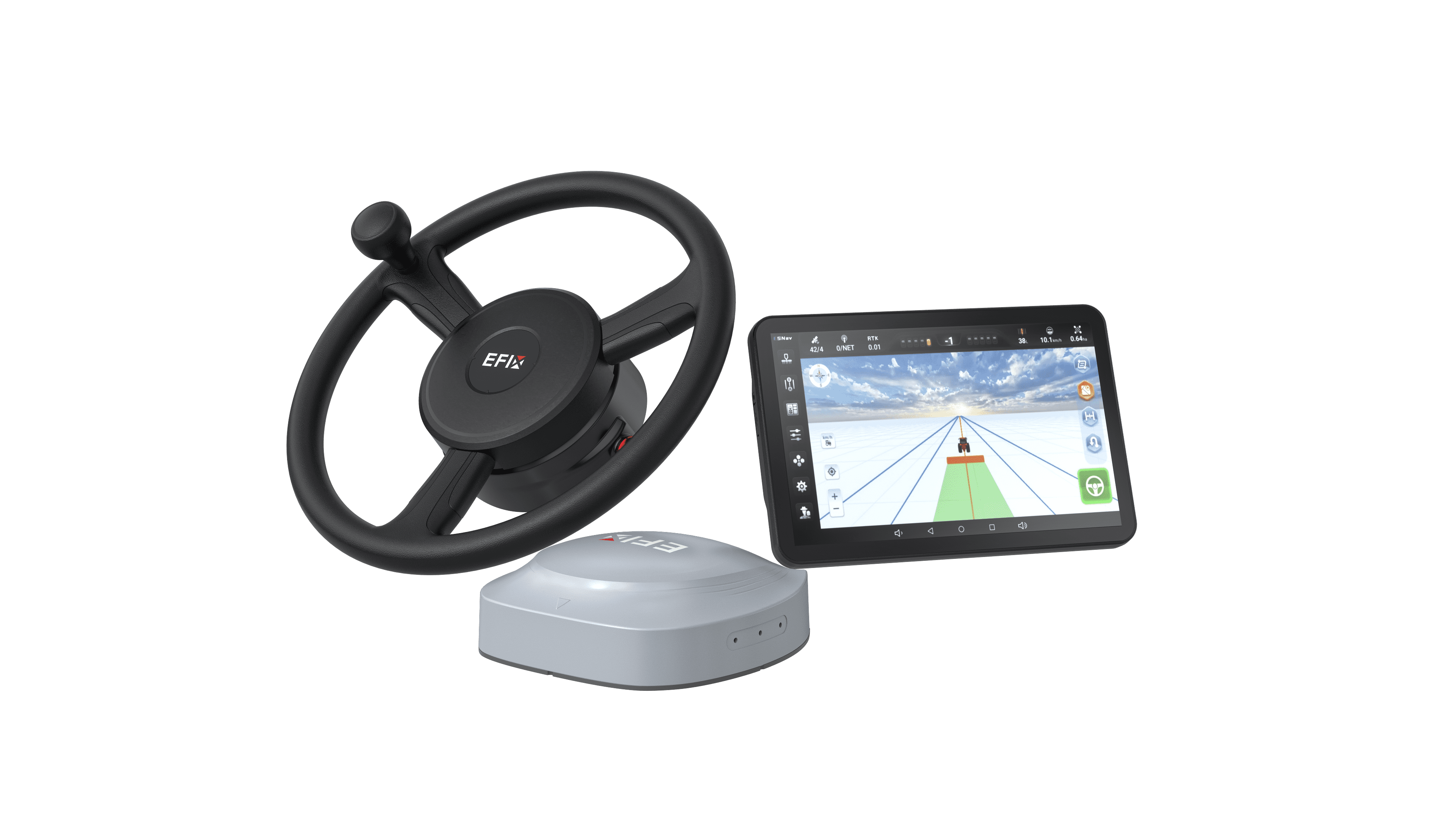
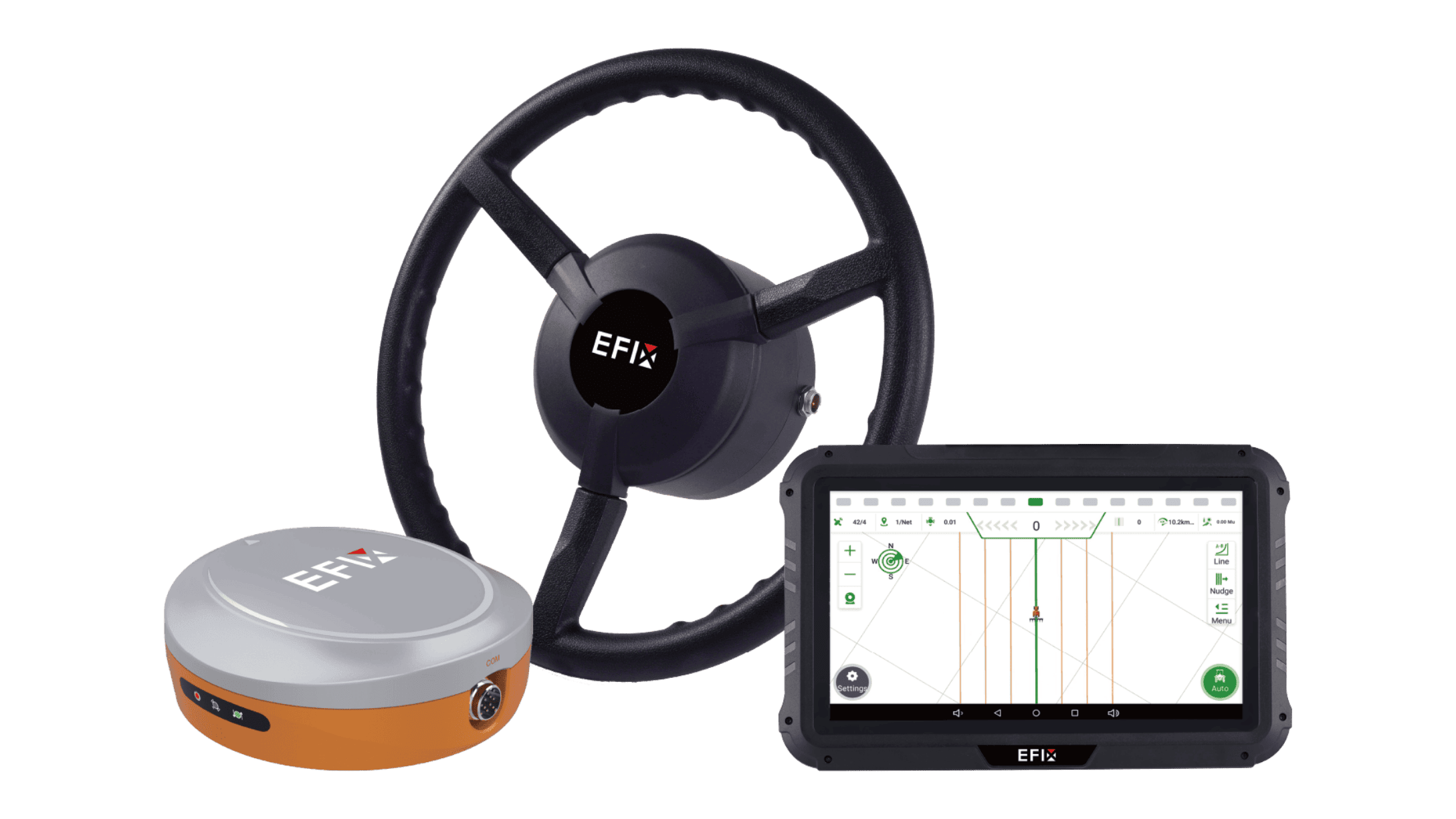
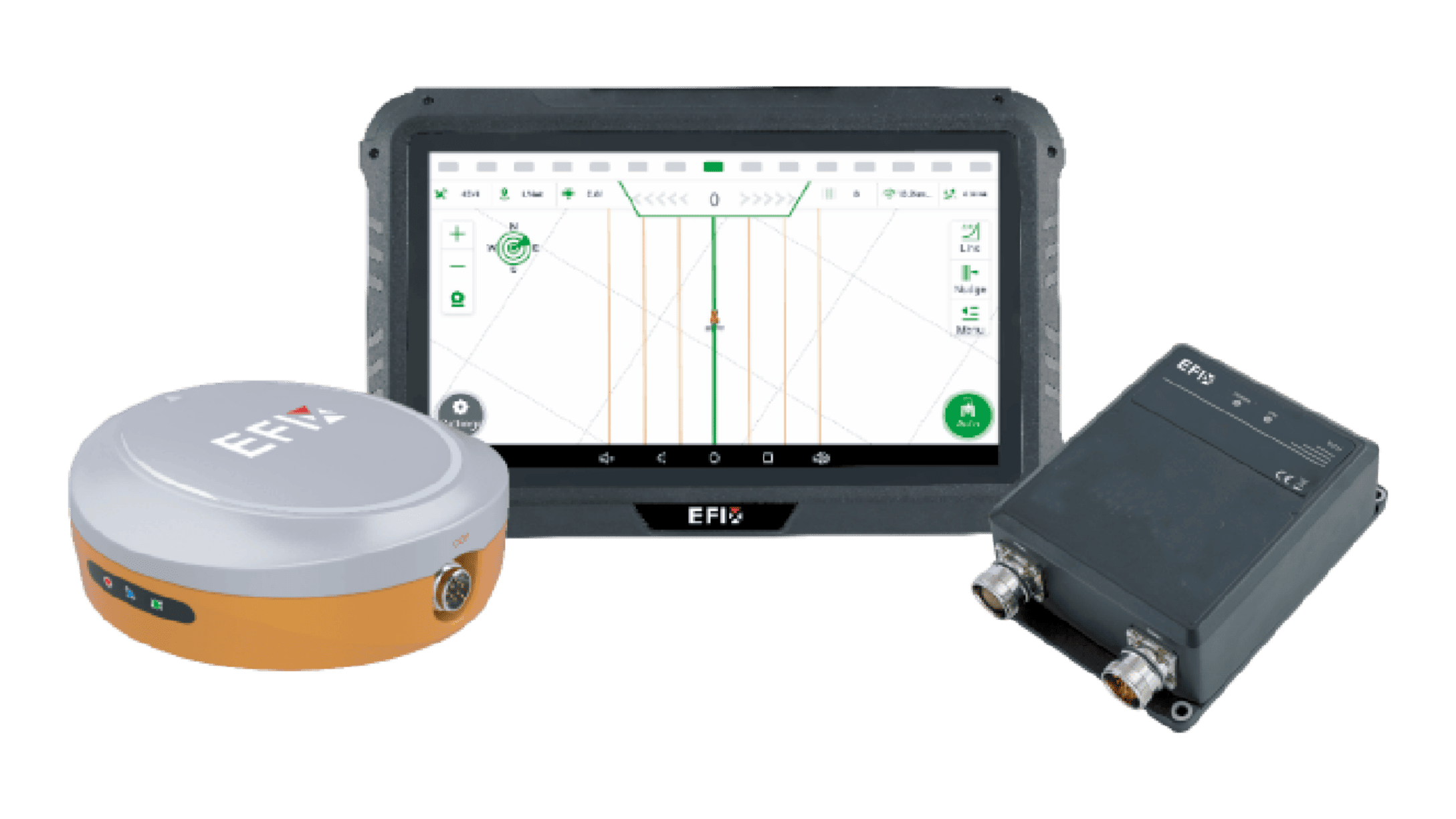
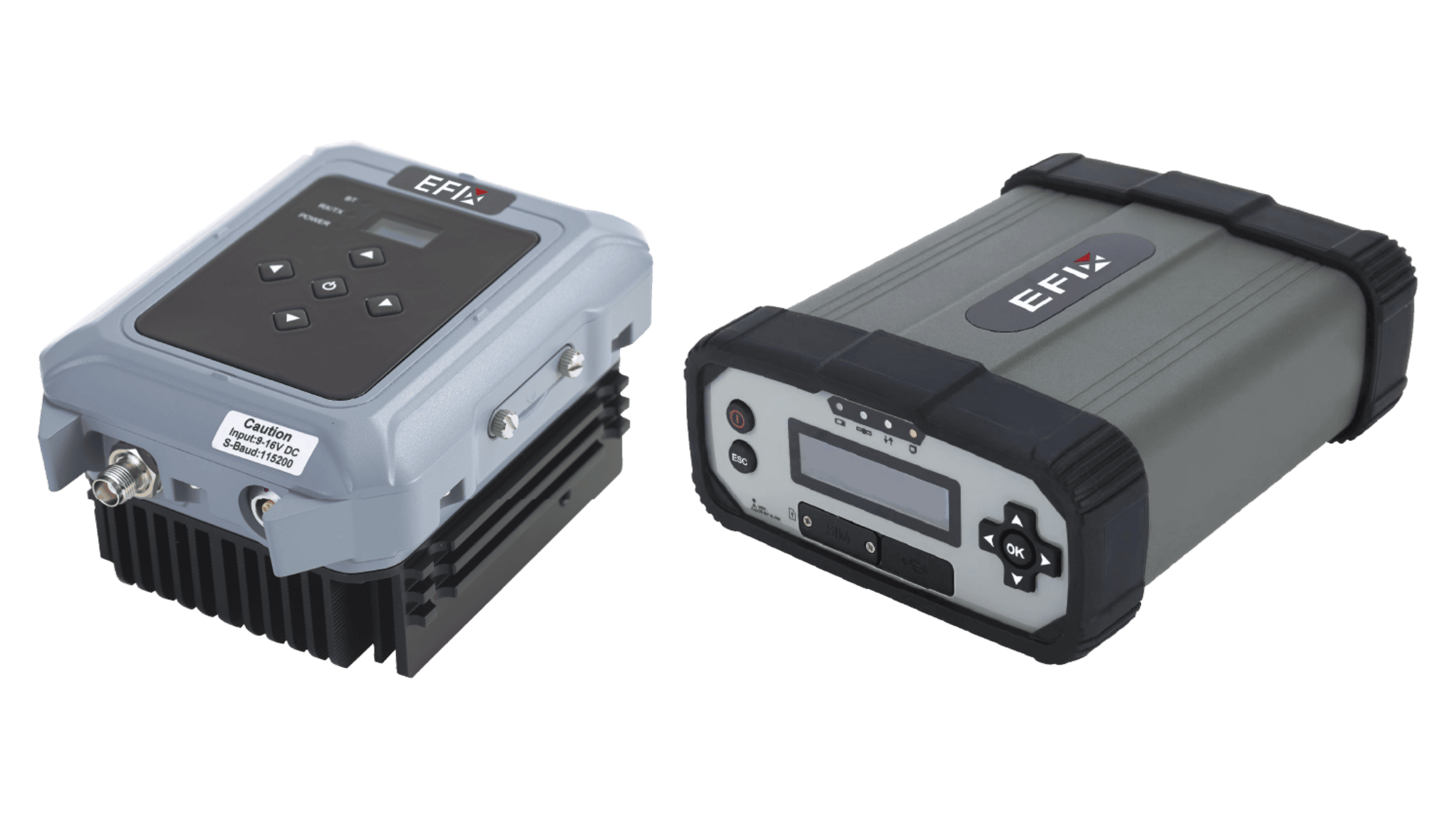
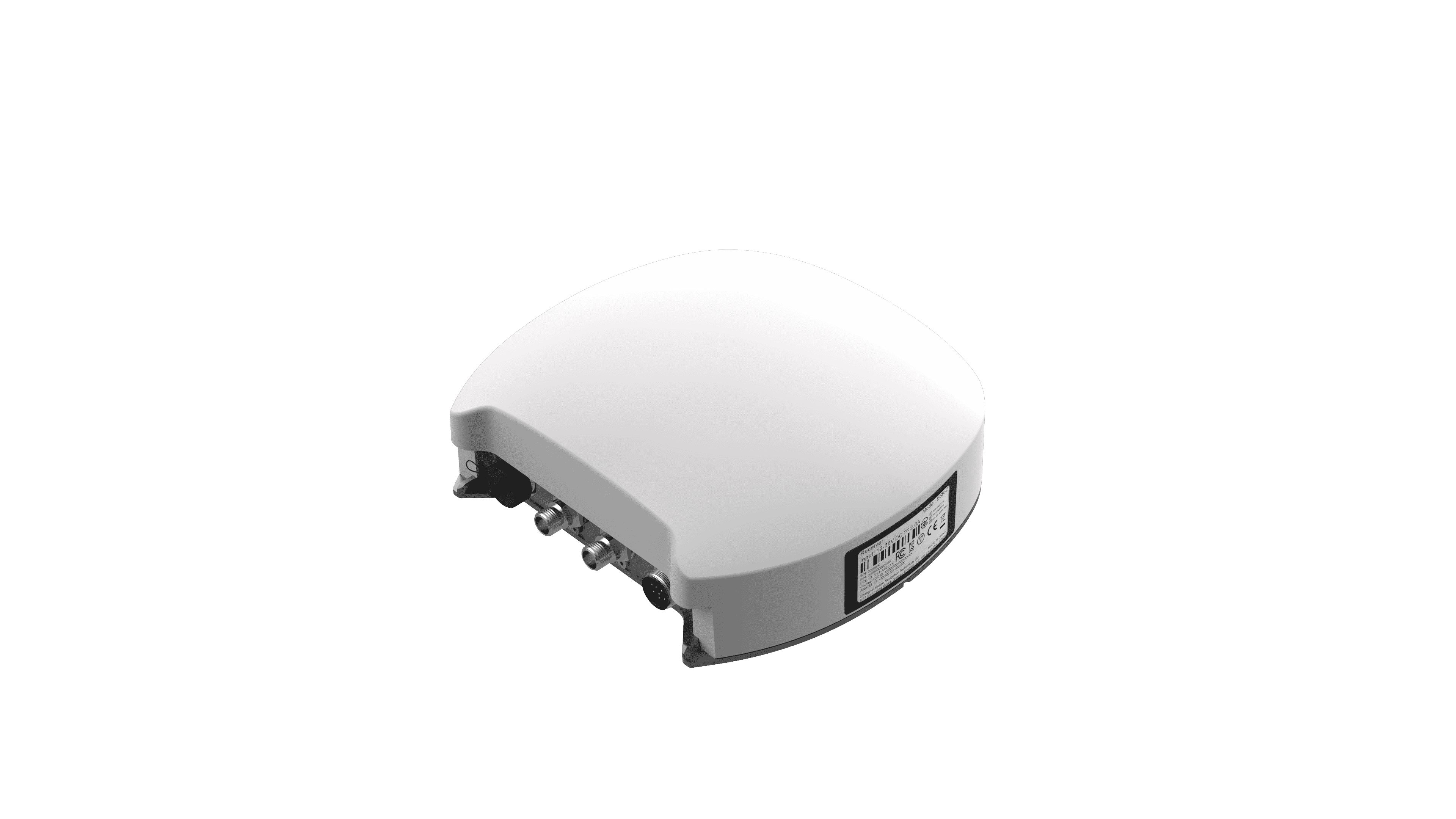
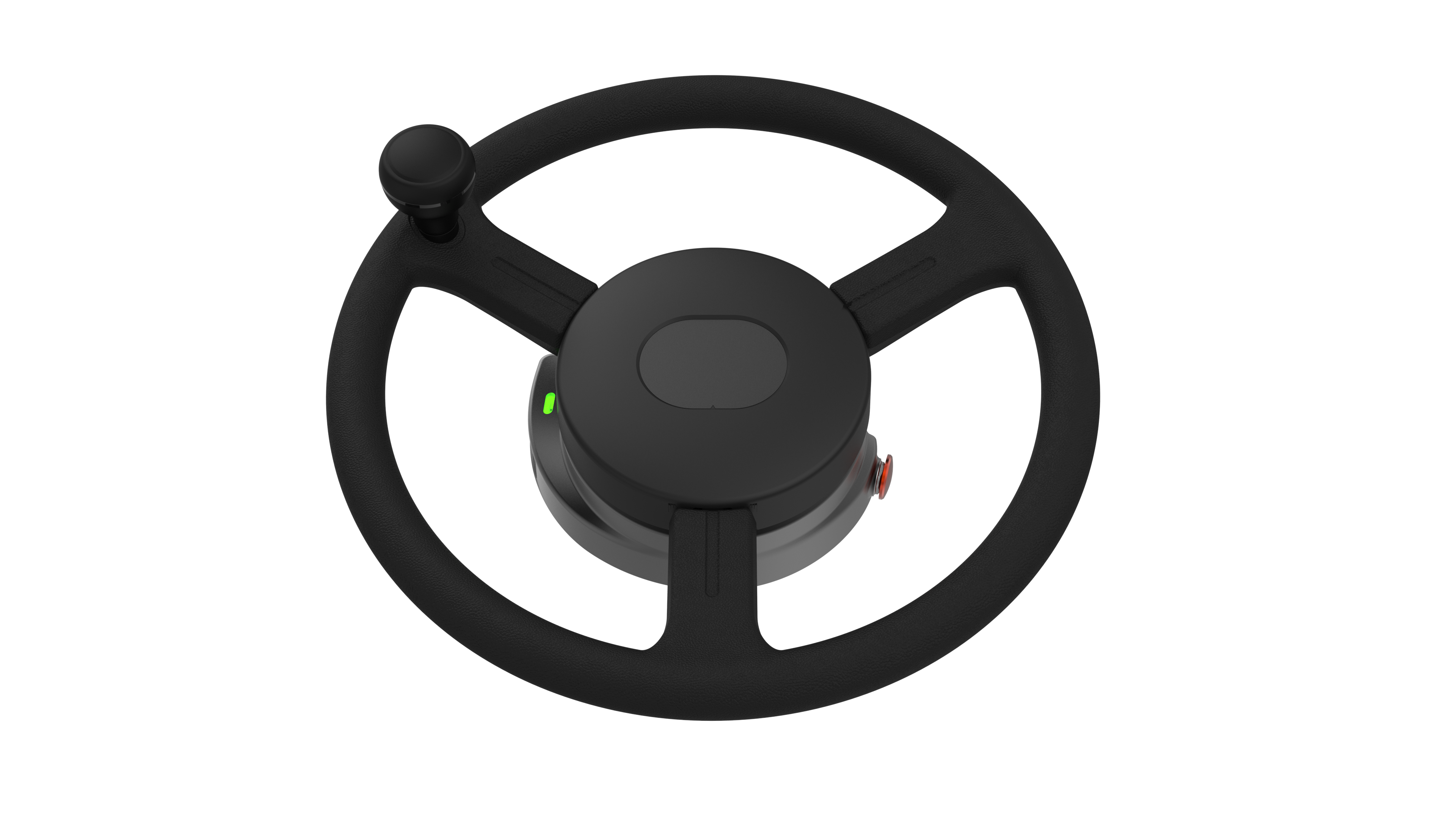
The agricultural sector is constantly evolving, and one of the most significant advancements is the development of steer ready autosteering systems. However, various misconceptions surround these systems, causing confusion among farmers and operators. This article aims to clarify some of these myths, focusing on the flexibility and accuracy these systems offer when integrating with existing vehicle technologies.
Understanding the Mechanisms Behind Autosteering
The first myth often encountered is that steer ready autosteering systems require extensive modifications to existing machinery. In reality, these systems are designed for compatibility with original equipment manufacturers' (OEMs) on-board steering valves, allowing farmers to implement them with only minor adjustments. This ensures a seamless integration process, reducing downtime and enhancing operational efficiency. The ease of installation means that any farmer can quickly get to grips with the technology, ultimately resulting in improved productivity on the field. Moreover, this low-barrier entry makes advanced precision agriculture accessible to operations of all sizes without the need for costly fleet overhauls.
The Precision Advantage
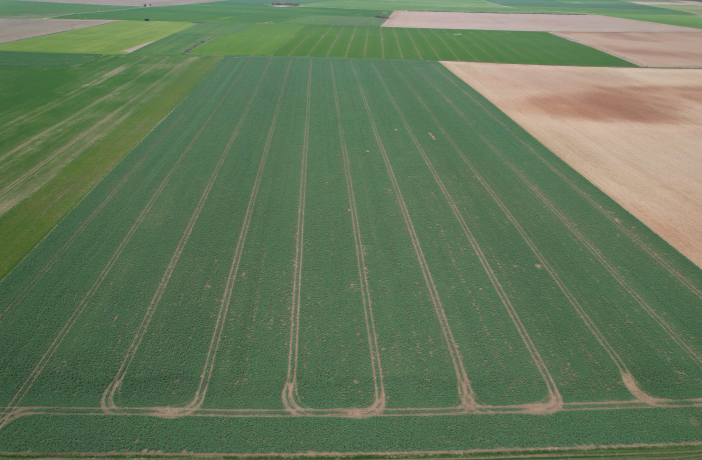
Another prevalent myth suggests that using a steer ready autosteering system reduces overall driving control and precision. On the contrary, these systems significantly enhance steering accuracy, enabling operators to perform tasks with unparalleled precision, even in challenging terrains. By utilizing advanced algorithms and real-time feedback, autosteering technology can help minimize overlap and ensure more accurate field coverage. This capability not only optimizes resource usage, such as seeds and fertilizers, but it also contributes to sustainable farming practices by lowering waste.
Adapting to Varied Agricultural Practices
Some individuals believe steer ready autosteering systems are suitable only for large-scale operations, leaving small to mid-sized farmers at a disadvantage. However, this is far from the truth. These systems are designed to cater to various types and sizes of agricultural enterprises. Farmers can choose to implement these systems based on their specific needs, whether it's for row crops, orchards, or even specialty farms. This flexibility ensures that any farmer can benefit from the technology, enhancing operational efficiency and ultimately improving yield across the board.
Conclusion
Conclusively, misconceptions about steer ready autosteering systems can lead to hesitation regarding their adoption, thereby missing out on the advancements that make farming more efficient and productive. By separating fact from fiction, it becomes easier to recognize the benefits these systems can offer. At EFIX, we are committed to providing solutions that empower farmers to adapt more effectively to the evolving agricultural landscape. Implementing the right technology can change the way farming is done, making it more precise, efficient, and sustainable.