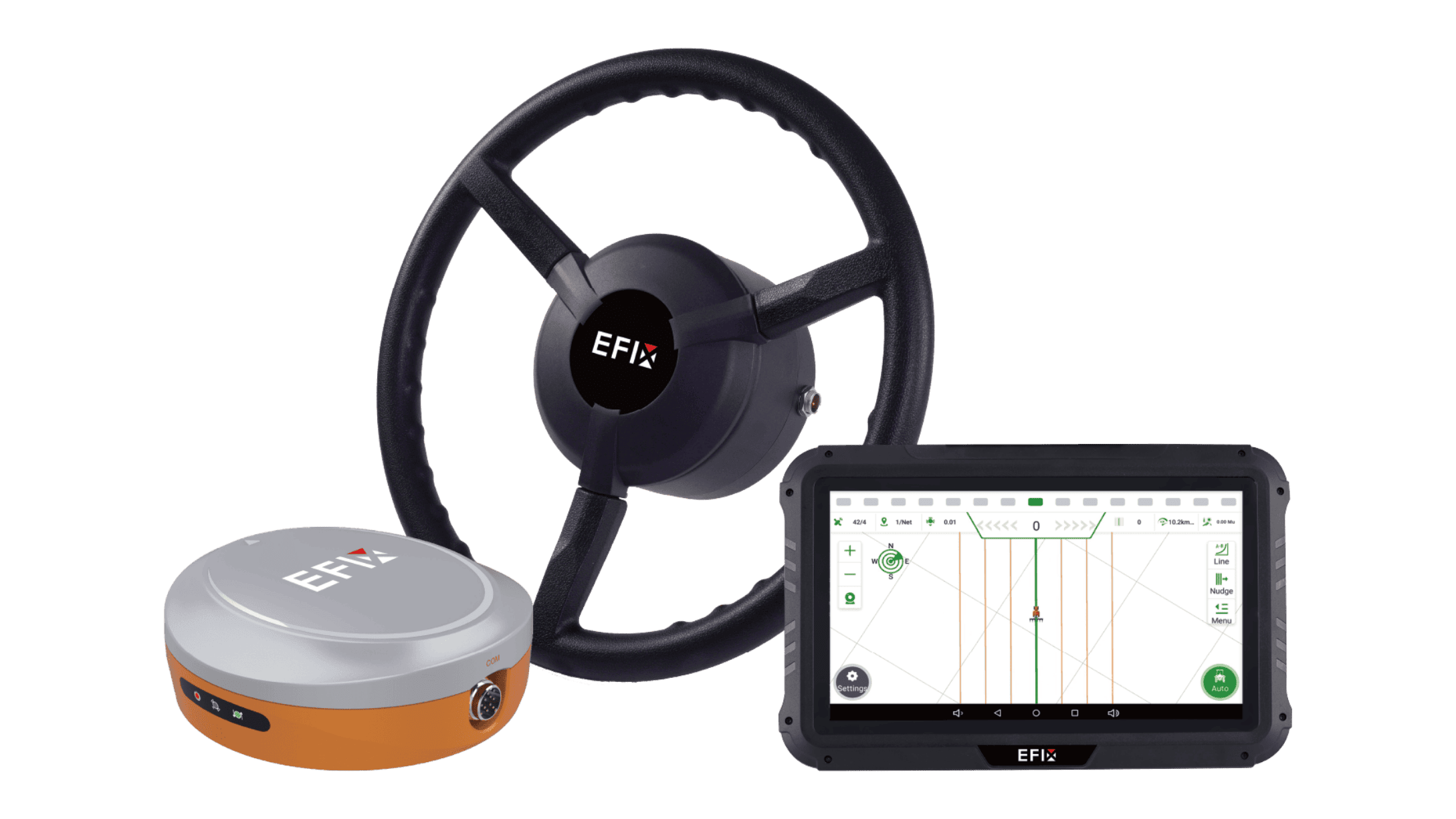
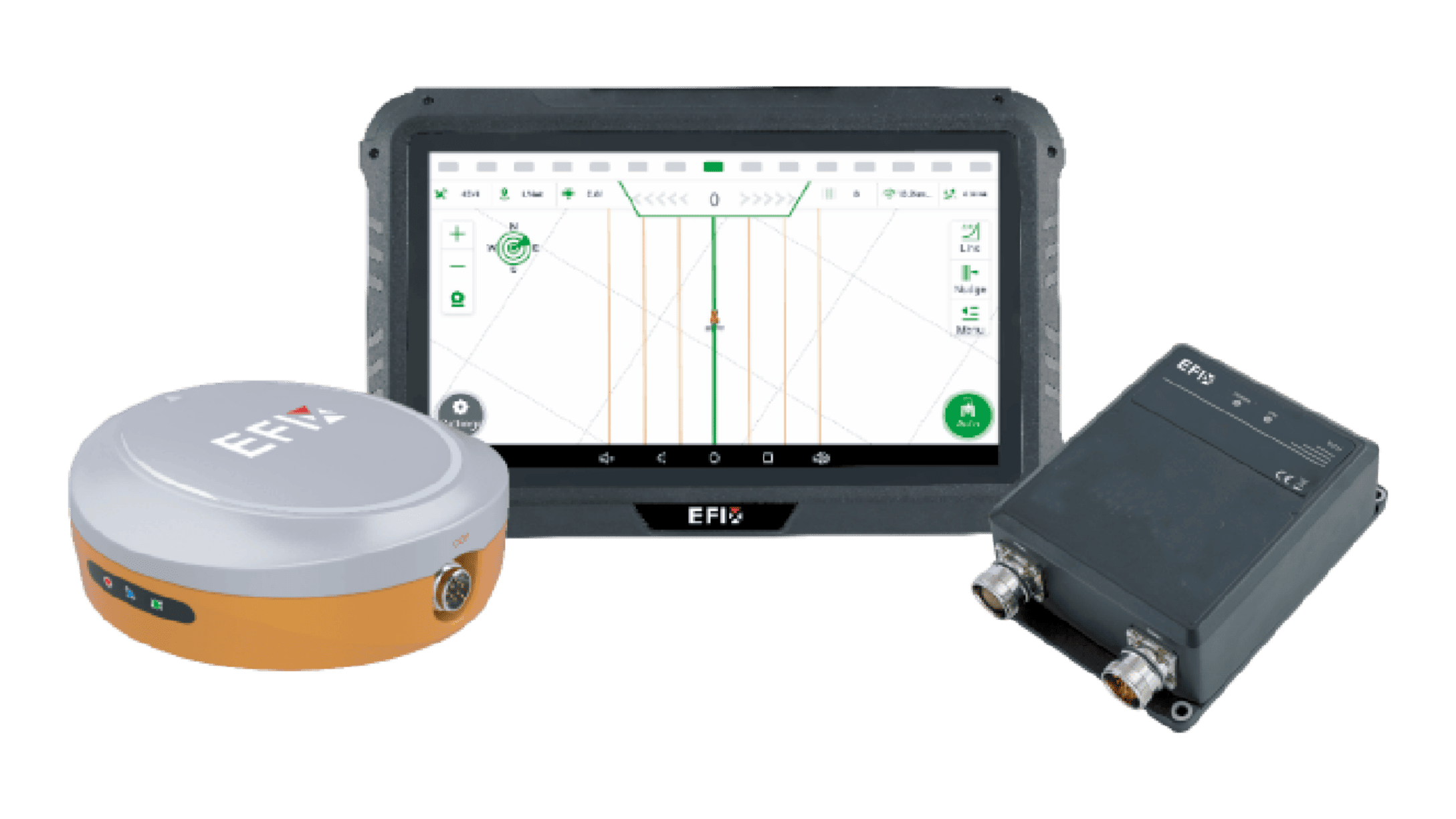
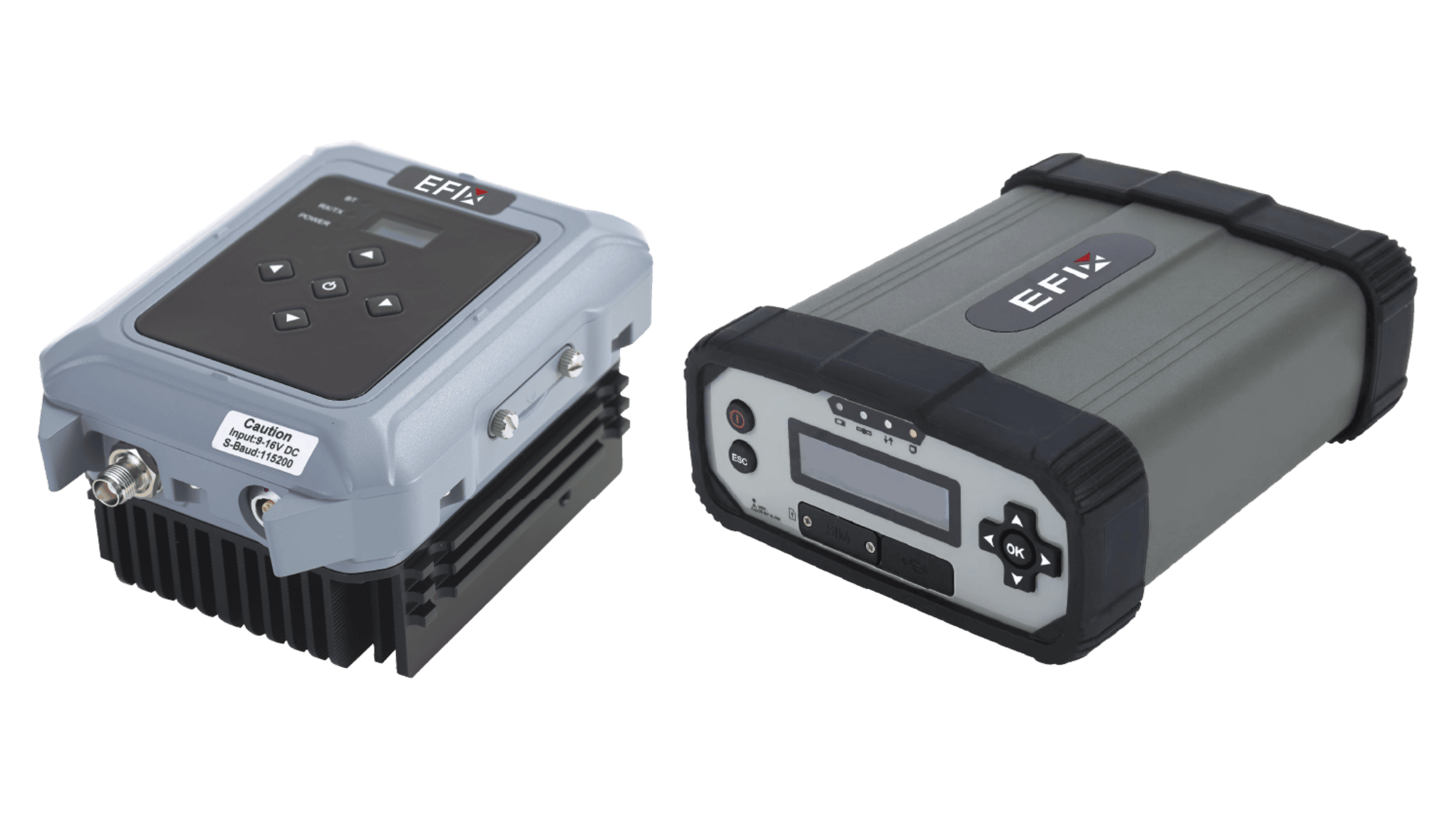
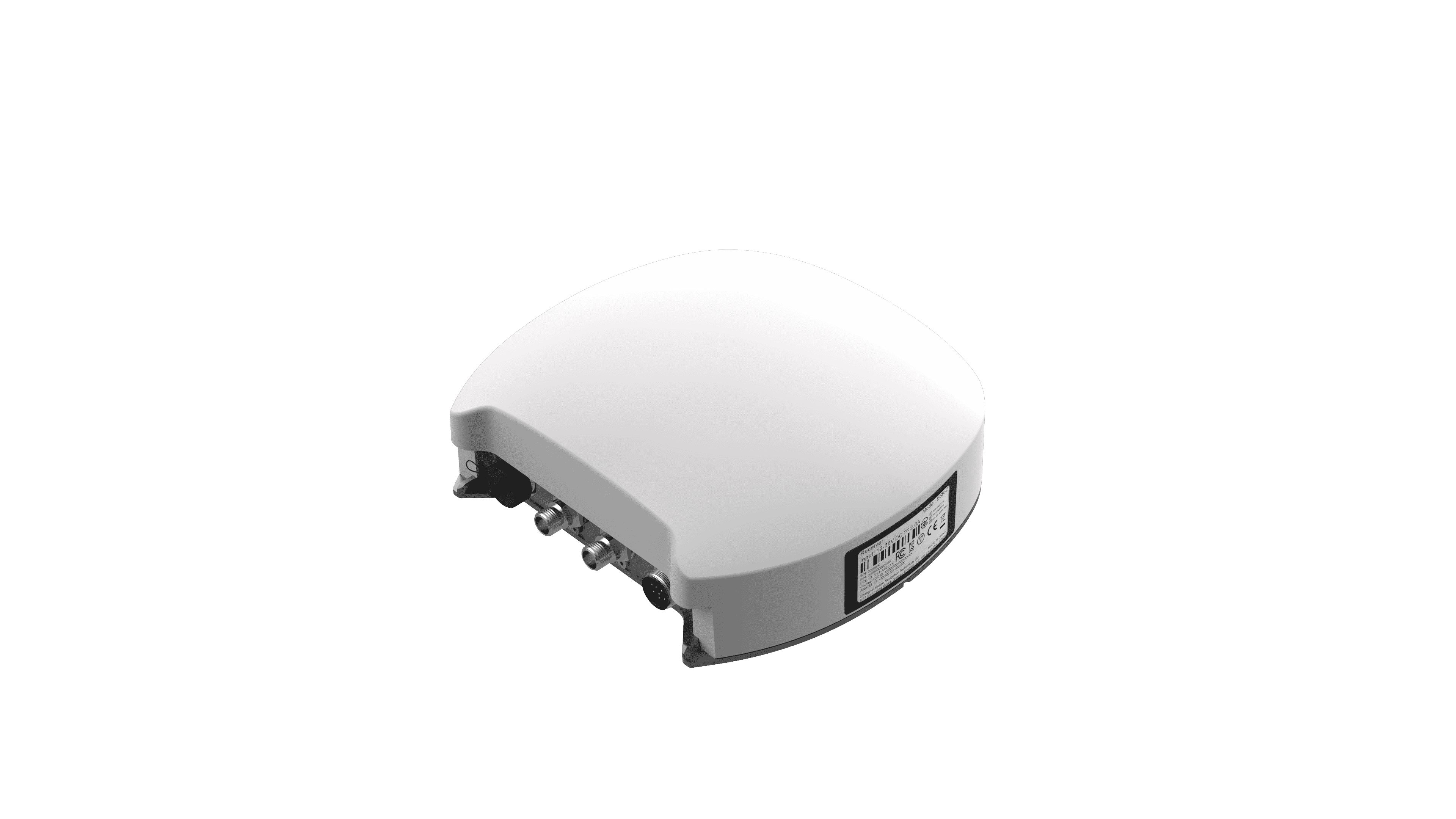
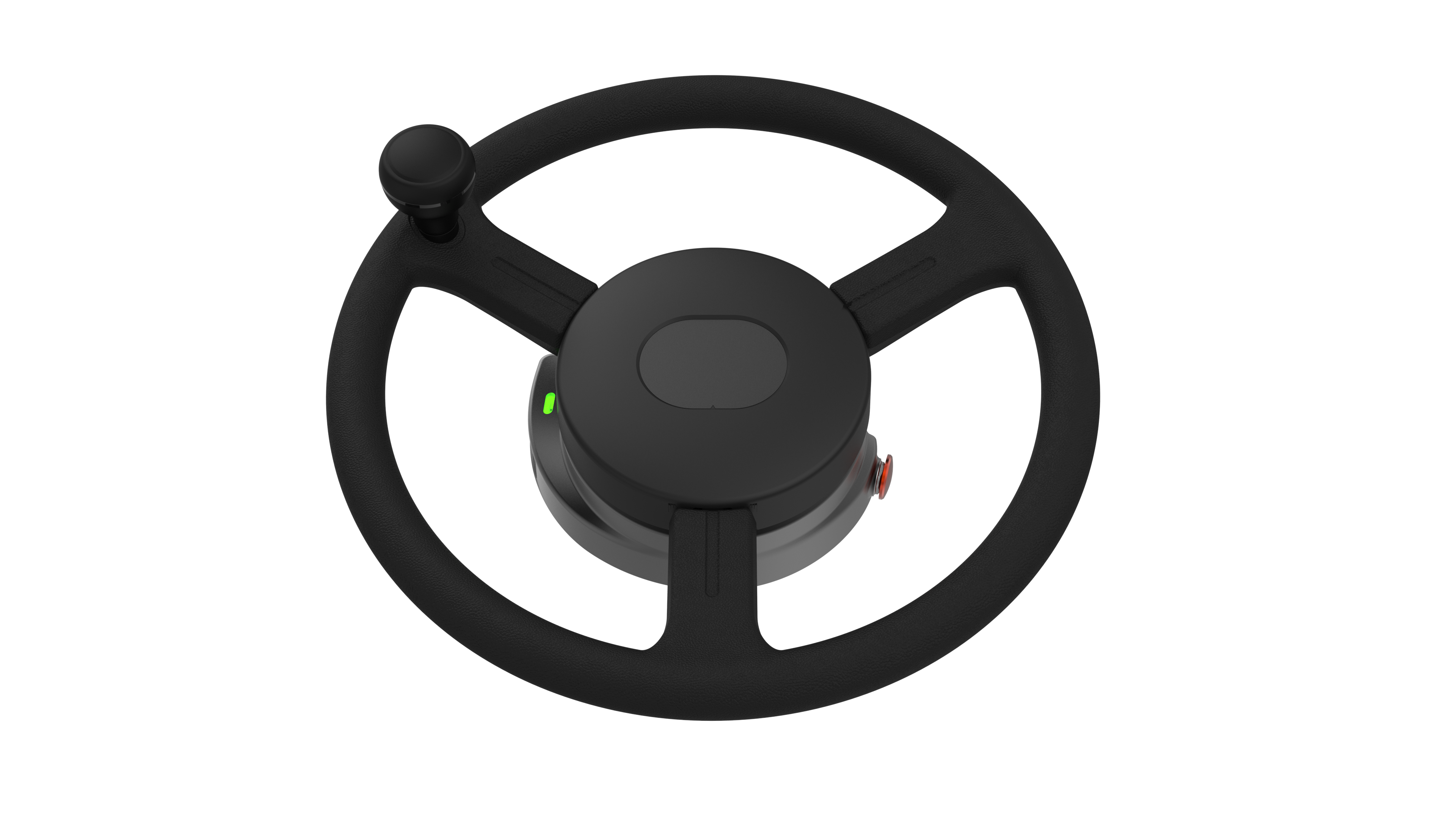
Optimizing agricultural operations requires precision, and one of the best ways to achieve this is through a steer ready autosteering system. These systems not only enhance navigation but also improve efficiency in the field by reducing overlap and minimizing the potential for mistakes. This guide will delve into the calibration process required for these systems, ensuring that users can effectively harness their capabilities for improved agricultural productivity.

Understanding Autosteering System Calibration
Effective calibration begins with a clear understanding of the specific needs of your vehicle and field. Calibration allows the steer ready autosteering system to function optimally according to the vehicle's dimensions, speed, and steering response characteristics. The process involves inputting necessary parameters such as wheelbase and axle dimensions, which can vary significantly from one vehicle to another. Ensuring these details are accurate makes it easier for the system to guide the vehicle precisely along predefined paths, thus maximizing productivity and minimizing wasted time.
Step-by-Step Calibration Process
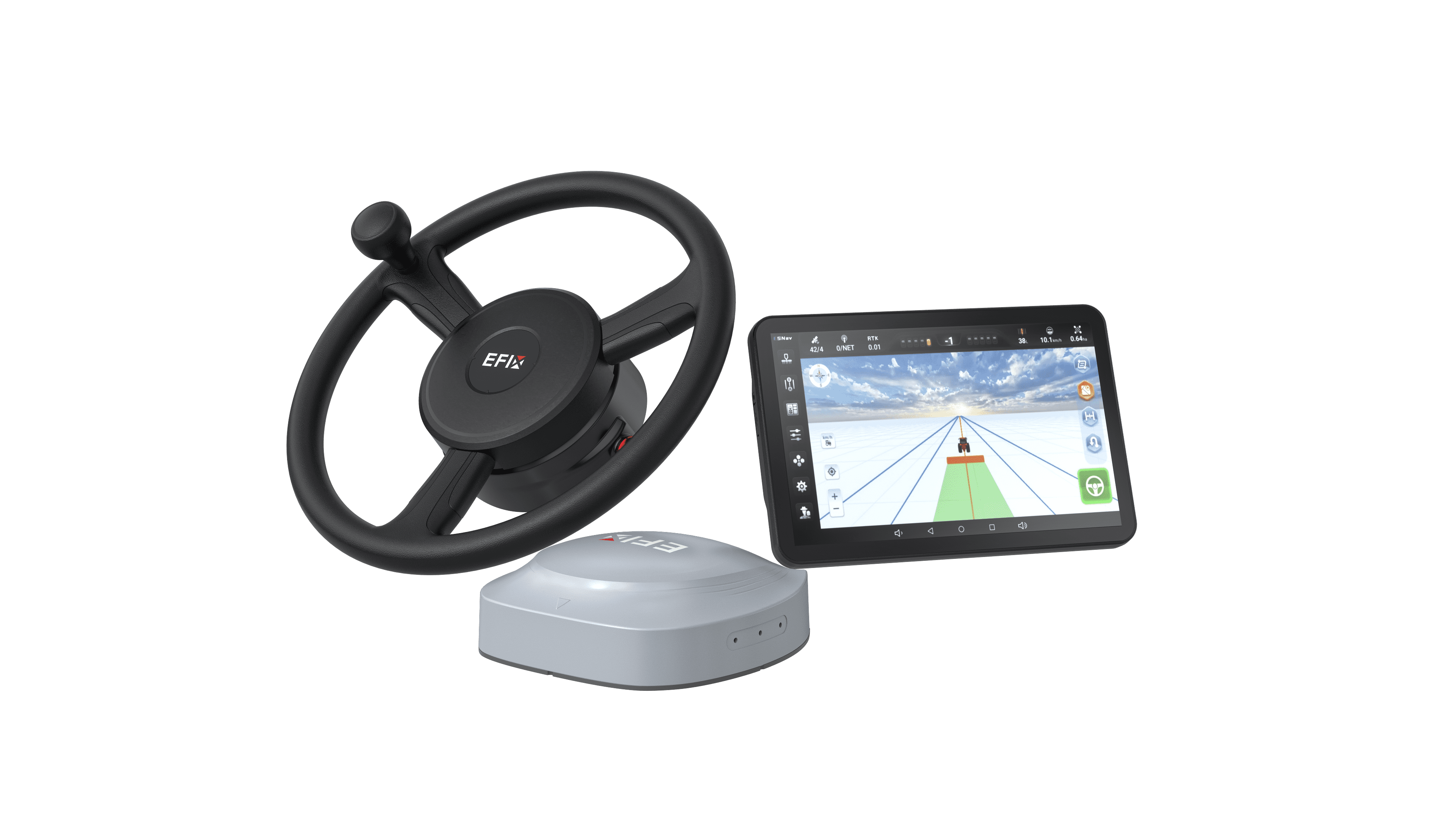
The calibration process for a steer ready autosteering system typically comprises a series of straightforward steps. First, it is essential to assess the installation and confirm that all components are correctly positioned and secured. Next, while ensuring proper connectivity between the system and the vehicle, adjustments can be made via a compatible interface. This might include entering information regarding the vehicle's characteristics and defining the necessary parameters for field operations.
After entering the specifics, performing an alignment test is vital. This involves taking the vehicle into an open area and executing a series of turns and straight paths to evaluate the responsiveness of the steering system. If the vehicle does not respond correctly or deviates from its intended path, adjustments will need to be made to fine-tune the calibration until desired accuracy is achieved.
Troubleshooting Common Calibration Issues
Even with a well-designed steer ready autosteering system, users may encounter calibration challenges. Common issues include misalignment, where the vehicle does not track properly despite the calibration settings. In such cases, checking the physical mounting of sensors and electronics can provide clues. It's important to ensure that these components are free from obstruction and securely attached.
Another issue may arise from inaccurate input parameters. Taking time to verify that every detail entered into the system reflects the vehicle's actual specifications can save users from frustration. If discrepancies continue to emerge, consulting the user manual or reaching out to technical support can often provide further insight into resolving these issues effectively.
Best Practices for Maintenance and Calibration
Regular maintenance of the steer ready autosteering system can directly influence its calibration and performance. Keeping the components clean, routinely checking for loose connections, and ensuring that software updates are applied can all contribute to seamless operation. Additionally, before each major agricultural operation, performing a quick calibration check can help identify and resolve any minor issues before they become significant problems.
Integrating this routine into standard operating procedures will help ensure that the autosteering system delivers precise and reliable performance consistently.
Conclusion
Precision agriculture relies heavily on effective tools such as the steer ready autosteering system. Understanding how to properly calibrate and maintain this system will ensure that agricultural operations run smoothly. Effective calibration, along with troubleshooting and maintenance best practices, empower users to maximize their vehicle's capability in the field. For more robust solutions and quality components like our eSteer Ready, we at EFIX stand ready to support your agricultural needs with integrated technology designed for efficiency.