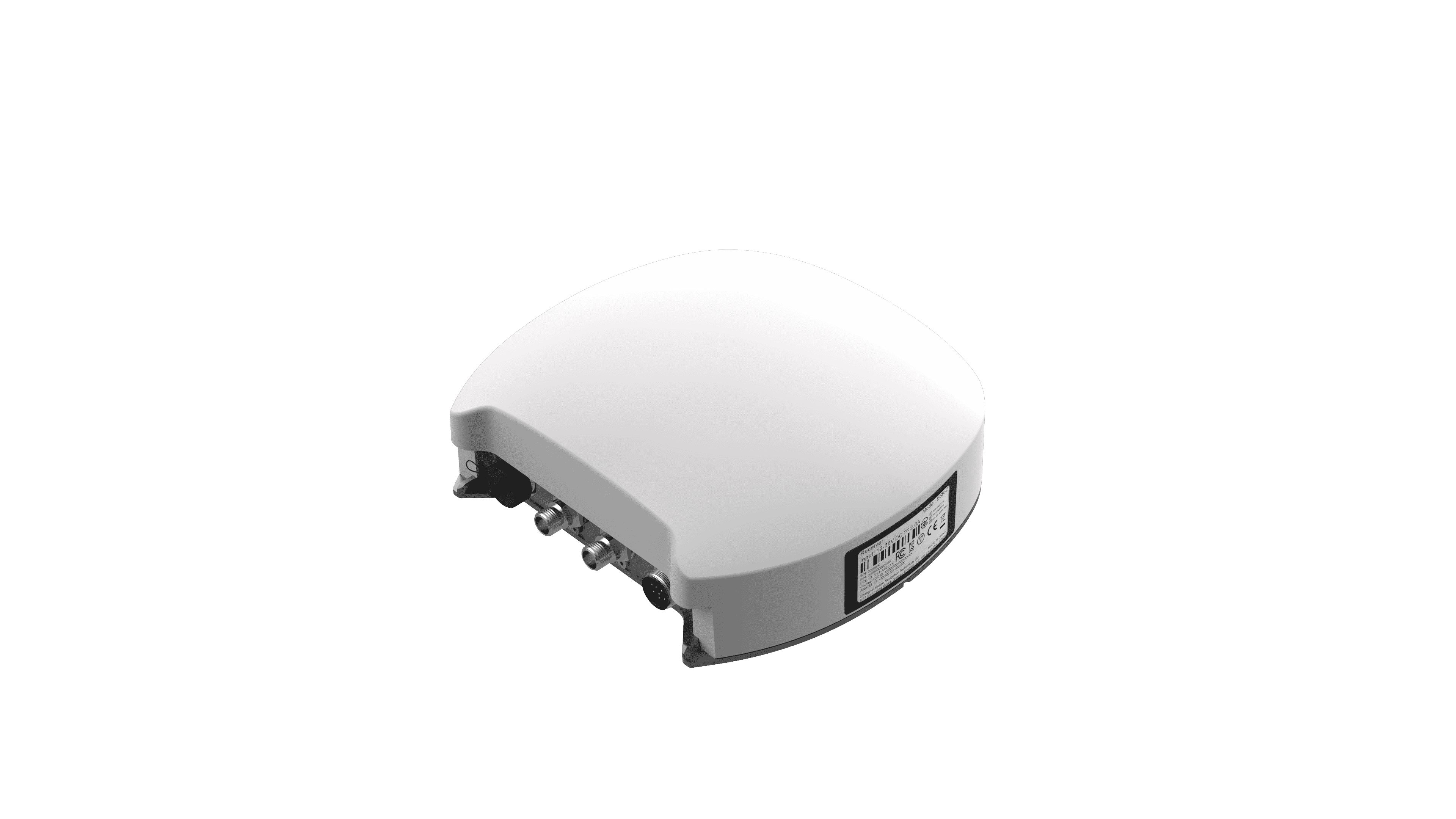
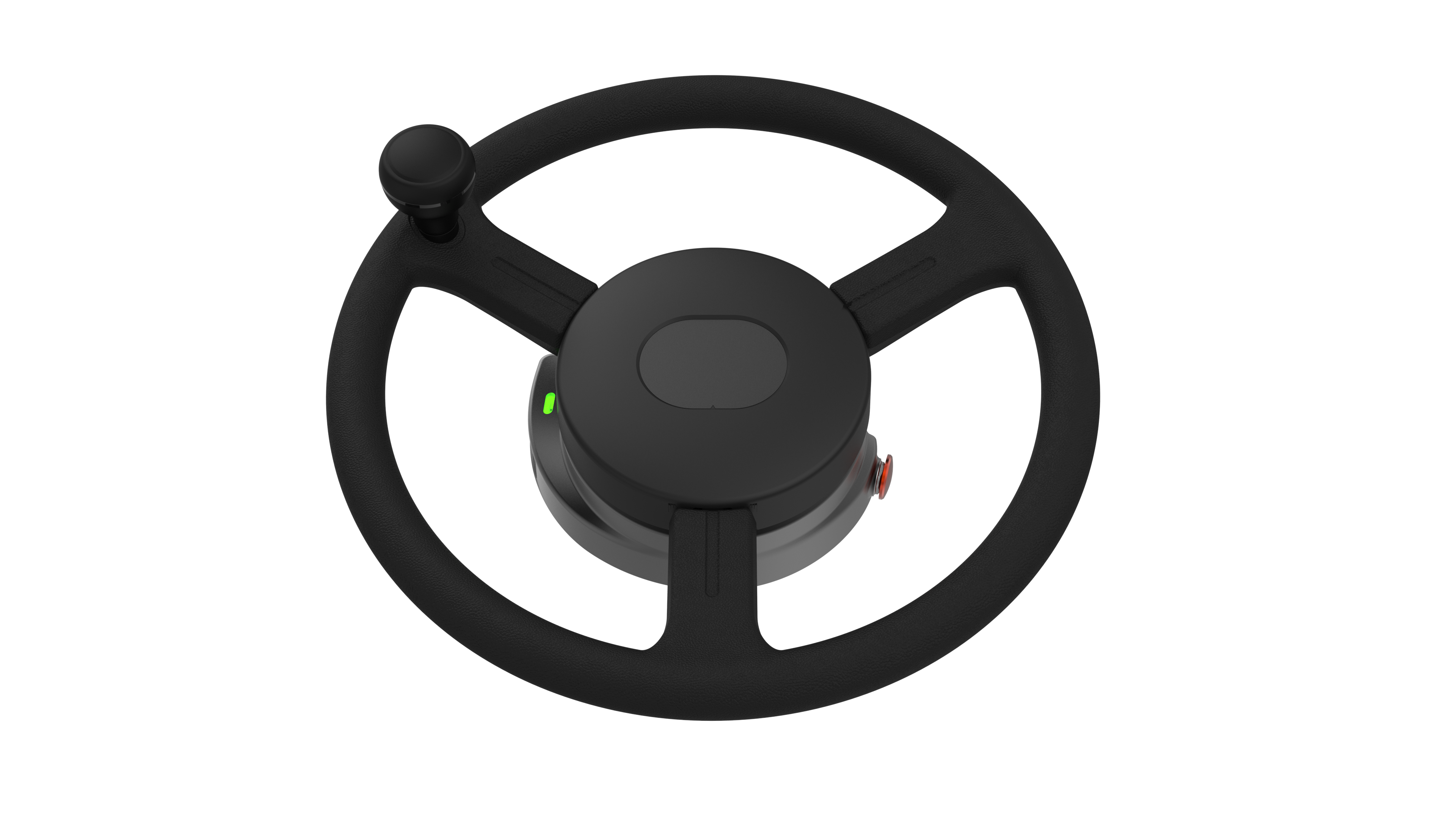
Achieving optimal efficiency in agriculture has always been a hallmark of progress for farmers and producers. Precision farming technologies have transformed our approach to farming, with steer ready auto steer systems becoming a pivotal part of this evolution. These systems provide accurate guidance for agricultural machinery, leading to better crop yields and minimized resource waste. Exploring the differences between steer ready auto steer systems and retrofit systems can help inform our decisions on which technology best fits our operational needs.
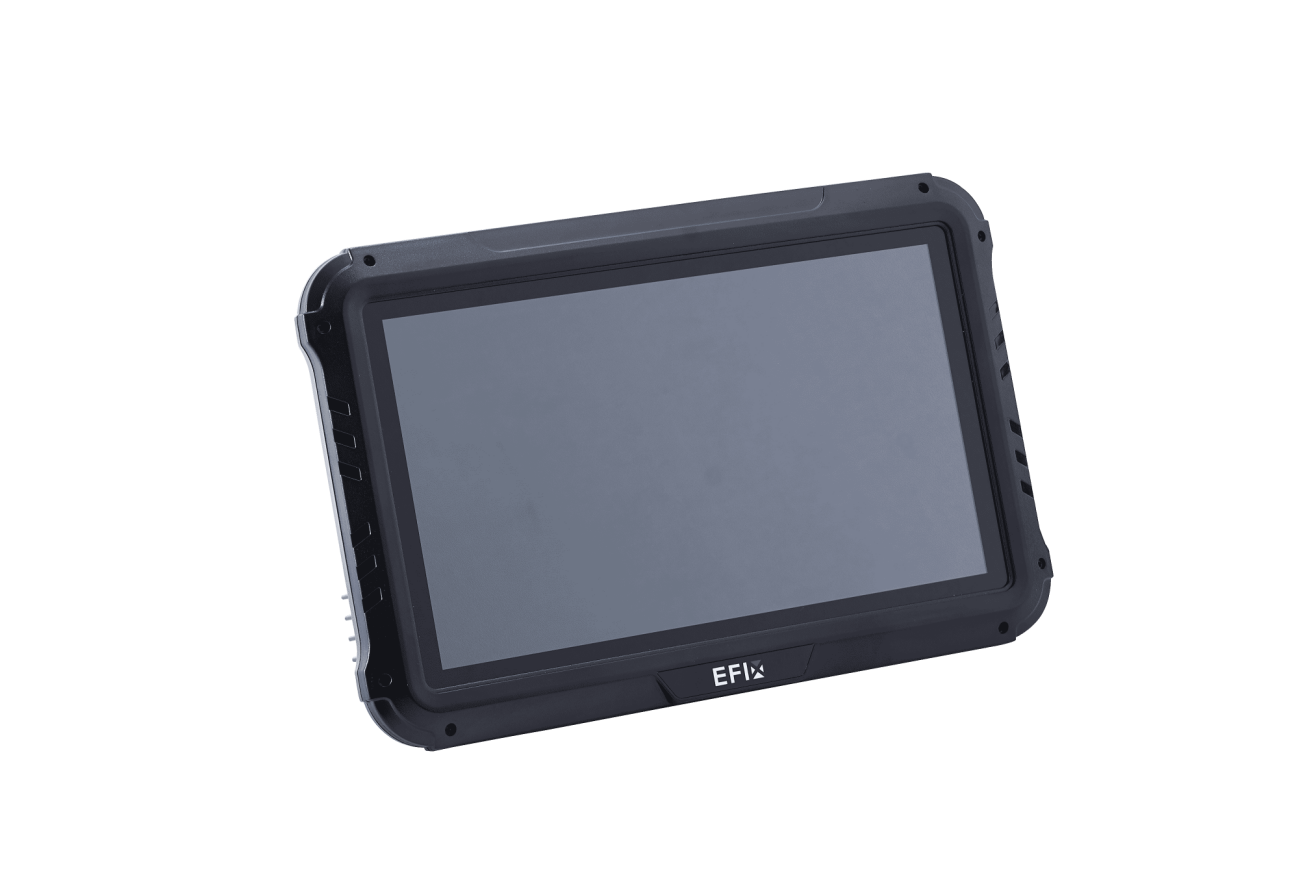
Understanding Steer Ready Auto Steer Systems
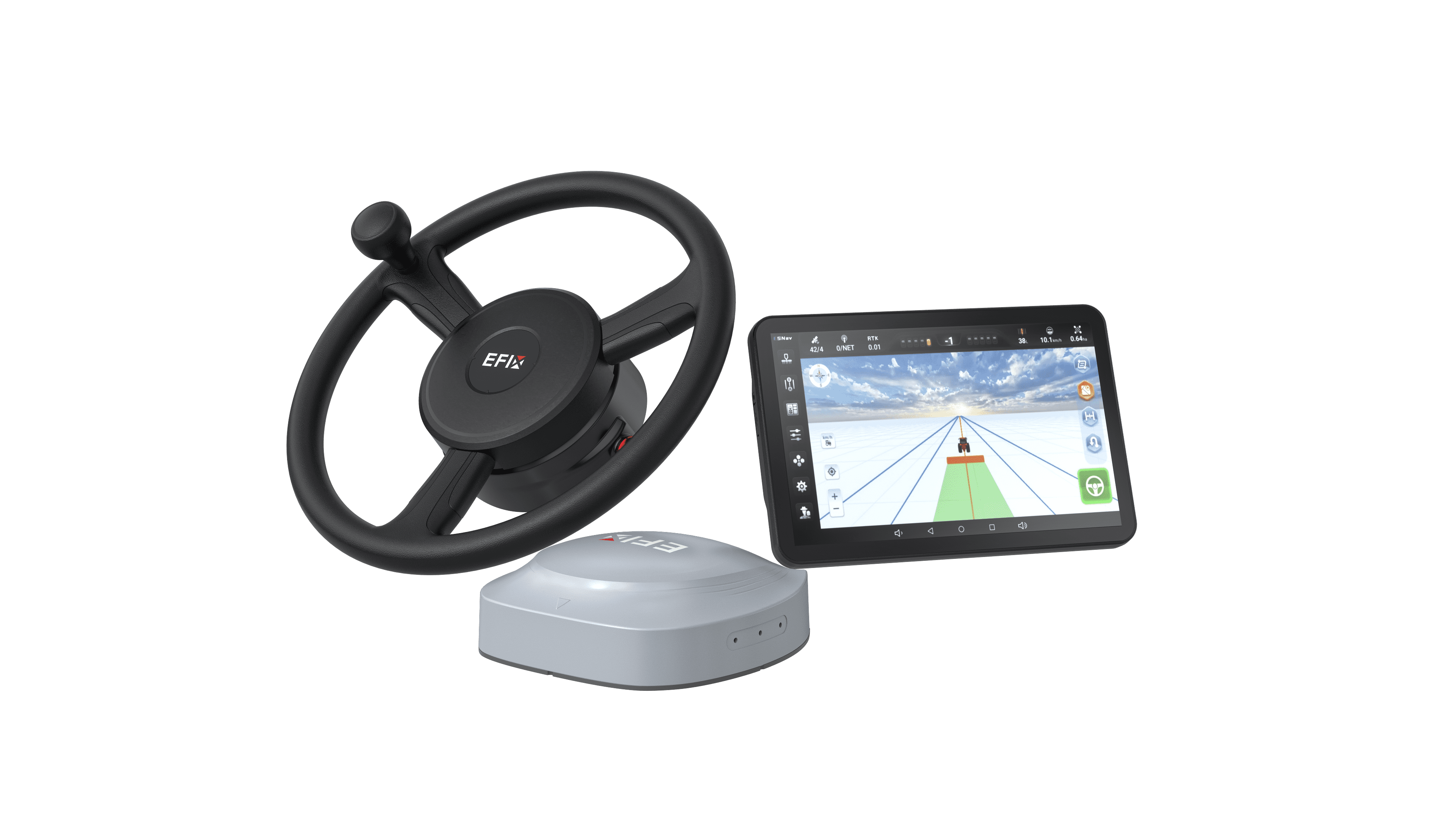
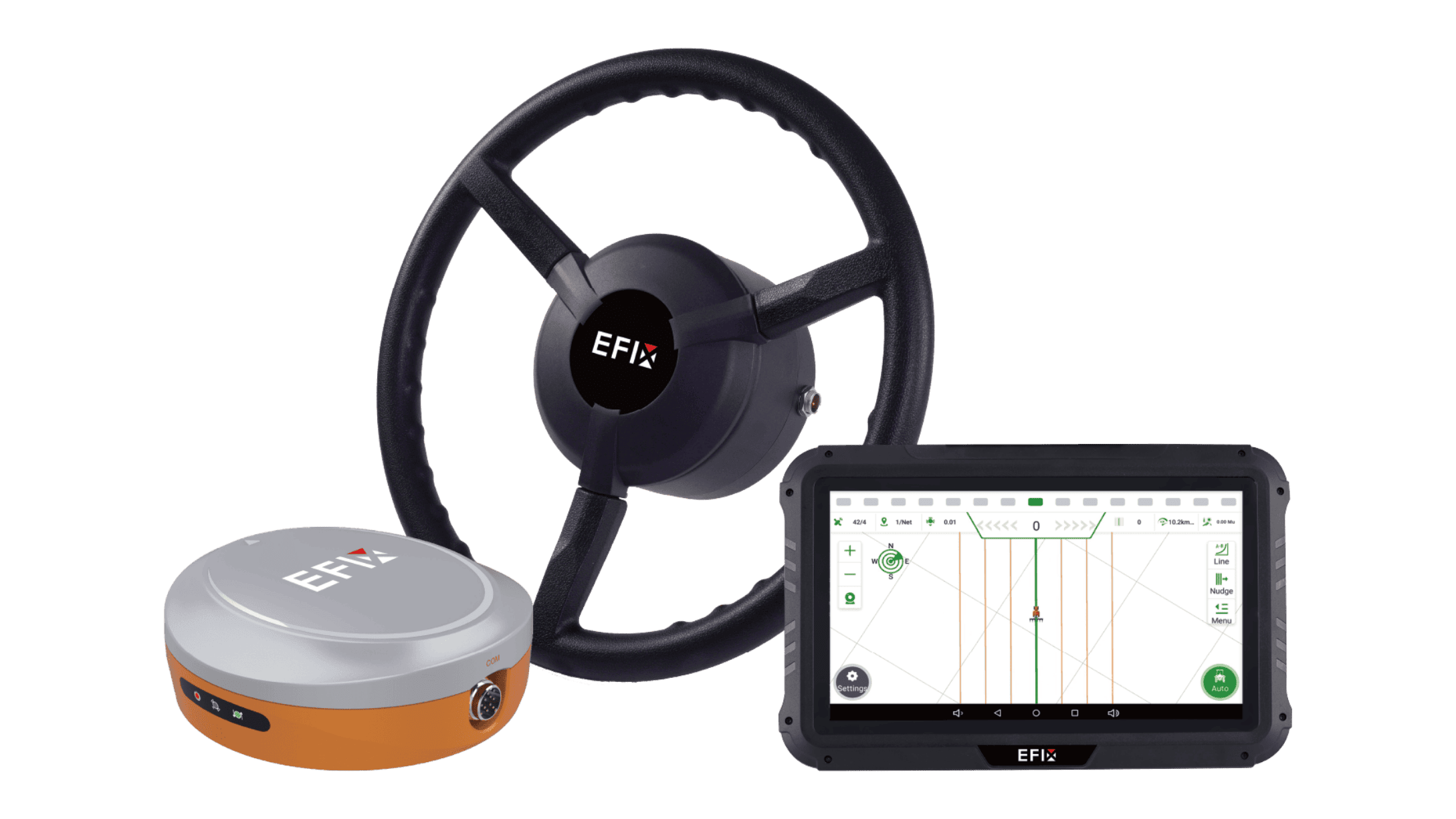
The unique design of steer ready auto steer systems allows for seamless integration with a variety of equipment. These systems are pre-equipped with the necessary hardware and software to manage steering automatically, saving substantial time and effort for operators. The precision offered is particularly beneficial in sloping fields, where terrain compensation technology ensures that machinery operates accurately, regardless of the landscape's incline. This level of performance can translate into labor savings, reduced fuel consumption, and increased operational efficiency, allowing for more focus on other critical farming responsibilities.
The Benefits of Retrofit Systems
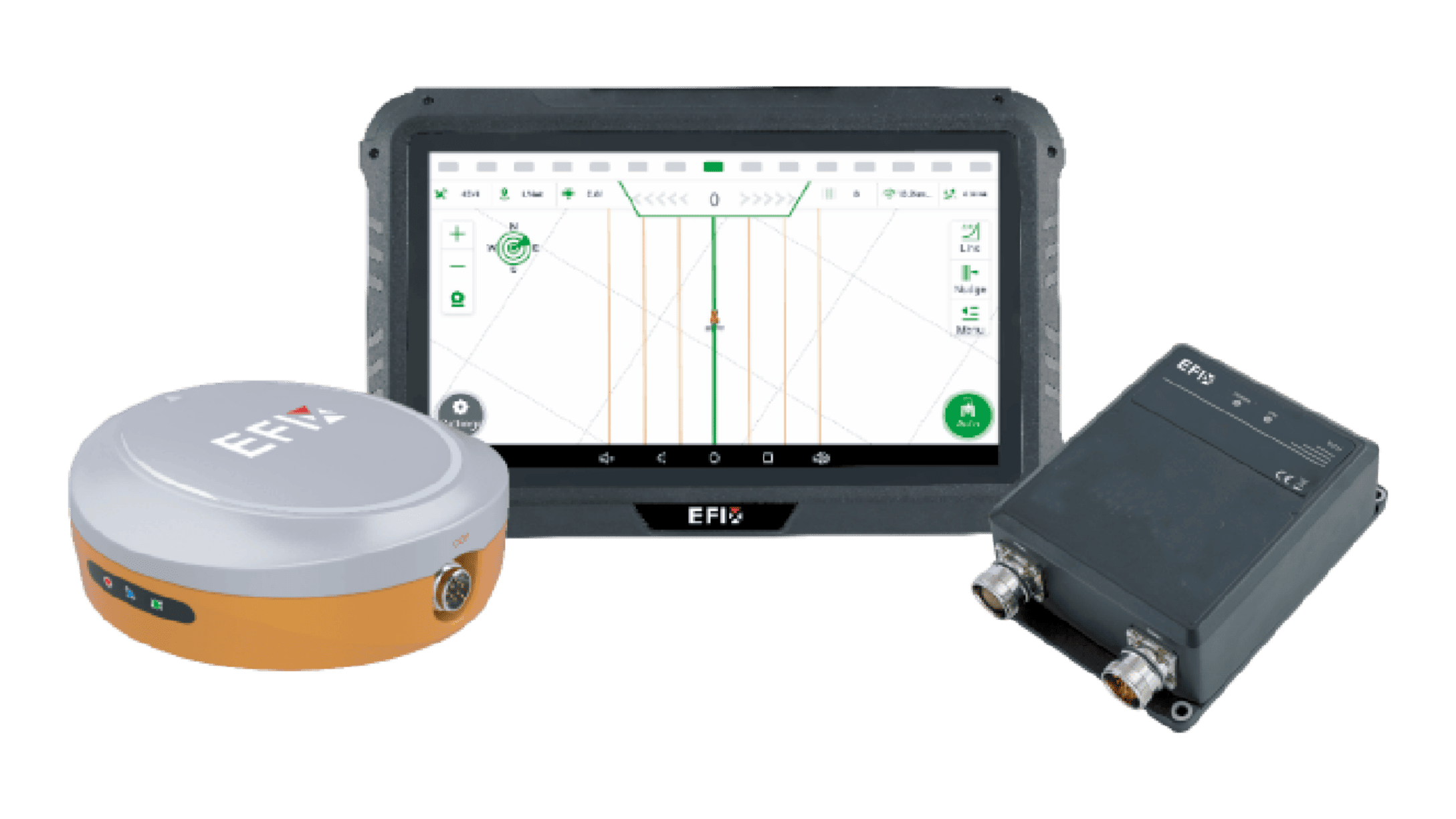
In contrast, retrofit systems are designed to convert existing machinery into automated systems. While they can also offer enhanced performance and productivity, their efficacy largely depends on the age and type of the equipment being upgraded. A retrofit system may not deliver the same level of precision and reliability as a steer ready auto steer system, particularly in challenging terrain. Nevertheless, for operations with limited budgets or older machinery that isn't ready for complete replacement, retrofitting can be an attractive option that brings some of the benefits of automation without incurring the costs of new equipment.
Key Considerations for Comparison
When deciding between these two technologies, several factors need to be weighed. The initial cost is a significant consideration; steer ready auto steer systems may involve a higher upfront investment, but the long-term savings on labor and operational efficiency often justify this. Conversely, retrofit systems offer a more budget-friendly solution, though the benefits might not be as significant in the long run. Maintenance and support also vary between the two systems, where factory-installed components in steer ready systems tend to provide easier access to service and parts compared to retrofitted equipment, which might require specialized support.
Conclusion
In the rapidly advancing agricultural landscape, staying informed about technological advancements is crucial for maintaining competitive edge and operational efficiency. Understanding the distinct advantages and challenges associated with steer ready auto steer systems compared to retrofit options can help farmers make informed decisions tailored to their unique operational needs. At EFIX, we are committed to leading the charge in precision farming technology, providing innovative solutions that cater specifically to modern agriculture demands, including systems that enhance performance and streamline farming operations.