The advancements in global positioning technology have led many surveyors and GIS professionals to evaluate various positioning solutions for their accuracy needs. Among the most widely discussed options are RTK base stations and Network RTK systems. Understanding the differences between these two setups is essential for anyone tasked with precise geolocation tasks.

The Precision of RTK Base Stations
One of the most significant advantages of RTK base stations is their unparalleled precision. Unlike Network RTK systems, which may rely on multiple reference stations scattered across a wide area, RTK base stations provide real-time corrections from a single, fixed location. This localized approach dramatically enhances accuracy, often achieving centimeter-level precision. For surveying applications, this means that the data collected can be trusted to be highly reliable, which is crucial when working on projects that require exact measurements, such as construction and land surveying.
Flexibility and Control Offered by RTK Base Stations
Incorporating RTK base stations into workflow setups allows for enhanced flexibility. Users can establish their base stations according to their project's specific requirements, avoiding potential complications associated with the fixed locations of Network RTK infrastructure. This level of control can be a game-changer in remote areas where reliable internet connectivity may be lacking. By utilizing a fixed base station, we can maintain high levels of precision without the dependence on distant reference stations or external networks. This makes RTK systems particularly attractive for projects undertaken in challenging environments.
Cost Considerations Between RTK and Network RTK Systems
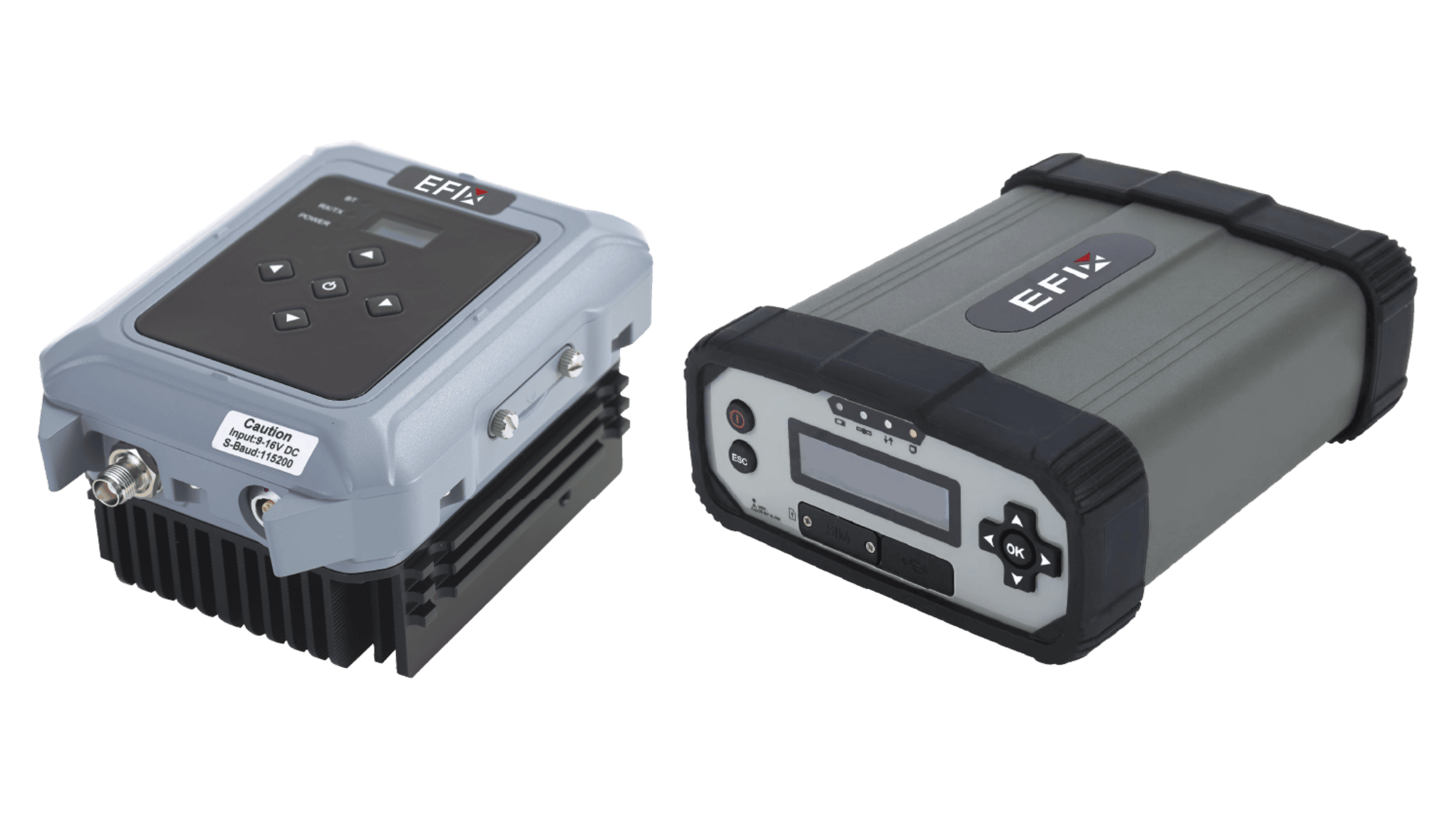
The cost of implementation is often a deciding factor when choosing between RTK base stations and Network RTK systems. Initially, setting up an RTK base station requires an investment in hardware, such as the F-NET Pro Fixed Base Station, which is designed for optimal performance in various surveying conditions. However, while Network RTK may appear to offer lower short-term costs because it often works on a subscription model, over time, the ongoing fees can accumulate, making RTK base stations a more economical long-term solution for many users. Cost assessments should consider not just the upfront expenses but also the operational effectiveness over the lifespan of the equipment.
Conclusion
In conclusion, the choice between RTK base stations and Network RTK systems ultimately hinges on the specific needs and conditions of your surveying or positioning tasks. The precision and flexibility offered by RTK base stations make them an ideal solution for many applications, especially in areas where connectivity is a concern. Additionally, evaluating cost in the context of equipment investment and operational needs reveals that investing in a fixed base station like the F-NET Pro can yield significant long-term benefits. As we look at the future of precision positioning, embracing reliable technologies that meet our demands, such as those provided by EFIX, will enhance our capabilities and efficiency in our work.