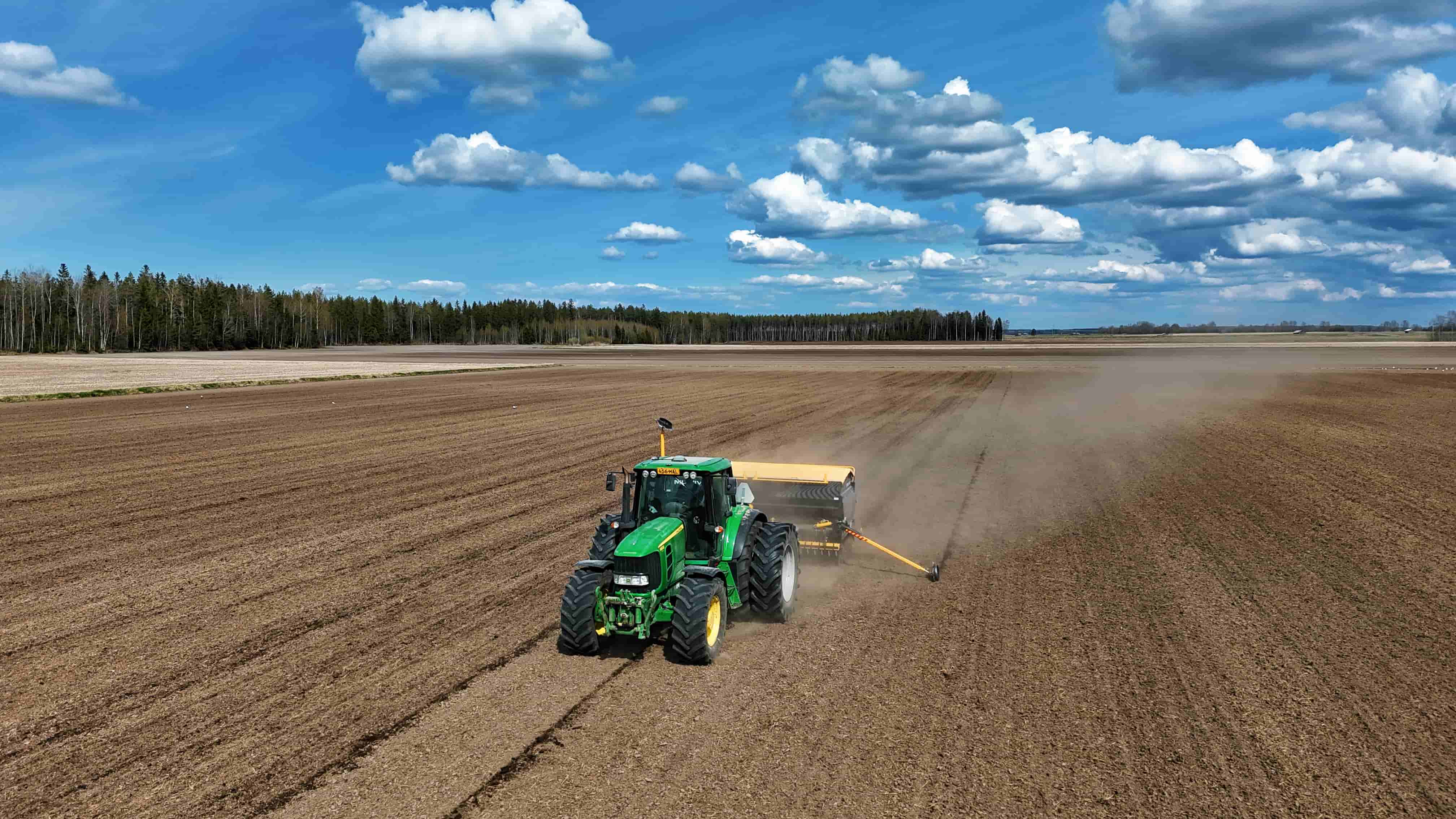
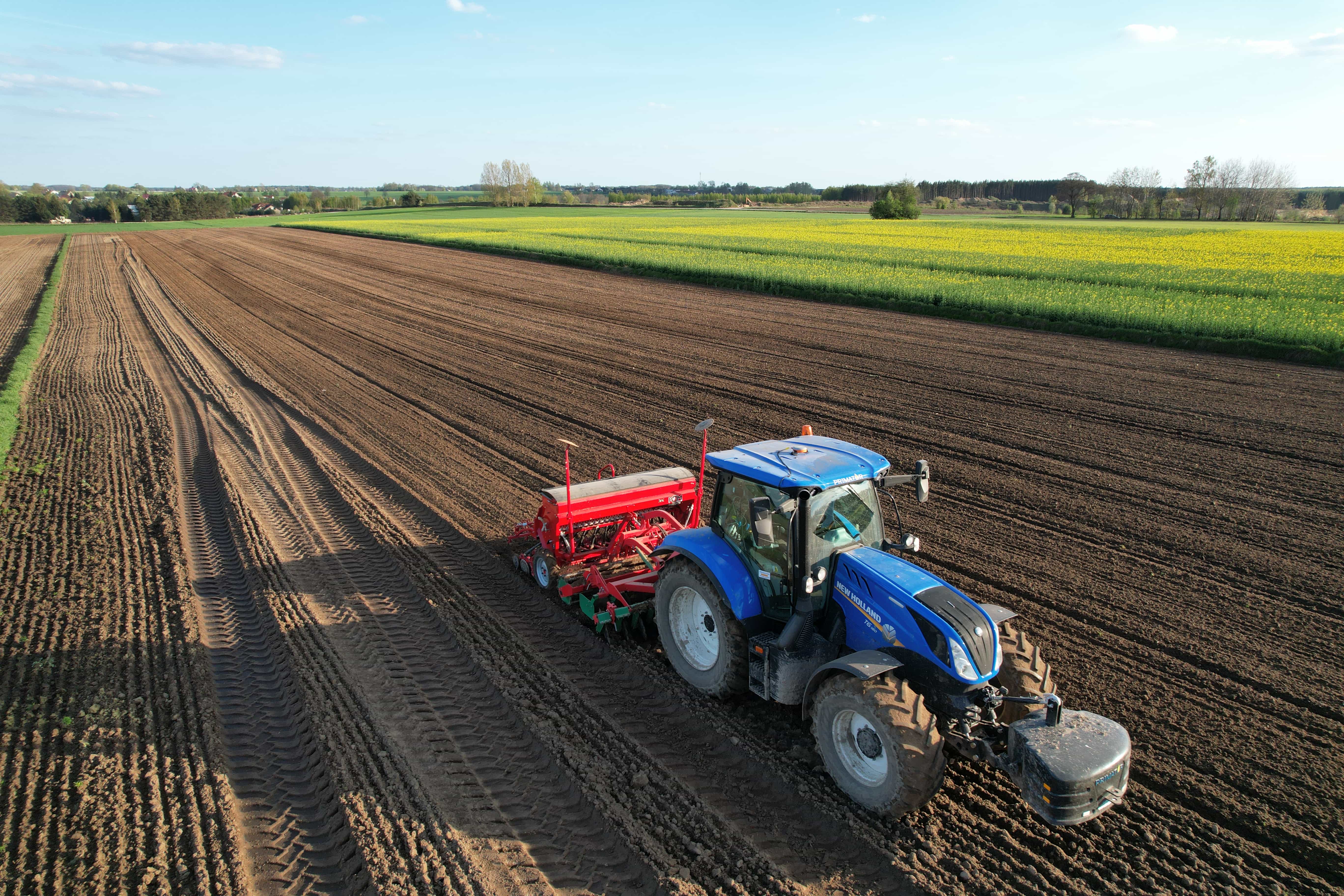
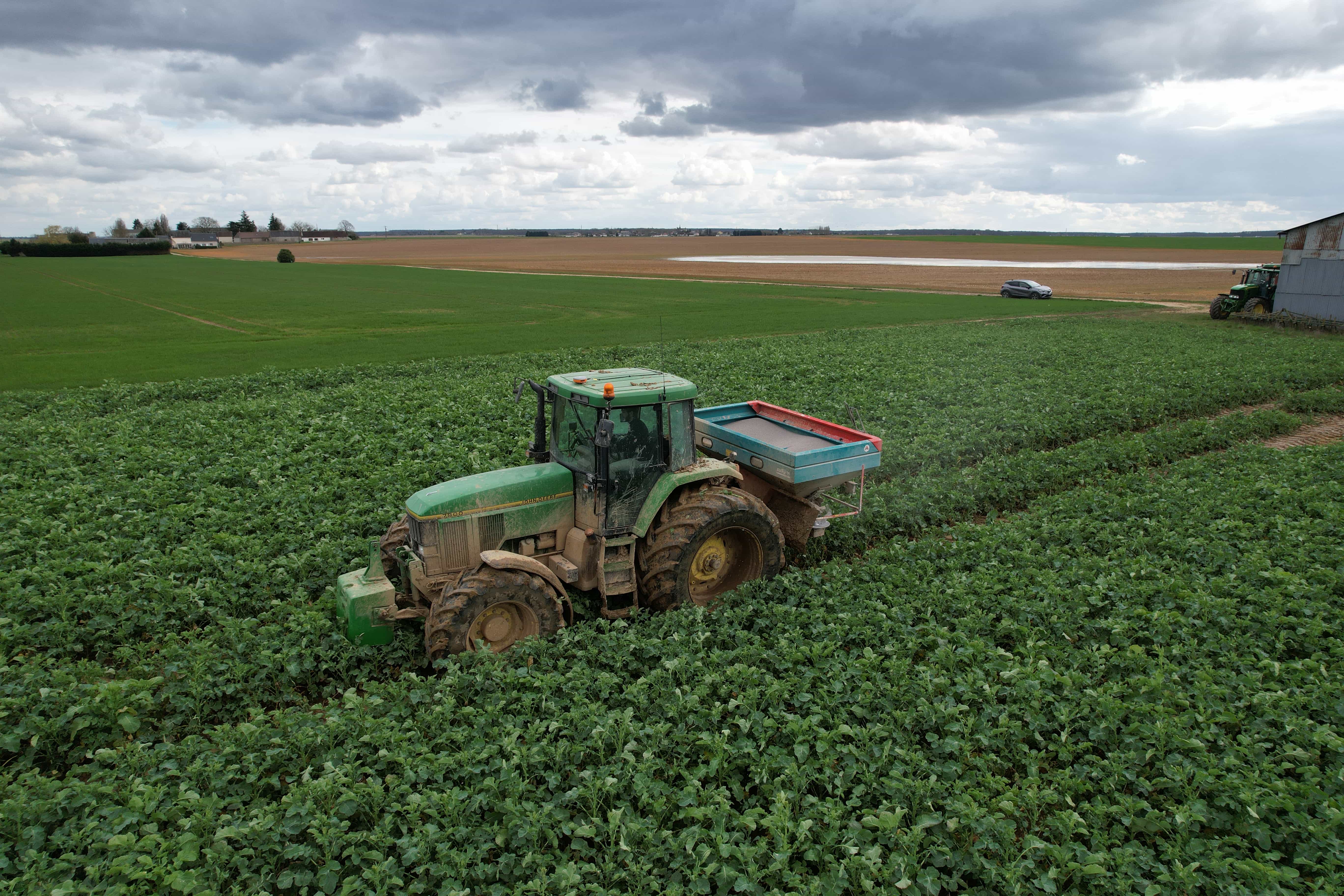
Implementing a GNSS auto steer system on tractors can significantly boost farming efficiency and precision. This advanced technology takes the hard work out of steering, allowing operators to focus on various farming tasks without the constant need to manually control the machine. Understanding how to set up this system properly is crucial for maximizing its potential benefits.

The Necessity of a GNSS Auto Steer System
Precision agriculture has become a necessity in modern farming. With the rise of GNSS auto steer systems, farmers can achieve higher accuracy in field operations, leading to reduced overlaps and gaps during planting, fertilizing, and spraying. This not only conserves resources but also improves crop yield by ensuring optimal planting density. The GNSS auto steer system also helps to reduce operator fatigue, allowing for longer working hours, especially during critical planting and harvesting seasons. The seamless integration of this technology could be a game-changer for farm management.
Components Needed for Installation
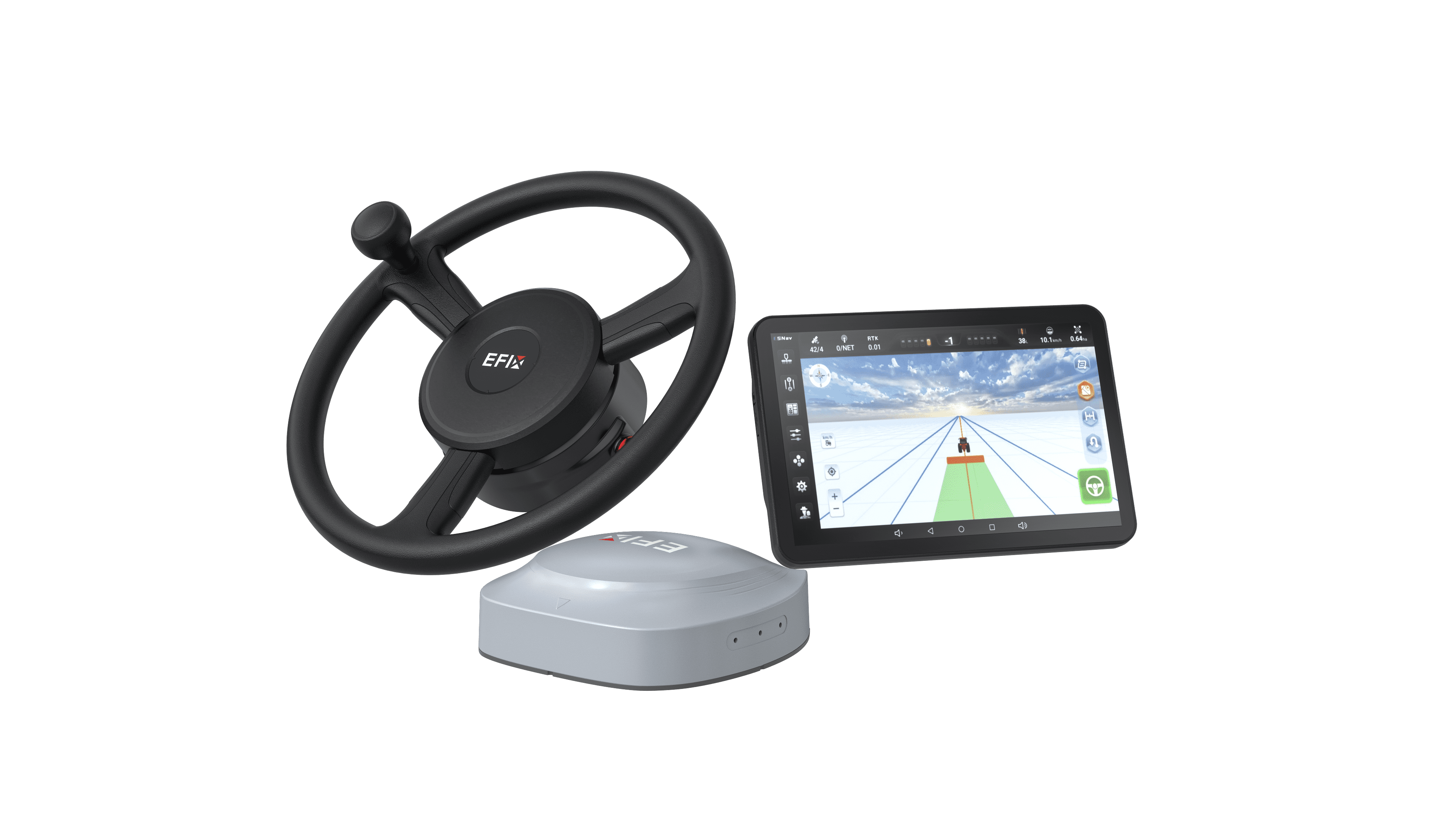
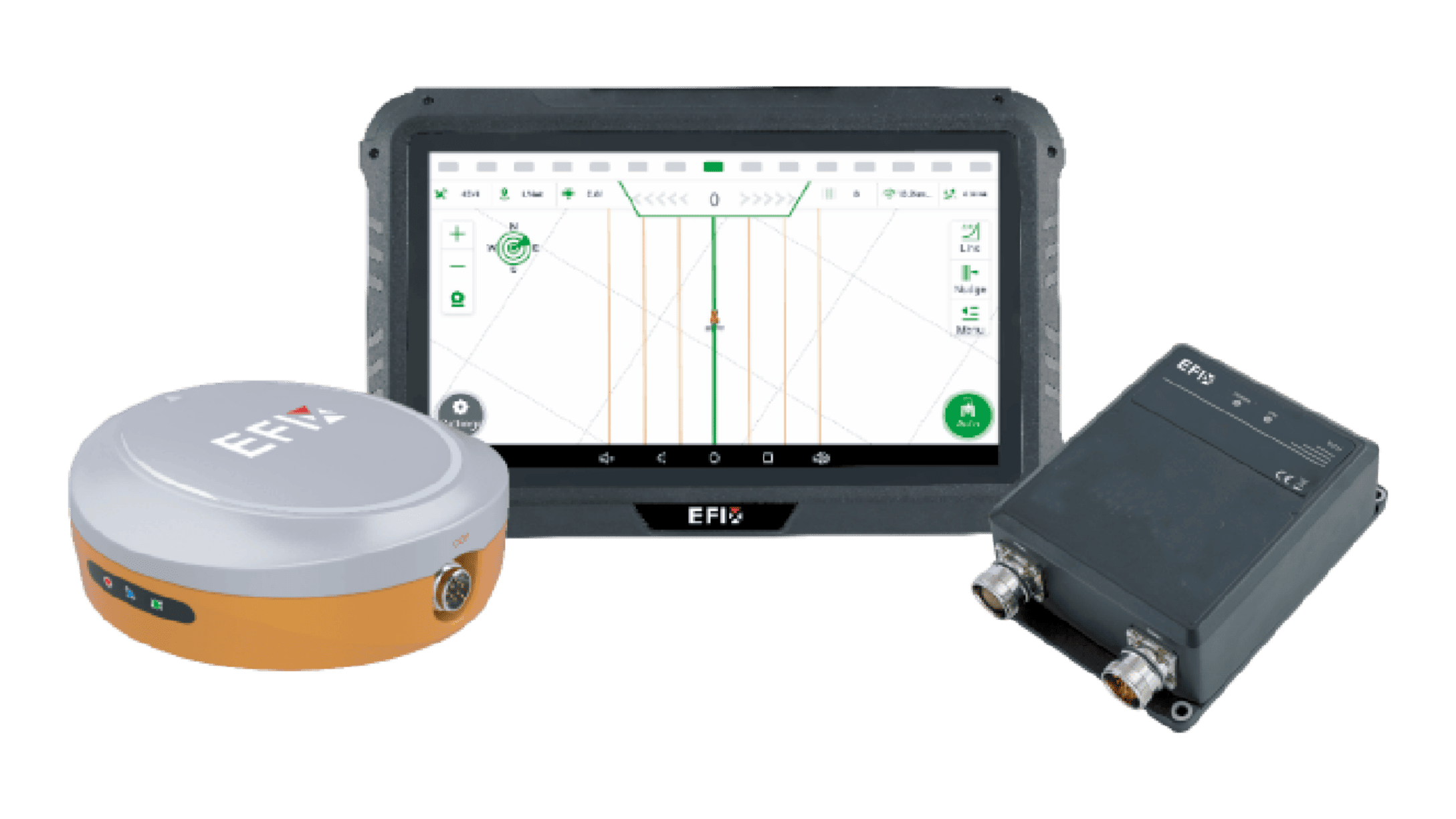
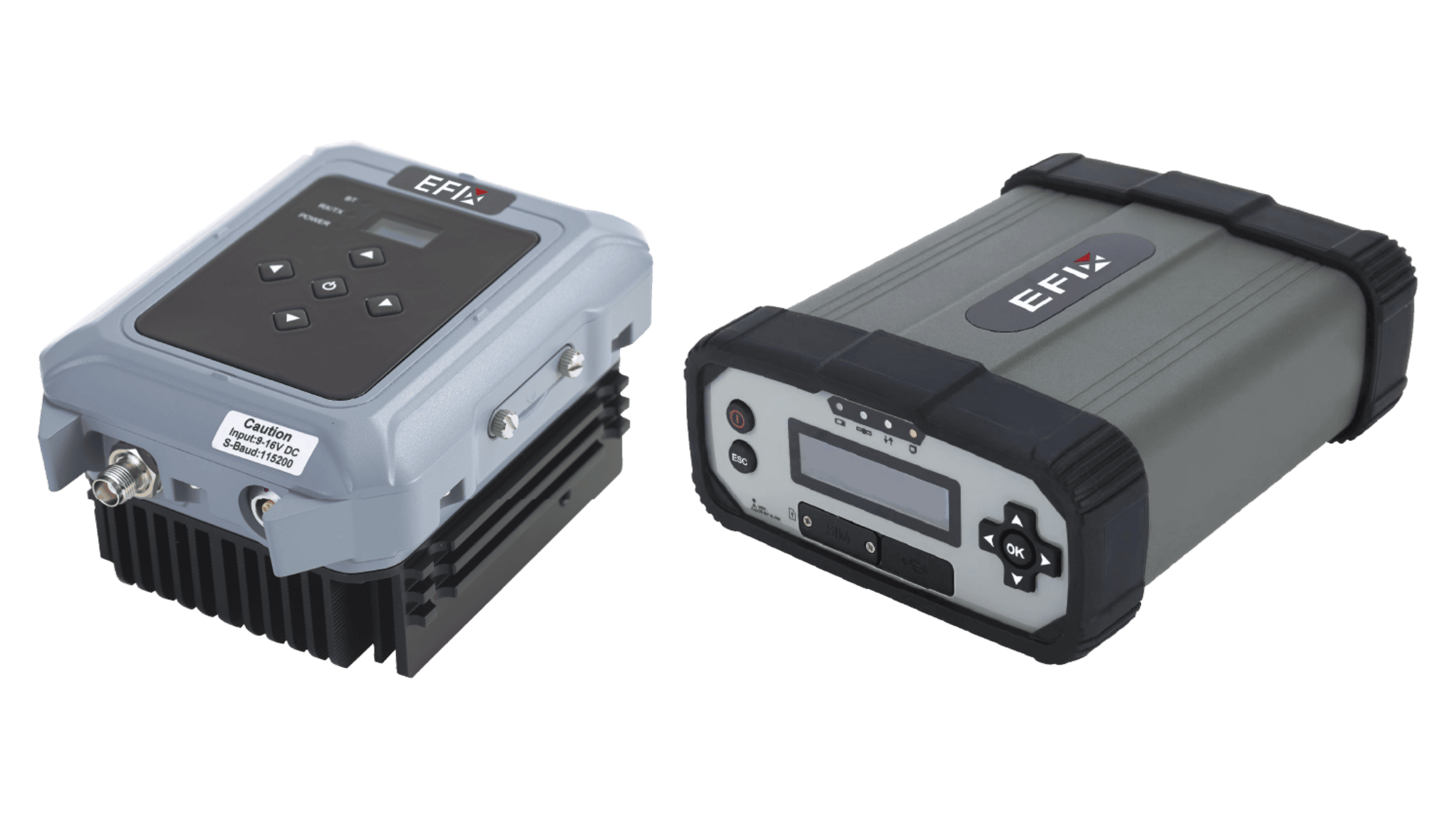
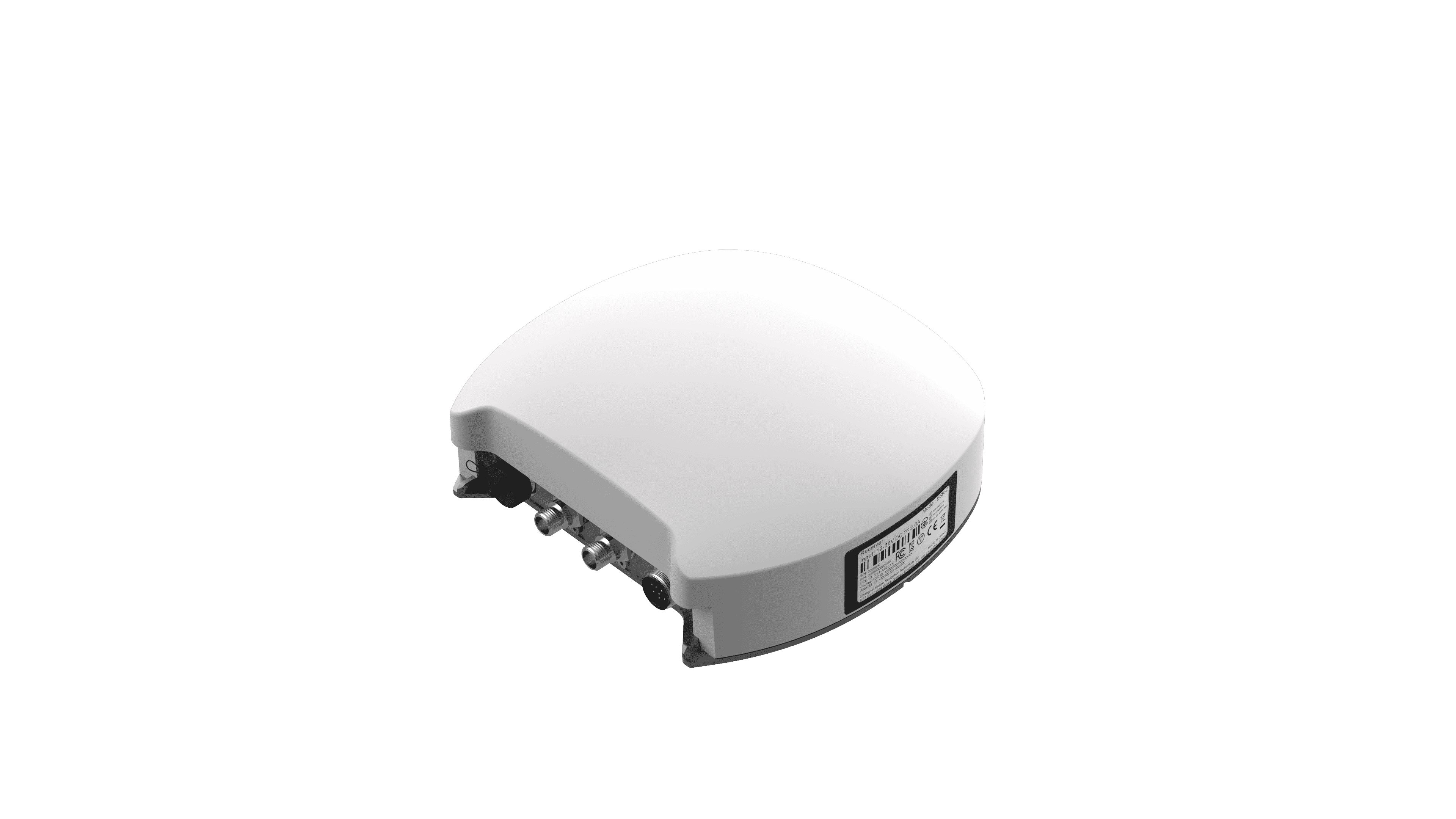
Setting up a GNSS auto steer system requires specific components. Key elements include a GNSS receiver, steering controller, and an interface with the tractor's hydraulic system. A high-quality GNSS receiver not only enhances signal accuracy but also contributes to the overall effectiveness of the system. Consider the EFIX GNSS Receiver, known for its superior accuracy and reliability in various field conditions. Additionally, integration with GPS and RTK networks enhances performance, making the system more responsive to changes in the environment. To ensure a successful installation, it's essential to review each component's specifications and compatibility with your tractor model.
Step-by-Step Installation Process
The installation of a GNSS auto steer system can be broken down into manageable steps. Begin by securely mounting the GNSS receiver on the tractor; this is typically done at the highest point to minimize signal interference. Next, install the steering controller by connecting it to the tractor's electro-hydraulic system. After securing all connections, calibrate the system according to the manufacturer's instructions to ensure optimal performance. Regular updates and maintenance checks are also essential to keep the system running smoothly. Be prepared to consult the product manual and manufacturer support for troubleshooting any challenges that arise during the setup process.
Evaluating Performance and Adjustments
Once installed, a GNSS auto steer system requires monitoring to optimize its functionality. This involves regularly assessing field conditions and making necessary adjustments through the system interface. If precision issues arise, it may be beneficial to recalibrate the system or troubleshoot connectivity problems with the GNSS receiver. Farmers should also verify that their settings align with the crop and field conditions to maintain high efficiency during operations. The adaptability of the system gives it a significant advantage, but staying proactive about these adjustments is crucial for achieving the best results.
Conclusion
Successfully setting up a GNSS auto steer system on tractors can drastically improve farming operations, making them more efficient and precise. The integration of technology enhances the overall performance, allowing farmers to maximize productivity. By following the right steps and maintaining regular updates, an auto steer system can transform the way farming is approached, maximizing yield and reducing resource waste. At EFIX, we provide solutions that integrate smoothly with your farming practices, ensuring that technology works for you.