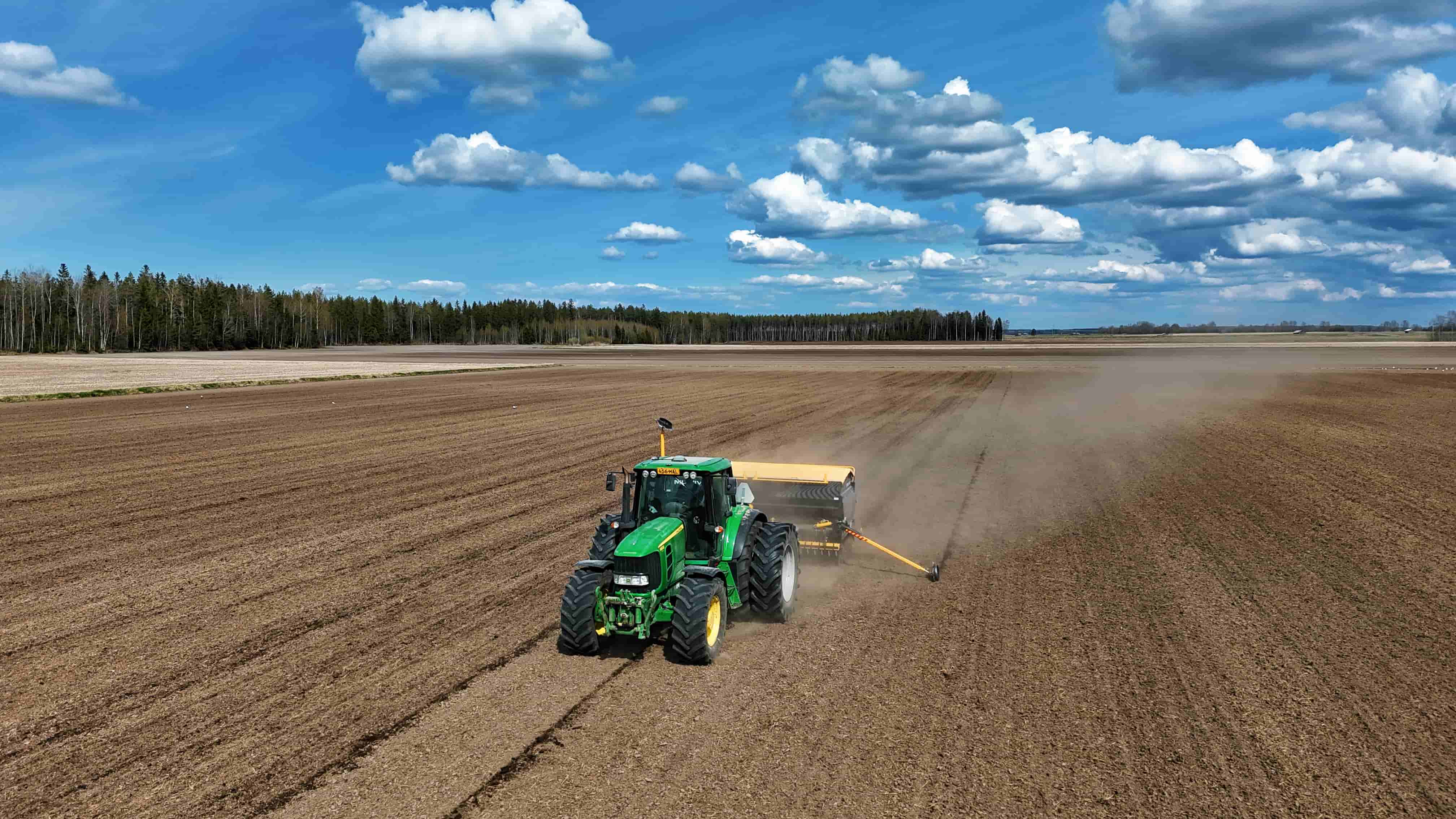
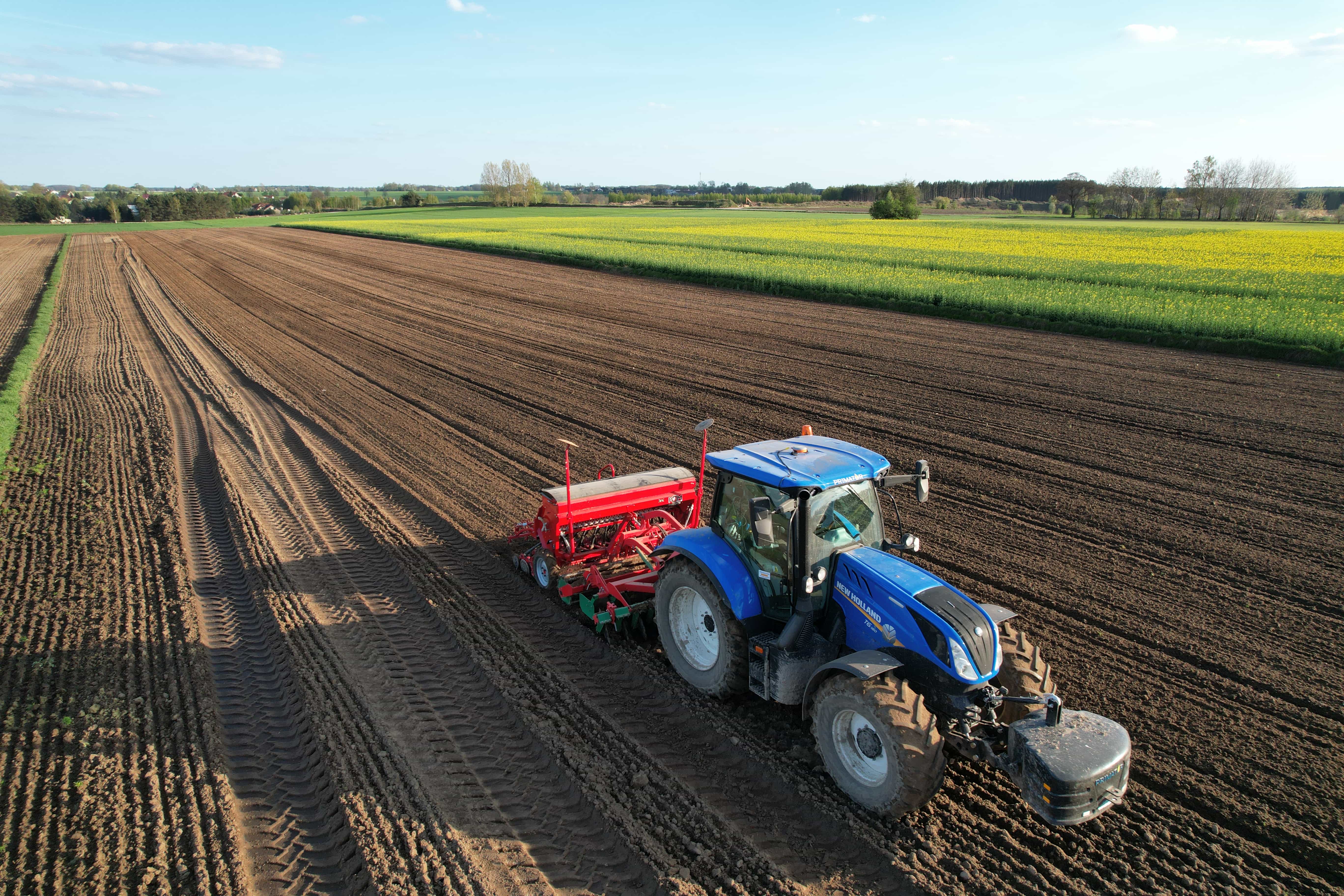
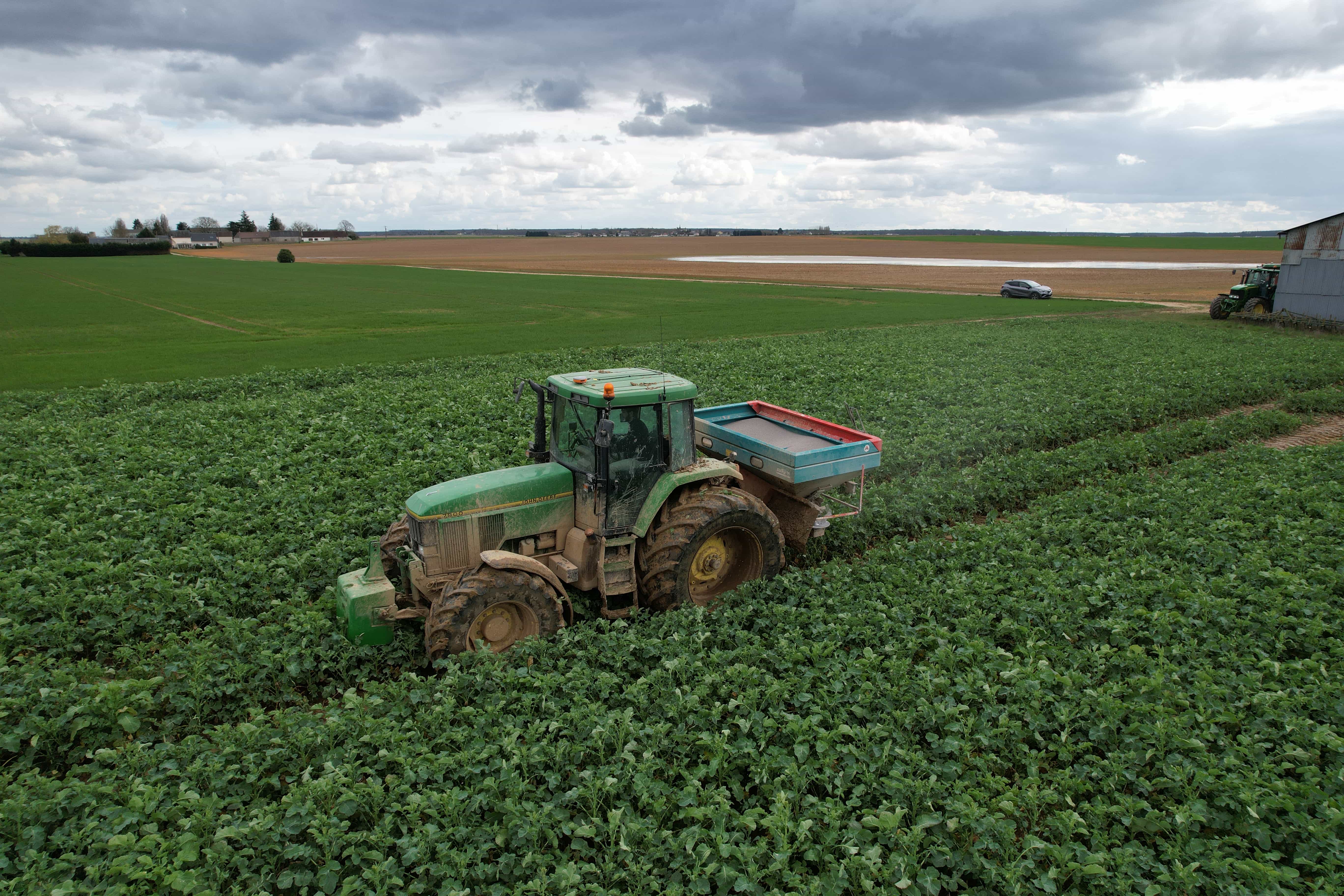
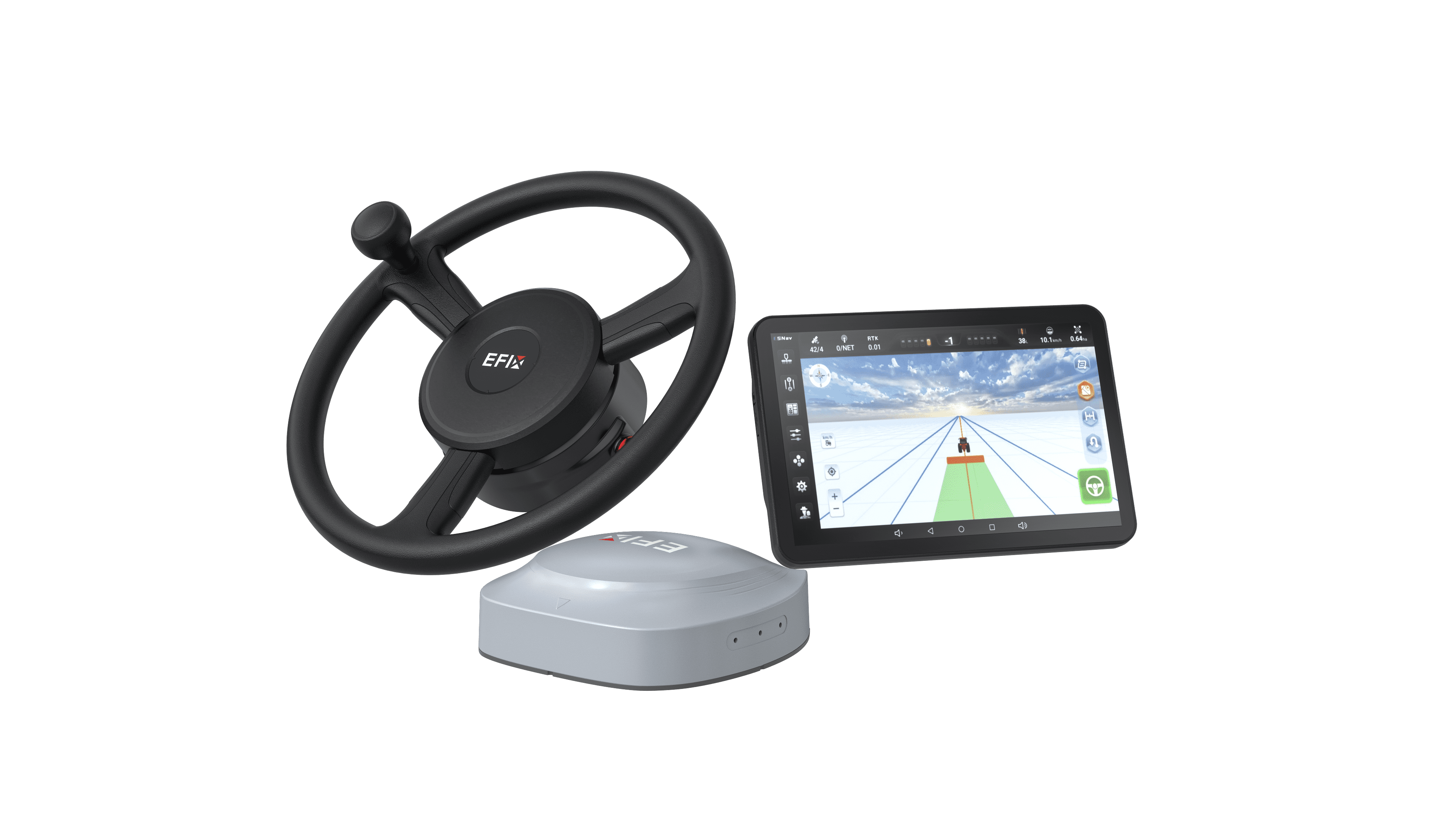
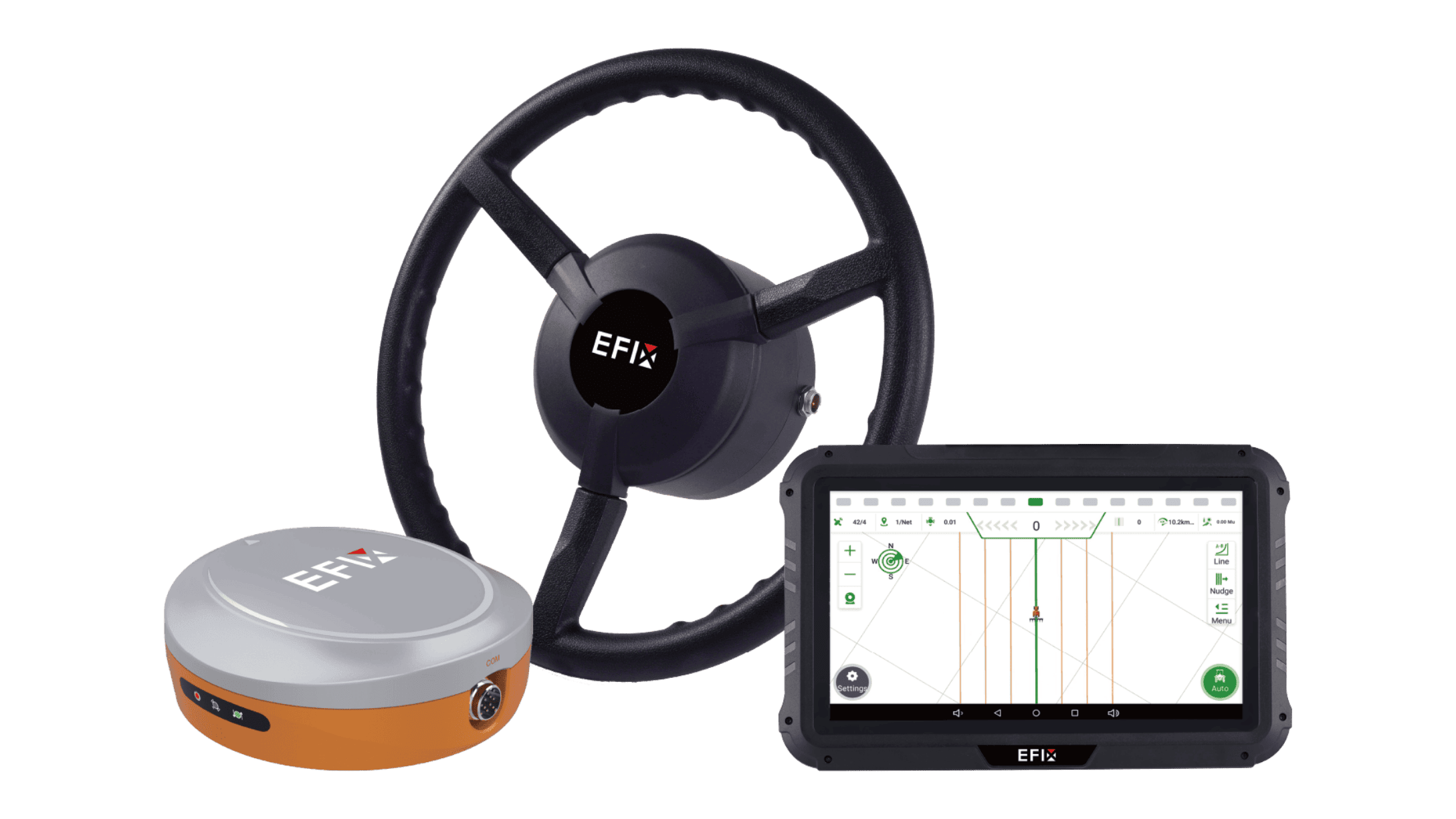
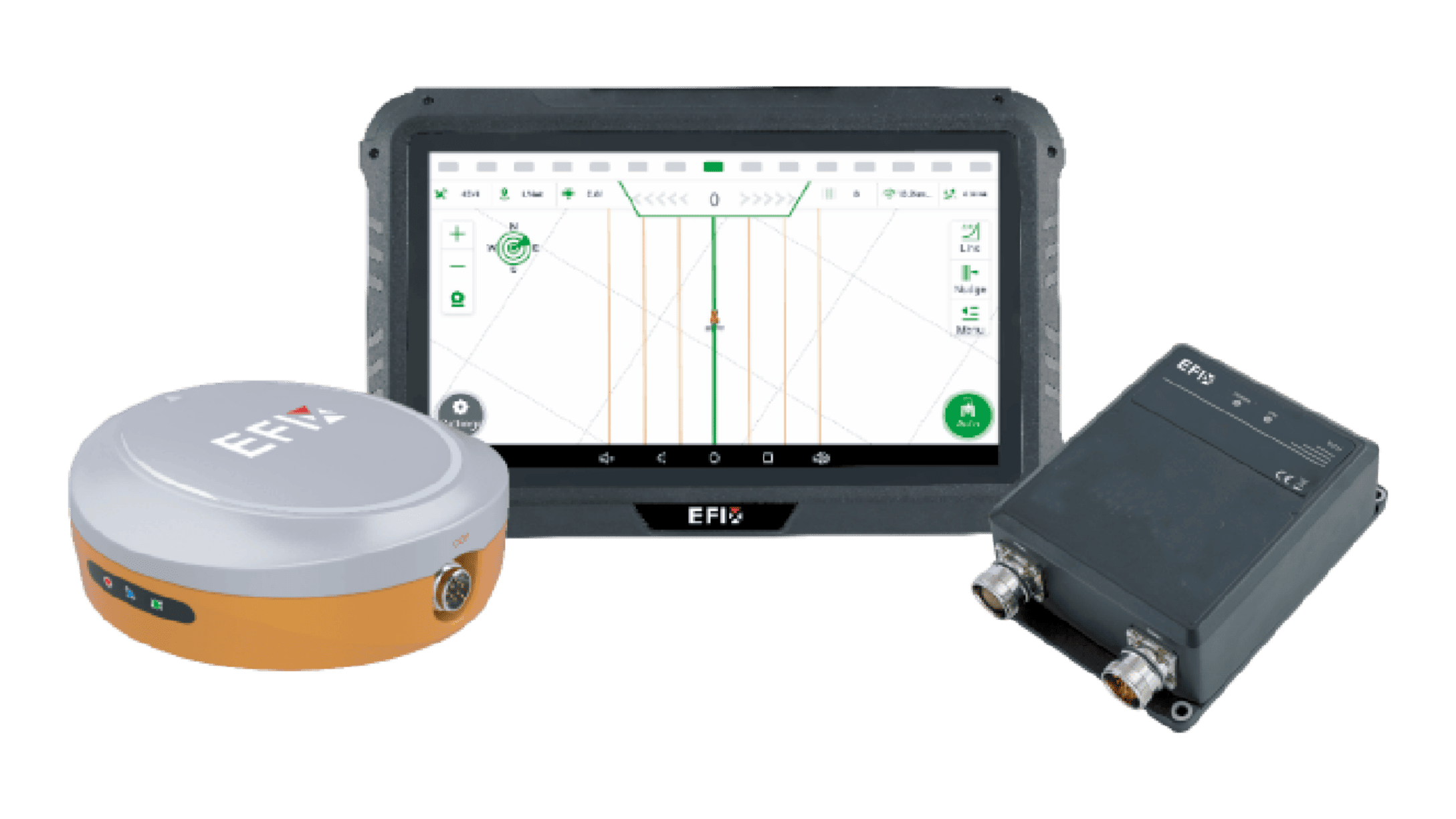
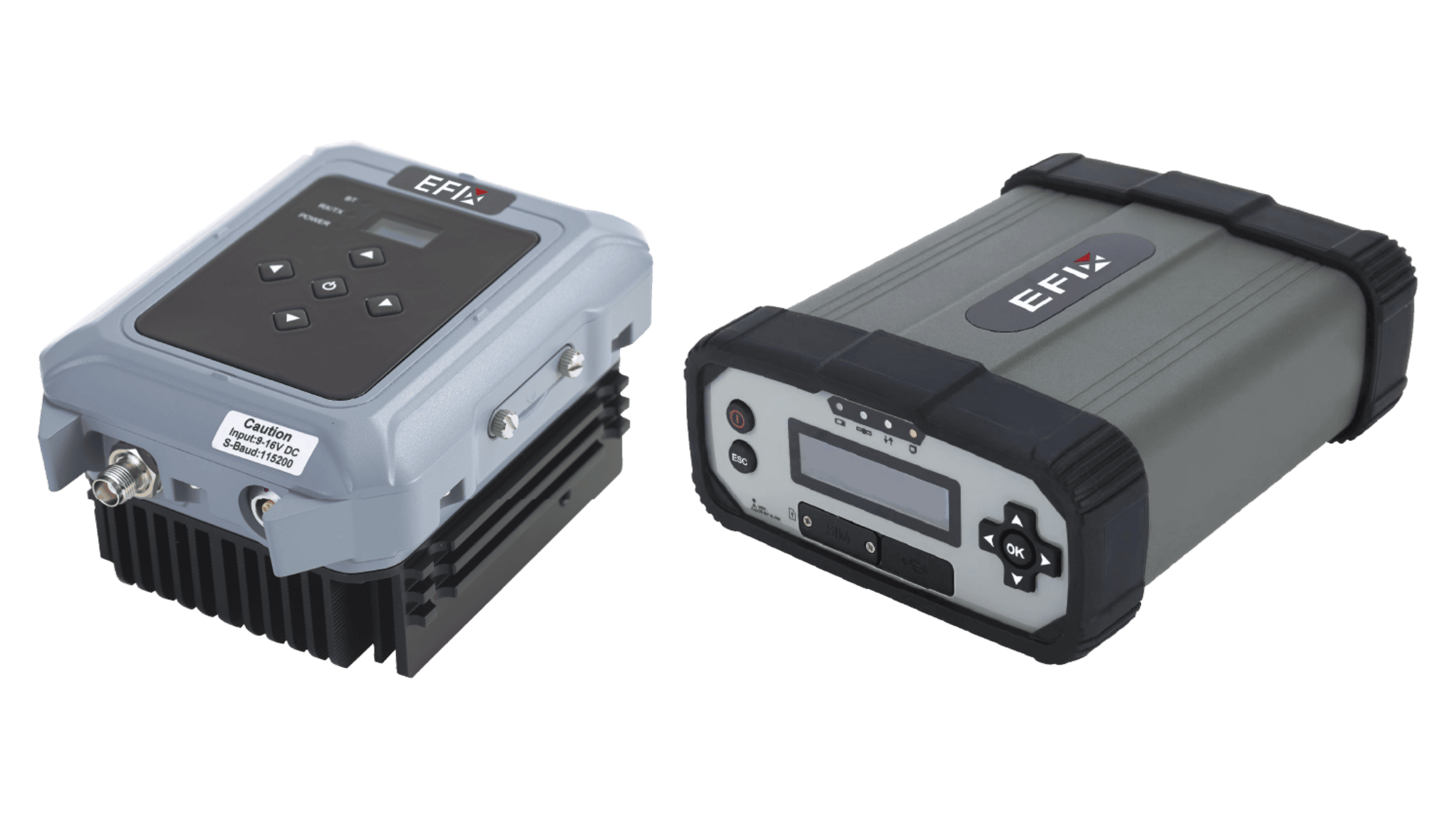
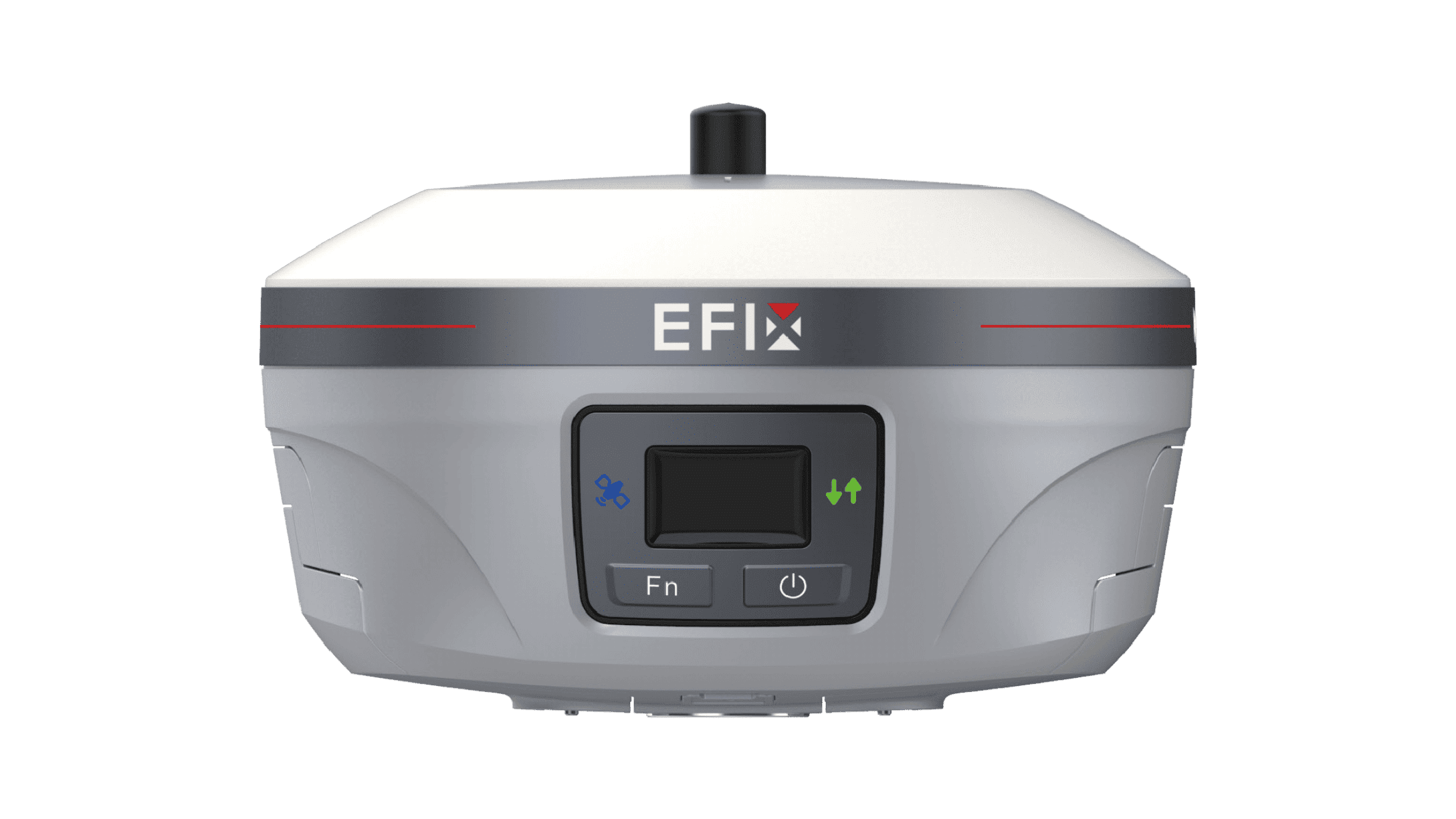
Choosing the right precision agriculture guidance system can make a meaningful difference in how efficiently farm machinery operates, especially as growers manage larger fields, tighter input budgets, and increasing pressure to reduce environmental costs. The right solution should do more than provide basic positioning. It should fit existing equipment, support accurate field operations, and remain practical as farming needs evolve. For us at EFIX, precision agriculture starts with understanding real field conditions and combining human expertise with machine intelligence. That means considering accuracy, compatibility, automation, technical support, and long-term scalability before selecting a guidance solution.
Assess Accuracy, Compatibility, and Field Conditions
Accuracy is one of the first factors to evaluate because different agricultural operations require different levels of positioning precision. Broad-acre farming operations may have different requirements from planting, spraying, or row-based cultivation. Farmers should consider whether a system supports the required GNSS correction service, how it performs across different field conditions, and whether the equipment can maintain reliable positioning throughout daily operations. Compatibility is equally important. A guidance solution should work effectively with the tractors and implements already used on the farm, while allowing room for future equipment upgrades. It is also useful to examine whether the system can integrate with other precision agriculture technologies instead of operating as an isolated tool. By assessing these factors together, growers can select technology that supports practical field workflows rather than simply choosing specifications that look impressive on paper.
Consider Automation and Application Control Needs
A modern guidance solution can provide value beyond visual navigation. Auto steering, application control, and other automation functions can help operators maintain more consistent passes, reduce unnecessary overlap, and manage inputs with greater precision. The appropriate level of automation depends on the farm's crops, machinery, field size, and operational priorities. For example, farms focused on reducing chemical or fertilizer waste may benefit from application control capabilities, while operations that run long hours may place greater importance on automated steering and operator workload reduction. At EFIX, we view GNSS, auto steering, application control, and OEM projects as parts of a broader precision agriculture ecosystem. Instead of adopting every available feature, growers can prioritize the functions that address their most important operational challenges and then expand their systems as their needs develop.
Evaluate Service, Support, and Long-Term Scalability
Technology performance is only one part of the selection process. Localized service and on-site support can be particularly valuable when farmers need installation assistance, troubleshooting, system configuration, or operator training. Technical knowledge also needs to remain accessible after the initial purchase, especially when agricultural technology is used by multiple operators with different levels of experience. A scalable partnership may include technical training, marketing support, and opportunities for collaboration that help businesses develop their precision agriculture capabilities over time. Our approach at EFIX focuses on localized teams, on-site support, and long-term cooperation because precision farming technology is most useful when it can adapt to real-world needs.
Conclusion
Selecting a precision agriculture guidance system should be based on the realities of the farm rather than a single technical specification. Accuracy, equipment compatibility, automation, application control, service availability, and future scalability all influence whether a solution can deliver practical value. By identifying operational priorities first and then matching technology to those needs, growers can make more informed decisions and build a stronger foundation for data-driven farming. At EFIX, we believe precision agriculture should remain field-first, scalable, and accessible, helping growers use technology to achieve more with less waste, less uncertainty, and lower environmental cost.