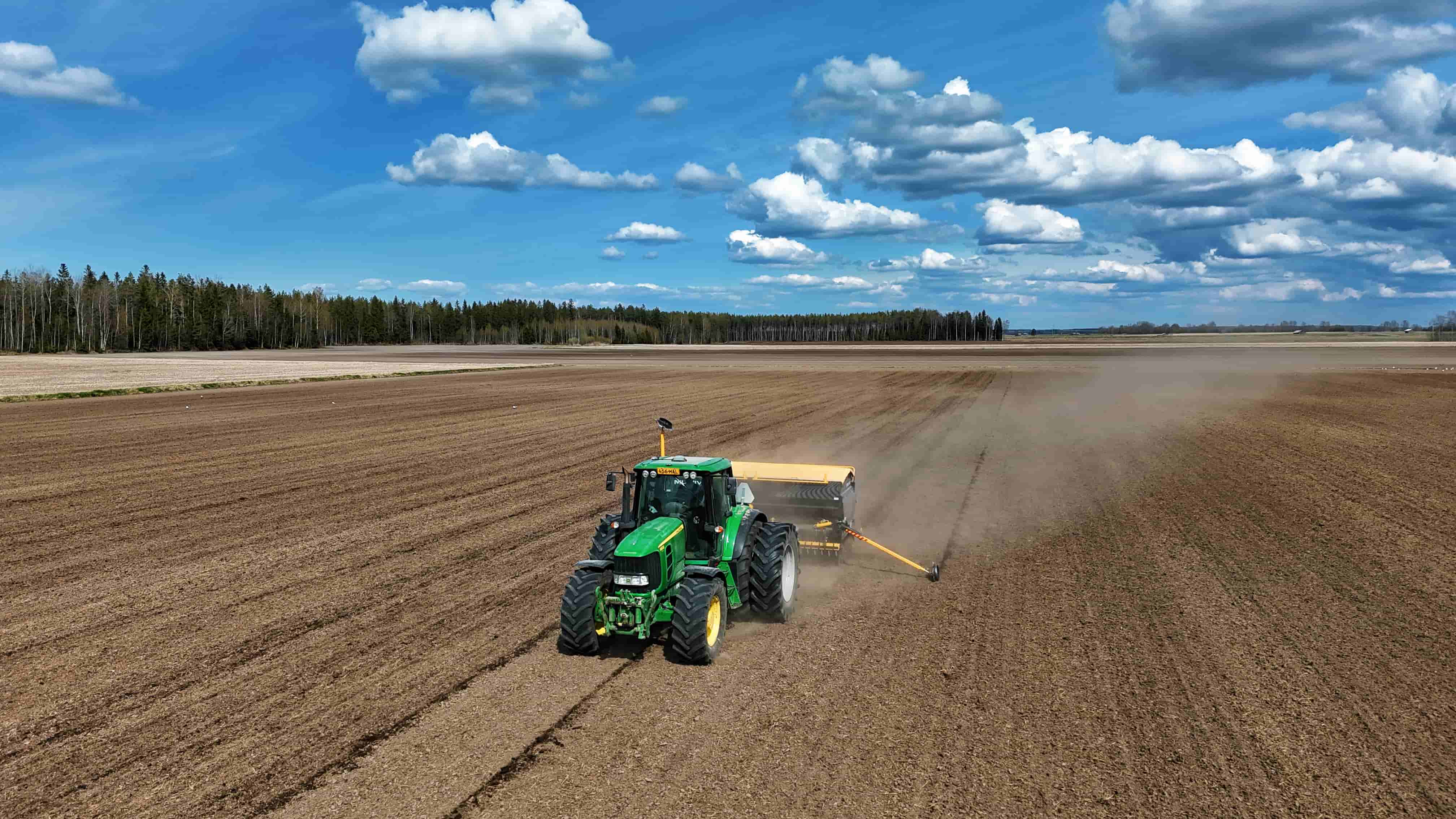
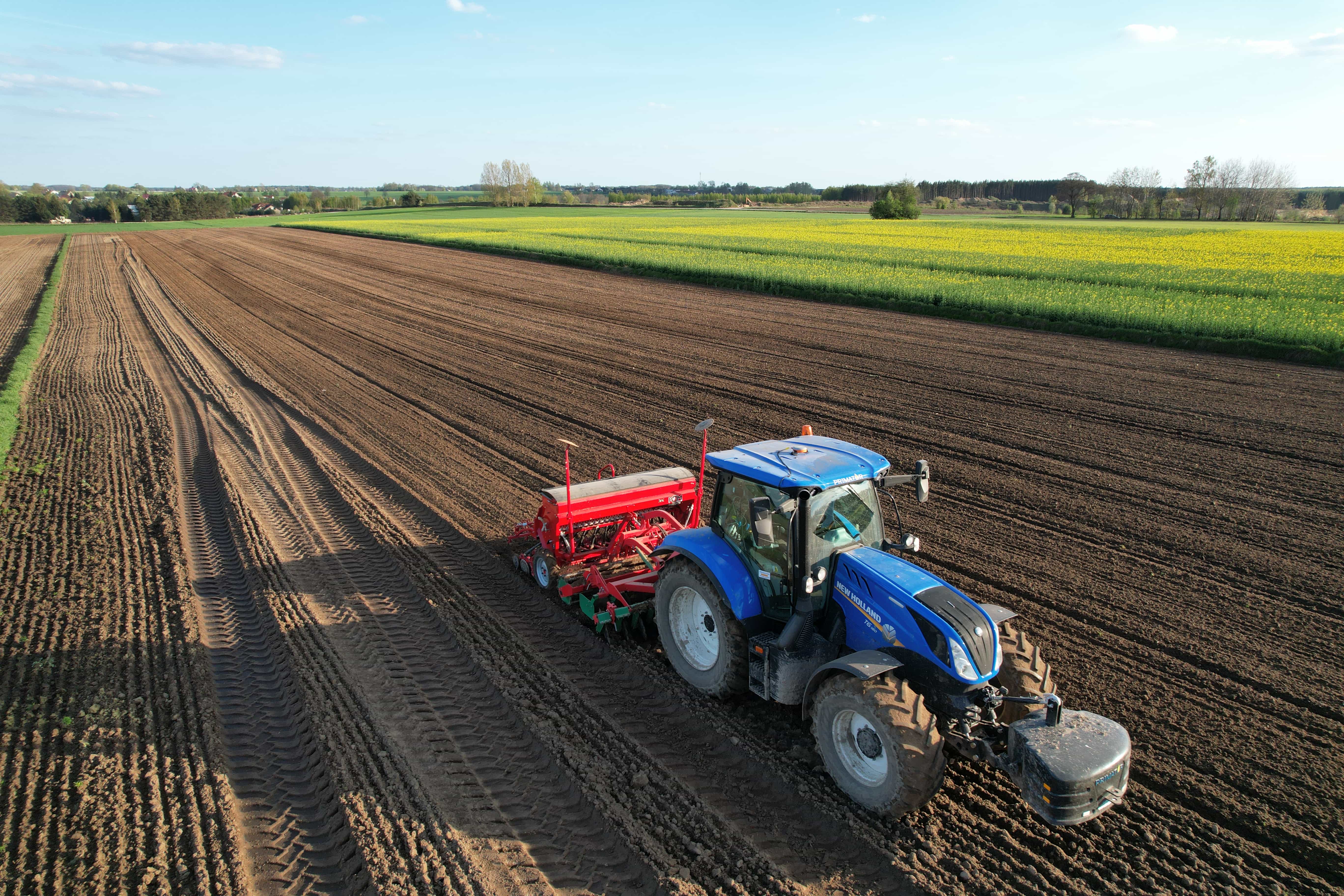
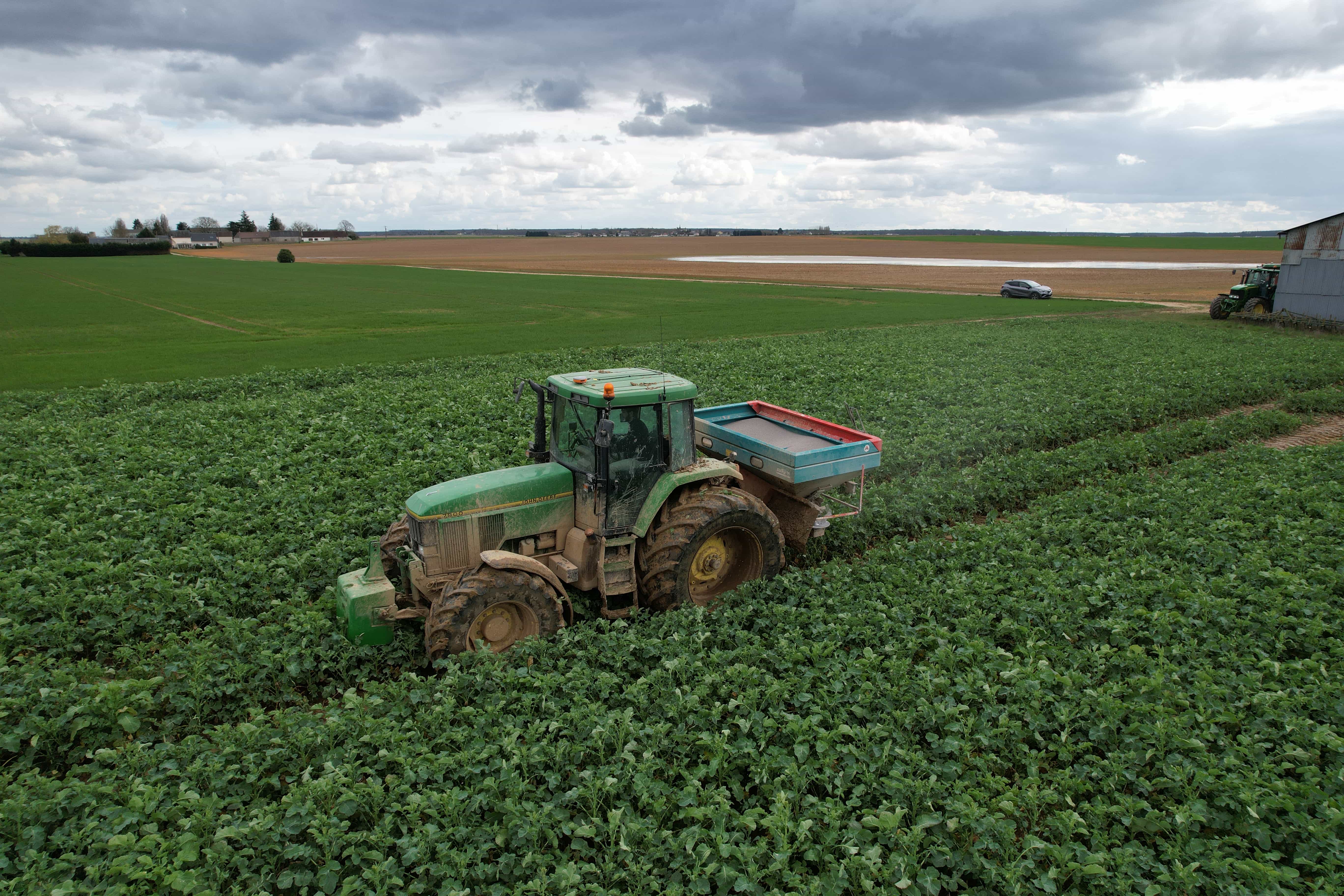
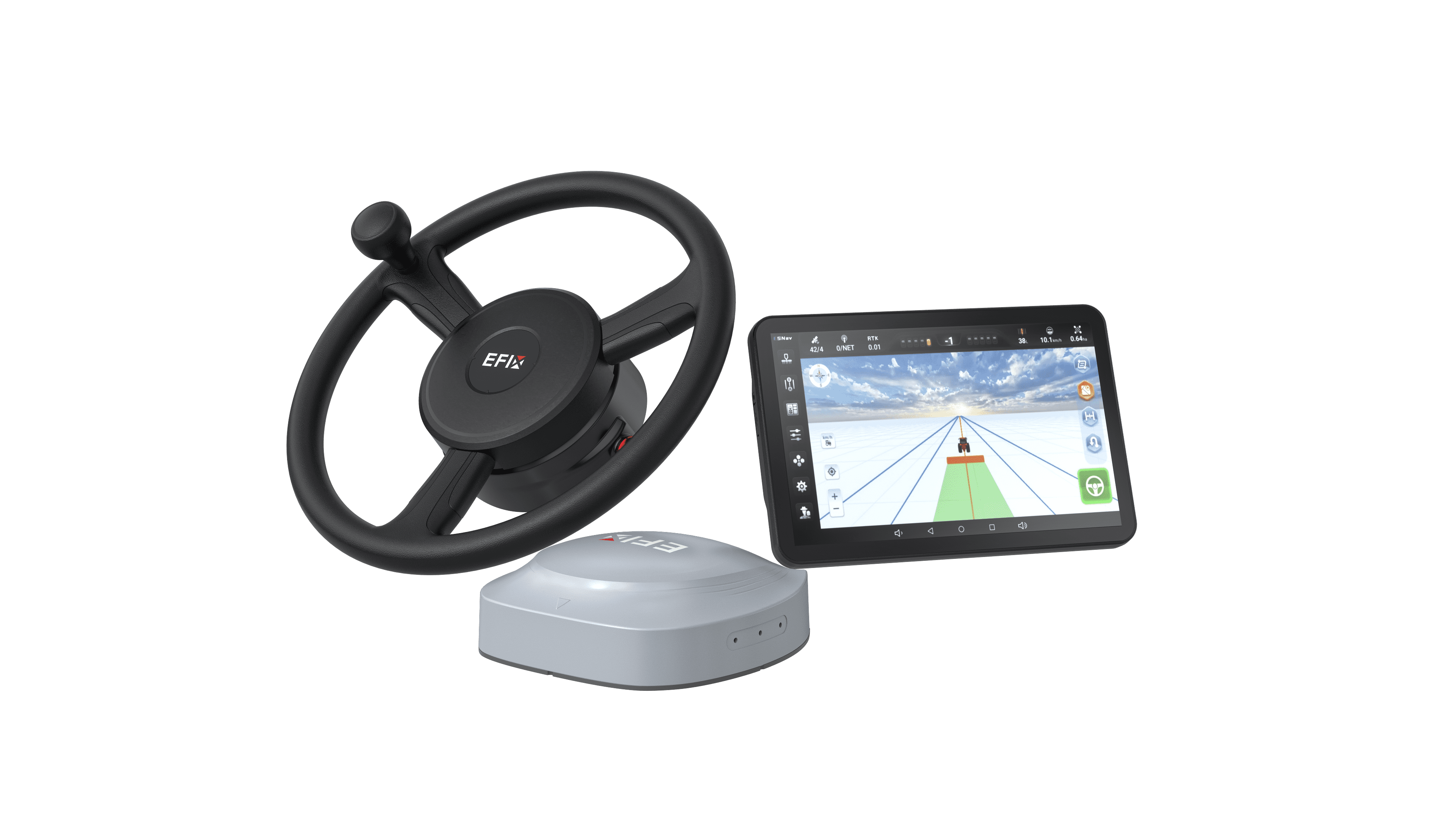
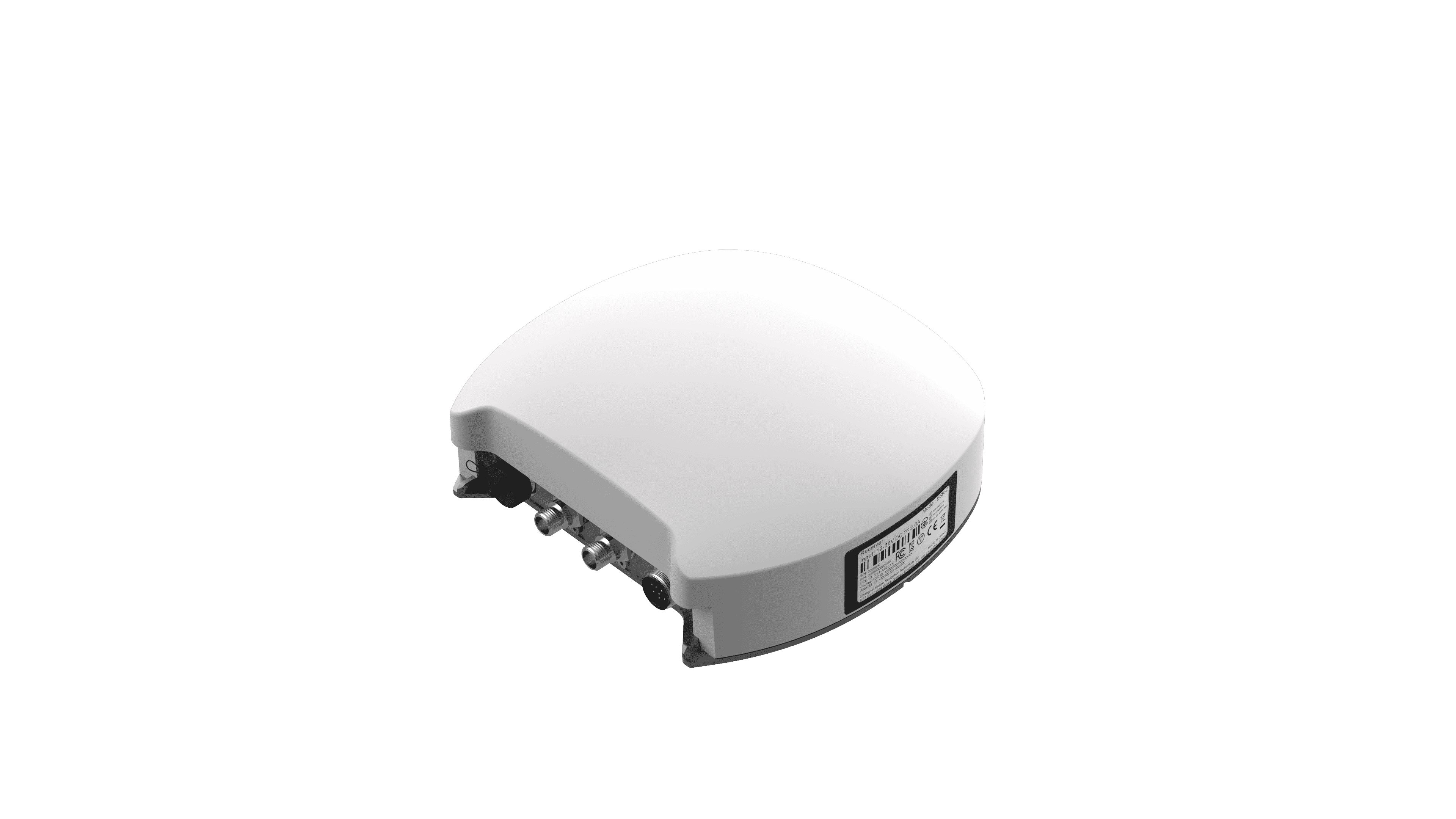
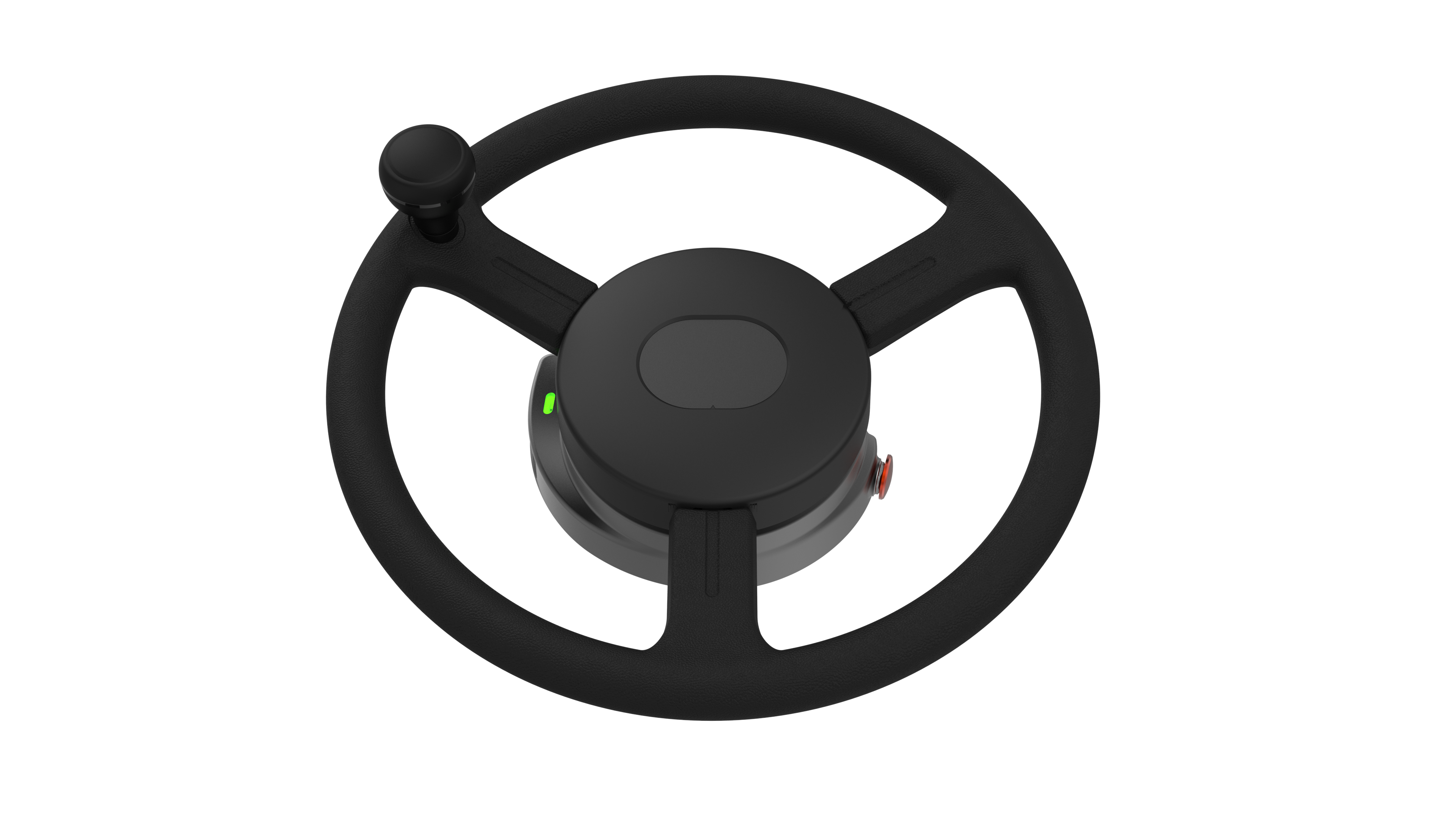
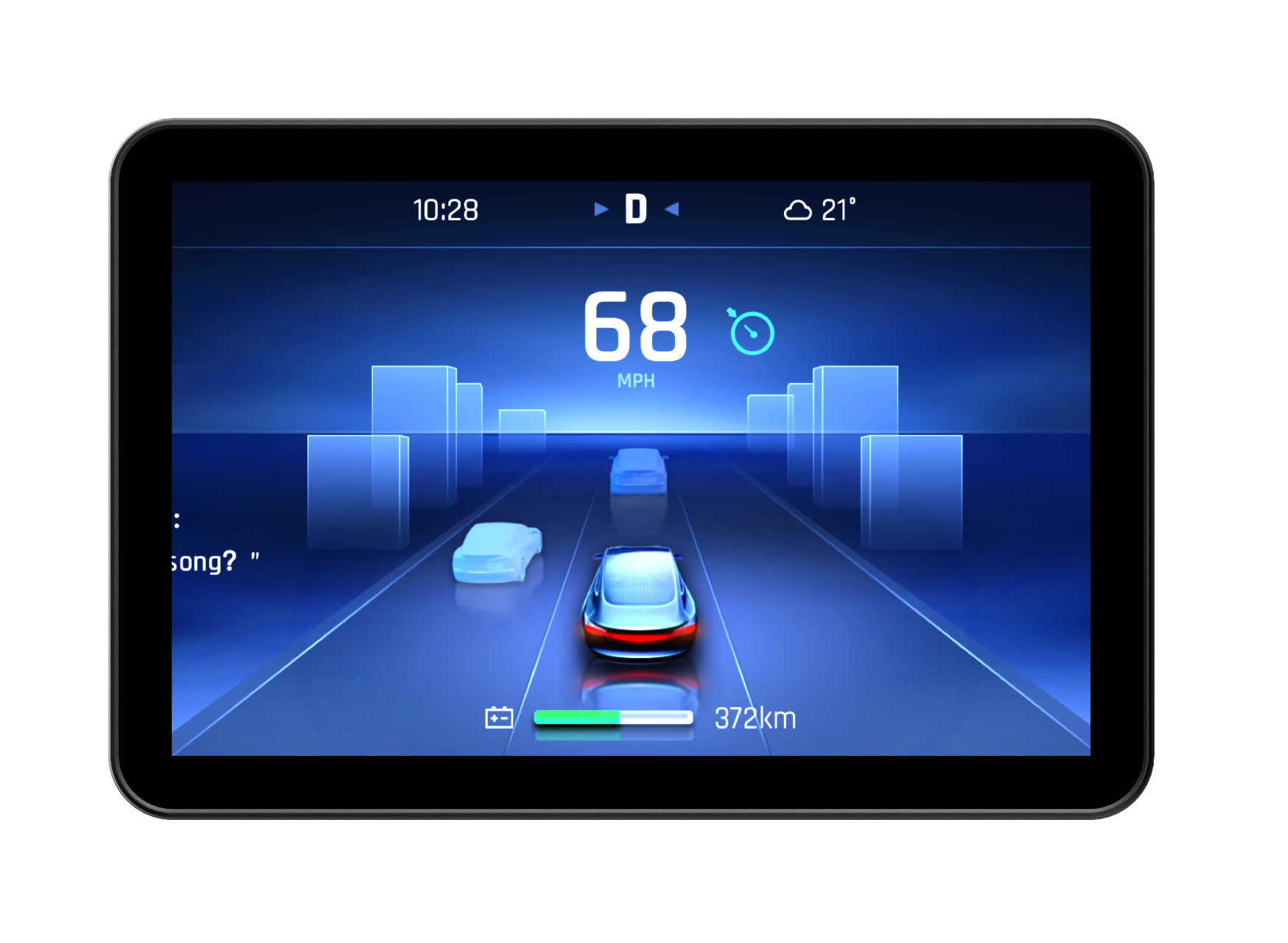
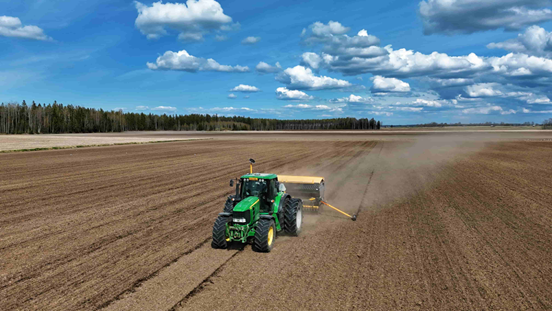
Farming has always involved uncertainty. Weather, soil conditions, input costs, and labor availability can all affect the final harvest. Today, digital tools are changing how growers respond to these challenges. Precision farming technology can help farmers collect better field information, improve machinery operations, and use resources more carefully. But the real question is whether the investment creates enough value to justify its cost. The answer depends on farm size, crop type, existing equipment, and the specific problems a grower wants to solve. For us at EFIX, the value of agricultural technology comes from its ability to support practical decisions in real farming environments.
Where Precision Technology Creates Real Value
The financial value of smart farming tools often comes from small improvements that add up over time. More accurate guidance can help reduce unnecessary overlap during field operations. Better application control can support more precise use of seeds, fertilizers, and crop protection products. These changes may reduce input waste and improve the consistency of daily work. Automation can also help reduce operator workload, especially during long working hours or repetitive tasks. However, not every farm needs the same level of technology. A grower should first identify where the biggest costs or inefficiencies occur. If overlap is a major issue, guidance and auto steering may be useful. If input management is the main concern, application control may offer greater value. This problem-first approach can make technology investments more practical.
What to Consider Before Investing
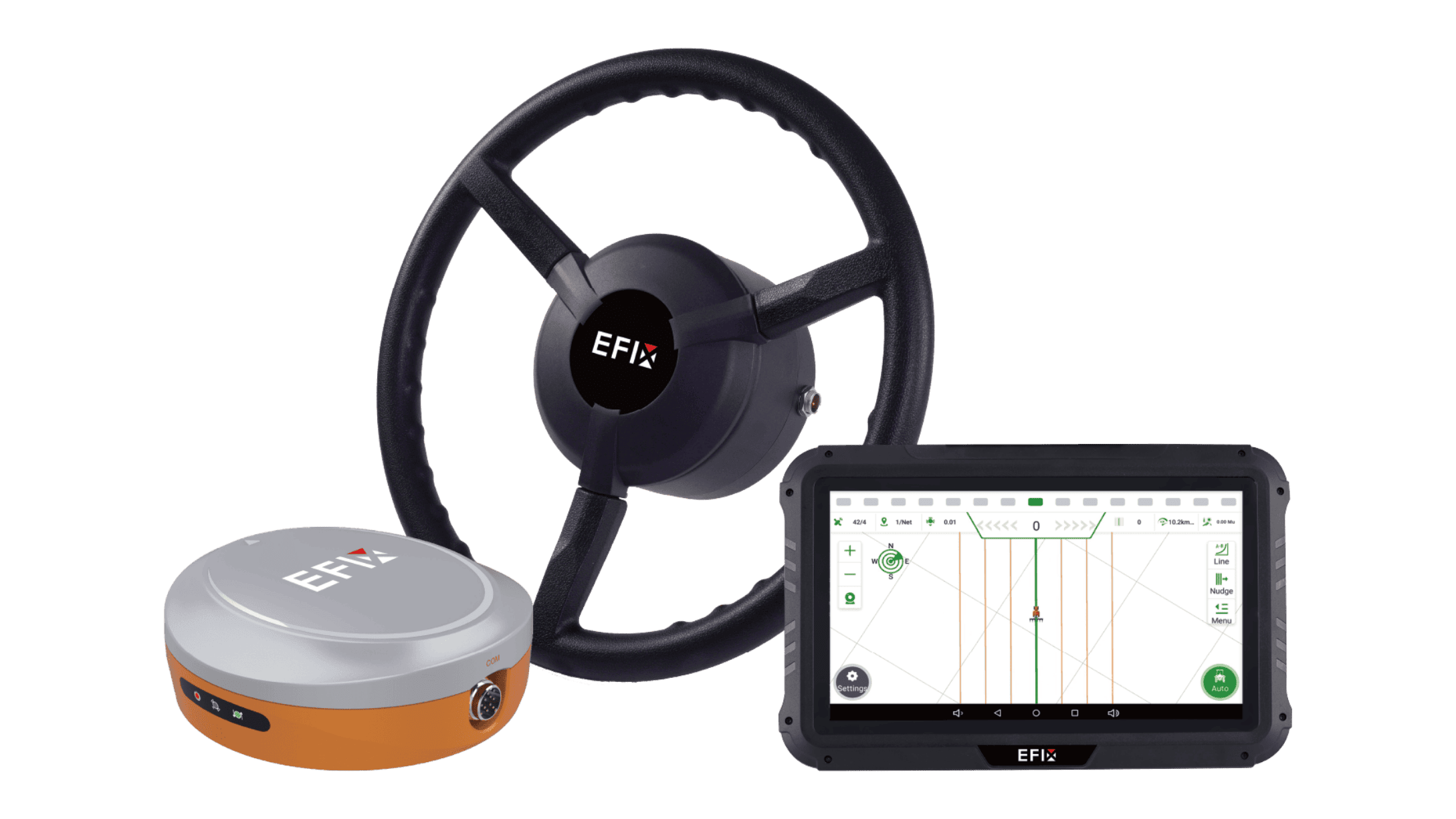
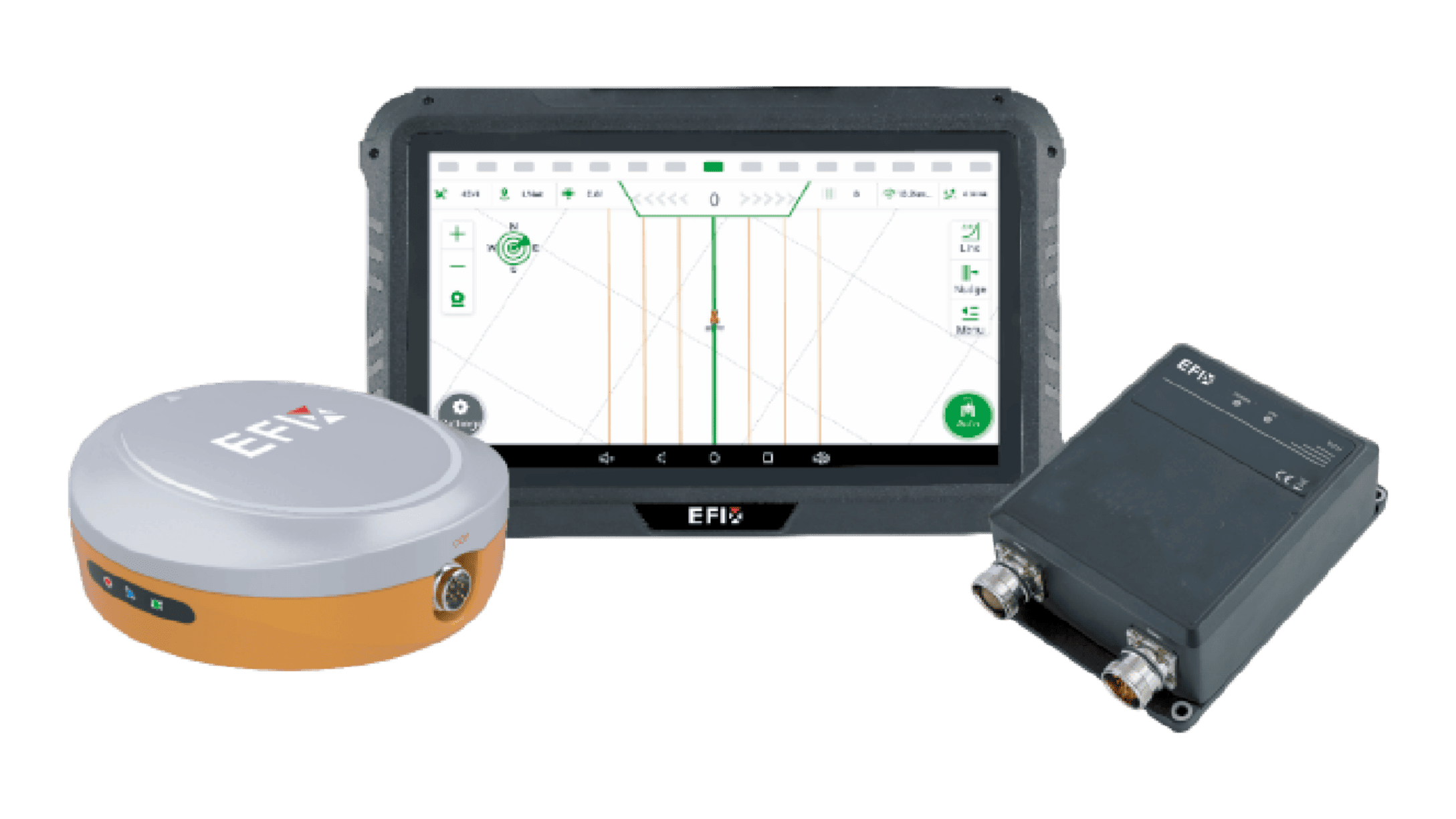
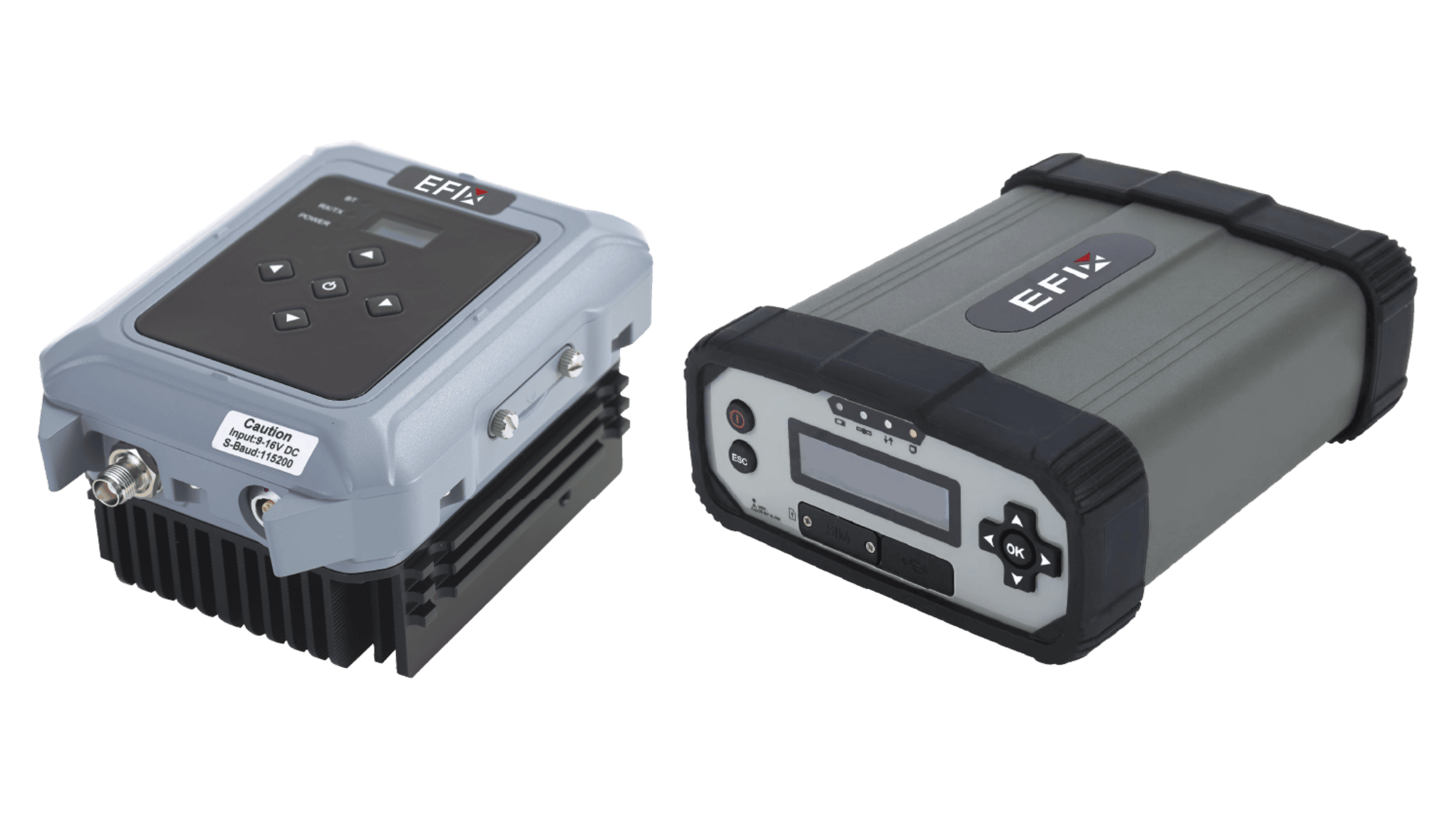
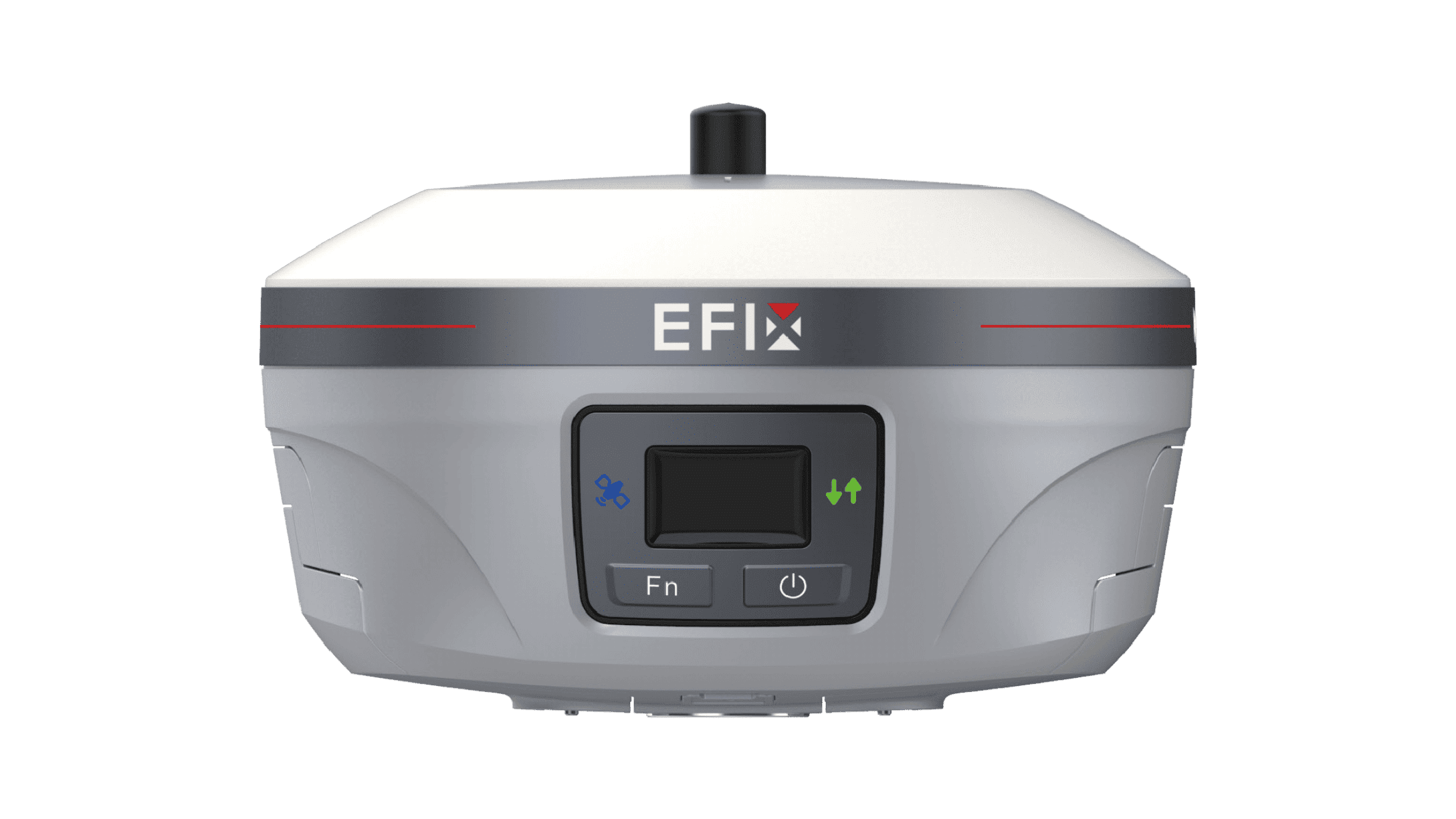
The initial purchase price is only one part of the investment. Farmers should also consider installation, system compatibility, training, maintenance, and future upgrades. A solution that works with existing tractors and implements may offer better long-term value than one that requires major equipment changes. Connectivity and correction services are also important factors for farms that depend on accurate positioning. It is useful to check how easily the system can adapt to different machines and field operations. At EFIX, we work with GNSS, auto steering, application control, and OEM projects because different farms have different technology needs. Our goal is to help users consider the complete farming workflow instead of focusing on one feature or specification.
How the Right Technology Supports Long-Term Farming
The value of digital agriculture can become clearer as a farm grows. A system that starts with basic guidance may later support more advanced automation or application control. This allows farmers to develop their technology setup according to changing needs and available budgets. Support is also an important part of long-term value. Localized service, on-site support, and technical training can make it easier for operators to use new systems effectively. For agricultural businesses and technology partners, marketing support and leads sharing can also contribute to wider adoption. Our approach at EFIX focuses on building long-term partnerships and providing localized support. With the right planning, technology can become part of a wider farming strategy rather than a one-time equipment purchase.
Conclusion
So, is precision farming technology worth the investment? In many cases, it can be, but the value depends on how well the technology matches real operational needs. Farmers should compare expected benefits with total costs and consider factors such as input savings, labor efficiency, equipment compatibility, and future expansion. A practical approach is to start with a clear problem and select tools that can address it. For us at EFIX, precision agriculture is about helping farms of different sizes use technology in practical ways. With careful planning and the right support, digital tools can help growers work with greater precision while using fewer resources and managing uncertainty more effectively.