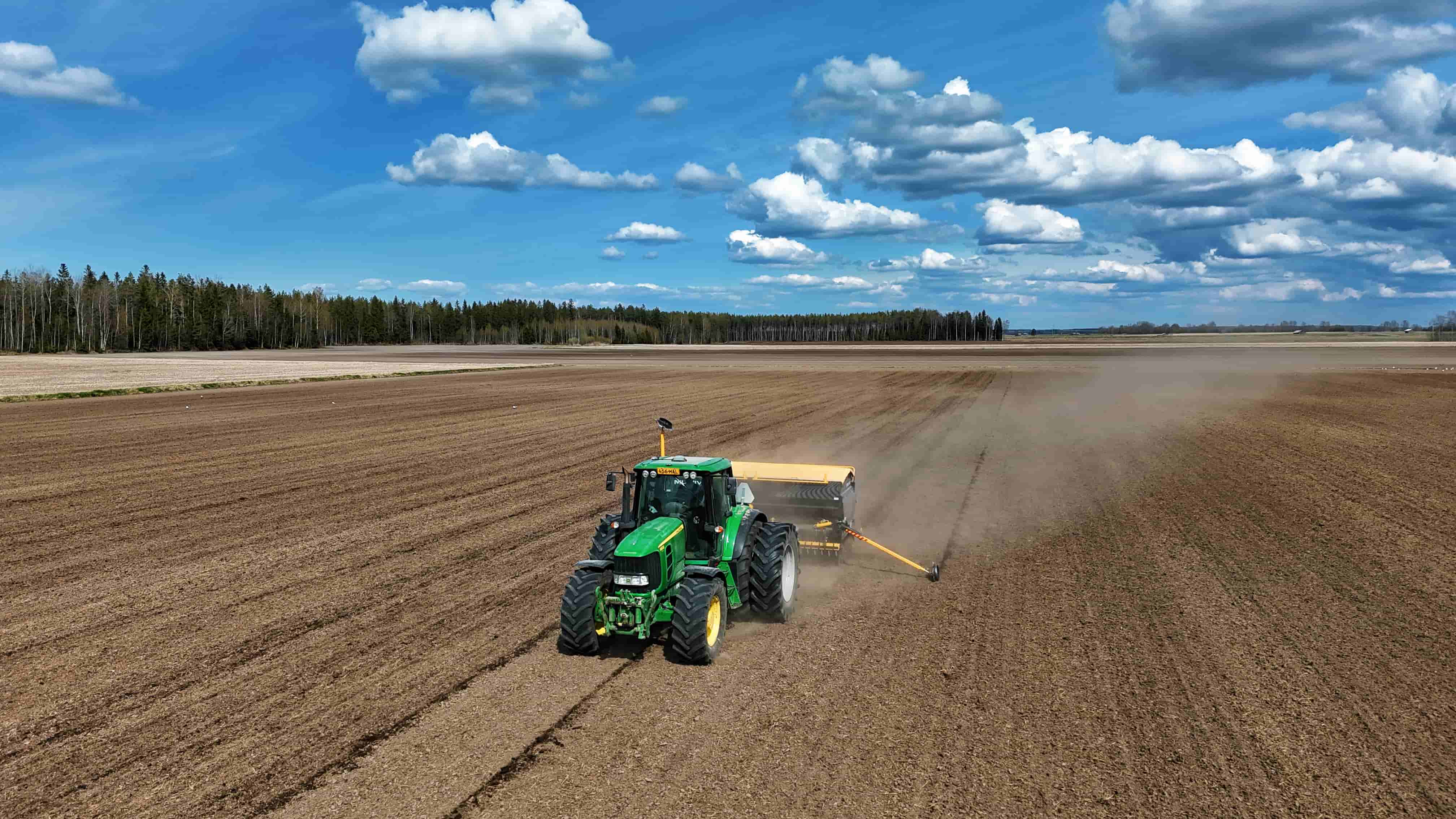
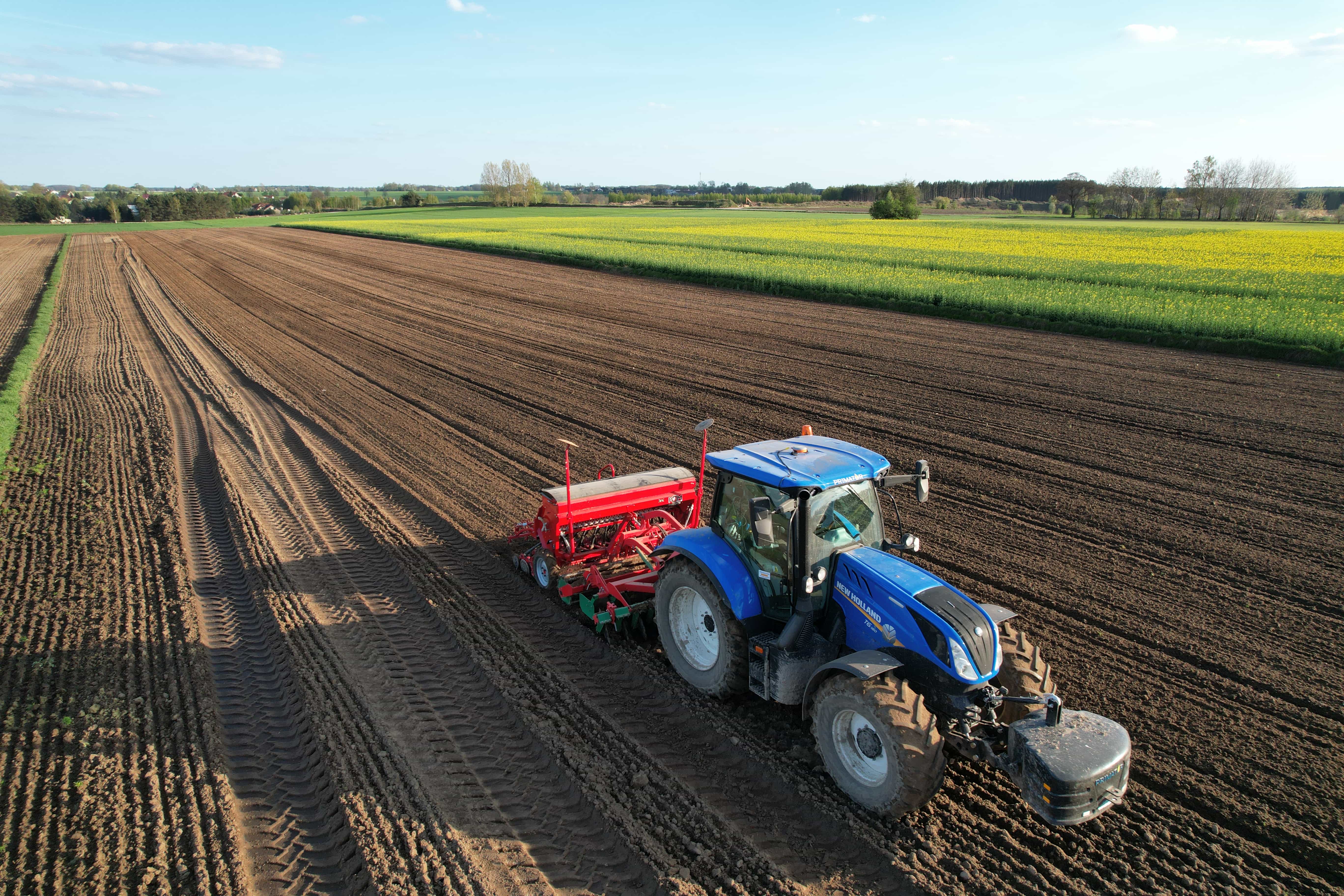
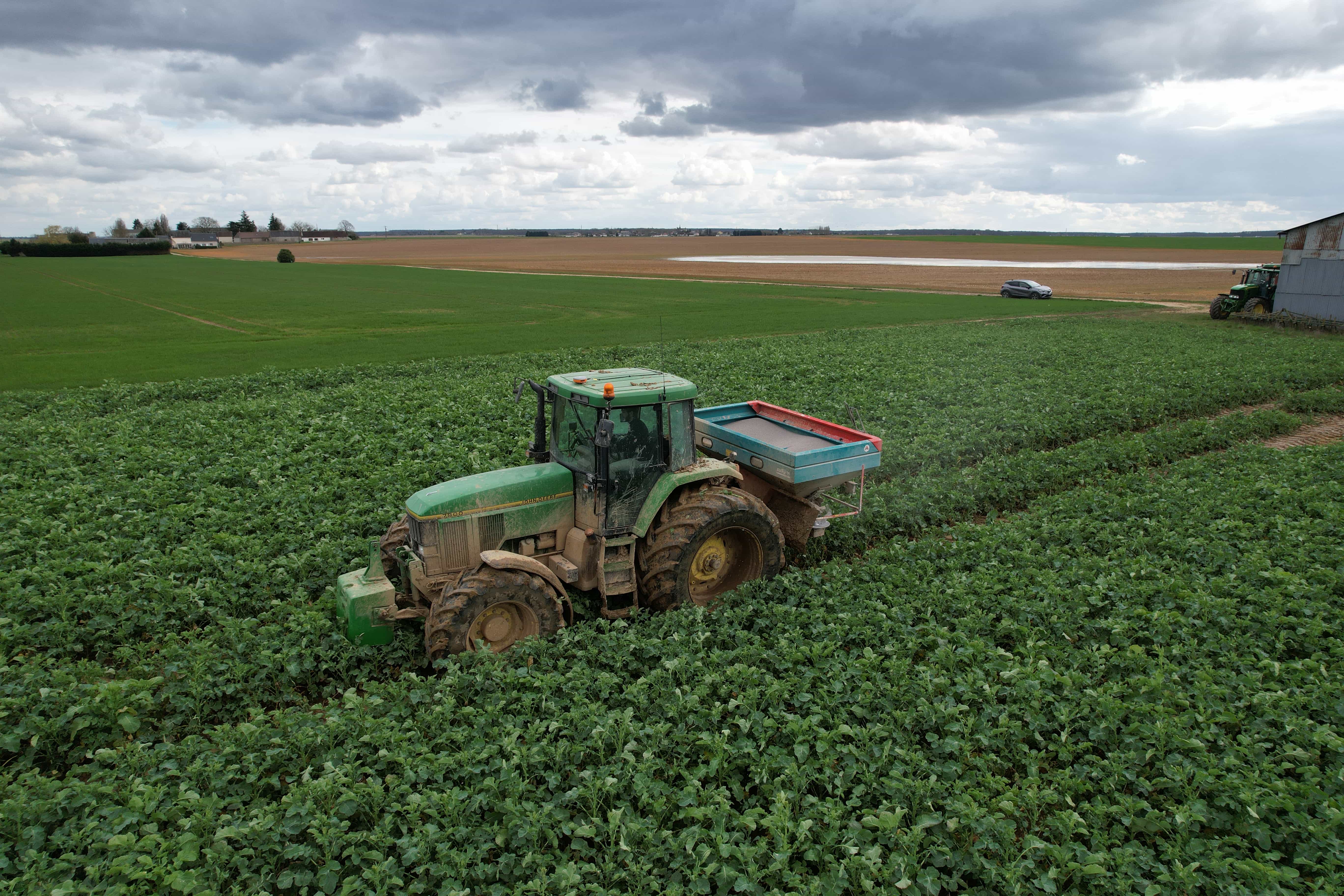
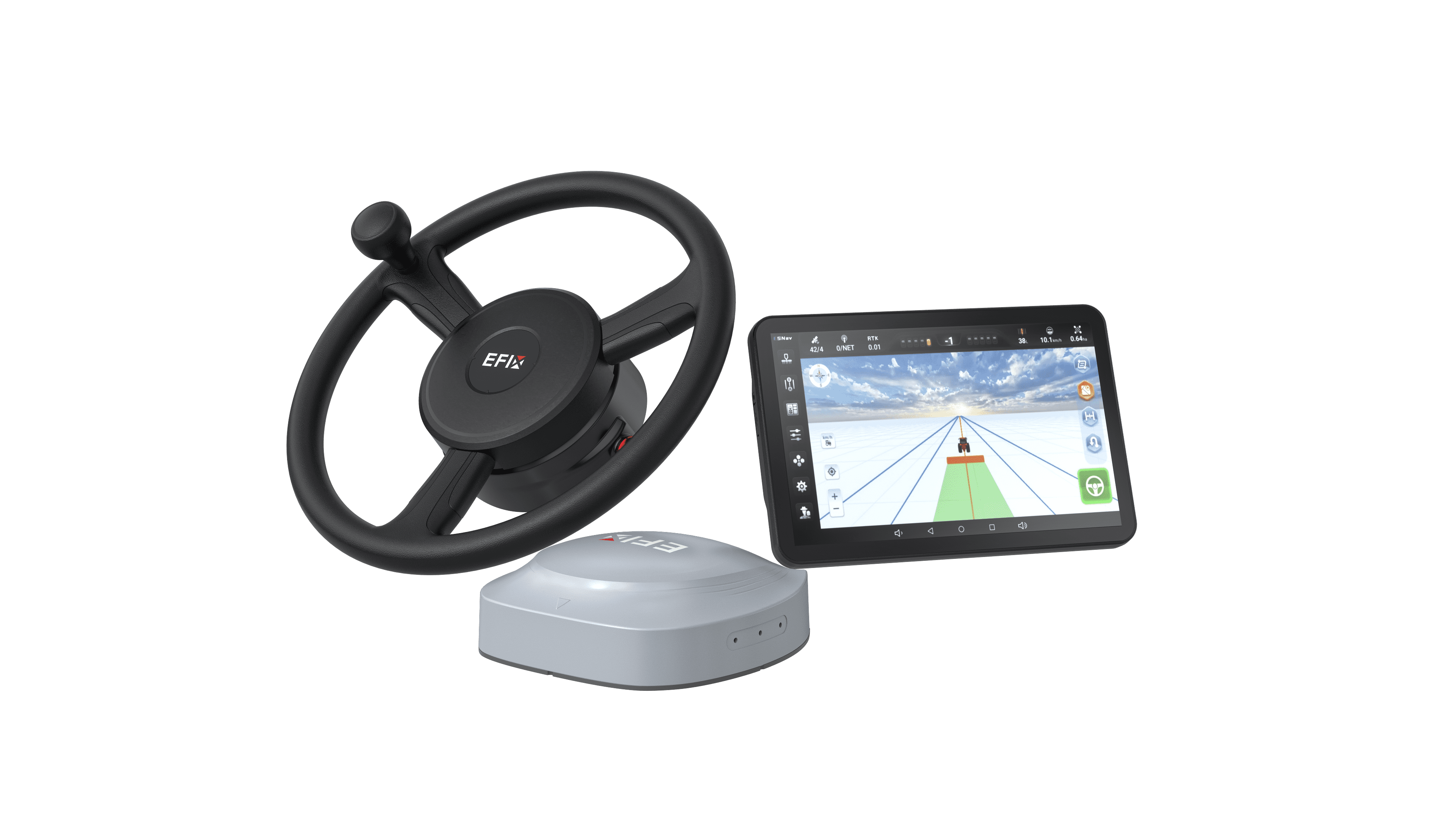
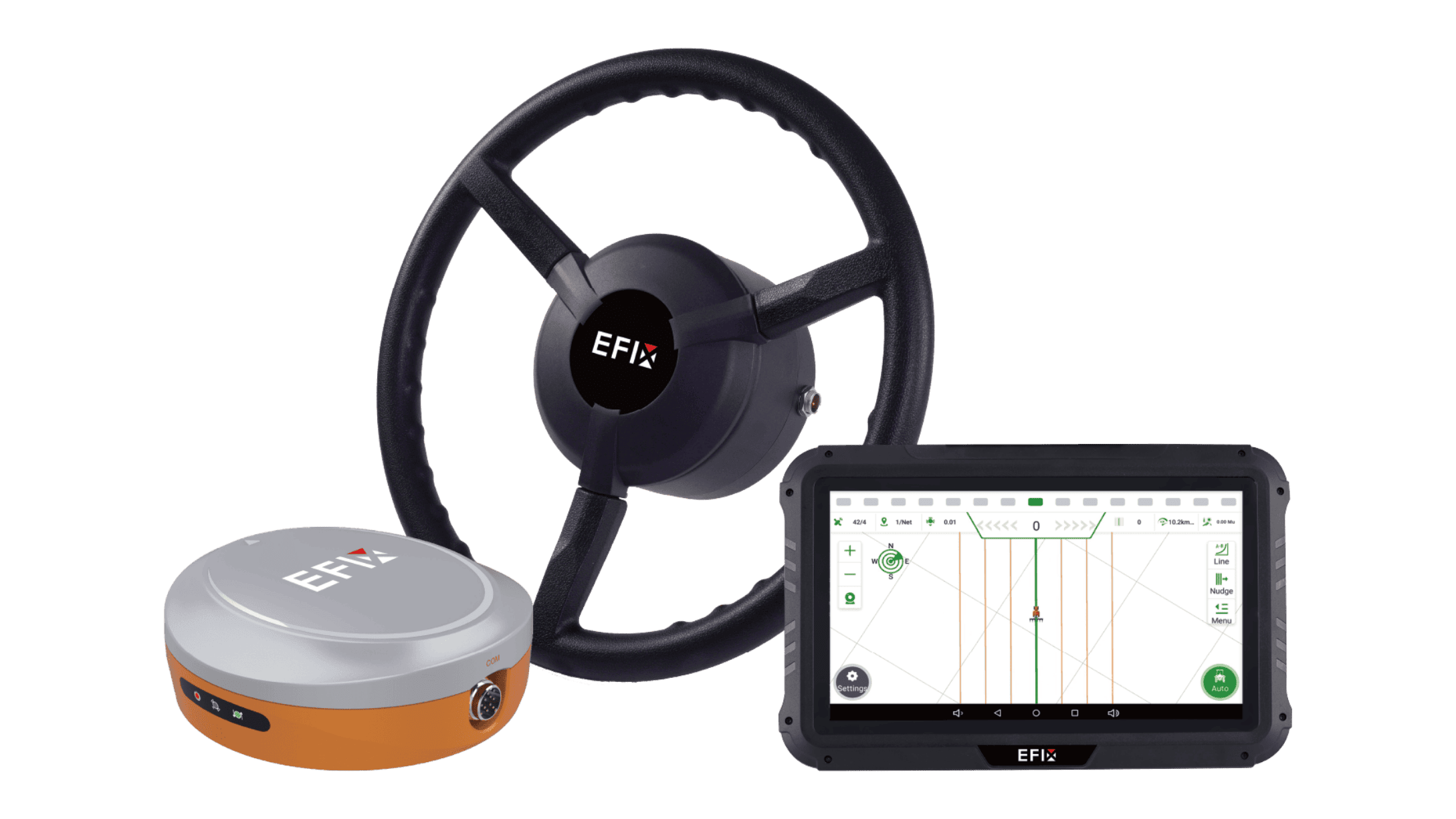
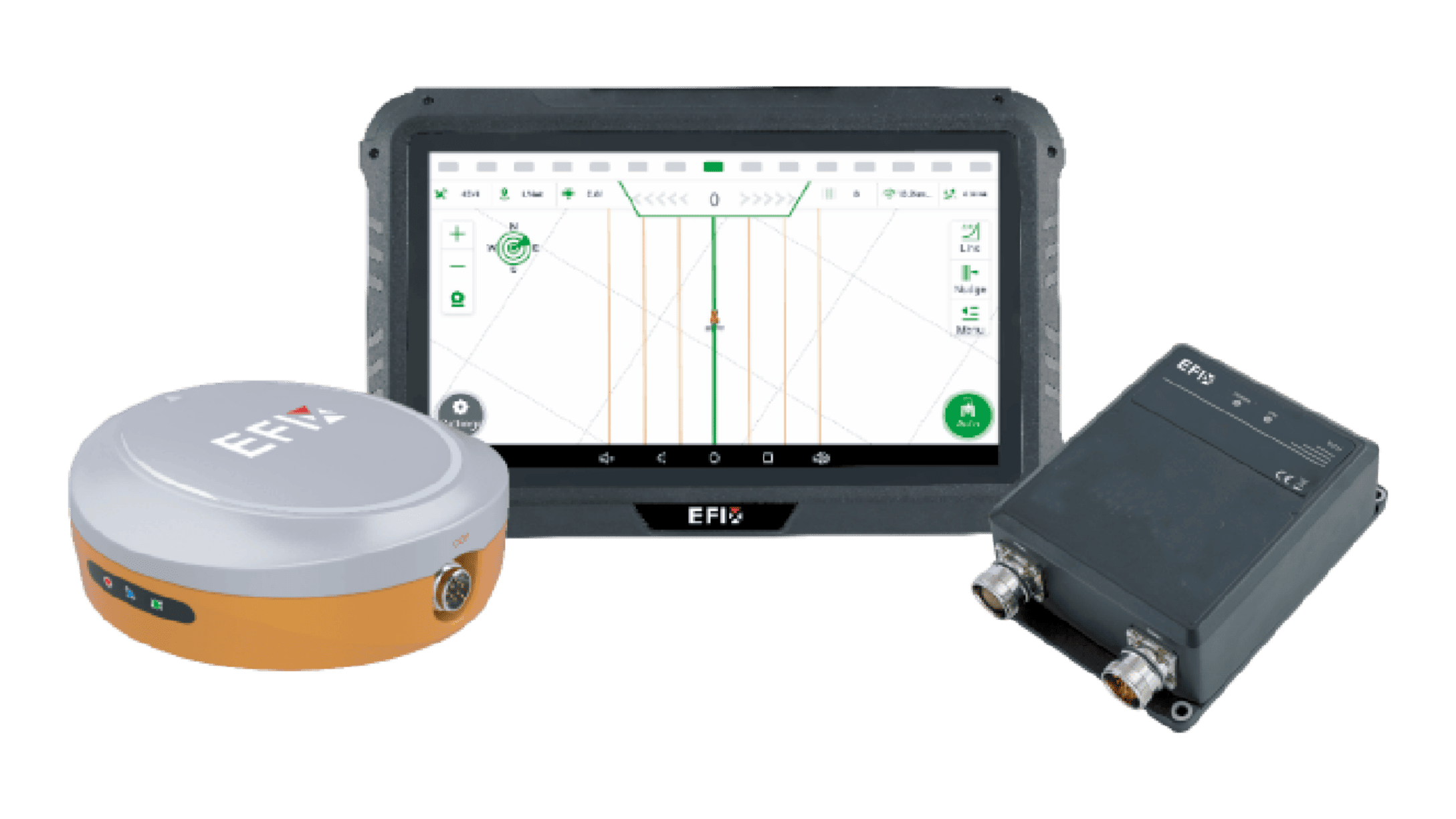
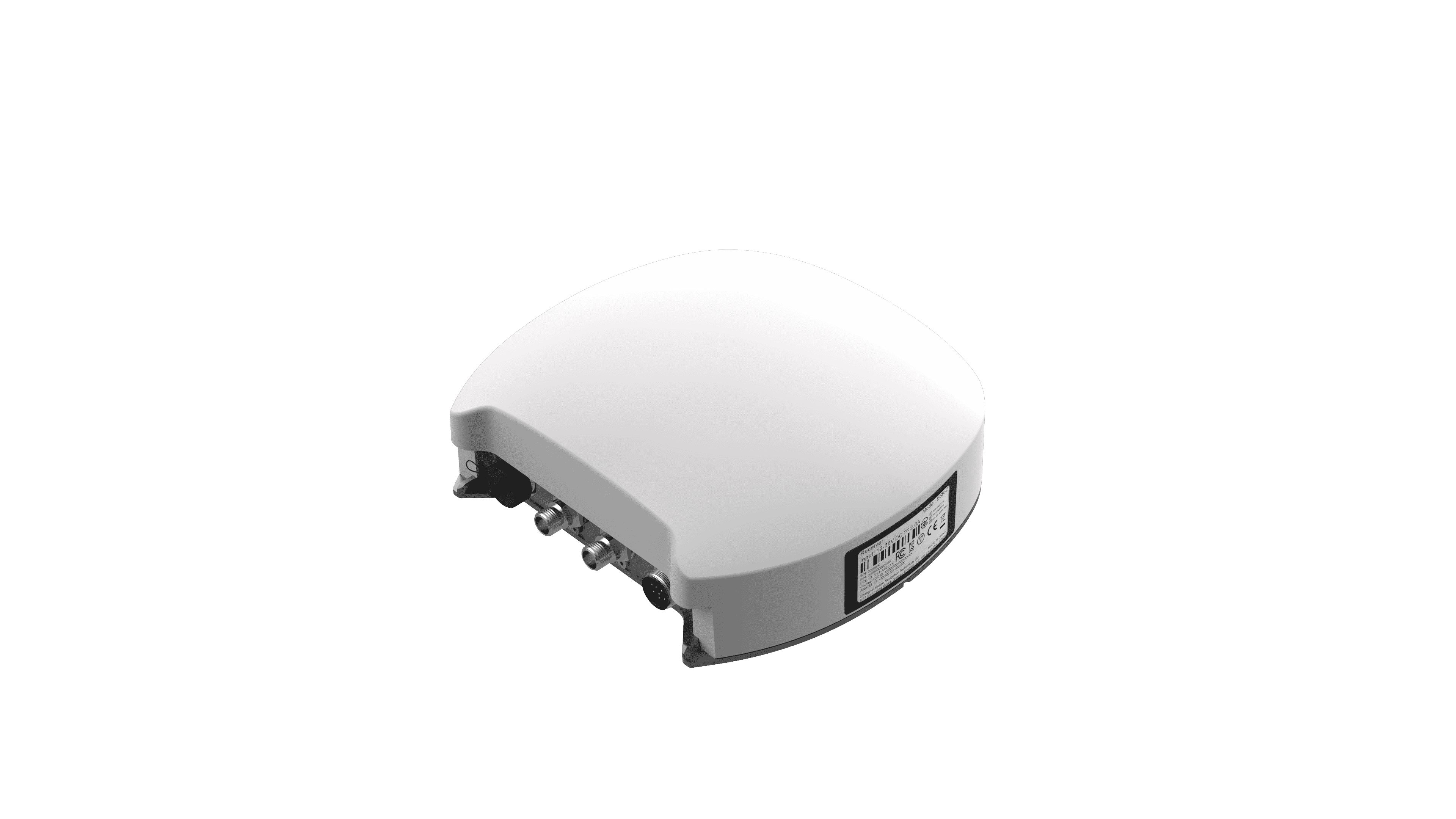
Automated steering can make field operations easier, but good results depend on how the technology is used. Farmers need to plan routes, select suitable guidance patterns, and adjust their approach to different field layouts. A tractor auto steering solution can support more consistent machine movement, but it should work as part of a wider field management process. Before starting work, operators should understand the field boundaries, identify potential obstacles, and choose a suitable path. At EFIX, we believe practical use is just as important as technical performance when applying precision agriculture technology.

Plan Guidance Paths Before Fieldwork
Good preparation can improve the efficiency of automated field operations. Operators should first review the field shape and identify areas that may require special handling. Headlands, irregular boundaries, and narrow sections can affect how a machine moves between passes. Creating guidance paths in advance can reduce unnecessary adjustments during work. It is also useful to check the machine and implement setup before entering the field. A well-planned route allows a tractor auto steering system to work more smoothly and helps operators focus on monitoring the equipment and surrounding conditions.
Match Guidance Patterns to Field Layouts
Different fields require different guidance strategies. Straight fields may work well with simple AB lines, while irregular areas may benefit from curved or angled paths. The eSteer 10 supports several guidance patterns, including AB straight line, A+ line, two types of curve lines, irregular rake line, and 90-degree line. These options give operators more flexibility when working across different field shapes. Instead of using the same path for every task, farmers can select a pattern that matches the field layout. This can make tractor auto steering more practical for farms with varied terrain and operating conditions.
Build Good Operating Habits
Technology does not replace operator awareness. Farmers should monitor the machine throughout the operation and be ready to take manual control if field conditions change. Regular checks of the steering system, positioning data, and equipment setup can also help maintain stable performance. Operators should become familiar with the available guidance modes and practice switching between them before using them during important fieldwork. Training is especially useful when several people operate the same machinery. These habits can help farmers use automated steering as a reliable part of their daily workflow rather than treating it as a standalone feature.
Conclusion
Using a tractor auto steering system effectively requires preparation, suitable guidance paths, and active operator monitoring. Farmers can gain more value by matching guidance patterns to field layouts and developing clear operating procedures. The goal is not simply to automate steering but to make field operations more consistent and easier to manage. At EFIX, we focus on practical precision agriculture solutions that can adapt to different farming conditions. By combining suitable technology with good field planning, farmers can build a more efficient and flexible approach to modern agricultural operations.