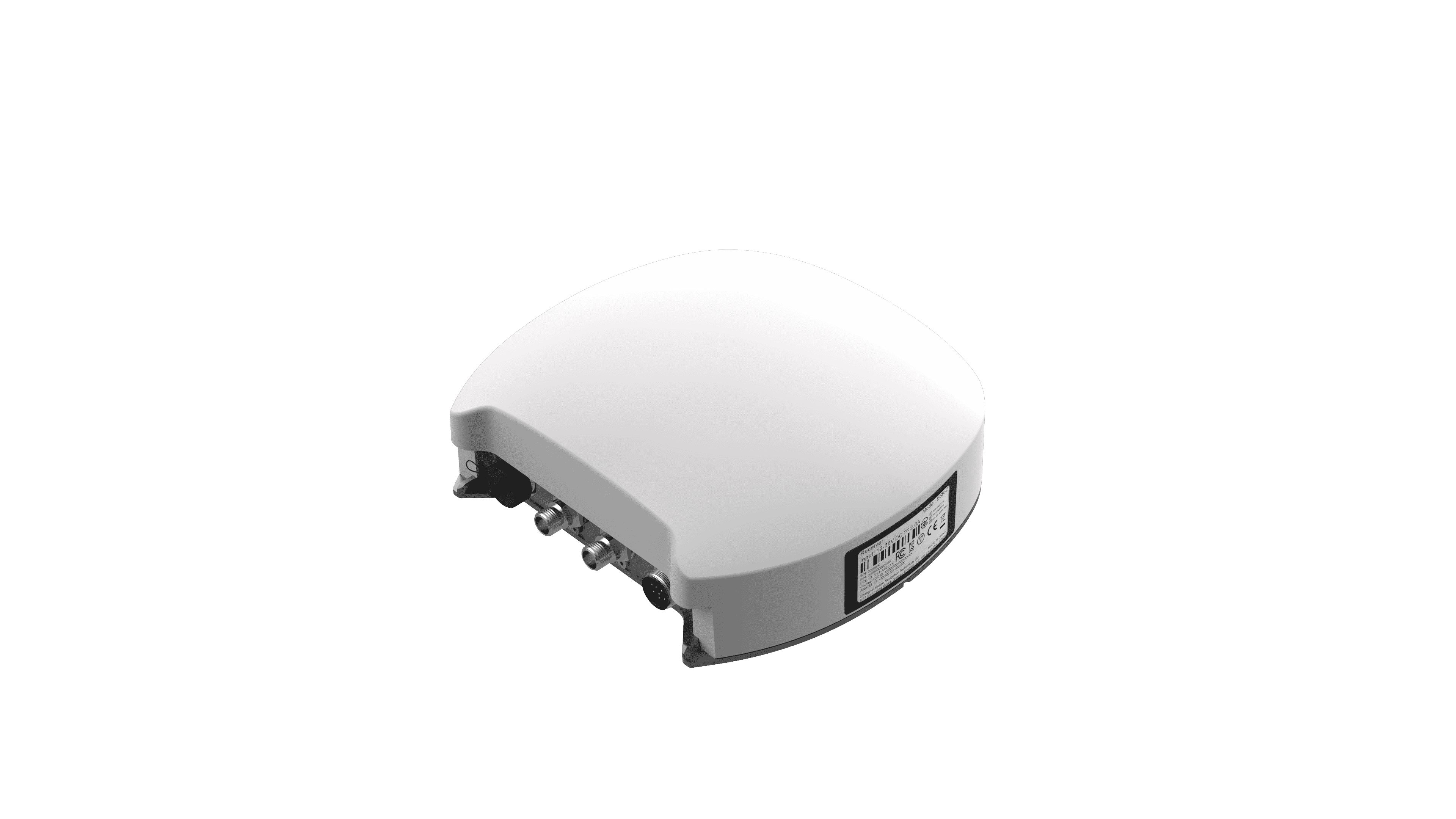
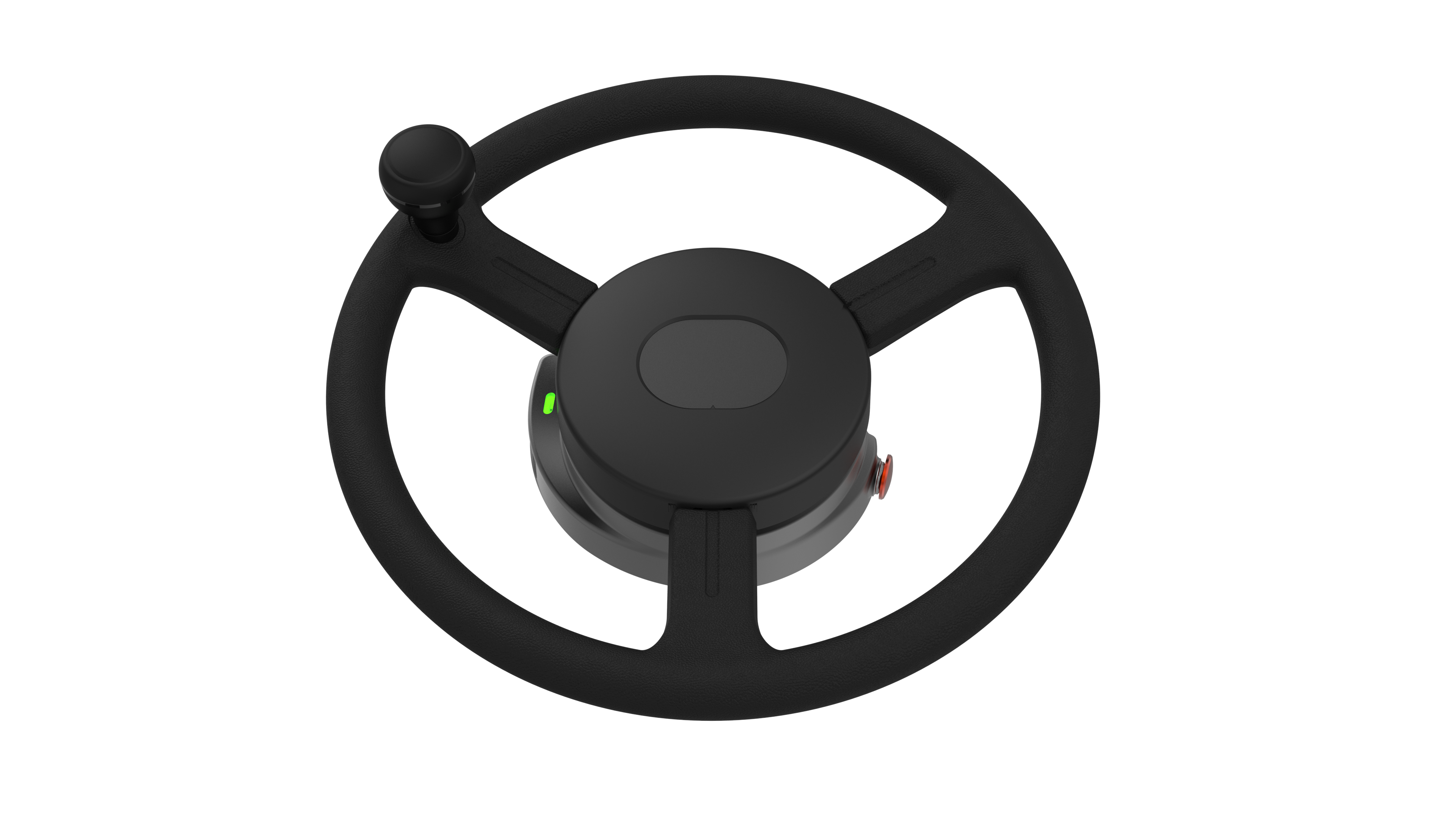
Proper calibration is an important step before using automated steering in daily farm operations. Even a well-integrated system may not perform as expected if vehicle settings, steering response, or positioning parameters are not configured correctly. A steer ready autosteering system should be calibrated according to the vehicle and working conditions rather than treated as a simple plug-and-play solution. At EFIX, we focus on practical agricultural technology, so we recommend taking time to check the vehicle, complete the setup, and test the system before starting important fieldwork.
Prepare the Vehicle Before Calibration
Before calibration begins, the vehicle should be in suitable working condition. Check tire pressure, steering components, and wheel alignment because mechanical issues can affect automated steering performance. The vehicle should also be placed on a reasonably flat and open surface for initial testing. Operators should confirm that the system is correctly connected to the vehicle and that the steering interface is responding normally. Taking care of these basic checks first can make the calibration process more stable and help identify potential problems before field operations begin.
Check Steering Response and System Settings
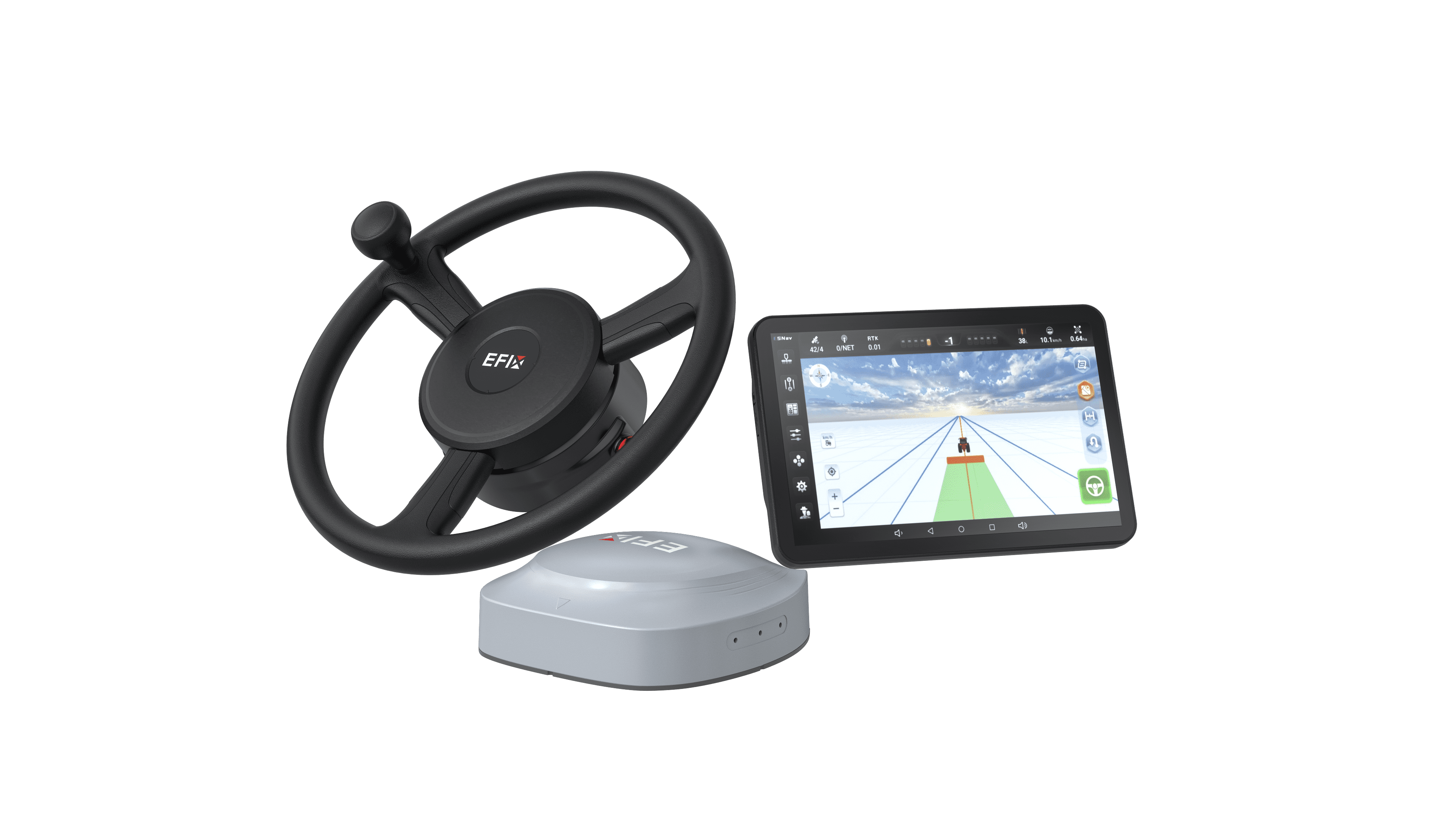
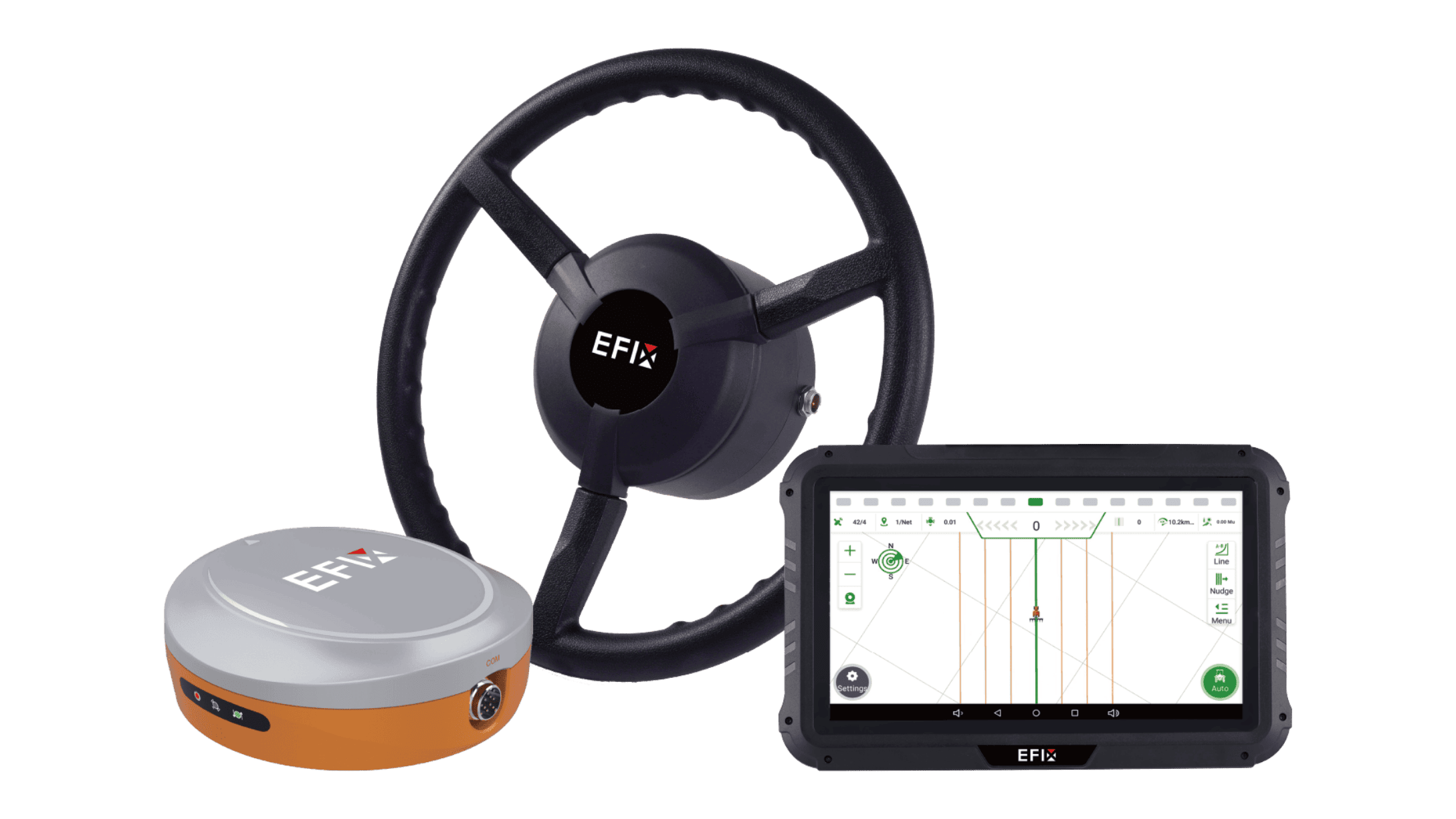
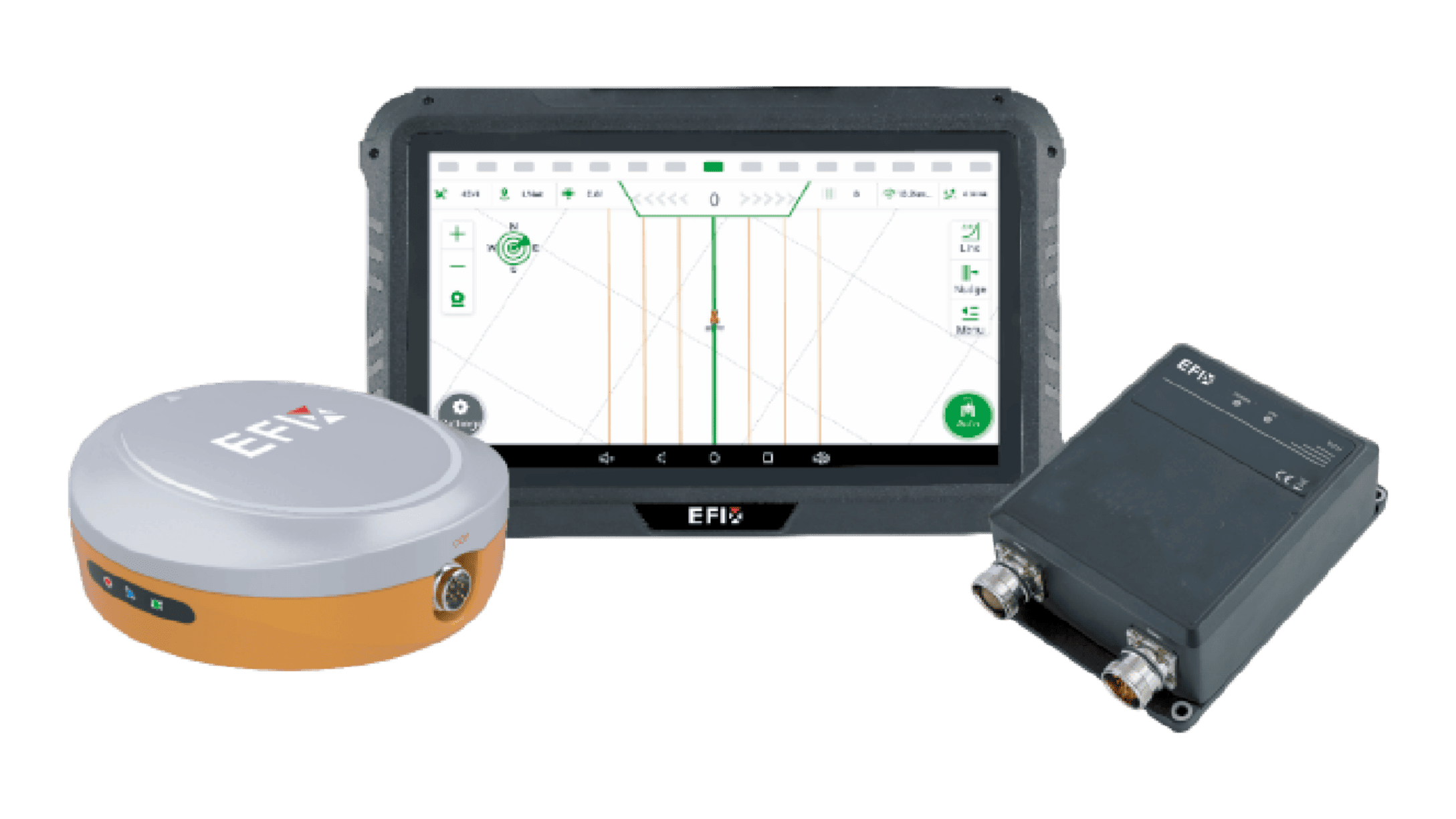
The calibration process should focus on how the vehicle responds to steering commands. Operators need to observe whether the machine turns smoothly and whether the steering response is too fast or too slow. System parameters may need to be adjusted according to the vehicle's characteristics and operating speed. The eSteer Ready system uses a hydraulic autosteering approach that controls the OEM on-board steering valve with minor modifications. This simplified retrofit design can help integrate automated steering into compatible vehicles while keeping the existing hydraulic steering structure. For a steer ready autosteering system, correct configuration of the vehicle and steering response is essential for stable operation.
Test Performance Before Field Operations
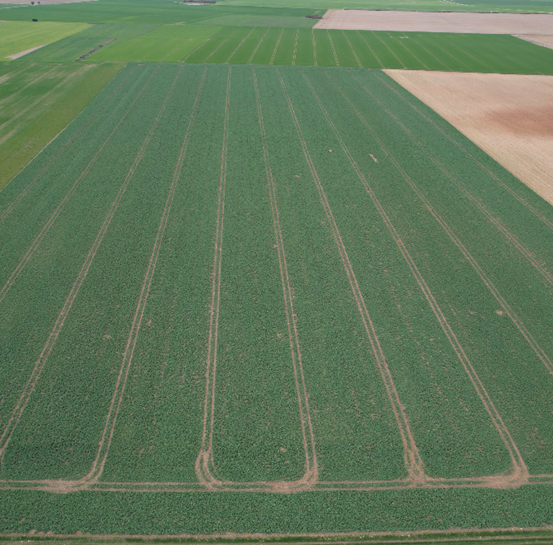
After calibration, testing should be completed before starting full-scale fieldwork. Operators can drive along a straight path at a low speed and observe whether the vehicle follows the planned route smoothly. It is also useful to test steering response at different speeds and check whether the system maintains consistent movement. If the machine shows noticeable deviation or unstable steering, operators should stop and review the settings rather than continuing the operation. A steer ready autosteering system should be tested under conditions that are similar to the actual farming task to confirm that the configuration is suitable.
Conclusion
A steer ready autosteering system requires careful preparation and calibration to provide stable performance in agricultural operations. Checking the vehicle, configuring steering response, and conducting practical tests can help operators identify issues before they affect fieldwork. Calibration should also be reviewed if the system is moved to another vehicle or if major equipment settings change. At EFIX, we believe practical preparation is an important part of adopting precision agriculture technology. By following a structured calibration process and testing the system before use, farmers can build a more reliable automated steering workflow.