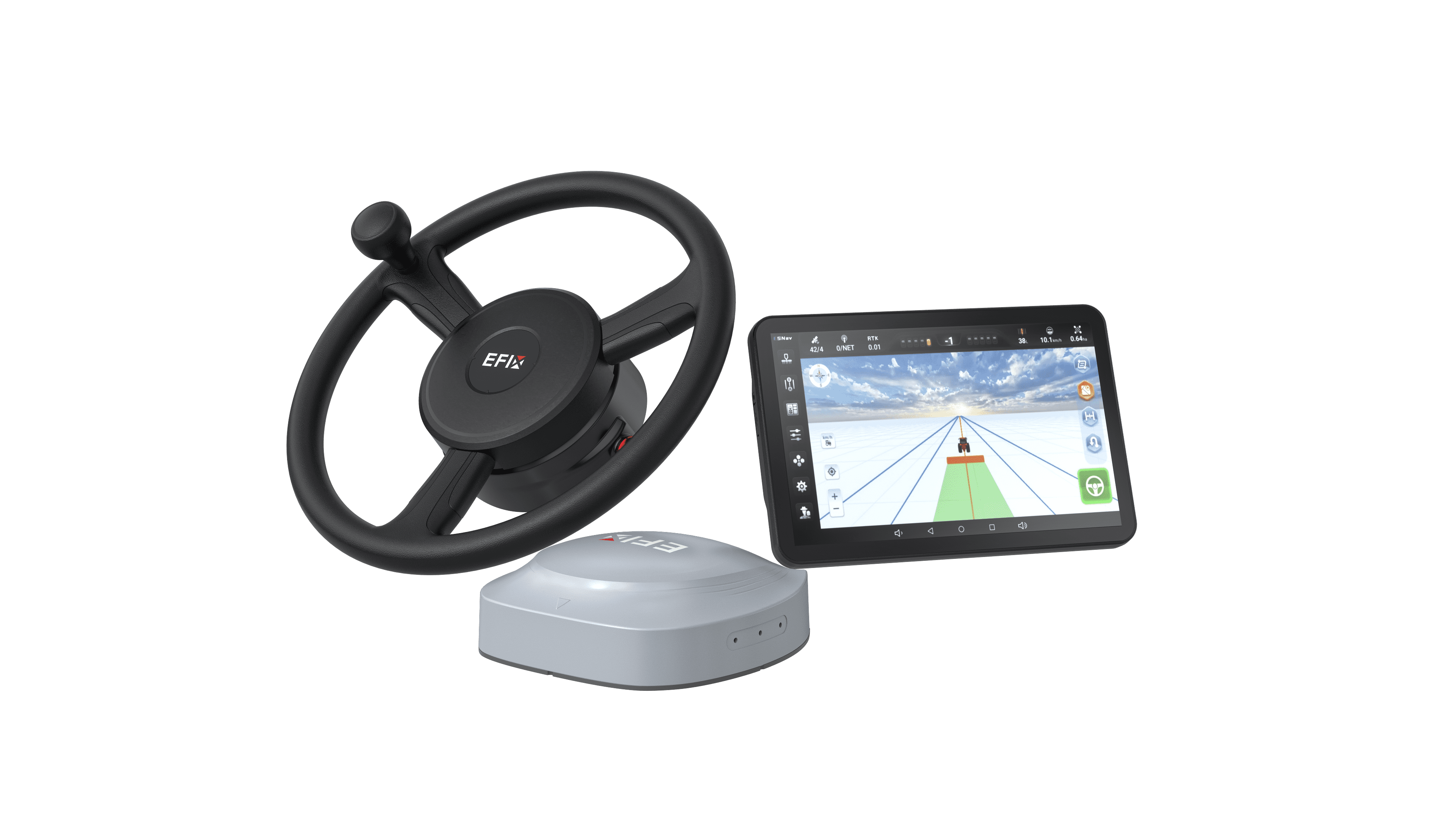
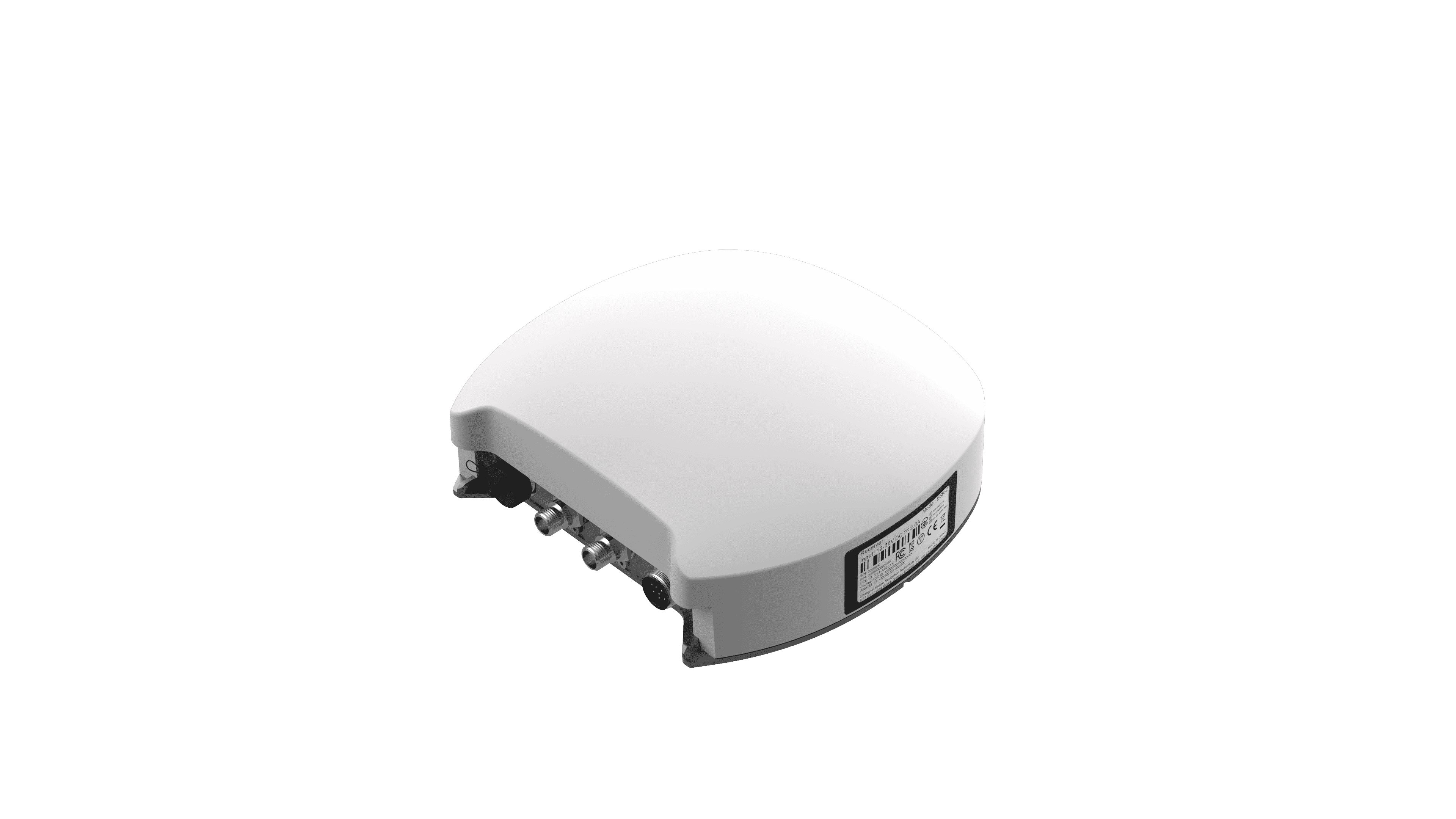
guidance, field mapping, and other precision applications. For this reason, choosing an RTK base station requires more than looking at a single accuracy specification. Farmers should consider satellite tracking, signal availability, and the quality of GNSS data used by the system. At EFIX, we believe farmers should focus on how positioning technology performs in real agricultural conditions and whether it can support their specific field operations.
Look at Satellite Constellation Support
Different field environments may offer different satellite visibility. A receiver that tracks multiple satellite constellations can have more positioning signals available at the same time. This may help provide greater flexibility when working across different locations and conditions. Farmers should check whether a positioning solution supports major constellations such as GPS, GLONASS, Galileo, and BeiDou. SBAS support can also be useful for applications that rely on satellite-based augmentation services.
Why Raw GNSS Data Quality Matters
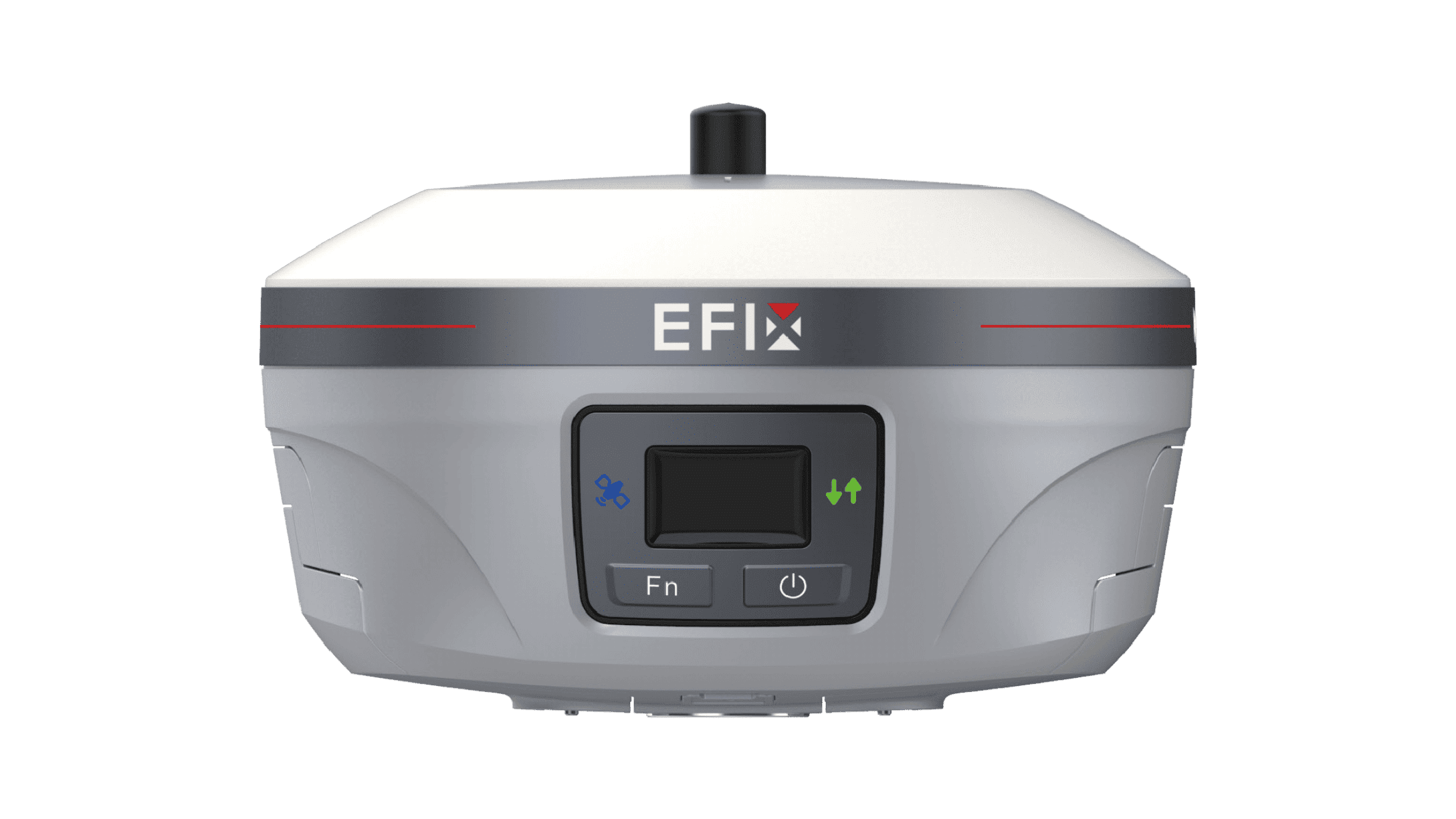
The number of tracked signals is only one part of positioning performance. The quality of the raw GNSS data also matters because correction and positioning calculations depend on reliable signal information. The F-NET Pro GNSS uses 624 channels to simultaneously track signals from GPS, GLONASS, Galileo, BeiDou, and SBAS satellites. This broad tracking capability can provide a strong data foundation for precision positioning. When evaluating an RTK base station, farmers should therefore consider both satellite coverage and the quality of the GNSS data being collected.
Match the Base Station to Farm Operations
Different farms have different positioning requirements. A small farm may have simpler needs, while larger operations may use multiple precision agriculture systems across wider areas. Farmers should consider the size of the working area, the required accuracy, satellite visibility, and compatibility with existing equipment. A suitable RTK base station should fit the overall positioning workflow rather than operate as an isolated component. Reviewing these factors before purchase can help farmers select technology that matches their actual field applications.
Conclusion
Choosing the right positioning equipment for precision agriculture requires a clear understanding of how GNSS technology works in real operations. Satellite constellation support, raw data quality, and compatibility with existing systems can all affect the value of an RTK solution. At EFIX, we focus on practical positioning technology that supports modern agricultural workflows. By looking beyond basic specifications and considering the full positioning environment, farmers can make more informed decisions about their precision farming infrastructure.