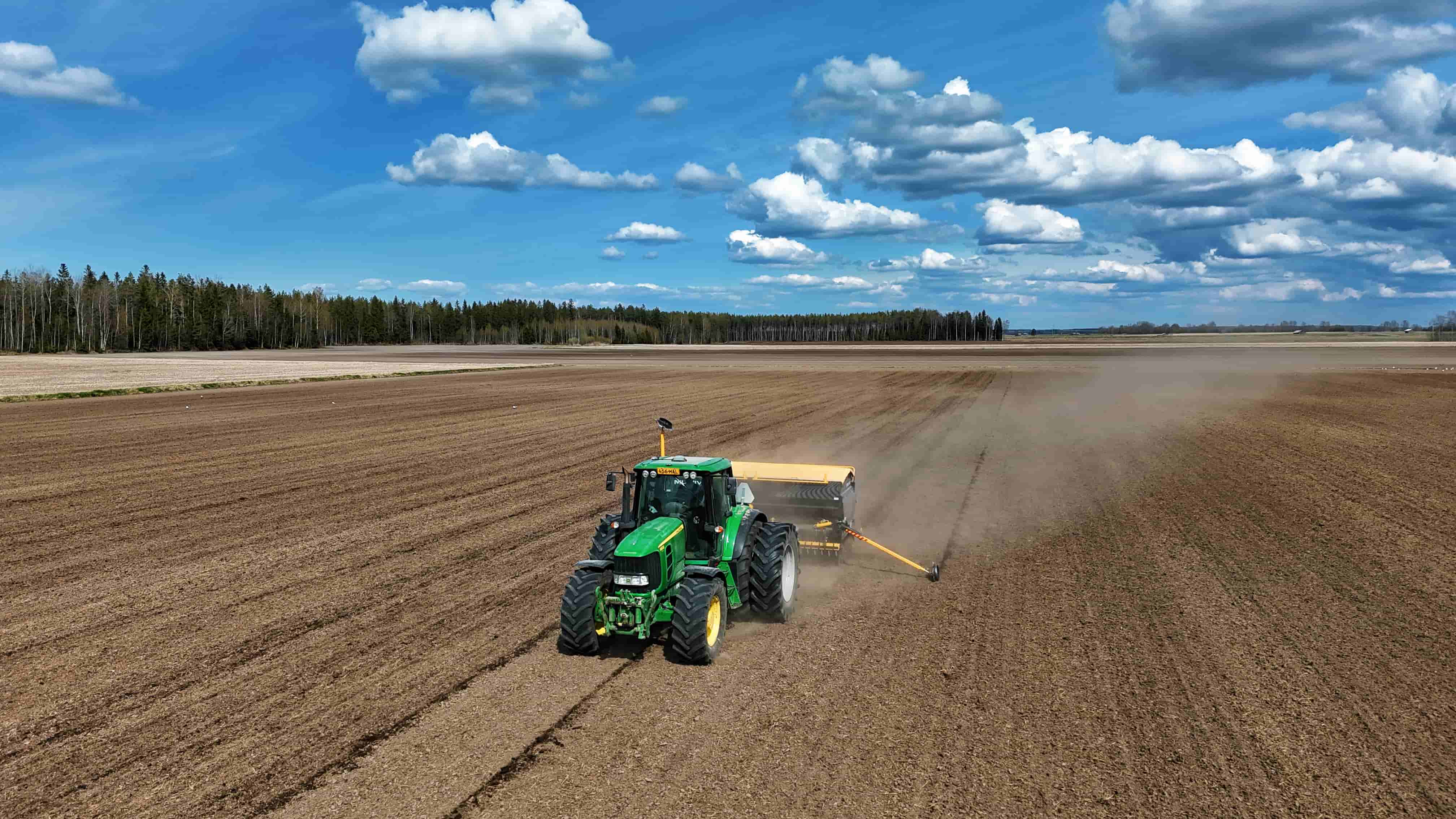
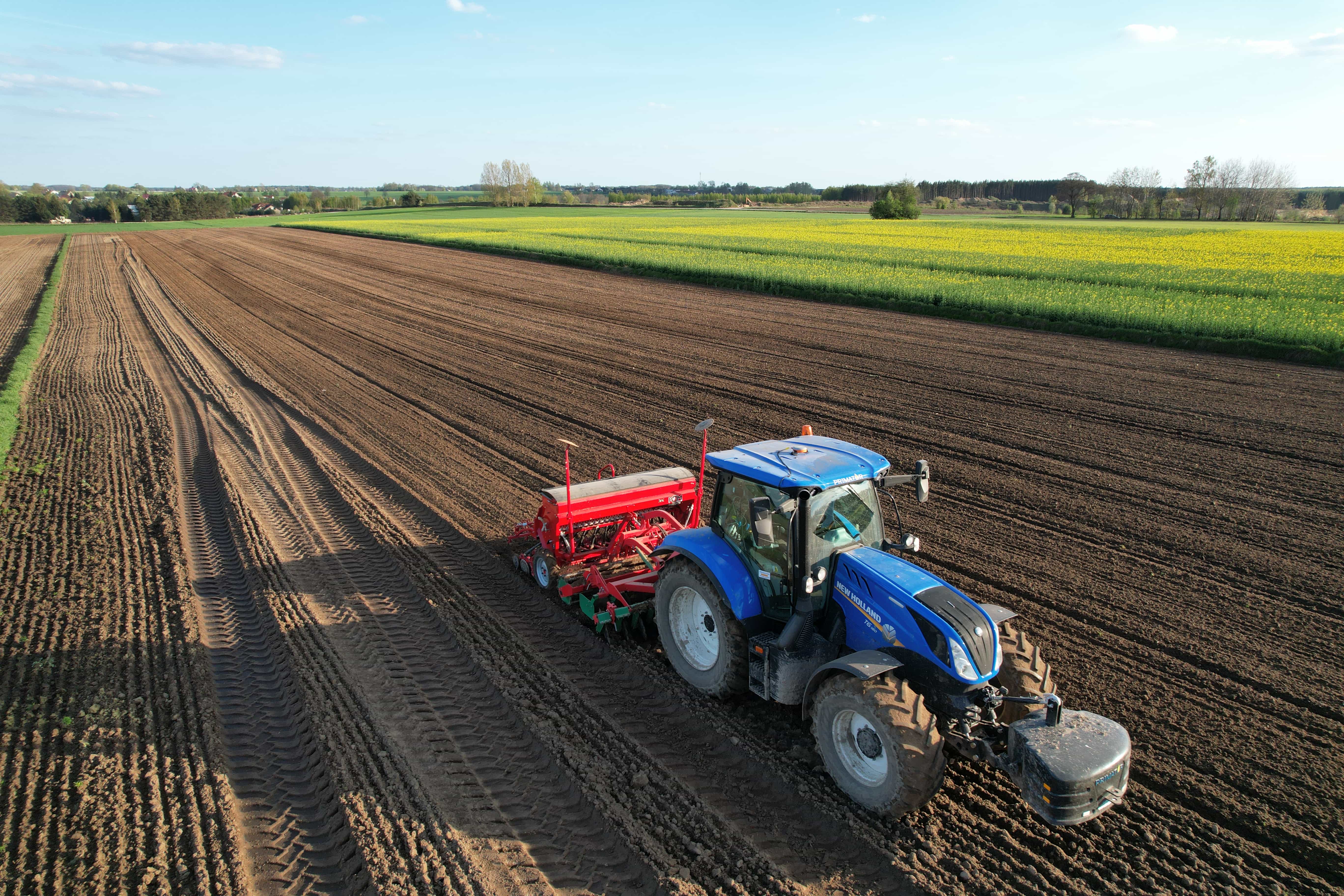
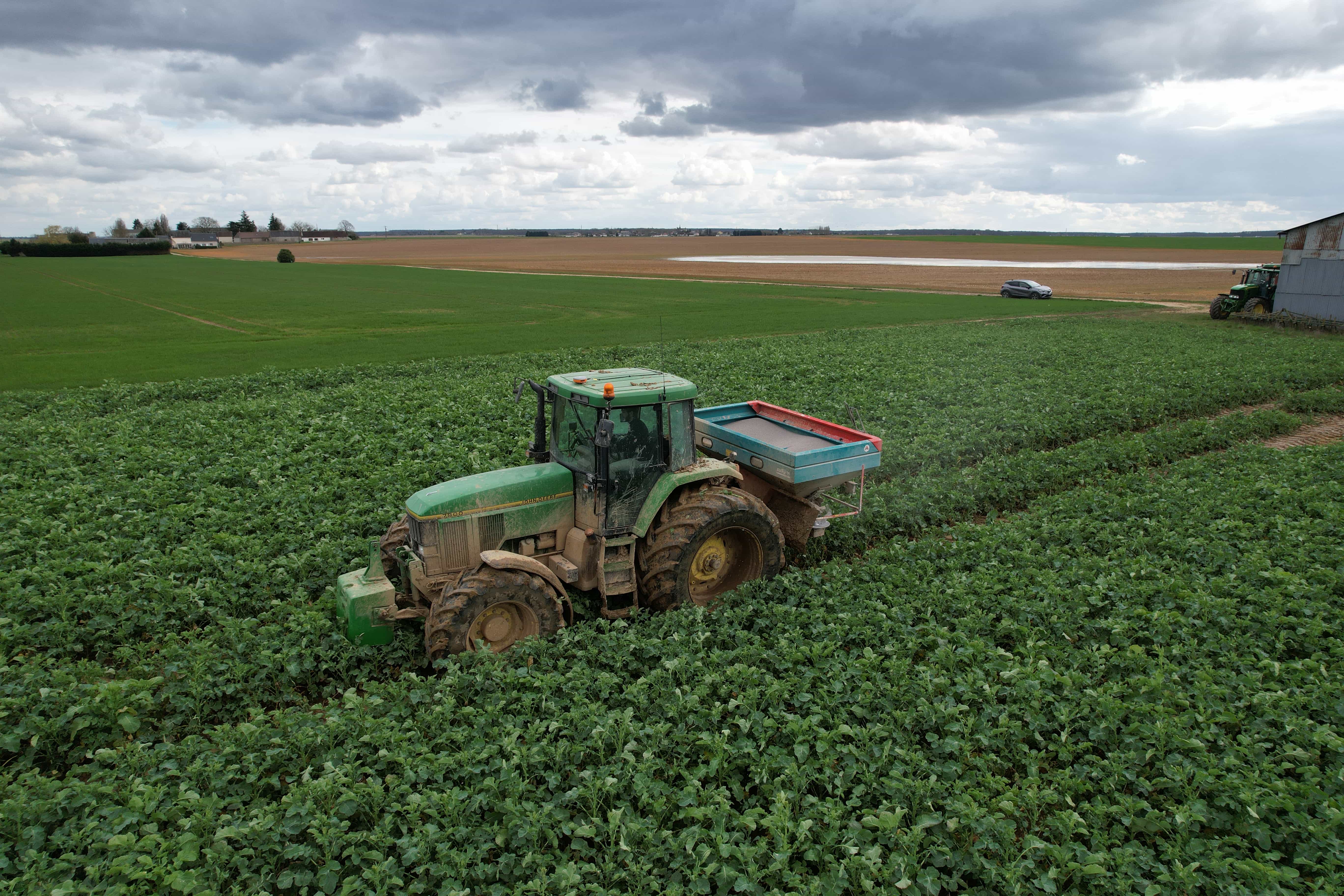
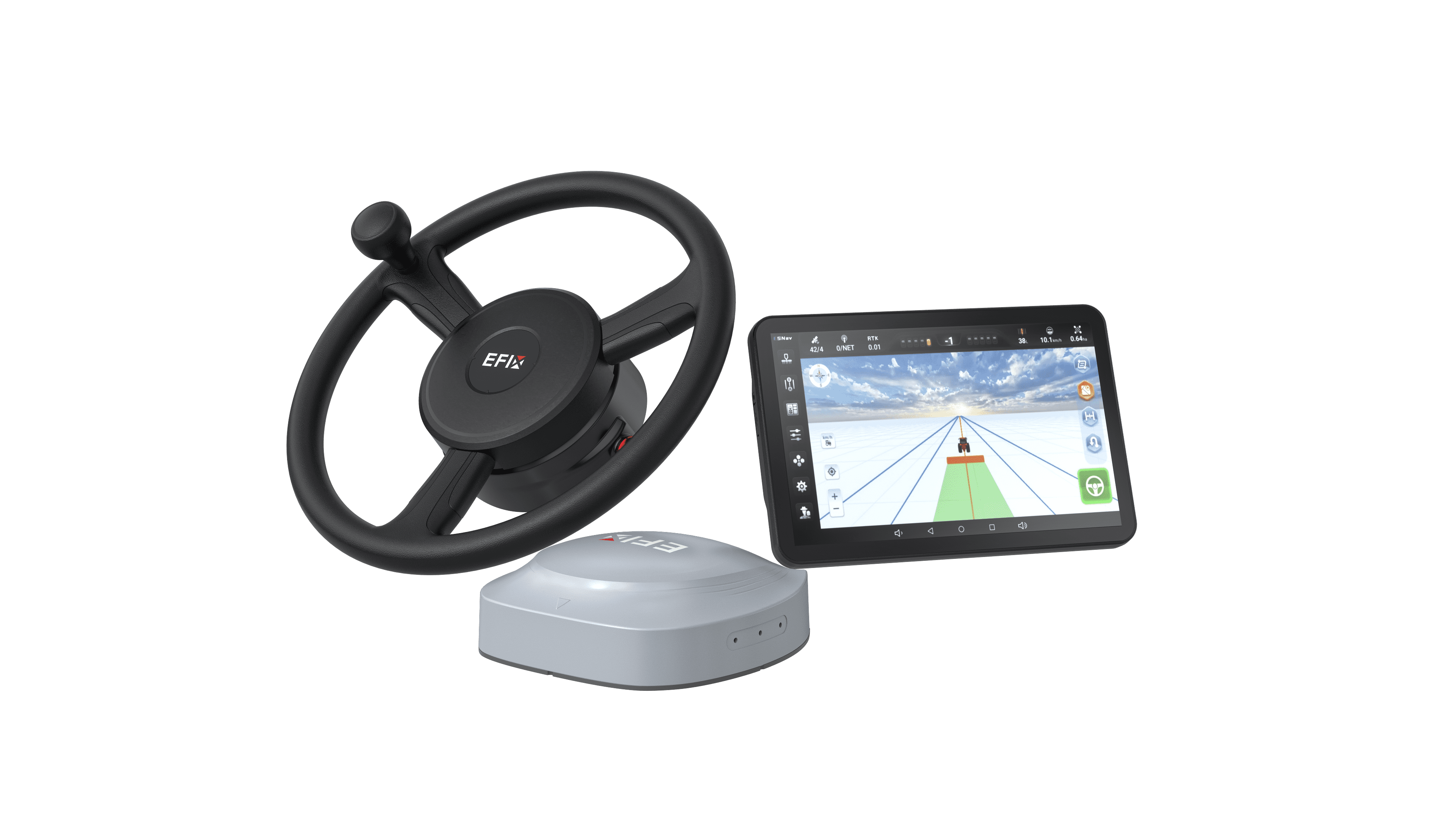
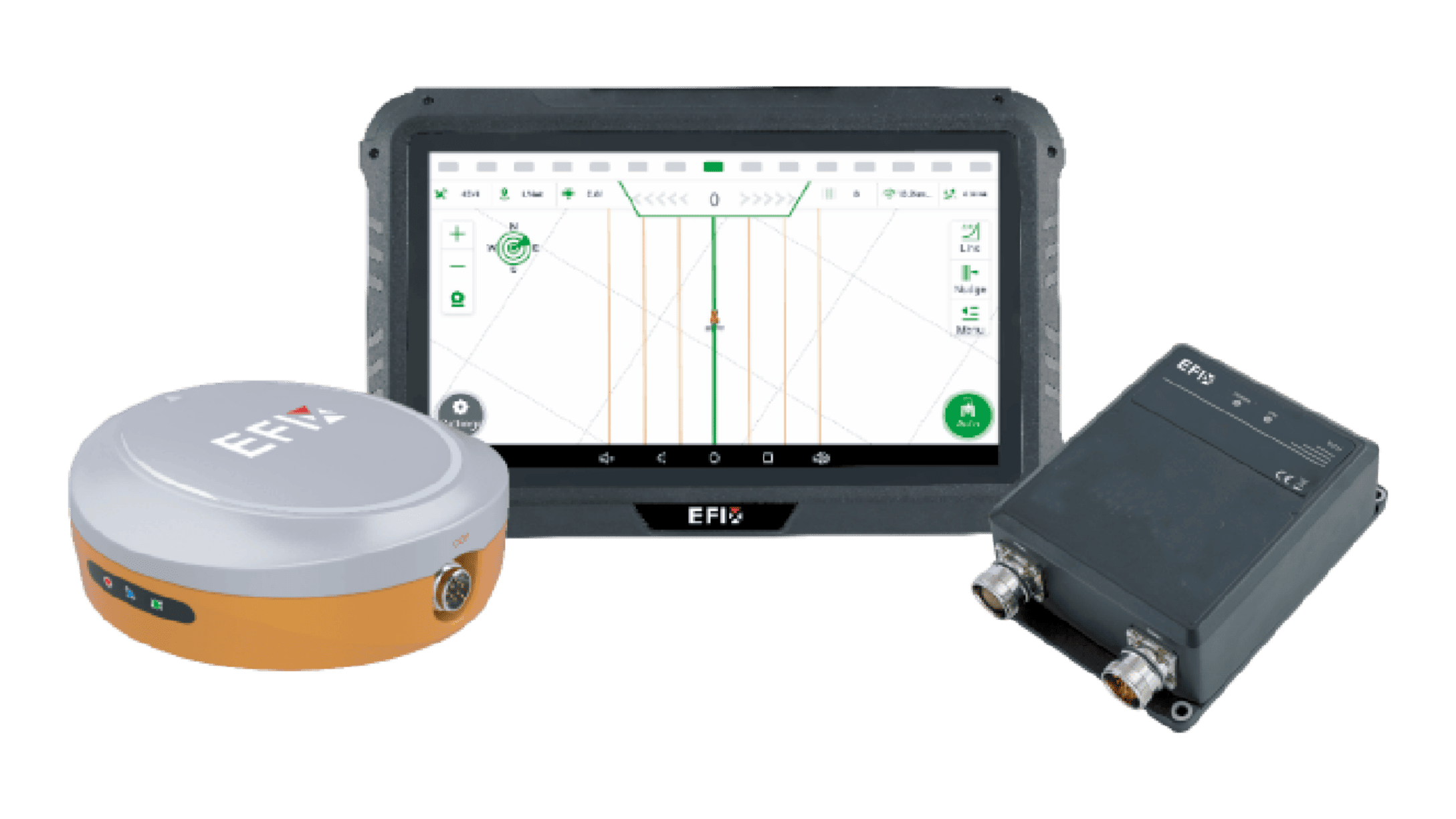
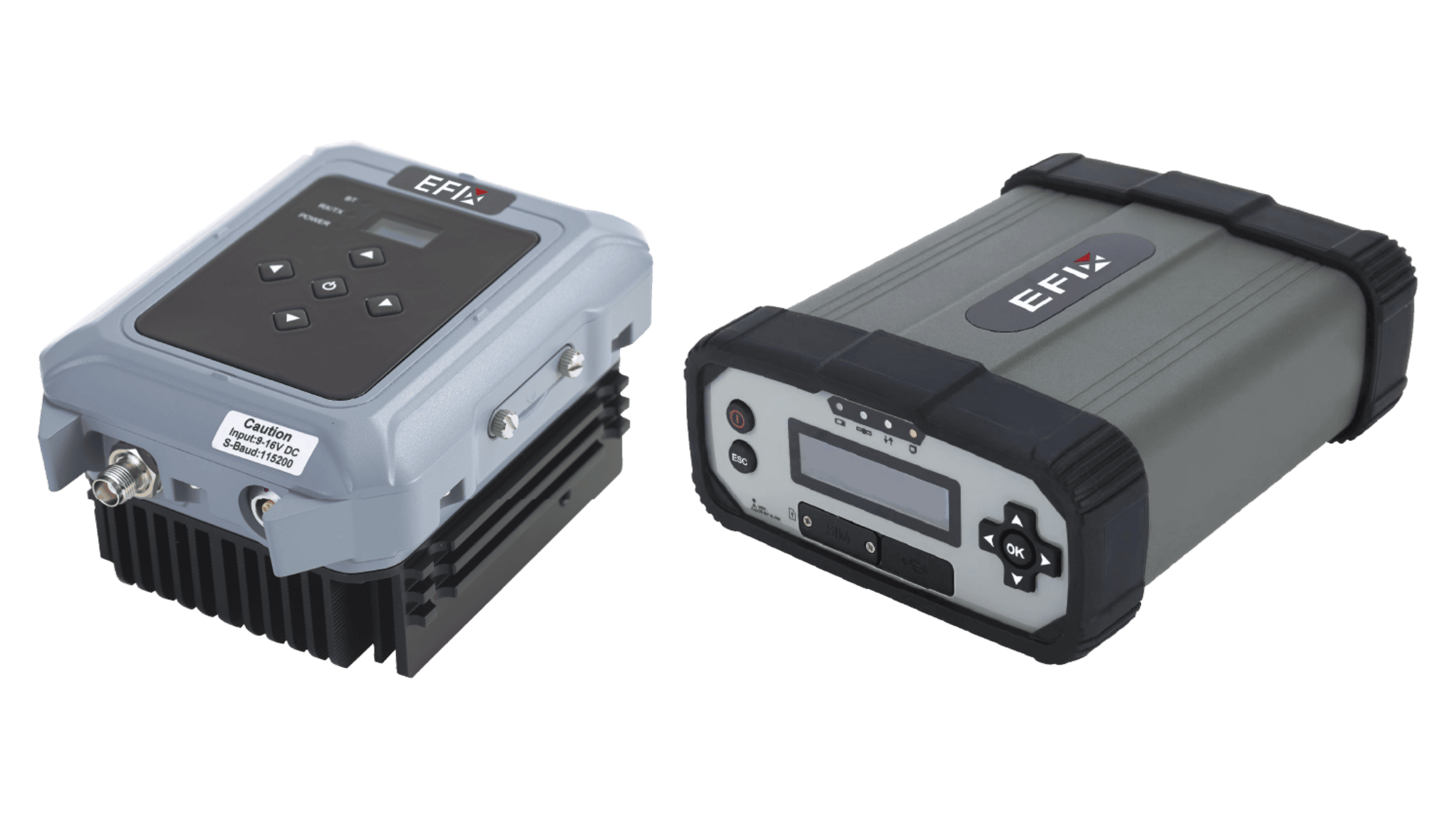
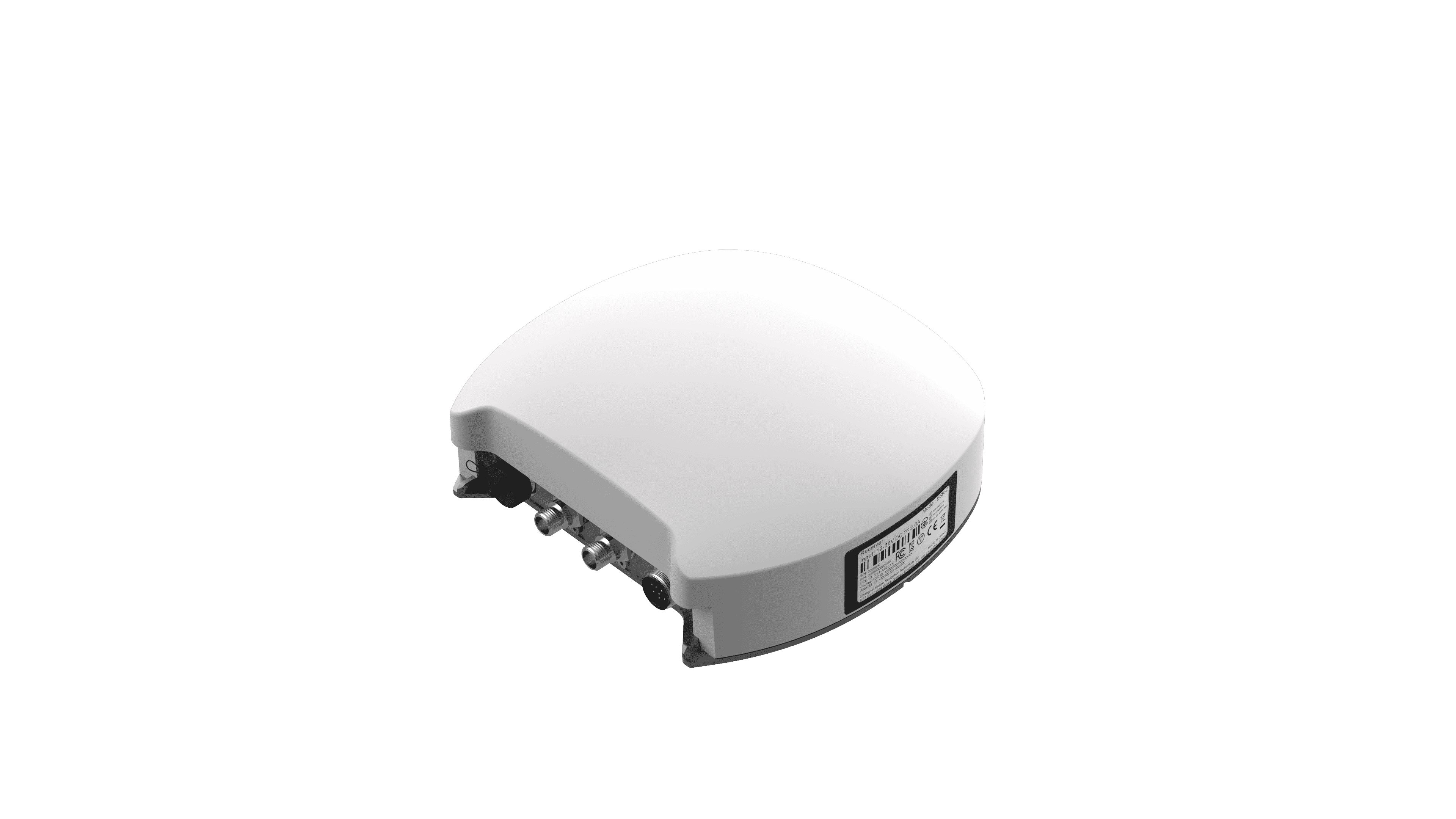
Reliable positioning is essential for many precision agriculture tasks. However, farms often face problems such as unstable positioning, changing weather, dust, moisture, and equipment downtime. These issues can affect field guidance and make precision operations harder to manage. An RTK GPS base station can provide a stable positioning foundation for agricultural equipment that depends on accurate correction data. At EFIX, we focus on practical GNSS technology that can support farmers in demanding field environments and help reduce common challenges related to positioning infrastructure.
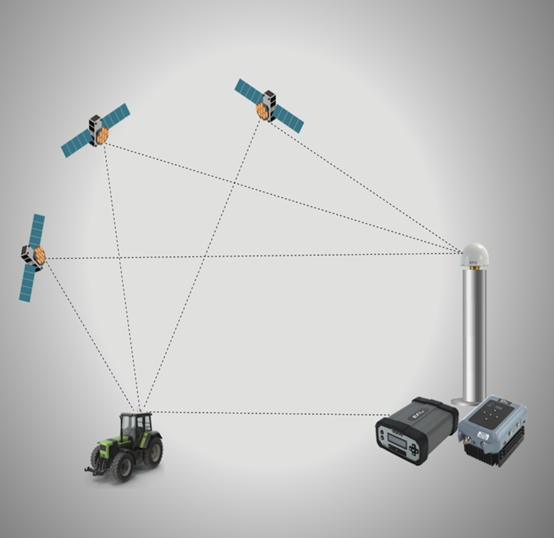
Improve Positioning Stability in Field Operations
Precision agriculture relies on consistent positioning information. If correction data is interrupted or GNSS signals become unreliable, operators may experience reduced guidance performance. A suitable base station can support a more stable correction workflow for agricultural vehicles and other precision equipment. Farmers should consider the installation location, satellite visibility, communication method, and overall system compatibility when setting up their positioning infrastructure. These factors can influence how reliably the system performs during long working hours.
Protect GNSS Equipment from Harsh Conditions
Agricultural equipment is often installed in locations exposed to dust, rain, moisture, and temperature changes. Environmental exposure can affect electronic components and may create maintenance problems over time. The F-NET Pro GNSS features an IP67-rated industrial design with water and dust resistance. This helps protect the equipment from moisture and dust ingress at its installation site. For an RTK GPS base station, choosing hardware designed for outdoor agricultural conditions can reduce environmental risks and help maintain more consistent system operation.
Reduce Downtime and Support Reliable Farming
Equipment downtime can interrupt fieldwork during important farming periods. If a positioning component needs frequent maintenance because of environmental exposure, operators may face additional delays. A robust GNSS design can help reduce the risk of interruptions caused by dust or moisture entering the equipment. When evaluating an RTK GPS base station, farmers should therefore look beyond positioning specifications and consider durability, installation conditions, maintenance requirements, and the expected working environment. A reliable infrastructure setup can make precision farming technology easier to manage over time.
Conclusion
An RTK GPS base station can help address several common farming challenges, from maintaining reliable correction data to supporting equipment in demanding outdoor environments. Farmers should consider both positioning performance and hardware durability when building a precision agriculture system. At EFIX, we believe dependable GNSS infrastructure should be designed for real agricultural conditions. By choosing equipment that combines reliable positioning capabilities with suitable environmental protection, farmers can build a more stable foundation for precision farming operations.