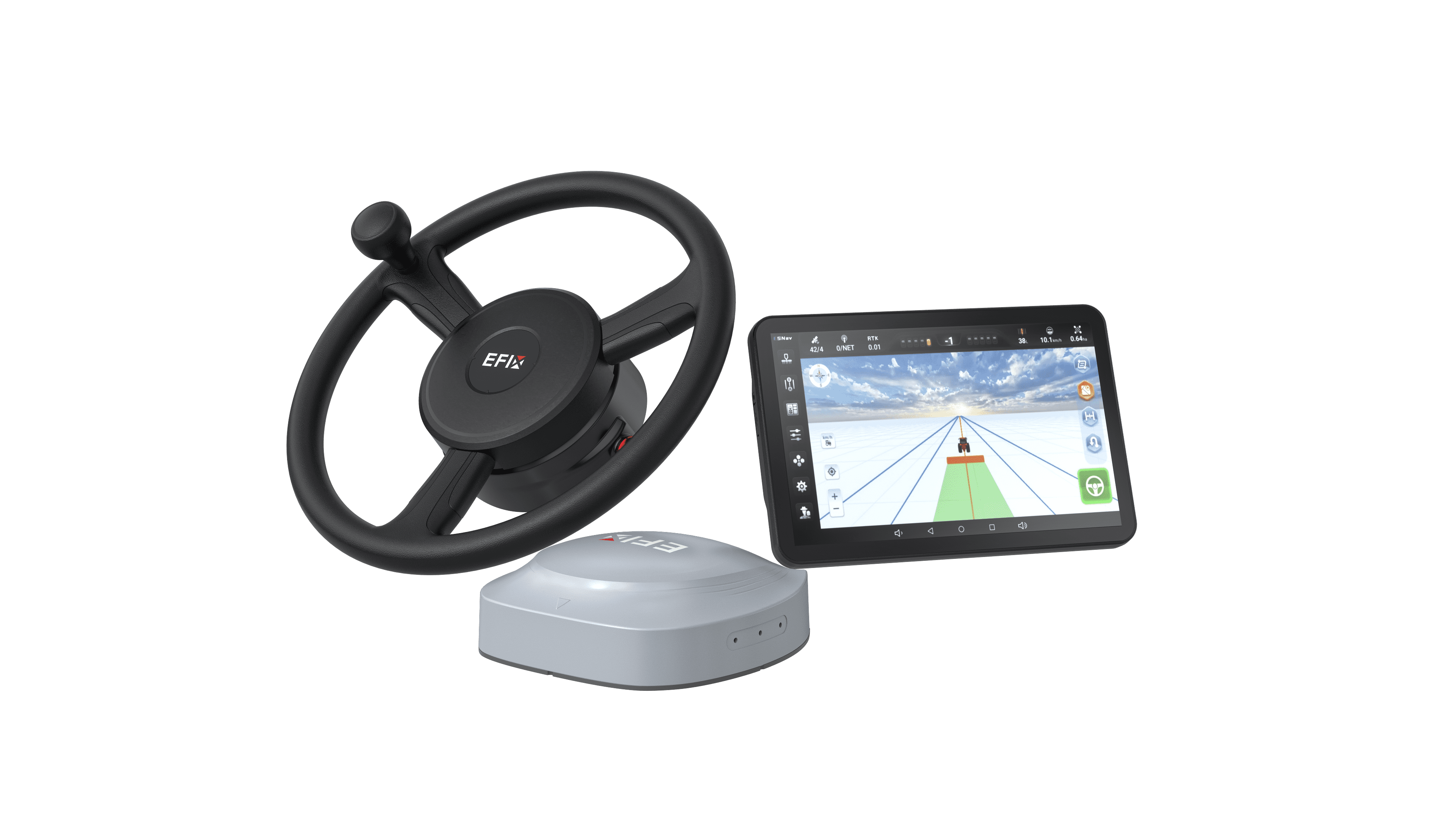
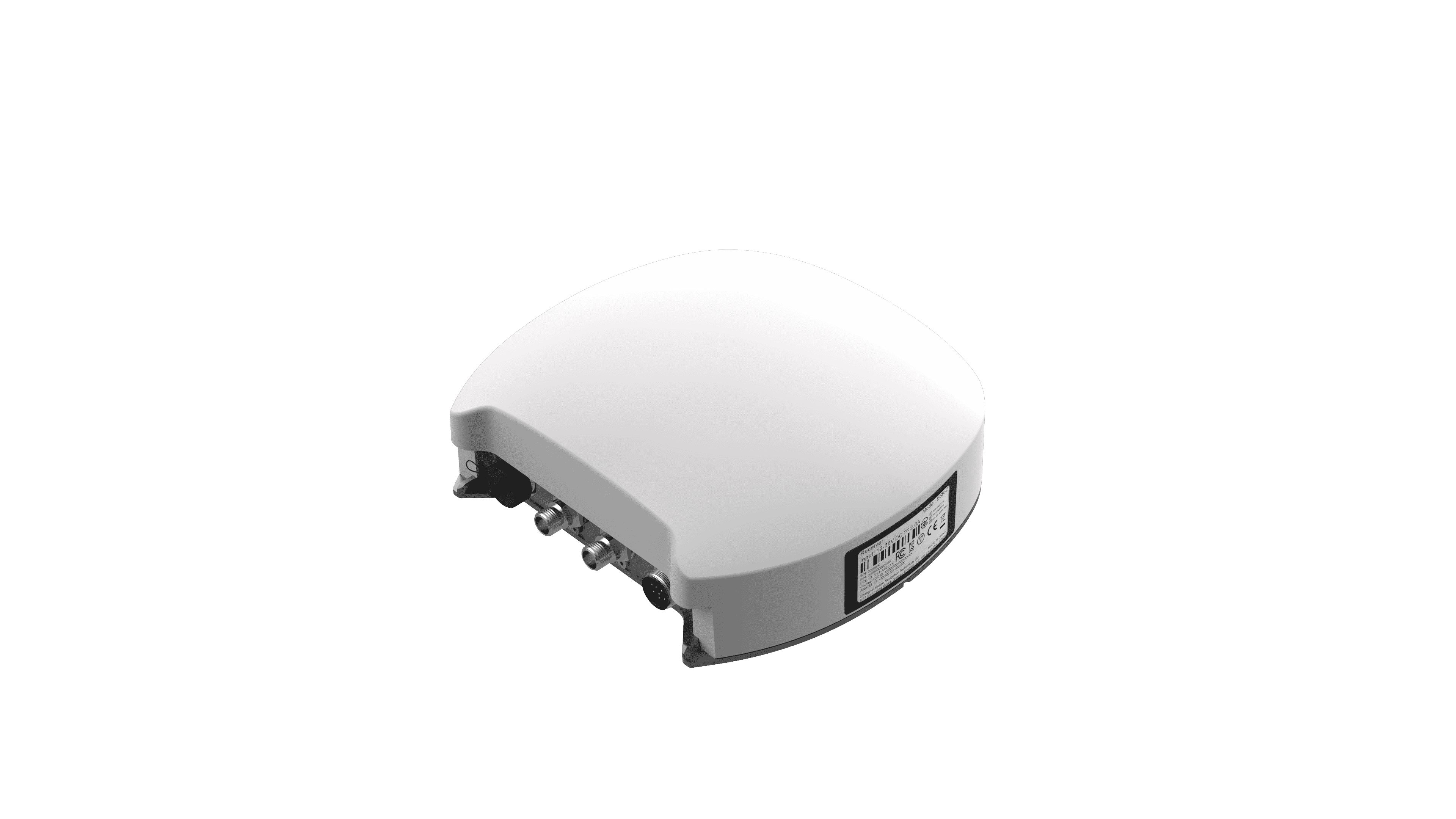
Surveying and mapping projects often cover large areas where reliable positioning data must reach field equipment over long distances. Communication range, environmental conditions, and system settings can all affect the quality of field operations. A GNSS base station provides correction data that can support accurate positioning for surveying equipment and other field applications. At EFIX, we focus on practical positioning technology that can work across demanding environments and support professionals who need stable performance during extended outdoor operations.
Why Long-Range Communication Matters
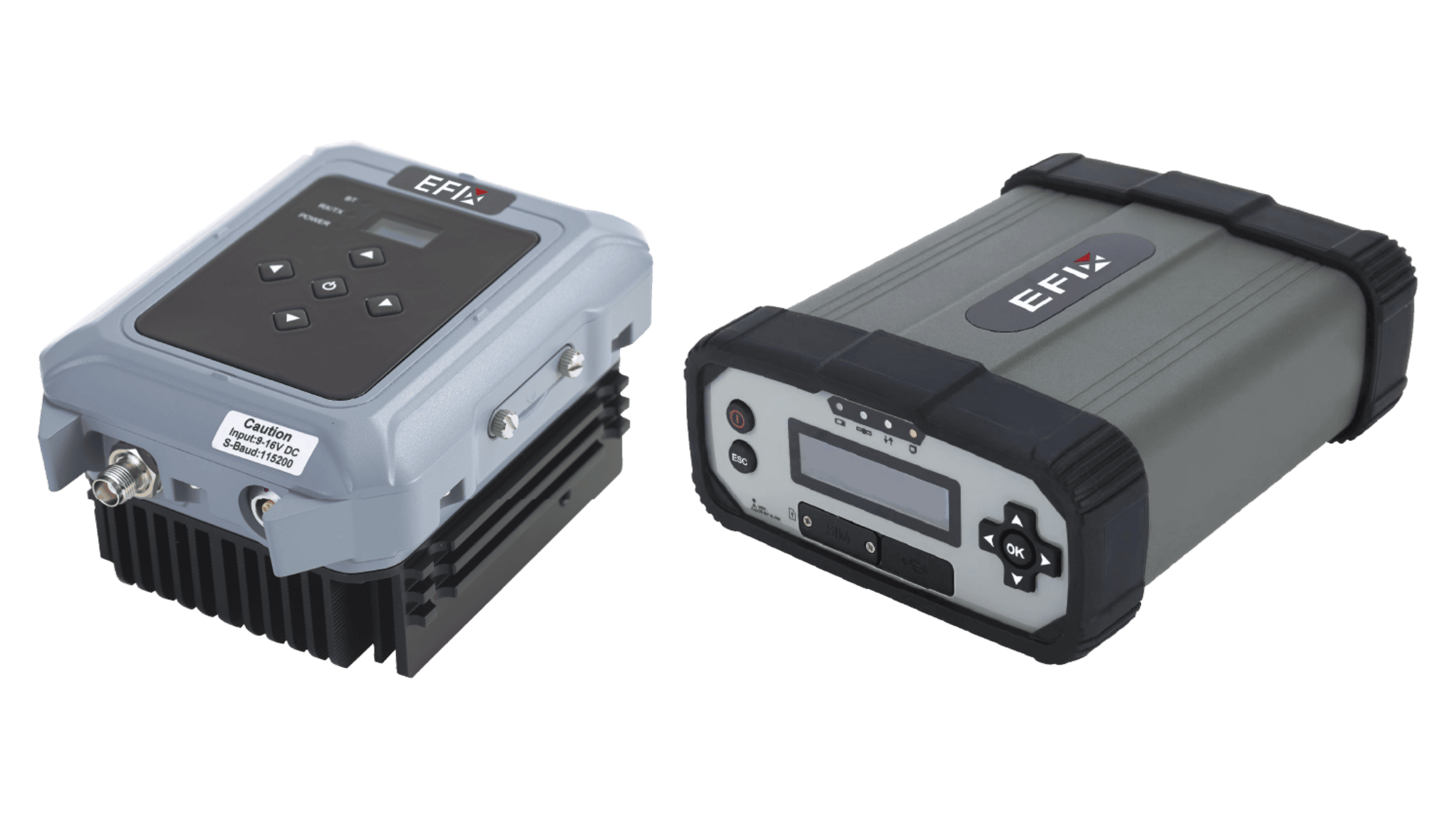
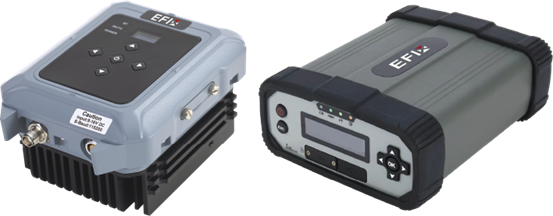
Large surveying projects may involve equipment working far from the base station. In these situations, transmission power can affect how effectively correction data reaches field receivers. The FL3 is designed for long-range GNSS applications and offers a maximum transmission power of 28W. This can be useful for projects that cover wider working areas. However, the actual communication range also depends on terrain, obstacles, antenna setup, and local regulations. Surveying teams should evaluate the complete communication environment rather than relying on transmission power alone.
Adapting to Different Surveying Environments
Surveying and mapping equipment may operate in open fields, construction areas, mountains, or other challenging locations. Weather and environmental exposure can also affect outdoor hardware. The FL3 features an IP67-rated rugged design with water and dust resistance, making it suitable for demanding outdoor conditions. For a GNSS base station, environmental protection is an important consideration because equipment may need to remain operational for long periods at fixed or temporary installation sites.
Choosing the Right Transmission Setup
Different projects may require different communication configurations. The FL3 supports selectable channel spacing of 12.5 kHz or 25 kHz, giving teams more flexibility when configuring radio communication. Before deploying a GNSS base station, surveying professionals should consider project size, communication distance, local frequency requirements, terrain, and receiver compatibility. A suitable setup can help create a more practical positioning workflow and reduce communication issues during field operations.
Conclusion
A GNSS base station can play an important role in surveying and mapping by providing correction data across large working areas. Long-range transmission, environmental protection, and flexible communication settings are key factors to consider when selecting equipment. At EFIX, we believe positioning technology should be practical and adaptable to real field conditions. By evaluating communication requirements and environmental challenges together, surveying teams can choose a base station setup that better fits the demands of each project.