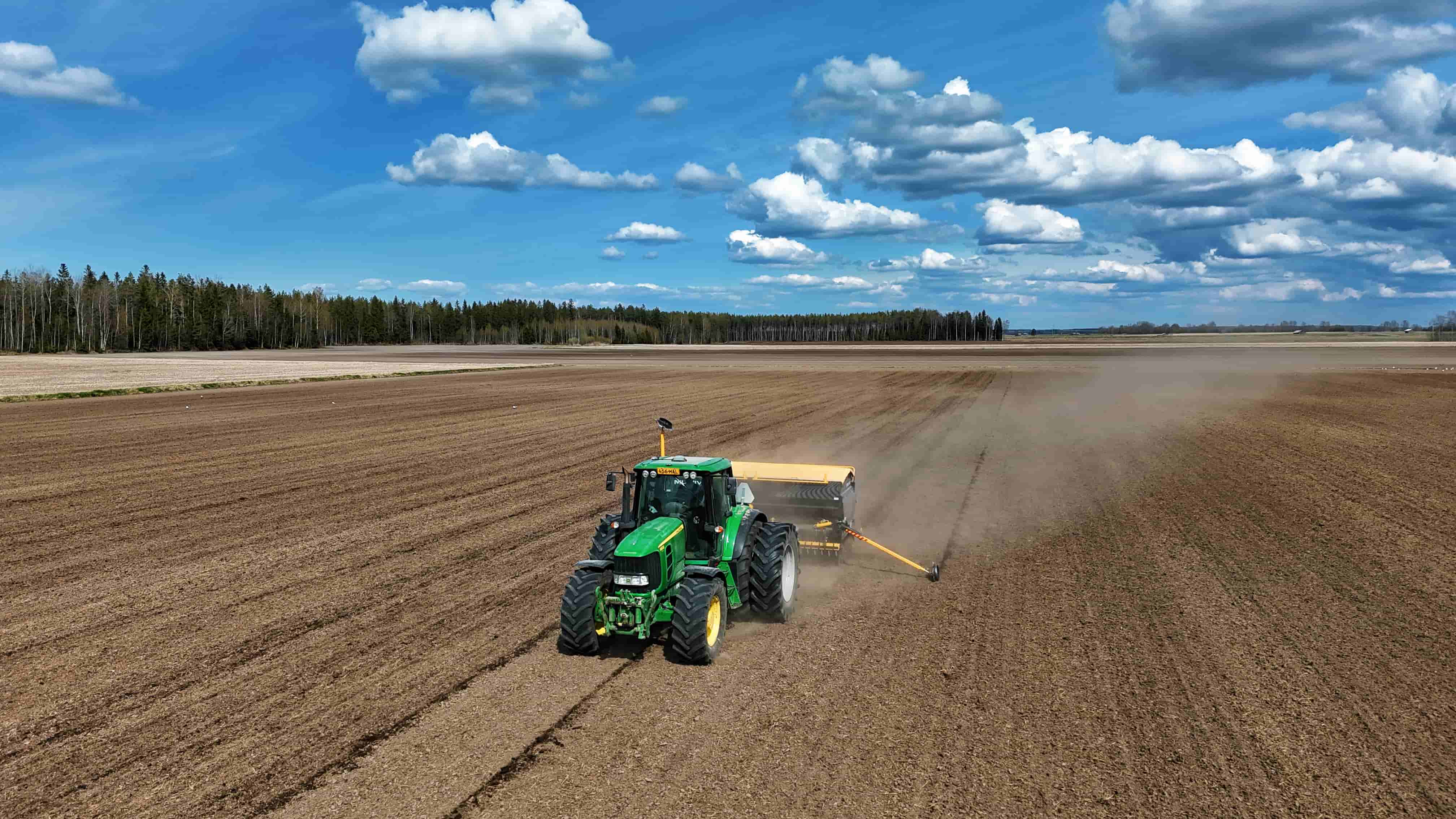
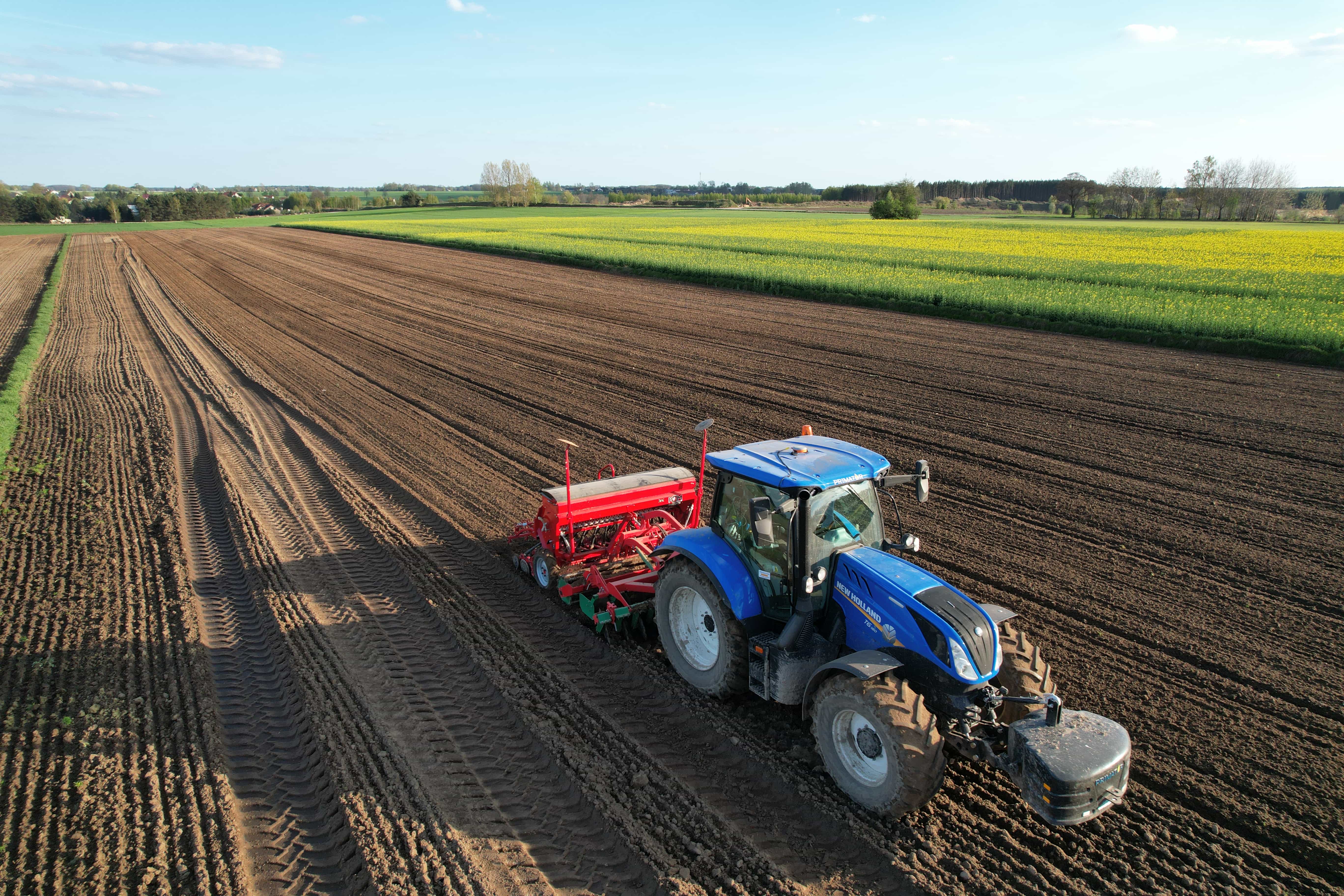
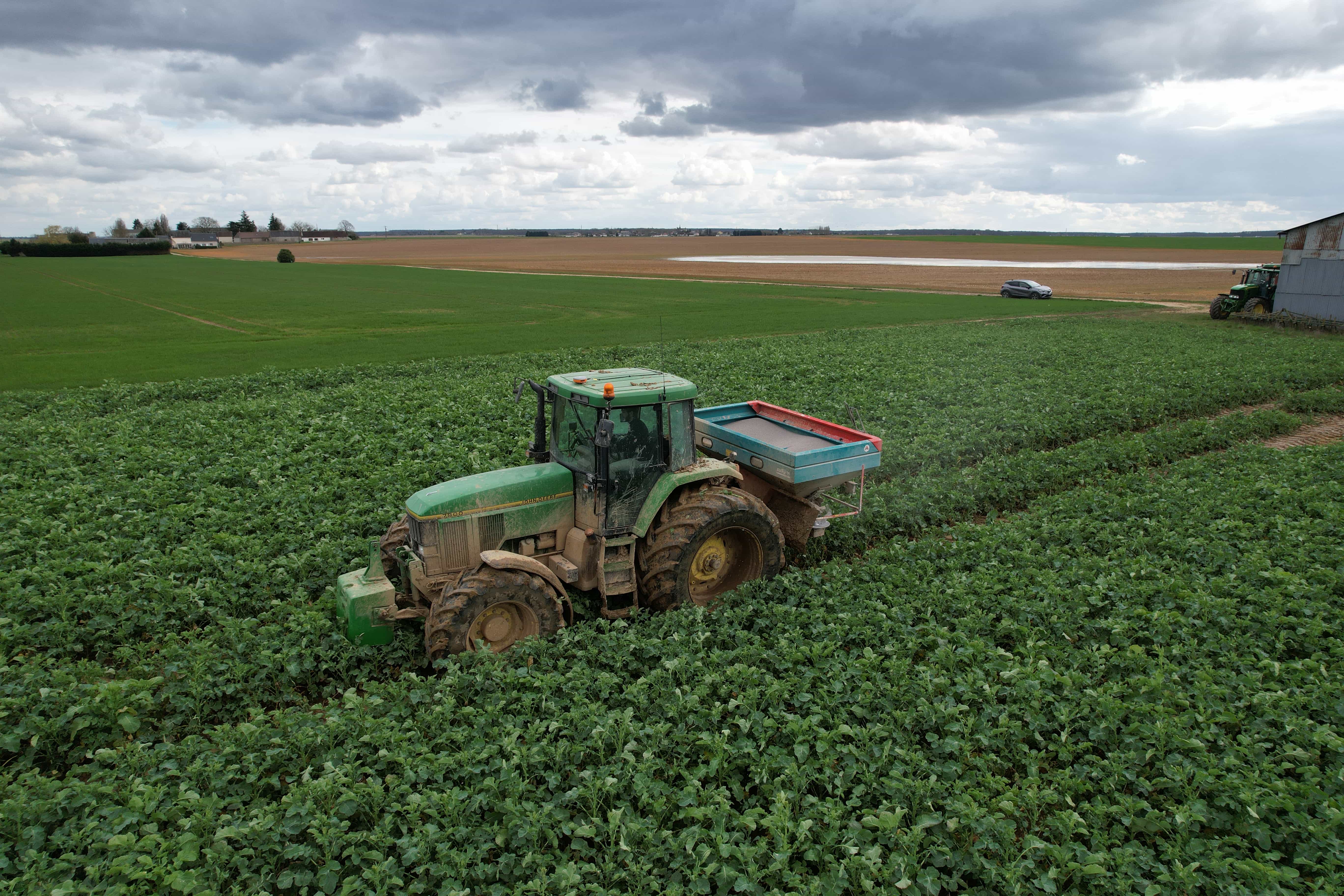
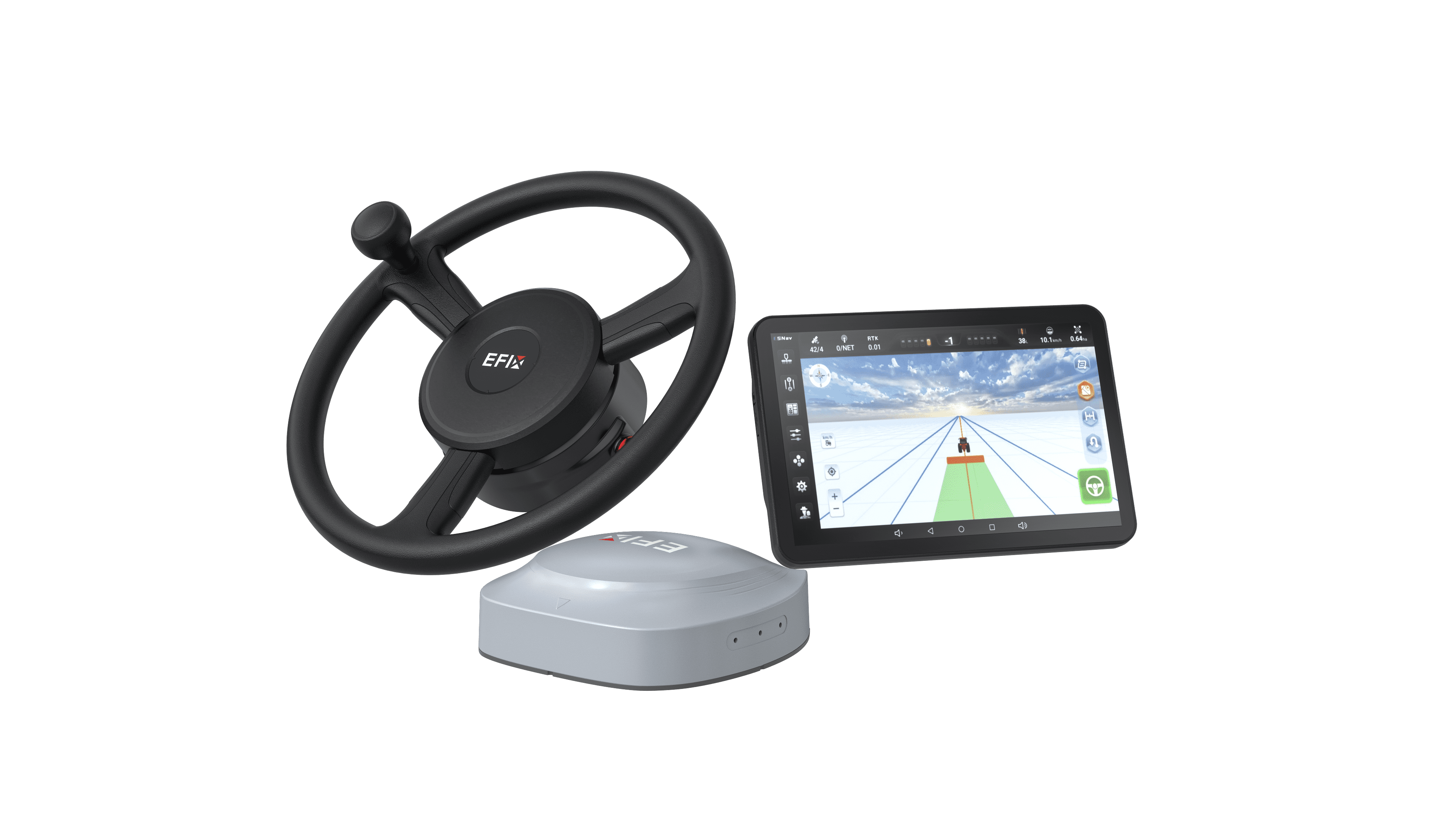
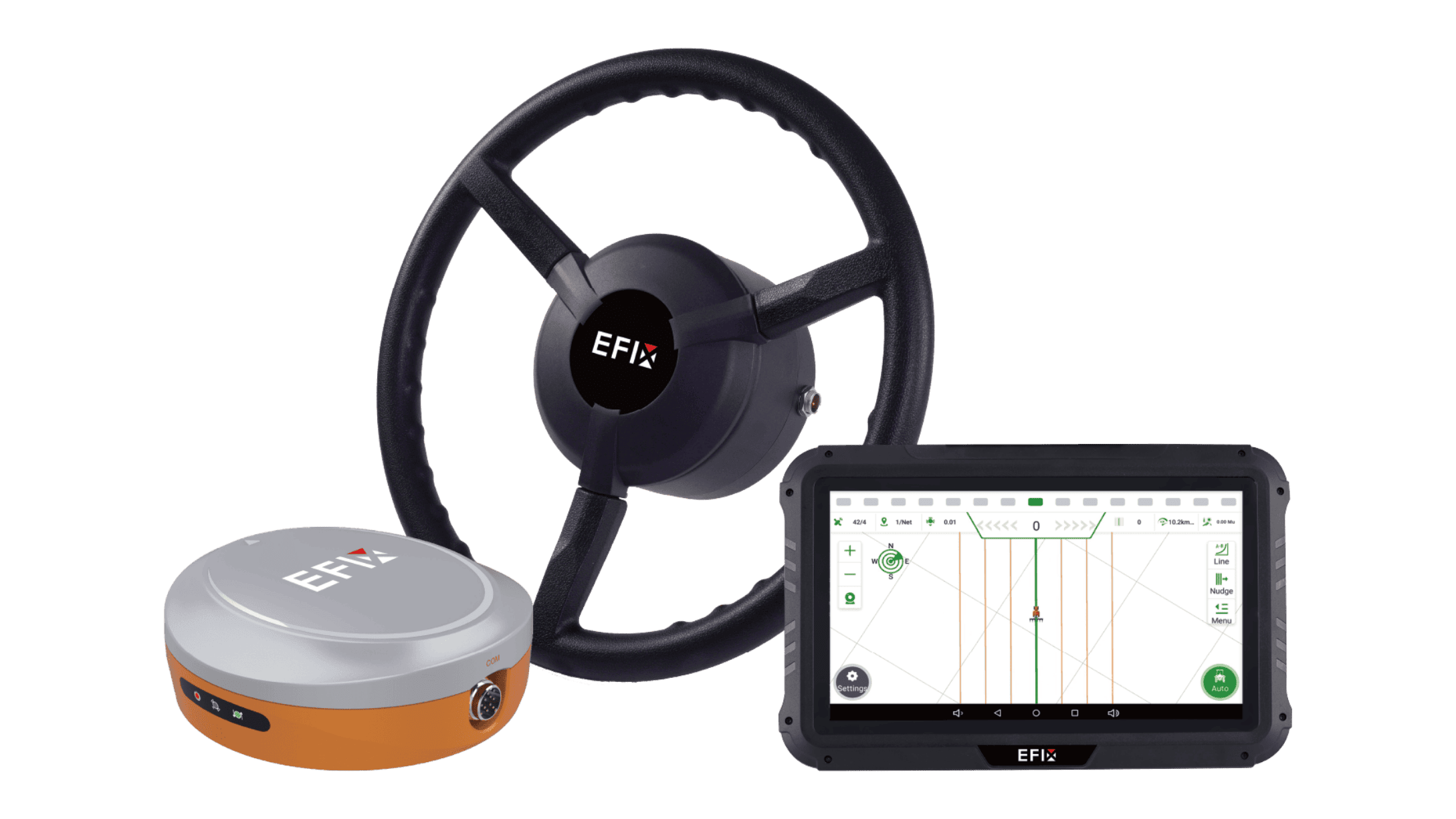
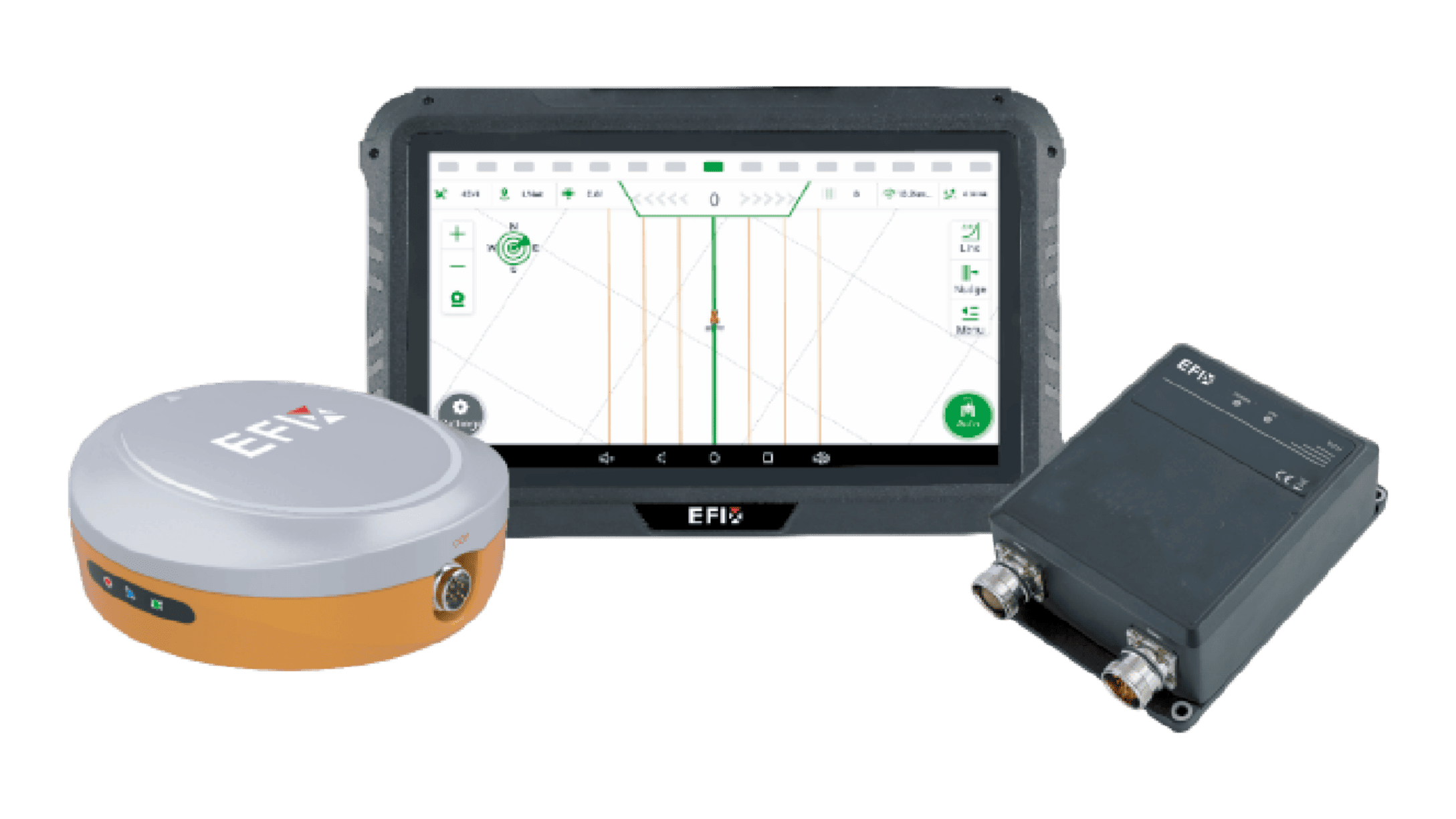
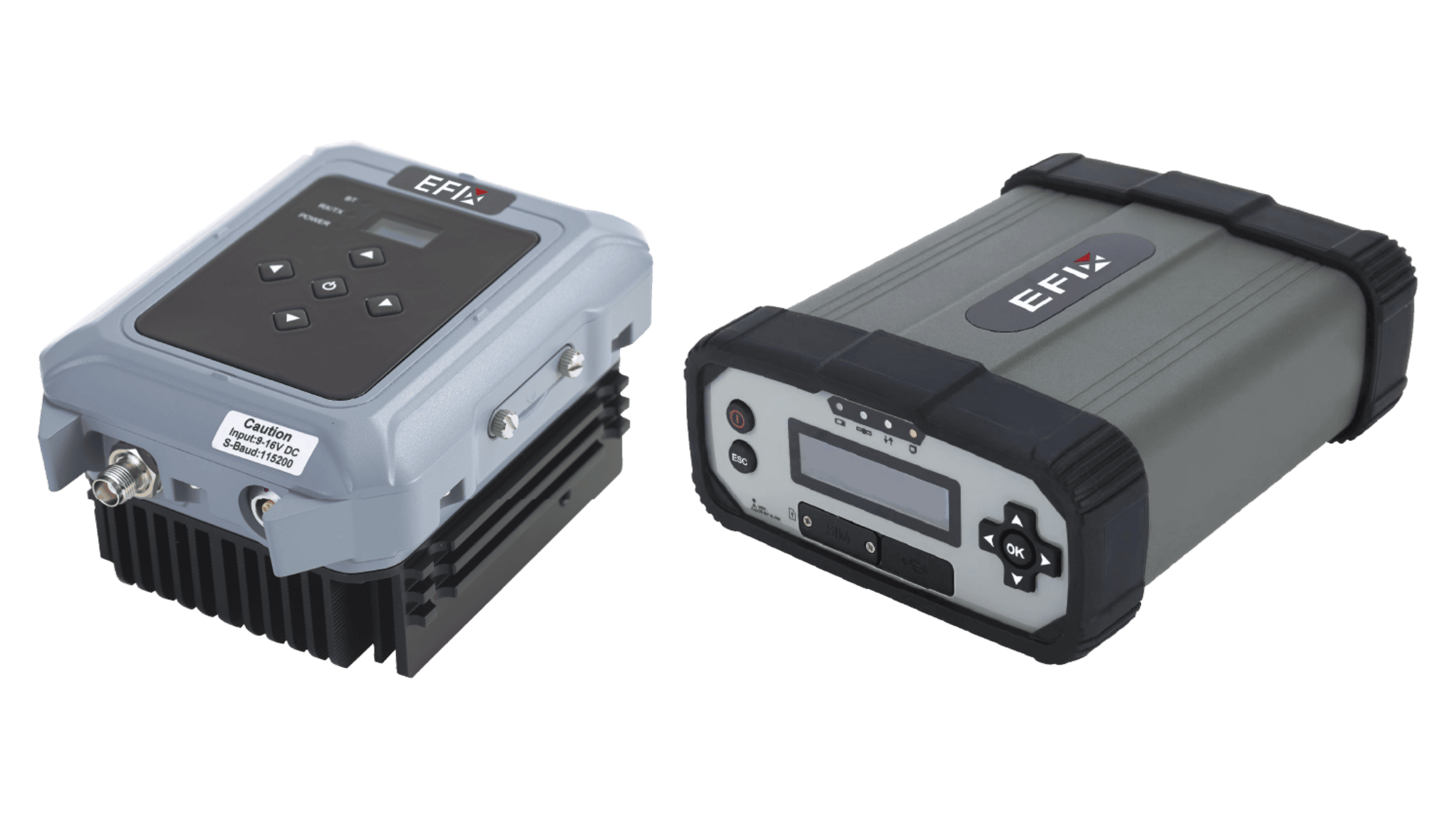
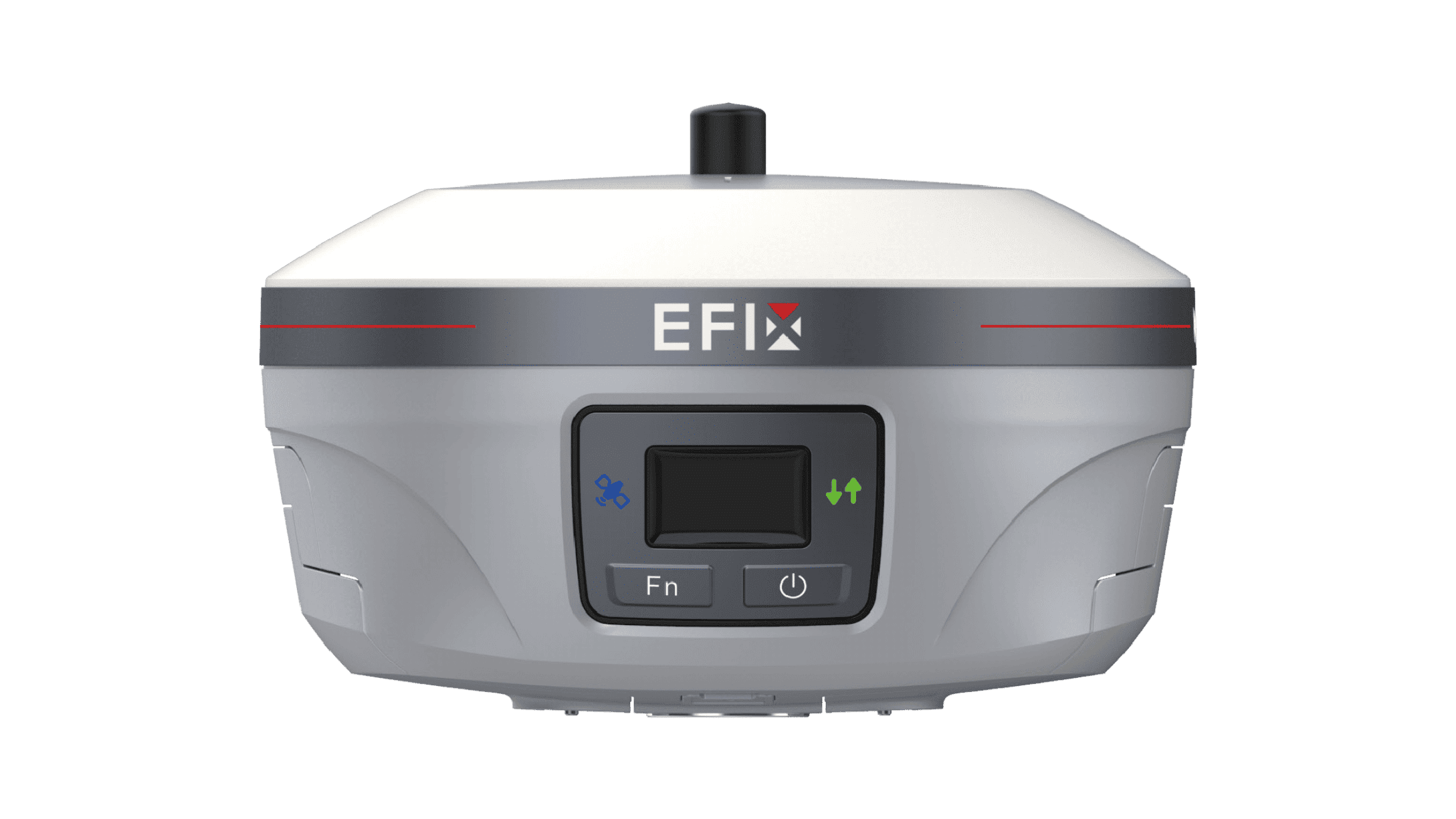
Choosing agricultural guidance equipment is not only about checking positioning accuracy. Farmers also need systems that fit real field conditions, support different operations, and remain practical over long working hours. A reliable GNSS auto steer system manufacturer should combine positioning technology with useful guidance features and a clear understanding of agricultural workflows. At EFIX, we believe that good solutions should focus on practical field needs, from planting and spraying to harvesting.
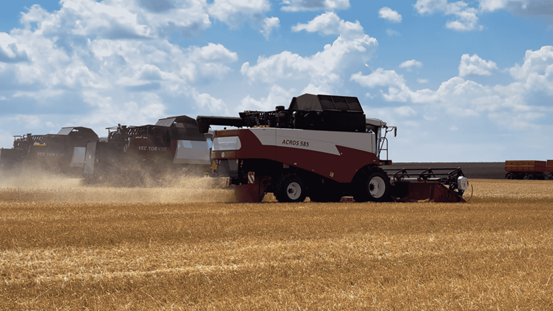
Accuracy That Supports Real Fieldwork
Accuracy is one of the first factors to consider. A system should provide stable guidance across different field conditions and support correction sources suitable for the farm. Consistent positioning helps tractors maintain repeatable passes and reduces unnecessary overlap during field operations. For harvesting, accurate guidance can also help operators follow established routes and maintain a steady working pattern. Farmers should therefore check not only the stated accuracy but also how the system performs across different terrain, correction services, and operating conditions.
Technology Built for Different Farming Tasks
A capable GNSS auto steer system manufacturer should understand that each agricultural task has different requirements. During harvesting, row guidance can help operators maintain a suitable path around crop rows. Recording lines can save important working routes for repeated operations, while a 360 camera can provide a wider view around the machine and support better awareness in complex field environments. These functions become more useful when they work as part of one connected workflow rather than as isolated features.
Integration, Usability, and Long-Term Support
Hardware performance is only one part of the decision. Farmers should also consider machine compatibility, installation, software usability, connectivity, and technical support. A well-integrated system can reduce unnecessary setup work and make daily operation easier. Clear interfaces are also important because operators may need to switch between guidance functions during busy seasons. Long-term software updates and responsive technical support can further influence the practical value of the equipment over its working life.
Conclusion
A strong agricultural guidance solution should combine positioning accuracy, practical functions, compatibility, and ease of use. Features such as row guidance, recording lines, and 360 camera support can add value during harvesting, while the same platform may also support other field operations. At EFIX, we focus on developing connected guidance solutions that match real farming requirements. For farmers comparing manufacturers, looking beyond specifications and examining the complete system experience can make the selection process more useful and informed.