In the evolving landscape of modern farming, the choice between traditional manual steering and advanced auto steering systems has become increasingly significant. The trends indicate a growing preference for efficiency and precision—qualities that auto steering systems, such as those from EFIX, provide. Incorporating these technologies allows farmers not only to enhance productivity but also streamline their operations significantly.

Understanding Auto Steering Systems
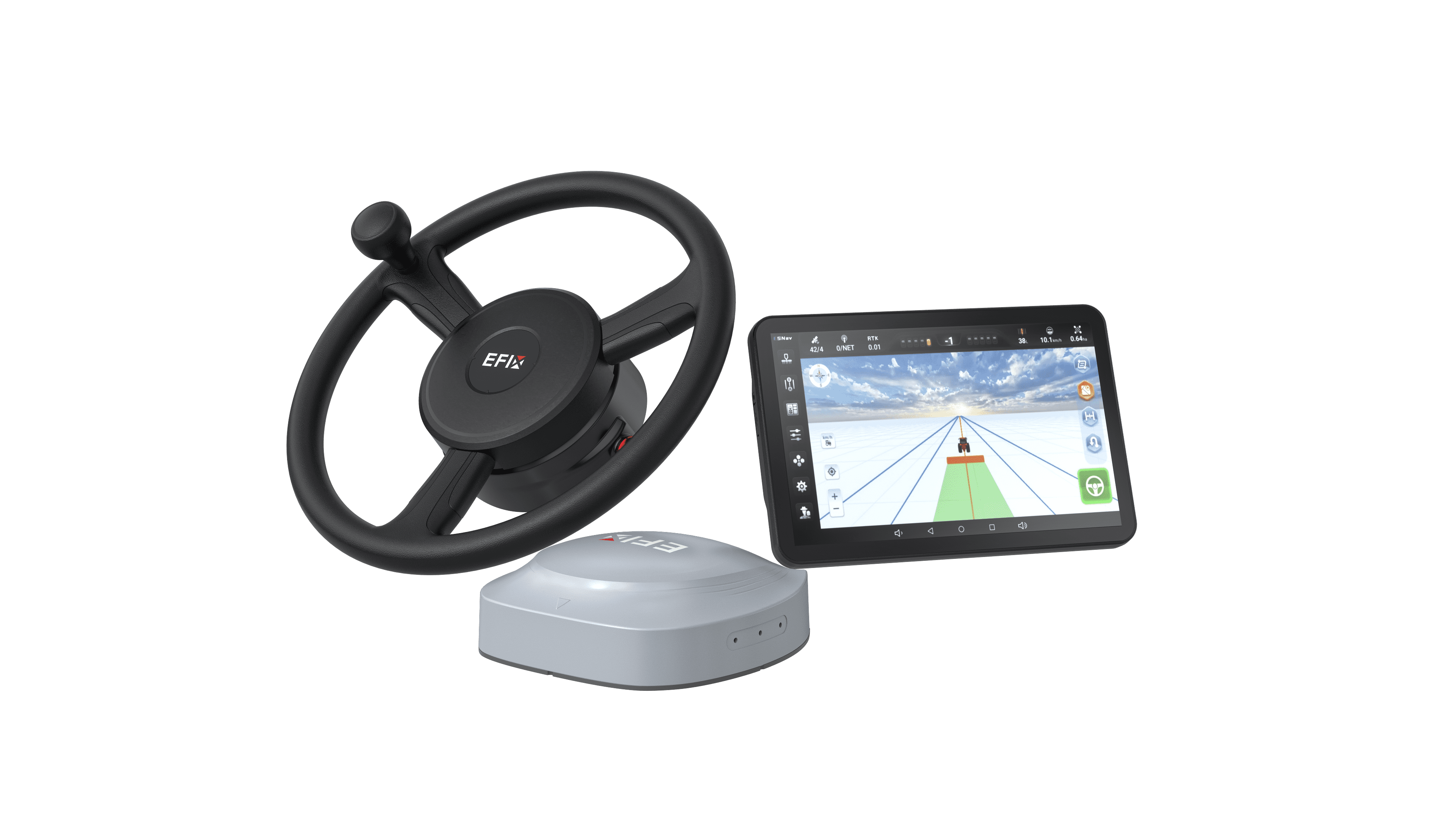
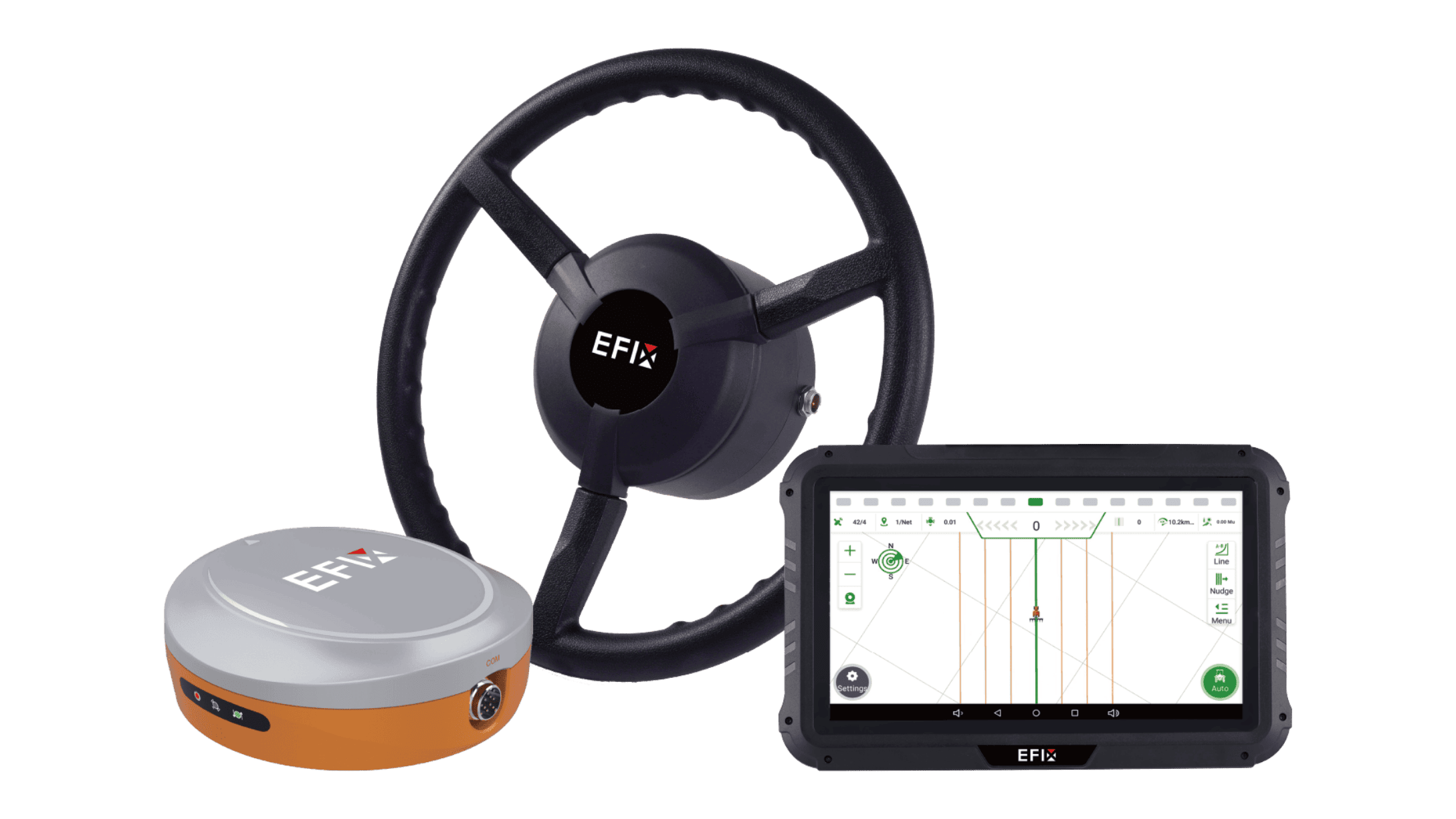
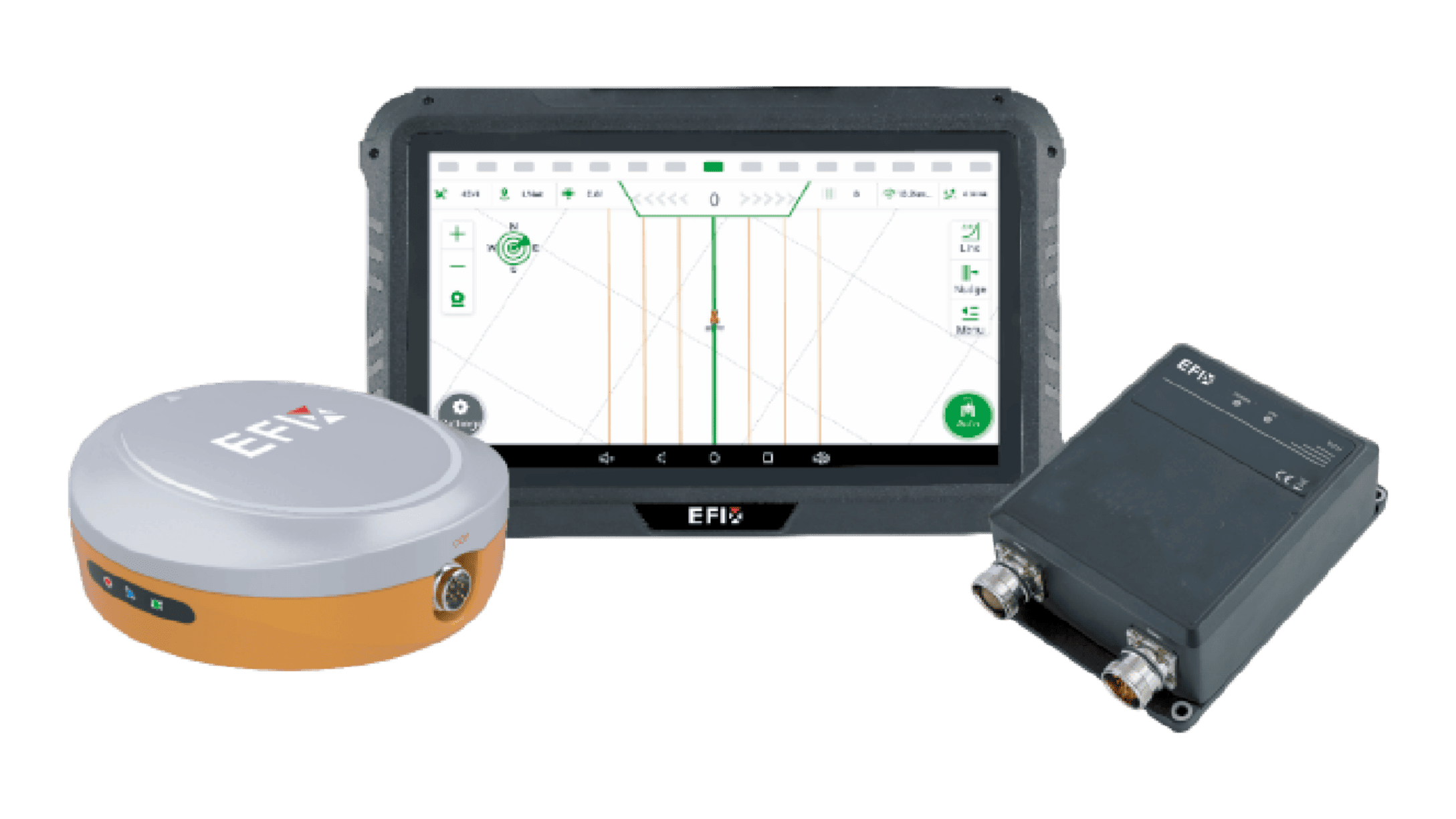
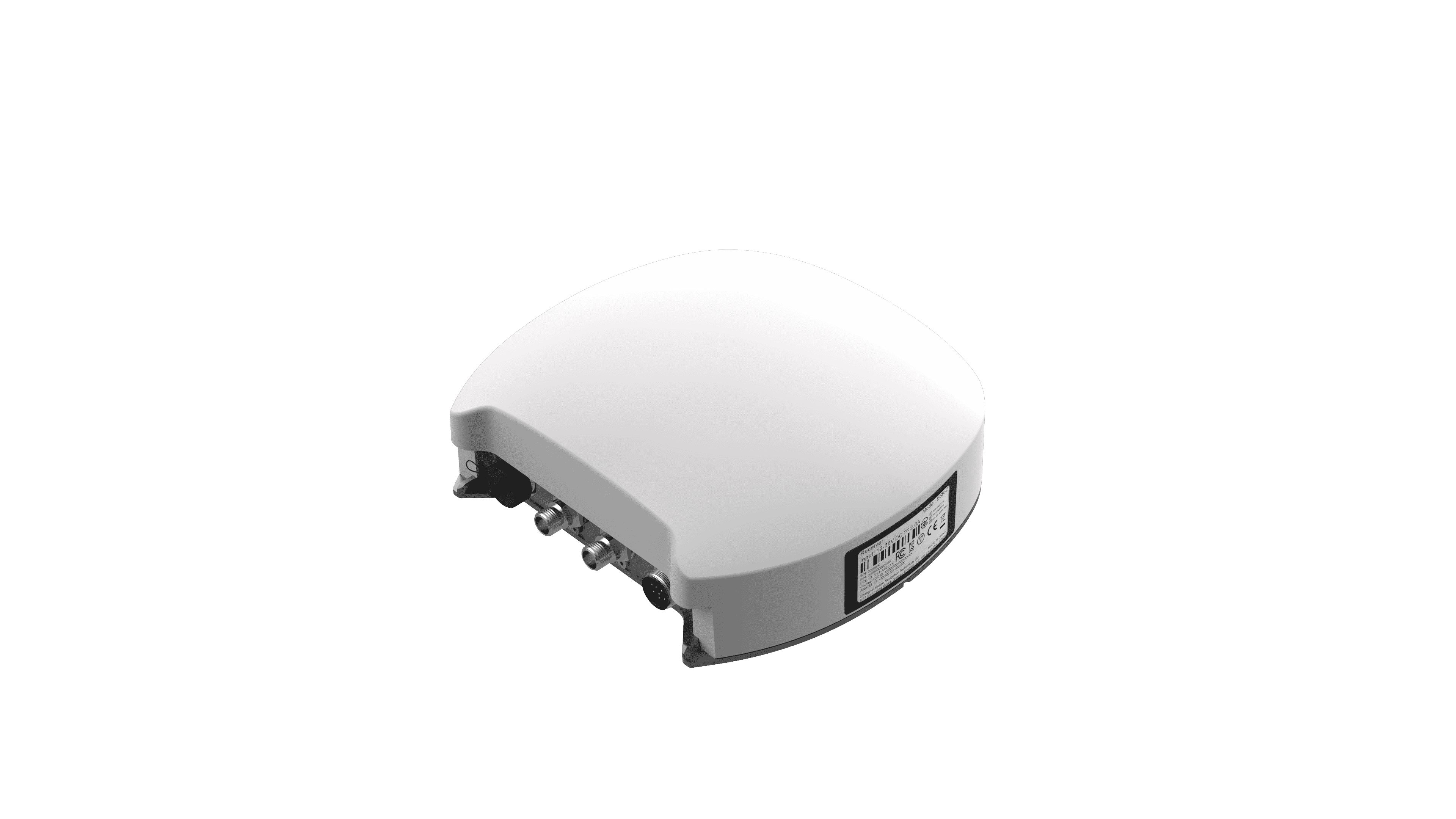
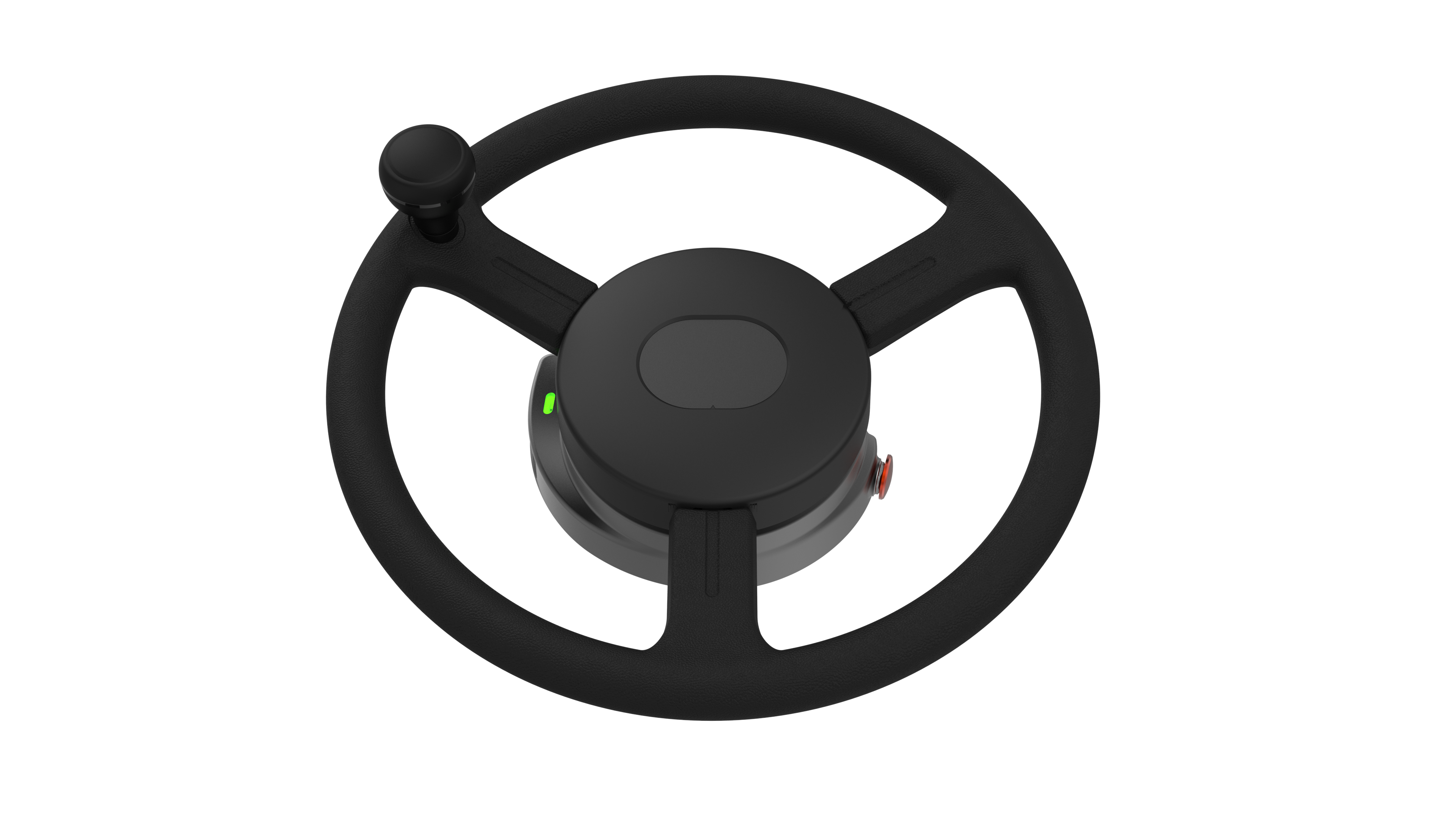
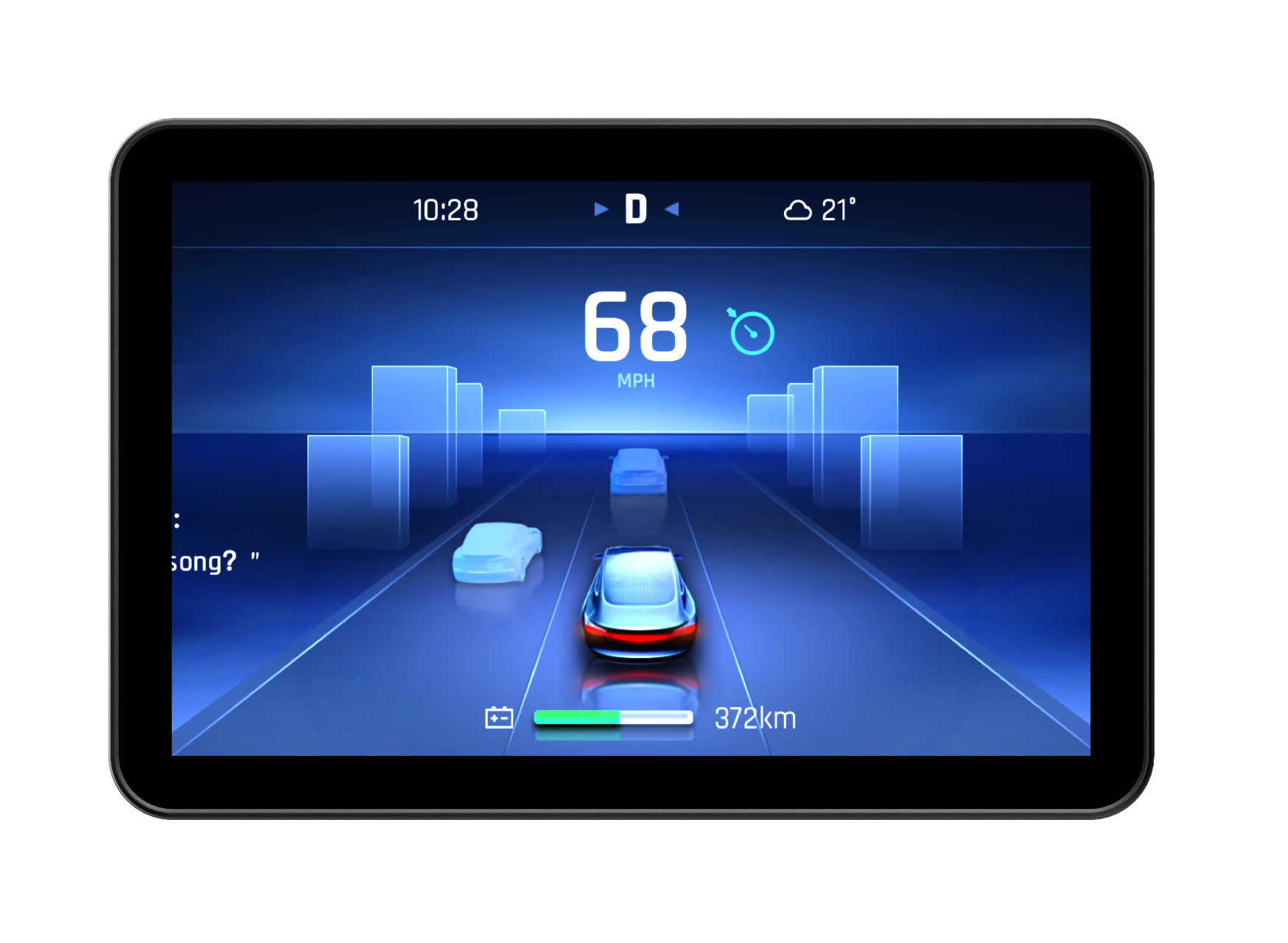
Auto steering systems represent a technological leap in agricultural practices. These systems utilize GPS technology to guide farm equipment, ensuring precise navigation across the fields. By minimizing human error and maximizing accuracy, auto steering systems can lead to improved crop yields. At EFIX, we focus on integrating cutting-edge technology that enhances the usability and effectiveness of these systems, allowing farmers to take control with ease. Our eSteer20 Max, for example, is designed to provide a clear interface with its 12.1-inch screen and a resolution of 1280 x 800 pixels, ensuring that operators can easily monitor their machinery while farming.
The Advantages of Auto Steering Over Manual Steering
Farmers utilizing manual steering often find themselves struggling with fatigue and inefficiency during long working hours. Auto steering systems combat these challenges by providing a level of automation that reduces physical strain. For instance, with EFIX’s technology, farmers can concentrate on managing their tasks without the physical burden of constant steering. In a time when labor shortages in agriculture are prevalent, enhancing comfort and efficiency is invaluable. The bright display of our eSteer20 Max at 750 nits brightness ensures visibility in various lighting conditions, further enhancing the user experience.
Impact on Precision Farming
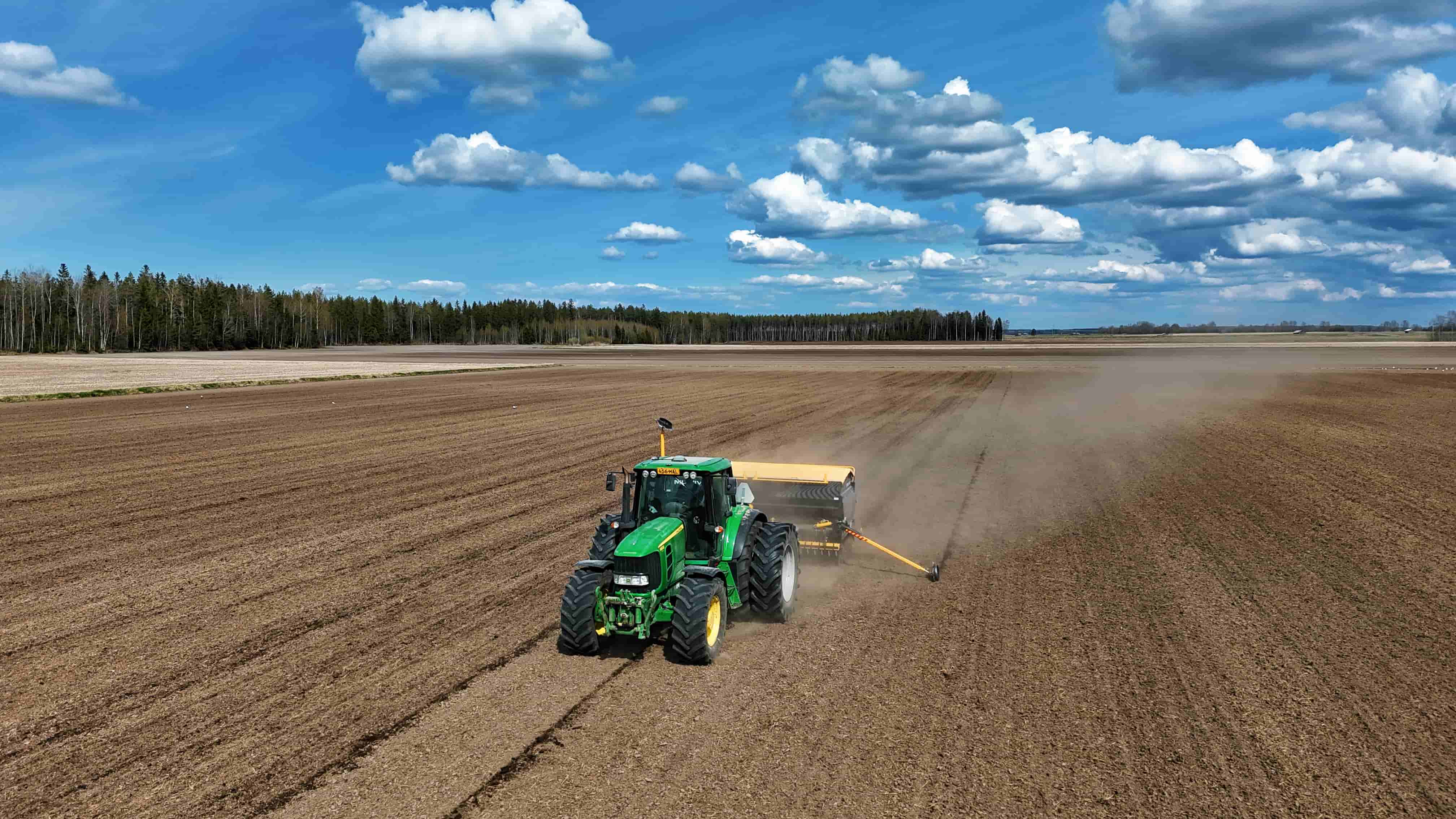
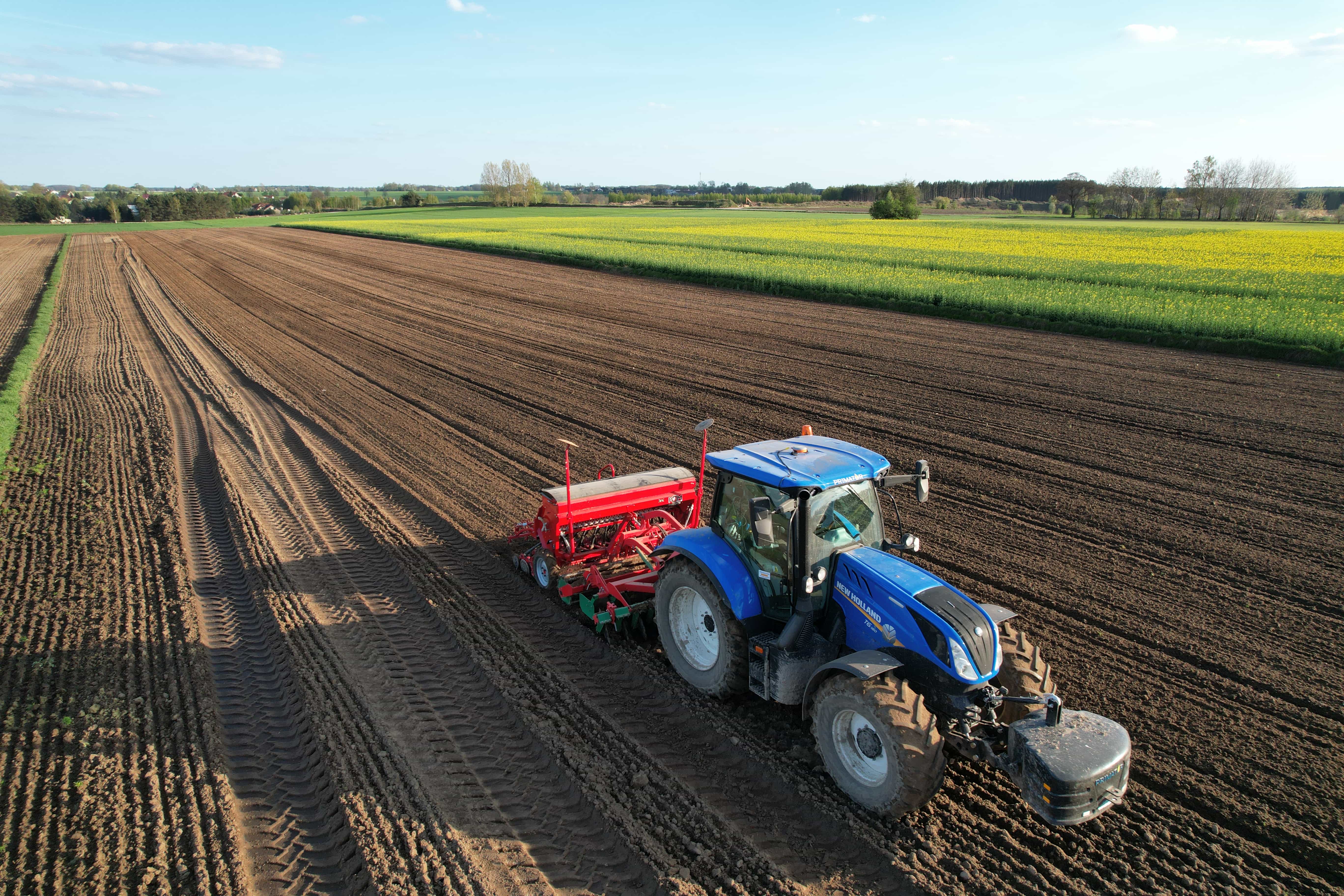
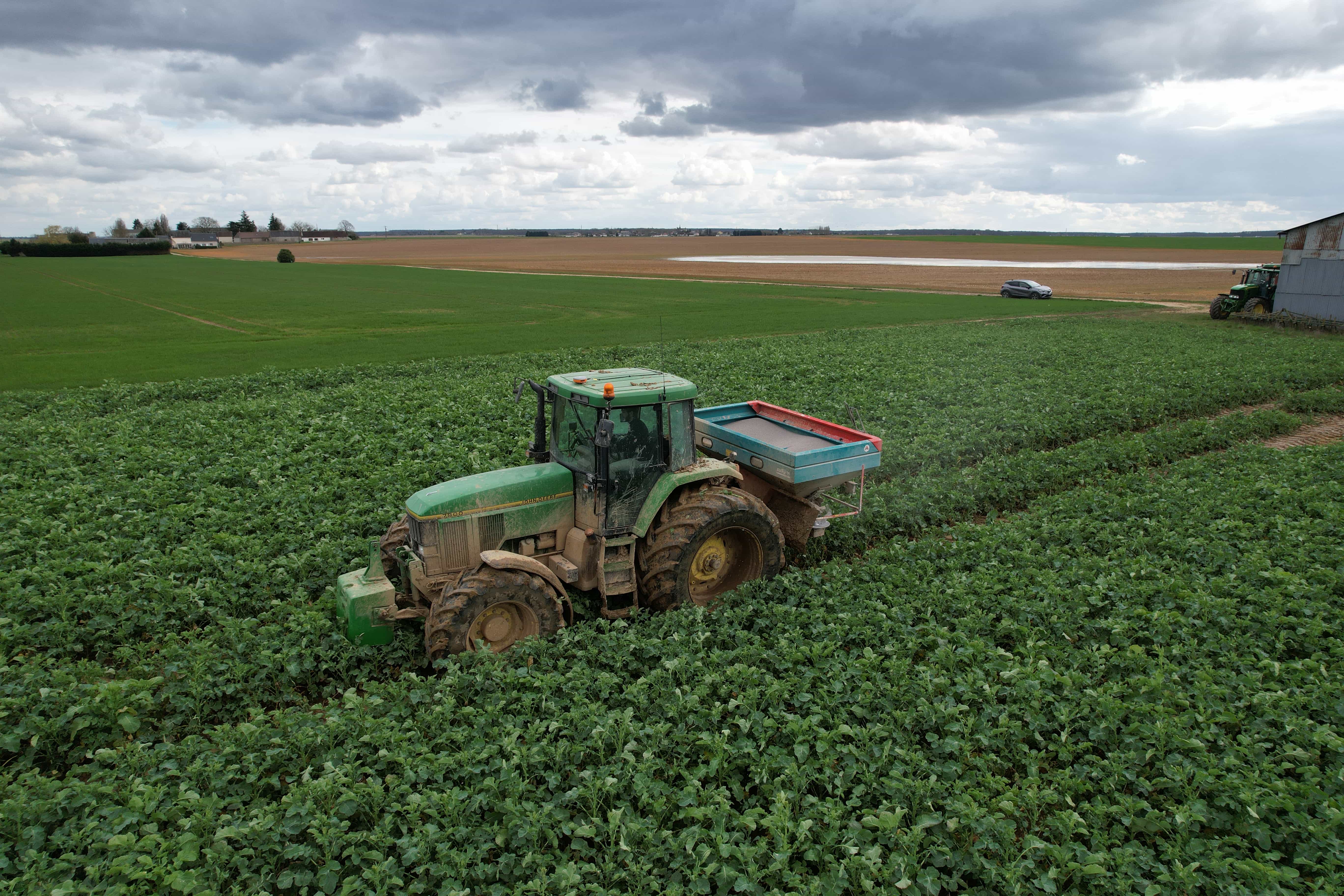
Precision farming is another area where auto steering systems have made a monumental impact. By utilizing GPS-guided technology, farmers can increase accuracy in their planting, fertilizing, and harvesting processes. As we delve into sustainable practices, the impact of precision agriculture on resource management cannot be ignored. With EFIX’s advanced systems, farmers can operate their machinery with a degree of accuracy that minimizes overlaps and skips in the field—a critical feature in modern farming that leads to reduced costs and environmental impact.
Conclusion
The shift from manual steering to auto steering systems signifies a transformative moment in agriculture. As we embrace technological advancements like those developed by EFIX, it becomes clear that the future of farming is not only about better machinery but also about smarter farming methods. The benefits of incorporating these systems are undeniable—yielding better results, reducing physical demand on operators, and contributing to sustainable practices. With tools like the eSteer20 Max, the farming community is poised to tackle future challenges while enjoying the advantages that innovation brings. Investing in auto steering systems is a step towards a more productive and efficient agricultural landscape.