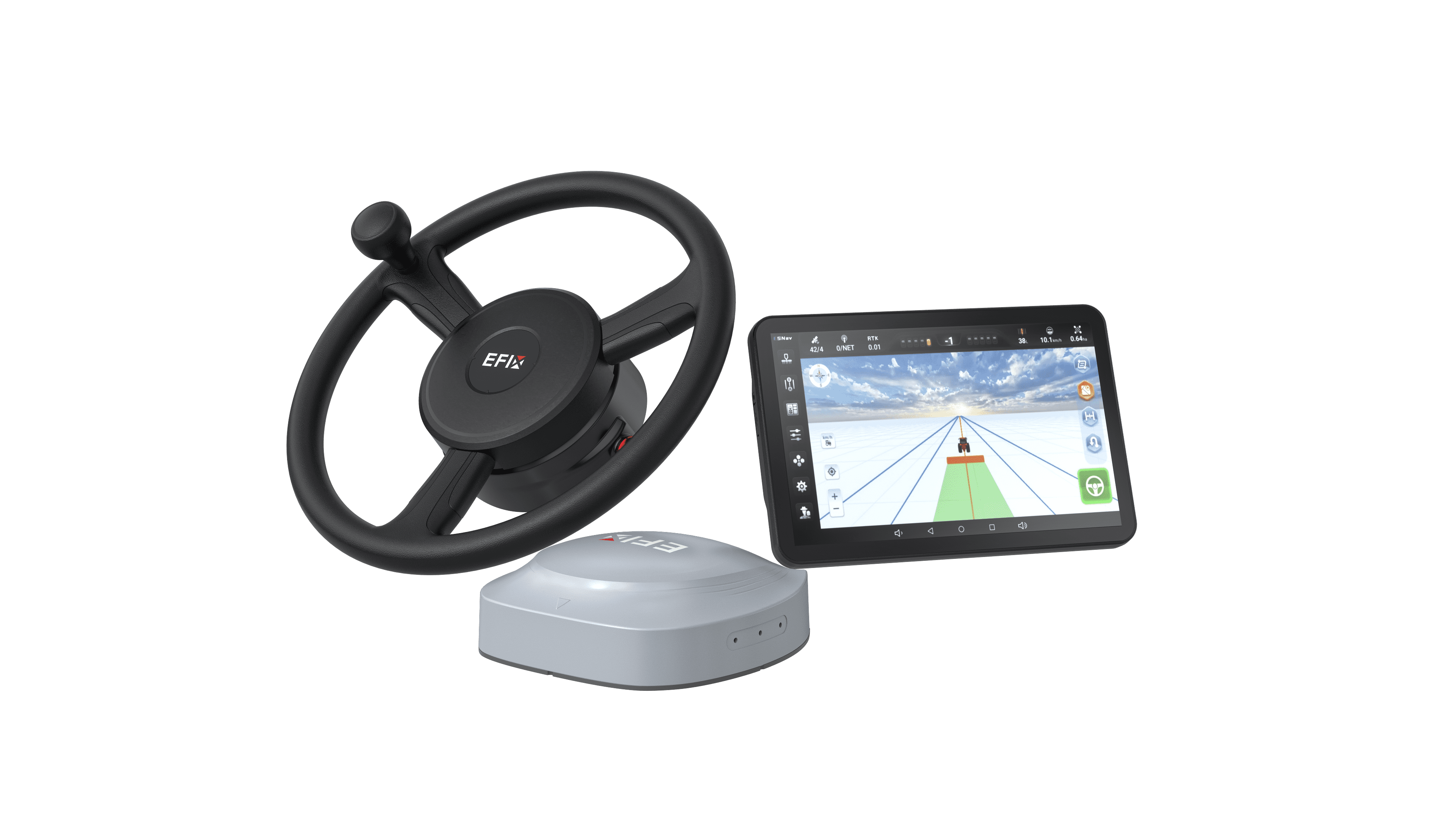
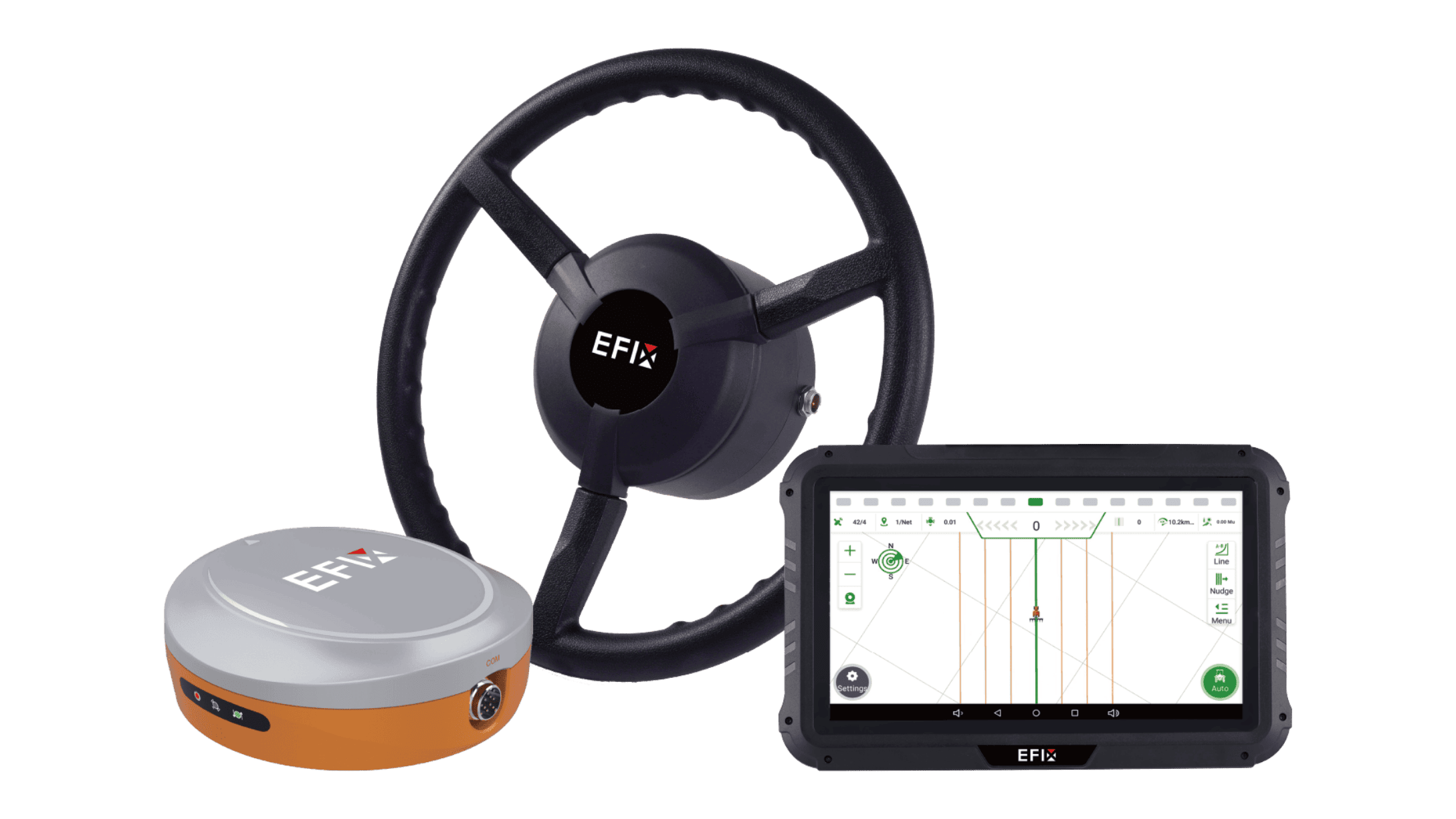
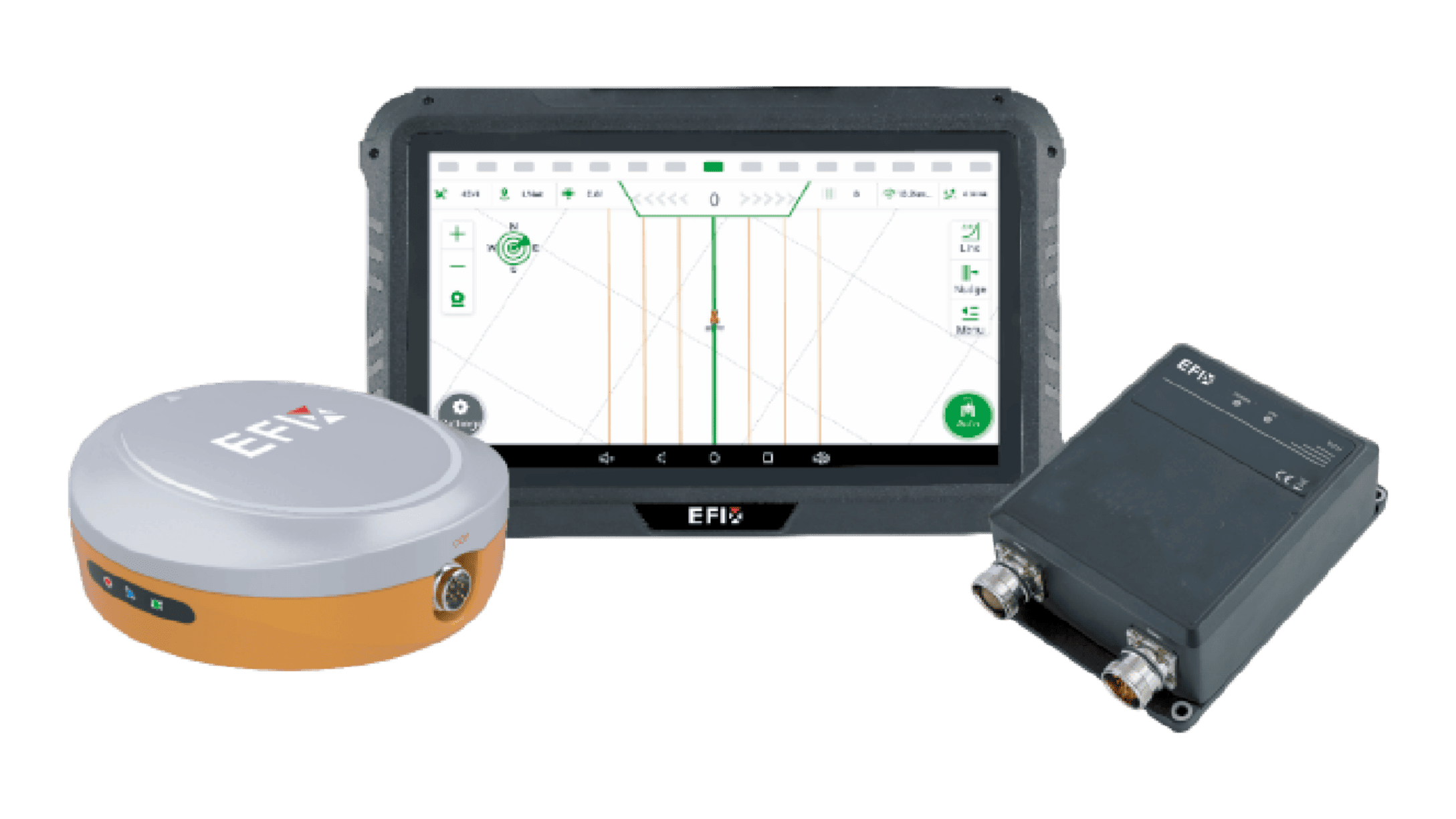
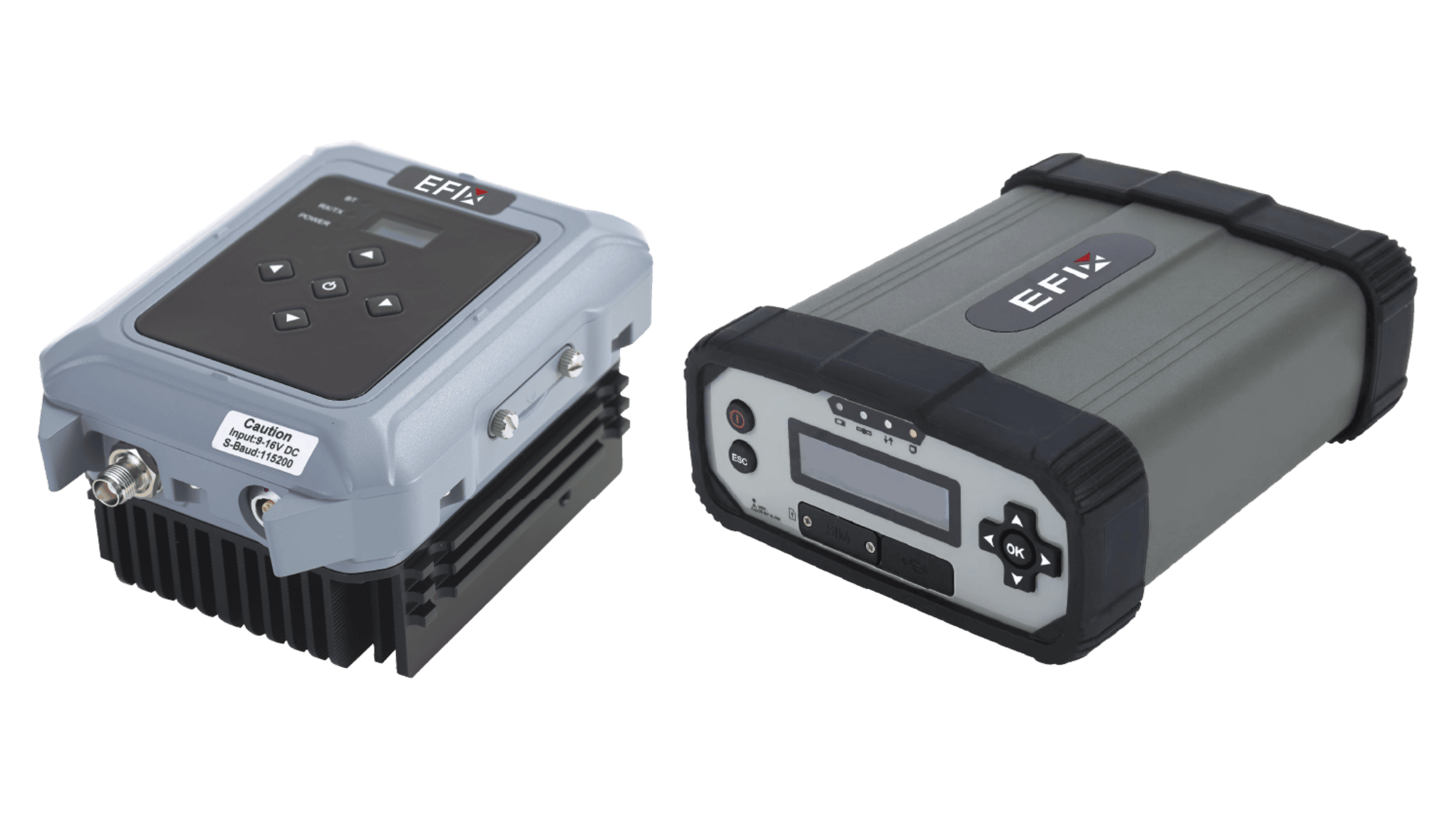
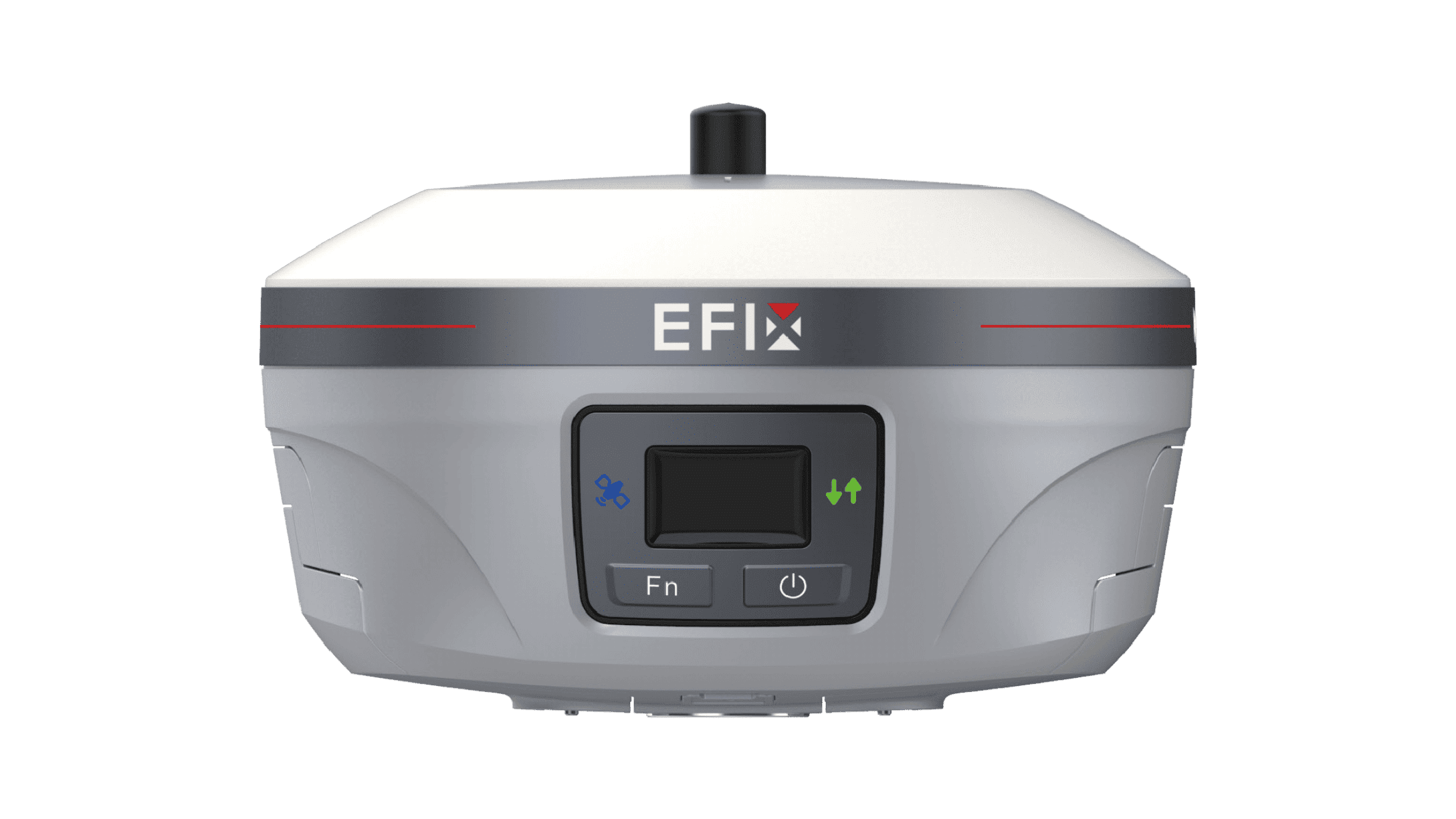
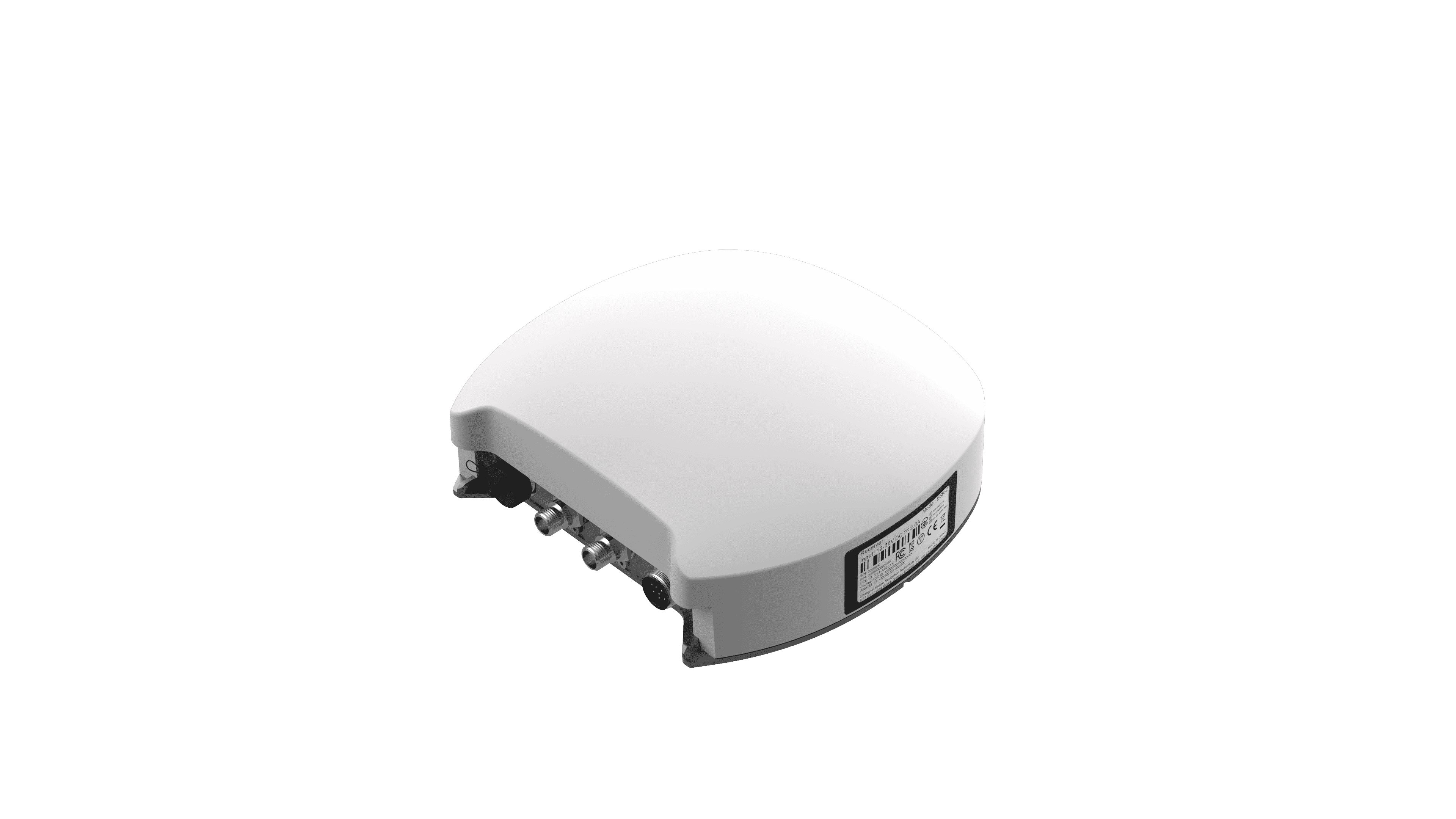
The demand for precise positioning has surged across various industries, from agriculture to construction. This is where the RTK GPS base station comes into play, providing users with the ability to achieve centimeter-level accuracy. At EFIX, we understand the importance of reliable positioning data, which is why our F-NET Pro Fixed Base Station stands out in this competitive landscape. By utilizing advanced technology, our base stations ensure the integrity and quality of GNSS raw data, delivering exceptional performance for various applications.
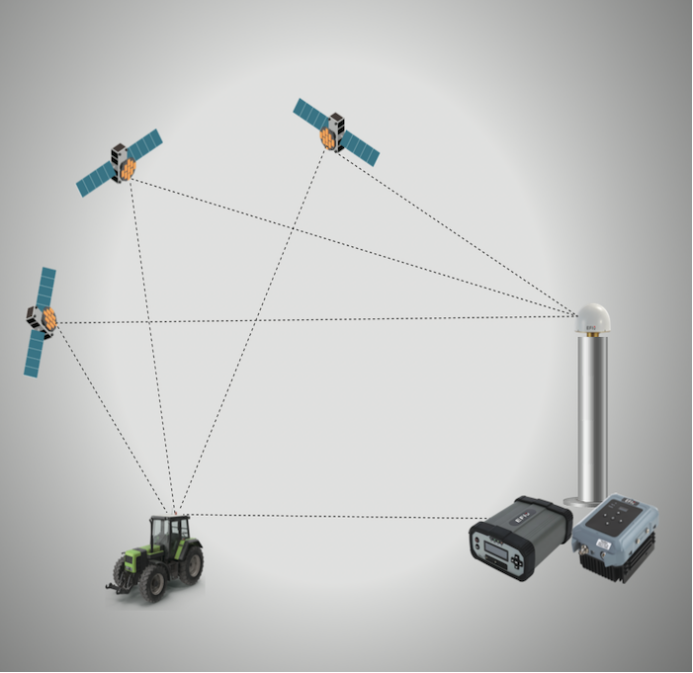
Understanding RTK GPS Technology
Real-Time Kinematic (RTK) technology has revolutionized the way we think about positioning. The core function of an RTK GPS base station is to collect data from multiple satellite constellations, including GPS, GLONASS, Galileo, BeiDou, and SBAS. The 624-channel F-NET Pro from EFIX can track signals simultaneously from multiple sources, which allows for robust coverage and enhanced accuracy. By leveraging the full spectrum of GNSS signals, users can receive high-quality corrections that significantly improve the overall positioning experience.
Advantages of Using a Fixed Base Station
Investing in a fixed base station like the F-NET Pro provides numerous benefits. Firstly, the robust design and advanced 624-channel tracking capability protect against potential signal interruptions, ensuring continuous and reliable operation. This translates to minimal downtime and maximum productivity for fieldwork. Moreover, by integrating our base station into RTK networks, users can achieve optimal GNSS RTK corrections, leading to superior rover positioning. This level of reliability is critical for projects where accuracy is a non-negotiable requirement, further emphasizing the importance of a quality RTK GPS base station.
Practical Applications of RTK GPS Technology
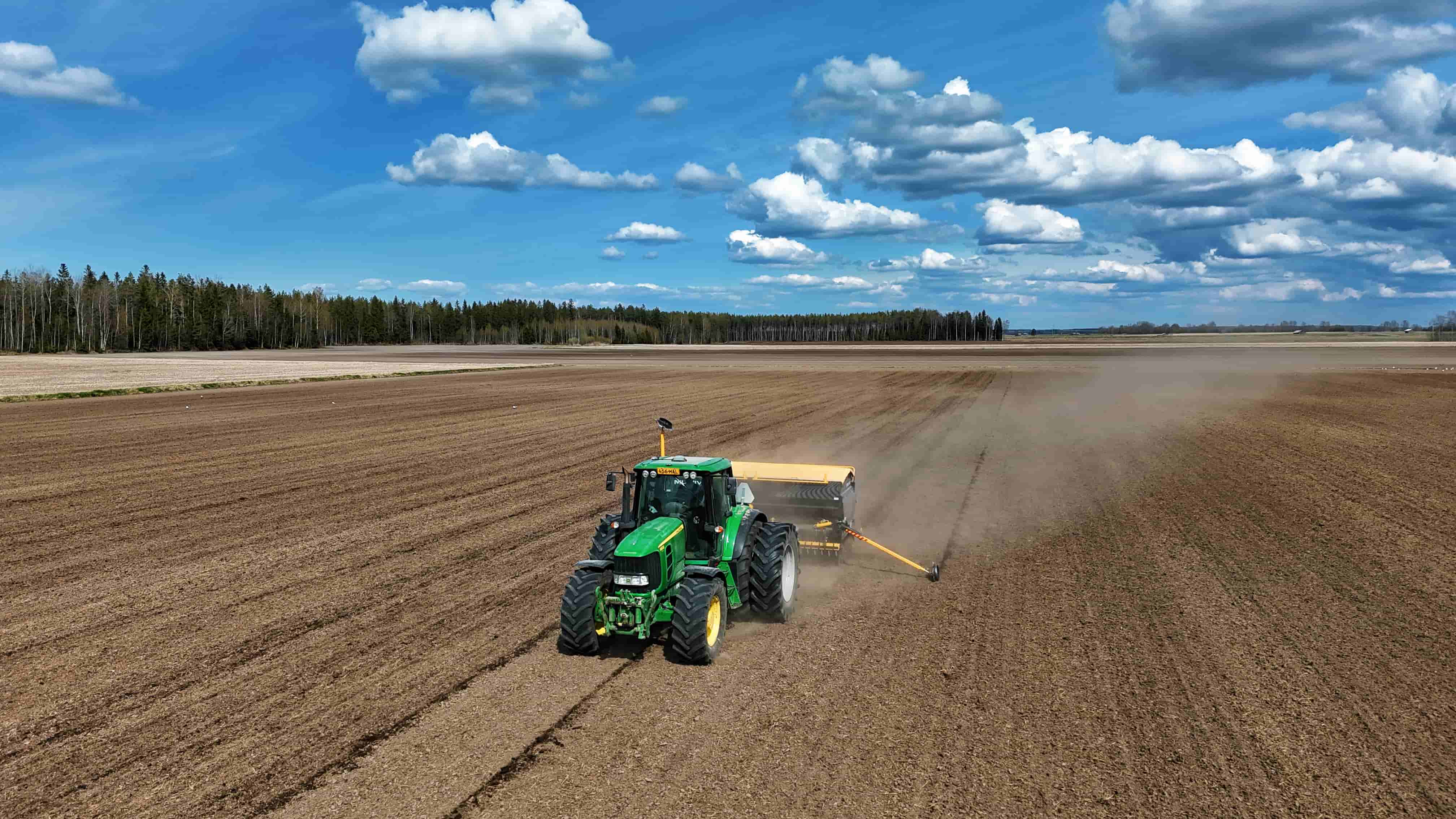
The versatility of RTK GPS base stations positions them as invaluable tools in numerous fields. In agriculture, farmers rely heavily on precise positioning for tasks like planting, spraying, and harvesting. Similarly, in construction, engineers and surveyors utilize accurate positioning to stake out sites or monitor structures in real-time. At EFIX, we’ve seen our F-NET Pro optimize workflows in these critical sectors. The integration of advanced GNSS tracking can lead to significant cost savings and enhanced efficiency, benefiting projects of all scales.
Conclusion
In summary, the significance of RTK GPS base stations such as the F-NET Pro cannot be overstated. Their advanced capabilities in providing centimeter-level accuracy should not only enhance operational efficiency but also open up new possibilities within various industries. At EFIX, we are committed to delivering superior GNSS raw data quality combined with the reliability that users have come to expect from an RTK GPS base station. By choosing our solutions, users invest in their productivity and precision, paving the way for future innovations in positioning technology.