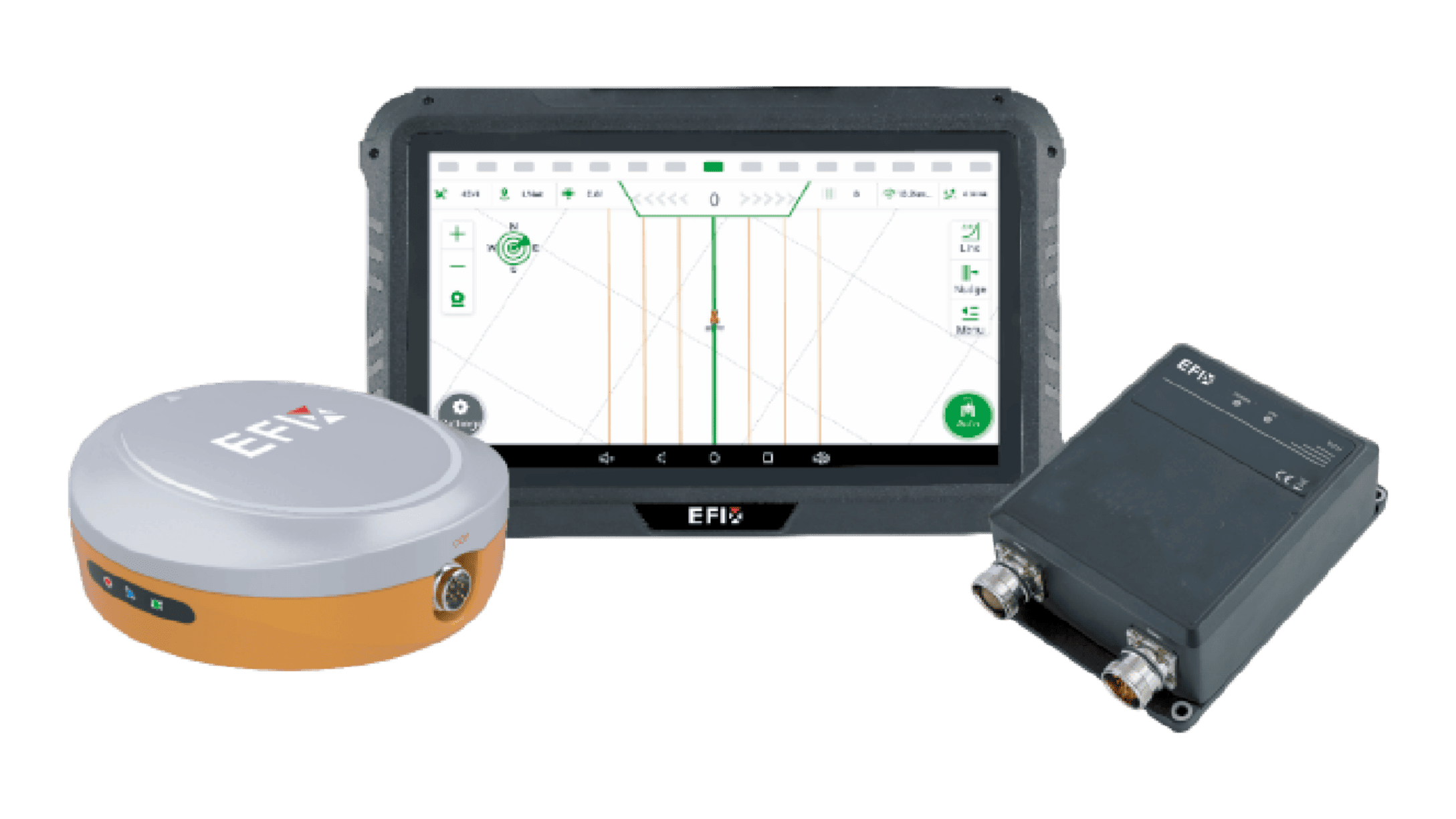
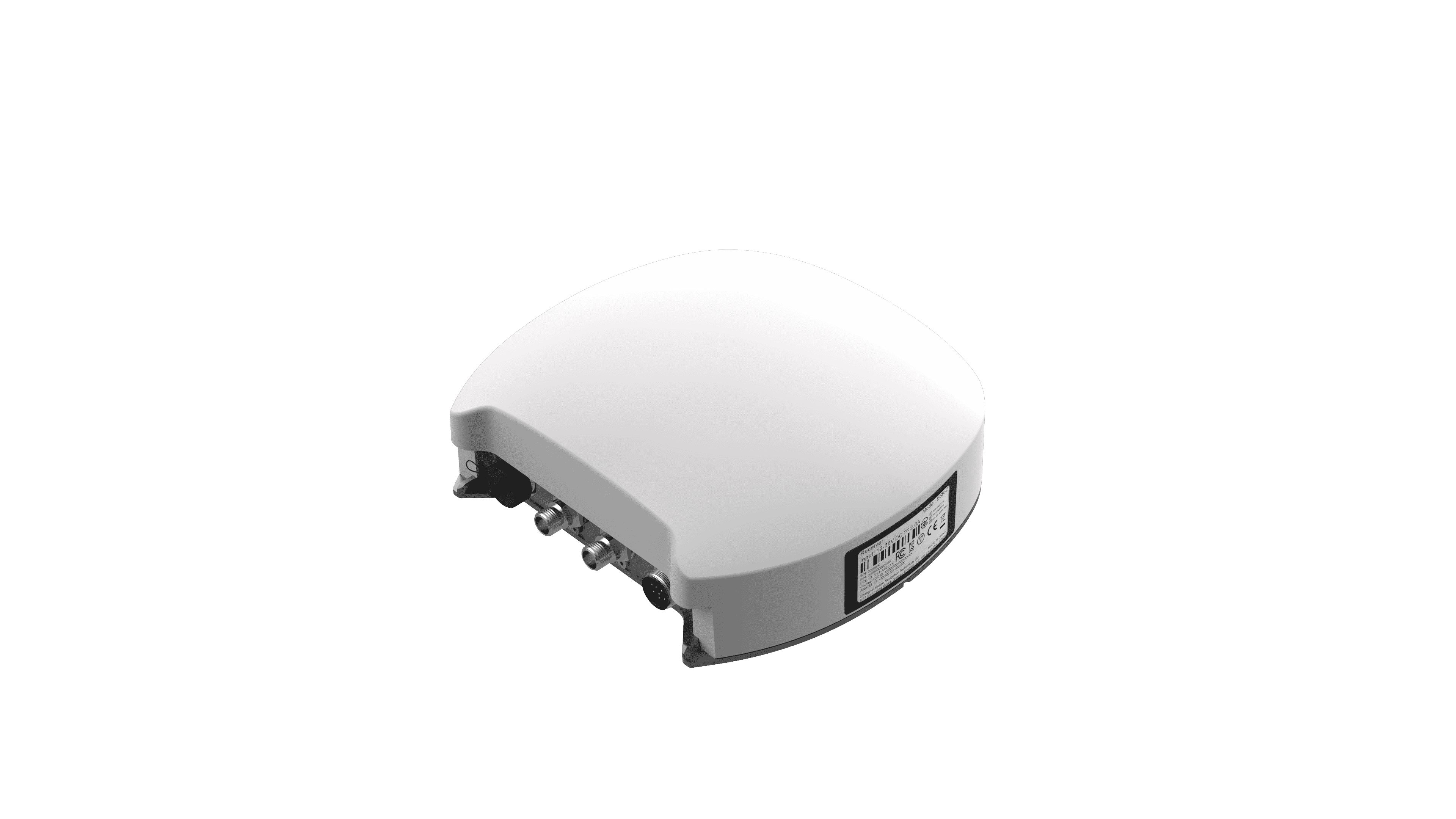
Accurate positioning has become vital for numerous industries, and GNSS base stations play a crucial role in delivering flawless data. This article will delve into the structure and functionality of these stations, focusing on the reliability of the F-NET Pro GNSS system developed by EFIX. With its robust design and advanced features, the F-NET Pro ensures that positioning data remains consistent and reliable.

The Architecture of GNSS Base Stations
A GNSS base station typically comprises multiple essential components that work cohesively to provide accurate positioning data. The core of a base station includes a GNSS receiver, antenna, and telemetry system. The receiver collects data from GNSS satellites, while the antenna ensures strong signal reception. Our F-NET Pro is designed to be IP67-rated, making it water and dust-resistant, which is essential for reducing potential downtime associated with adverse environmental conditions. This integrated design allows the F-NET Pro to withstand challenging installations, ensuring continuous operation even in harsh environments.
How GNSS Base Stations Operate
Understanding the operational mechanics of a GNSS base station is crucial for appreciating its significance in various applications. The stations utilize precise satellite signals to calculate location data. These signals are then transmitted to connected devices, providing essential corrections and enhancing accuracy. The F-NET Pro from EFIX ensures that the data transmitted is not only reliable but also available 24/7. This is possible due to its advanced power supply and operational design, which prevents any interruptions in data flow, ensuring that data integrity is maintained even during periods of high demand.
Applications and Usability of GNSS Data
The applications of GNSS base stations are vast and varied. They are integral in sectors ranging from agricultural technology, urban planning, to autonomous vehicles. Accurate positioning allows for precise land surveying, enhances navigation systems, and enables geo-fencing in agricultural practices. With the F-NET Pro, EFIX ensures that users can access seamless and precise GNSS data, crucial for decision-making and operational efficiency. By prioritizing data integrity and reliability, the F-NET Pro supports numerous applications that demand high accuracy.
The Importance of Data Integrity in GNSS Technology
One of the most critical aspects of GNSS base stations is maintaining data integrity. This is where the F-NET Pro truly shines, featuring industrial design elements that safeguard against moisture and dust. The IP67 rating signifies that it can withstand significant environmental challenges, reducing the risk of data loss or errors that can lead to operational complications. Ensuring consistent data integrity is vital in industries where even minor inaccuracies can result in significant financial implications.
Conclusion
In summary, GNSS base stations provide an essential service in today’s technology-driven world. The unparalleled functionality and reliable design of the F-NET Pro by EFIX exemplify the importance of data integrity in GNSS technology. By understanding the structure, operation, and the critical role that data integrity plays, users can better appreciate the value that GNSS base stations bring to various fields. Investing in advanced technology like the F-NET Pro ensures that positioning data remains accurate and dependable, paving the way for future innovations and operational efficiencies.