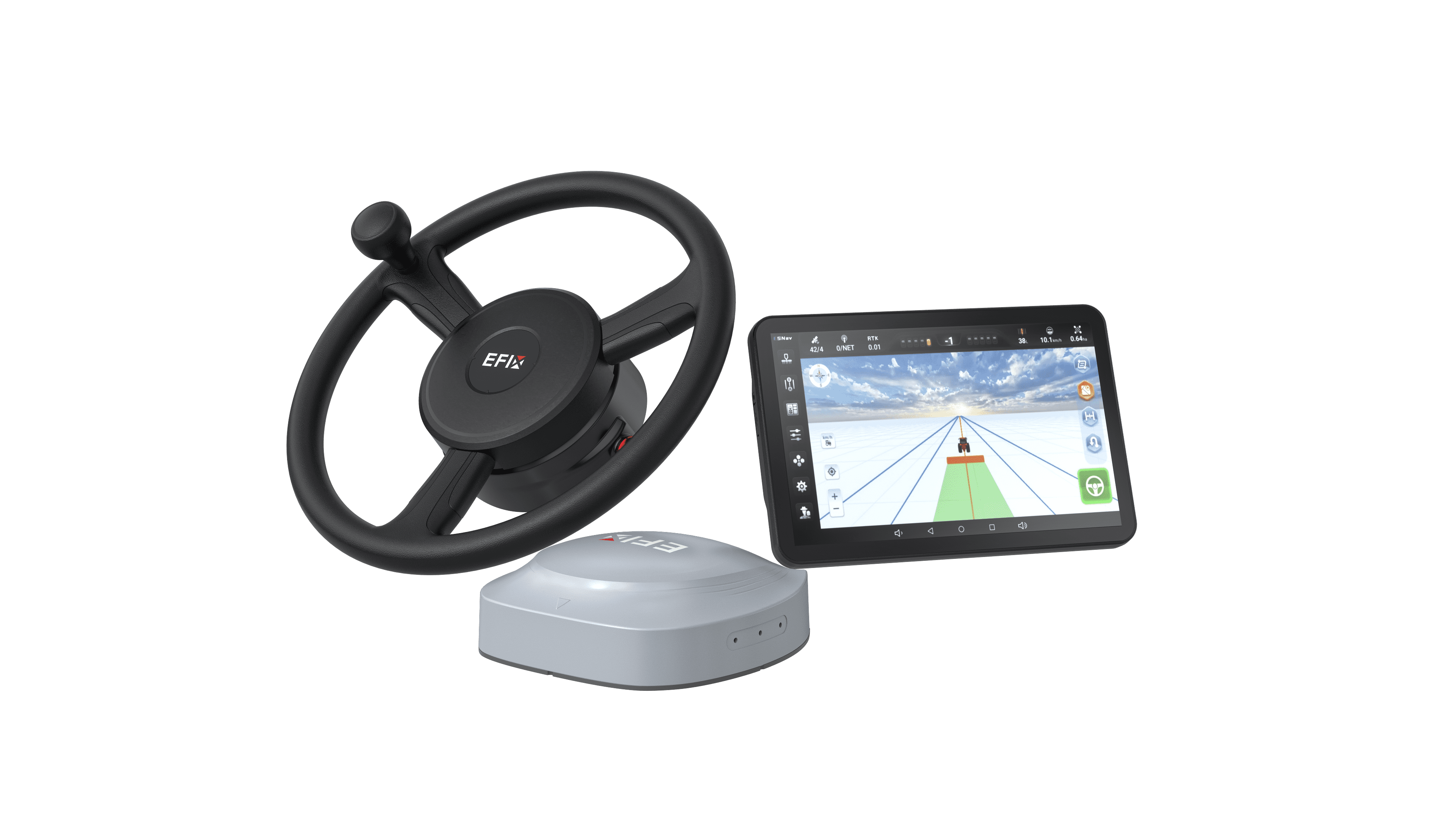
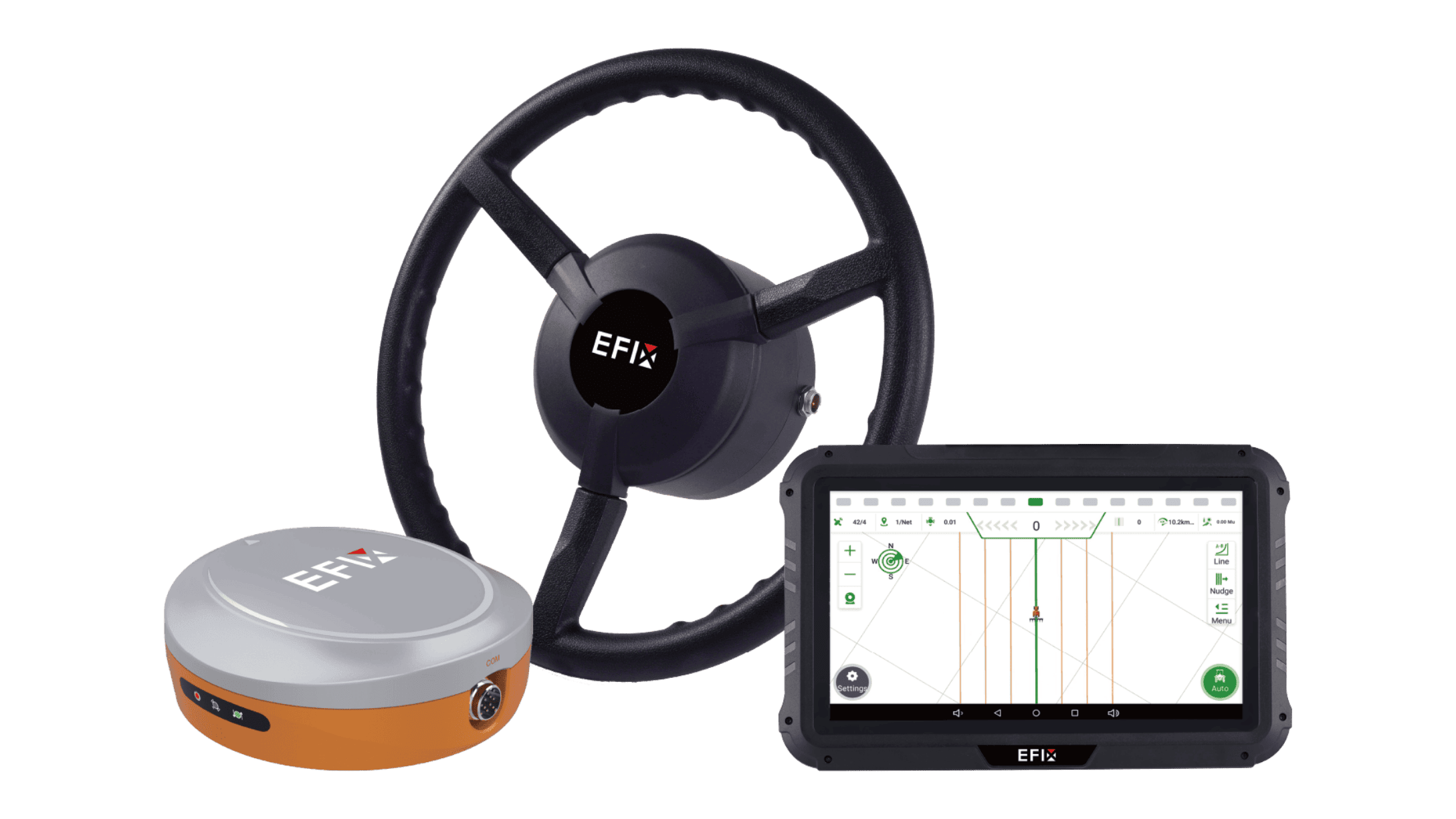
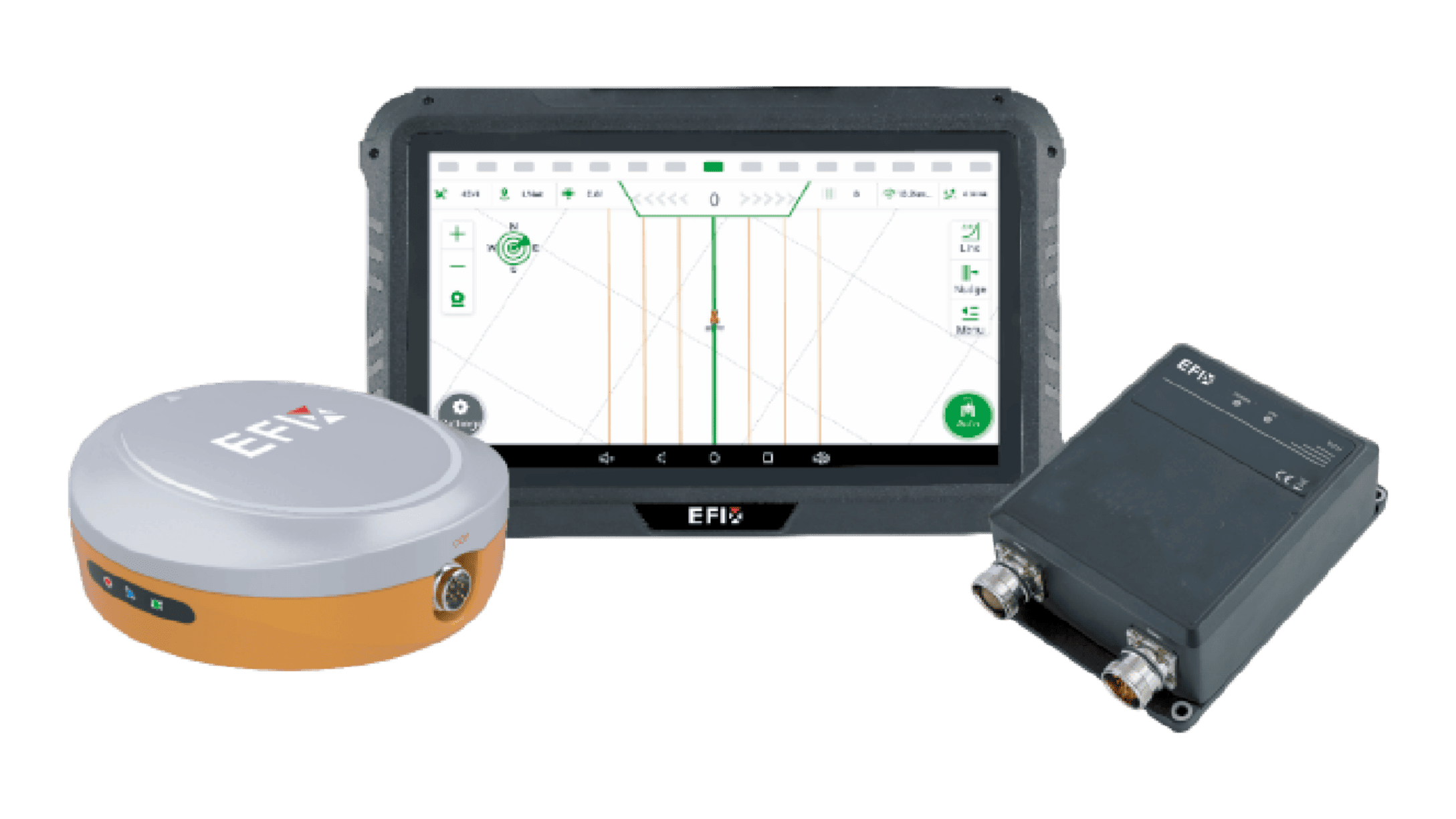
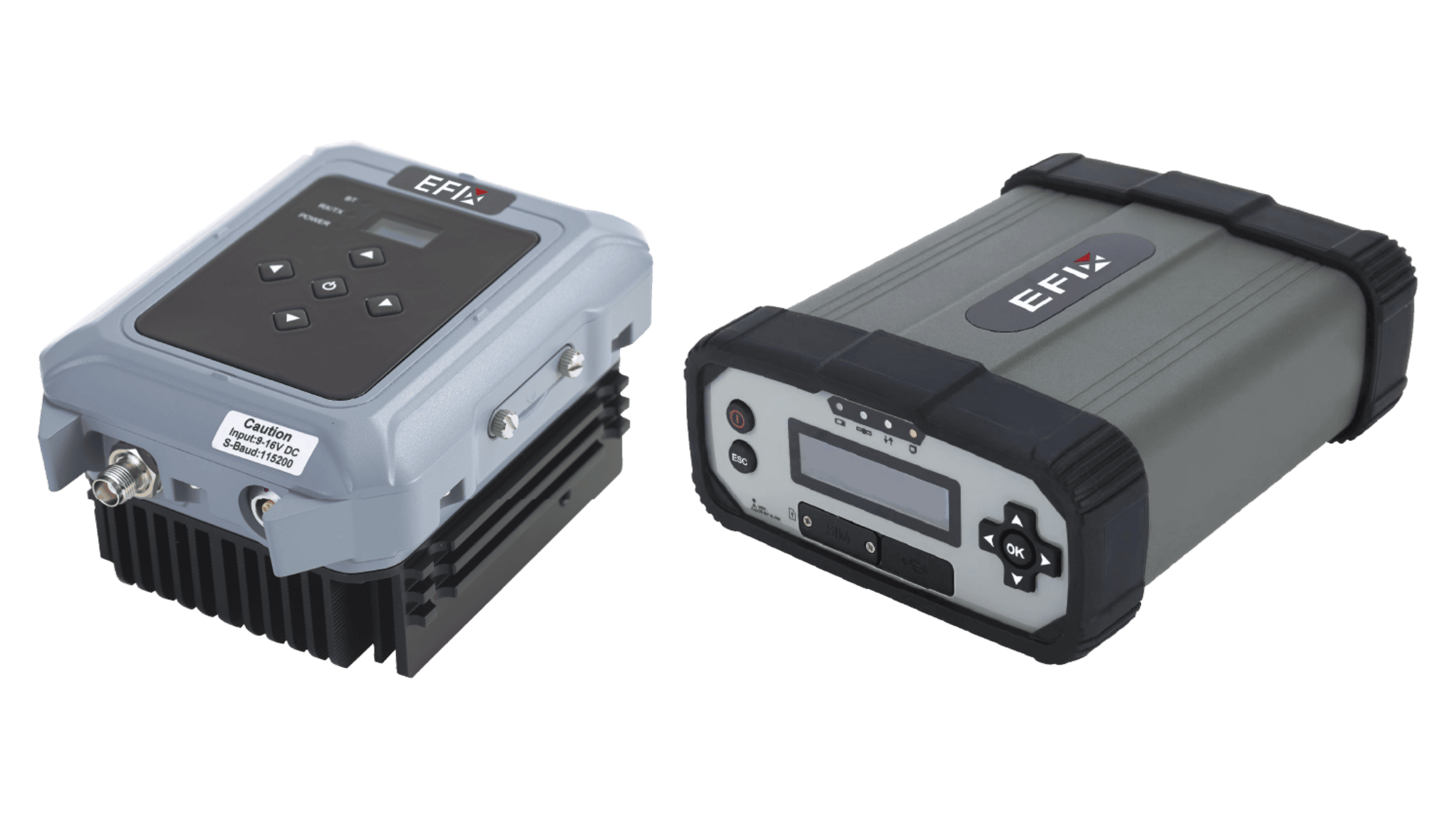
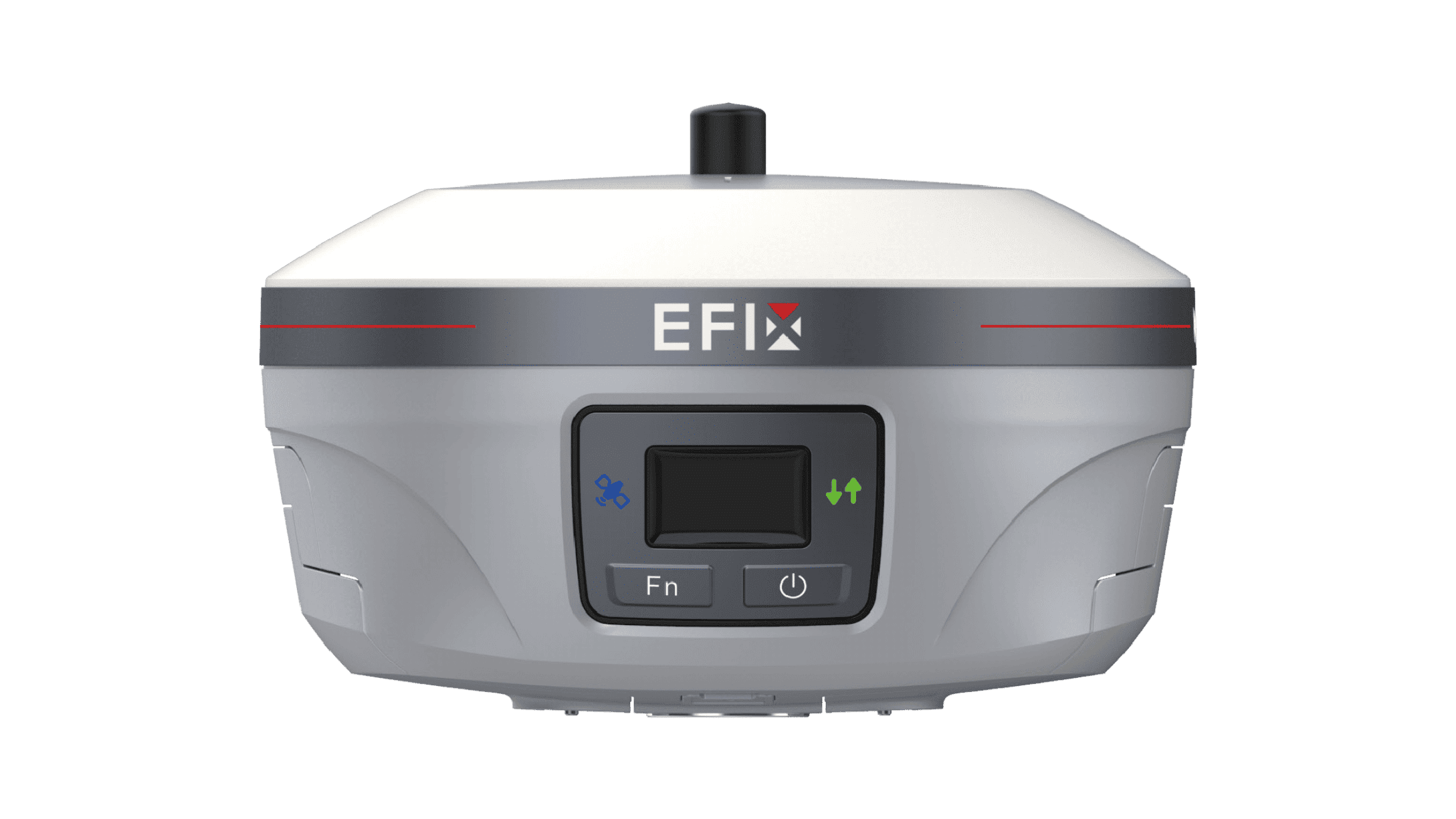
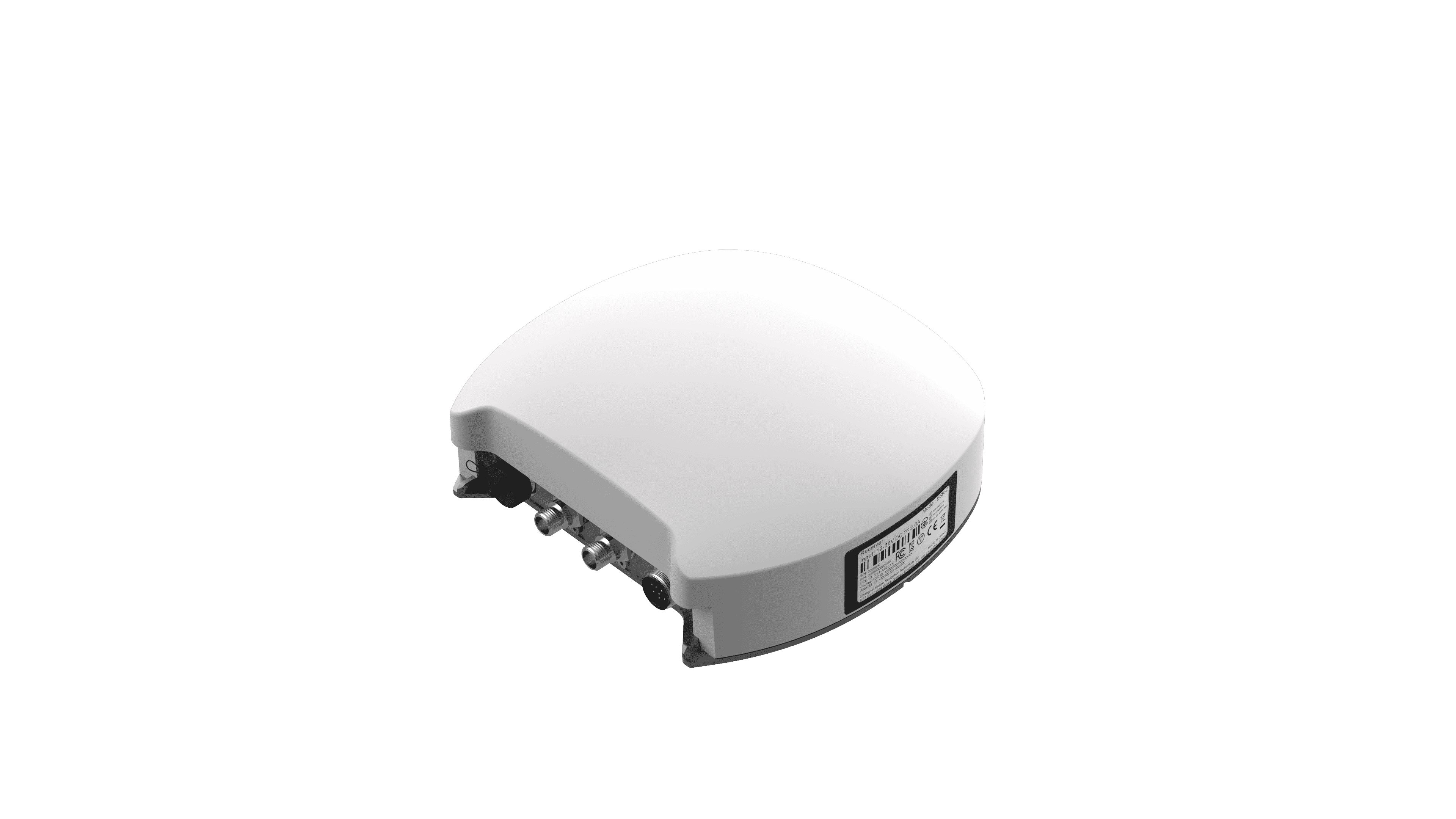
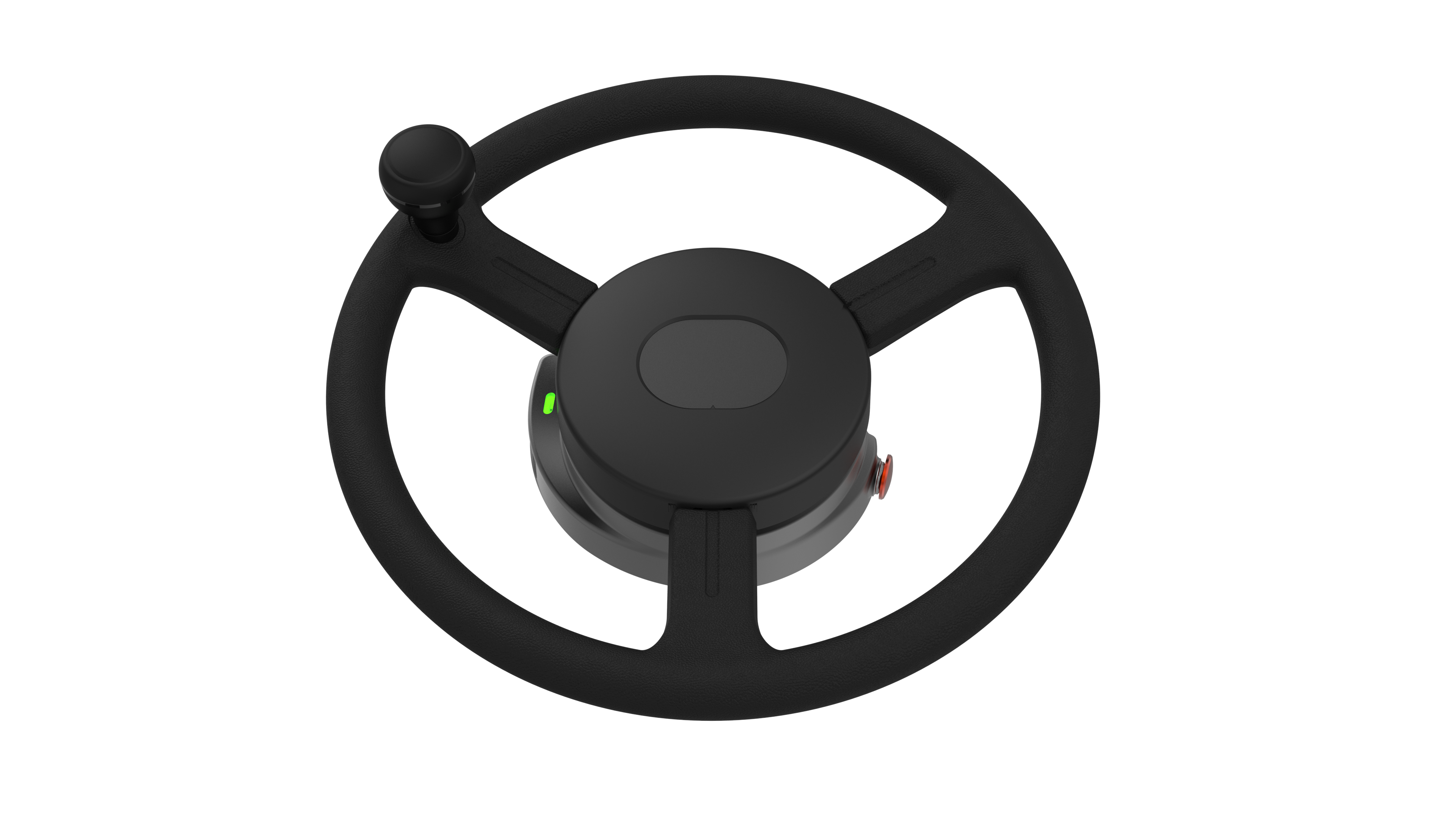
In the ever-evolving world of farming, where precision agriculture is becoming increasingly vital, having the right technology can significantly enhance productivity. An RTK GPS base station is one such technology that can transform how we approach farming. With the ability to provide real-time, precise positioning data, this system plays a pivotal role in modern agricultural practices. At EFIX, we focus on delivering cutting-edge solutions that simplify the installation and use of an RTK GPS base station, particularly the powerful F-NET Pro and its associated components.

Understanding the Importance of RTK GPS in Agriculture
Precision agriculture relies heavily on accurate positioning information for optimal field management. An RTK GPS base station like the F-NET Pro provides centimeter-level accuracy, ensuring that every seed is planted at the right depth and every field is treated uniformly. This efficiency leads to maximized yields and minimized waste. The F-NET Pro GNSS receiver is designed to withstand harsh farm environments while offering high reliability—making it a crucial component for farmers looking to enhance their operational efficiency.
Steps to Successfully Install an RTK GPS Base Station
Installing an RTK GPS base station requires careful planning and execution. First, selecting the right location for the F-NET Pro is essential. Ideally, the station should be placed in an open area with minimal obstructions to enhance signal reception. Once the site is determined, set up the F-NET Pro GNSS receiver alongside the FL3 external radio to enable two-way communication. Following installation, a quick self-diagnosis can be performed to ensure the station operates smoothly—adding to the confidence of our users at EFIX.
Maintaining Your RTK GPS Base Station for Long-Term Use
To reap the benefits of an RTK GPS base station like the F-NET Pro, maintenance is key. Regular checks of the system, including monitoring battery levels and ensuring the lightning protection features are functional, can prevent costly downtime. EFIX recommends periodic updates and software checks to maintain high standards of accuracy and reliability. By following these maintenance guidelines, farmers can ensure sustained operation and performance from their F-NET Pro systems year-round.
Conclusion
Integrating an RTK GPS base station into farming operations is more than just a technological upgrade—it represents a strategic move towards a more efficient agricultural process. By choosing EFIX and the F-NET Pro, farmers can depend on a robust system designed to thrive in demanding conditions while delivering precise location data. As agriculture continues to evolve, embracing such technologies will help ensure sustainability and profitability in the long run.