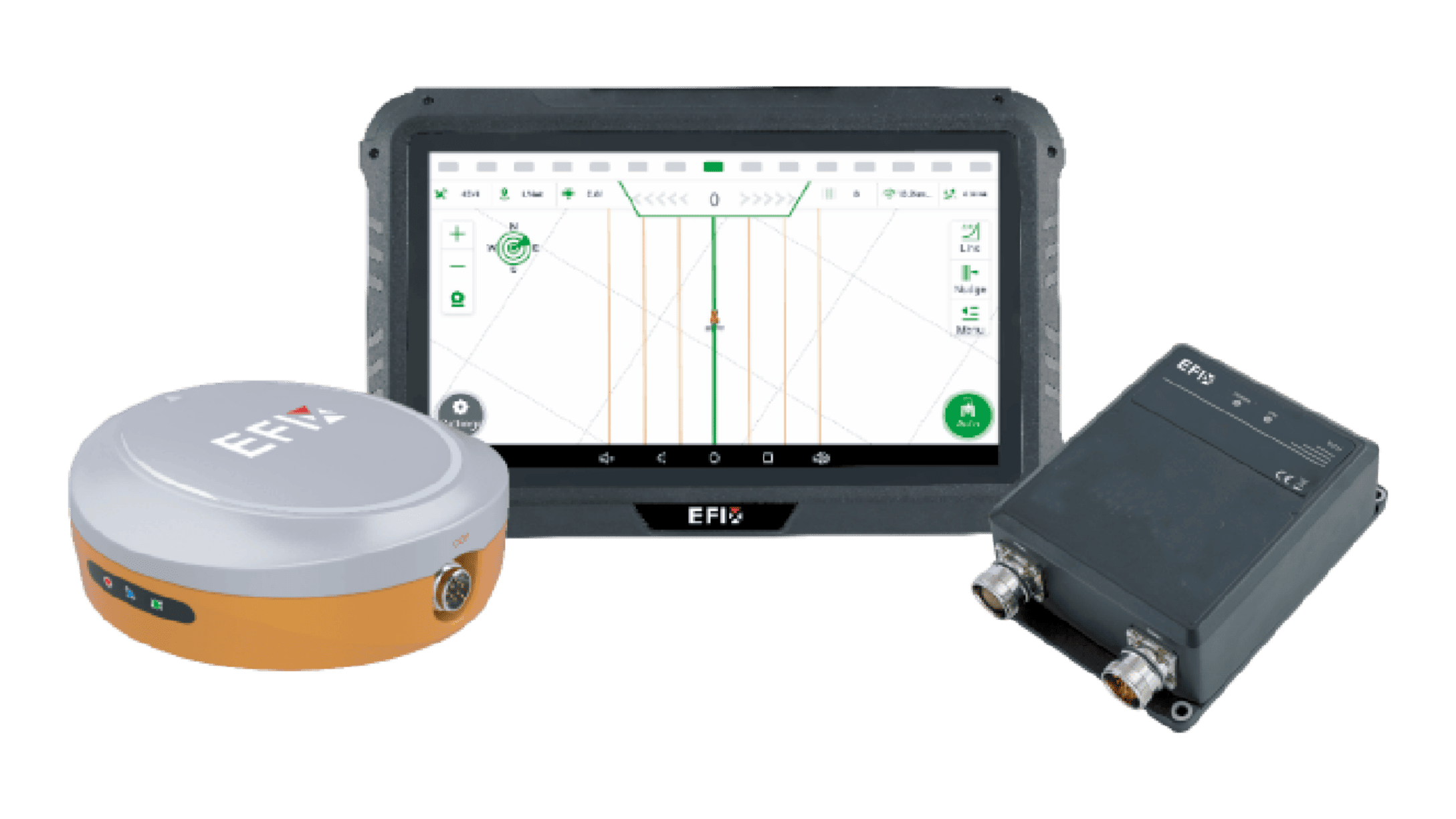
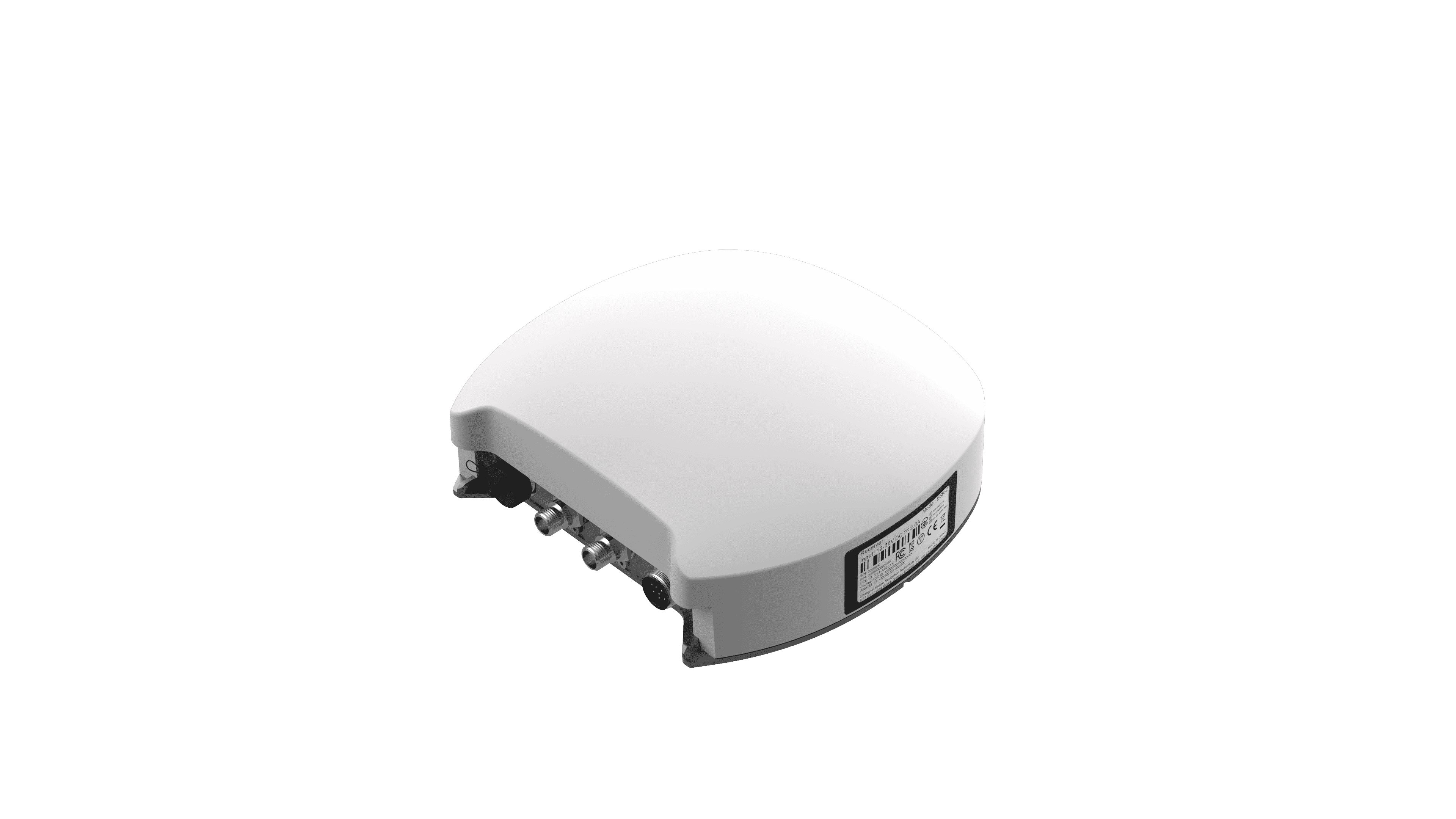
In the dynamic world of agriculture, precision and efficiency are paramount. Farmers are increasingly incorporating advanced technologies to optimize their operations, enhance yields, and minimize costs. One such technology gaining traction is the GNSS base station. By utilizing the power and accuracy of EFIX solutions, farmers can transform their agricultural practices and achieve remarkable results. This article will delve into the deployment of GNSS base stations in agriculture and highlight the benefits they bring to farming efficiency.

Enhancing Crop Management with Precision Agriculture
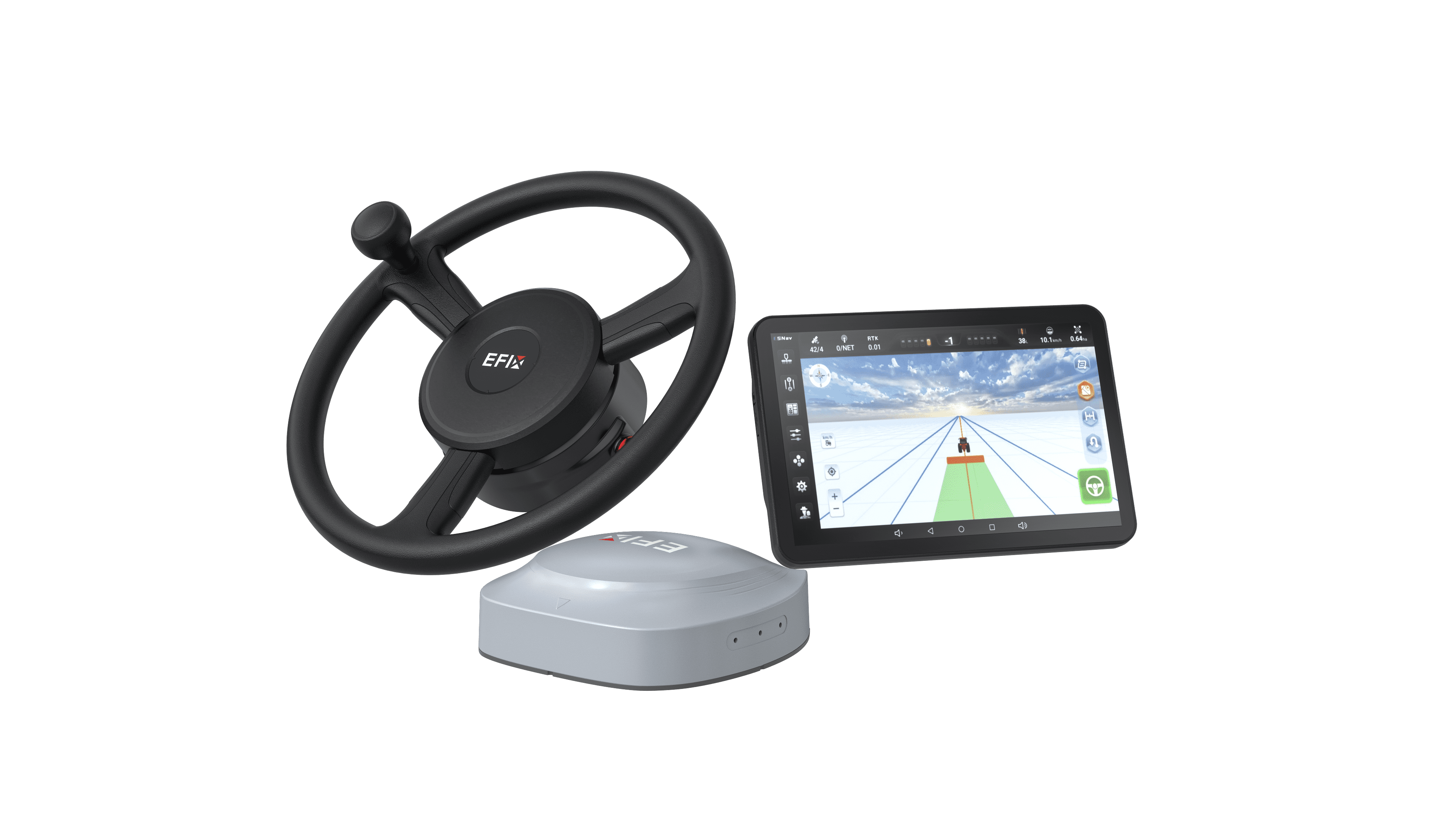
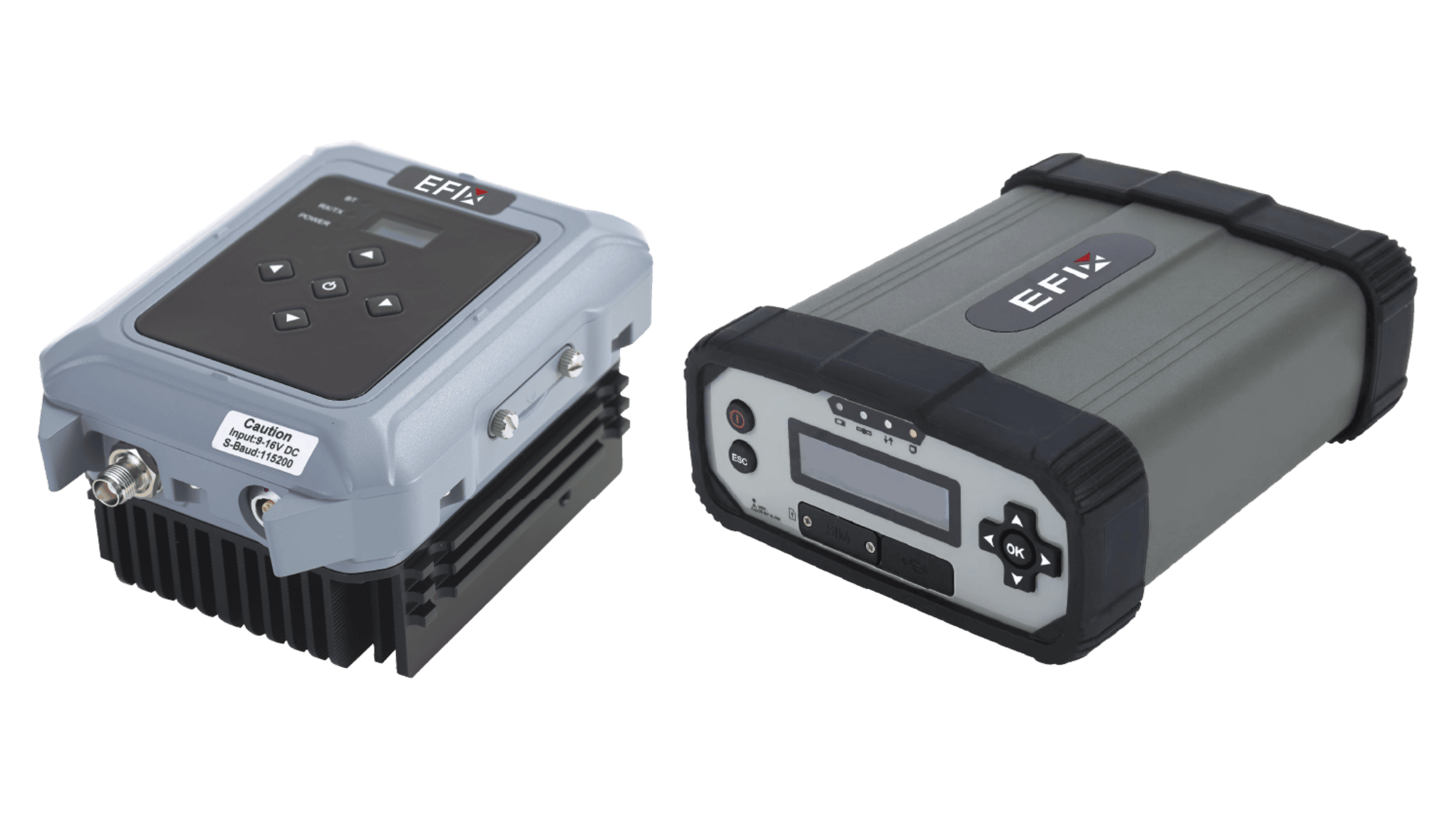
Precision agriculture hinges on the accurate positioning provided by a GNSS base station. With tools like the F-NET Pro, farmers can obtain real-time corrections for their GNSS receivers, leading to improved accuracy in planting, fertilizing, and harvesting. By applying inputs precisely where they are needed, farmers can significantly reduce waste and maximize productivity. This technology can track multiple GNSS signals, helping to overcome challenges like signal interference and inconsistent data points, which are critical for effective crop management.
Streamlined Field Operations and Data Integration
The deployment of a GNSS base station simplifies field operations. With the FL3 external radio integrated into the F-NET Pro system, farmers enjoy reliable connectivity over long distances, even in remote areas. This means data collected from various farm operations can be integrated instantly into their management systems, allowing for timely decisions based on accurate information. Furthermore, this setup supports various farming applications, such as variable rate application technology and automated machinery, facilitating seamless agricultural practices.
Resilience and Reliability in Any Environment
Agricultural operations often face challenging environmental conditions. The F-NET Pro GNSS receiver is designed to withstand such challenges with its shock-resistant features and robust design. With capabilities like voltage stabilization and lightning protection, the GNSS base station ensures continuous operation, even in adverse conditions. Additionally, real-time self-diagnosis and status monitoring features provide peace of mind, allowing farmers to focus on their operations without worrying about technical failures.
Conclusion
Incorporating a GNSS base station into agricultural practices signifies a step toward modernization and efficiency. With the innovative technology from EFIX, such as the F-NET Pro and its compatible FL3 radio modem, farmers can enhance their operational capabilities dramatically. As the agricultural landscape continues to evolve, leveraging these advanced solutions will be vital in meeting future demands and sustaining productivity. Investing in a GNSS base station is not just about keeping pace with technology; it’s about ensuring a prosperous and sustainable future for agriculture.