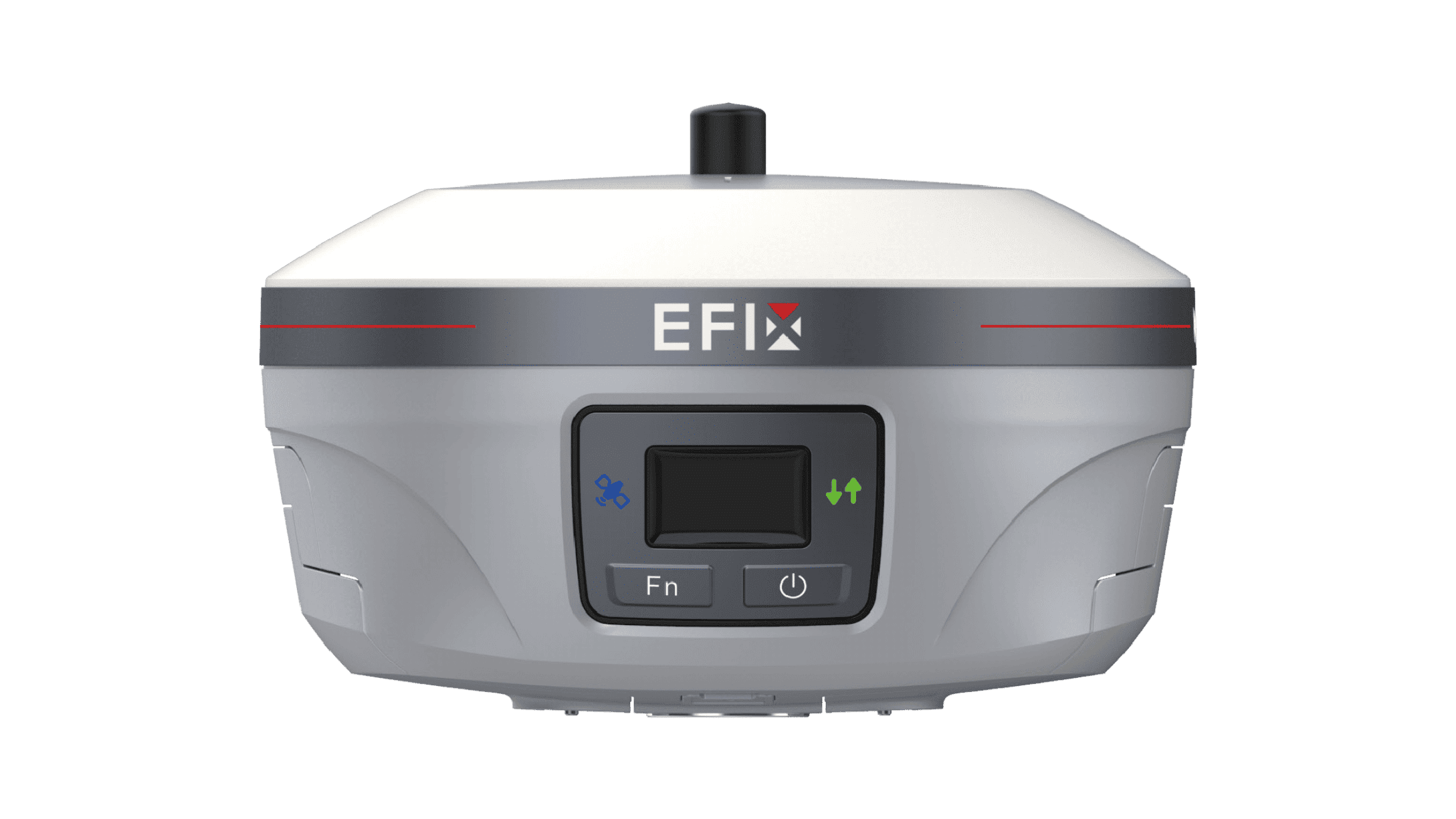
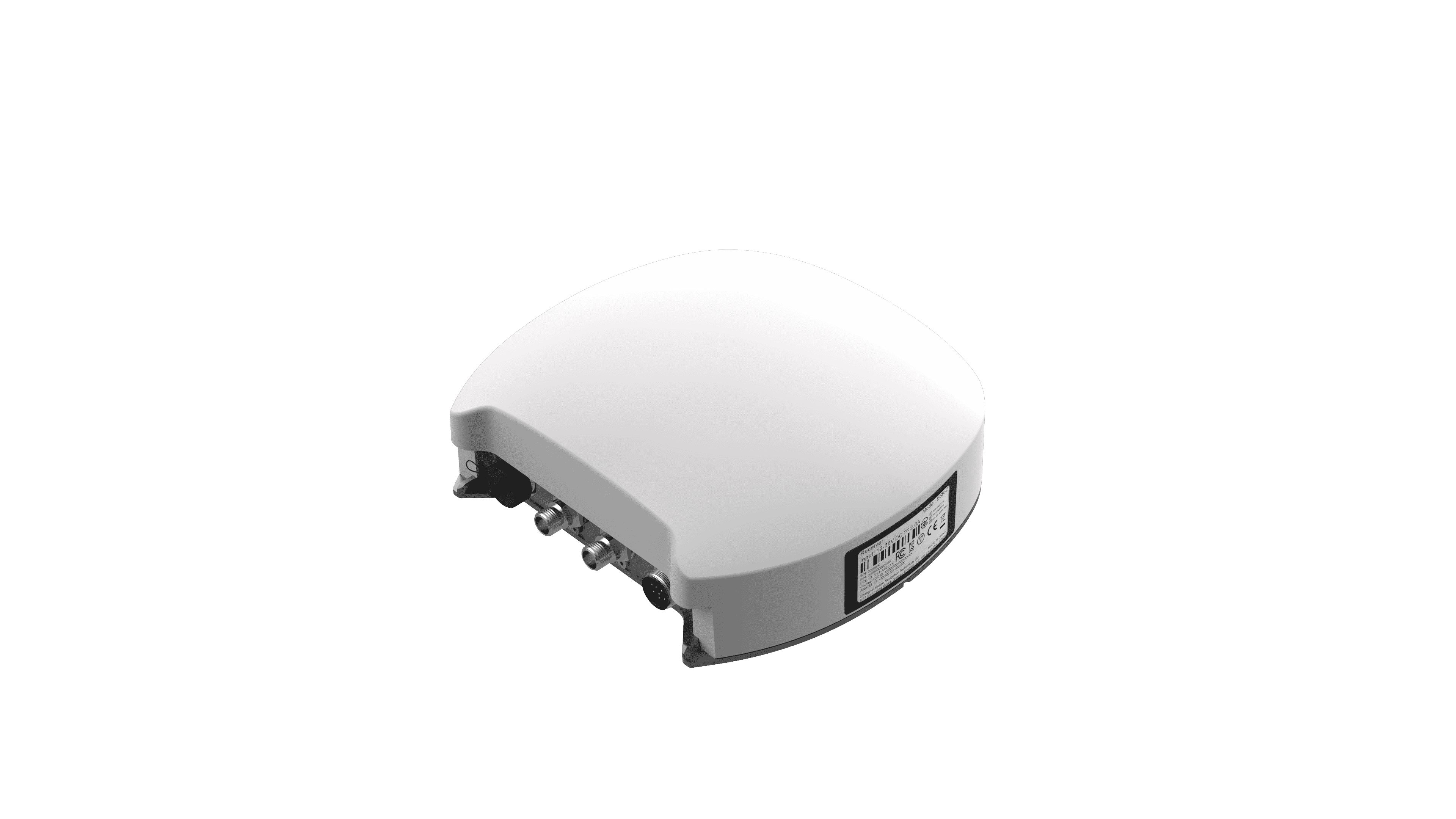
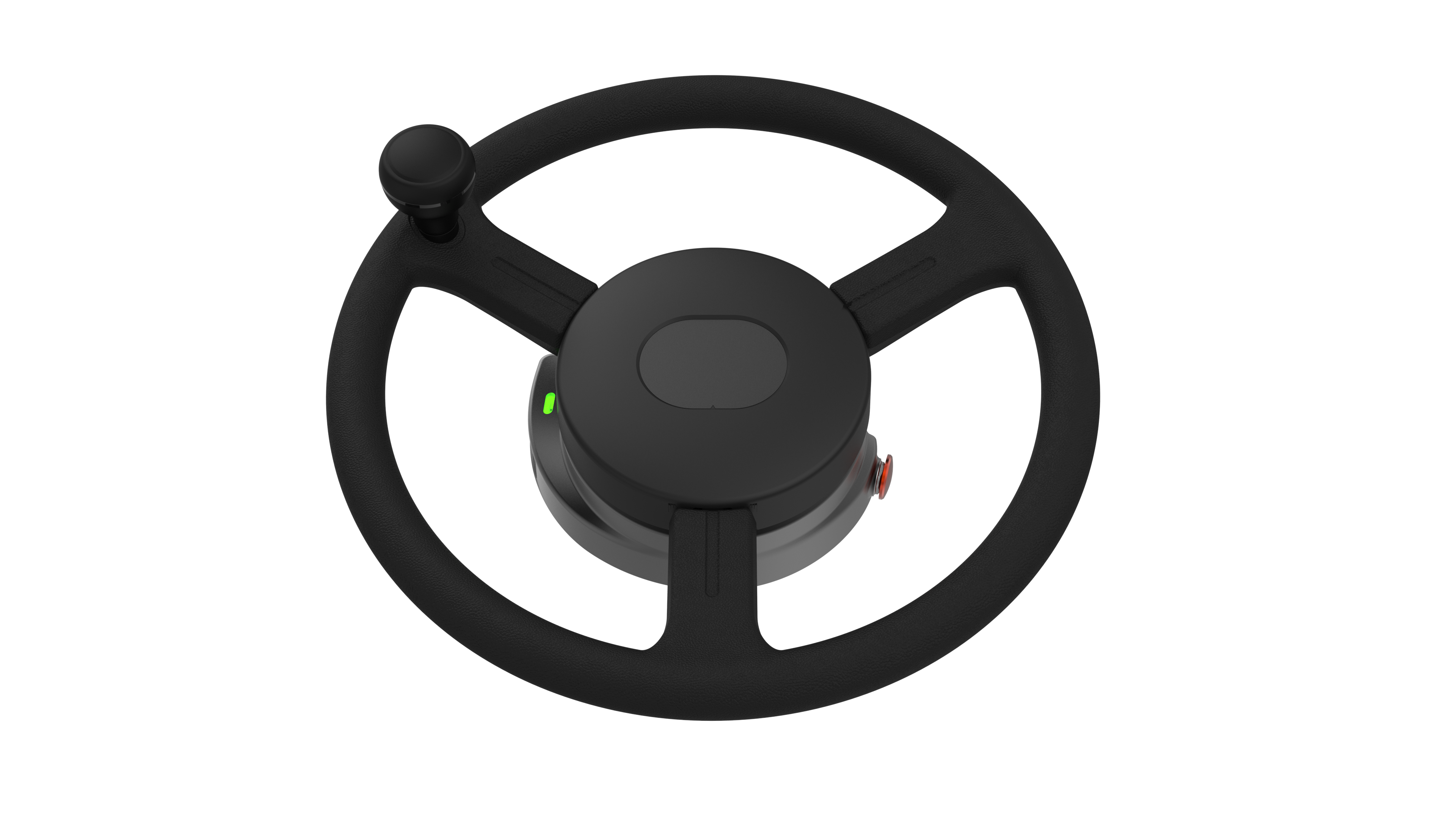
In the realm of geospatial technology, the potential applications of GNSS (Global Navigation Satellite System) have expanded significantly. Users often encounter both GNSS reference stations and RTK (Real-Time Kinematic) base stations, leading to confusion about their roles and functionalities. Our goal is to clarify these distinctions while highlighting the capabilities of our systems at EFIX, especially the F-NET Pro.

What is a GNSS Reference Station?
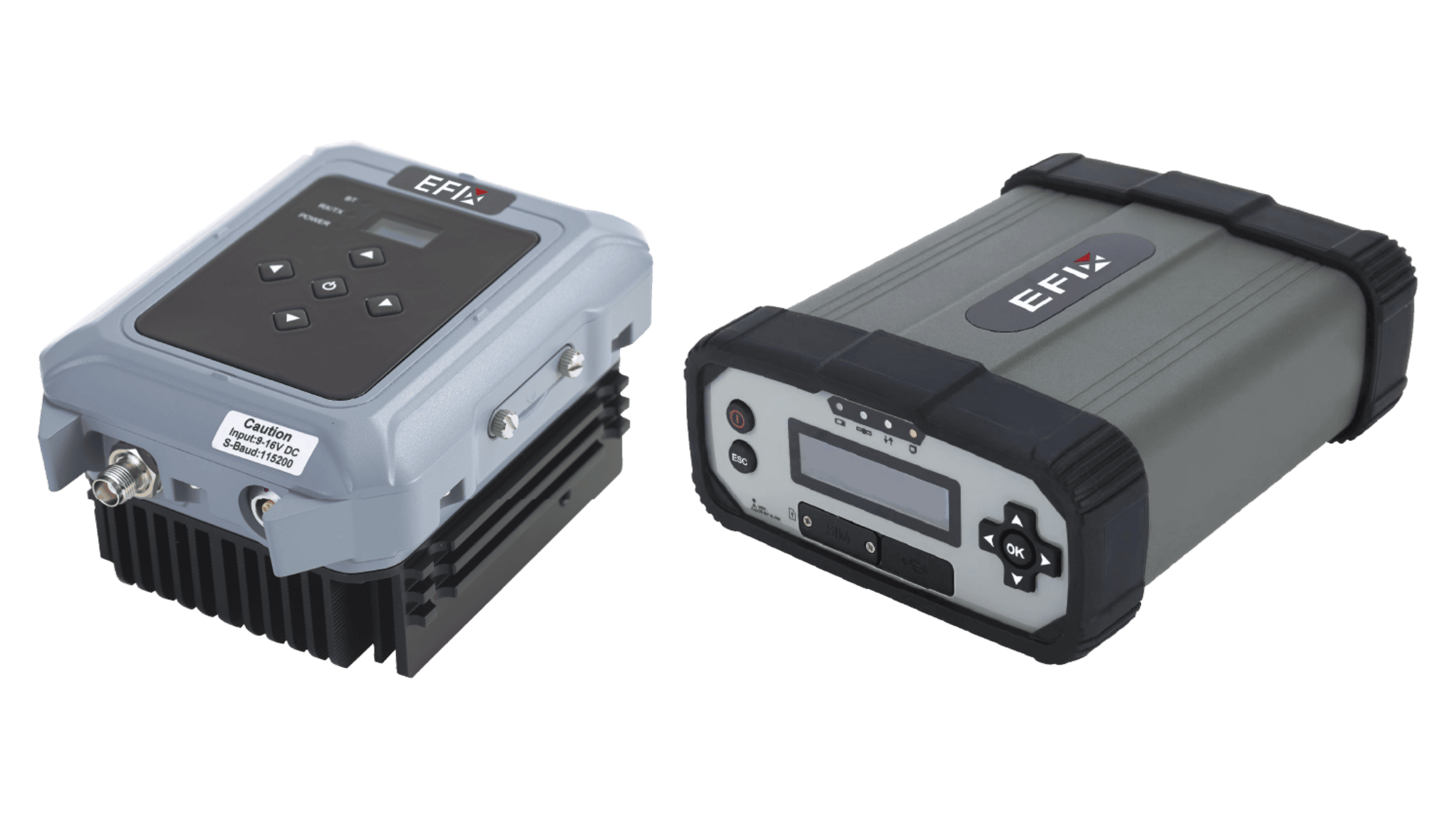
Essentially, a GNSS reference station is a fixed location equipped with a GNSS receiver and an antenna that collects satellite signals. The primary function of these stations is to provide precise positional data by transmitting information about satellite positions, allowing connected users to compute accurate positions. Stations like the F-NET Pro excel in real-time kinematic positioning, achieving an impressive horizontal accuracy of 8 mm + 1 ppm RMS and vertical accuracy of 15 mm + 1 ppm RMS. These specifications make the F-NET Pro a reliable choice in the field of precise surveying.
The Functionality of RTK Base Stations
RTK base stations serve a very similar purpose but are specifically designed for real-time applications. An RTK base station broadcasts correctional data to roving GNSS receivers, enabling them to attain higher accuracy. The initialization time for this technology is notably quick, typically under 8 seconds with a reliability rate exceeding 99.9%. The F-NET Pro can achieve these remarkable results, making it essential for users requiring instantaneous accuracy in applications like construction and agricultural surveying.
Complementary Technologies
While both GNSS reference stations and RTK base stations feature advanced technology, they can also complement one another. When utilized together, a GNSS reference station can enhance the functionality of RTK systems, providing more accurate and reliable data. For example, post-processing static from the F-NET Pro has an exceptional horizontal accuracy of 2.5 mm + 0.5 ppm and vertical accuracy of 5 mm + 0.5 ppm, allowing project teams to validate real-time measurements. The synergy between these systems enhances the overall precision in various surveying and mapping applications.
Conclusion
Understanding the differences between GNSS reference stations and RTK base stations is essential for selecting the right technology for specific applications. The F-NET Pro from EFIX offers cutting-edge performance in both real-time and post-processing scenarios. By leveraging our advanced technologies, users can achieve unparalleled accuracy in their respective fields. Choosing the right tools and understanding their capabilities will pave the way for successful projects while ensuring effective and precise results.