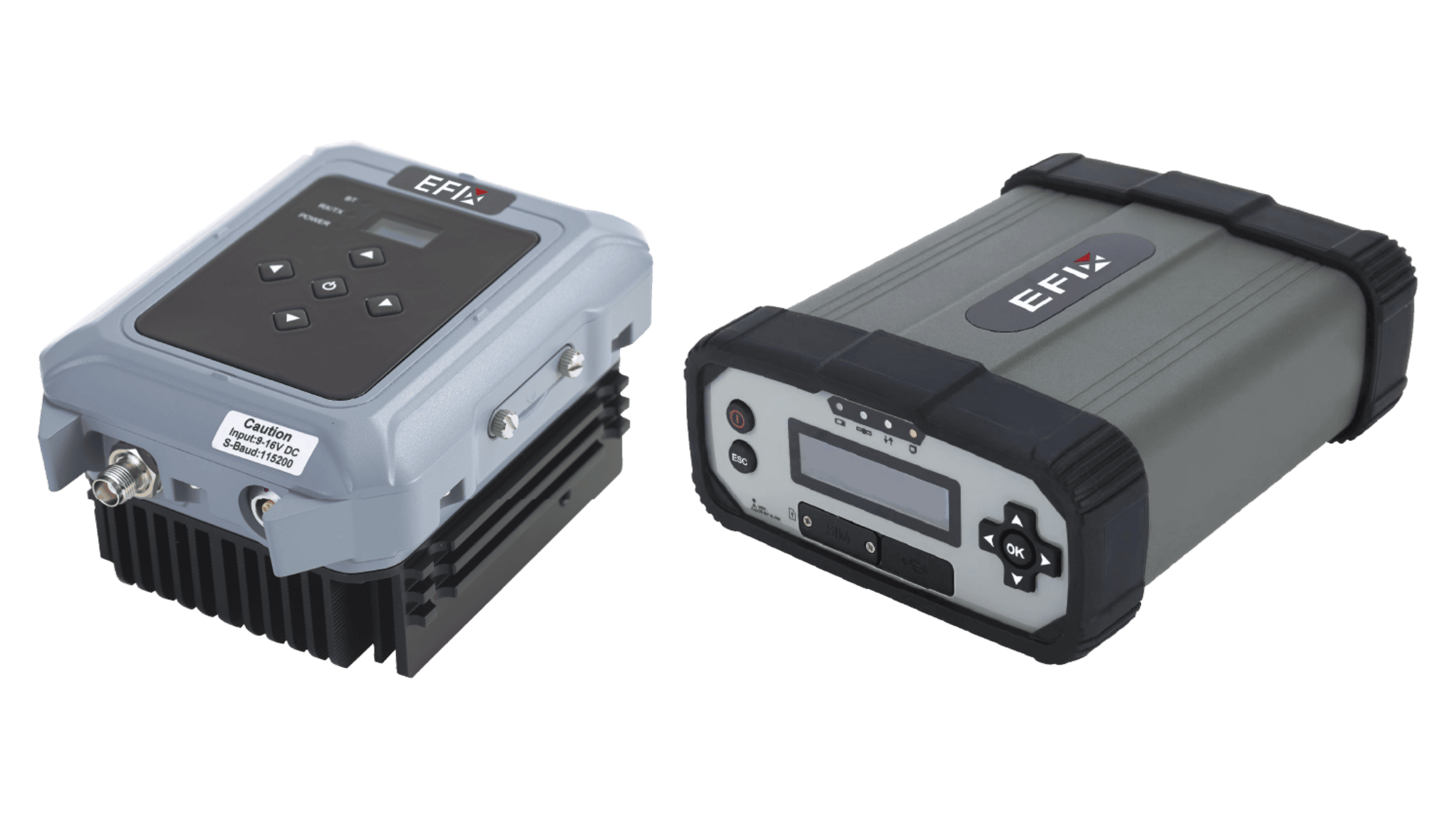
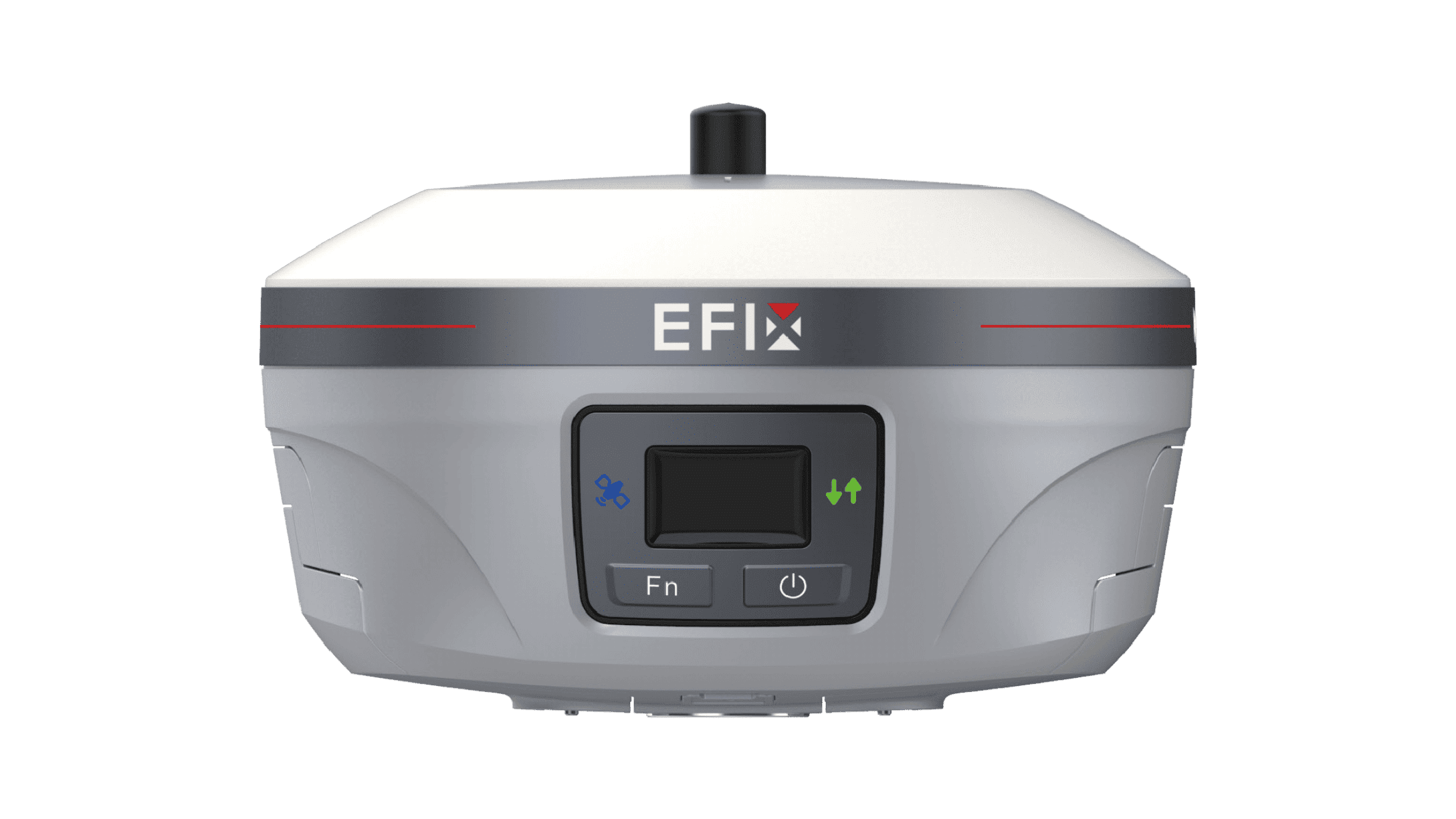
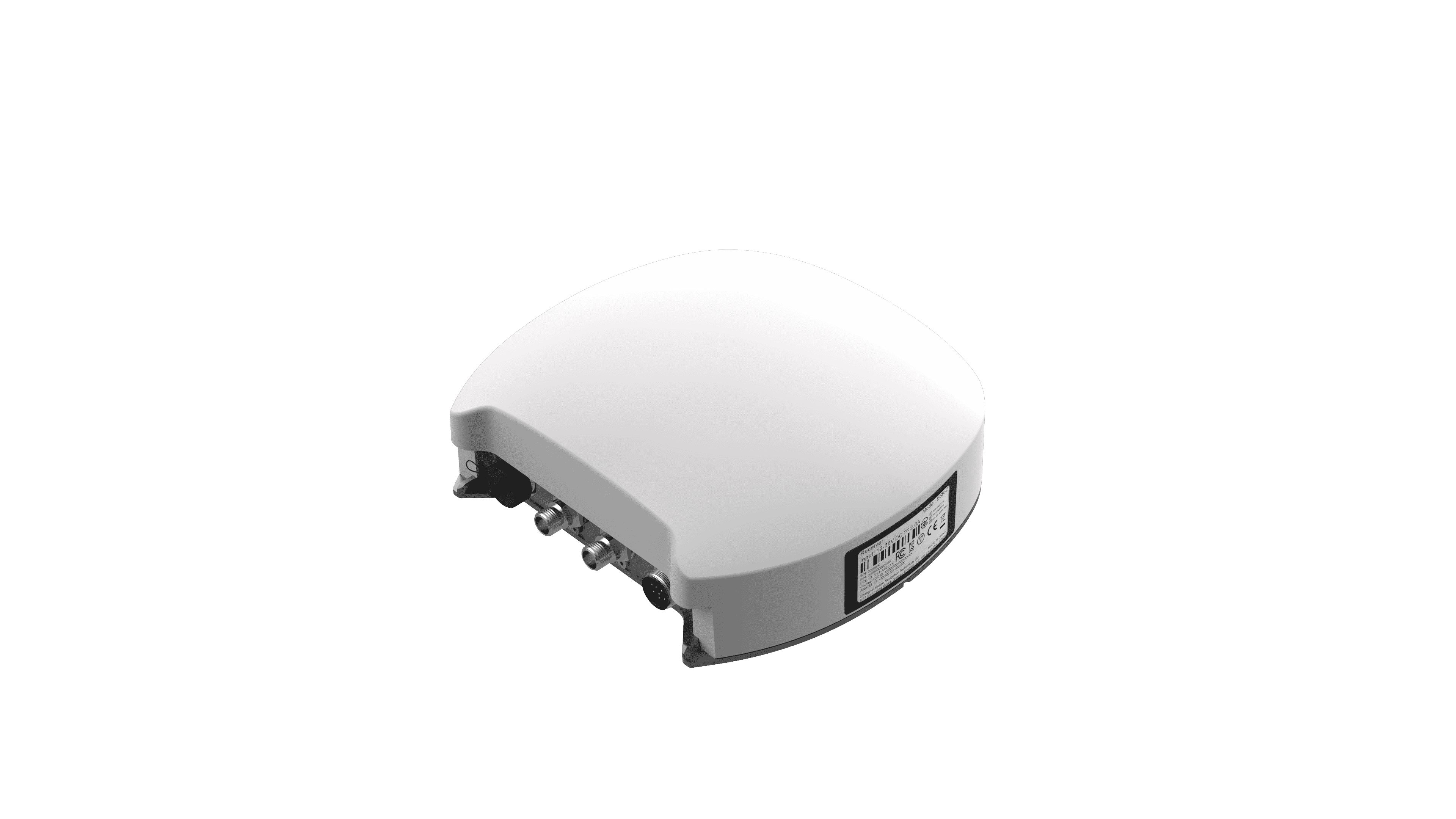
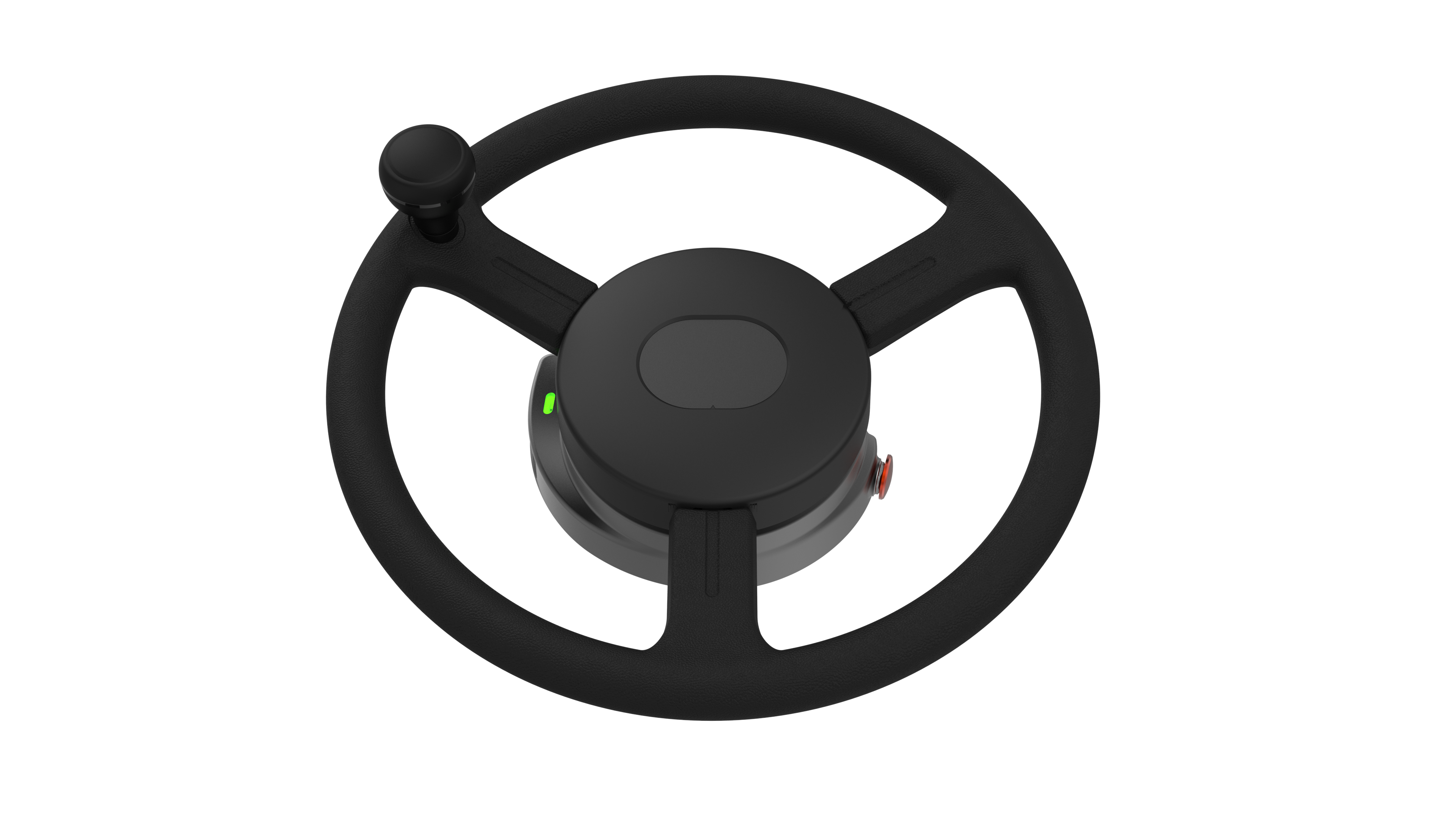
The decision to utilize RTK base stations in various applications hinges on understanding their key functionalities and how they can best serve your specific needs. The advancement of positioning technologies has made both portable and fixed RTK solutions more accessible and reliable. In this discussion, we will explore the merits and limitations of each type, with a particular focus on how the EFIX brand excels in delivering dependable RTK services.

Understanding Portable RTK Base Stations
Portable RTK base stations offer significant flexibility for users who require accurate positioning in a variety of environments. With a weight that allows for easy transport and setup, these stations can be used in multiple locations without extensive installation processes. At EFIX, we understand that many of our clients operate in dynamic settings; therefore, portability can be a significant advantage. The F-NET Pro, which features real-time kinematic capabilities, provides horizontal accuracy of 8 mm + 1 ppm RMS and vertical accuracy of 15 mm + 1 ppm RMS, which is crucial for achieving reliable results in the field. Furthermore, the initialization time of less than 8 seconds and a reliability rate exceeding 99.9% ensure that users can quickly obtain precise positioning data.
Advantages of Fixed RTK Base Stations
Conversely, fixed RTK base stations present a reliability and consistency ideal for long-term projects. Once set up, these systems continuously provide high-accuracy corrections to multiple users, facilitating a measured environment where changes can be tracked precisely. The F-NET Pro also supports post-processing static capabilities, offering horizontal accuracy of 2.5 mm + 0.5 ppm RMS and vertical accuracy of 5 mm + 0.5 ppm RMS, making it an excellent choice for surveying applications. Organizations that require stable measurements over an extended period often prefer fixed installations due to their ability to deliver consistent positional data without recalibration.
Evaluating Your Needs: When to Choose Which Solution?
Determining whether a portable or fixed RTK base station is better for your needs depends on factors such as project scale, location stability, and required accuracy. In situations requiring frequent site changes or a mobile workforce, portable units from EFIX certainly shine with quick deployment features. However, if your project disposition remains unchanged over time, investing in a fixed station may yield better long-term value due to low maintenance and ongoing precision. Additionally, with EFIX products supporting multiple correction formats like CMR, RTCM 2.x, and RTCM 3.x, users enjoy versatile options tailored to their specific operational protocols.
Conclusion
In the debate between portable and fixed RTK base stations, both options offer unique benefits tailored to different user requirements. As technologies continue to develop, the EFIX F-NET Pro stands out by blending portability with high precision, allowing users of all backgrounds to harness advanced RTK capabilities effectively. Understanding your specific project needs is the key to choosing the right base station and ensuring success. Let's continue to explore how these technologies can empower your work, regardless of its nature or location.