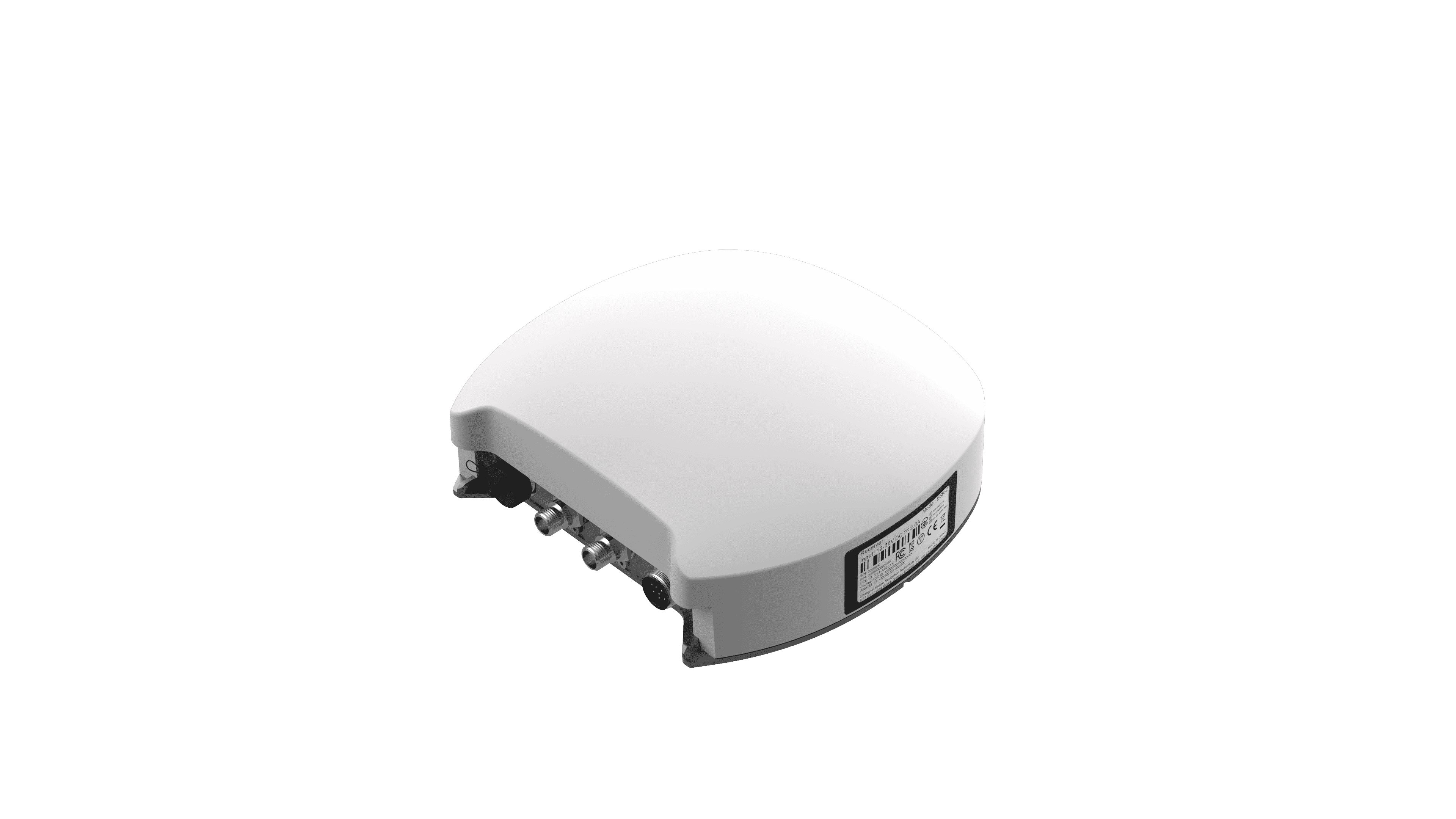
When it comes to achieving remarkable accuracy and reliability in positioning tasks, understanding the distinctions between GNSS receivers for surveying and agricultural applications is crucial. Each type serves a unique purpose tailored to its respective field. At EFIX, we appreciate the complexities and demands of both sectors, ensuring our offerings, like the EFIX eBase GNSS receiver, are equipped to handle various surveying tasks with precision and durability.

The Unique Features of Survey-Grade GNSS Receivers
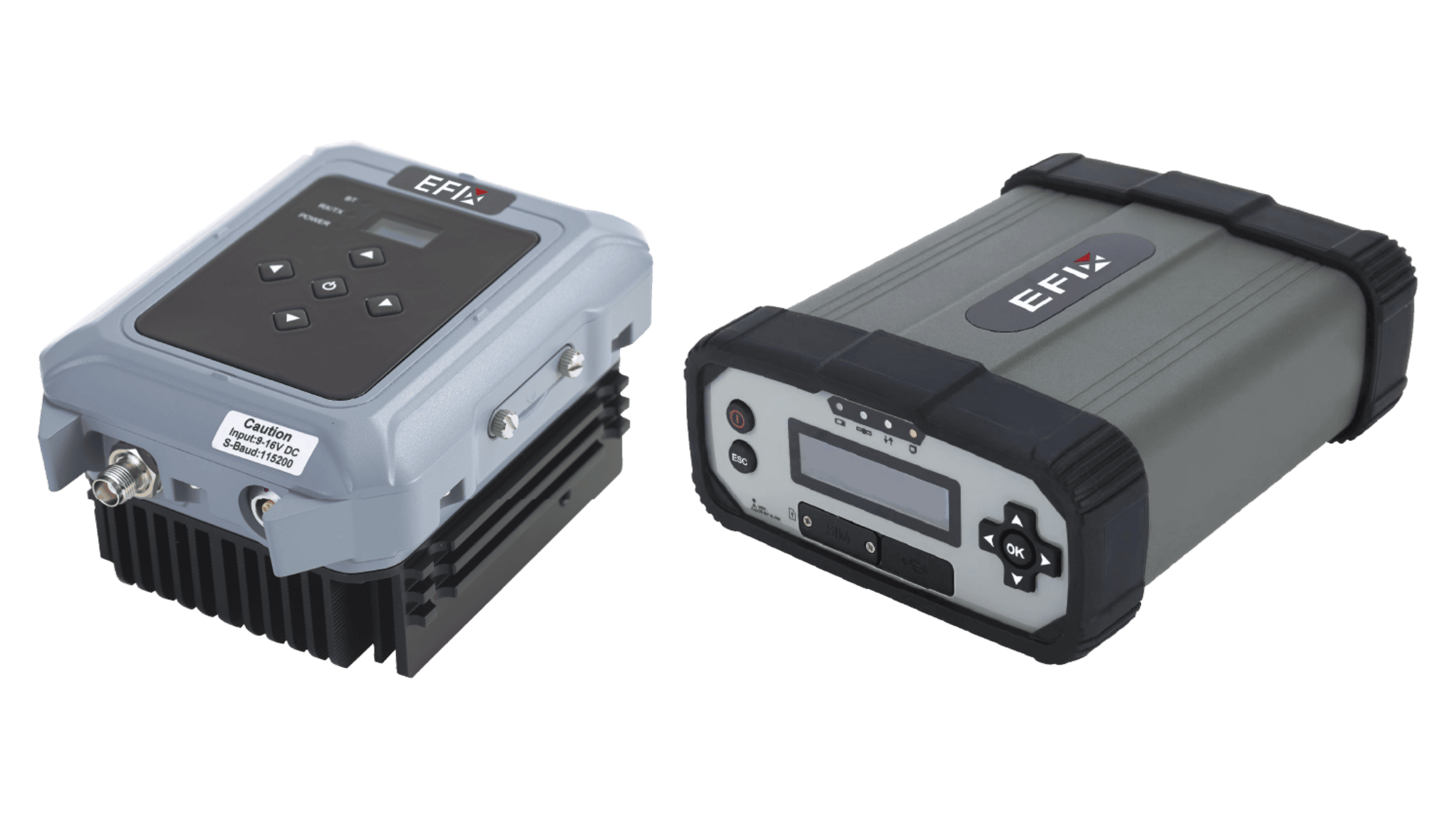
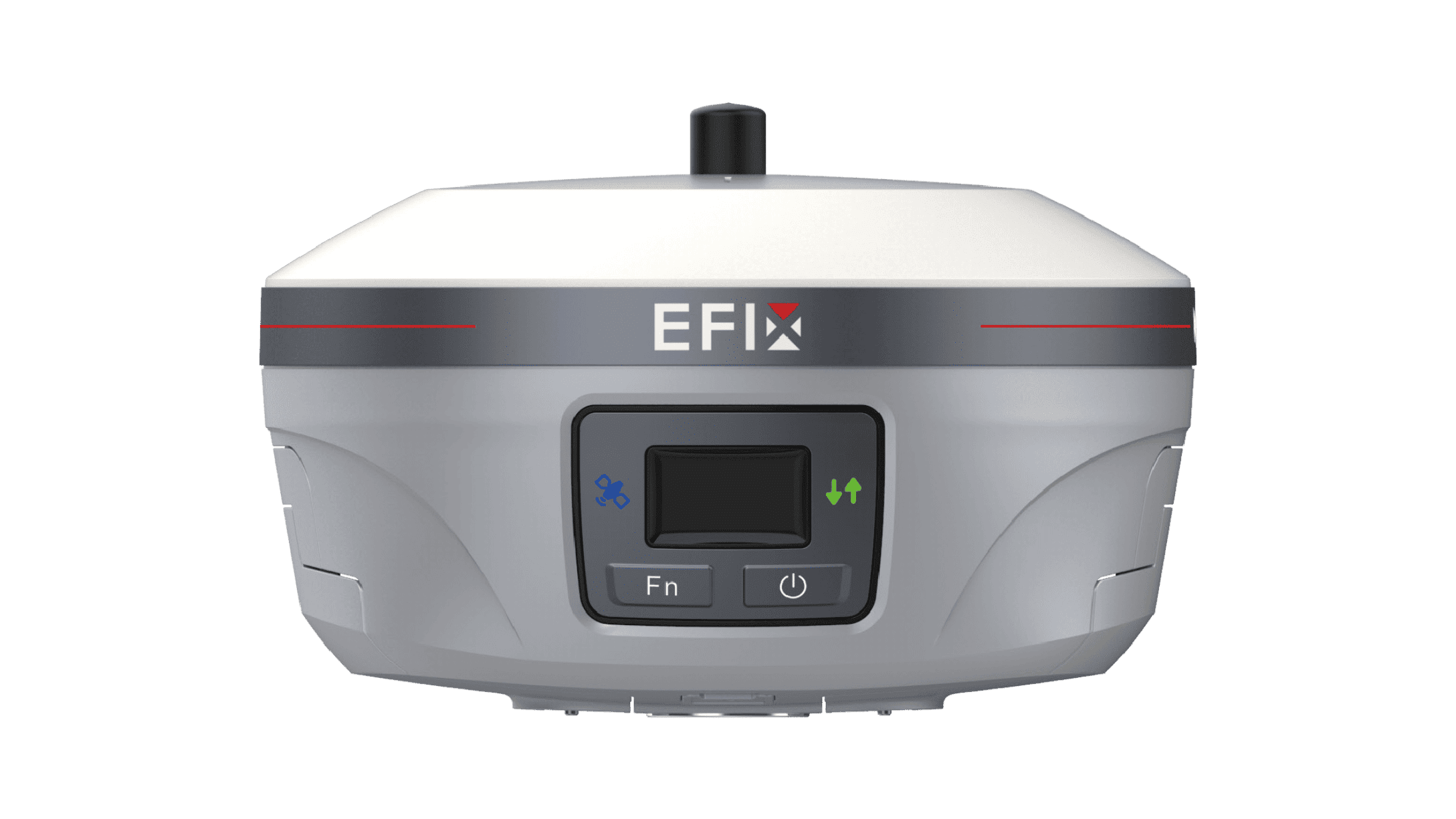
Survey-grade GNSS receivers, such as the EFIX eBase GNSS receiver, are designed for tasks that require high precision and calibration, often needed in construction, mapping, and land surveying. These receivers utilize advanced algorithms and multiple frequency channels to enhance accuracy, enabling surveyors to achieve centimeter-level precision. The robust design of our EFIX eBase GNSS receiver ensures that even in challenging environments, operators can rely on its performance. These receivers are equipped with features like real-time kinematics (RTK), which allows for real-time corrections and greatly enhances the precision of the positioning data.
In addition, the rugged design for uninterrupted work is embodied in our survey-grade models. The EFIX eBase GNSS receiver meets IP67 standards for water and dust resistance, with a magnesium-aluminium body that minimizes weight while increasing durability. This makes it an ideal choice for outdoor surveying tasks where operators might encounter various weather conditions or rough environments.
Agricultural GNSS Receivers: Focused on Field Efficiency
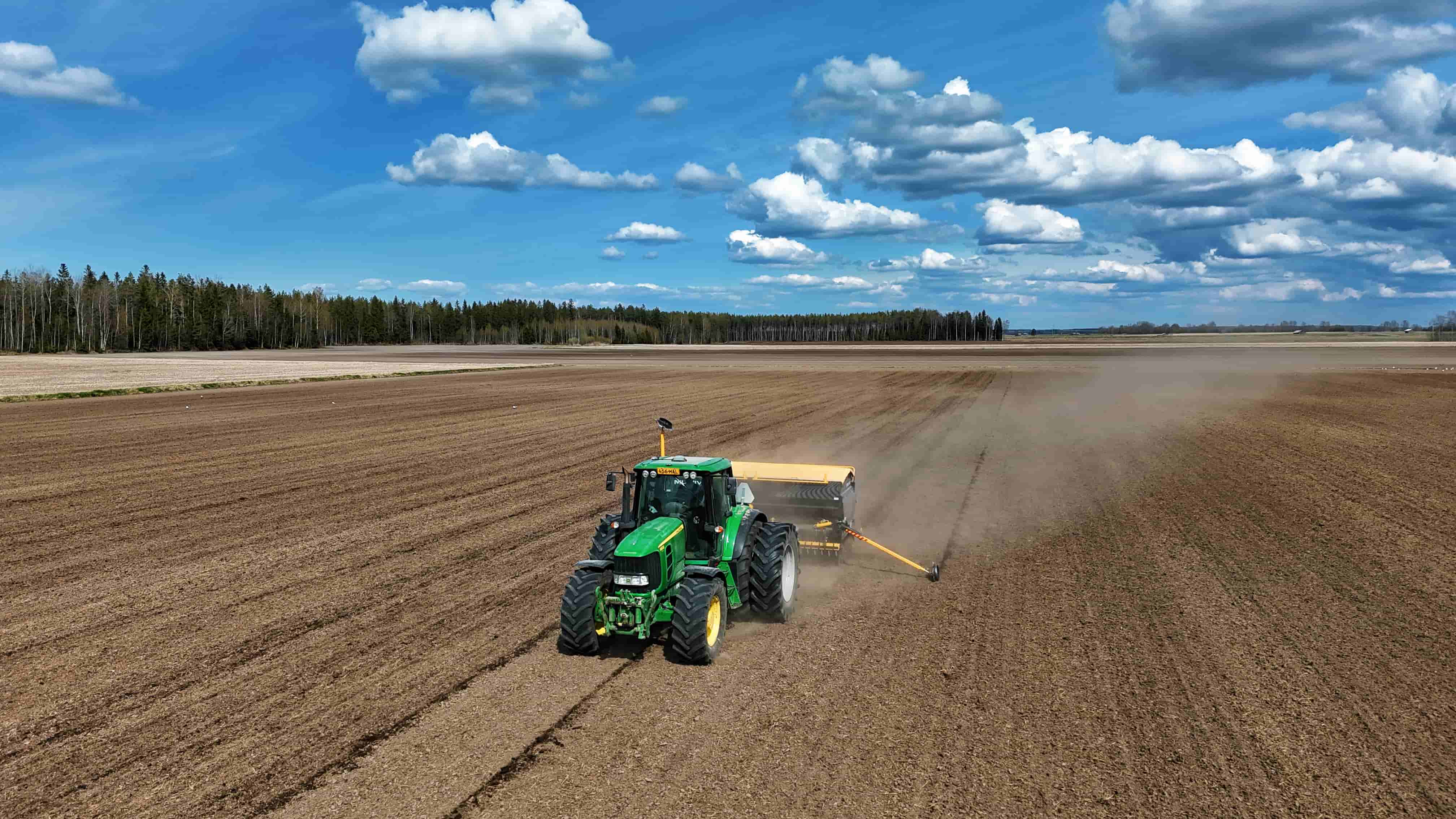
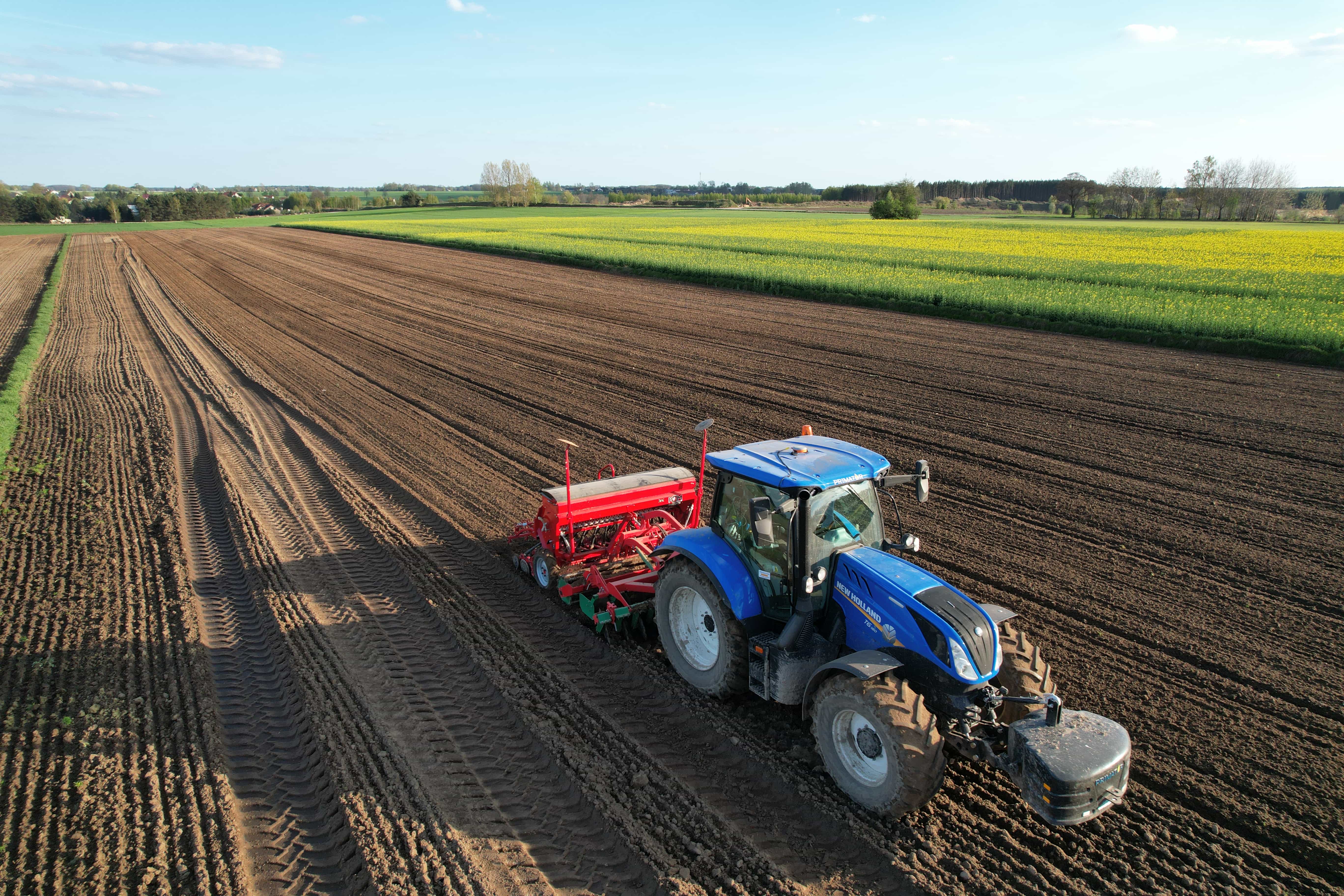
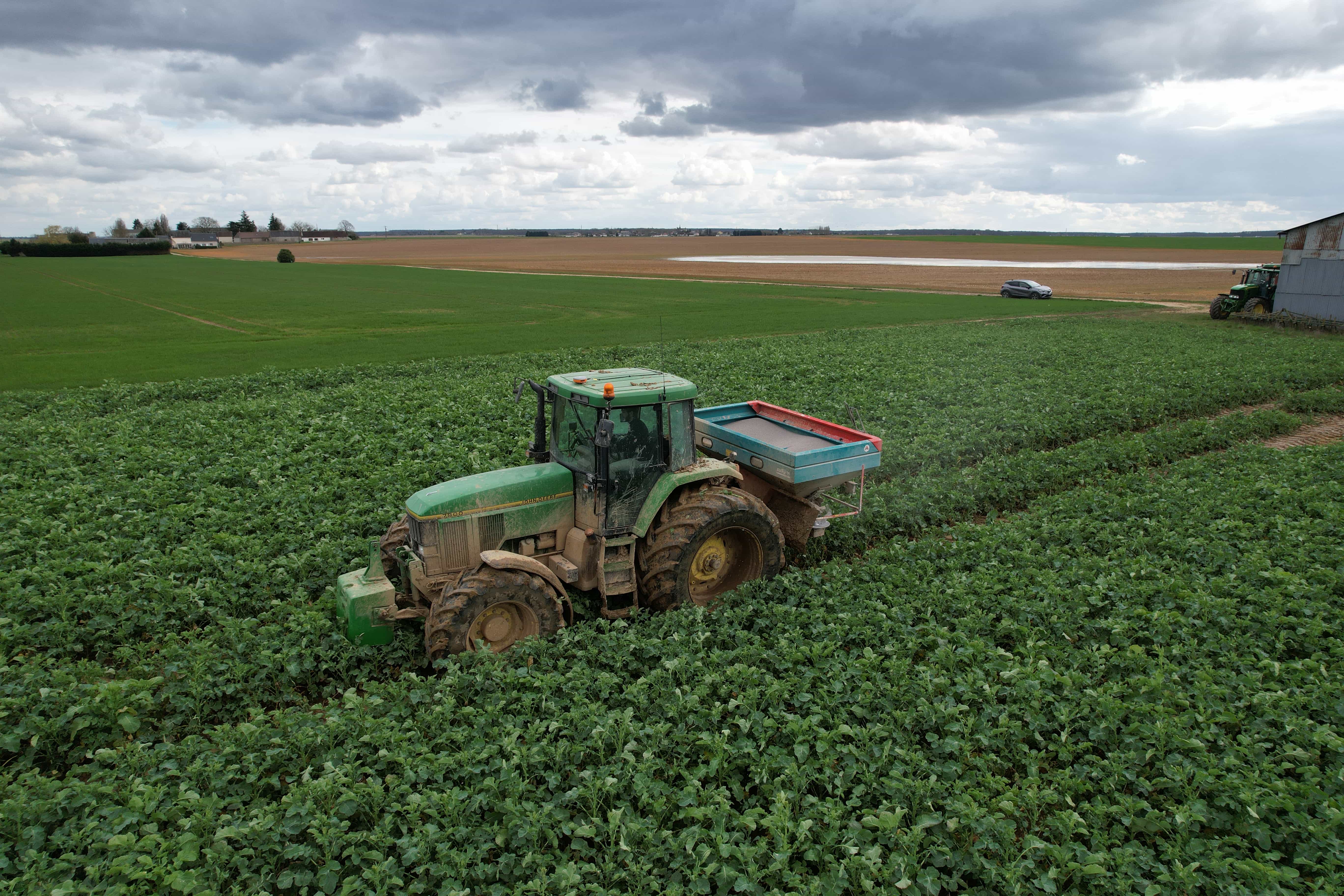
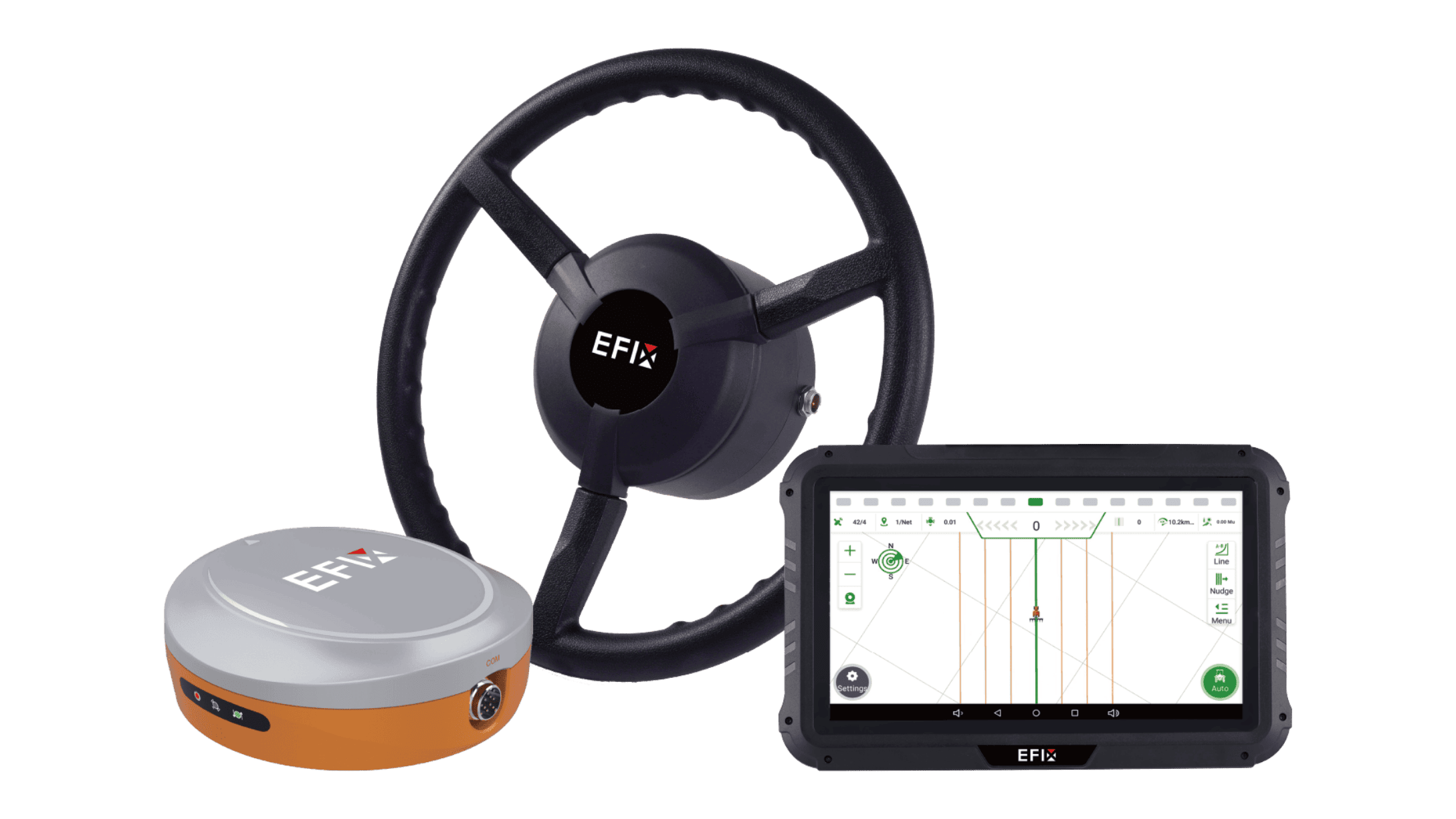
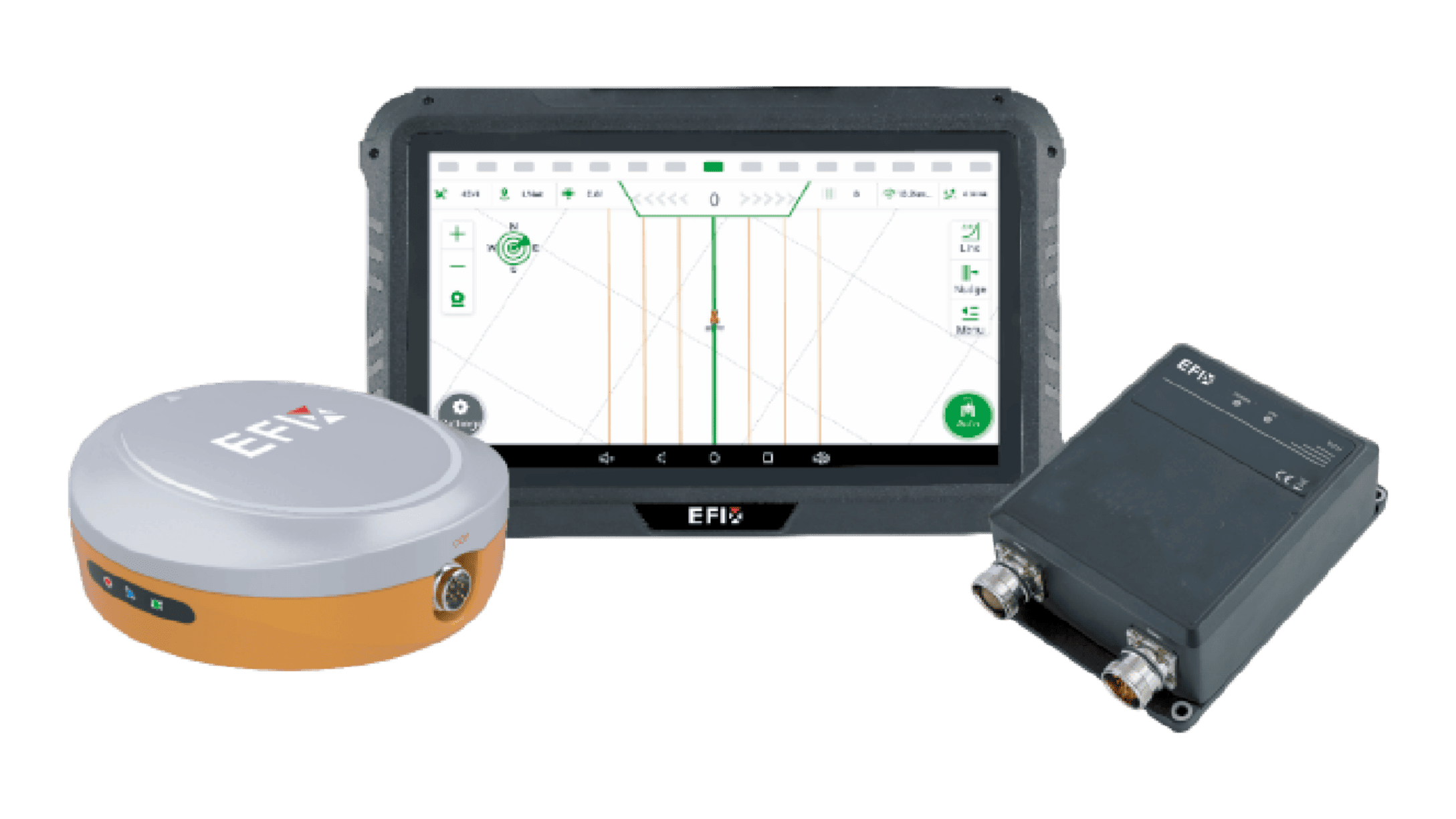
On the other hand, agricultural GNSS receivers are geared towards enhancing productivity in farming and agricultural applications. While they also provide positioning data, the emphasis is primarily on operational efficiency rather than absolute precision. Models like the EFIX Agro GNSS receiver are tailored for tasks such as precision farming, where understanding crop health and optimizing field operations are paramount.
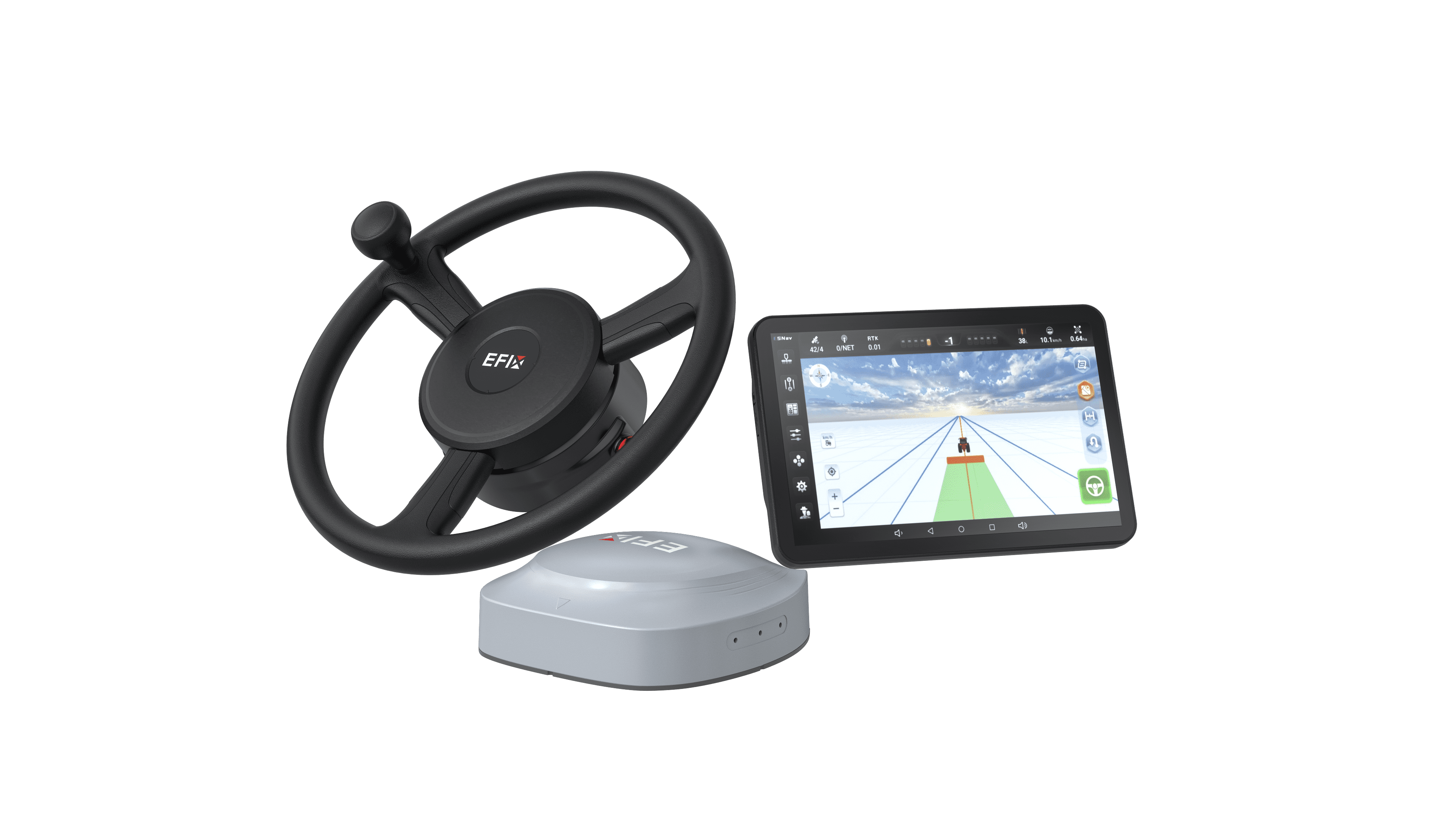
The EFIX Agro offers features that facilitate easy integration with other agricultural technologies, such as guidance systems that help farmers follow optimal planting patterns. This type of receiver often employs different configurations, which allow operators to achieve reliable sub-meter accuracy, ensuring that resources such as seeds, fertilizers, and water are used efficiently.
Choosing the Right GNSS Receiver for Your Needs
Understanding the differences between GNSS receivers for surveying and agricultural applications is key to choosing the right tool for the task. If a project requires detailed mapping or construction work, the accuracy provided by a survey-grade receiver like the EFIX Titan is essential. Conversely, if the aim is to improve productivity and resource management in agriculture, then a solution like the EFIX Agro can provide substantial benefits without the complexities required for high-accuracy tasks.
At EFIX, we are dedicated to providing products that cater to these diverse needs. By focusing on the specific requirements of surveyors or farmers, we ensure that our customers receive equipment that enhances their operational capabilities.
Conclusion
In conclusion, the choice between survey-grade GNSS receivers and agricultural GNSS receivers should be based on the context and requirements of the job at hand. Each type has its strengths, enabling users to perform optimally within their specific fields. As we continue to innovate at EFIX, we strive to provide our customers with robust and effective solutions that empower them in their endeavors, making tasks easier and more efficient.