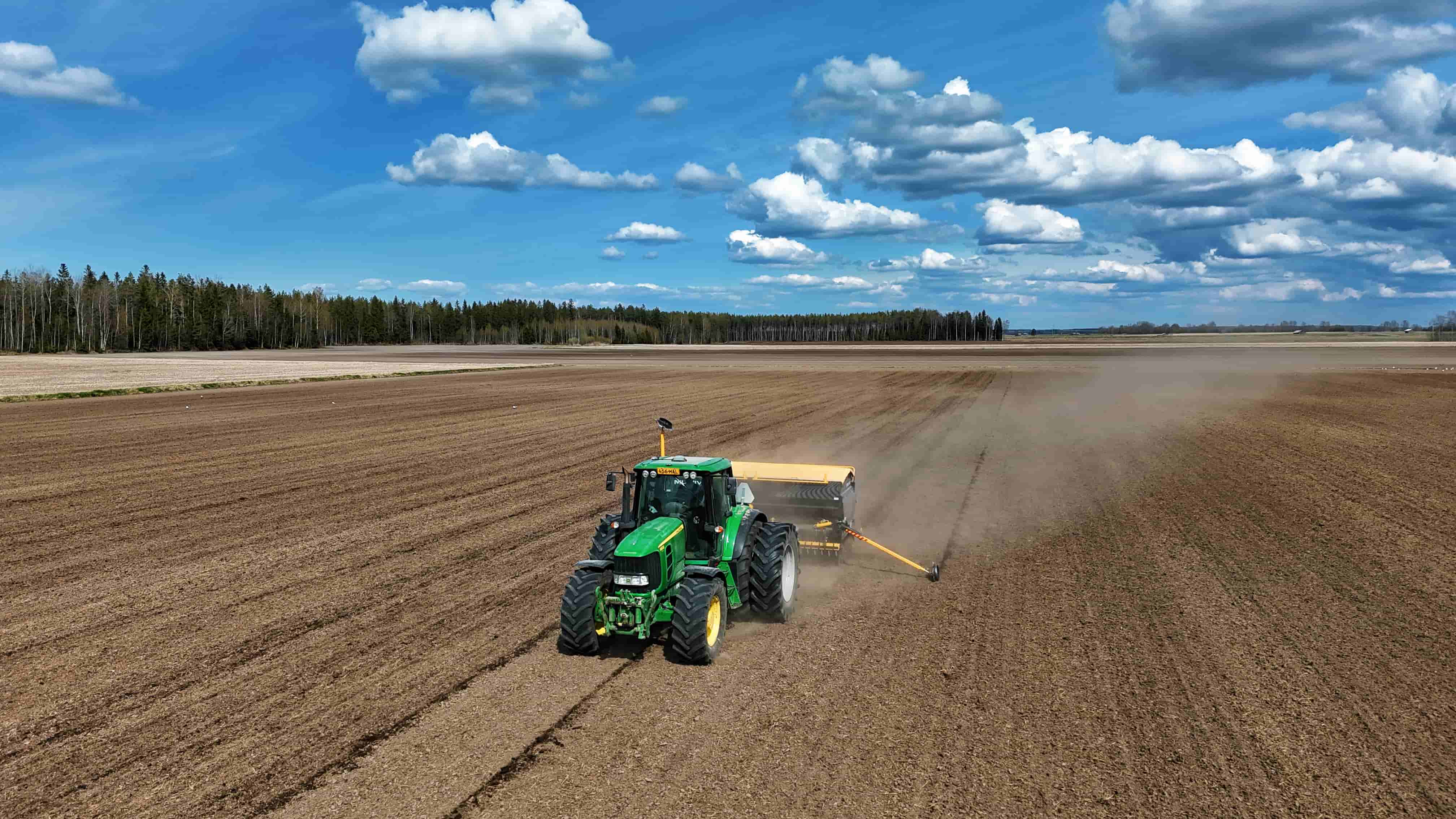
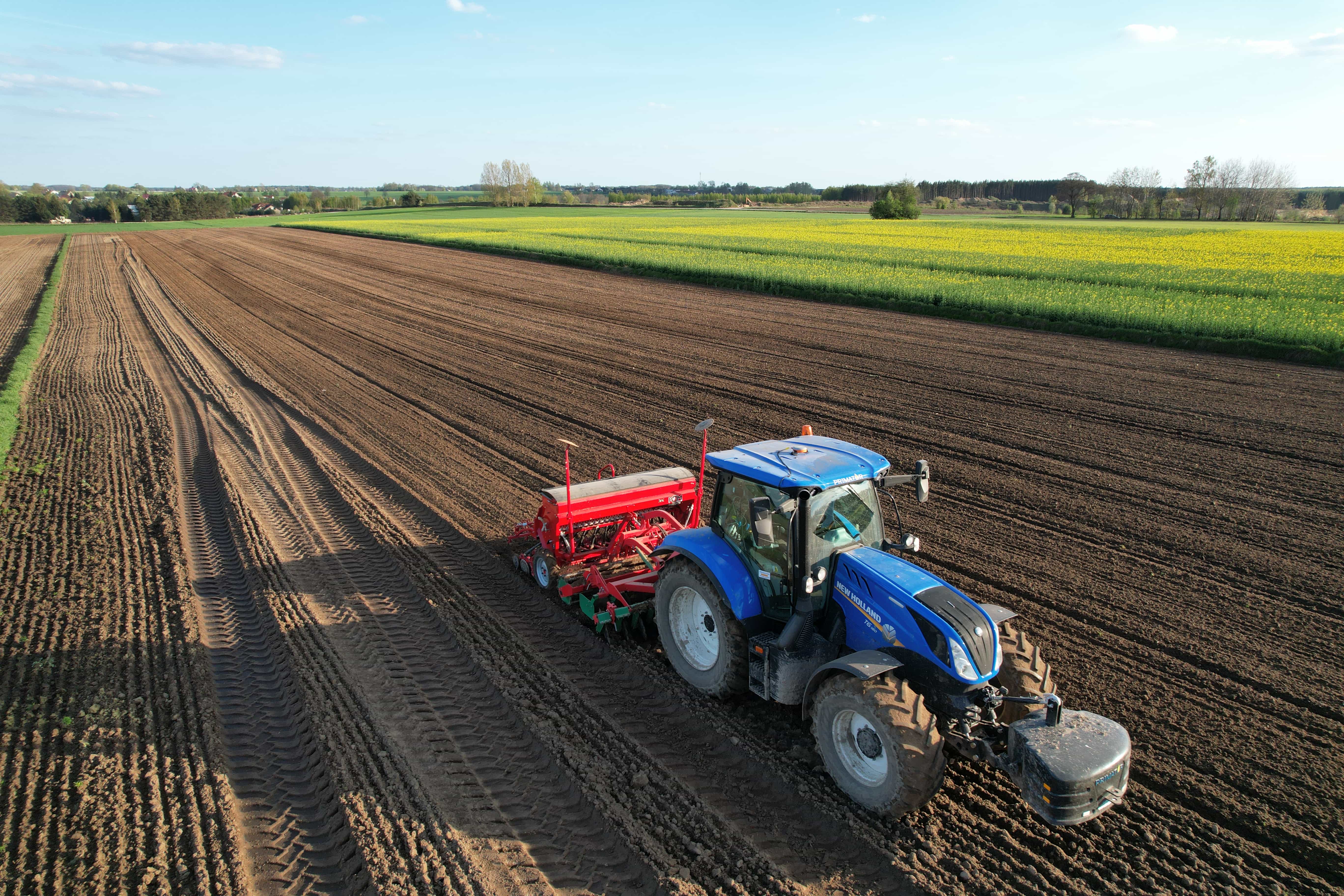
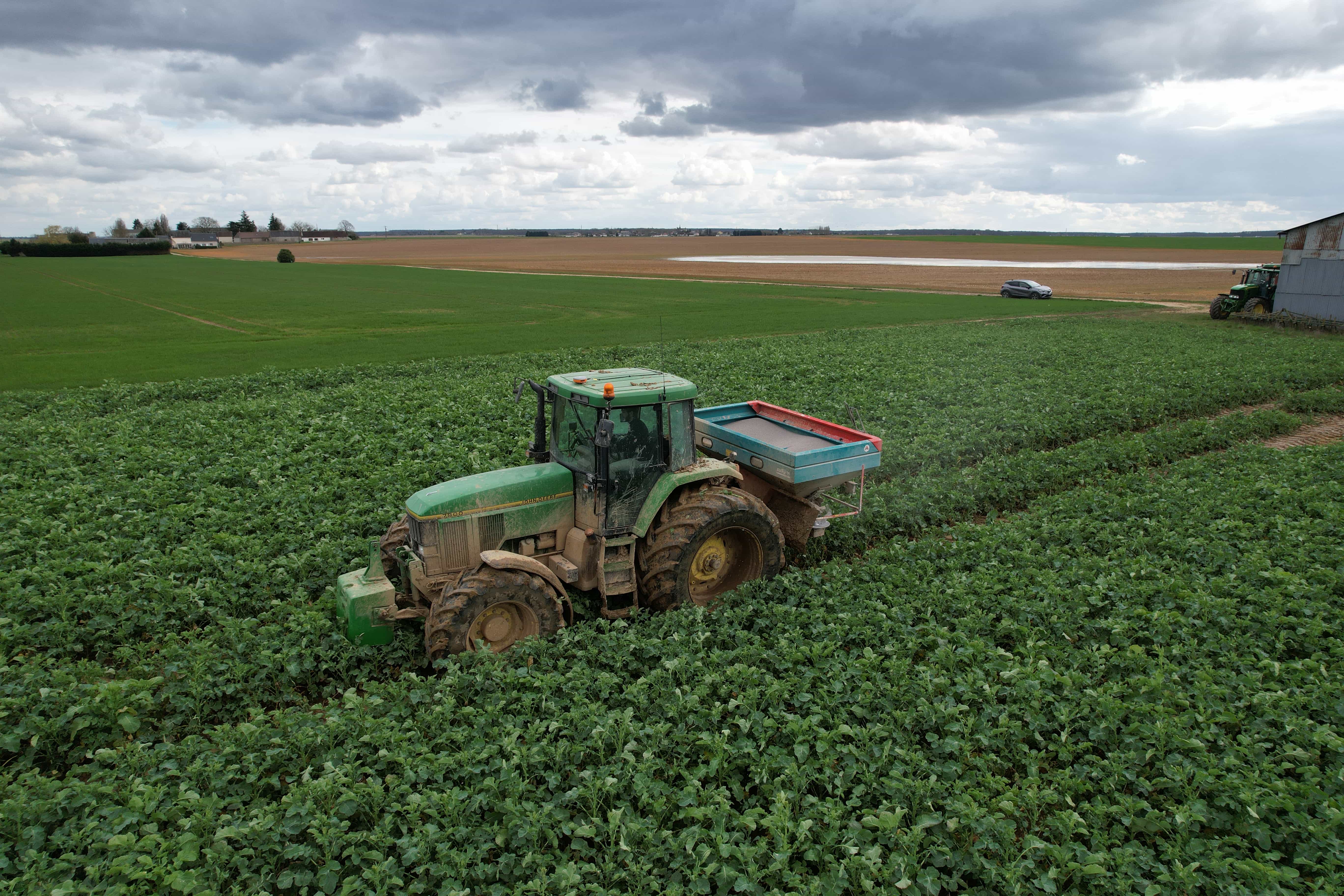
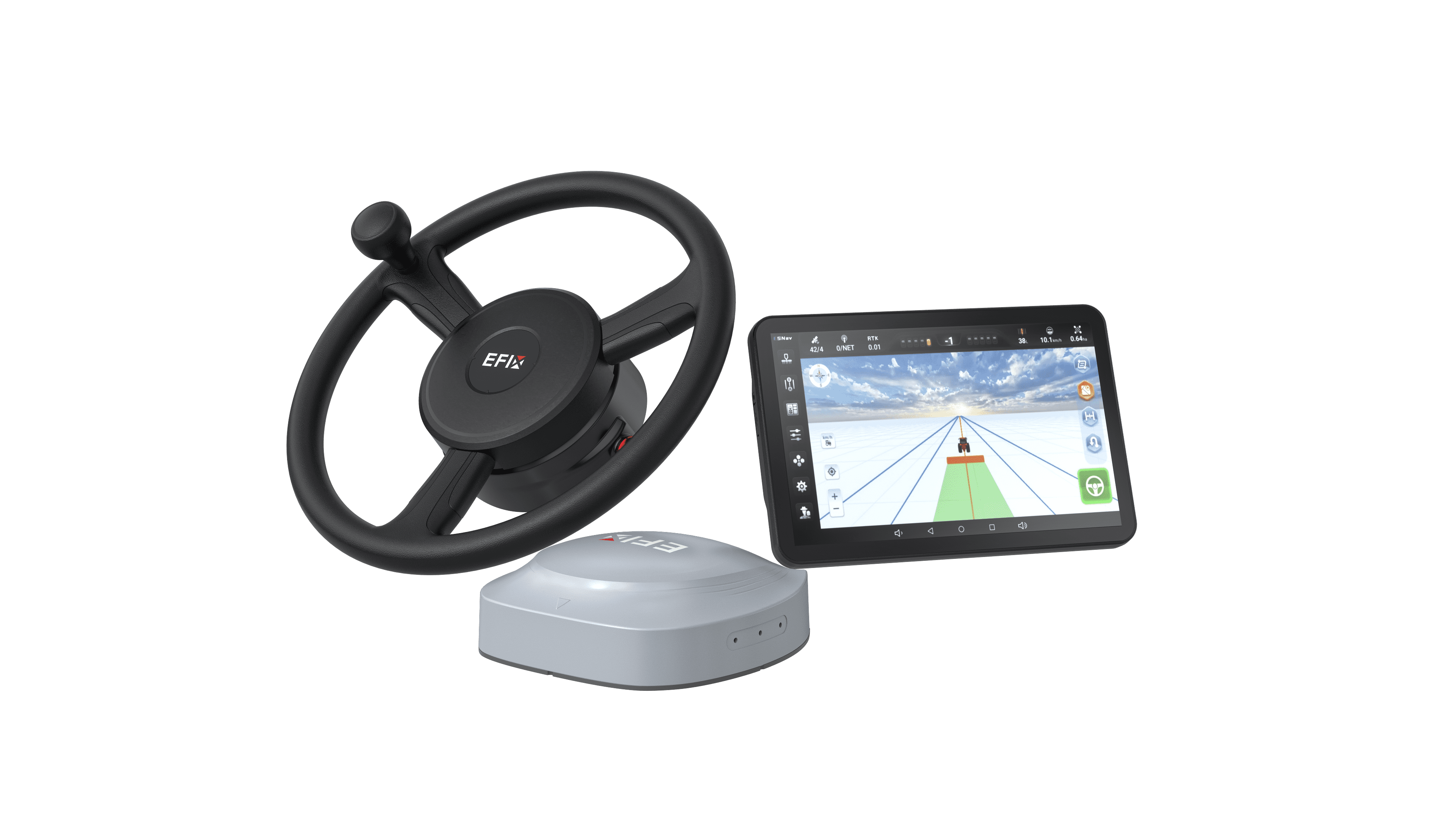
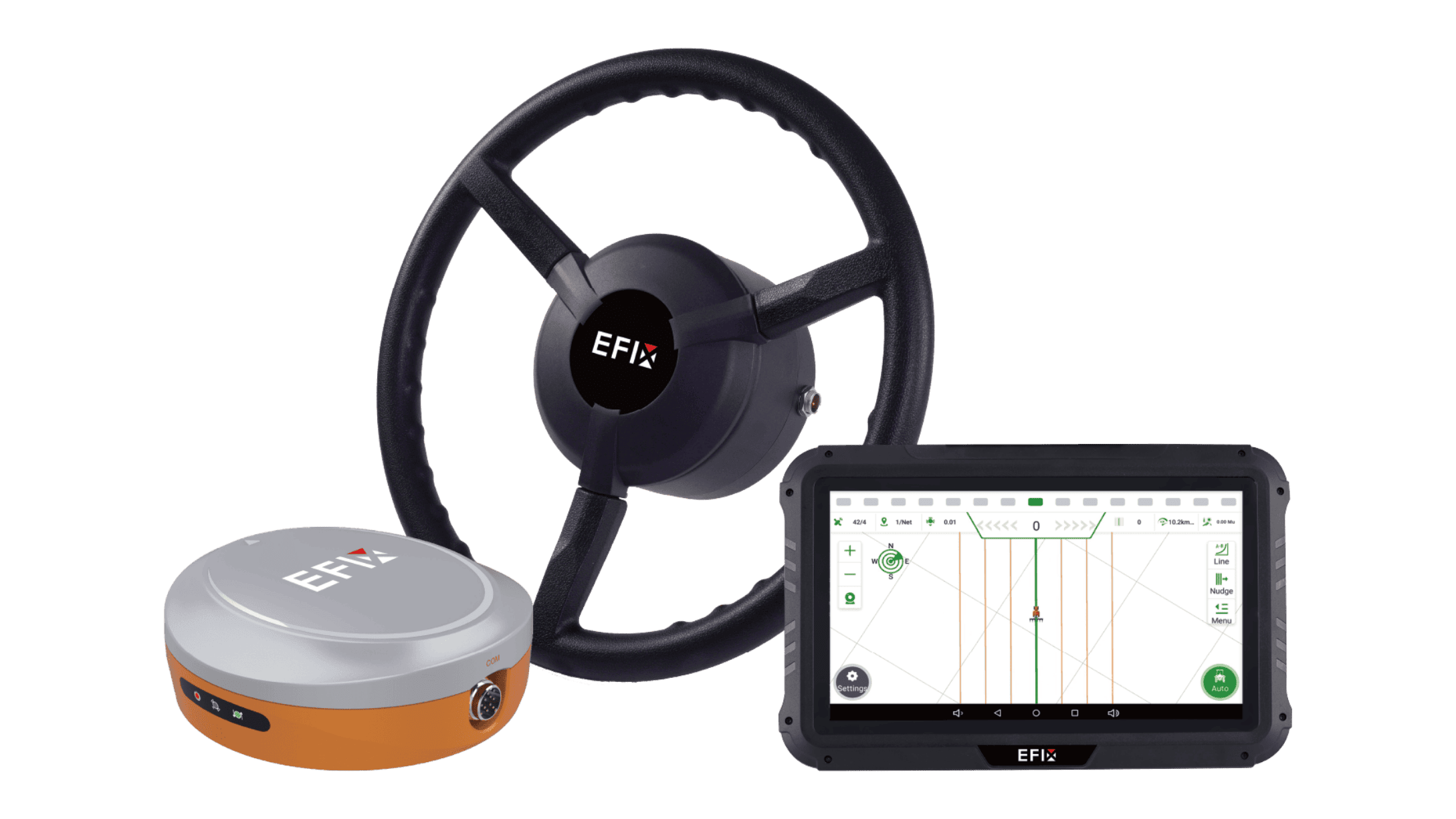
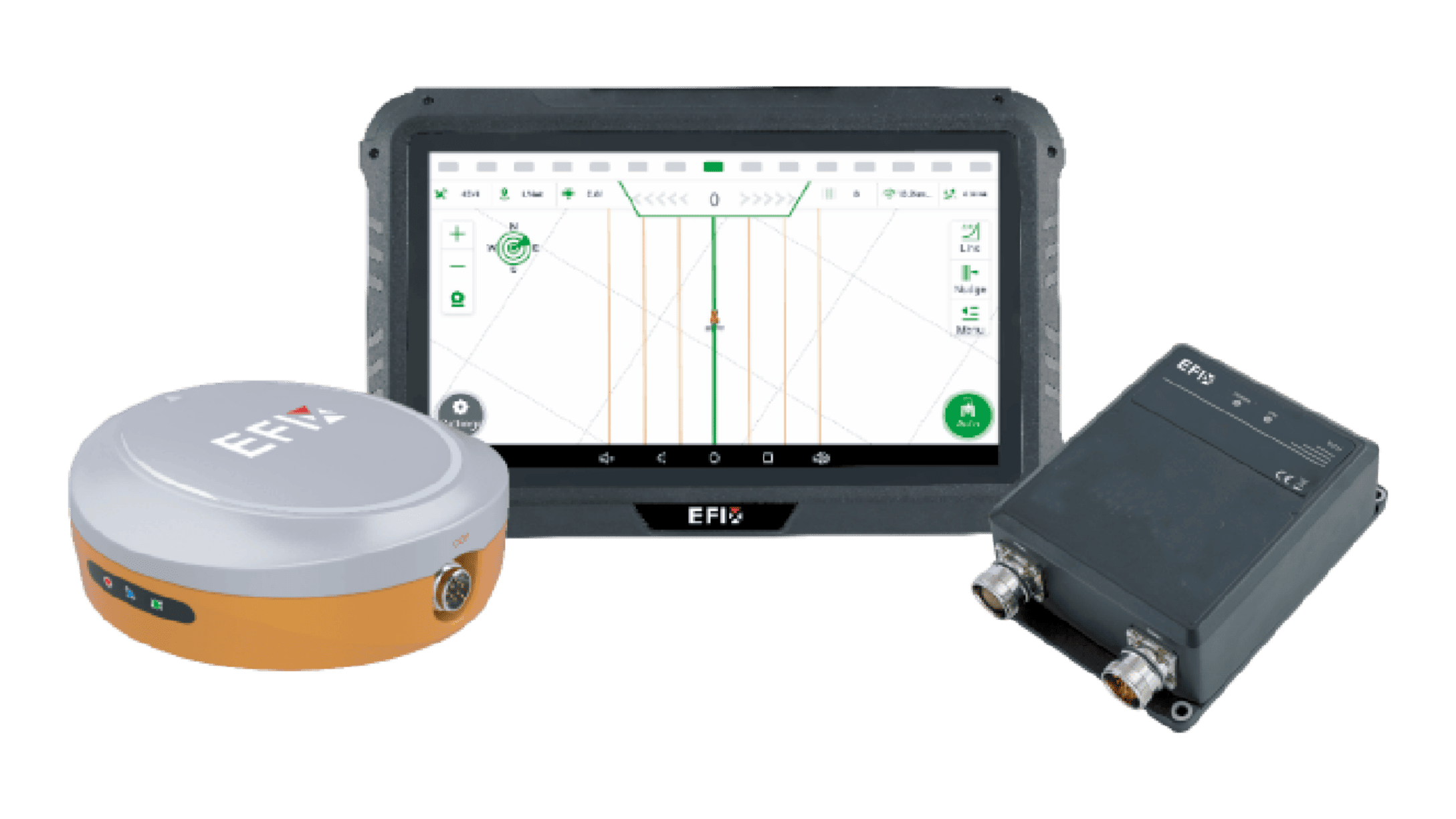
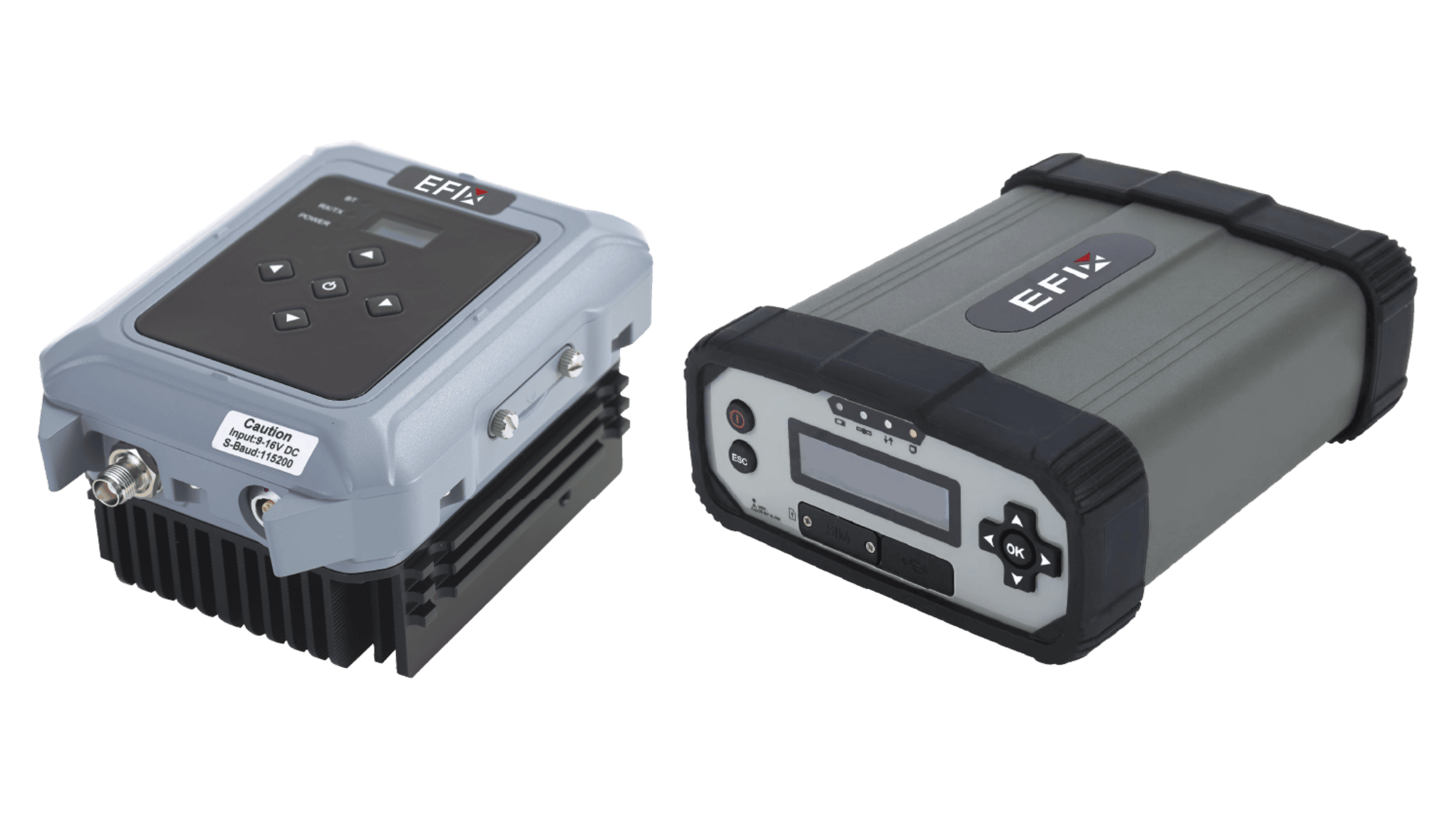
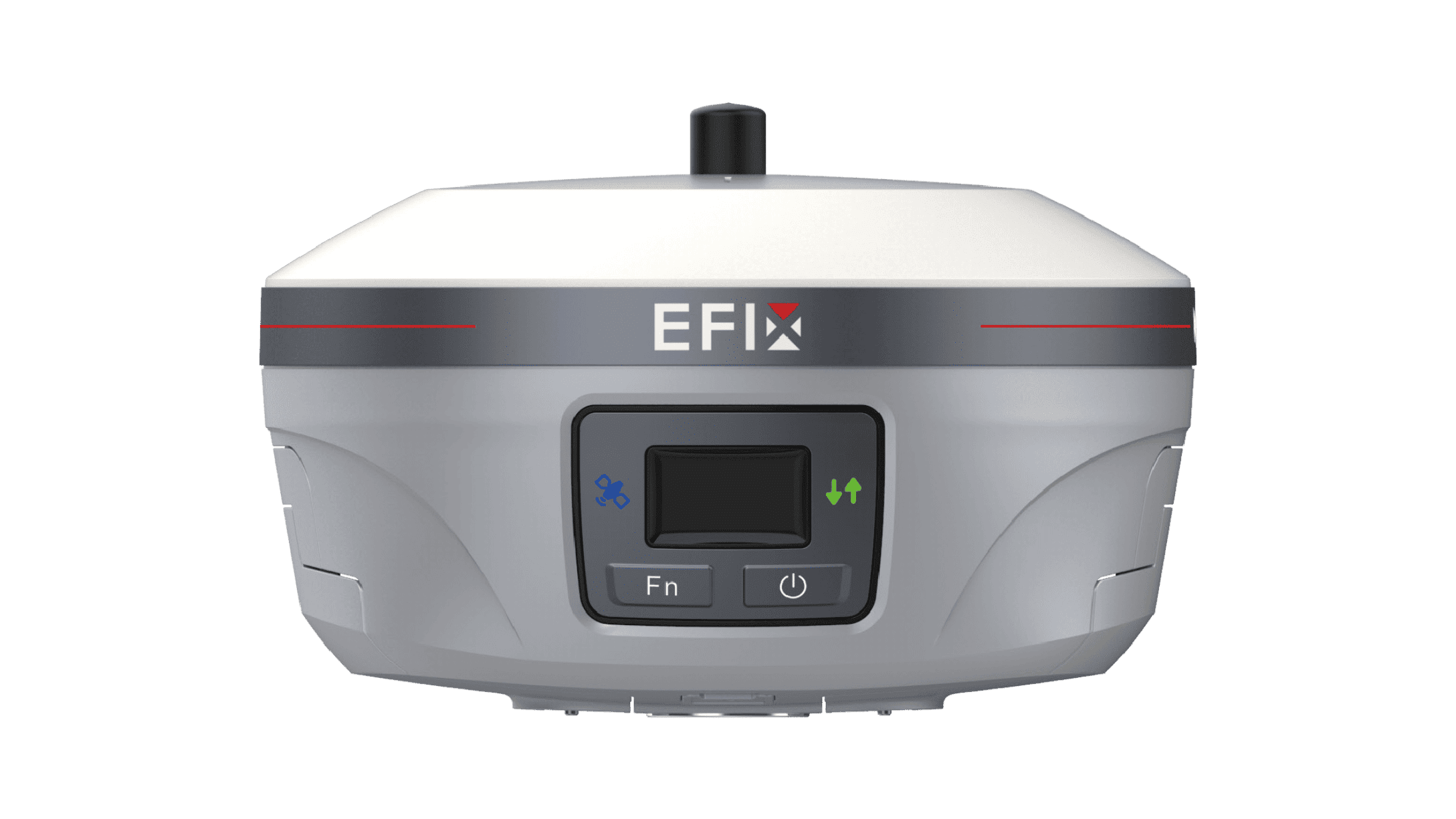
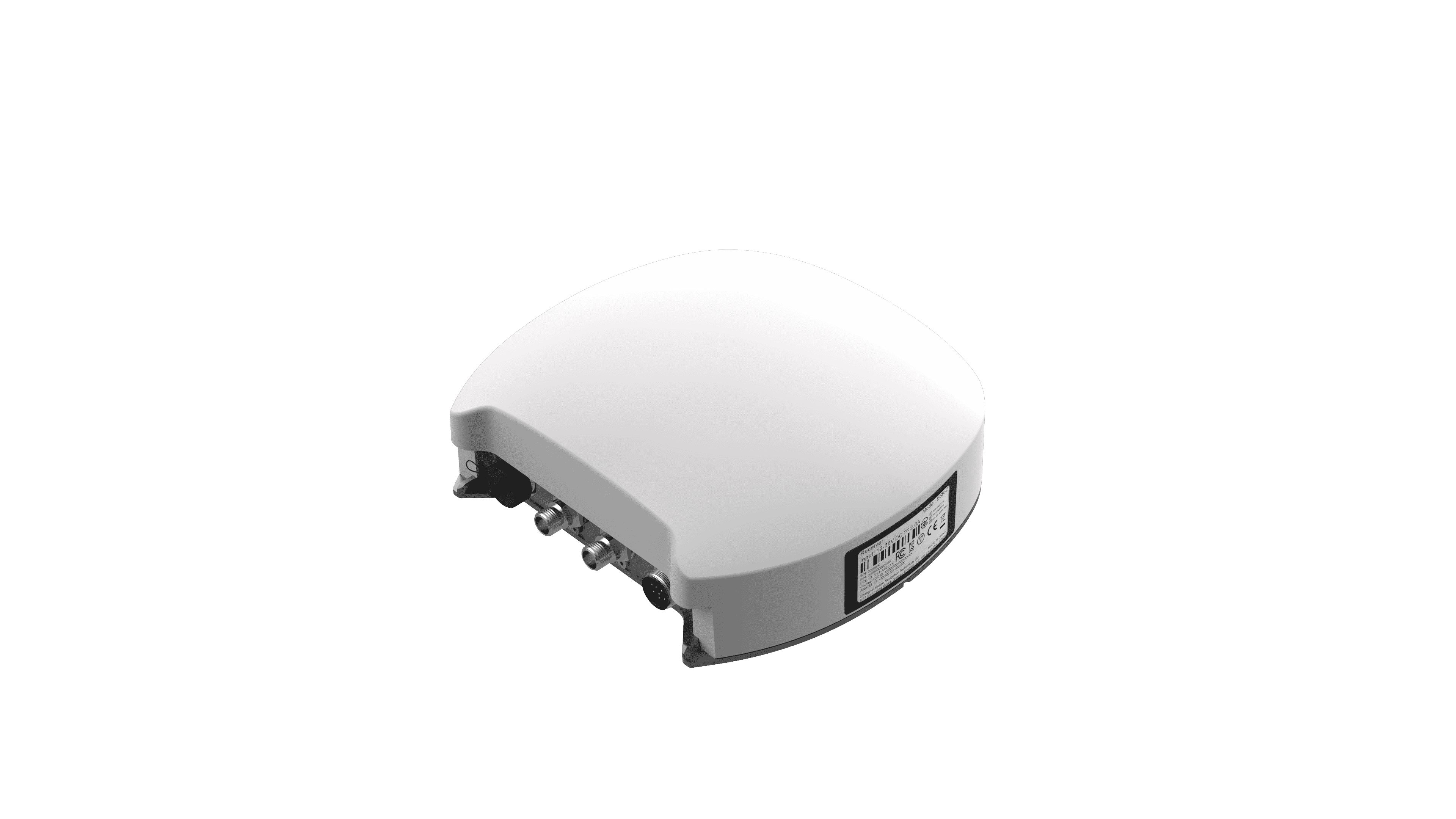
In modern agriculture, precision is paramount. High precision GNSS receivers are transforming the way farmers approach their field management and crop production. By leveraging advanced satellite technology, these receivers offer unparalleled accuracy and reliability that can significantly enhance agricultural practices. At EFIX, we understand the importance of precise positioning for effective farming, and our products are designed to meet these needs.

Enhanced Crop Management through Accurate Positioning
Utilizing high precision GNSS receivers allows farmers to optimize crop management strategies. By providing accurate location data, these devices enable precise planting, fertilization, and pest control. With the capability to track all global constellations—GPS, GLONASS, Galileo, BeiDou, and QZSS—our receivers ensure farmers can maintain connectivity and accuracy, even in challenging environments. This multifaceted tracking capability means fewer errors in crop placement and growth monitoring, leading to higher yields and more efficient resource usage.
Advanced Techniques for Sustainable Practices
At EFIX, we advocate for the integration of high precision GNSS receivers in sustainable farming practices. These devices are instrumental in facilitating techniques like precision farming, where input costs can be minimized while maximizing output quality. By precisely mapping fields, farmers can apply fertilizers and pesticides only where needed, thus reducing waste and environmental impact. Furthermore, our high precision GNSS technology allows for effective water management through Smart Irrigation Systems, ensuring crops receive the right amount of water at the right time, ultimately contributing to sustainability in agriculture.
Streamlining Agricultural Operations
The versatility of high precision GNSS receivers, particularly our eBase 1608-channel system, demonstrates an evolution in agricultural operations. With 8 GB of internal memory for GNSS raw data storage, farmers can collect critical information for post-processing or quality control. This functionality helps streamline operations by allowing for thorough analyses of field performance and outlining areas for improvement. Efficient data management means agronomists can swiftly adapt to changes in the field and make informed decisions, ensuring optimal growth and health of crops.
Conclusion
The advancements in high precision GNSS receivers are undeniably reshaping the agricultural landscape. As farmers continue to seek ways to enhance productivity and sustainability, technologies like those offered by EFIX become pivotal. By integrating precise satellite positioning into daily operations, the agricultural sector can look forward to increased efficiency, reduced environmental impact, and improved overall outcomes. Embracing these innovations is not just a trend but a necessity for modern agriculture. Together, we can cultivate a more productive and sustainable future.