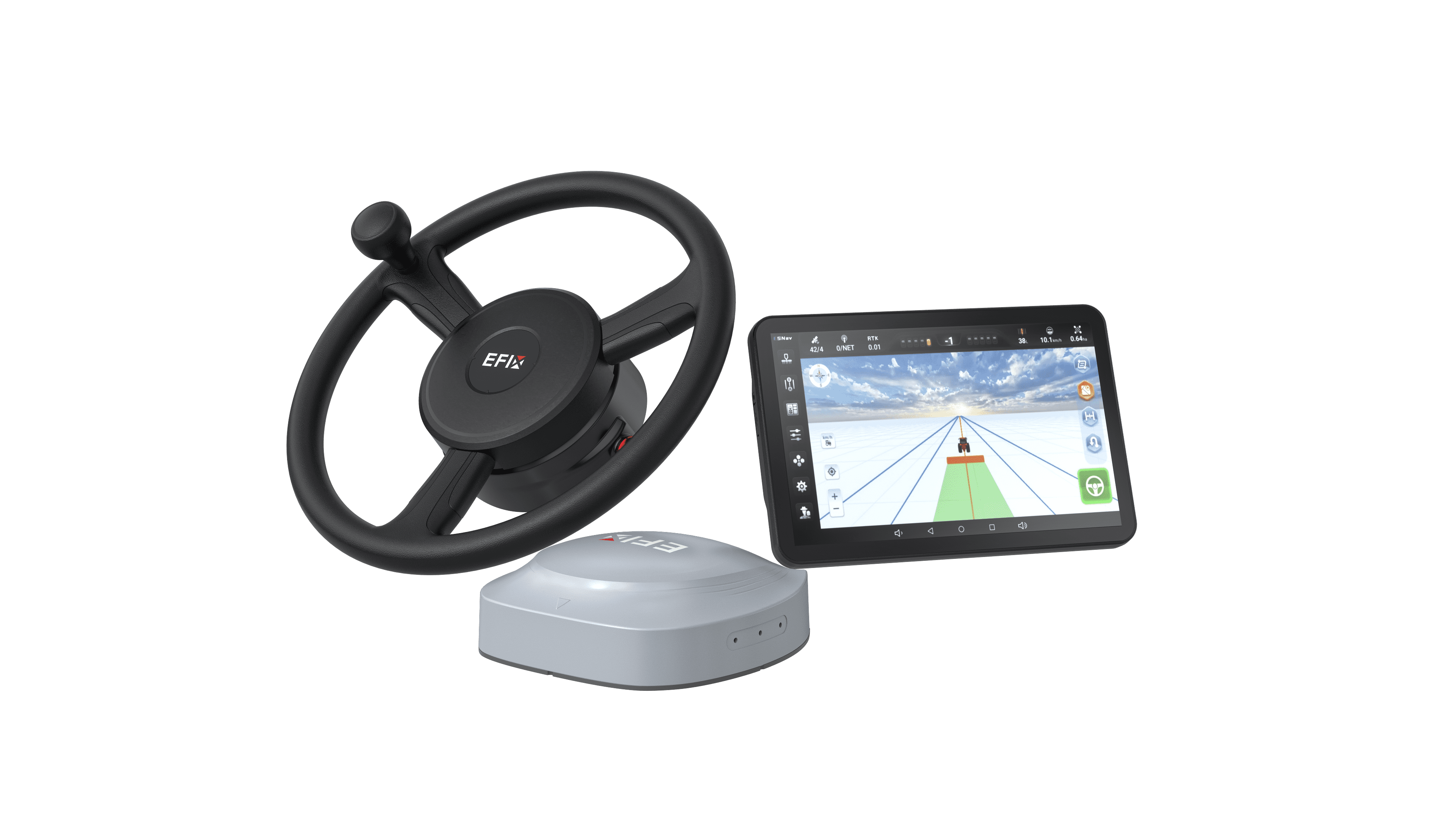
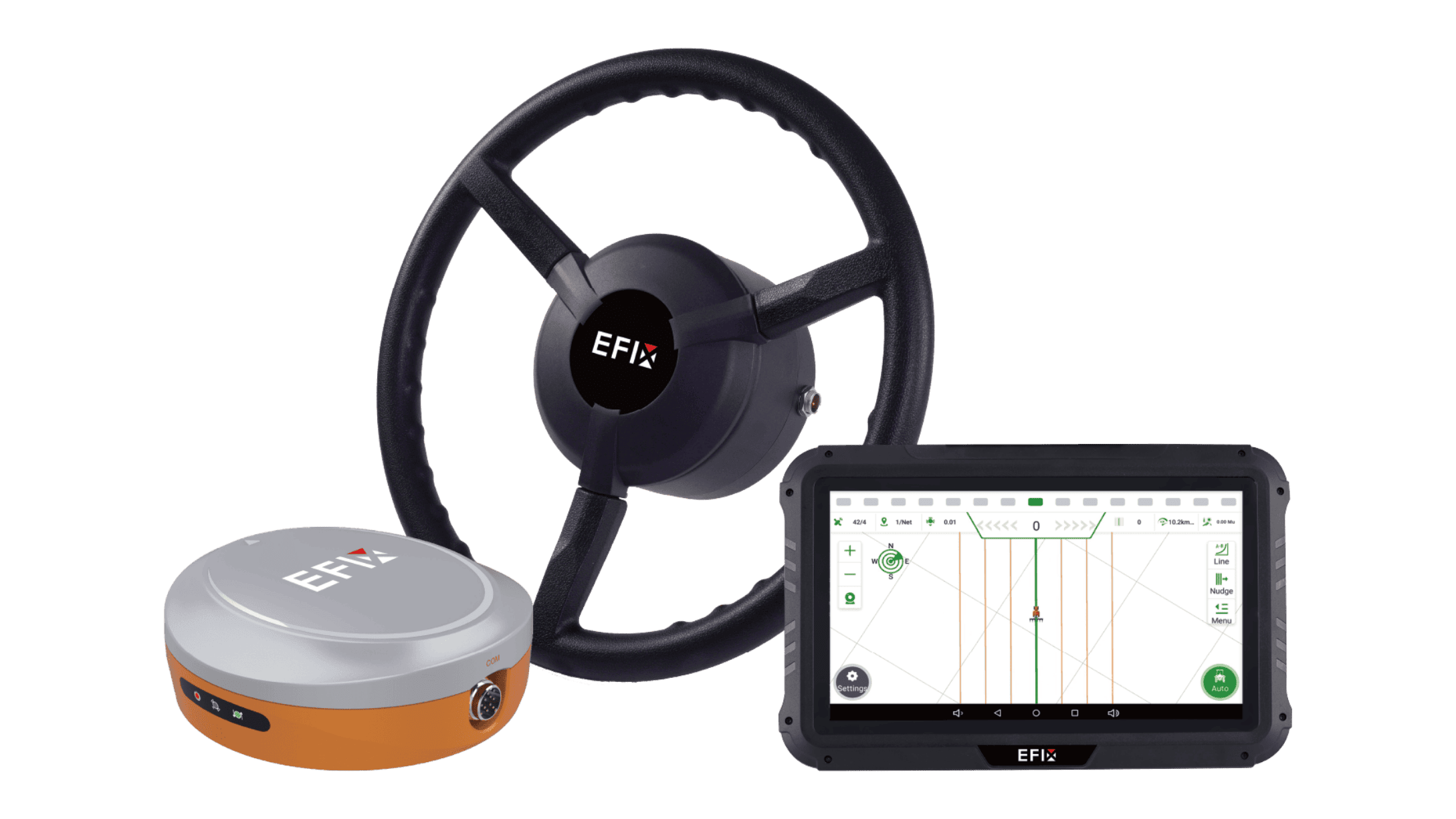
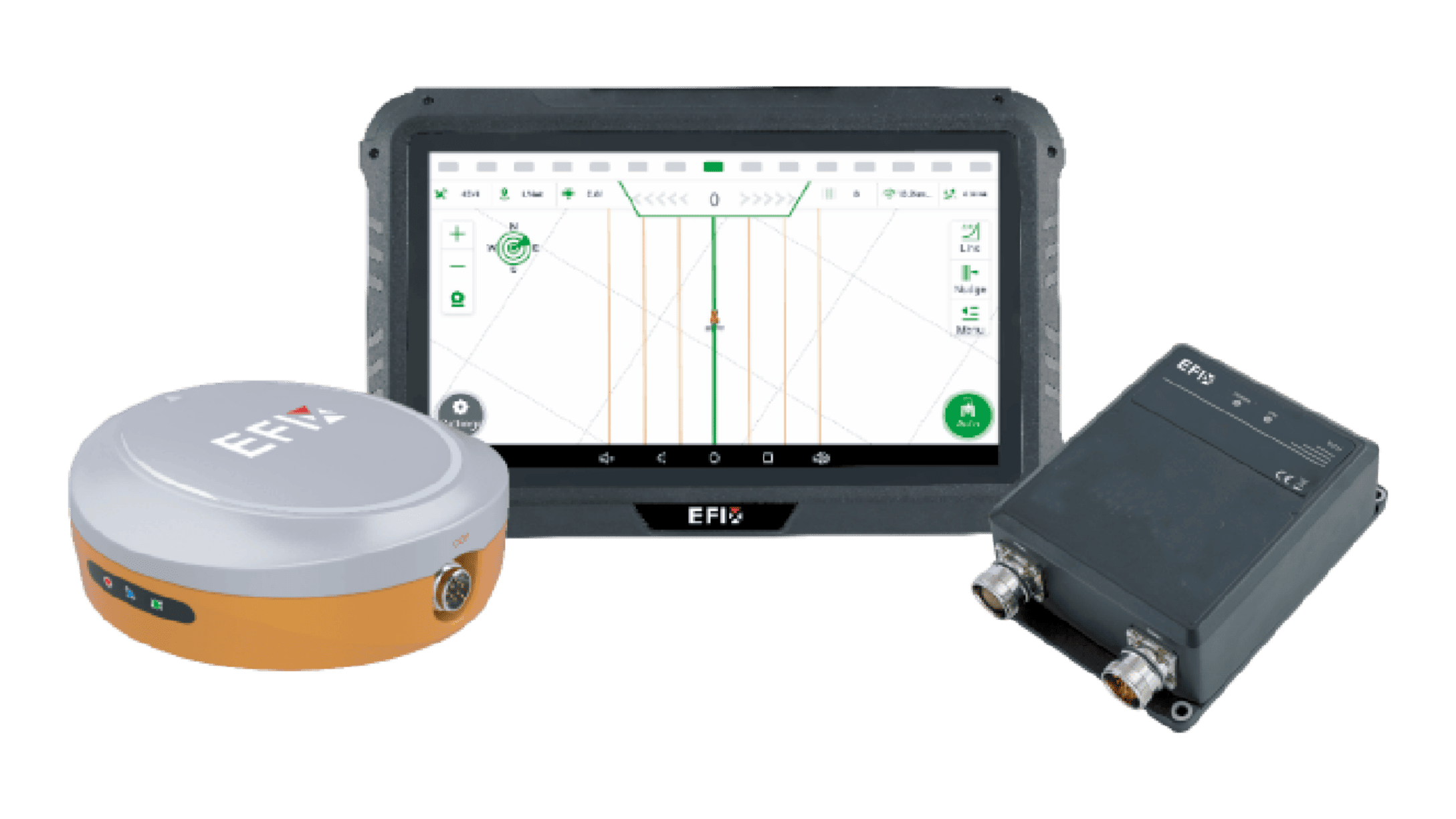
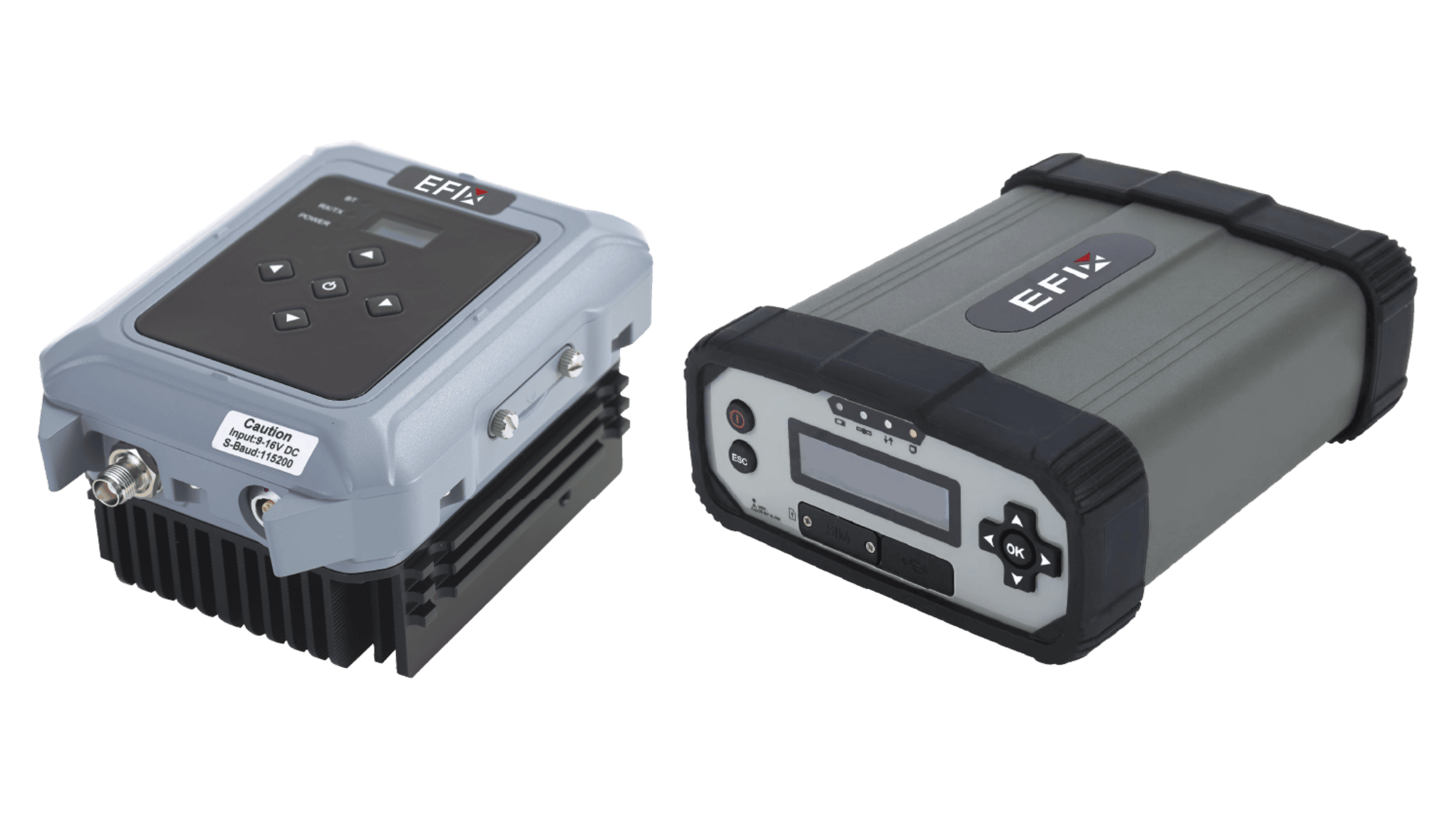
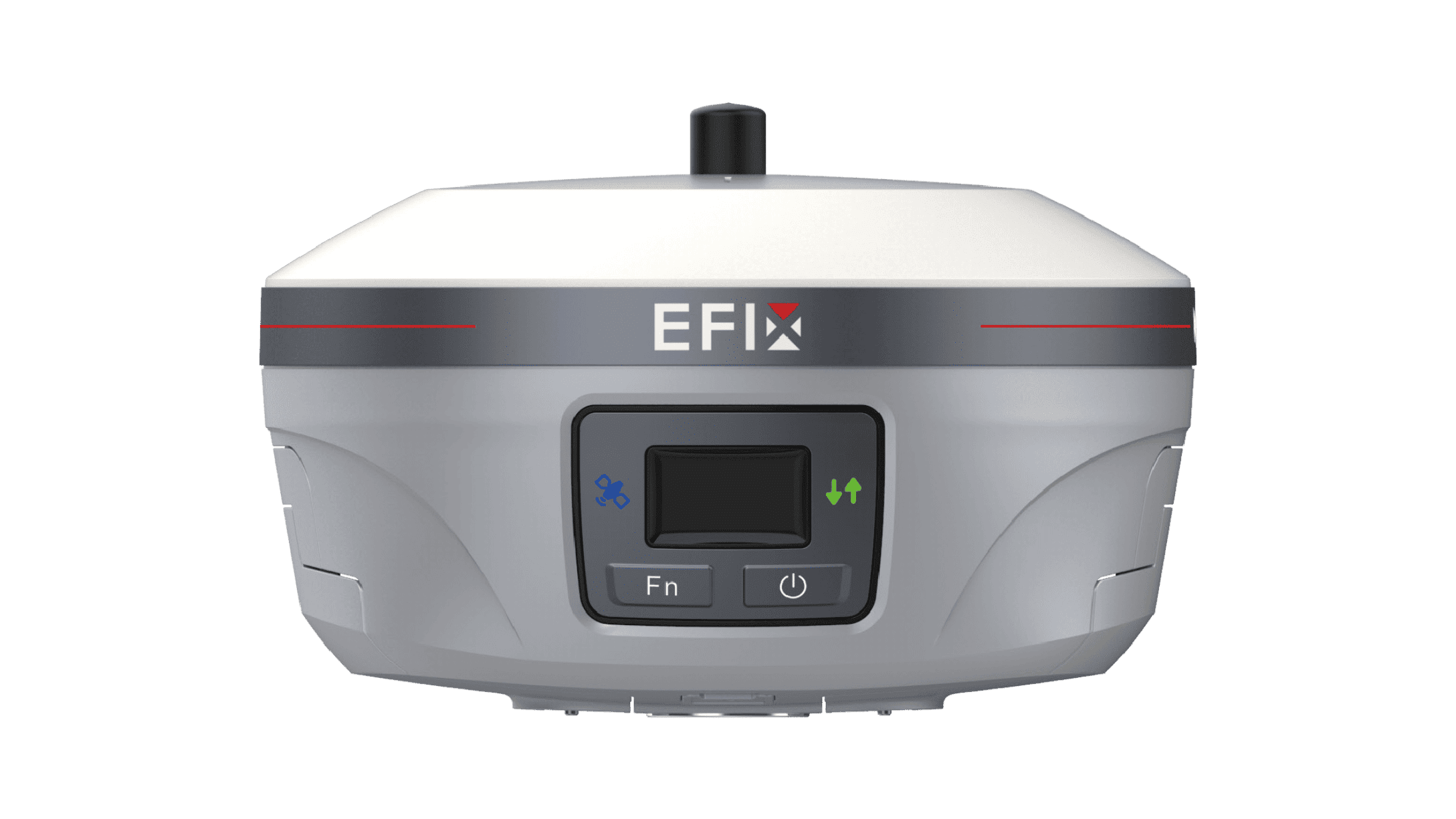
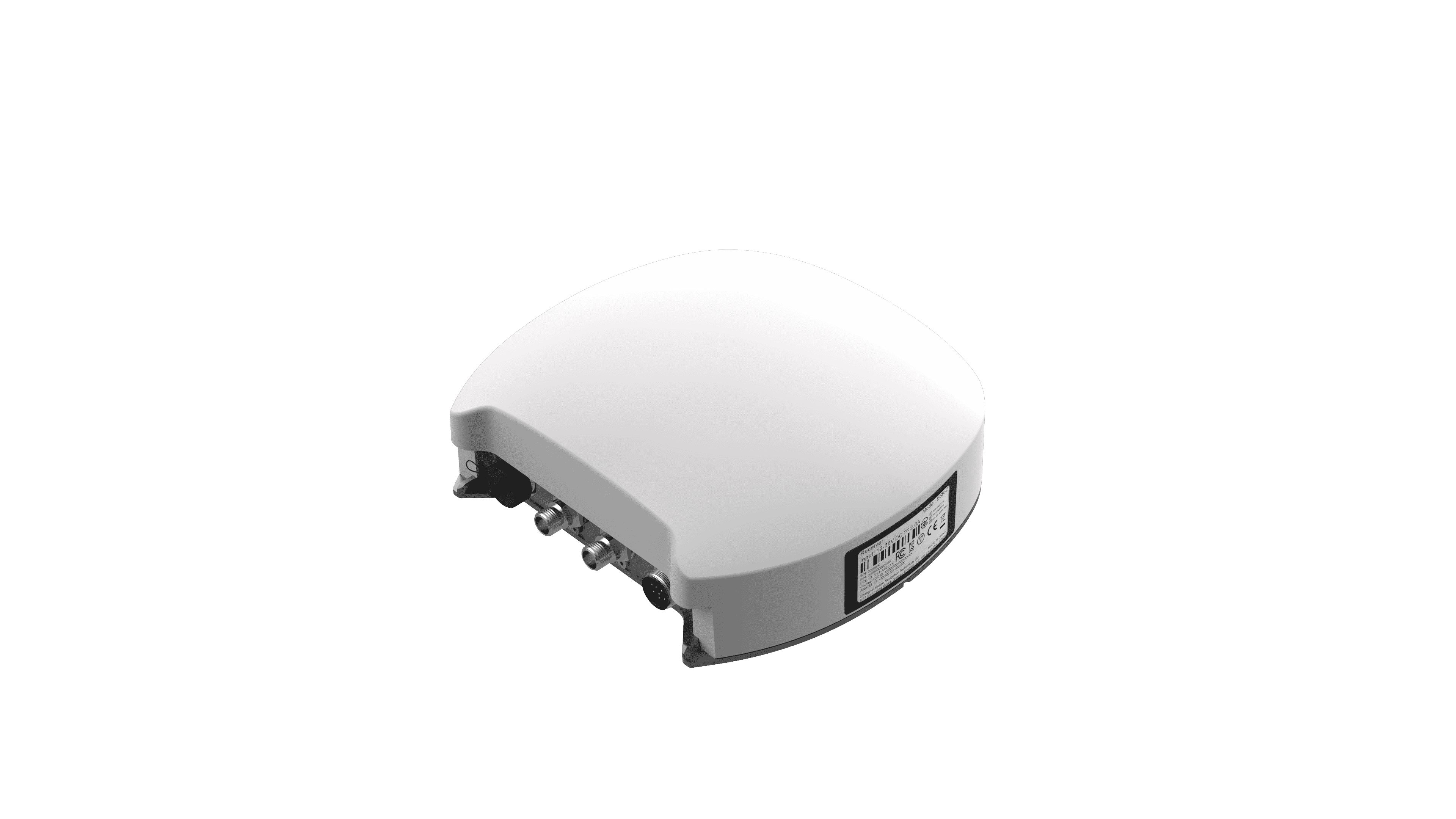
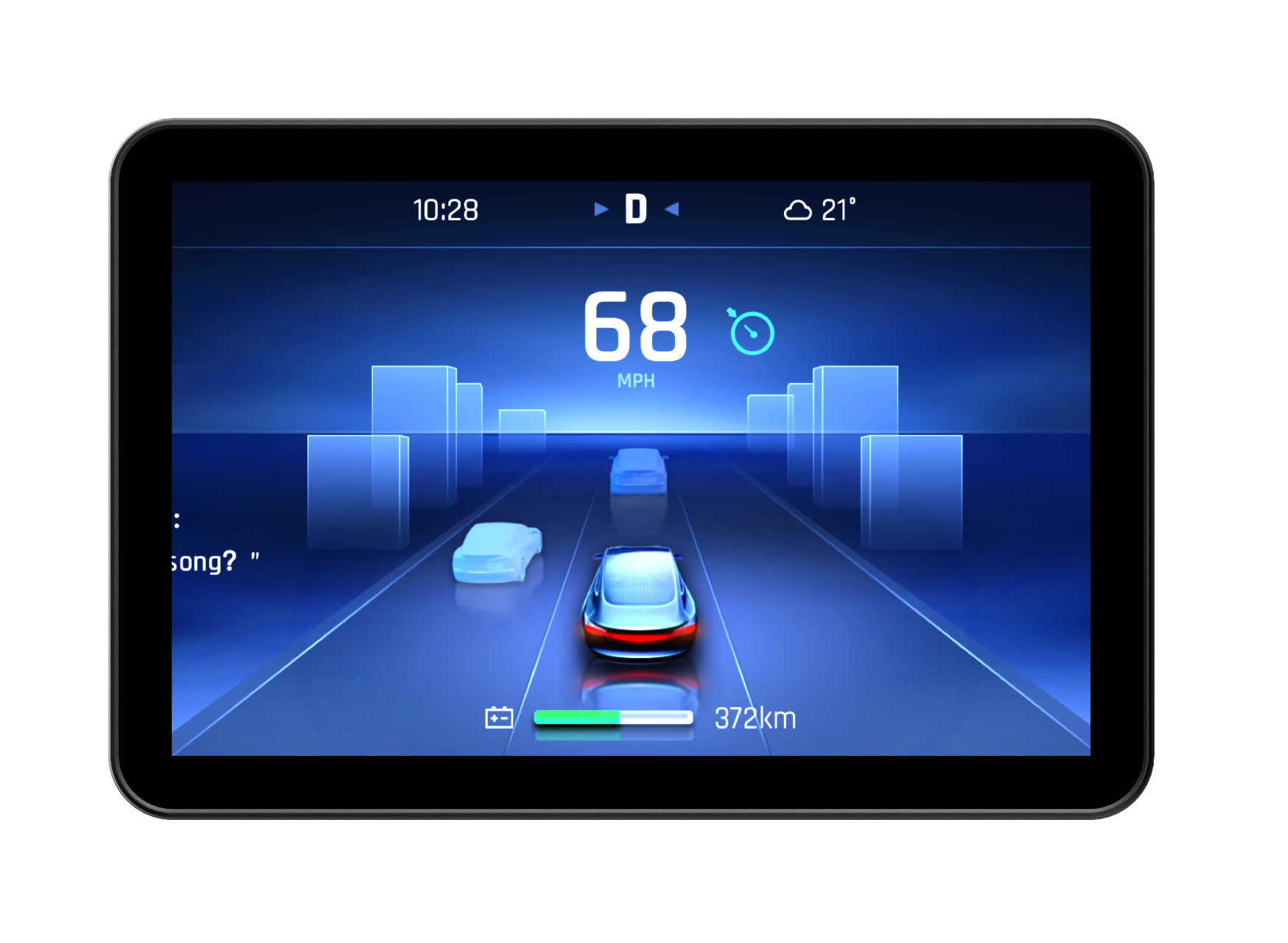
Finding an effective solution for auto steer systems can significantly enhance operational efficiency and accuracy in precision agriculture and land surveying. One key component that plays a critical role in these systems is the RTK GNSS receiver. At EFIX, we understand that selecting the right receiver demands careful consideration of various factors that can impact both performance and user experience. This article aims to explore the essential criteria for choosing an RTK GNSS receiver, with a focus on our offerings at EFIX.

Understanding the Basics of RTK GNSS Technology
Before diving deeper into the selection process, it’s essential to comprehend what an RTK GNSS receiver does. Real-Time Kinematic (RTK) GNSS receivers utilize satellite signals for positioning with centimeter-level accuracy. This technology is pivotal for auto steer systems as it enables precise navigation and positioning, which is crucial in applications like agriculture, construction, and land management. EFIX offers advanced models that incorporate this technology, ensuring seamless operation and high reliability.
Key Features to Consider
When choosing an RTK GNSS receiver, certain features must be prioritized. Firstly, power consumption is critical, as many users require a receiver that can sustain long working hours. With our models at EFIX consuming only 12 W under user-dependent settings, you can expect extended operation times. Furthermore, having an internal battery capacity of 2 x 7000 mAh at 7.4 V can provide adequate support for prolonged activities, enabling 8 to 12 hours of active use on UHF receive and transmit modes. This is particularly beneficial for those working in the field where external power sources are scarce.
Compatibility with Auto Steer Systems
It’s crucial to ensure that the RTK GNSS receiver and the auto steer system are compatible. EFIX models are designed to integrate smoothly with a variety of steering systems, maximizing efficiency and reducing setup time. Whether for agricultural machinery or surveying equipment, our receivers are equipped with adaptable features that can accommodate different operational needs. This compatibility not only enhances performance but also simplifies the user experience, allowing you to focus on the task at hand.
The Importance of External Power Options
The flexibility of power input options is another aspect worth considering when selecting your RTK GNSS receiver. At EFIX, our receivers can operate with external power inputs ranging from 9 V DC to 28 V DC, which is advantageous for users in various settings, especially in rural or remote areas. This versatility ensures that you can maintain operations even if primary power sources are unavailable. The options provided by EFIX ensure that your equipment remains functional and productive regardless of environmental constraints.
Conclusion
Selecting the right RTK GNSS receiver for your auto steer systems is paramount for ensuring precision and efficiency. By understanding the fundamentals of RTK technology, considering essential features, ensuring compatibility, and valuing external power options, you can make an informed choice. At EFIX, we strive to provide solutions that meet your unique operational needs, ensuring reliability and outstanding performance in the field. It is our commitment to quality that makes our receivers a trusted choice for enhanced navigation and precision.