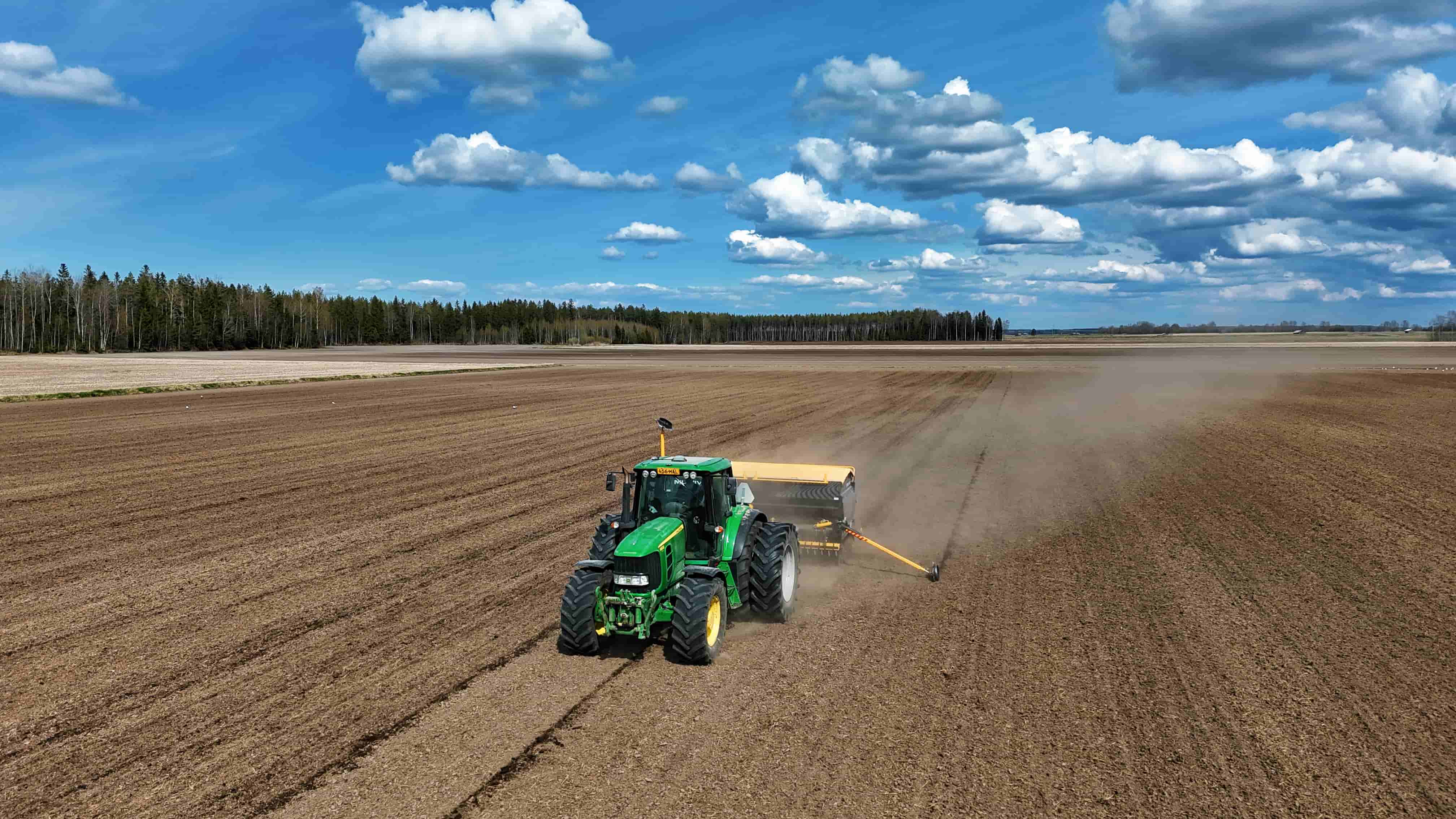
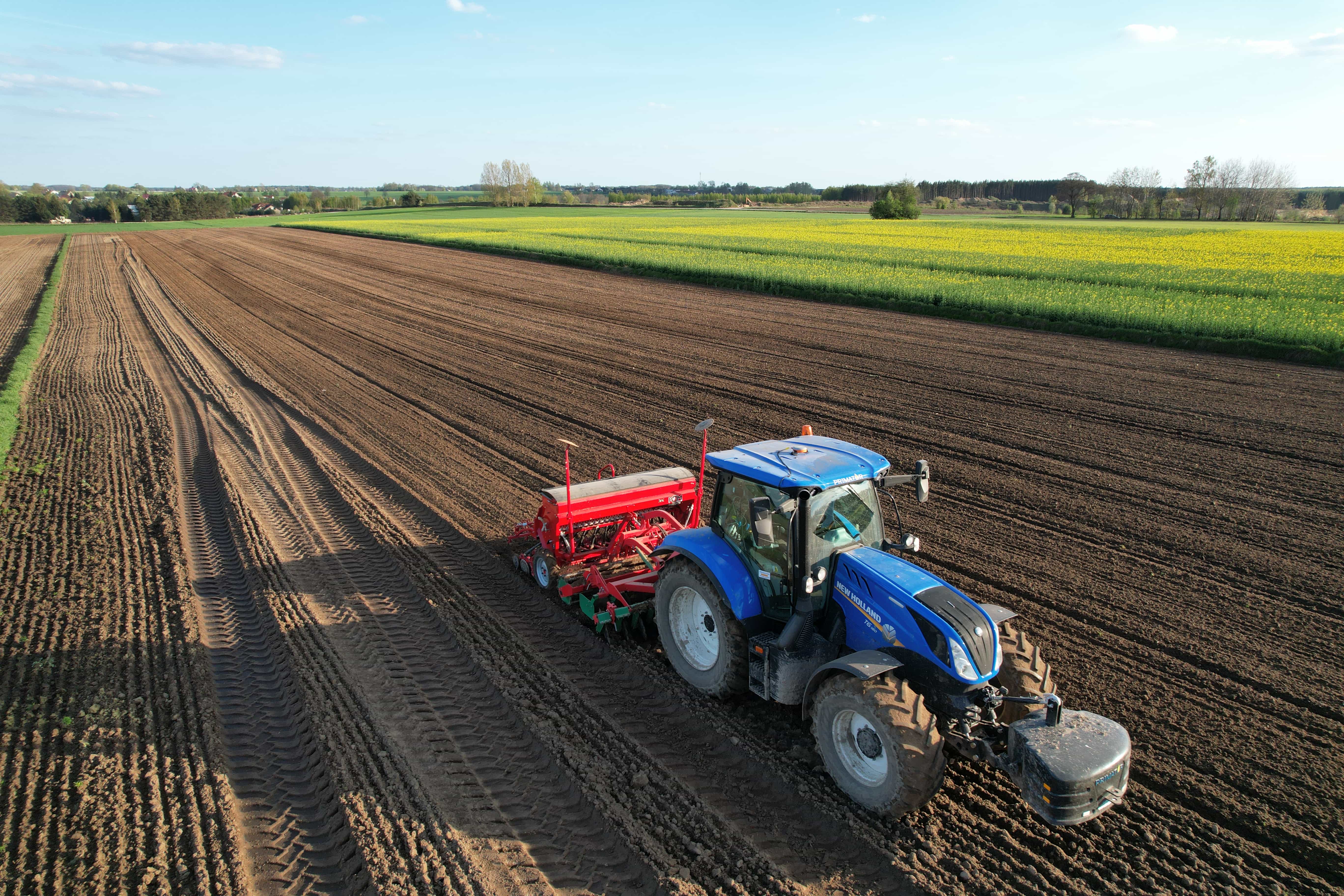
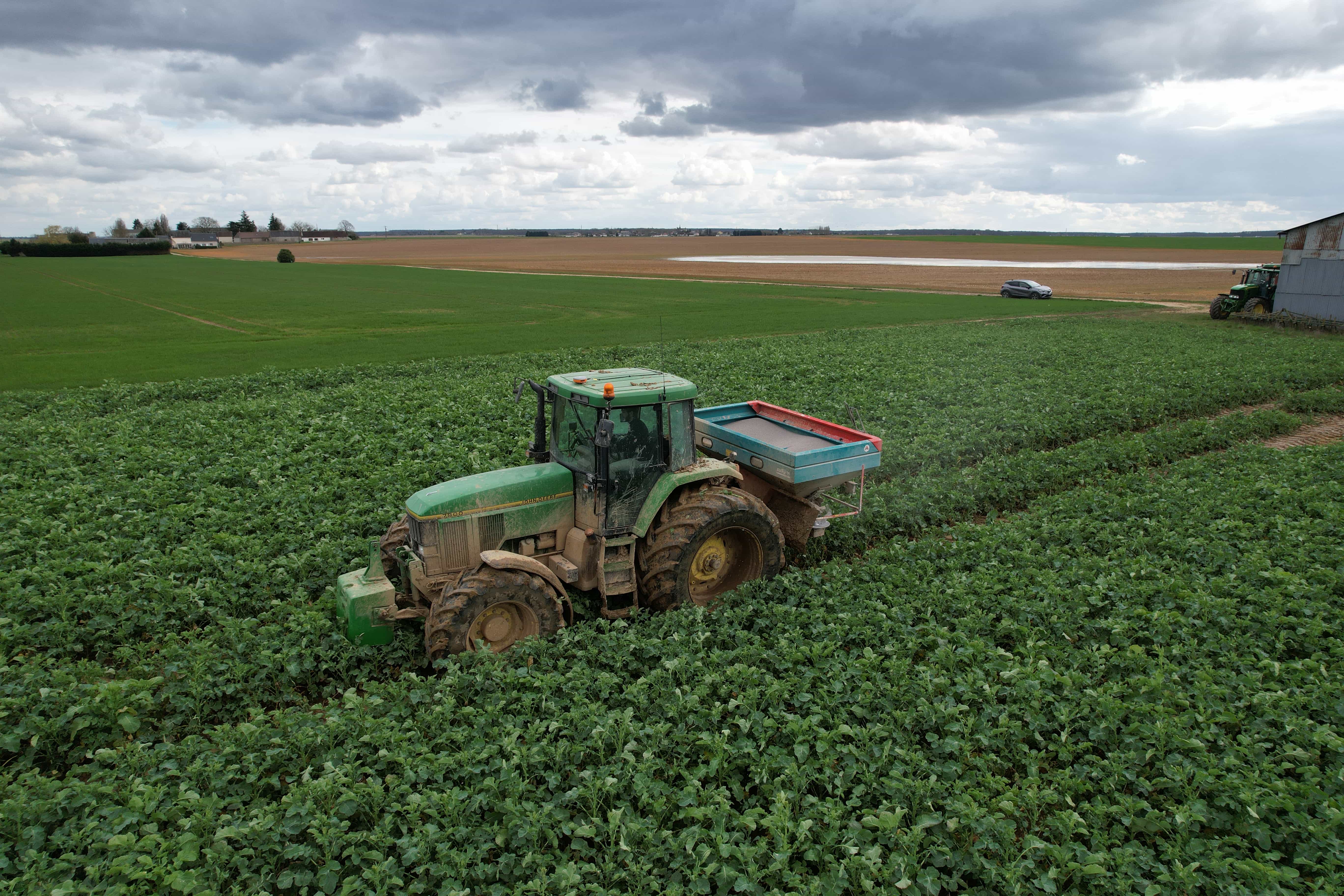
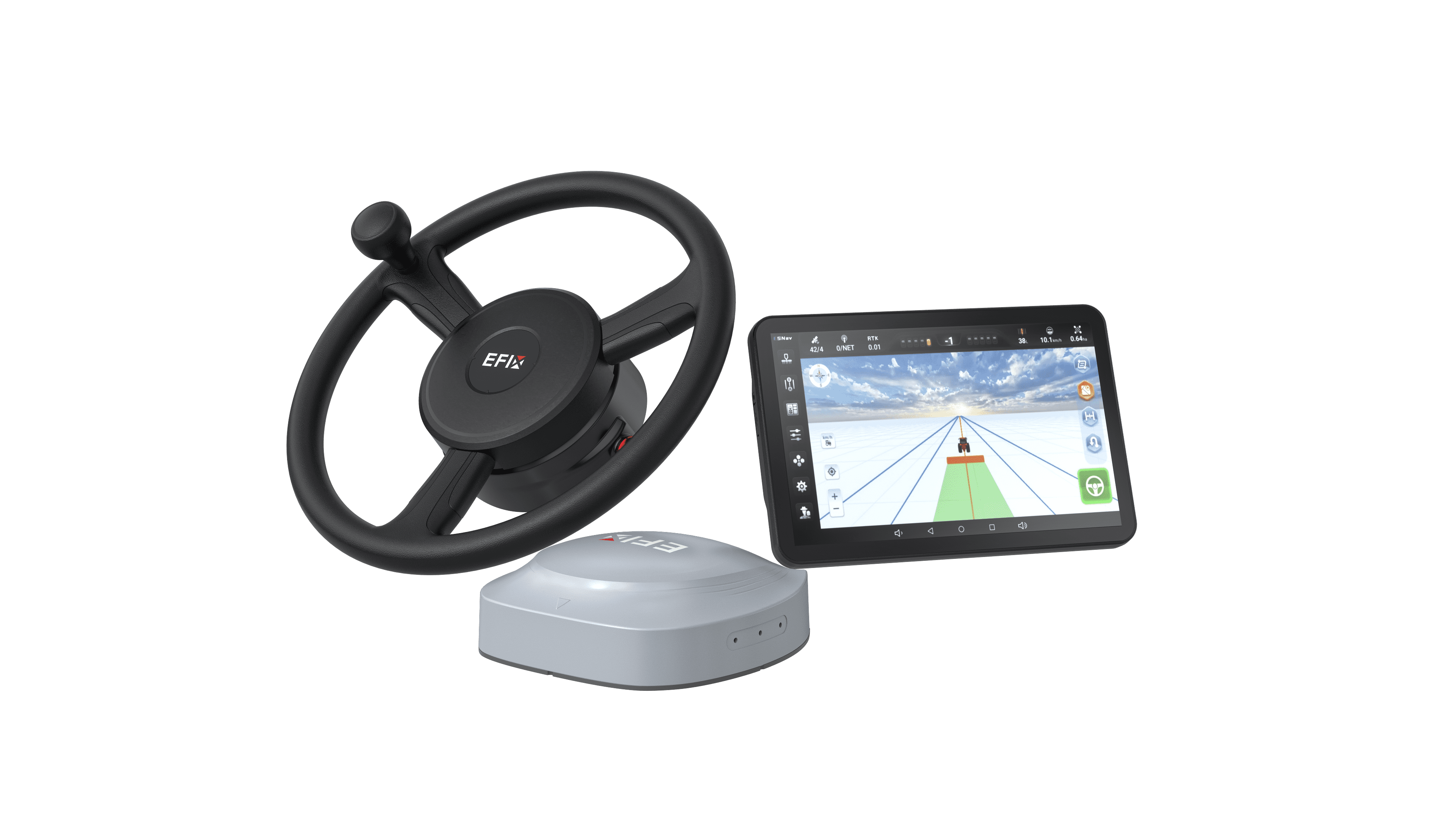
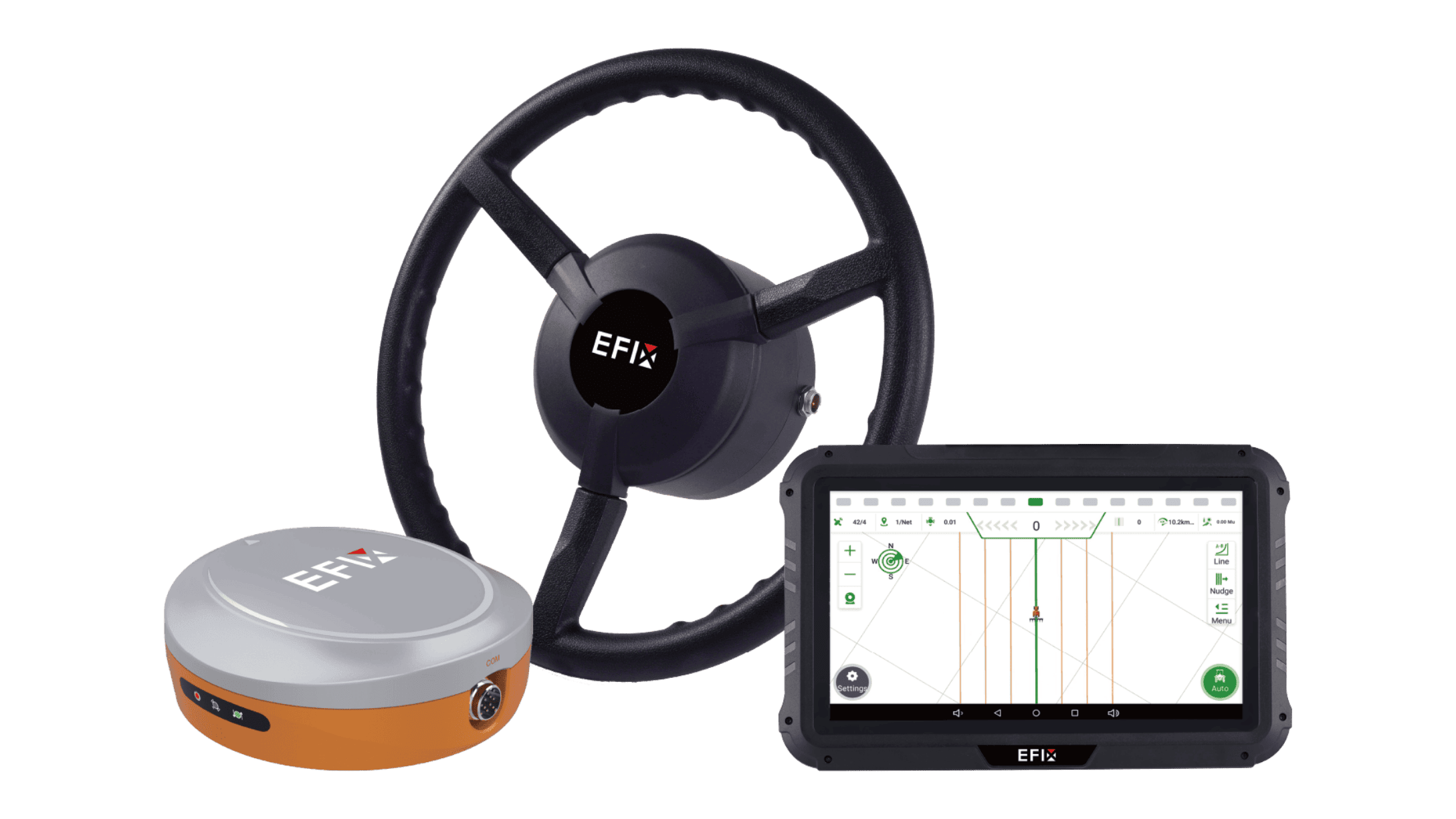
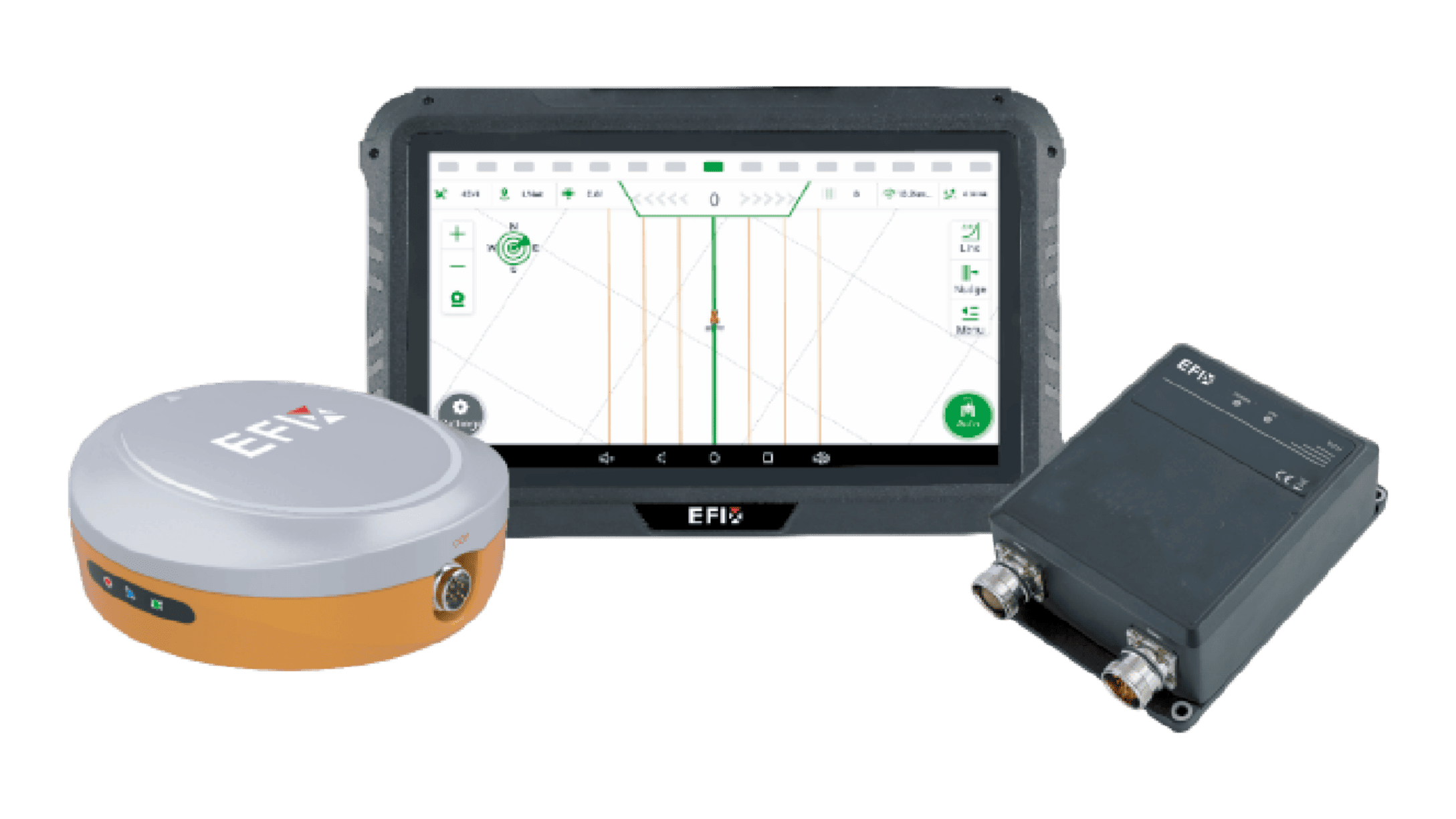
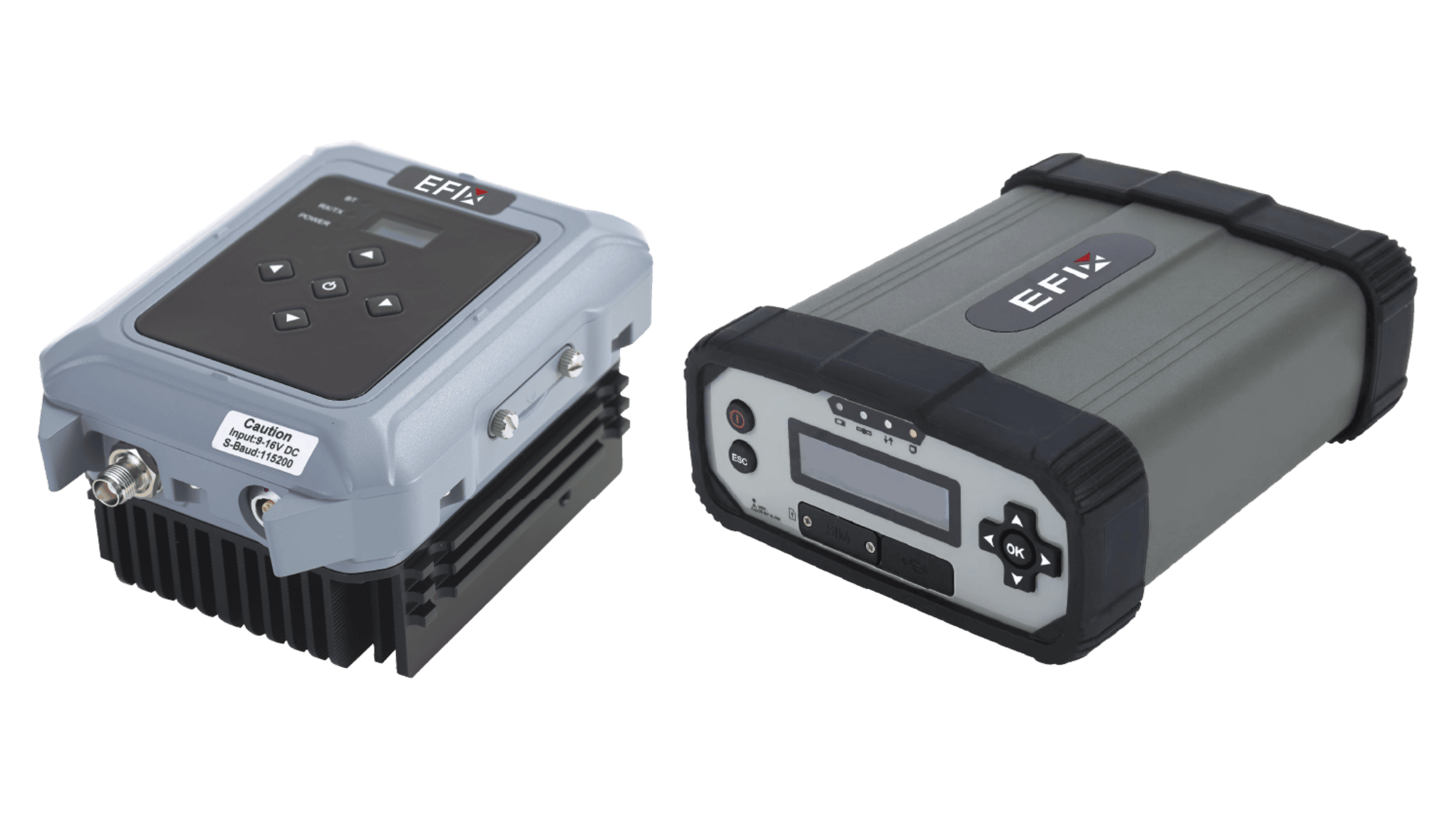
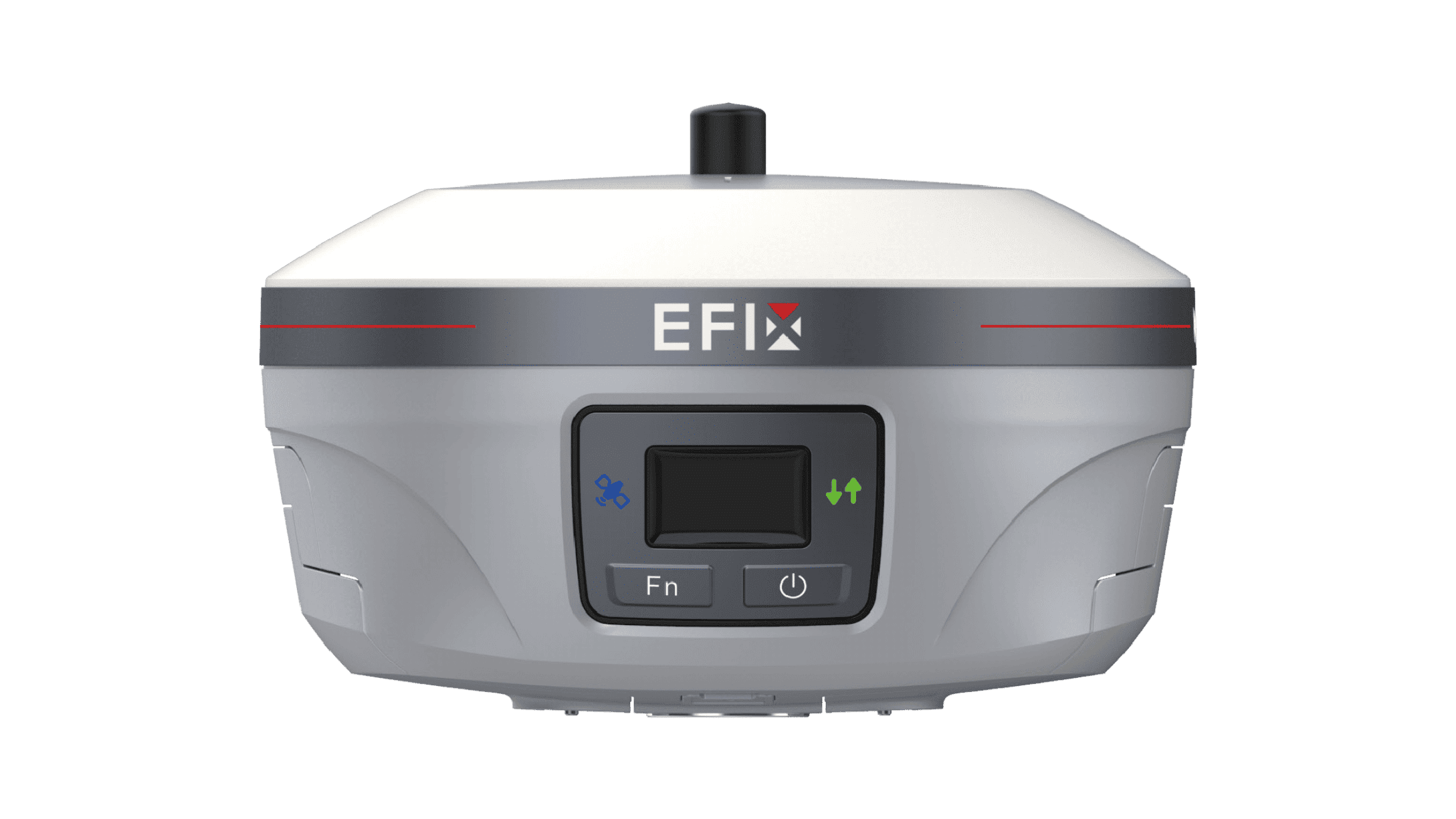
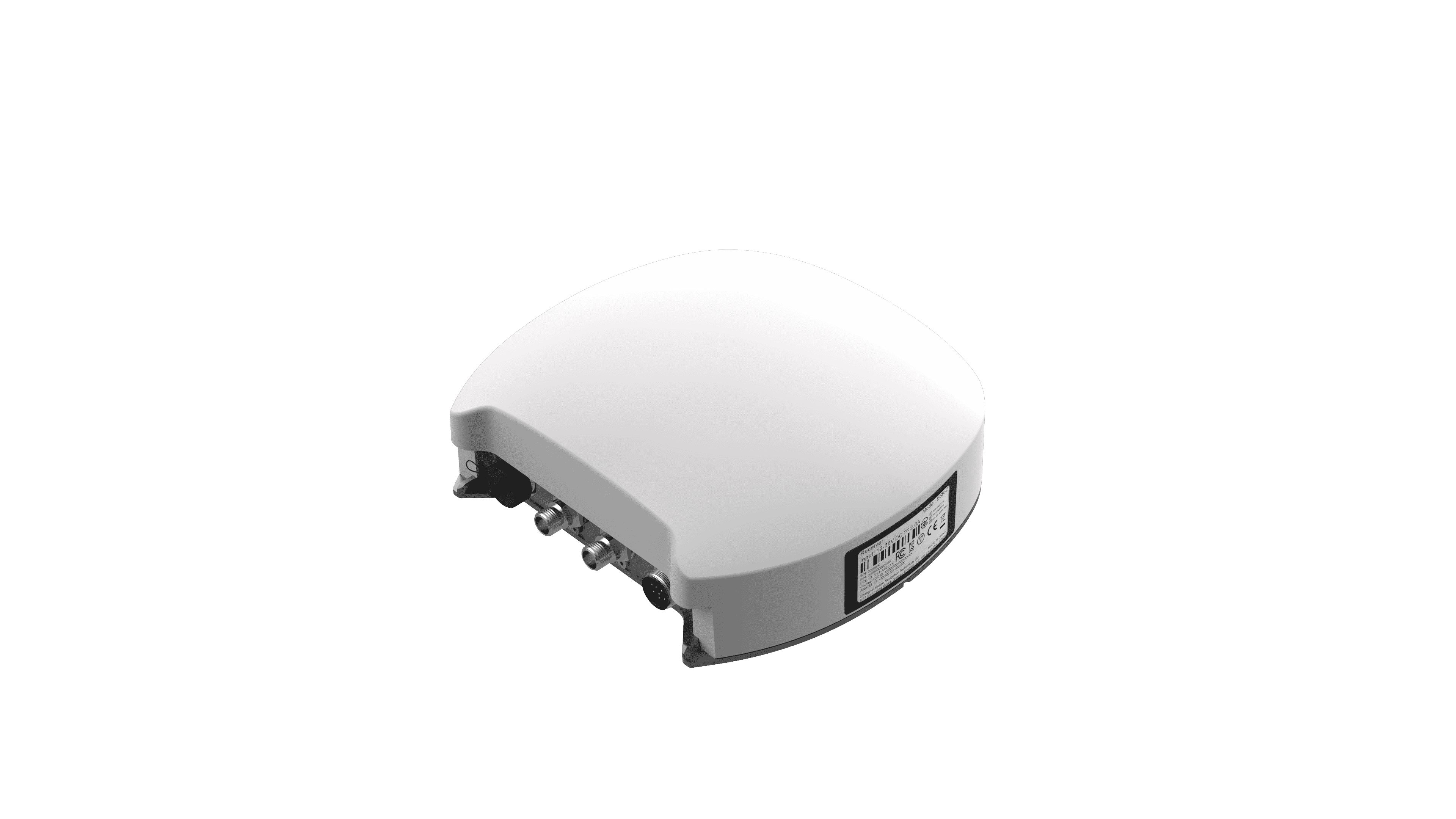
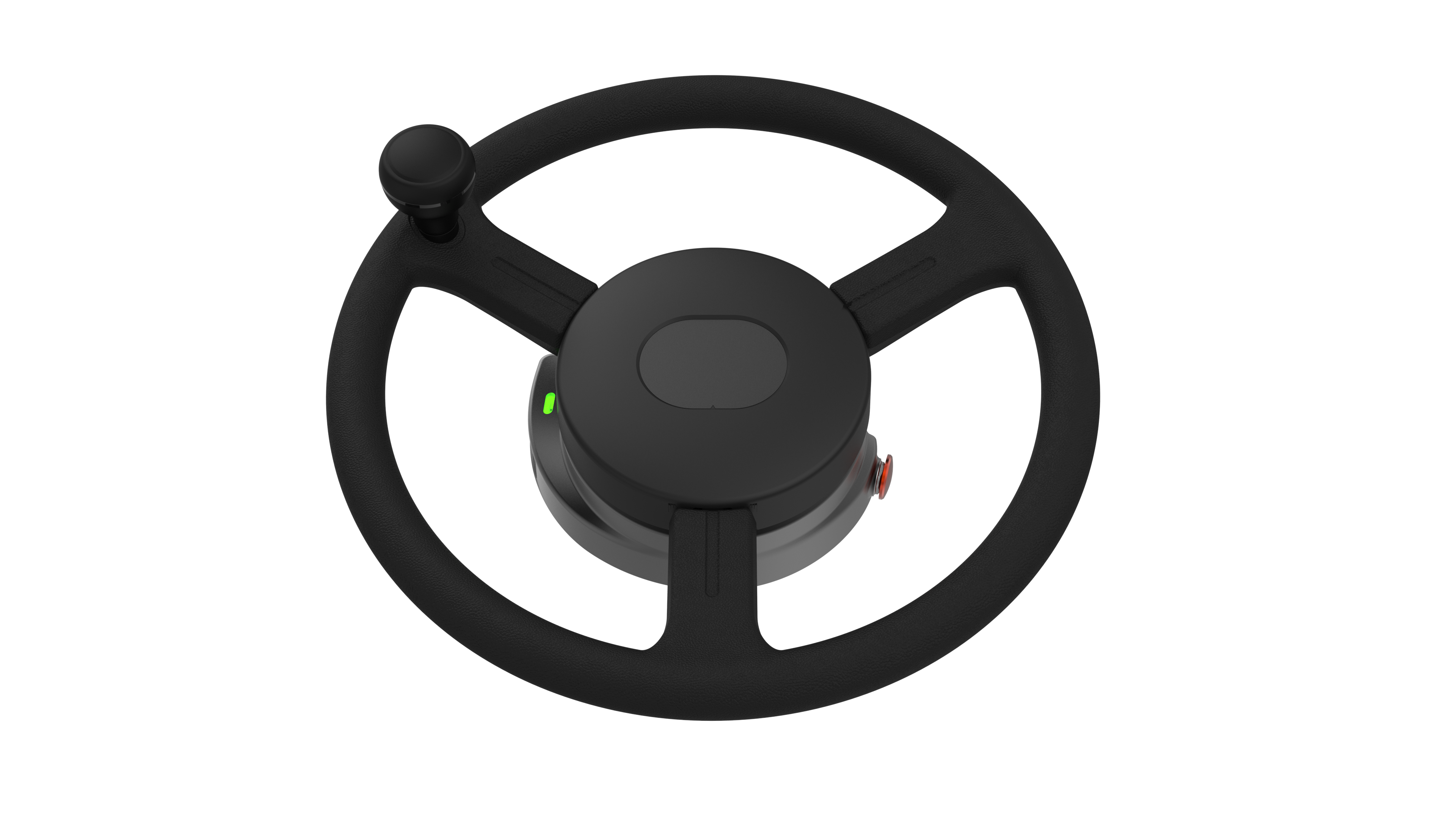
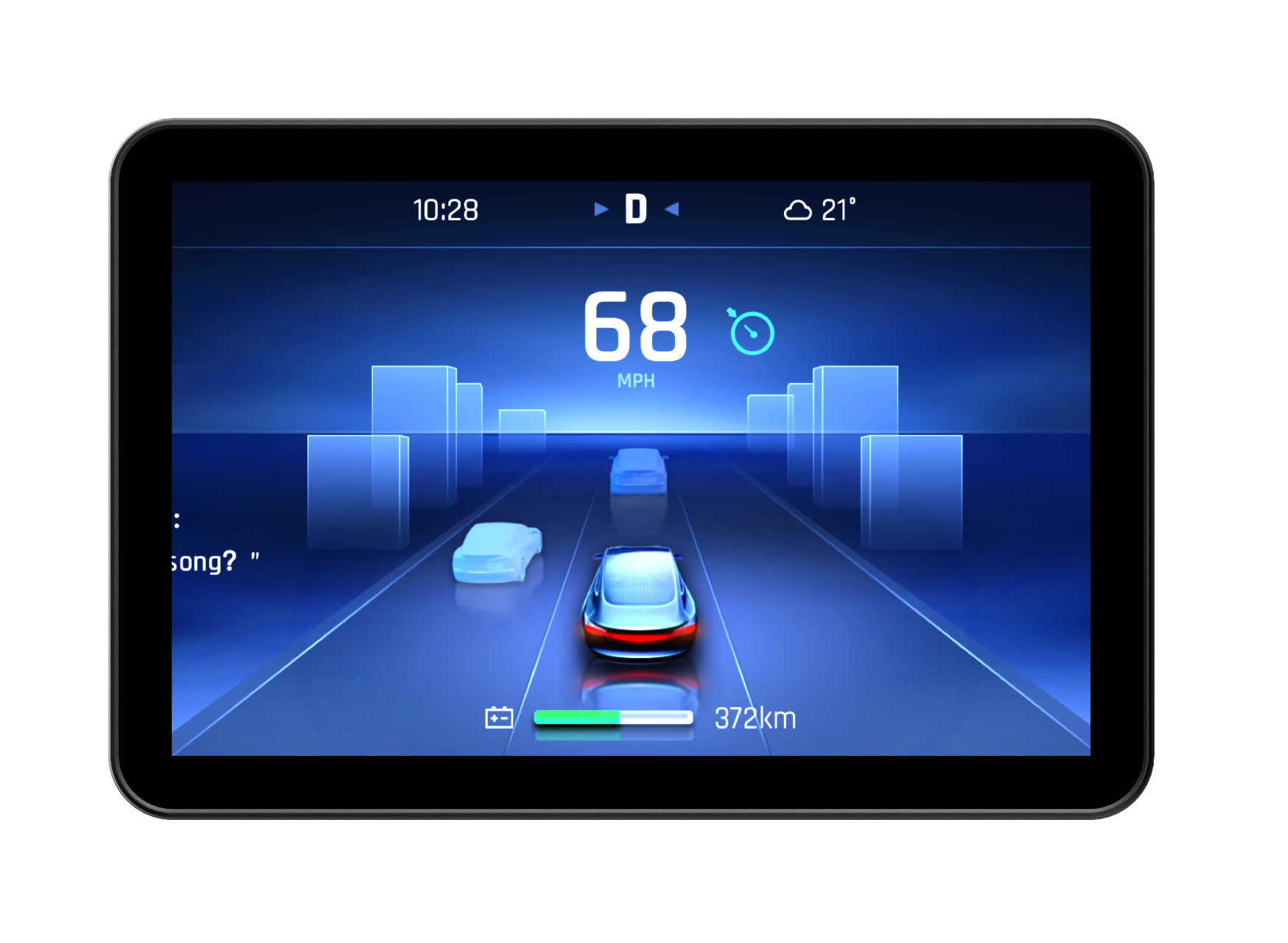
The tools used to guide machinery through fields are entering a phase of significant functional expansion. The core purpose remains accurate placement, but the surrounding capabilities are evolving rapidly. We observe several key developments converging, each pushing the precision agriculture guidance system beyond its traditional role. These directions are less about isolated features and more about how the system connects, analyzes, and executes within the broader farm ecosystem. This progression marks a shift from assistive tools to central decision-support platforms.
Integration with Multilayer Data Streams
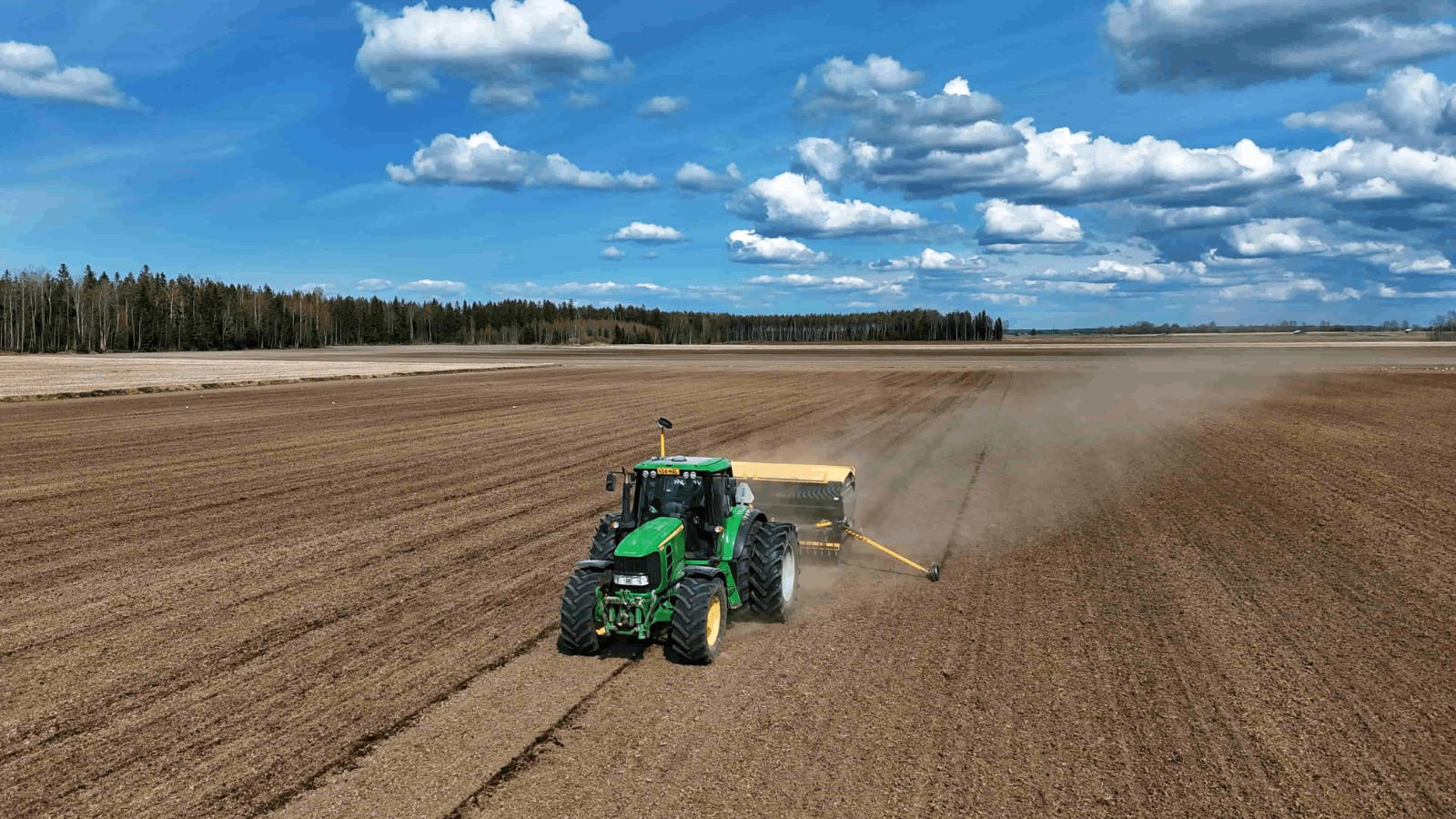
A primary development is the movement from single-source guidance to integration with diverse data layers. A modern precision agriculture guidance system now acts as an execution engine for prescriptions generated from soil maps, yield analytics, and drone or satellite imagery. The scientific relevance lies in creating a closed loop: data informs the plan, the system executes the plan with high spatial fidelity, and new data from the operation feeds back for refinement. This allows for managing in-field variability with a level of detail previously difficult to implement consistently, turning historical insights into immediate, precise action.
Advancement in Fleet Synchronization Protocols
Interoperability is becoming a central focus. The next stage involves guidance and implement control systems from different manufacturers communicating using shared data protocols. This shift is grounded in the principle of standardizing communication languages, similar to universal file formats. The result is a coordinated fleet where a tractor's guidance path can dynamically adjust the settings on a connected sprayer or spreader from a different brand. This reduces operational friction and allows for more complex, multi-machine tasks to be sequenced efficiently, enhancing overall field capacity.
Growth of Automated Sequential Operations
Automation is progressing from straight-line autosteering to the management of complete field operations. Systems can now calculate optimal entry and exit points, generate efficient coverage patterns for irregular shapes, and automatically sequence multiple tasks—such as tillage followed by planting—within a single field boundary. This relies on advanced path-planning algorithms that minimize overlap and headland turns, directly conserving fuel, inputs, and time. The outcome is a more predictable and efficient use of machinery, allowing managers to focus on strategy rather than continuous manual control.
Incorporation of Real-Time In-Field Adjustment
A notable direction is the integration of real-time sensor feedback to adjust guidance actions instantly. This involves coupling the precision agriculture guidance system with onboard vision or spectral sensors. For instance, camera systems can identify and mark weed patches or nutrient-deficient zones during a pass, and the guidance controller can log these locations geographically or even trigger an immediate variable-rate application from an attached implement. This moves the system from passive path-following to active, responsive field scanning and intervention.
Emphasis on Sustainability Metrics and Reporting
Guidance technology is increasingly being utilized as a fundamental tool for verifying sustainable practices. The precise logs generated by every field pass—documenting exact application areas, paths, and inputs used—create an immutable record. This data is crucial for generating evidence-based reports on input reduction, soil conservation efforts through controlled traffic farming, and optimized fuel use. The system transitions from an operational tool to a source of verifiable accountability and documentation for environmental stewardship goals.
These interconnected directions illustrate a clear path: guidance is becoming the central nervous system for field operations, integrating data, coordinating machinery, and documenting outcomes. The value shifts from simple accuracy to comprehensive operational intelligence and verifiable efficiency.
At Efix, our R&D initiatives are aligned with these practical and scientific directions. We concentrate on creating robust and intuitive guidance solutions that serve as a reliable foundation for this connected, data-driven approach, helping to translate these emerging capabilities into tangible daily workflow benefits.